
Last updated: 2011-01-14
Itinerary
Day 1
You will arrive in Chiang Rai, were you will meet your tour-leader. You will then take a local bus to Chiang Khong (approx 2 hours ride). After completing border formalities, you will take a small boat across the Mekong River to Houay Xai, your first stop in Laos.This little town is the capital of Bokeo province. For centuries Huay Xai was a disembarkation point for Yunnanese caravans on their way to Chiang Rai and Chiang Mai, in ancient Siam. Today, Houay Xai is a hustling ferry town on the banks of the Mekong River. You will have time in the afternoon for wandering around this small place. Visit Wat Jom Khao Manilat, a fascinating temple overlooking the river and town.
Day 2-3
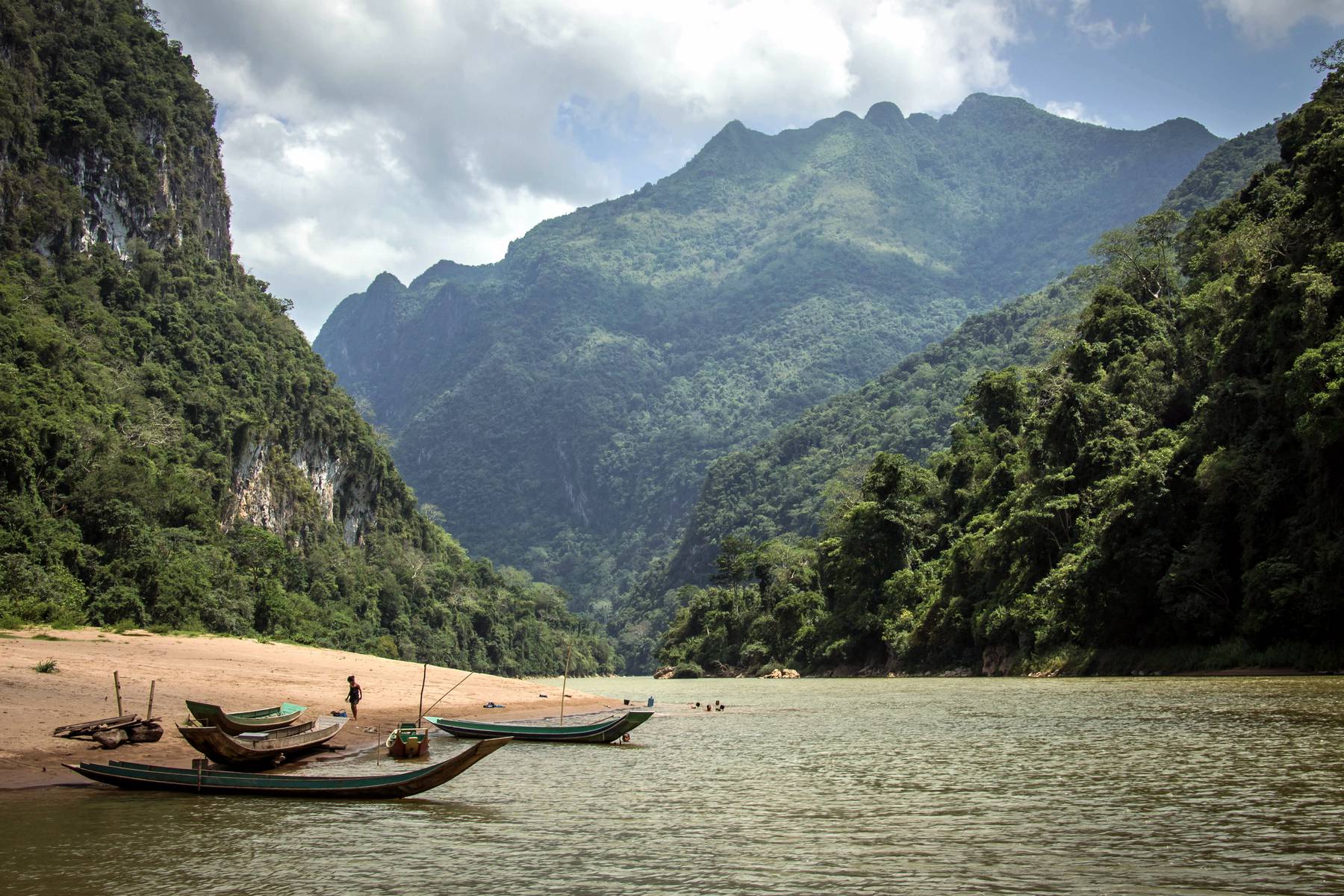
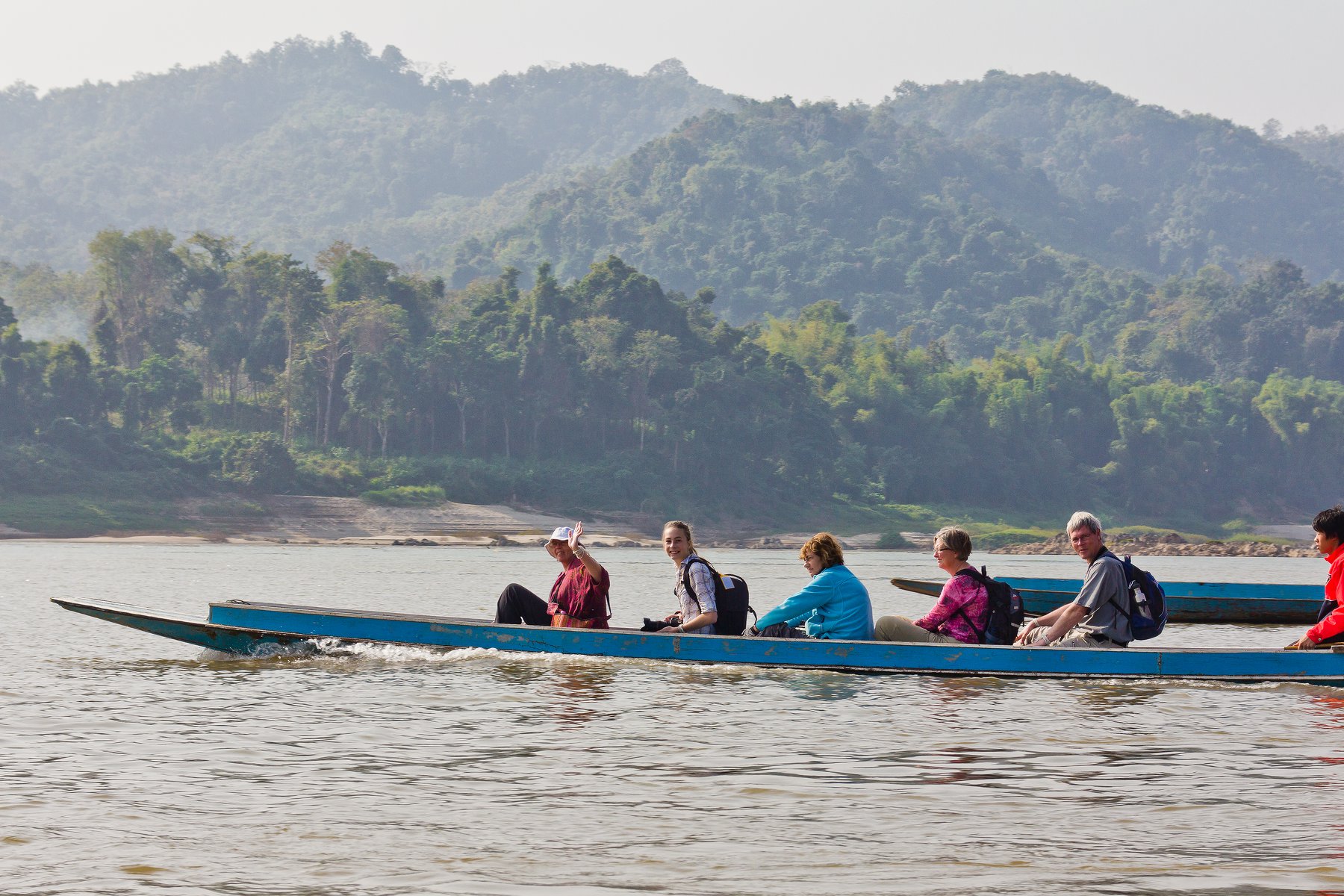
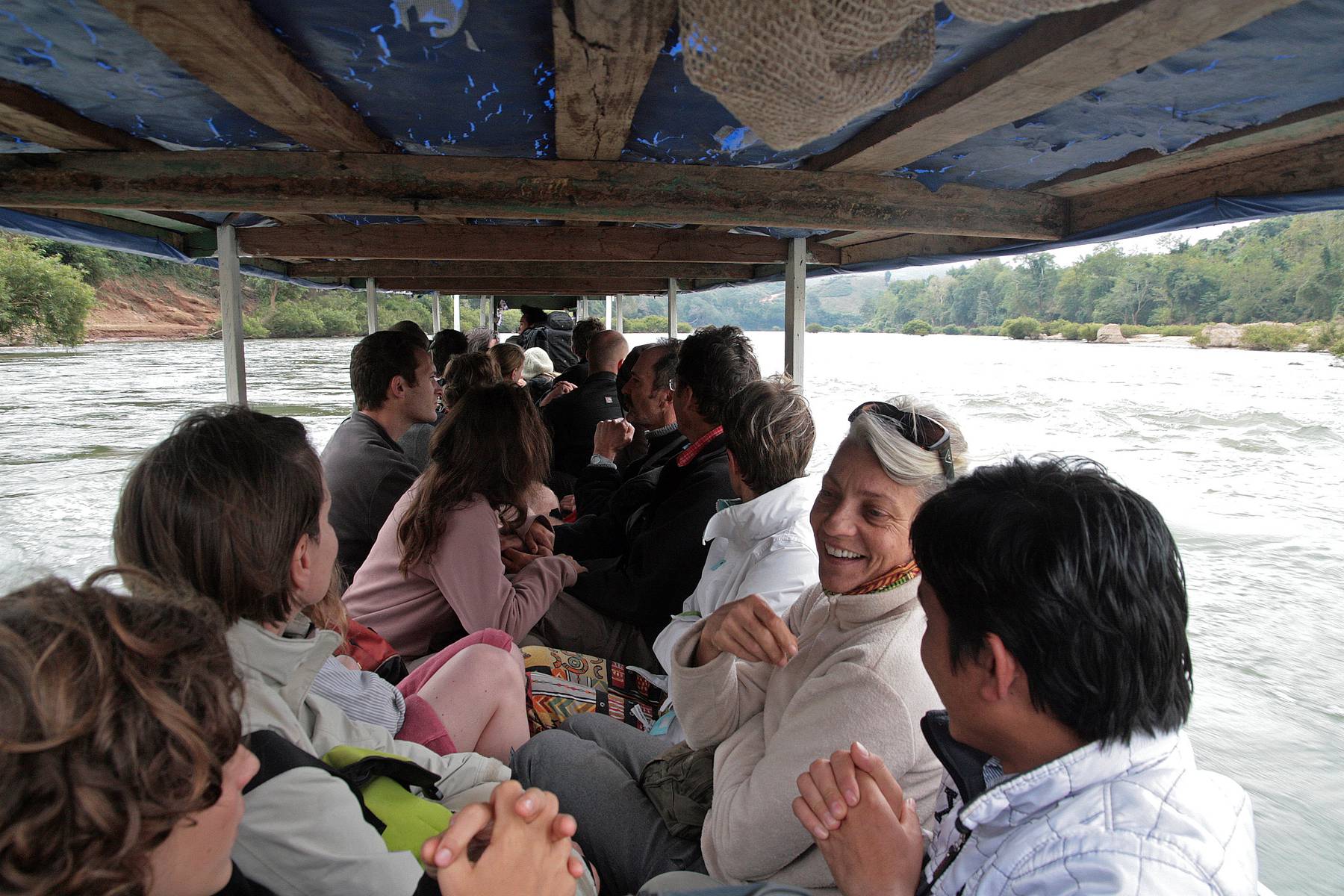
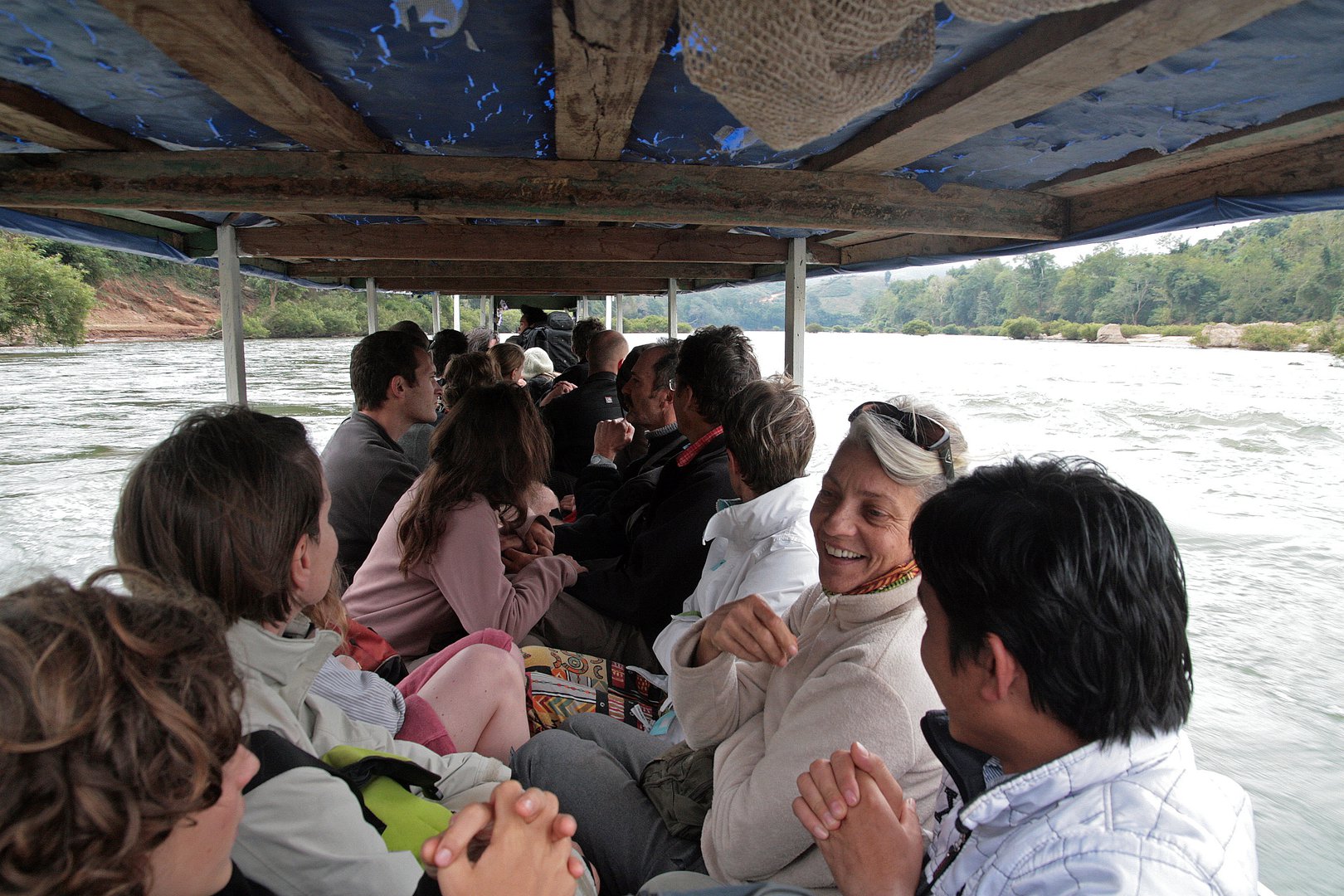
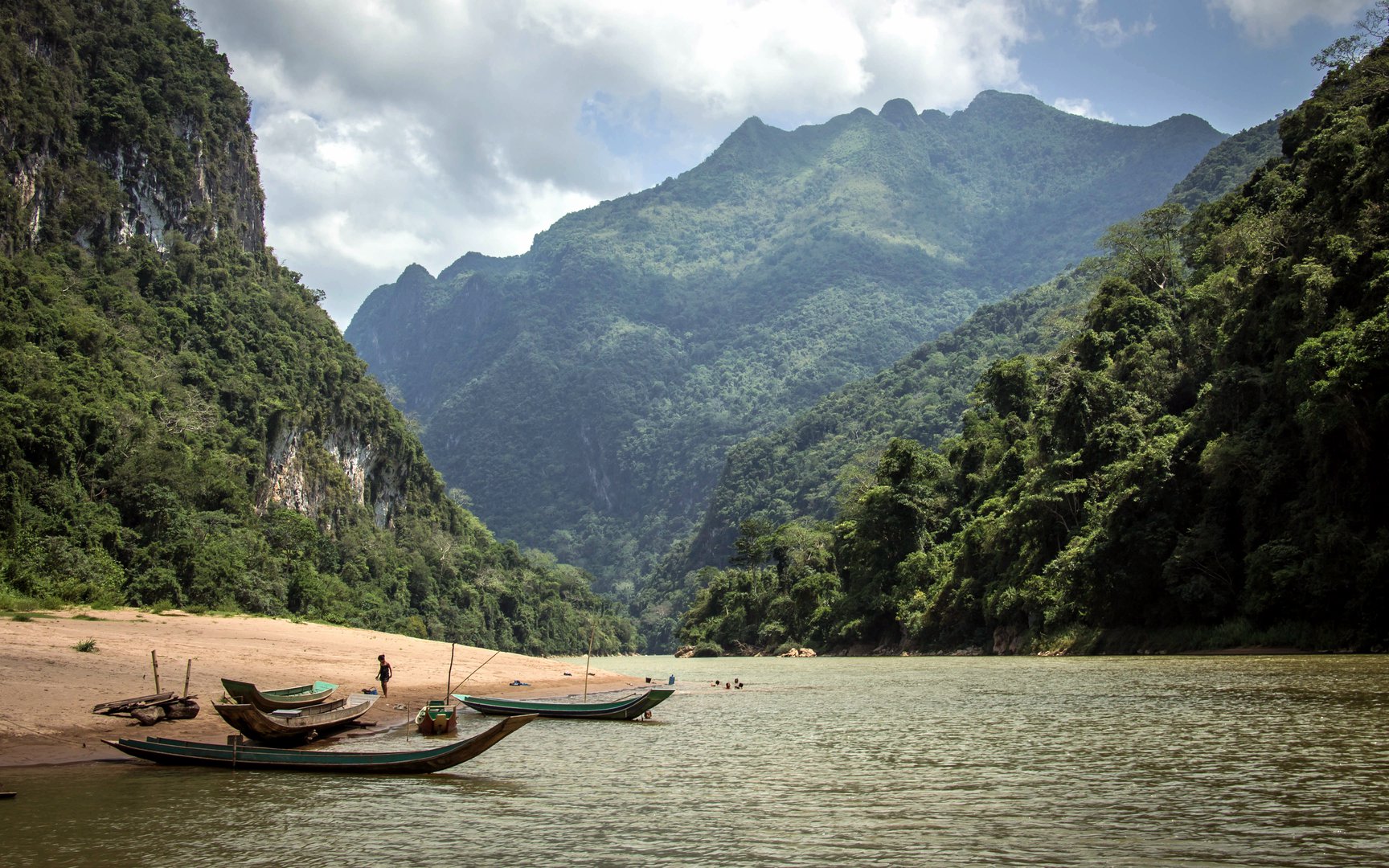
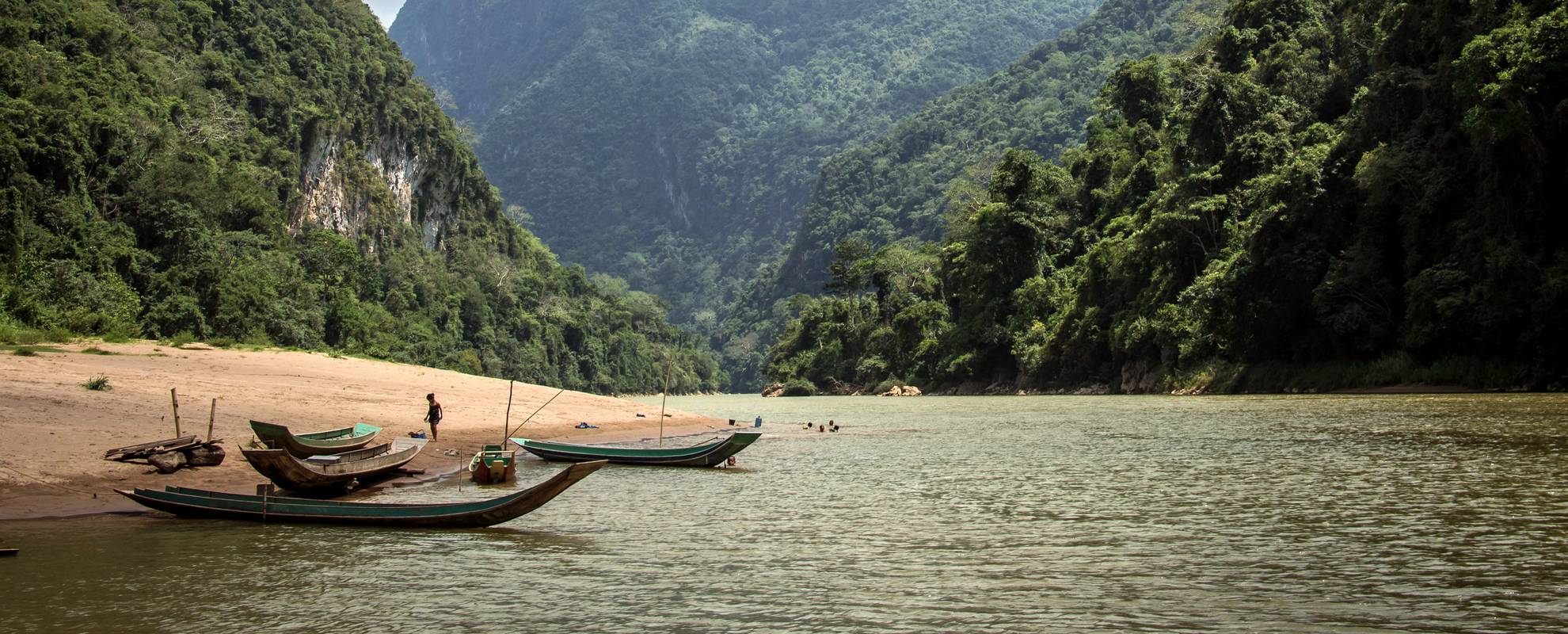
After breakfast you will board the slow boat for the trip down the Mekong River.The pace is very relaxed - a perfect way to observe the local lifestyle in close up. This part of the Mekong is very narrow; the banks are very beautiful, flanked by mountainous range and green forests. Some stopovers could be arranged along the way.
In the late afternoon you will arrive at Pakbeng, a colourful village situated at the junction of the Mekong River and the smaller Beng River. Once extremely poor Pakbeng, is growing rapidly due to its position as trading post between Thailand and Laos interior. Hmong and Tai Leu are frequently seen on the main street of Pakbeng, and small vendors along the street sell local textiles and handicrafts. The accommodation standard will be rather basic.
In the morning you take a local bus to Udomxai, 130 km, a small town which is the hub and a stepping stone that opens up northen Laos for exploration. The road to Udomxai is in good condition and is paved. You pass through an area with Hmong and Thai villages.
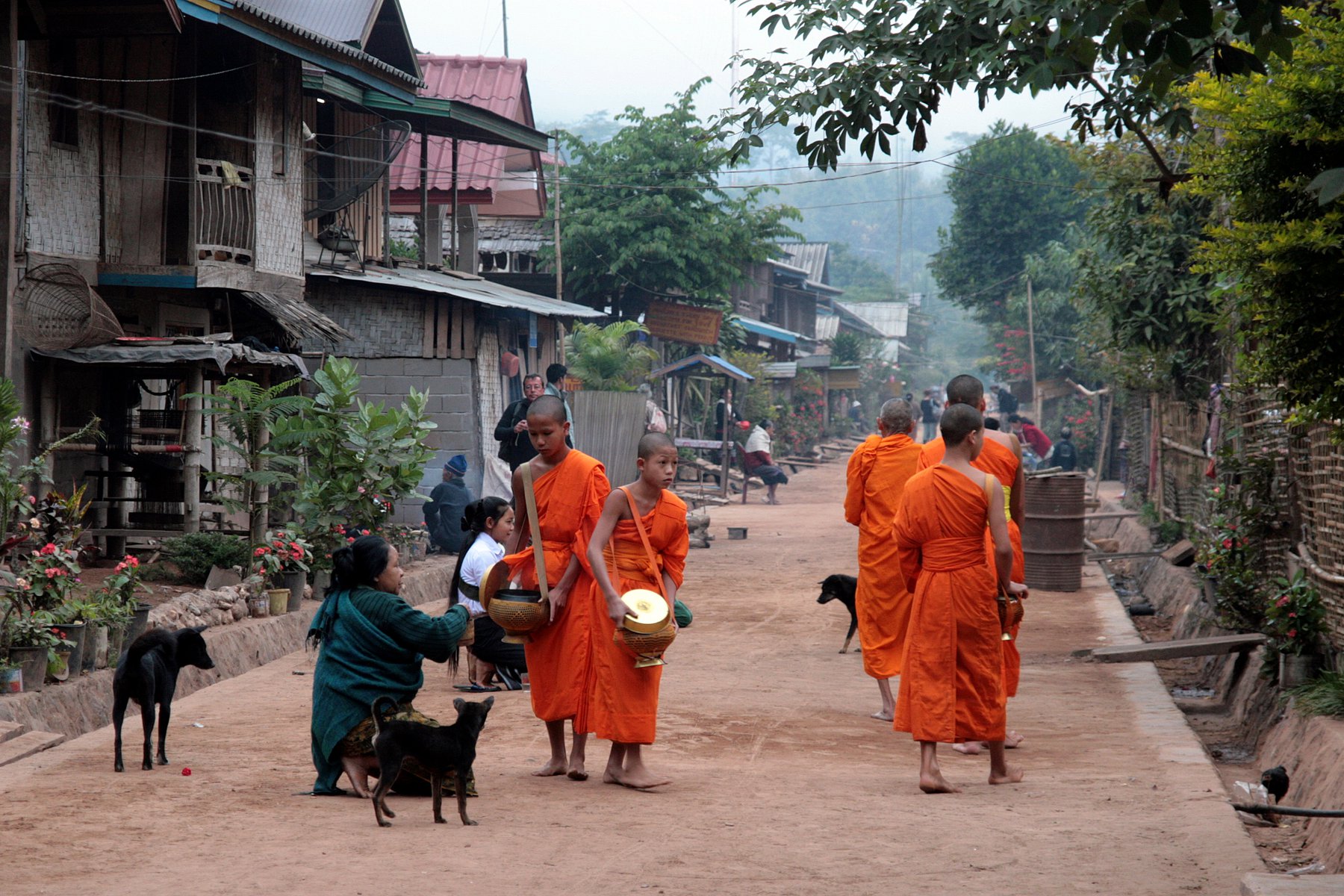
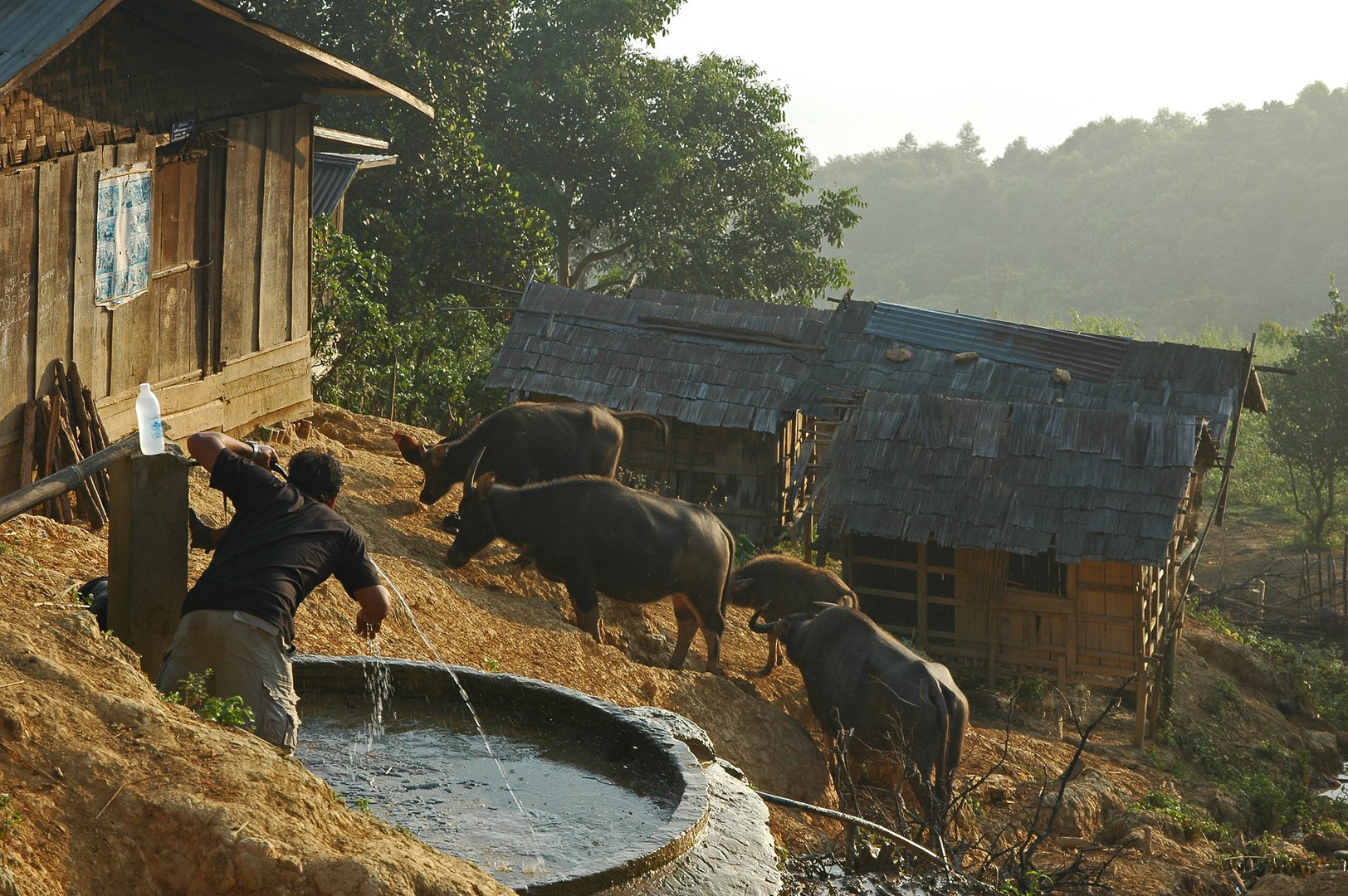
This is a very isolated area and decades of war and neglect have kept it from developing. The way of life which has disappeared from many Asian countries has been preserved in the hills flanking the upper Mekong and its tributaries. The highlanders make their living out of cultivating the slopes by using shifting-cultivation.
Day 4
You will take a bus to Muang Khoua, where you will continue with boat 4-5 hours to the small village Muang Ngoi.
Day 5-8
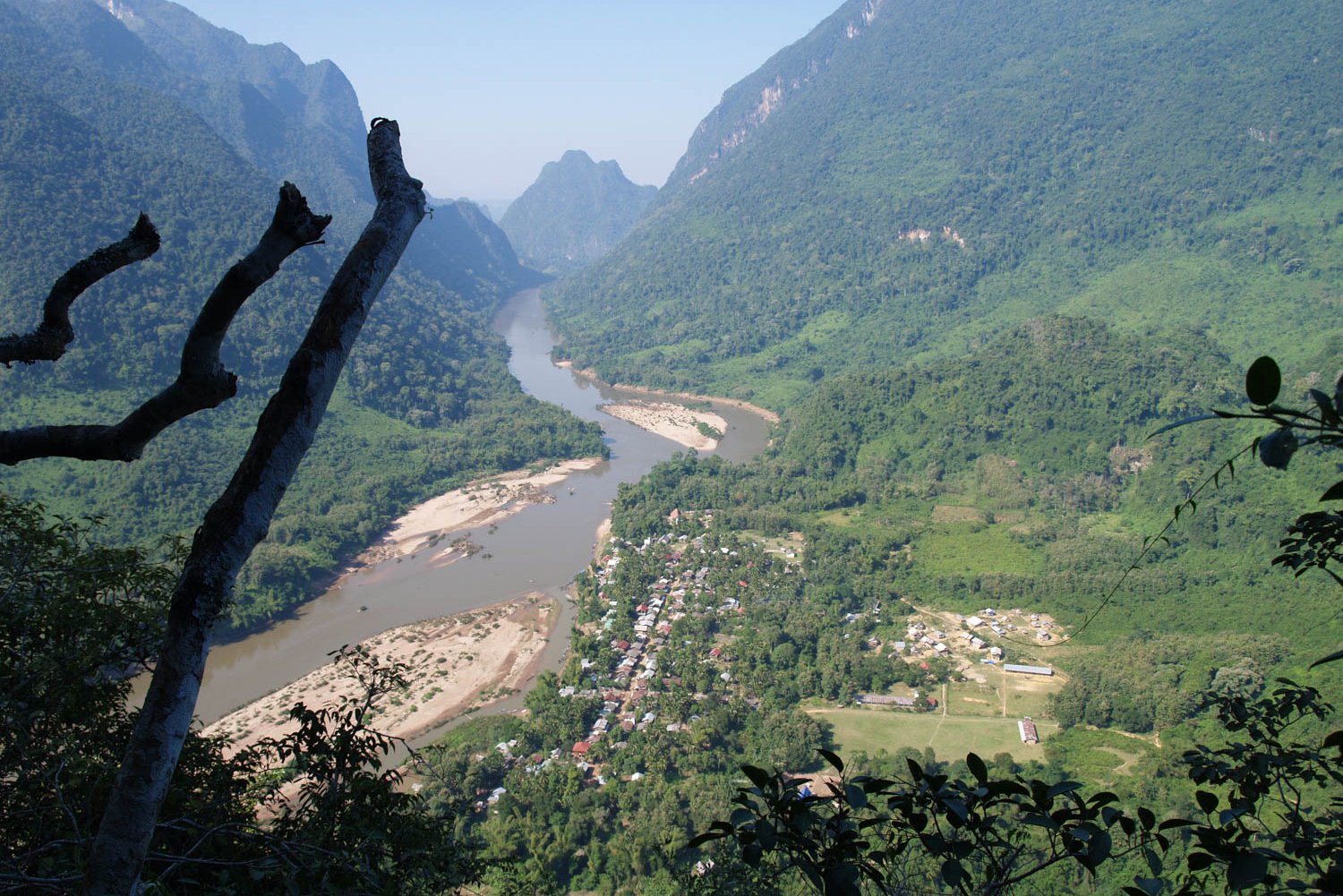
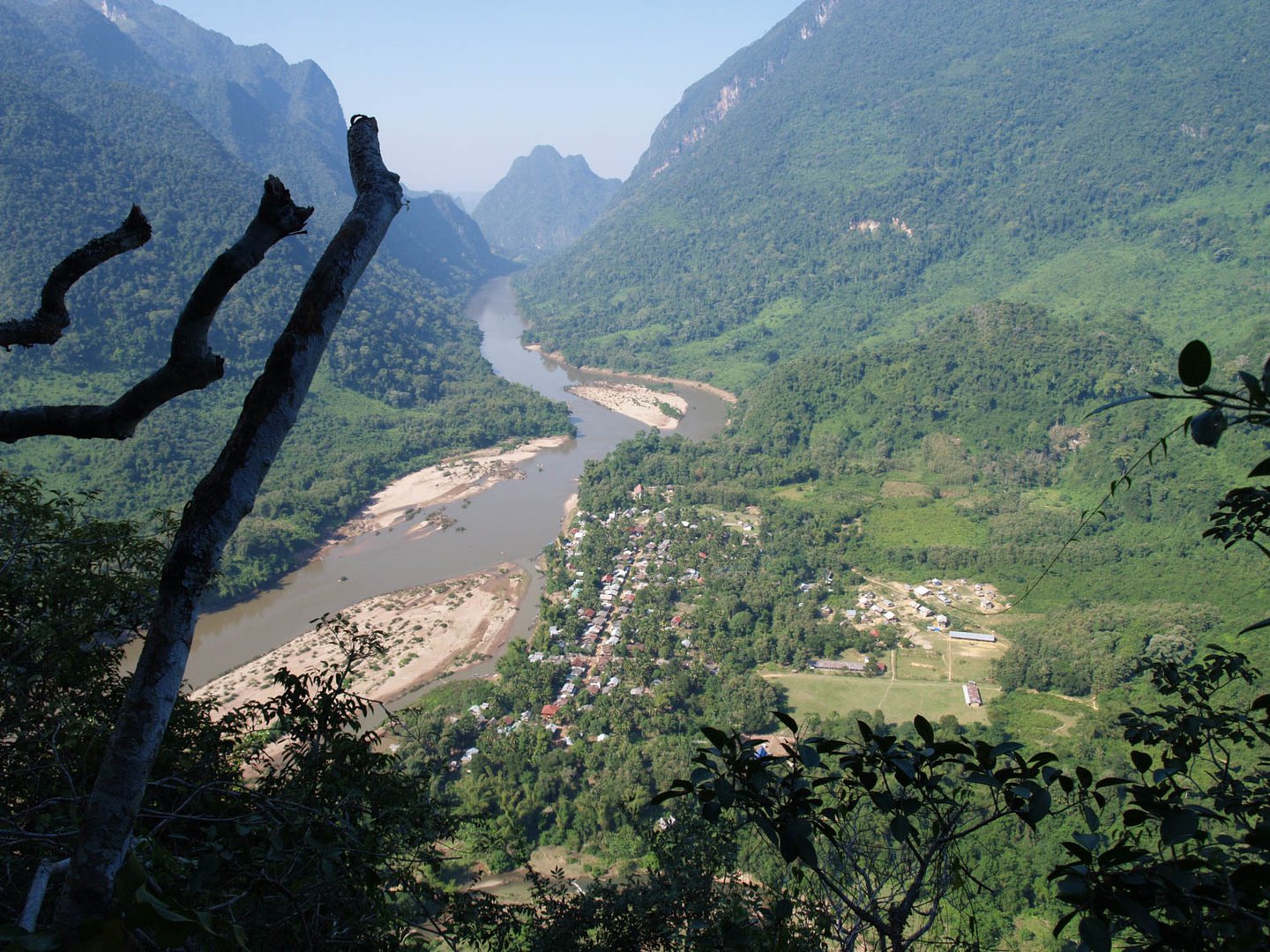
Directly in the path of the Ho Chi Minh Trail, the area was quite heavily bombed during the war, and the local caves were used as bomb shelters. Despite its relaxed atmosphere Muang Ngoi can offer some activities e.g. rent a boat and go and see a waterfall or a nice river beach, rent a canoe and take a short trip on the river or do some walking in the surroundings and see caves It is also possible to organise a fishing trips.
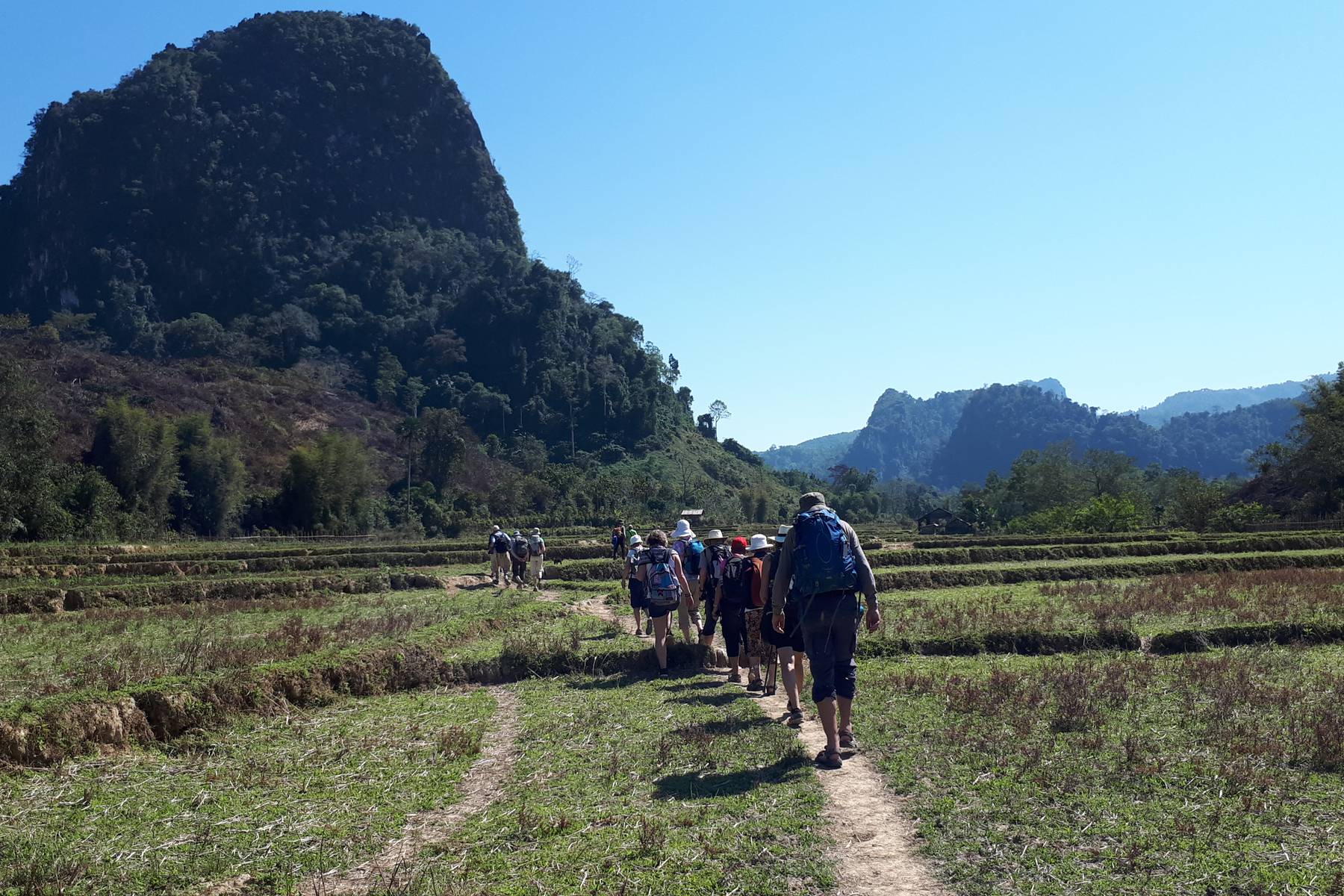
In the morning you will be off on a trek that will take you to remote villages where representatives of various ethnic minorities live. Each day will you walk for 5-6 hours.
You will stay overnight at local families. Accommodation is very basic. You will have to bring along a smaller backpack with essential stuff you need on the trek. You will share your meals with the locals most of the time. The menu consists of rice, noodles (staple food in Laos), eggs or chicken.
The third day of the trekking will you return to Muong Ngoi where you get the chance to take part in a traditional Lao party with a local band and lovely Lao food.
Day 9
In the morning will you take boat to Nong Khiaw were you will take a local bus to Luang Prabang.
Day 10-11
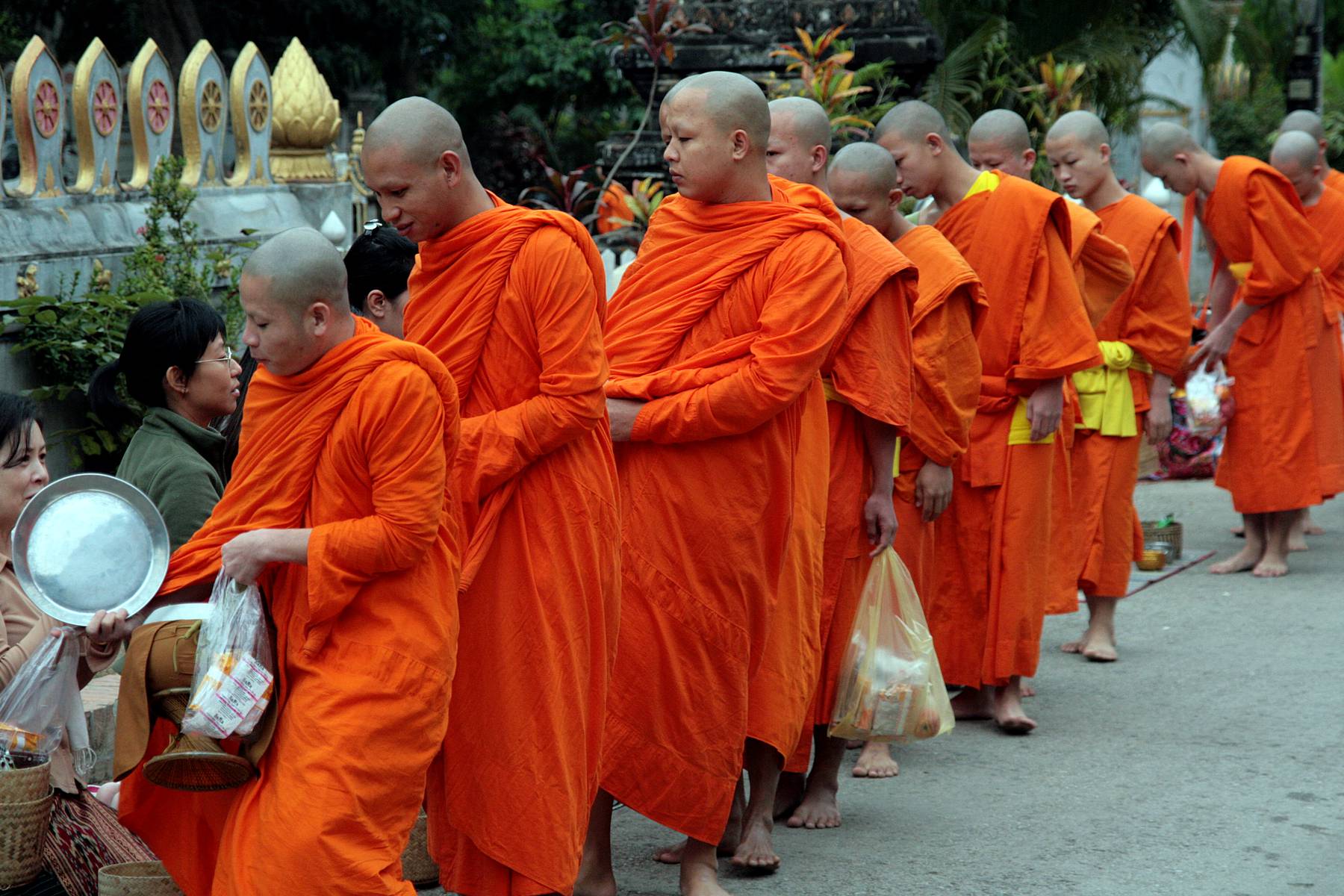
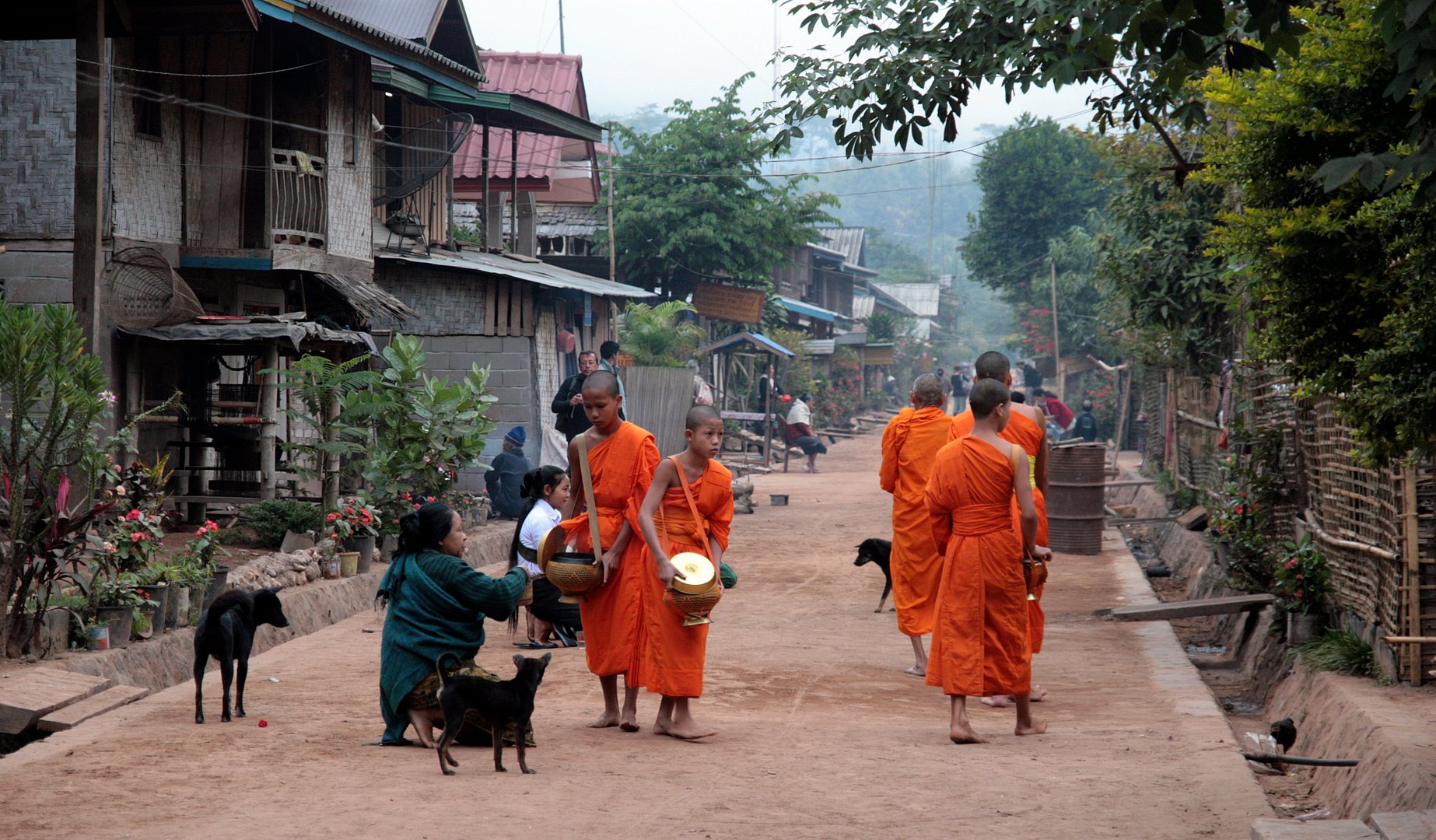
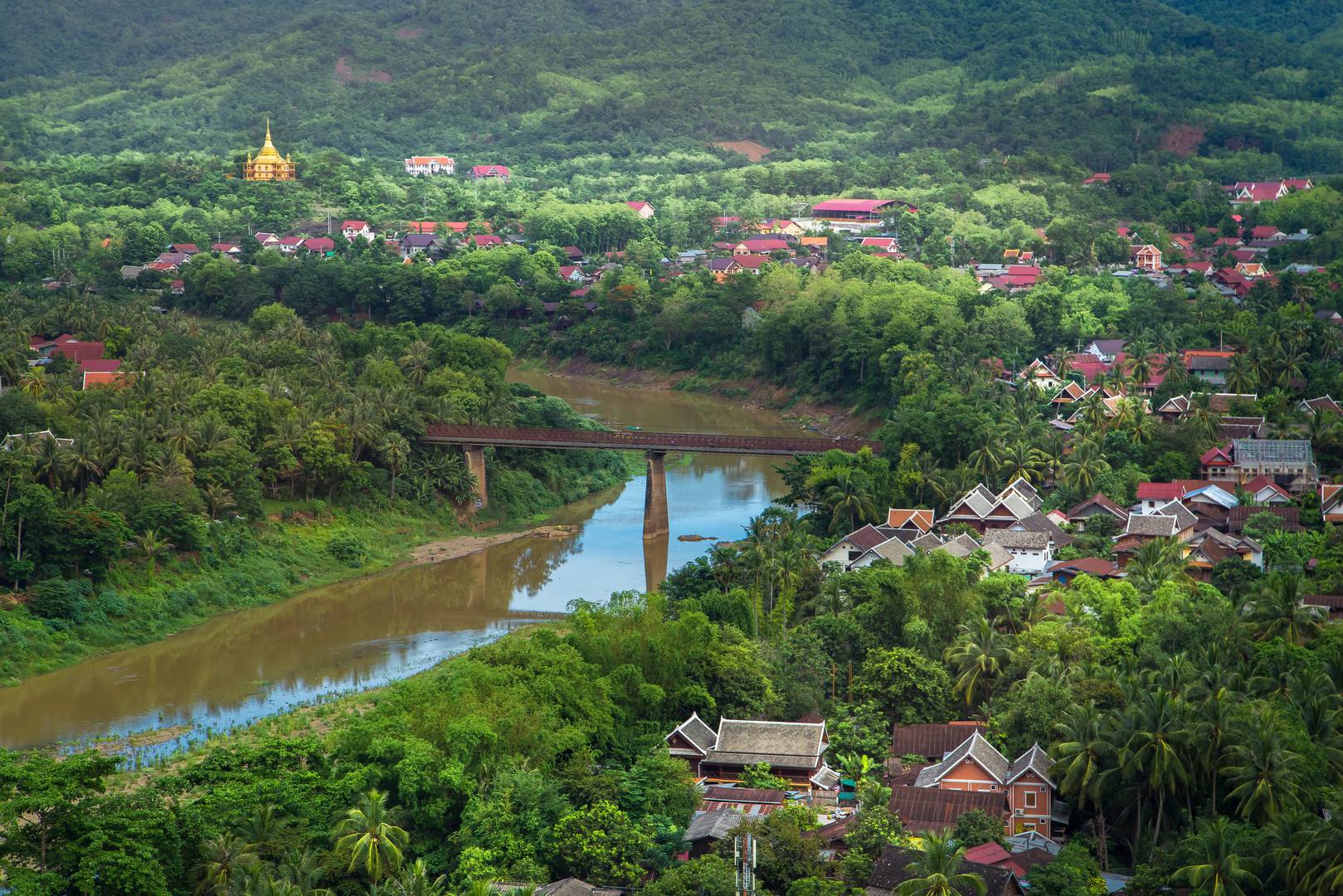
Luang Prabang certainly has a classic Lao identity, beautifully set in a valley between Mekong and Nam Khan. The town is known for its thousand year old historic heritage, colonial legacy, big dose of Buddhist and royal mystique, including the most sacred Buddha image of Pra Bang, and a refined cuisine. The two most important events in Laos, Bun Pi Mai (April), the Lao New Year and Bun Awk Phansa (celebrating the end of the rainy season) are probably the only major events seriously disturbing Luang Prabang's normal air of peace and serenity. UNESCO regulations have kept the architecture in Luang Prabang intact.You can see most of the famous sites and wats (temples) by foot during one day. Out-of-town attractions is easy to reach with bicycle and motorbike. You can rent both bicycles and motorbikes in many places in town. Avoid riding after dark and use a helmet.
The majority of Luang Prabang's temples and monasteries, Asian shop houses and French-influenced mansions are to be found in the old city, along the Sisavang Vong/Xiang Thong Road. In the commercial part of the city you can still find important monasteries such as Wat Aham and Wat Visoun.
Centrally positioned between Phu Si Hill and the Mekong River is the former Royal Palace now a museum. The palace was constructed in 1904 by the French and replaced the older and smaller palace of teak and rosewood. To the right of the main entrance of the main building of the palace there is a small room where the image of Pra Bang - the most sacred icon of Lao Buddhism - is kept.
The Throne Hall with its mosaics and multicoloured mirrors is rather impressive.
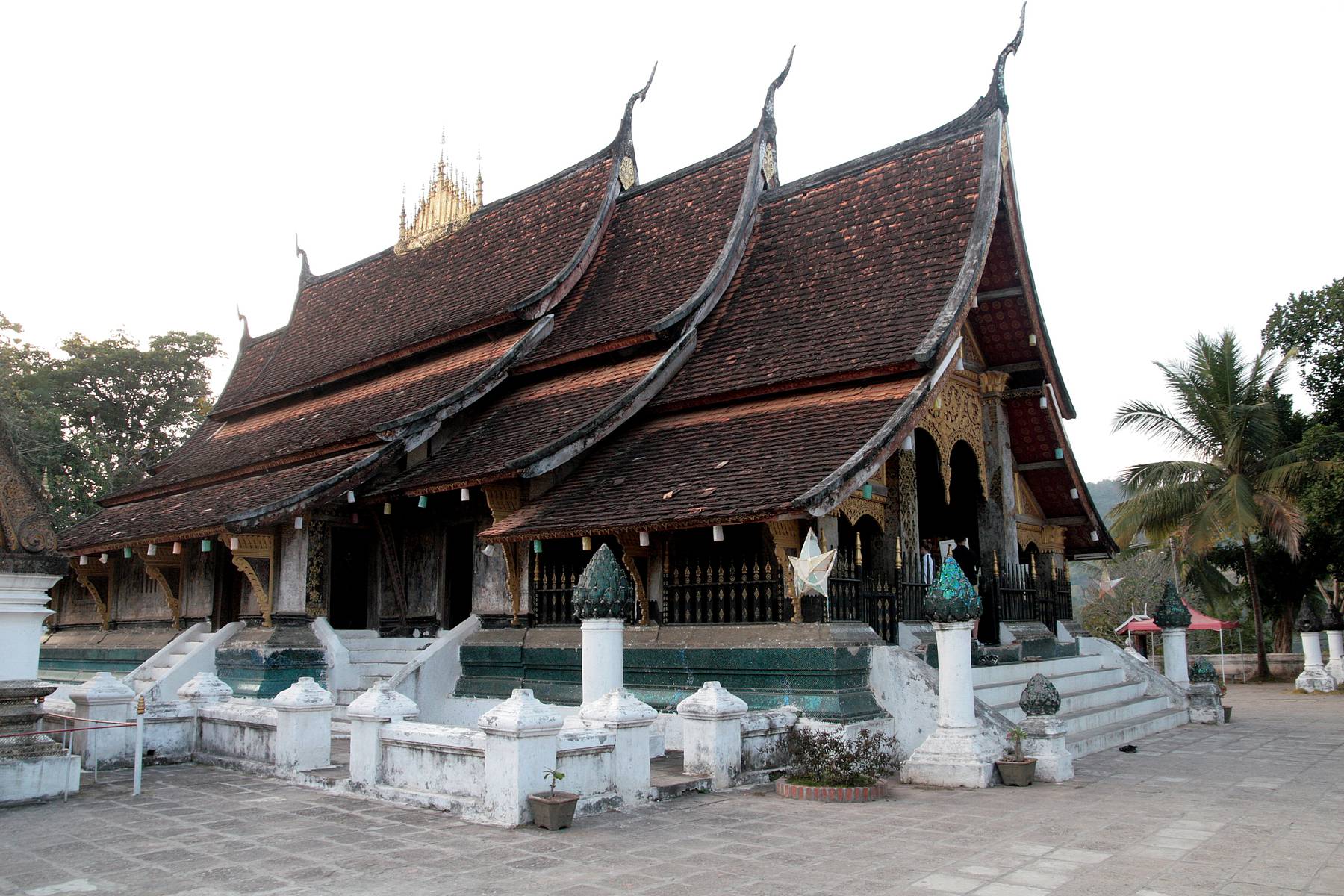
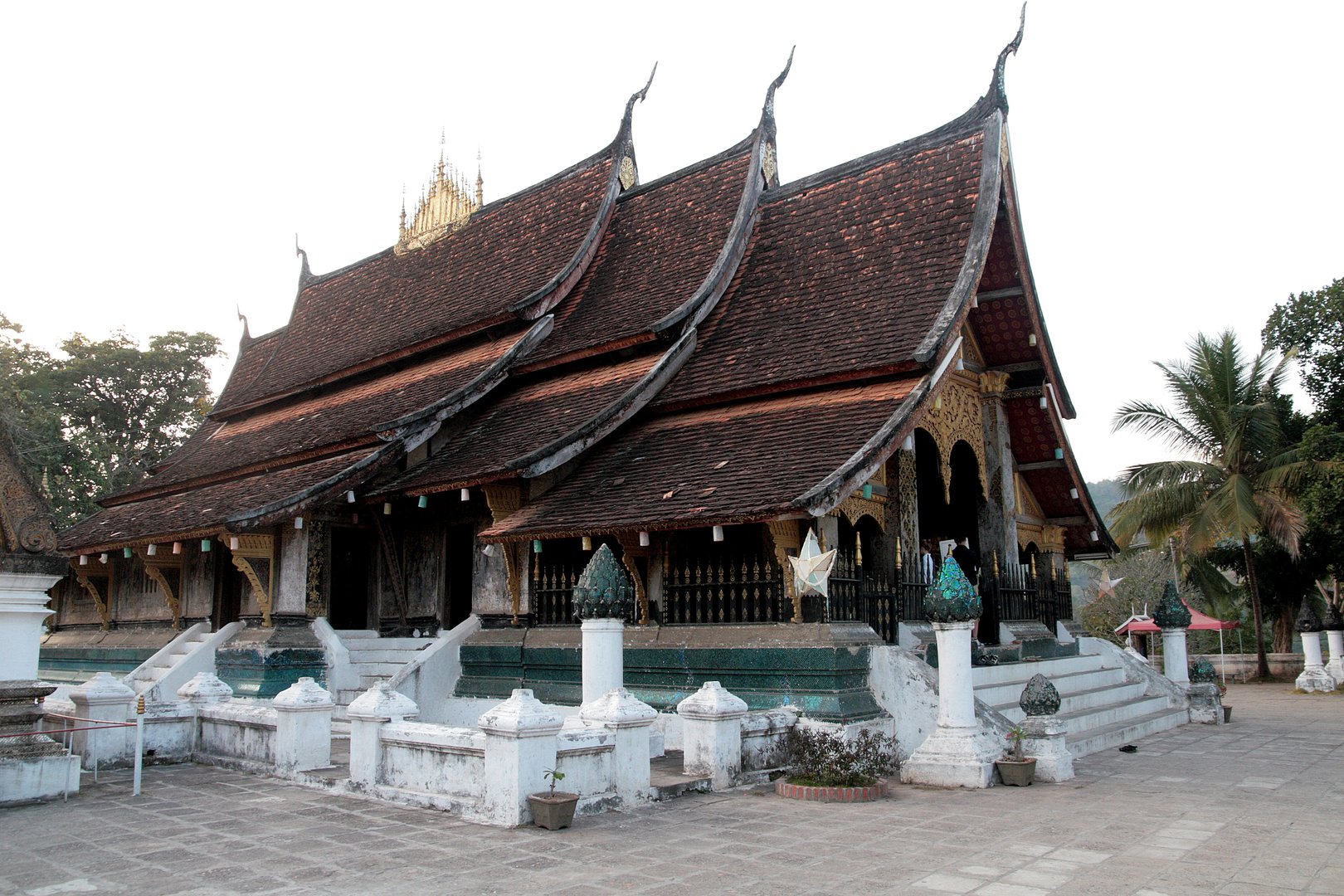
The most enchanting Buddhist monastery in the country is Wat Xiang Thong, the Golden City Monastery. Standing at a distance you could have a full view of the roof, the temple's most outstanding feature. Note the mosaic decorating the walls of the temple. Beside the sim there is a shrine known as Red Chapel with red and gold reliefs and its famous reclining Buddha.
You should not miss some fine examples of Luang Prabang shop house architecture - a mixture of French and Lao style in the district known to locals as Ban Jek, or Chinatown.
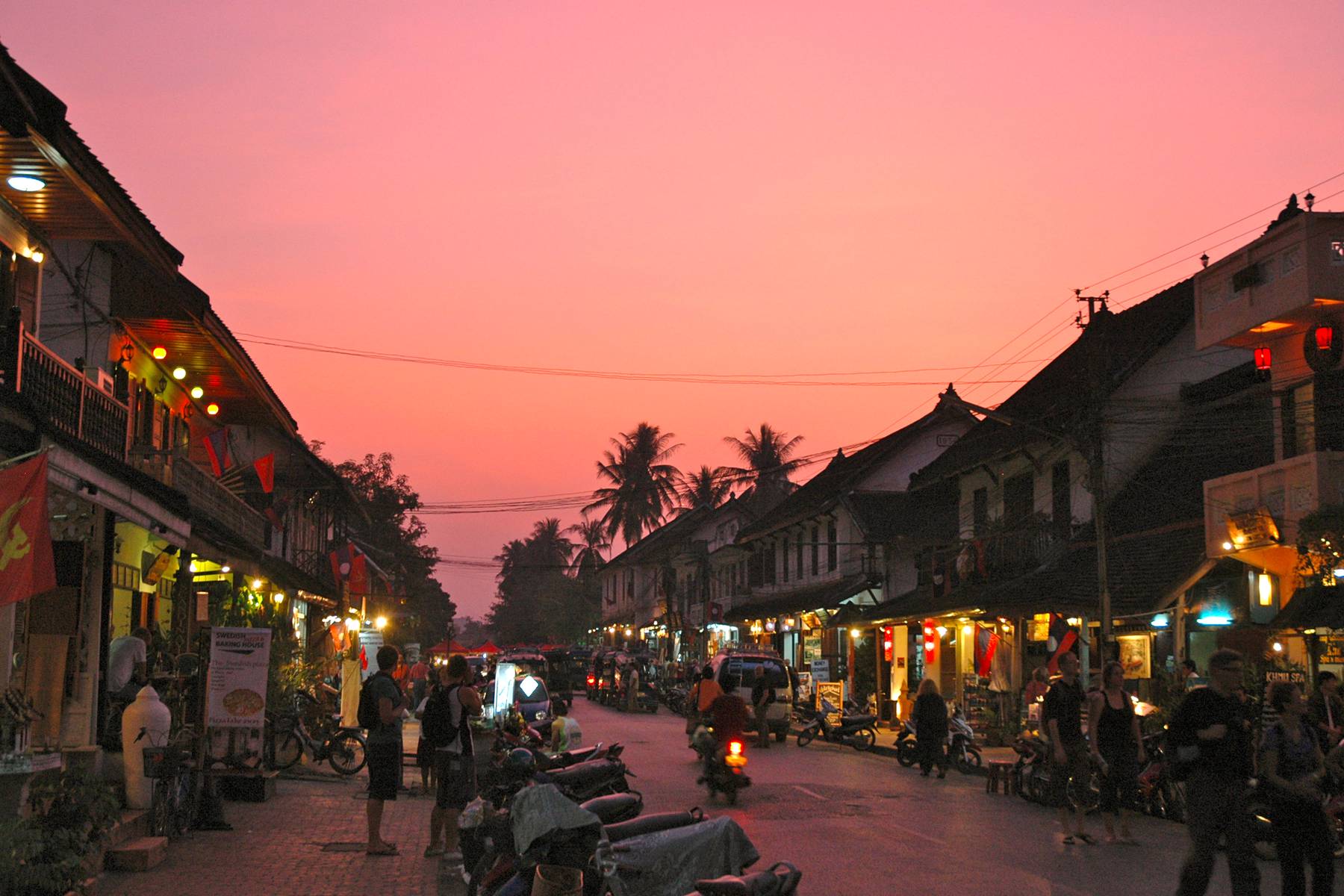
Nowdays they have a night market on the main street in Luang Prabang seven days a week. There are many good items, especially cloth, for sale and a little bargaining will get you a good deal. This market is a relatively new phenomen in the town. It is a good way for many families to have a oportunity to earn some money from selling handicraft.
While other urban centres in Laos are heavily populated by ethnic Chinese and Vietnamese, Luang Prabang is the only city in Laos where ethnic Lao are in majority. The feeling of the original Laos is particularly obvious in the back-streets and alleys. One of the best things about staying in Luang Prabang is just strolling along these streets and alleys.
Day 12
In the morning you take a bus to Laos charming capital Vientianne.Day 13
Laos' capital, Vientiane, is located on the banks of the Mekong River. Vientiane was originally one of the early Lao principalities, which was consolidated around the time that Europe was leaving the Dark Ages. Despite early prosperity, Vientiane lost its independence at various times during its history to Vietnamese, Burmese, Siamese and Khmers forces. When Laos became a French protectorate in the late 19th Century, Vientiane became the capital. The curious mix of Lao, Thai, Chinese, Vietnamese, Soviet, French and US influences results in a somewhat exotic atmosphere.
This small and laid-back capital is easily explored by bicycle or by foot.
The backbone of the city is formed by three streets running parallel to the river. Samsenthai Road and the area around Lao Plaza Hotel form the commercial centre of the city. The easiest reference point is the Nam Phu fountain, which marks the heart of the downtown Vientiane. This is the most cosmopolitan district of the city where most of the accommodation, restaurants and shops can be found.
The majority of Vientiane's most famous temples are found close to the Mekong - there are twenty of them. Wat Sisaket should not be missed, which is the oldest monastery in Vientiane. It was constructed in 1818 and plundered by the Siamese in 1828. The sim, the biggest structure of a Buddhist monastery containing usually Buddha images, has some beautiful murals. Outside the sim the cloister walls of the monastery have countless niches with small gilded Buddha images, which somehow reflect the main motif of the temple.
Another historical site to be visited is Haw Pha Kaew, the former royal temple of the Lao monarchy and home to some of the best examples of Buddhist sculptures there is to be found in Laos.
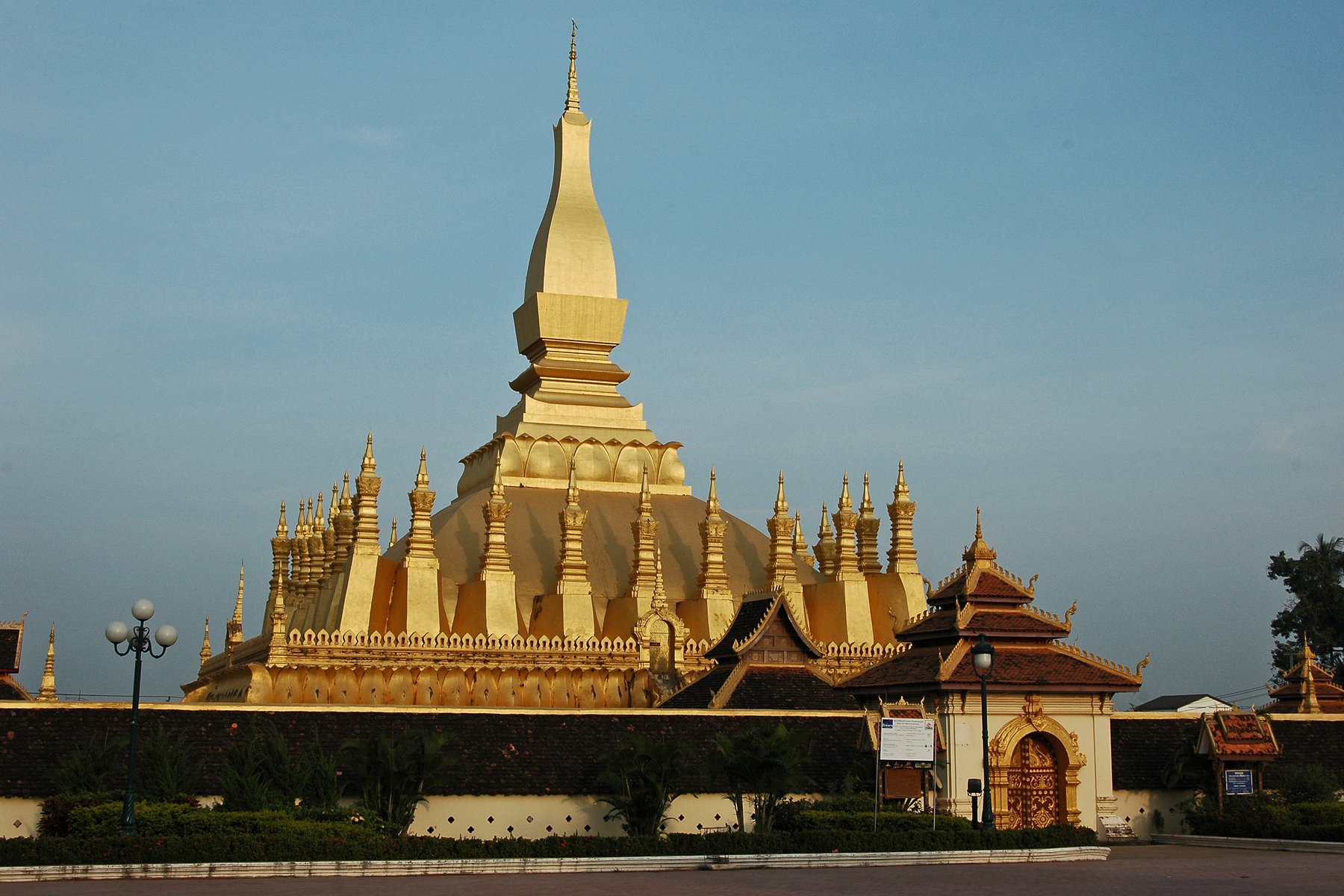
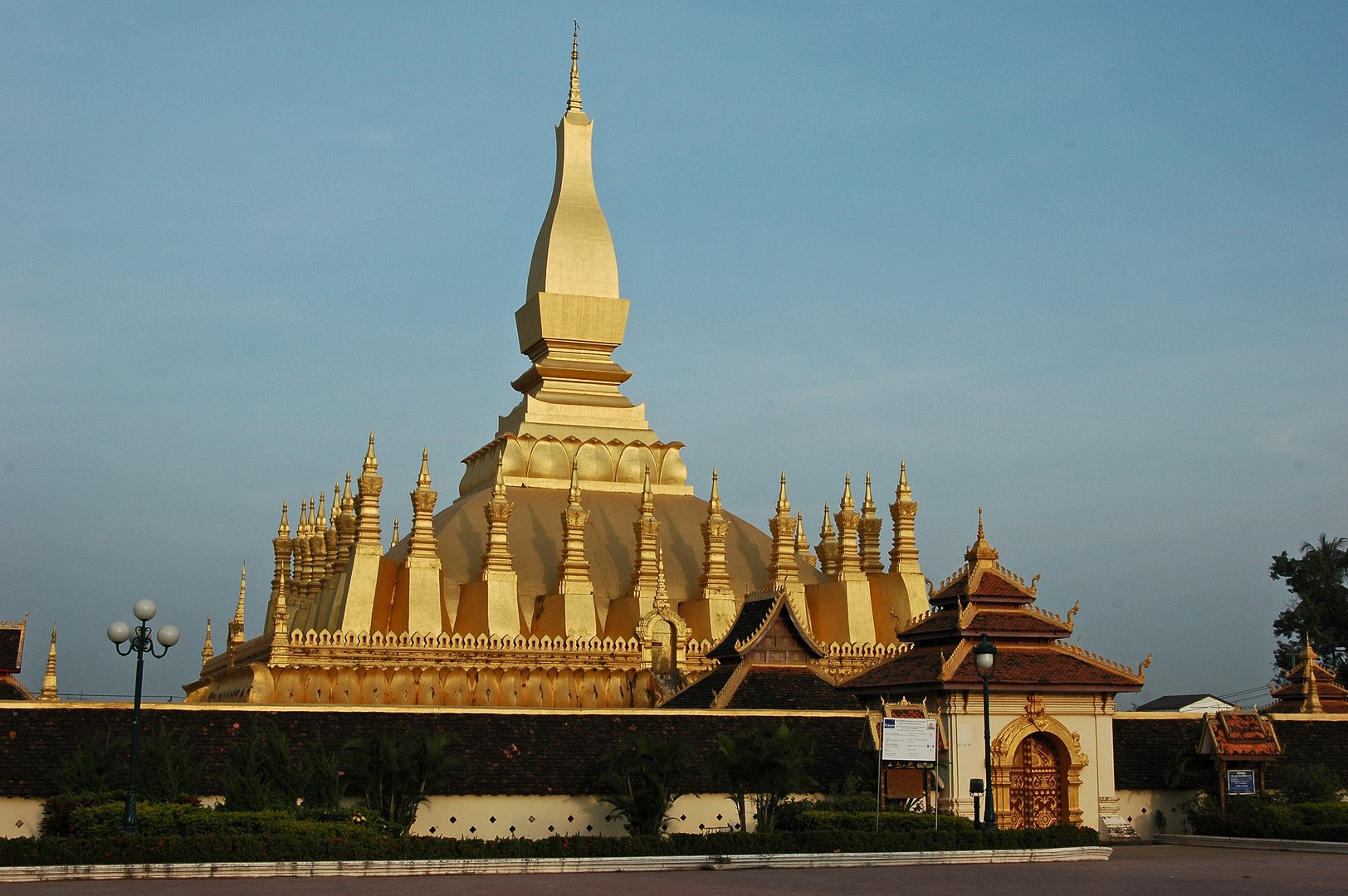
And finally, high on your list should be That Luang, Laos' most important religious building and national symbol. The present building dates back from the 1930s and is a reconstruction. Like most of central and southern Lao Buddhist structures of significance, That Luang was built on top of the original Khmer site. What the original stupa looked like remains unknown, but according to accounts of European travellers in mid 1600s it was an impressive "gold-covered pyramid". The best time to experience That Luang is at sunset, and of course during That Luang festival (full moon in November) when it is decorated with a string of lights.
Apart from cultural and religious sites Vientiane has lots of other attractions for a traveller. Since the country opened up to foreign visitors, both the shopping and culinary scenes in the capital have changed rapidly. After a period of literal deprivation, when even cooking oil had been difficult to get hold of, the markets (Morning Market for example) have become an adventurous place for those interested in all sorts of antiques, old textiles, bamboo or wicker baskets etc.
Vientiane's location along Mekong's banks makes for spectacular sunsets. Lots of stalls selling beer and fruit shakes set up along the sidewalk on Fa Ngum Road, opposite Wat Chanthabouli from afternoon to early evening.
Day 14-16
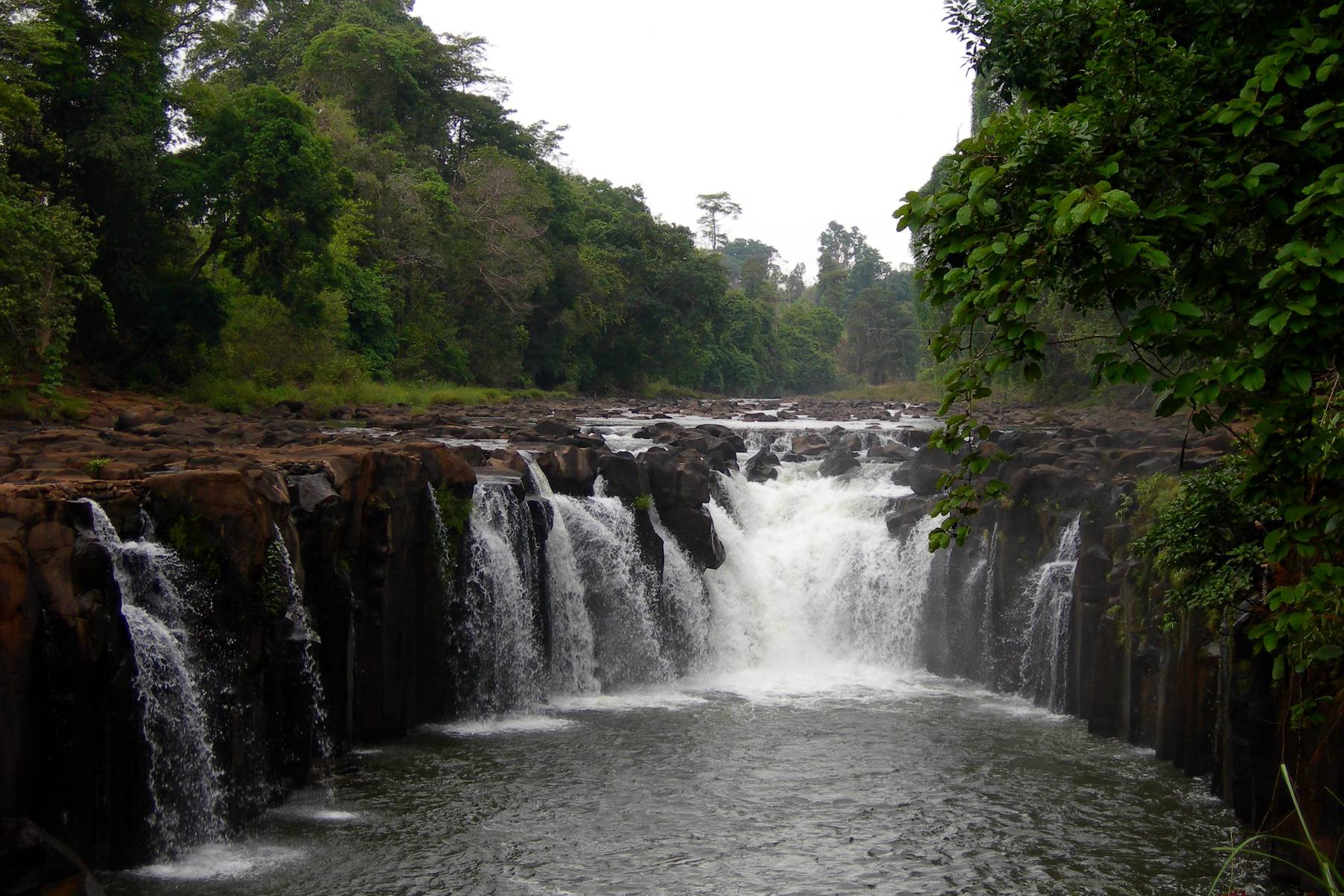
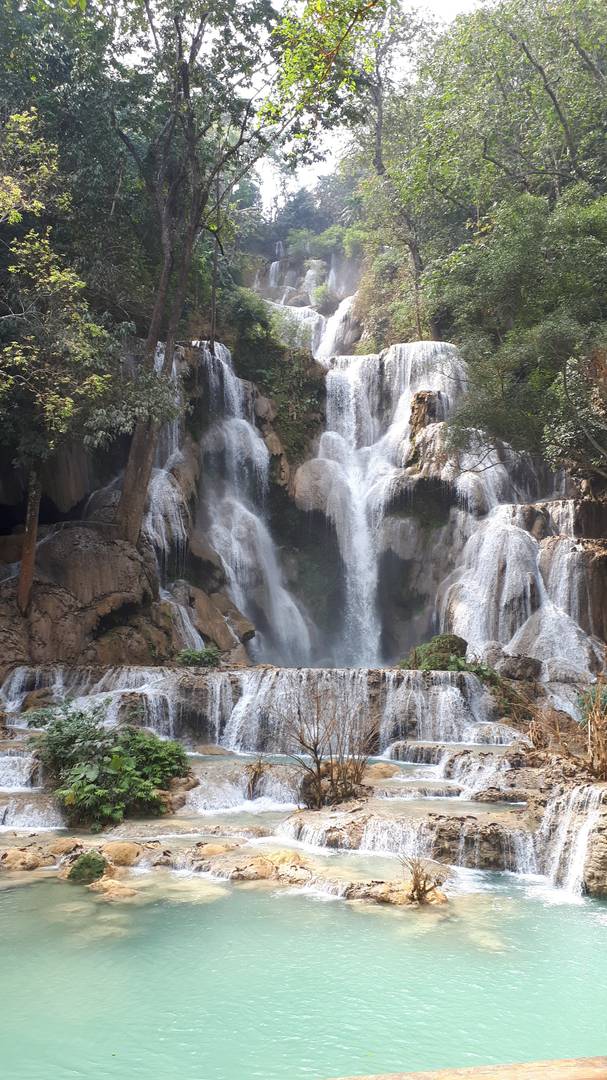
You take a bus from Vientianne in the morning. After passing the town Paksan will you turn into road no.8 with its beautiful surroundings. In the Phou Hin Boun Conservation area will you stay for three nights in a small resort beautifully located by a small river. You will have two full days to explore the area. One of the days will you do trekking through villages to Namsanam waterfalls and the other day will you take a boat ride down the river and go through the spectacular 7 km cave.Day 17
Bus to Lak Sao once an important place on the legendary Ho Chi Minh trail during the Vietnam war. Today is it a small sleepy town surrounded by beautiful mountains and the last outpost in Laos before entering Vietnam.Day 18
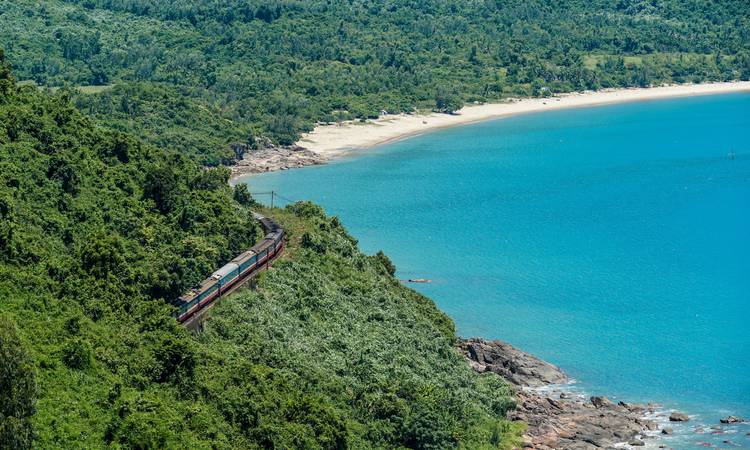
In the morning you take a bus ride up the mountain on the spectacular road leading to the border crossing at Cau Treo. It is time to say good bye to your laotian tour leader and meet the vietnamese tour leader who will lead you on the journey in Vietnam. After passin the border do you continue to Vinh where you catch a train to Danang and then continue by bus to Hoi An.Day 19-21
In its heyday Hoi An was an important port for Dutch-, Portuguese-, Chinese- and Japanese vessels. You can still see traces from these countries in the architecture of Hoi An. Main reasons why travellers continue to come here is the atmosphere, the friendly people, the beautiful beach, the fantastic food etc. Many consider it to be the nicest town in Vietnam.Cua Dai beach is some 5 km away from Hoi An the beach is very nice and is lined with many small restaurants.You can rent a bike to go there or just take a taxi.
Hoi An is a good place for those who want to make new clothes. It is a lot of tailors in the town if you choose a good one will you get a lot of things to a good price.
You will find many good restaurants and cafés in town
From Hoi An is it easy to go by bus or car and visit My Son. This is an important old Cham site set in a beautiful valley. My Son was declared a religious sanctuary from the 4th century. It has impressive Hindu temples and towers. Many are dedicated to the Hindu god Shiva, regarded as the creator and defender of the Champa kingdom as well as of the royal dynasties of the Cham people. Heavy bombing by B52's during the Vietnam War destroyed main parts of the area. It is a very interesting and beautiful place to visit. If you decide to go there make sure that you start early in the morning from Hoi An, 6 or 7 o´clock then will you arrive in My Son 8 or 9 o´clock. If you arrive later you will find the place crowded, hot and very sunny. Since My Son is a holy place is the experience much stronger if it is more peaceful and fewer people there.
The last day you take a bus to Danang where you catch the night train for Hanoi.
Day 22
Hanoi must be one of the most pleasant cities in Asia. To stroll around the lakes or go biking is very rewarding. All the parks and lakes serving as landmarks make it easy to find your way around. Hanoi has many interesting sites to see and you can easily visit a few of them when you walk around in the town, the mausoleum of Ho Chi Minh, the Temple of Literature, the Museum of Ethnology, Army Museum and St. Joseph´s Cathedral etc. If you just want to walk around and feel the atmosphere, watch peoples normal life, taste the food, drink some excellent Vietnamese coffee, visit a market or do something else.
The Old Quarters are cramped with narrow alleys, always crowded with people. It seems to be a huge market, where all the shops, cafés and restaurants, run by families, have extended their business onto the streets. Hanoi is full of life and you will plenty of interesting things to do.
Day 23
End of tour