
| Börjar: | 2026-11-09 i Phnom Penh. |
| Avslutas: | 2026-11-29 i Phnom Penh. |
| Reslängd: | 21 dagar |
| Deltagare: | 6 - 12 |
| Lediga platser: | Ja |
| Bekräftad: | Nej, avvakta med att boka flyg |
| Pris: | 24 500 kr |
Kambodja har länge levt i skuggan av Khmerimperiets storhetstid och minnen från Röda Khmerernas skräckvälde. Du möter ett folk och en nation som är på väg att göra upp med sitt förflutna och blickar framåt. Du besöker de bländande Angkortemplen, bor i en by på landet samt strosar runt i Phnom Penhs koloniala kvarter.
Resedetaljer
| Dag | Program |
|---|---|
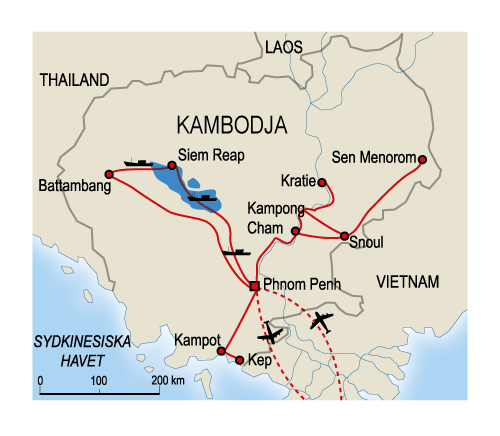
| 1 | Phnom Penh |
| 2-4 | Ut på landsbygden |
| 5-6 | Cykla mellan öar i Mekong |
| 7-8 | Kampong Cham |
| 9-11 | Kep, Kampot - ut till havet |
| 12-13 | Phnom Penh |
| 14-17 | Angkor Wat |
| 18-19 | Båt till Battambang |
| 20-21 | Till Phnom Penh |
- Kvalificerad reseledning
- Informationspaket med utvald litteratur och karta
- Samtliga transporter under resan
- Del i dubbelrum eller annan inkvartering under resan
- Mat ingår under 2 dagar
- Samtliga utflykter och aktiviteter ingåendes i resplanen
- Inträden till Angkor Wat under 3 dagar
- Lokala guider och tolkar enligt resplan
- Samtliga formella tillstånd
- Dricks till lokala guider, tolkar och chaufförer vid aktiviteter enligt resplan
- Internationellt flyg till/från resmålet
- Måltider som ej nämns ovan
- Utflykter och aktiviteter utanför resplanen
- Visum som erhålls vid ankomst till Kambodja. Kostnaden är ca 30 US Dollar
- Cykelhyra
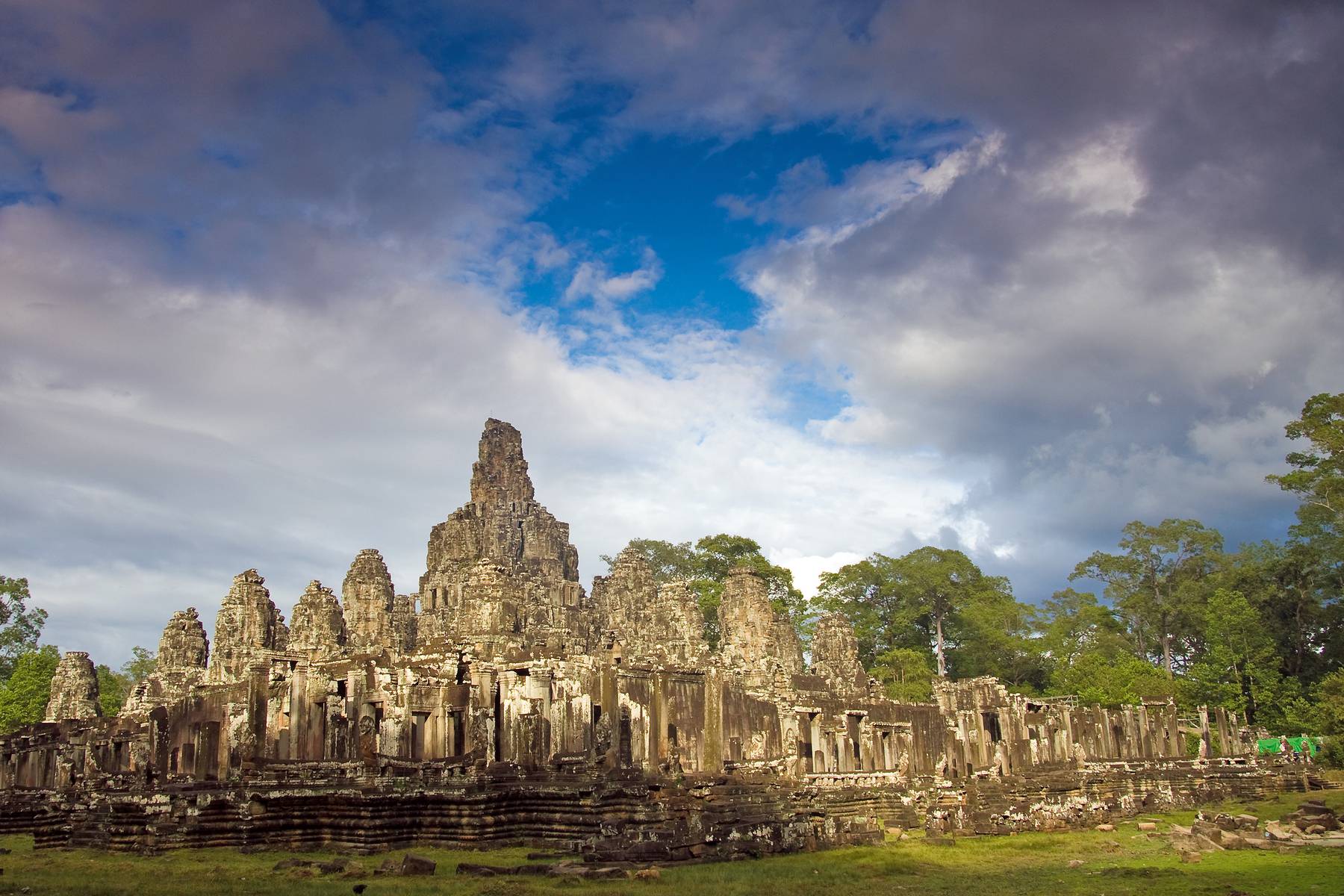
Ankor Wat
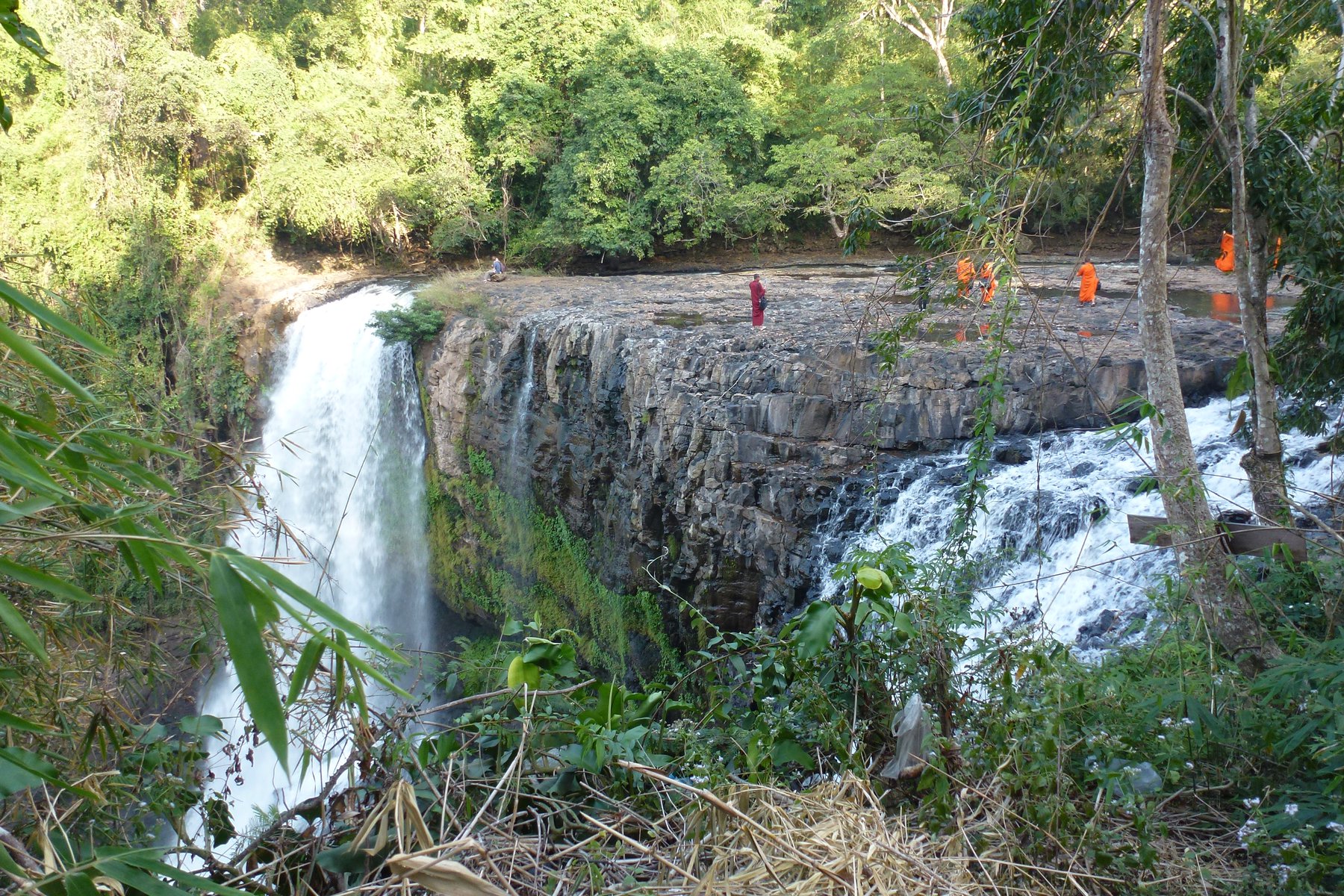
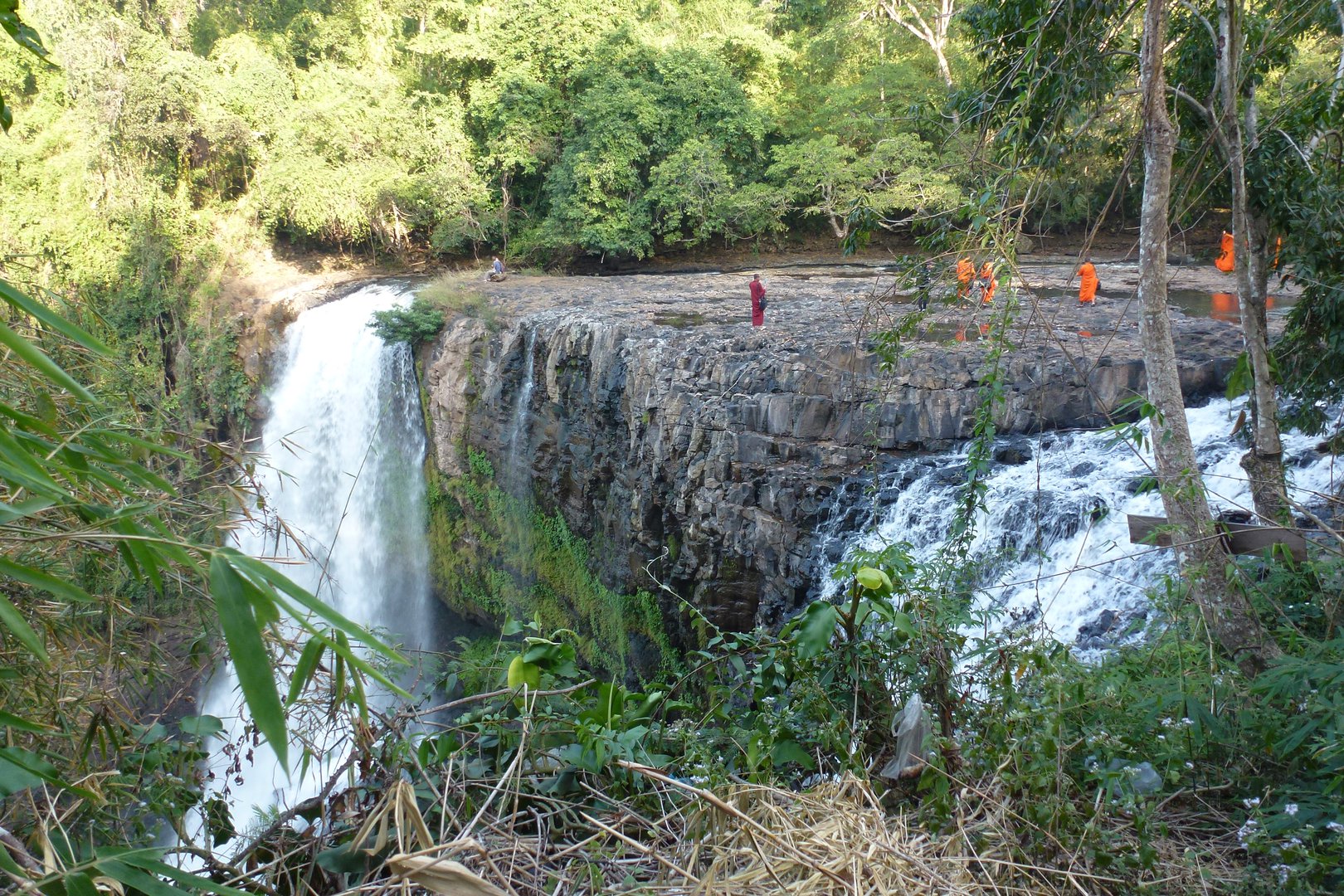
Vattenfall nära Semonorom. Foto Per-Olof Widheden
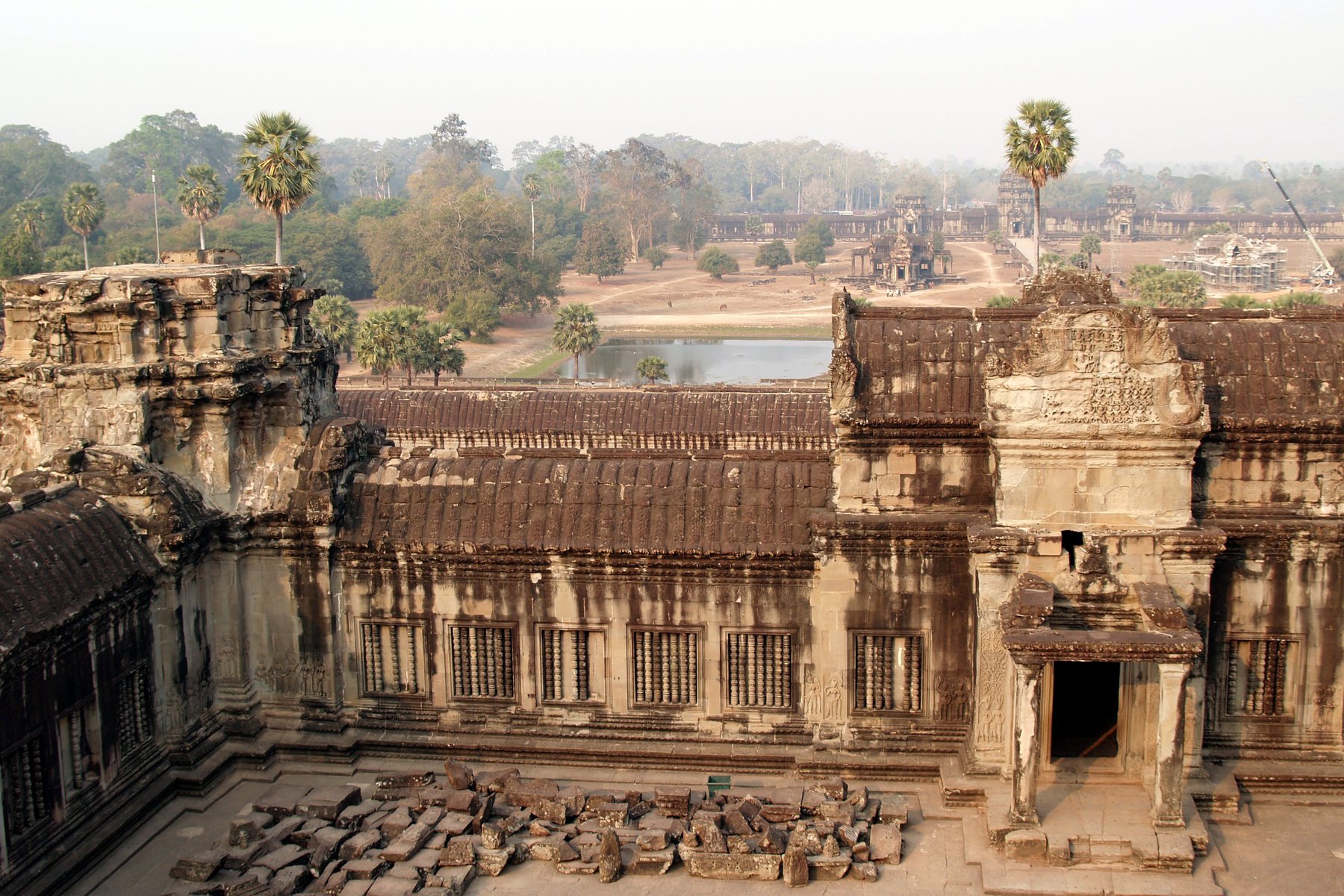
Kambodjas fascinerande historia
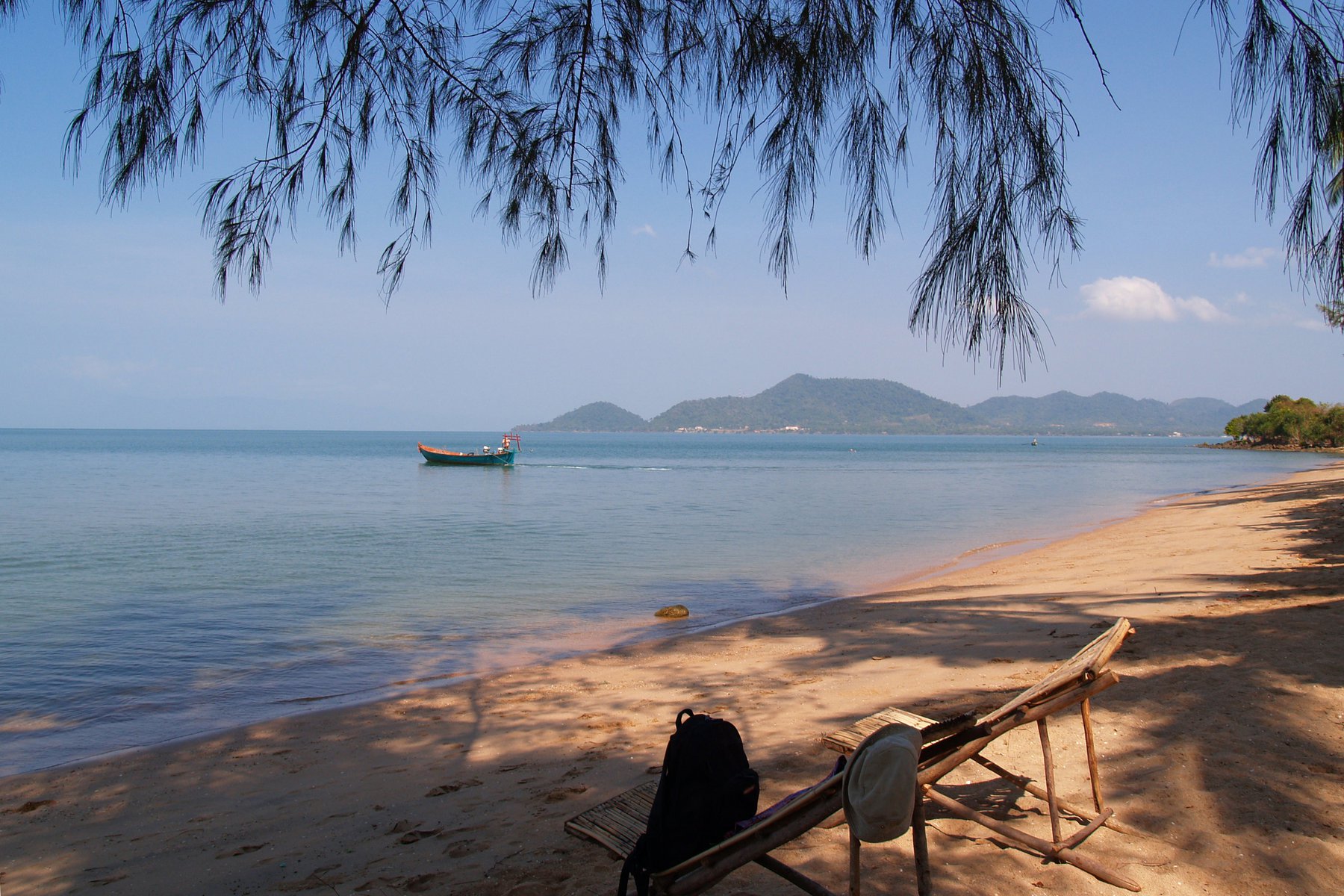
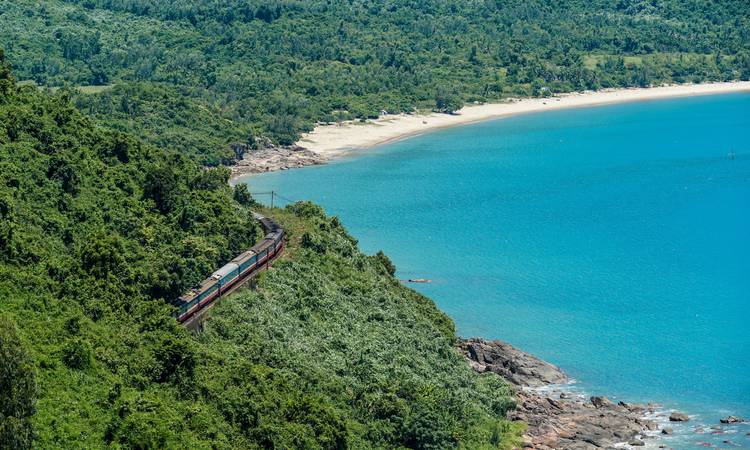
Kusten vid Kep
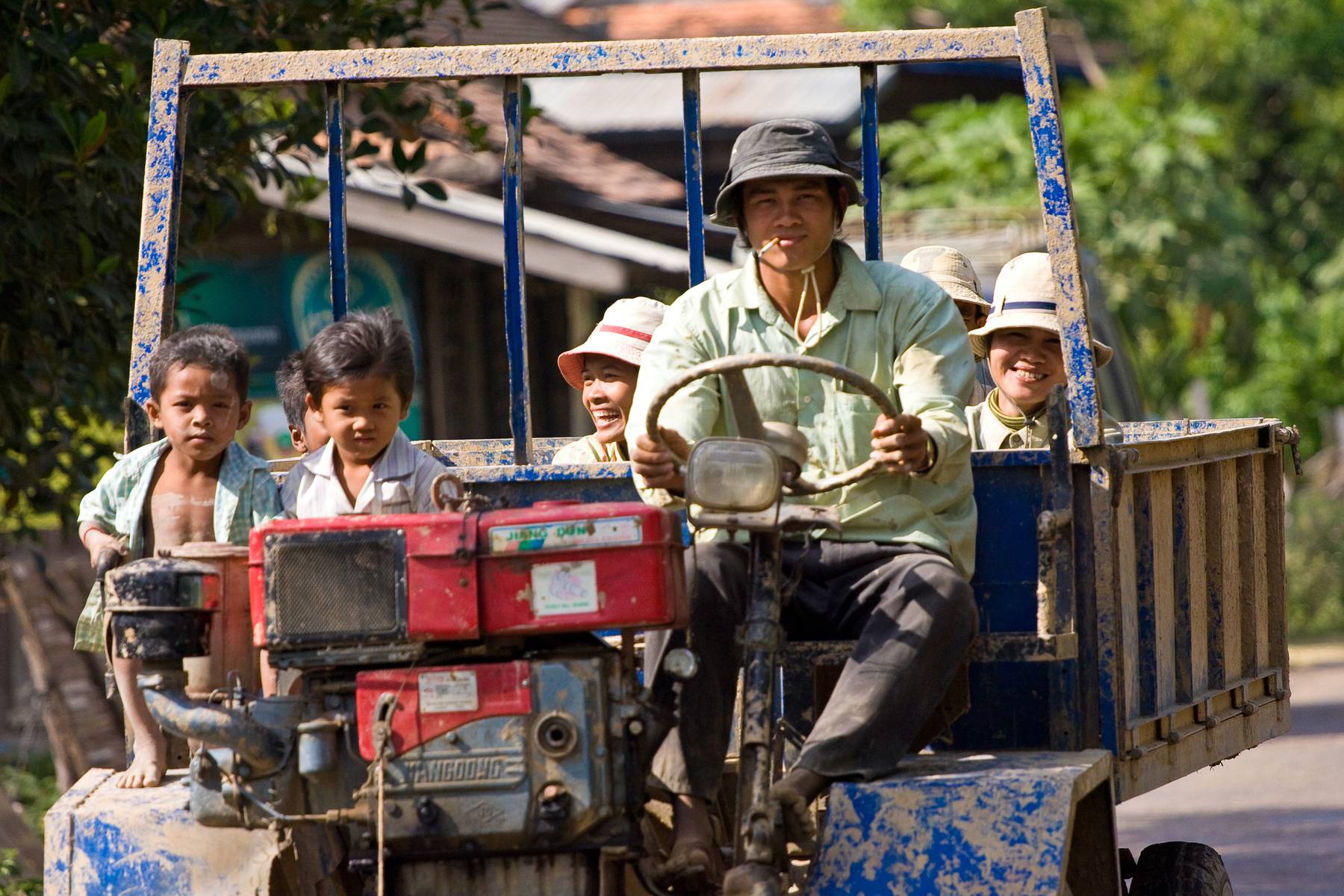
Trevliga och spännande möten
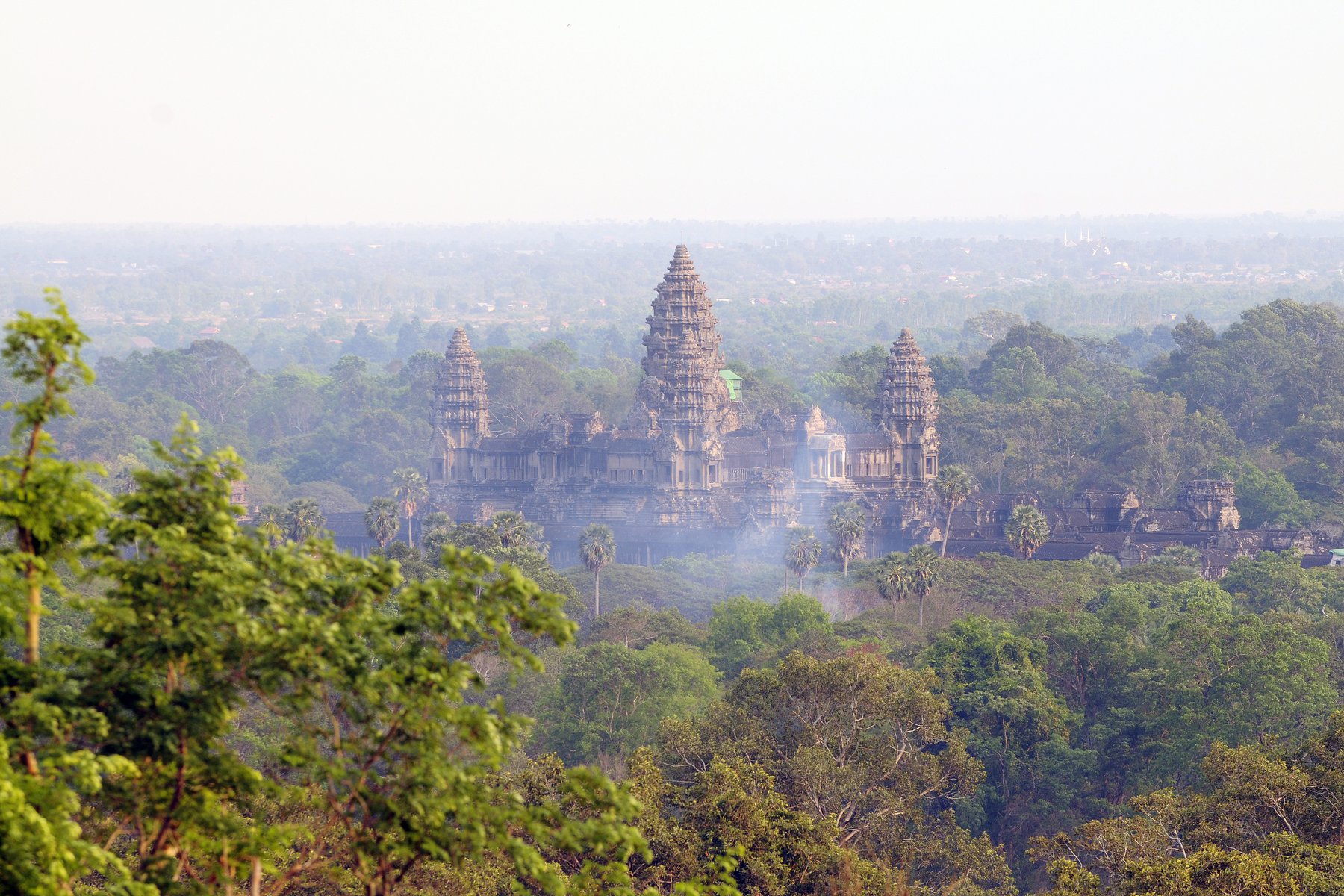
Angkor Wat.
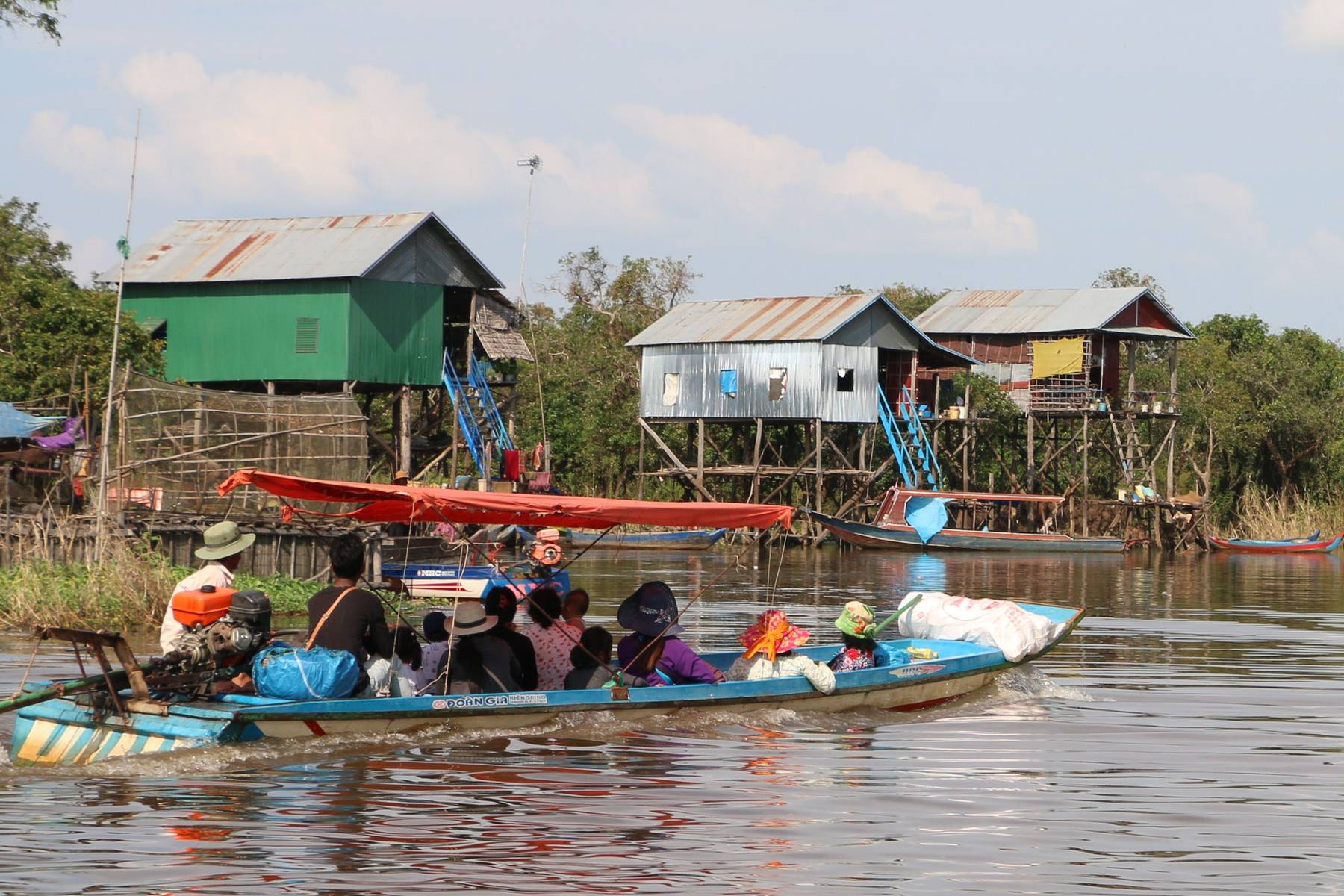
Båttaxi nära Siem Reap
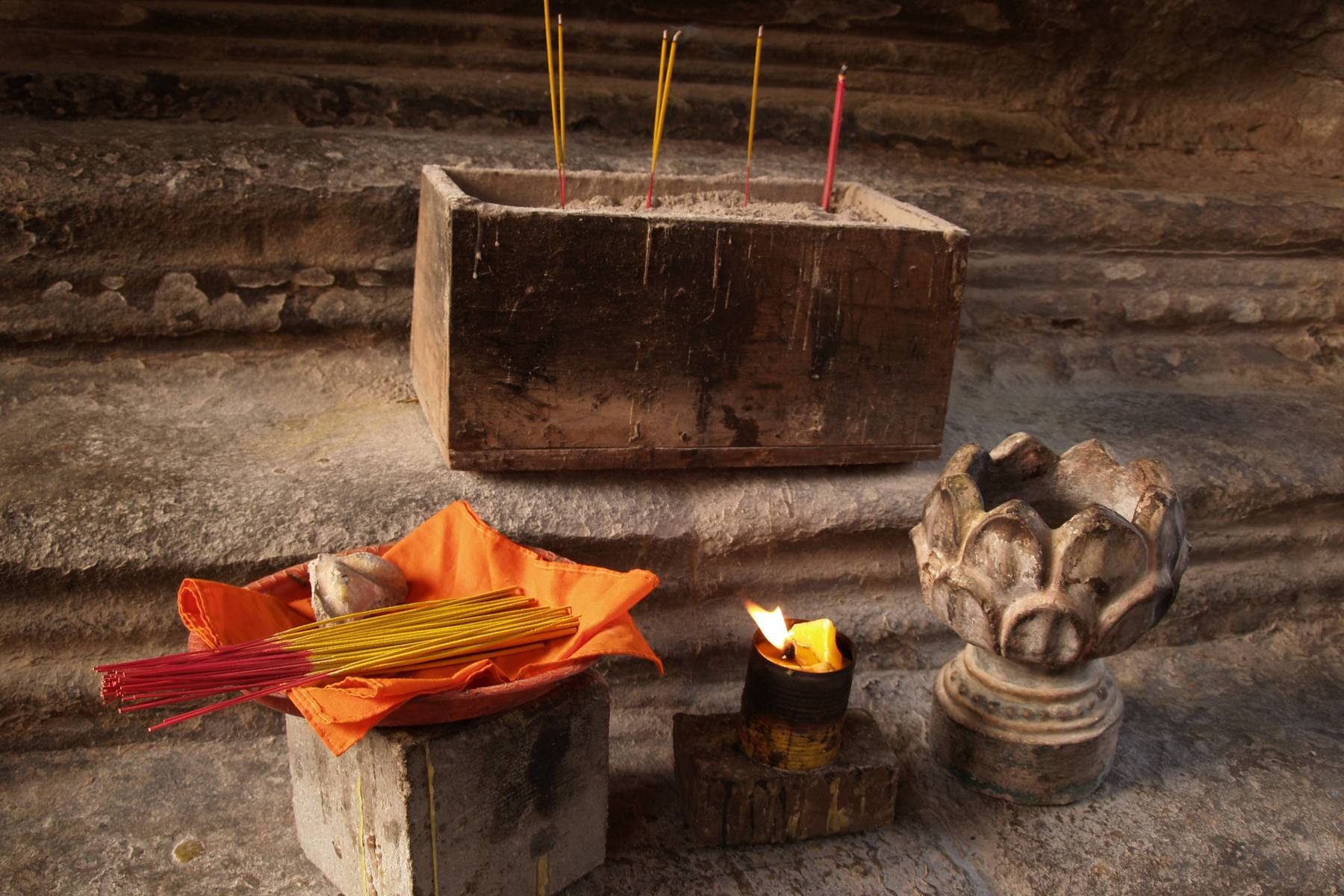
Litet altare
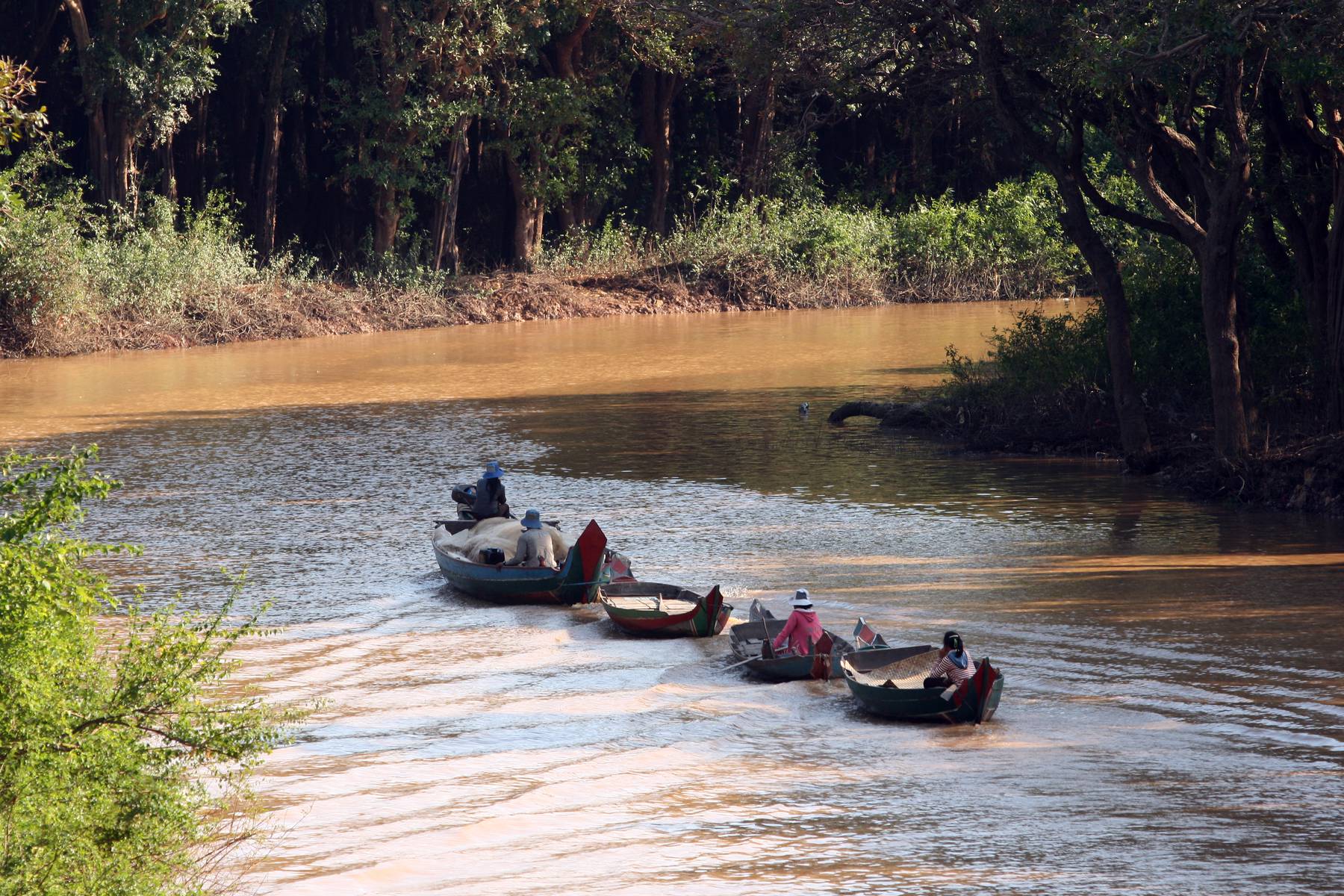
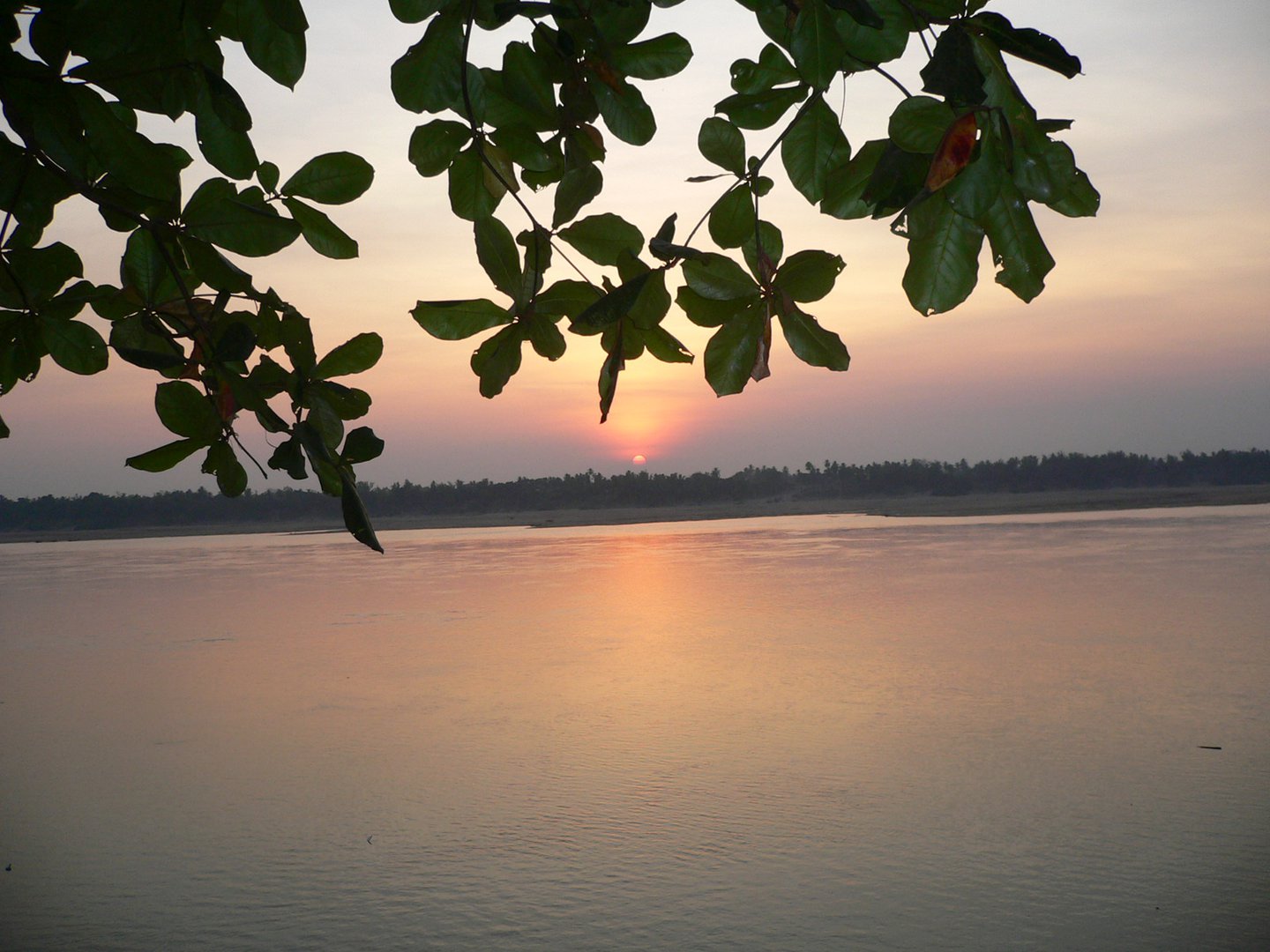
Floden i Kompok Phluk. Foto P-O Widheden
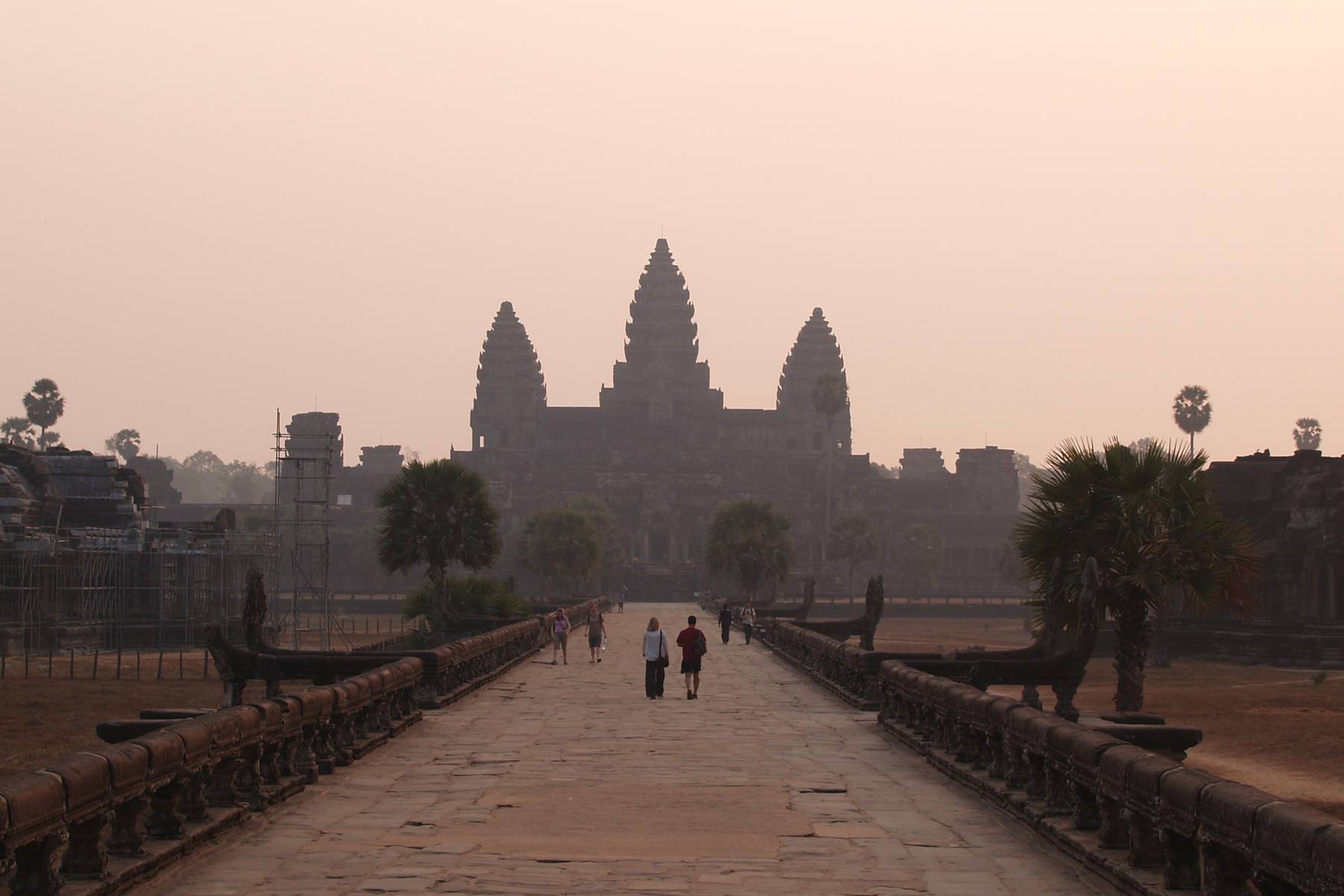
Angkor Wat är praktfullt i kvällsljus
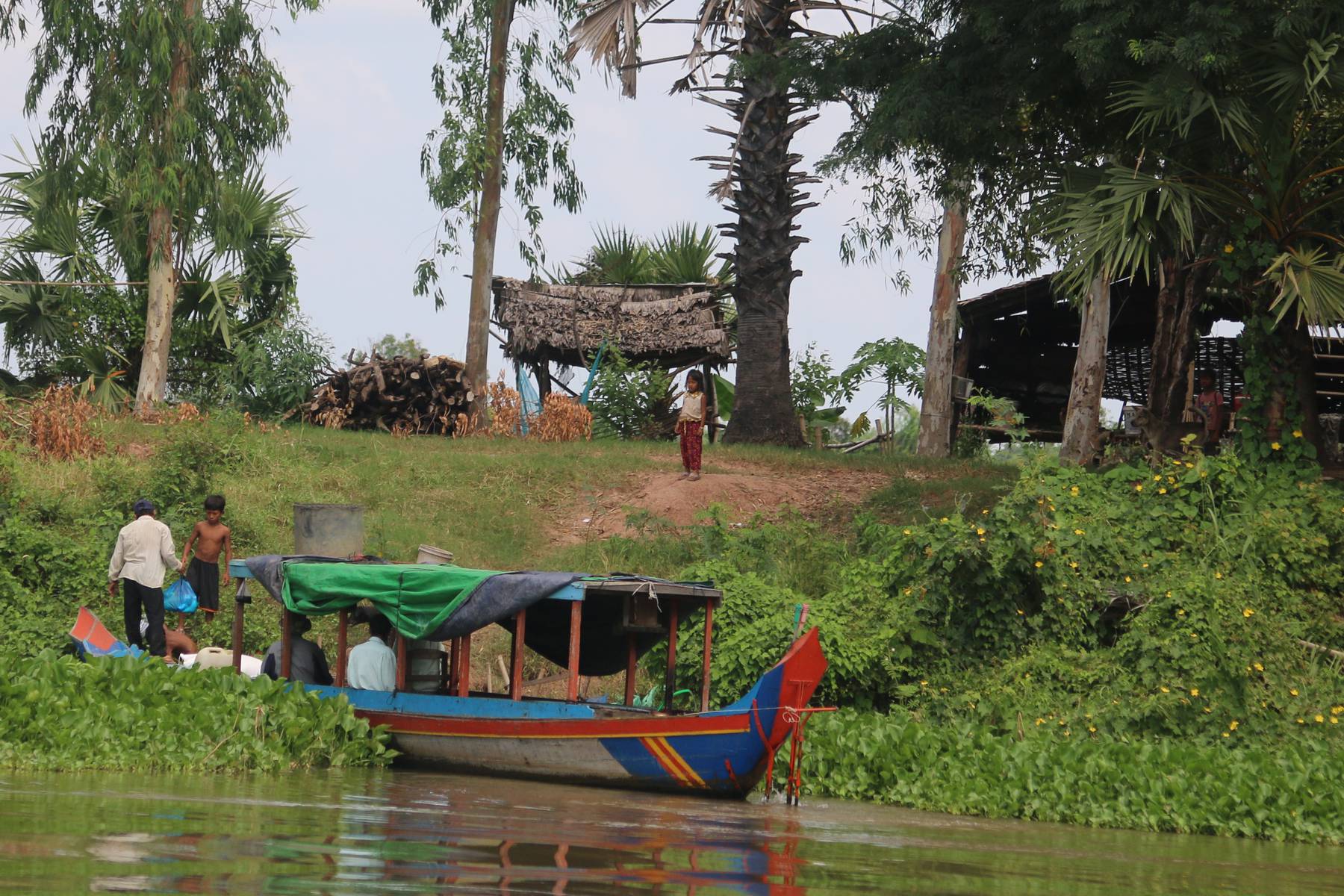
Strandhugg i by
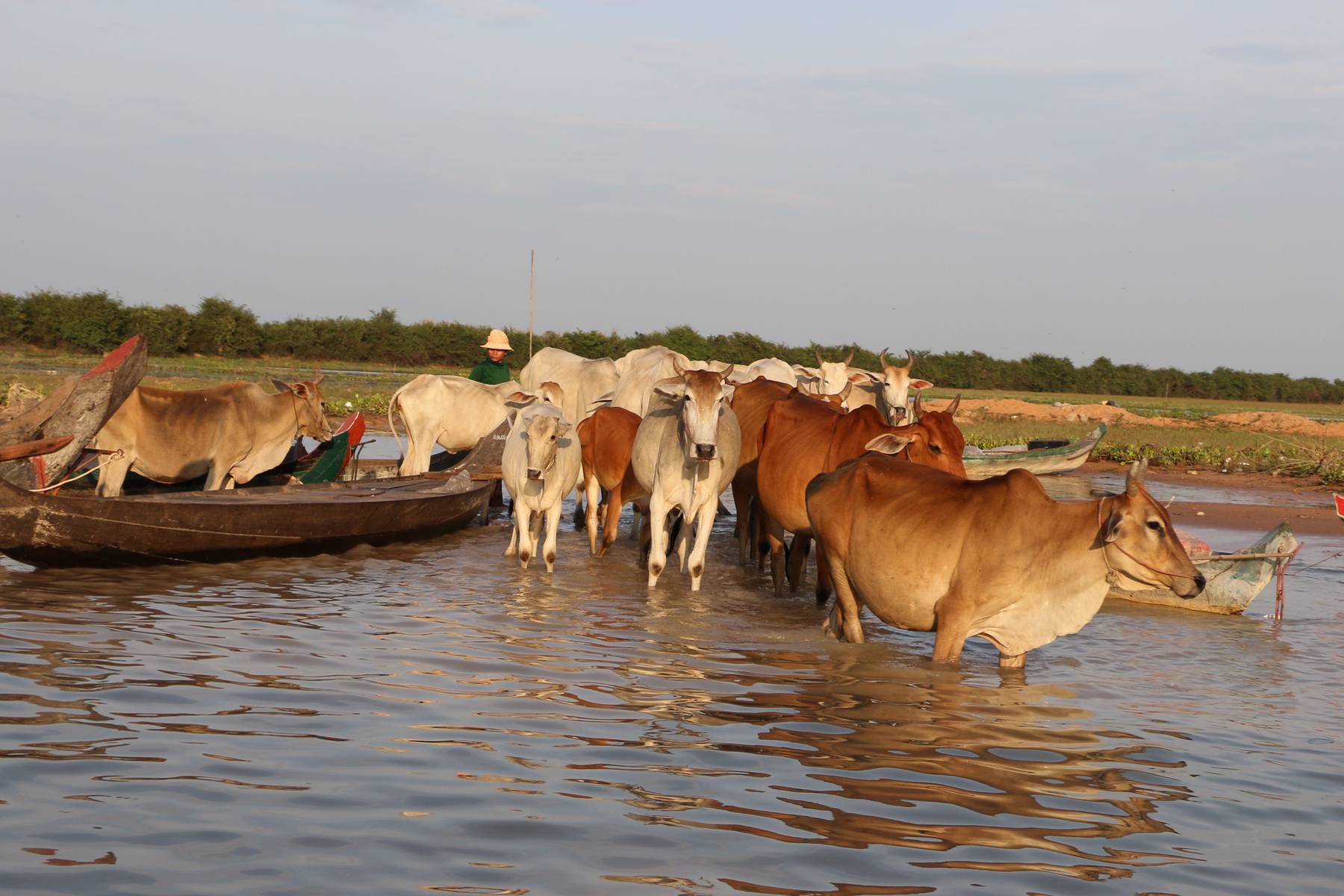
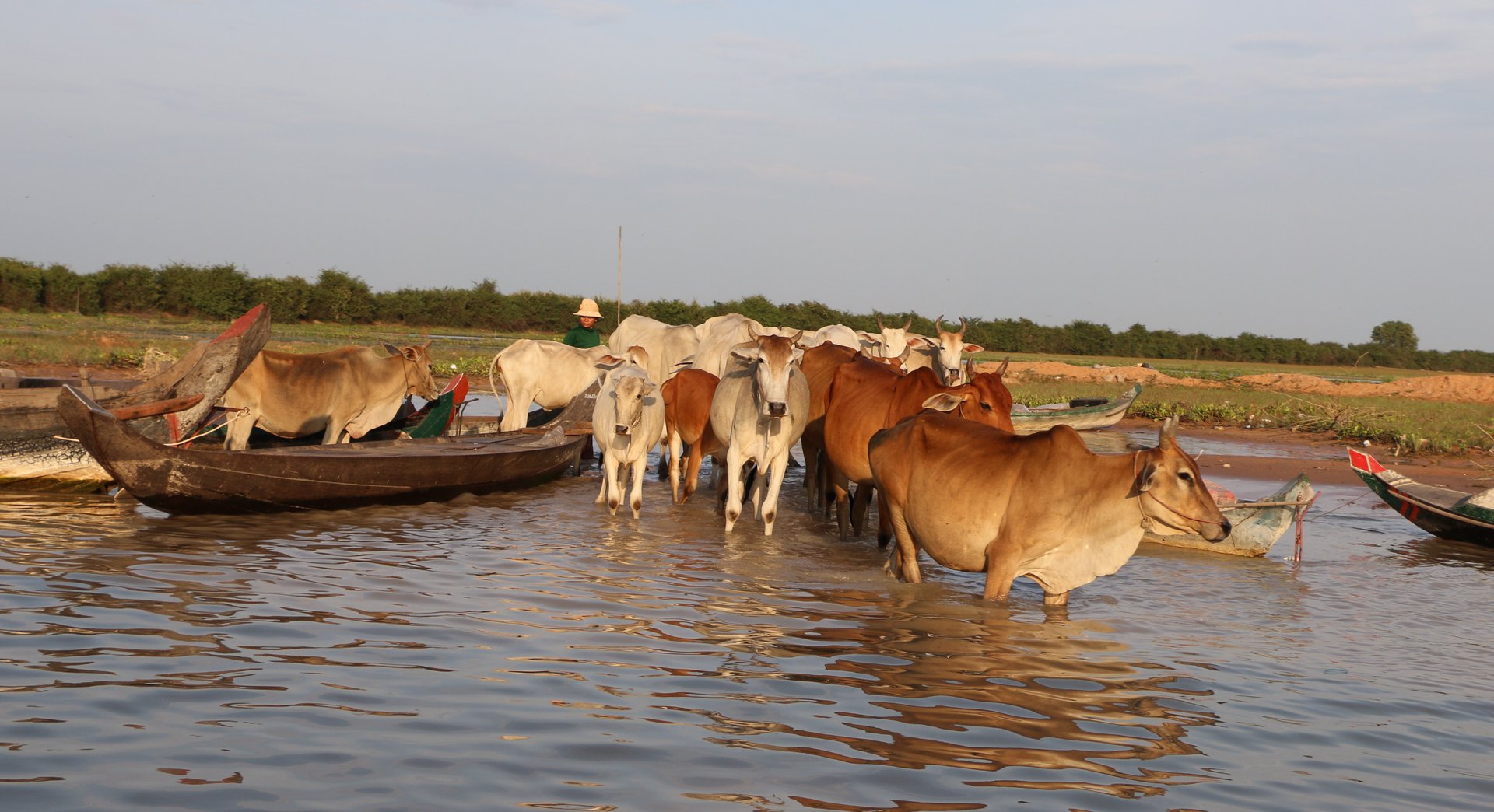
Svalkande bad för kor.
Dag 1 Phnom Penh
Samling på vårt hotell i Phnom Penh.
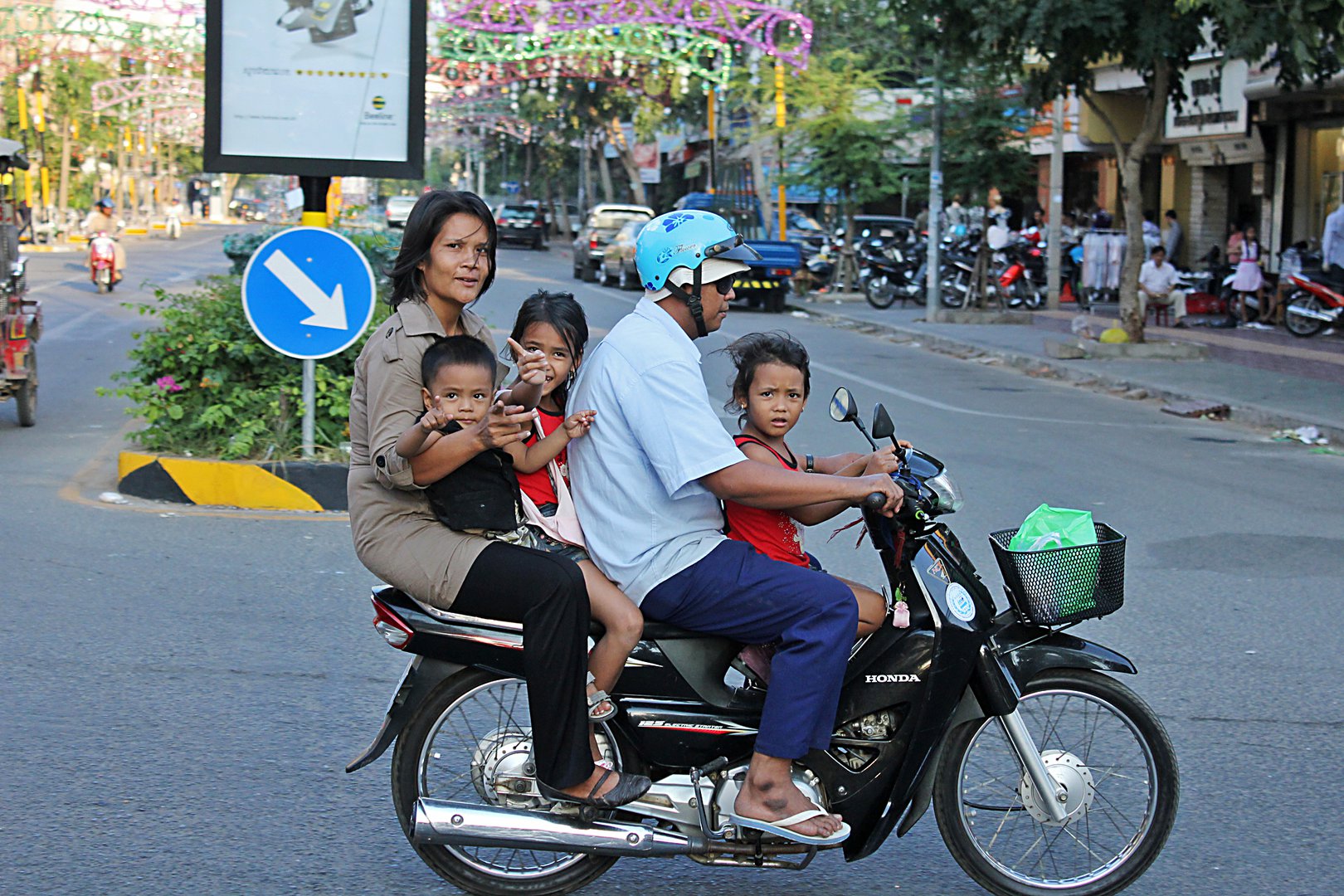
Dag 2-4 Ut på landsbygden
Du gör en bussresa till Sen Monorom i provinsen Mondulkiri. Det här är den mest glesbefolkade provinsen i Kambodja med bara 35000 invånare och hem för Bunongfolket. Med provinsens huvudstad Sen Monorom som bas utforskar du delar av provinsen, bland annat landets mest spektakulära vattenfall Buo Sraa. Under ett dygn bor du hos en familj i byn Pou Siam och lär dig mer om vardagslivet på landsbygden.
Dag 5-6 Cykla mellan öar i Mekong
Buss till den fridfulla staden Kratie som ligger vackert belägen vid landets livsnerv, den mäktiga Mekongfloden. Det här är bästa platsen för att se de sällsynta och utrotningshotade sötvattensdelfinerna. Här cyklar du mellan byar och tar dig ut till öar i Mekong. På små grusvägar och stigar kommer du långt bort från stadens oväsen, stanna var du vill och prata med människor som jobbar på åkrarna.
Dag 7-8 Kampong Cham
Med båt till Kampong Cham, porten till östra och nordöstra Kambodja. Kampong Cham är känt för sina fina tyger i siden. Cykla till den lilla byn Prey Chung Kran där alla hushåll har en vävstol. Eller ta dig till ön Koh Paen i Mekongfloden där du ser den ståtliga bambubron som är en attraktion i sig.
Dag 9-11 Kep, Kampot - ut till havet
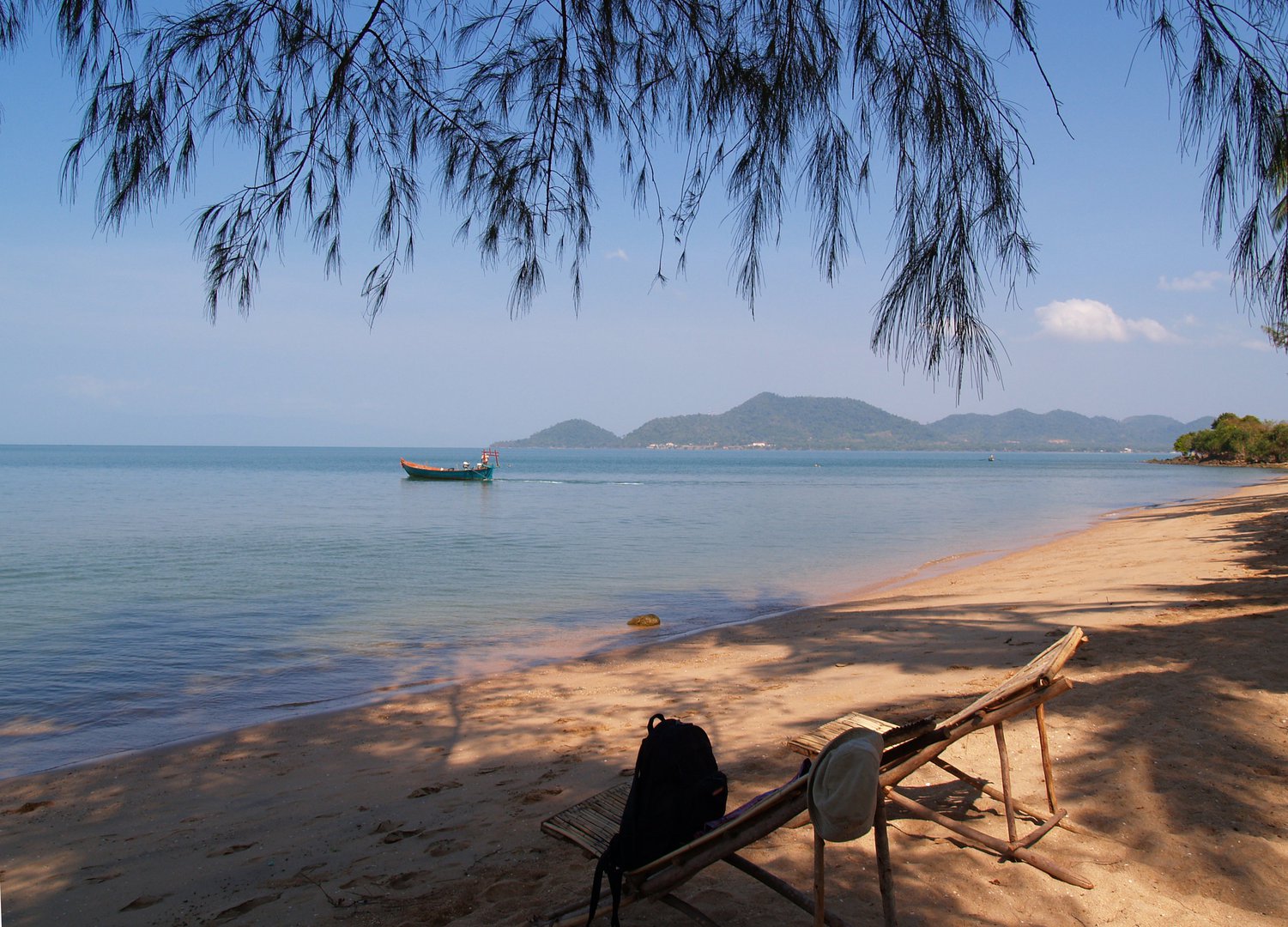
Nu bär det av till staden Kep med buss. Kep är en liten badort och en behaglig plats med ett lugnt tempo. Njut av de vackra omgivningarna. Från Kep kan du göra utflykter till den närliggande staden Kampot samt nationalparkerna Ream och Kirirom. Du kan också göra en åtta kilometer lång vandring upp till ett berg utanför Kep. Här finns goda chanser att se apor och andra djur. Gör en utflykt till Rabbit Island (Koh Tonsay) som har traktens finaste stränder.
Dag 12-13 Phnom Penh
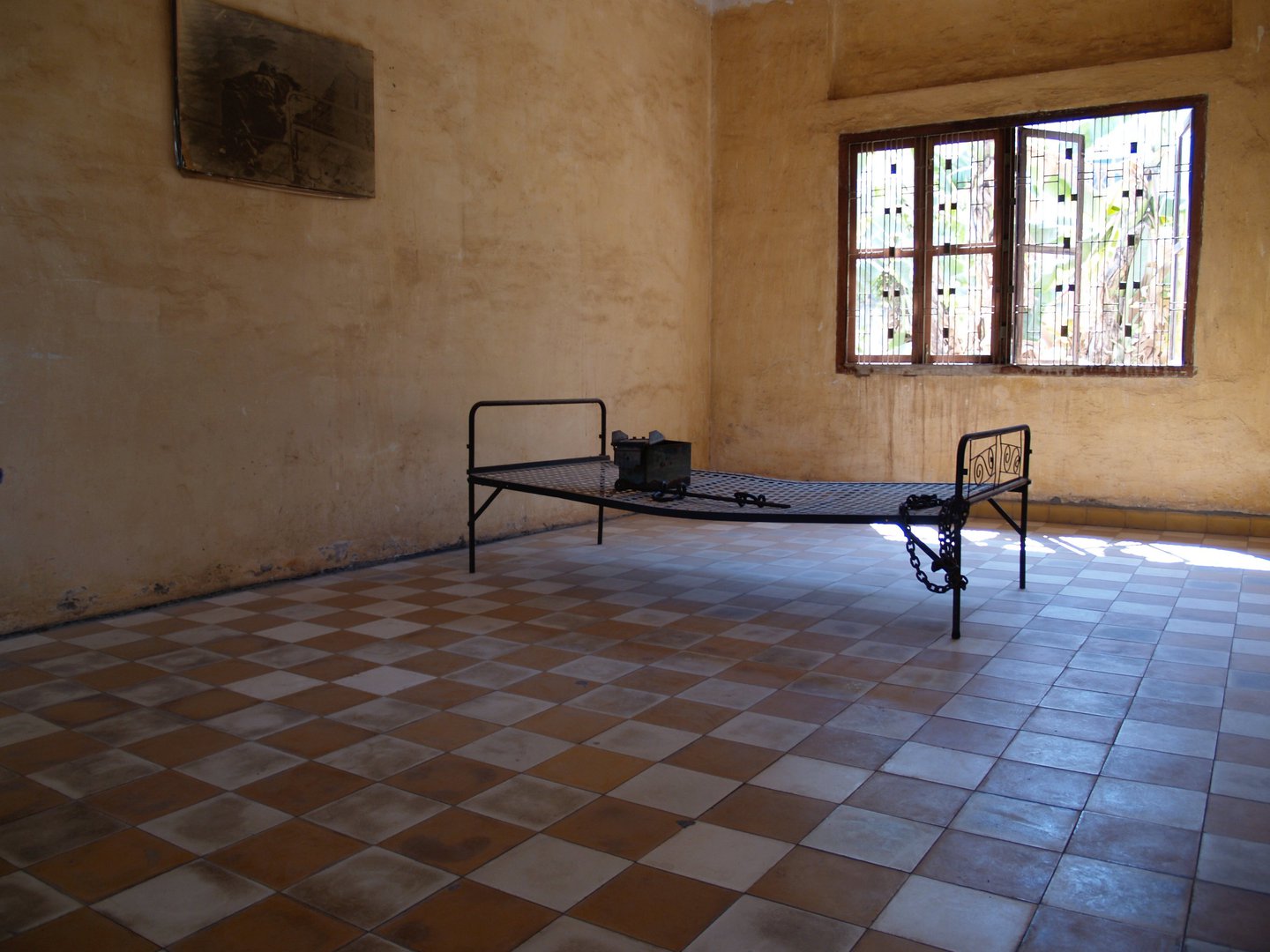
Innan lunch tar du bussen till Phnom Penh, Kambodjas huvudstad. Besök kungahuset, Nationalmuseet och den praktfulla gamla marknaden. Phnom Penh är en stad med stora kontraster. Ett besök i det gamla tortyrcentret Tuol Sleng är nog trots de obehagliga känslorna ett måste, liksom avrättningsplatsen Choeung Ek, där 17000 kambodjaner mötte döden. Det är ett av landets många killing-fields.
Dag 14-17 Angkor Wat
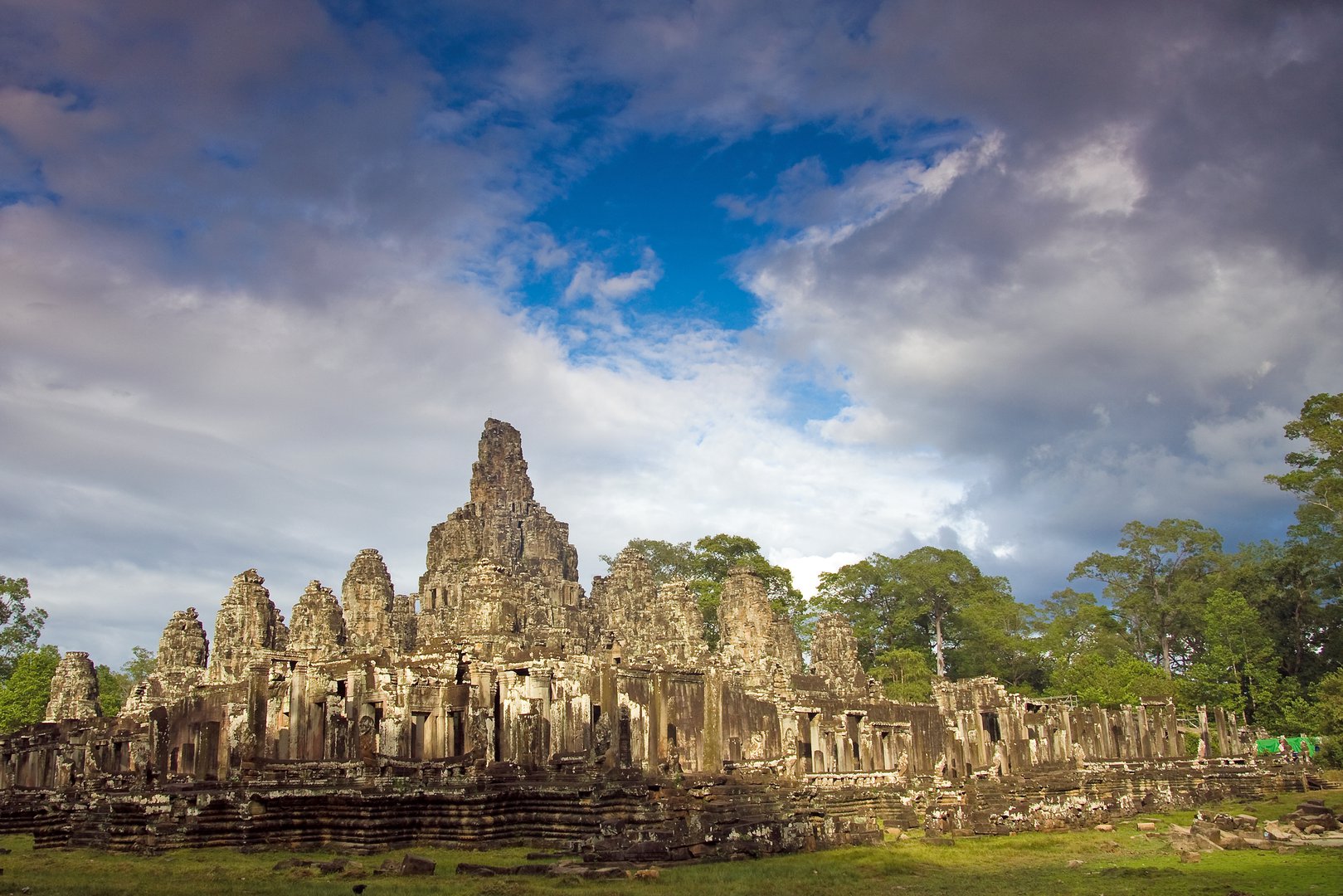
Du tar en morgonbåt på sjön Tonle Sap till Siem Reap. Med SiemReap som bas utforskar du Angkortemplen. Här är cykel det optimala transportmedlet där du kan välja att cykla ensam, med andra eller med reseledaren. Angkor byggdes mellan åren 802 till 1432 och sträcker sig över en yta på 200 kvadratkilometer. Blandningen av buddhism och hinduism, tillsammans med regnskogen som är sammanväxt med templen samt de fantastiska reliefväggarna gör Angkor unikt och storslaget.
Dag 18-19 Båt till Battambang
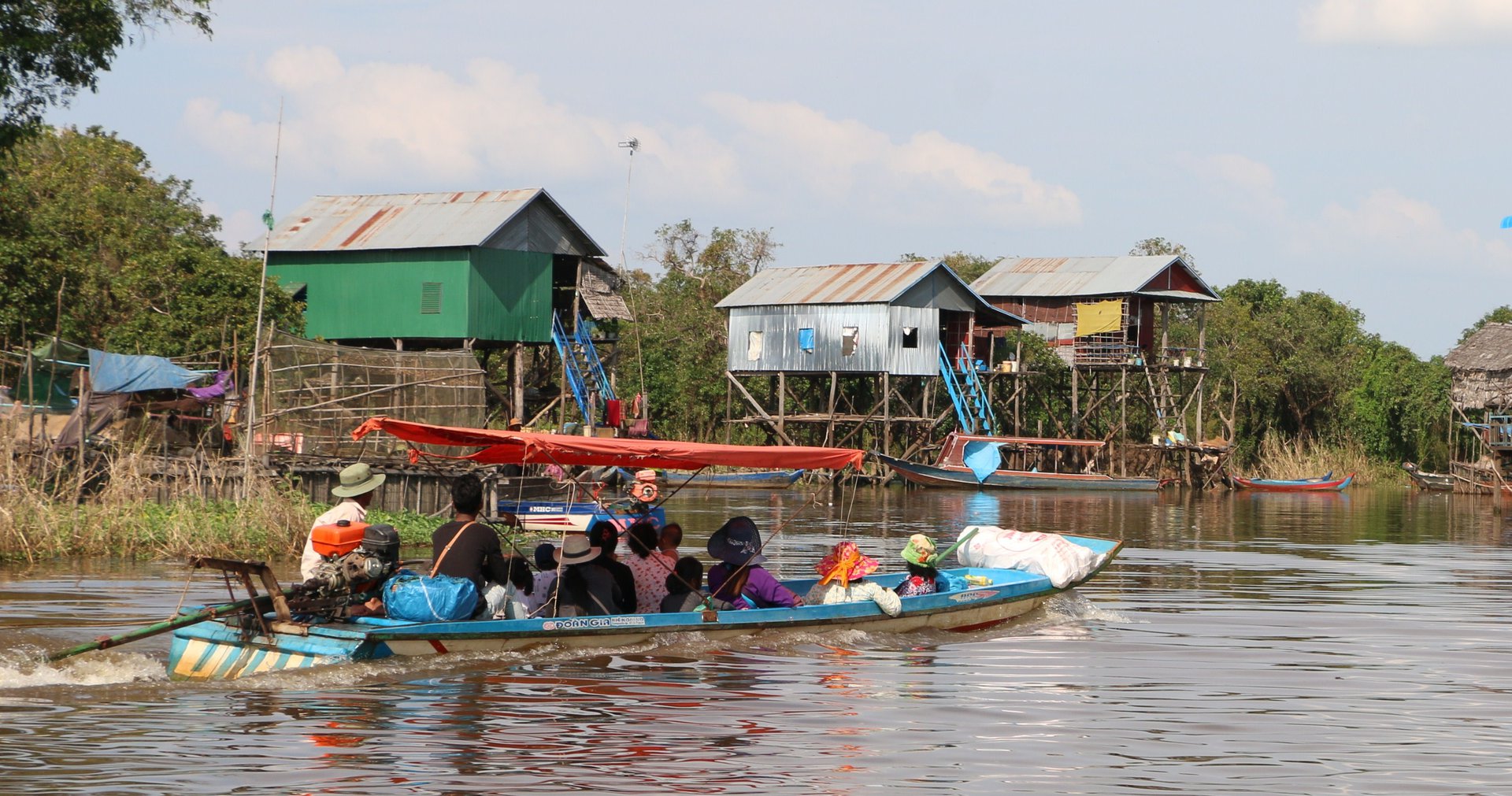
En av de vackraste båtfärderna i Kambodja går till staden Battambang, en trevlig stad med välbevarade koloniala villor.
Dag 20-21 Till Phnom Penh
Buss till Phnom Penh. Här avslutas resan.

Vuthy är född 1975 och arbetar som journalist och TV-producent, följaktligen är han väl insatt i hur dagens Kambodja fungerar. Han är gift och har två döttrar och är bosatt i Phnom Penh.
Boende
Kambodja med sin växande turismindustri har ett bra utbud av inkvarteringsmöjligheter, från enkla gästhus och budgethotell till hotell i lyxklass. Vi väljer relativt enkla, men trevliga och rena familjära hotell som är som regel centralt belägna och lokalt ägda. Inkvartering i dubbelrum med badrum/dusch och toalett på rummet är basalternativet.
Det är praktiskt att under resan ha med dig någon form av reselakan, t.ex. ett tunt reselakan i siden som inte väger så mycket.
Enkelrumstillägg
Vi kan erbjuda inkvartering i enkelrum mot ett tillägg. Meddela oss så tidigt som möjligt om du önskar beställa enkelrum.
Liknande resor

Kambodja - Laos - Vietnam
Kambodja - Laos - Vietnam
Oktober
Tre länder - tre kulturer - tre kök
22 dagar Resa med viss fysisk aktivitet