

| Börjar: | 2026-11-22 i Katmandu. |
| Avslutas: | 2026-12-05 i Katmandu. |
| Reslängd: | 14 dagar |
| Deltagare: | 6 - 12 |
| Lediga platser: | Ja |
| Bekräftad: | Ja, du kan boka ditt flyg |
| Pris: | 19 700 kr |
| Börjar: | 2027-11-21 i Katmandu. |
| Avslutas: | 2027-12-04 i Katmandu. |
| Reslängd: | 14 dagar |
| Deltagare: | 6 - 12 |
| Lediga platser: | Ja |
| Bekräftad: | Nej, avvakta med att boka flyg |
| Pris: | Ring för pris |
| Boka-tidigt-rabatt: | -1 000 kr |
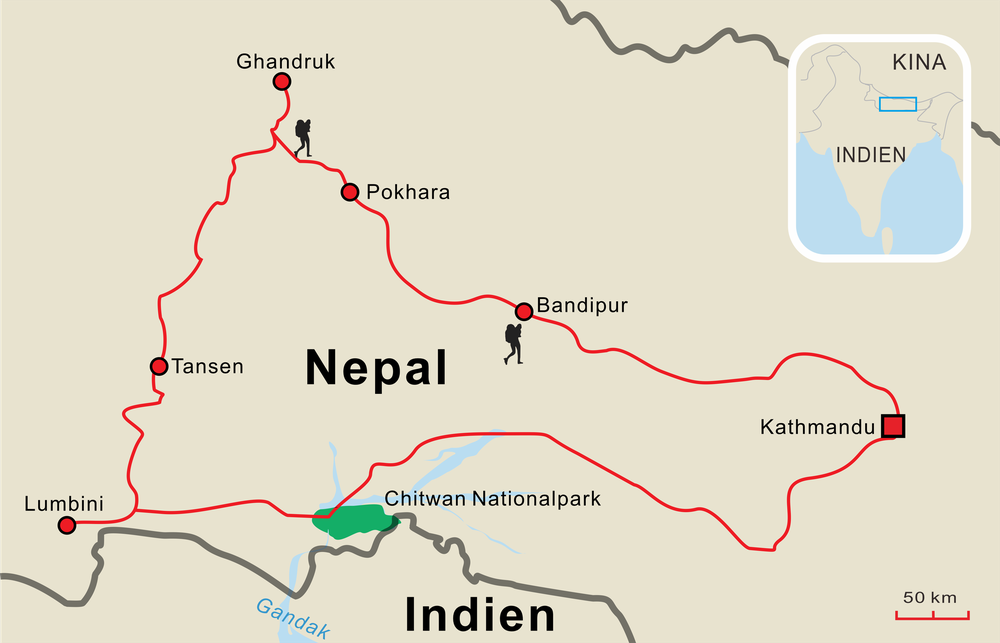
Under den här resan får du verkligen möta det vänliga landet Nepal och dess befolkning. Resan bjuder på flera charmiga homestays där du möter människorna i deras vardag och får uppleva bylivet i Nepal. Du får bekanta dig med flera av landets minoritetsfolk, som gurung, newari, magar och tharu, samt besöker ett tibetansk bosättning utanför Pokhara. I Chitwans nationalpark spanar du efter noshörning och tiger, i Bandipur beundrar du bevarad arkitektur, i Lumbini besöker du nunnor vid Buddhas födelseplats och i den vackra bergsbyn Ghandruk njuter du av några av de vackraste vyerna som går att hitta i Nepal. Under resan besöker du en handfull olika organisationer som jobbar med olika utsatta grupper i Nepal. Resan inleds och avslutas i världsarvet Bhaktapur, strax utanför Kathmandu. Följ med på en mångbottnad resa som ger dig nya perspektiv.
Resedetaljer
| Dag | Program |
|---|---|
| 1 | Samling i världsarvet Bhaktapur |
| 2 | Rundtur i Kathmandu och hantverksstaden Thimi |
| 3 | Kvinnokooperativ och newaristaden Bandipur |
| 4 | Nepals vackraste stad samt lätt vandring |
| 5 | Pokhara och hantverksprojekt |
| 6 | Tibetansk kultur och World Peace Pagoda |
| 7 | Lätt vandring i Himalaya |
| 8 | Hantverksstaden Tansen |
| 9 | Lumbini - Buddhas födelseort |
| 10 | Nunnor och Tharufolket |
| 11-12 | Spana efter tiger i Chitwan |
| 13 | Mot Bhaktapur |
| 14 | Resan avslutas |
- Kvalificerad reseledning
- Informationspaket med utvald litteratur och karta
- Samtliga transporter under resan
- Del i dubbelrum eller annan inkvartering under resan
- Frukost samtliga dagar samt 5 luncher och 3 middagar.
- Vandringstillstånd för två olika regioner
- Samtliga utflykter, inträden och aktiviteter enligt resplan (Boudhanath, Swayambhunath, Bhaktapur, Pashupatinath mm)
- Lokala guider och tolkar enligt resplan
- Samtliga formella tillstånd
- Utrustning för första hjälpen
- Dricks till lokala guider, tolkar och chaufförer vid aktiviteter enligt resplan
- All personal är försäkrade i enlighet med landets gällande regler
- Internationellt flyg till/från resmålet
- Måltider som ej nämns ovan
- Utflykter och aktiviteter utanför resplanen
- Visum köper du vid ankomsten till Kathmandu
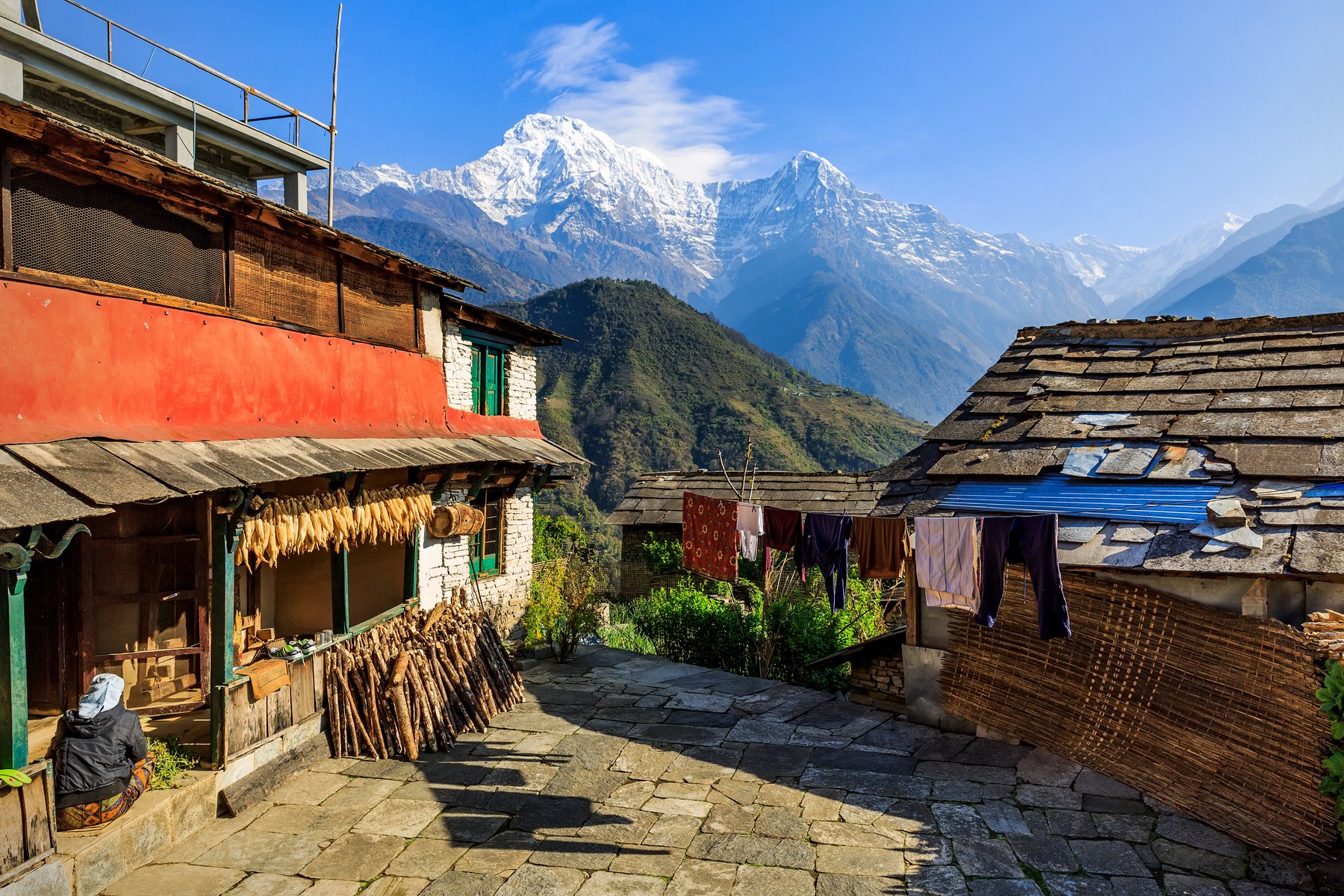
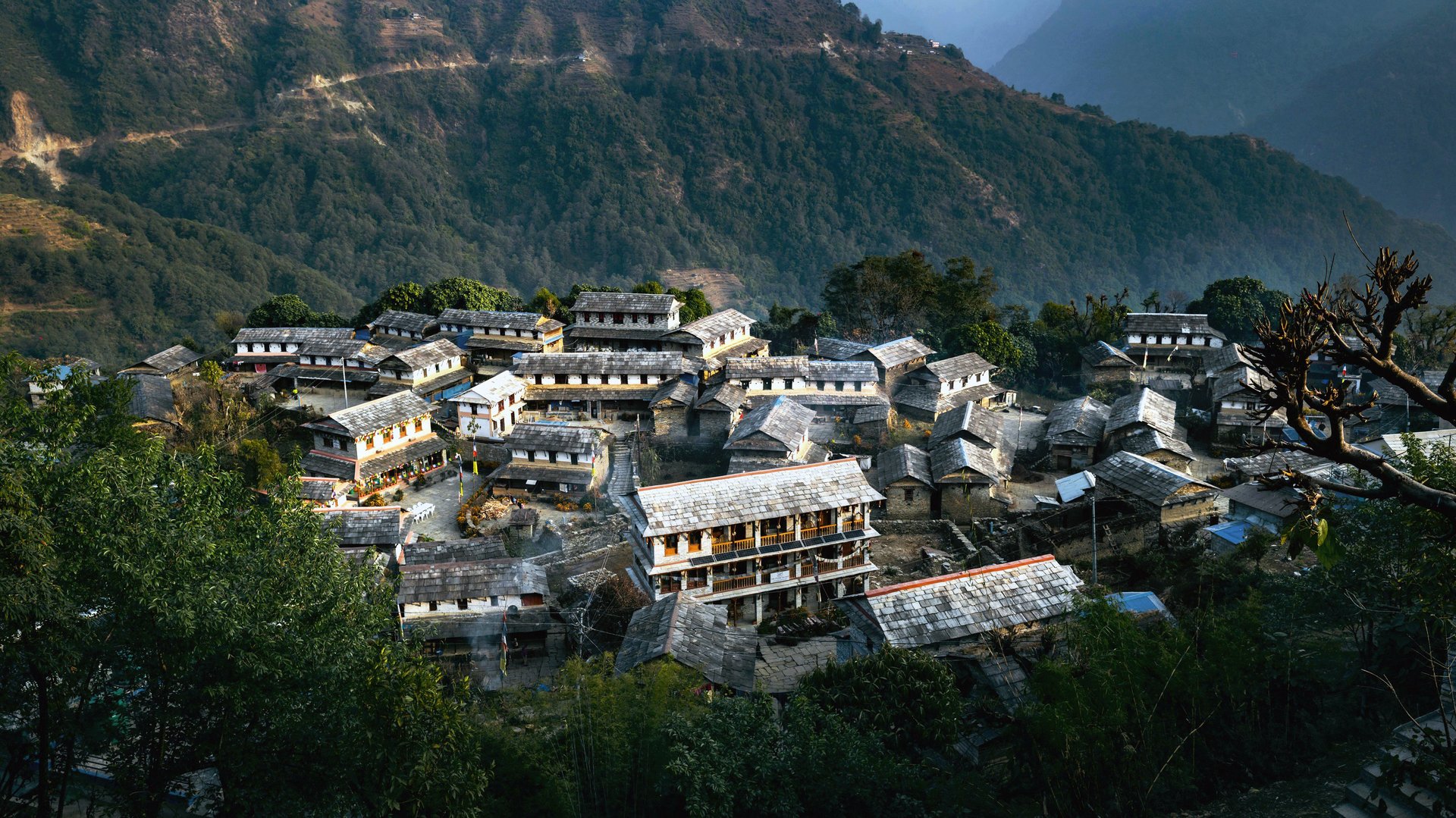
Du sover en natt i den vackra bergsbyn Ghandruk
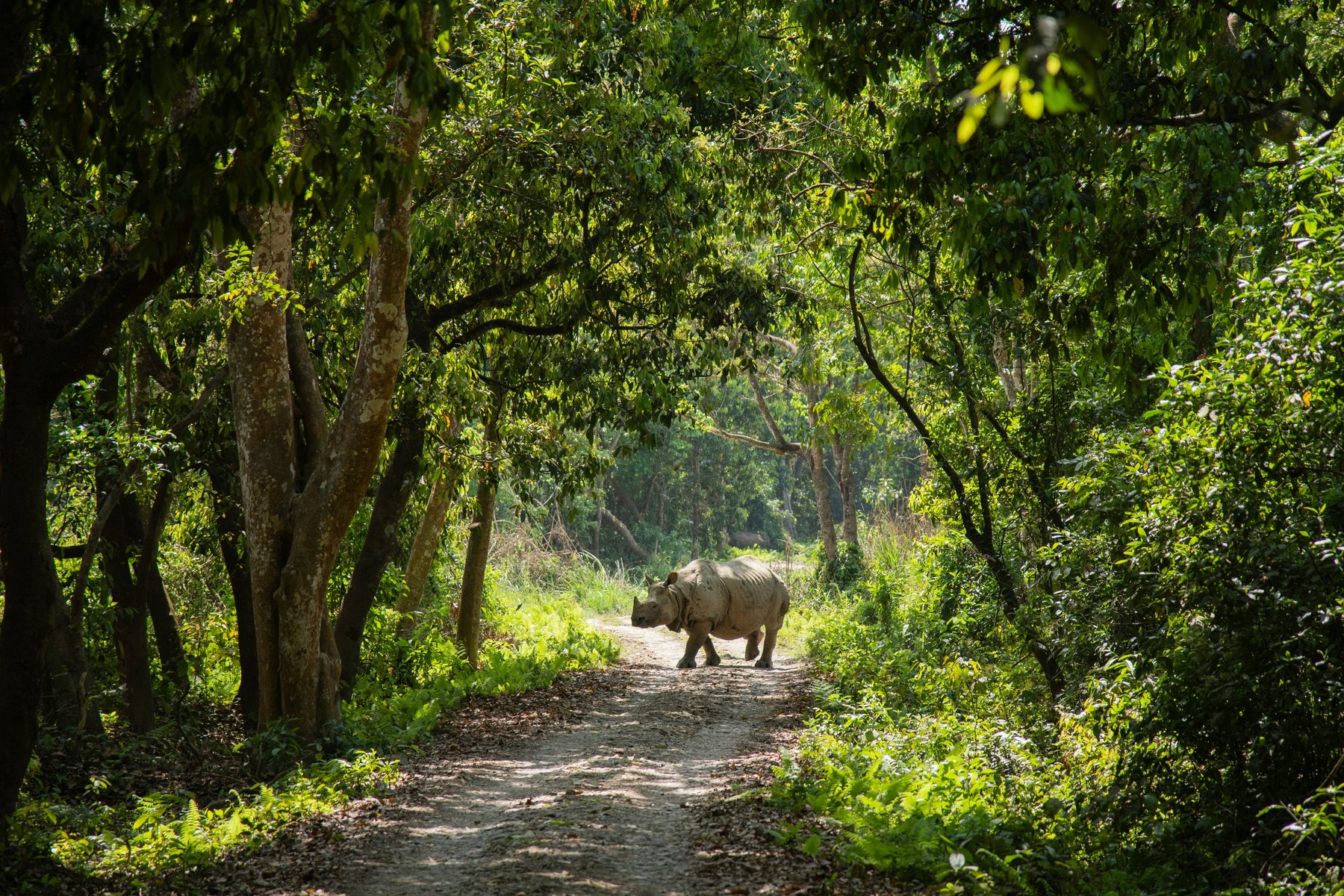
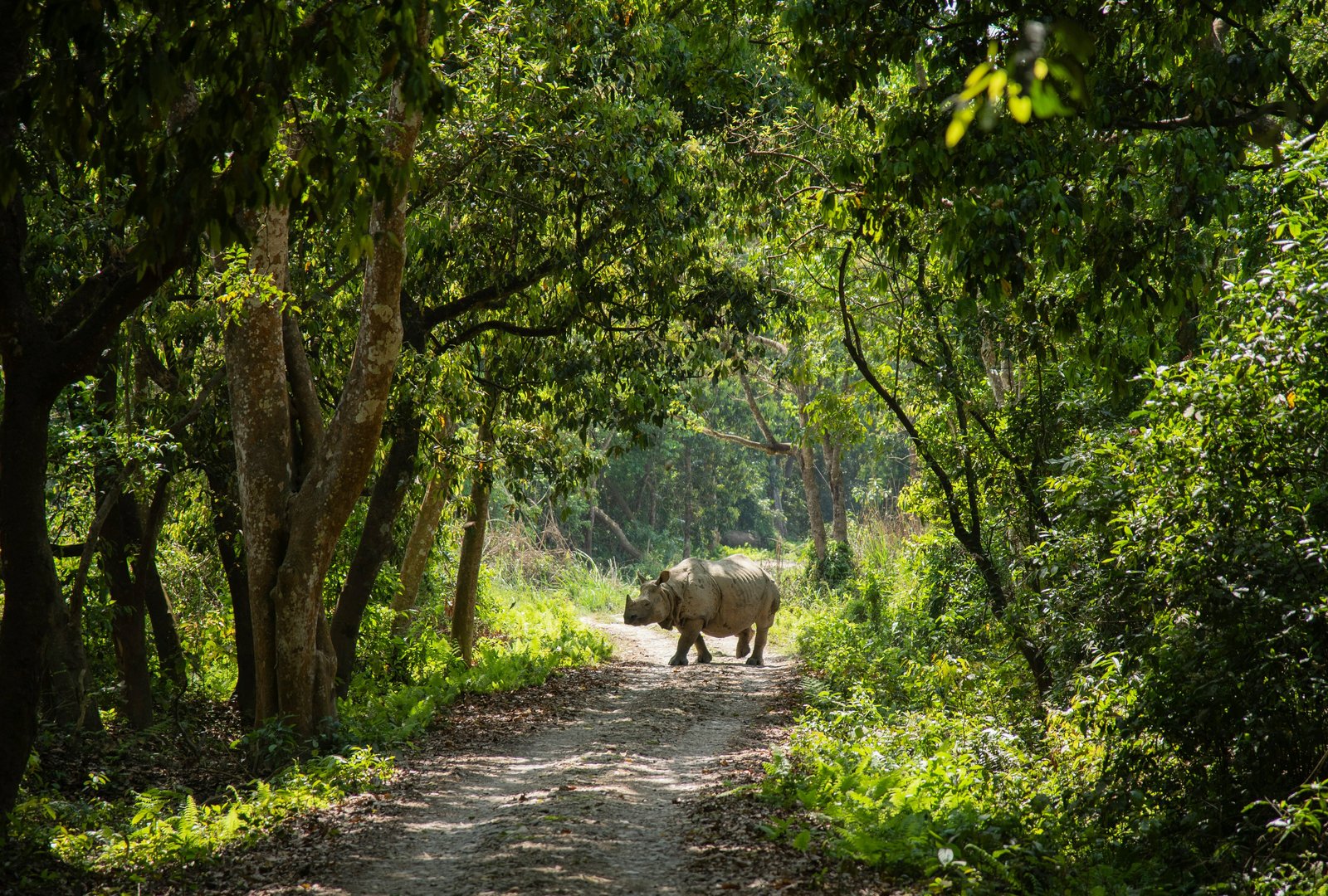
Under besöket i Chitwan ser du garanterat pansarnoshörning
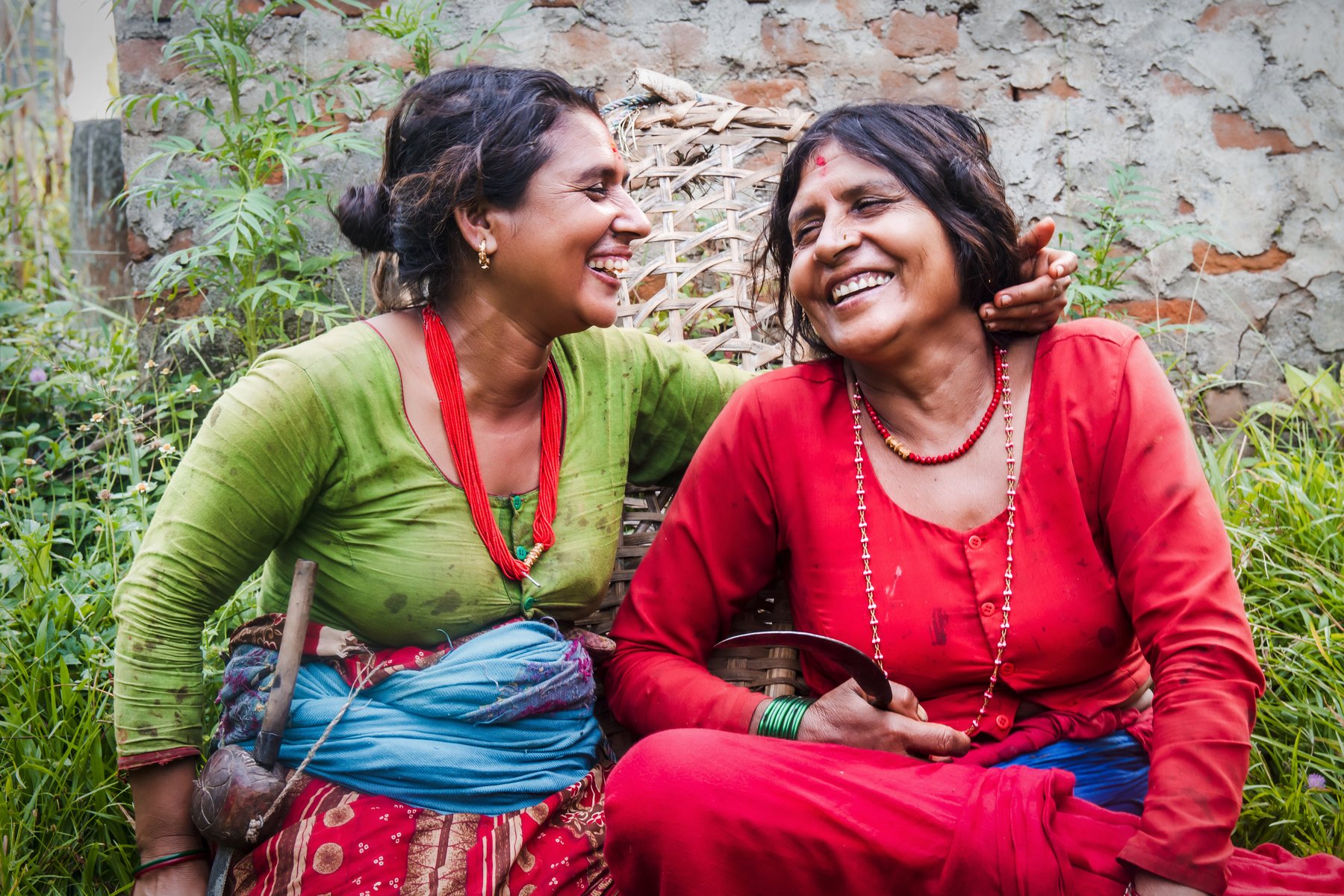
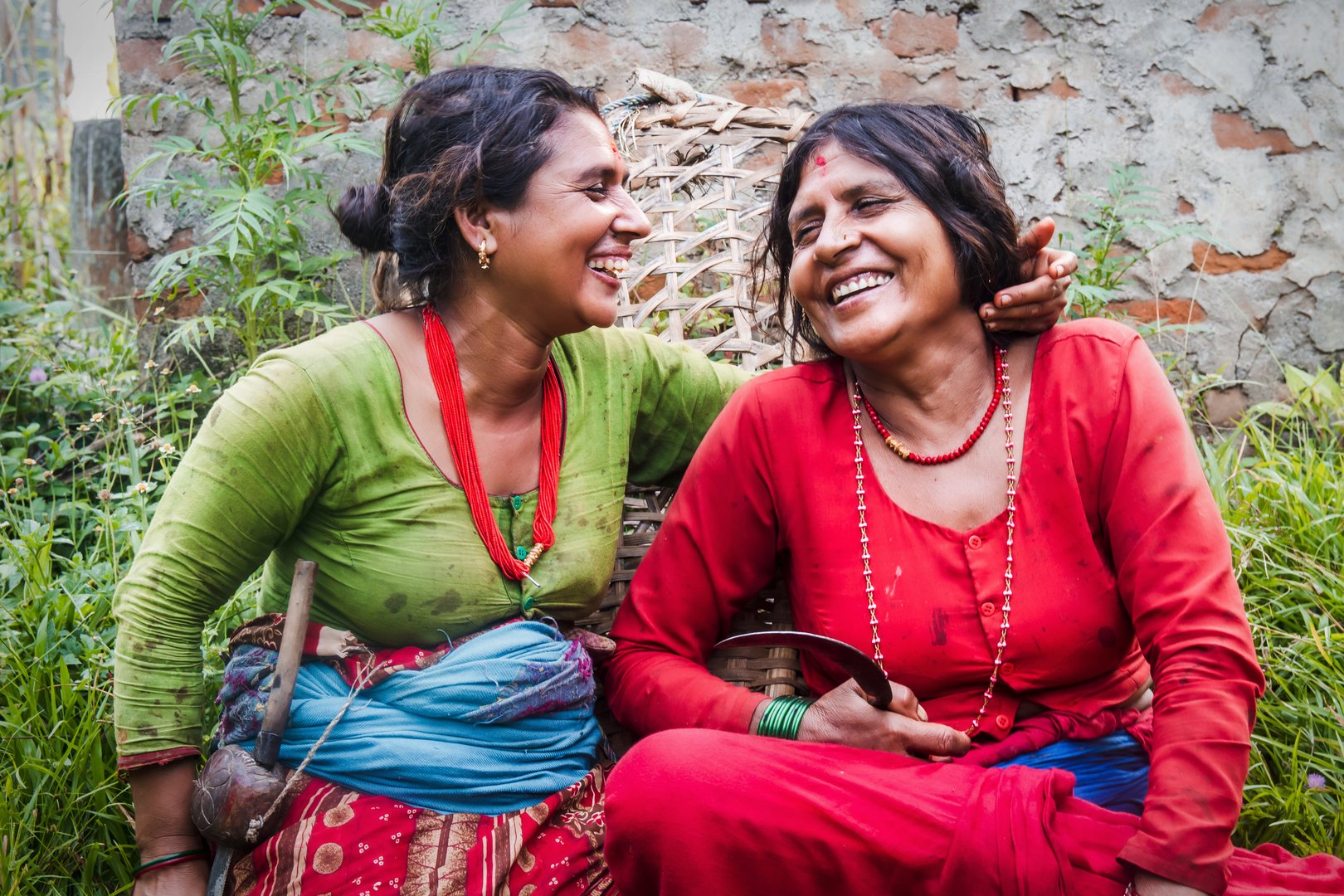
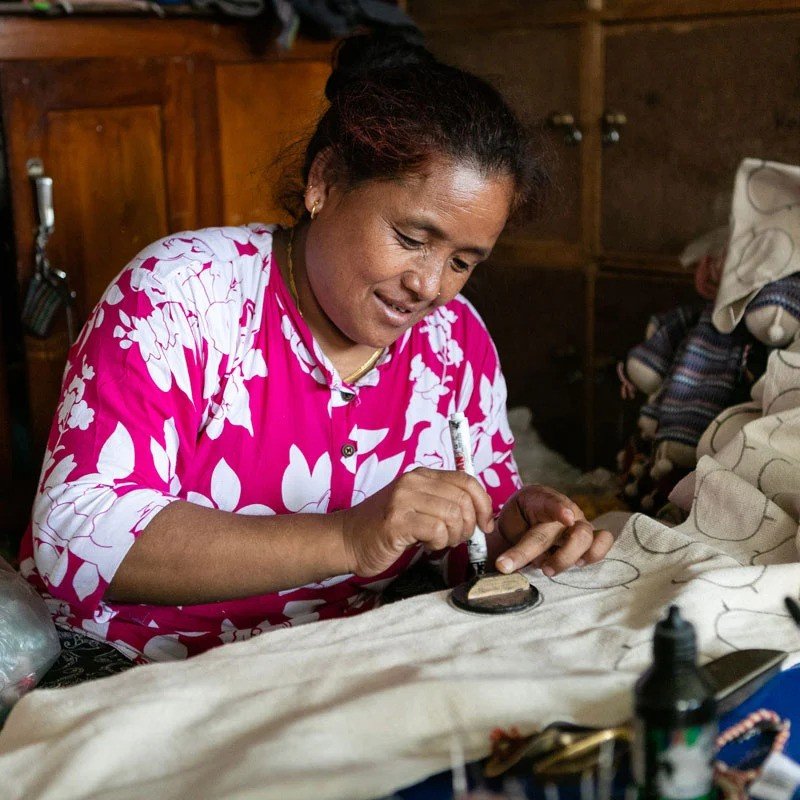
Möten med kvinnor på den nepalesiska landsbygden
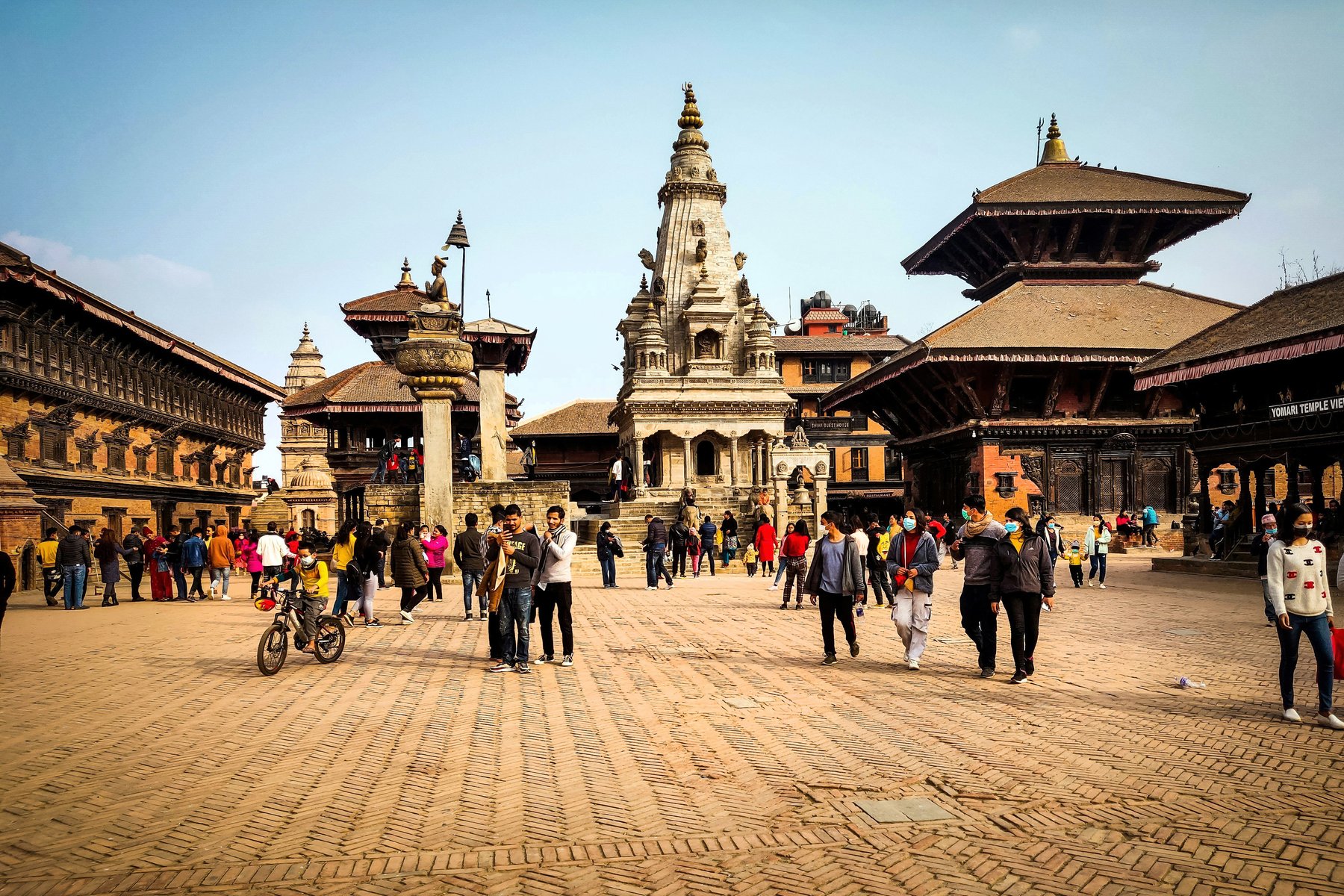
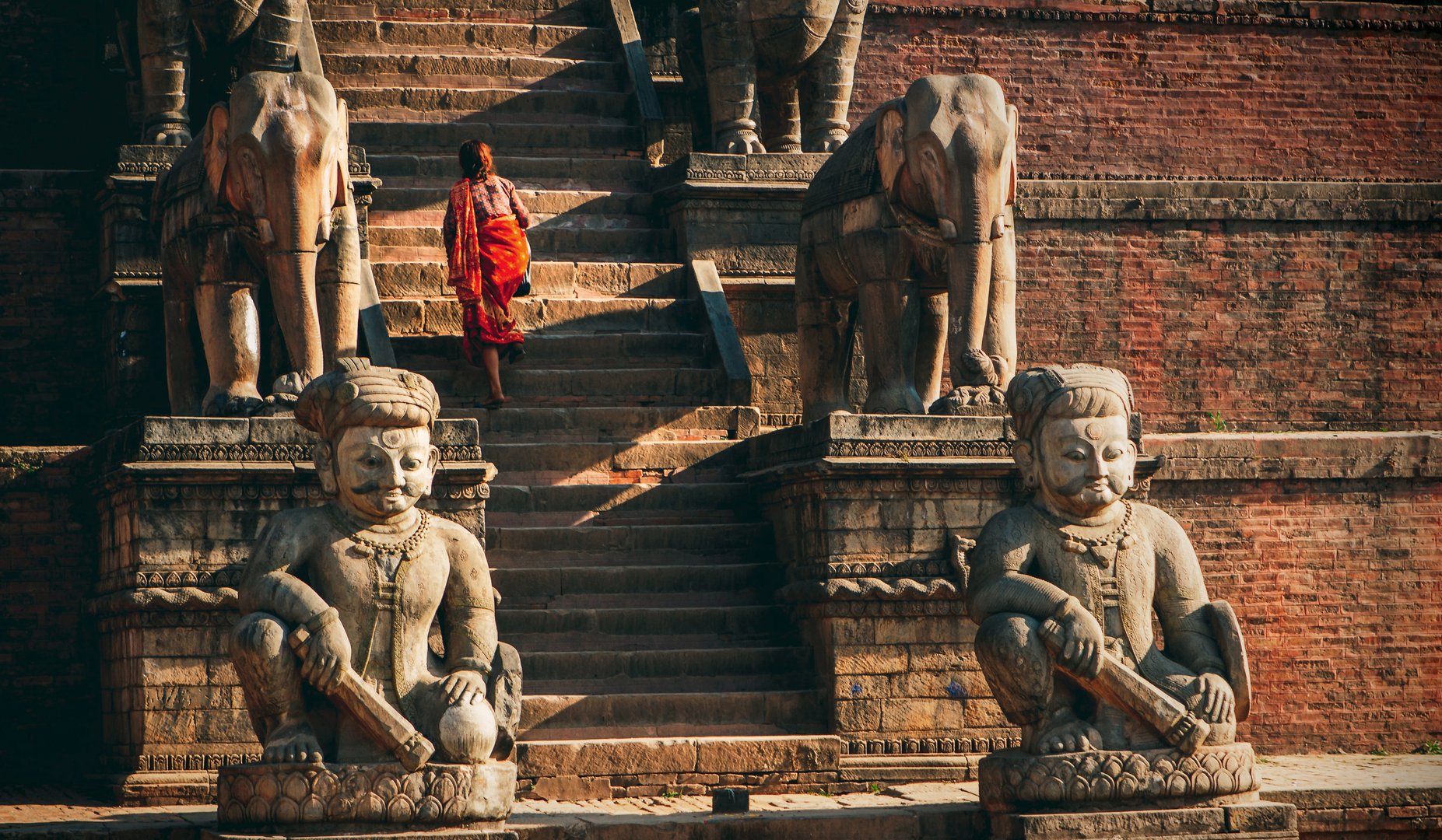
Vackra världsarvet Bhaktapur
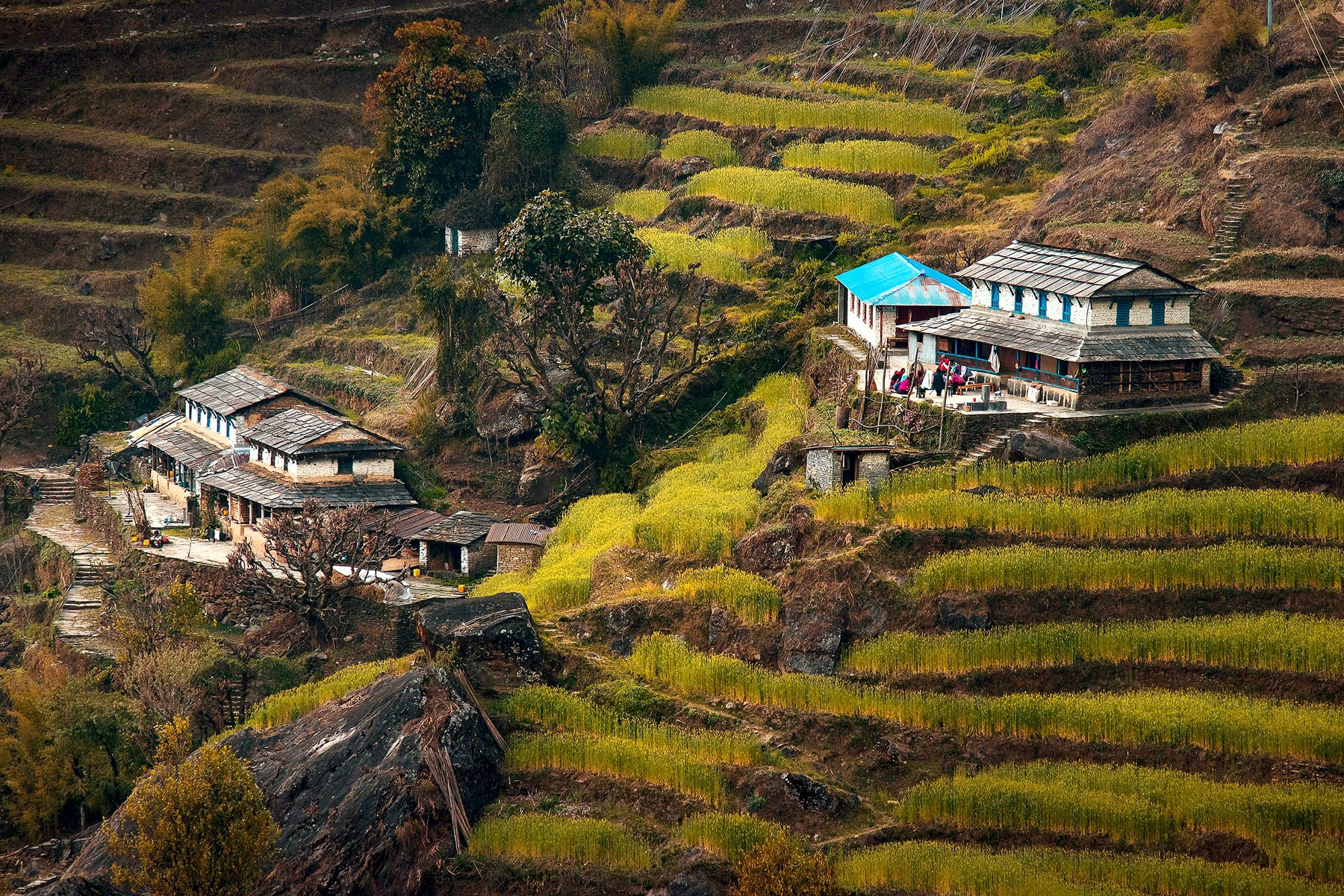
Vacker utsikt under en lättare vandring i Himalaya
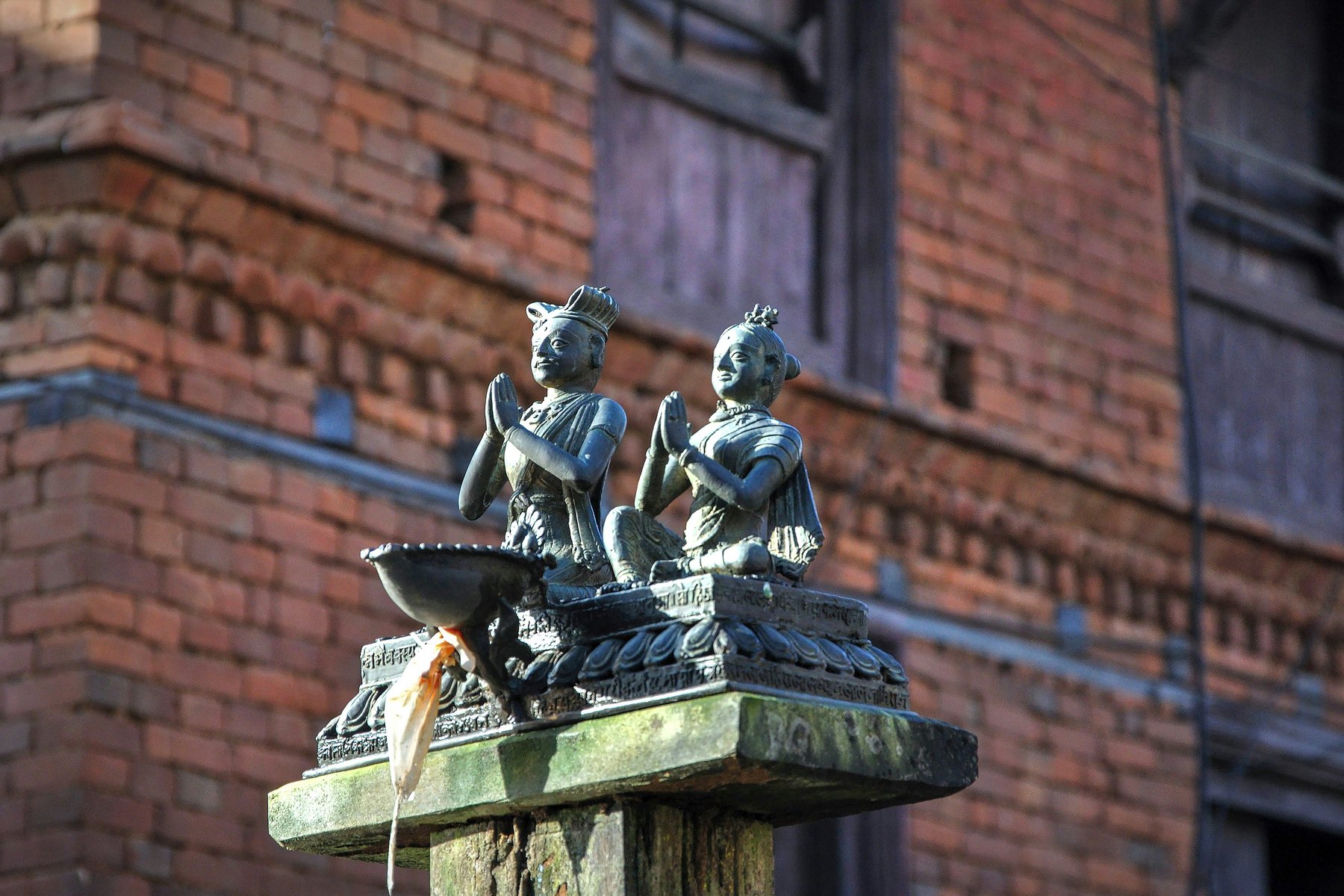
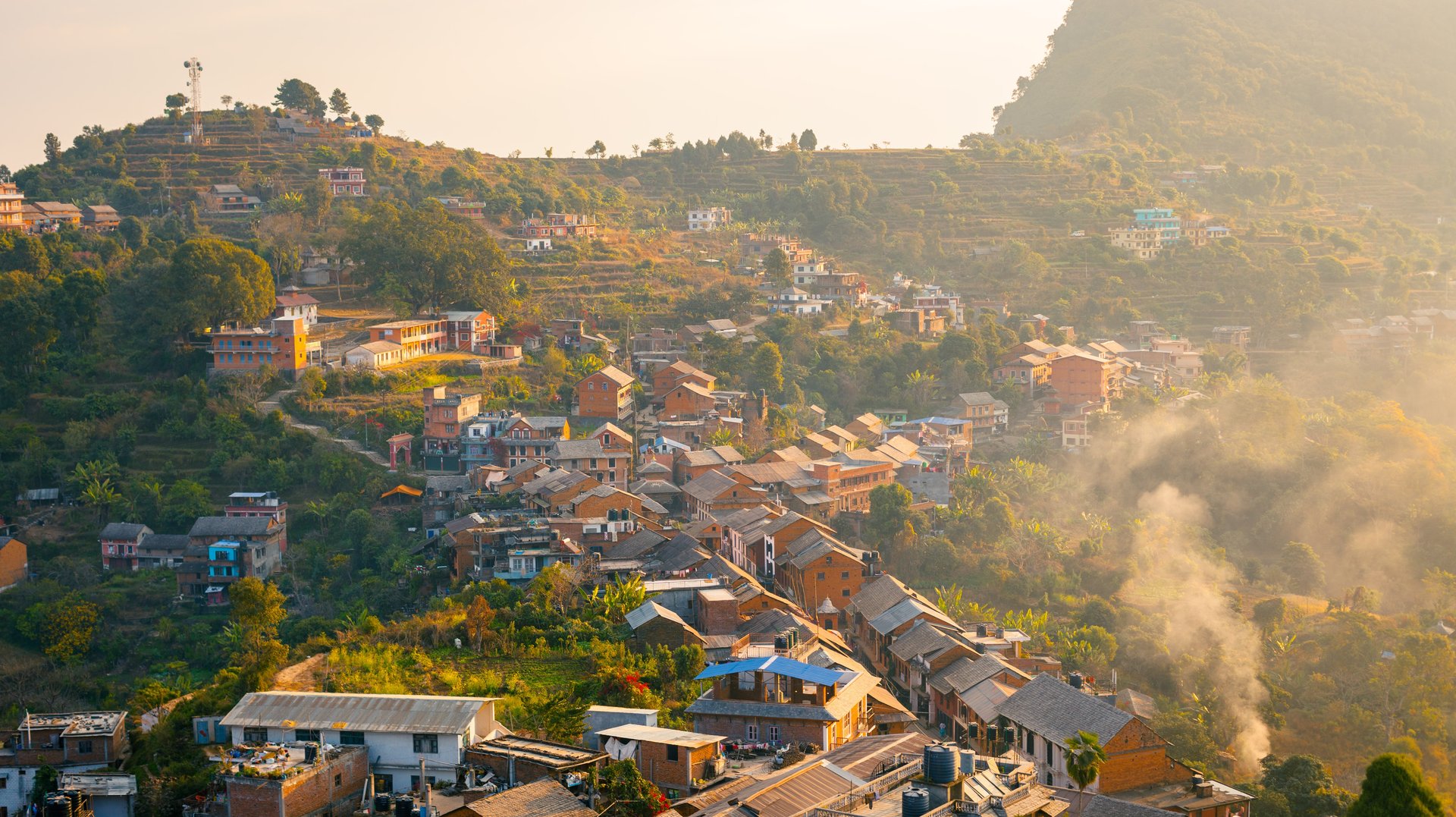
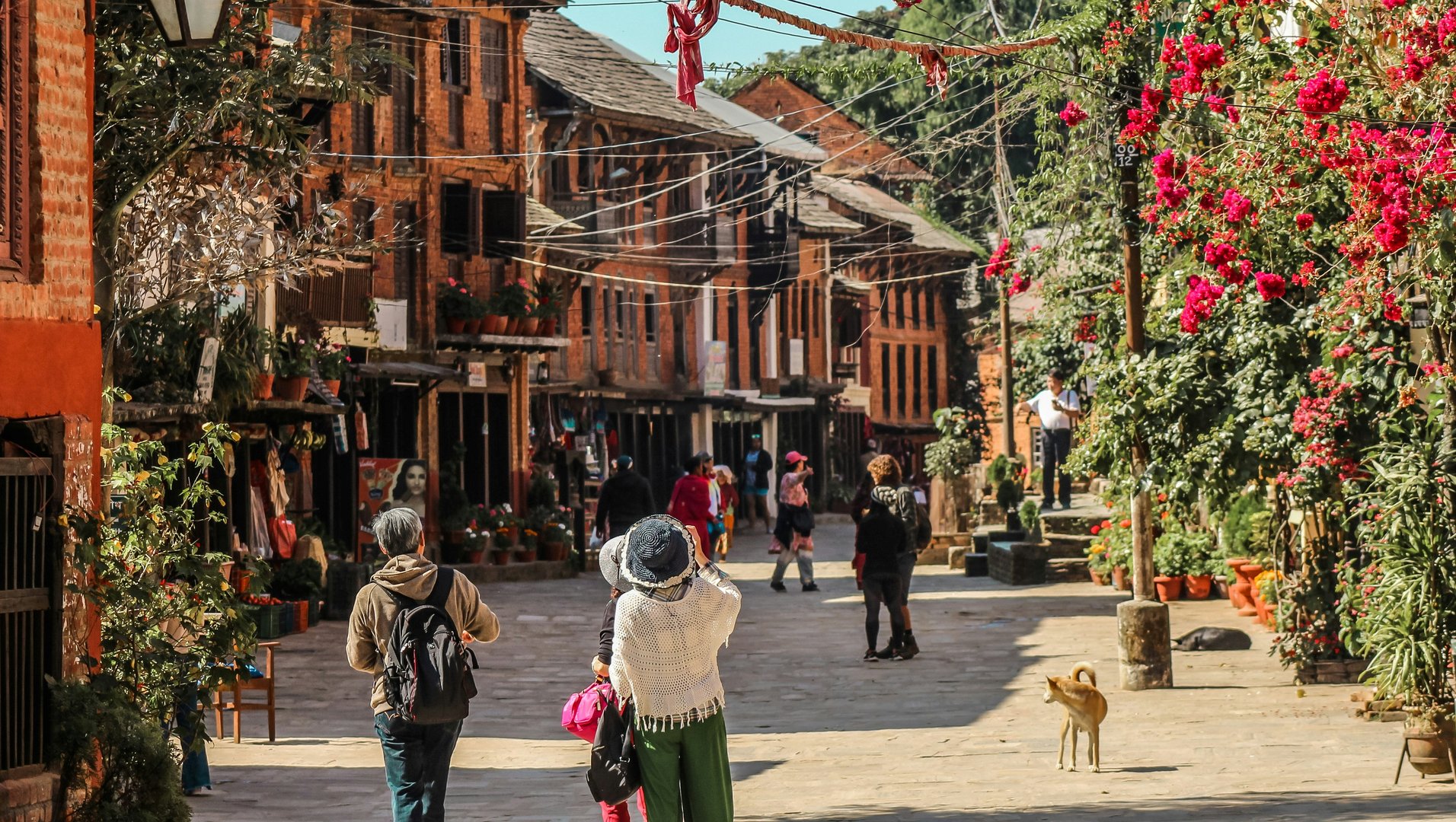
Under resan i Nepal besöker du den välbevarade staden Bandipur
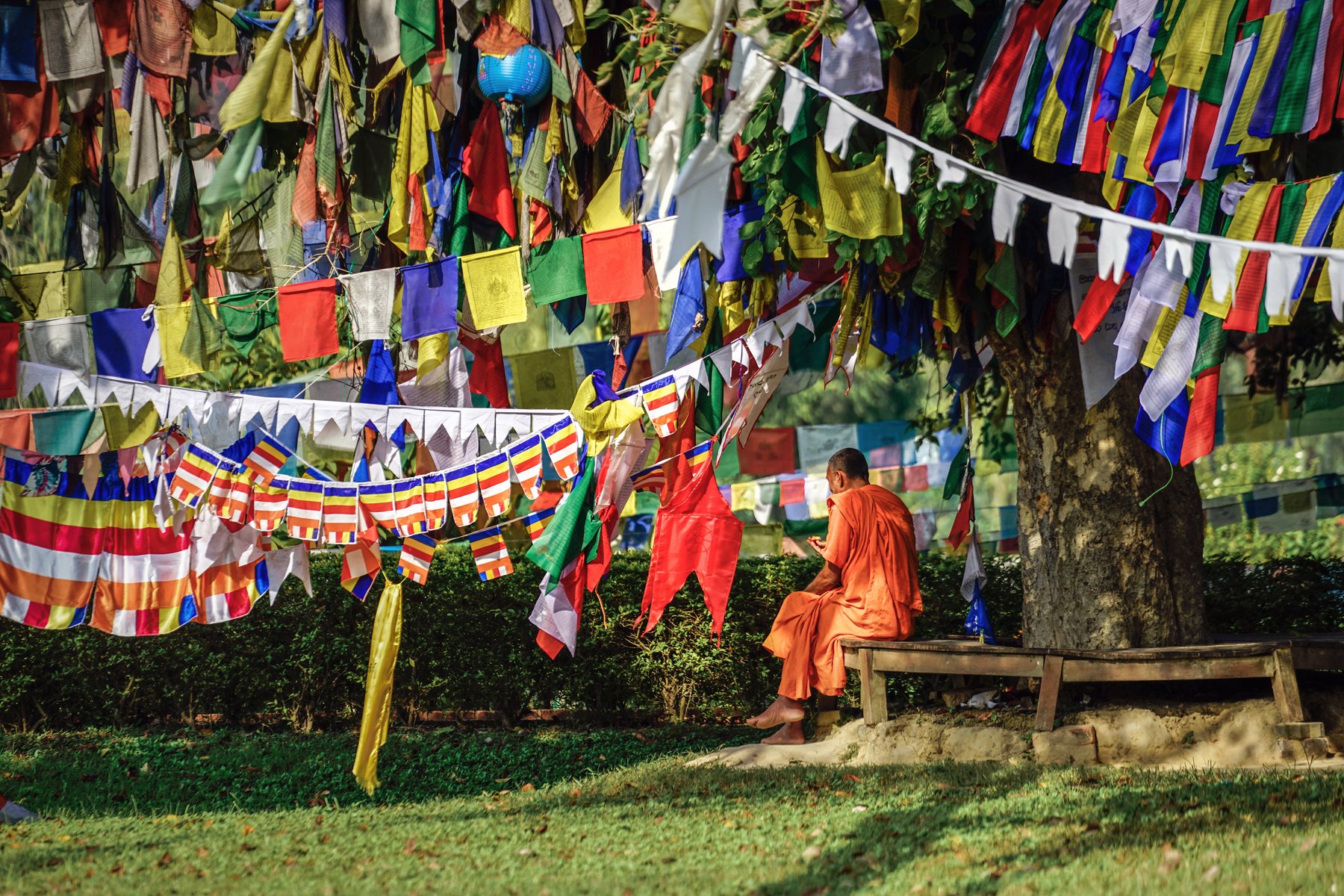
Munk som ber vid världsarvet Lumbini
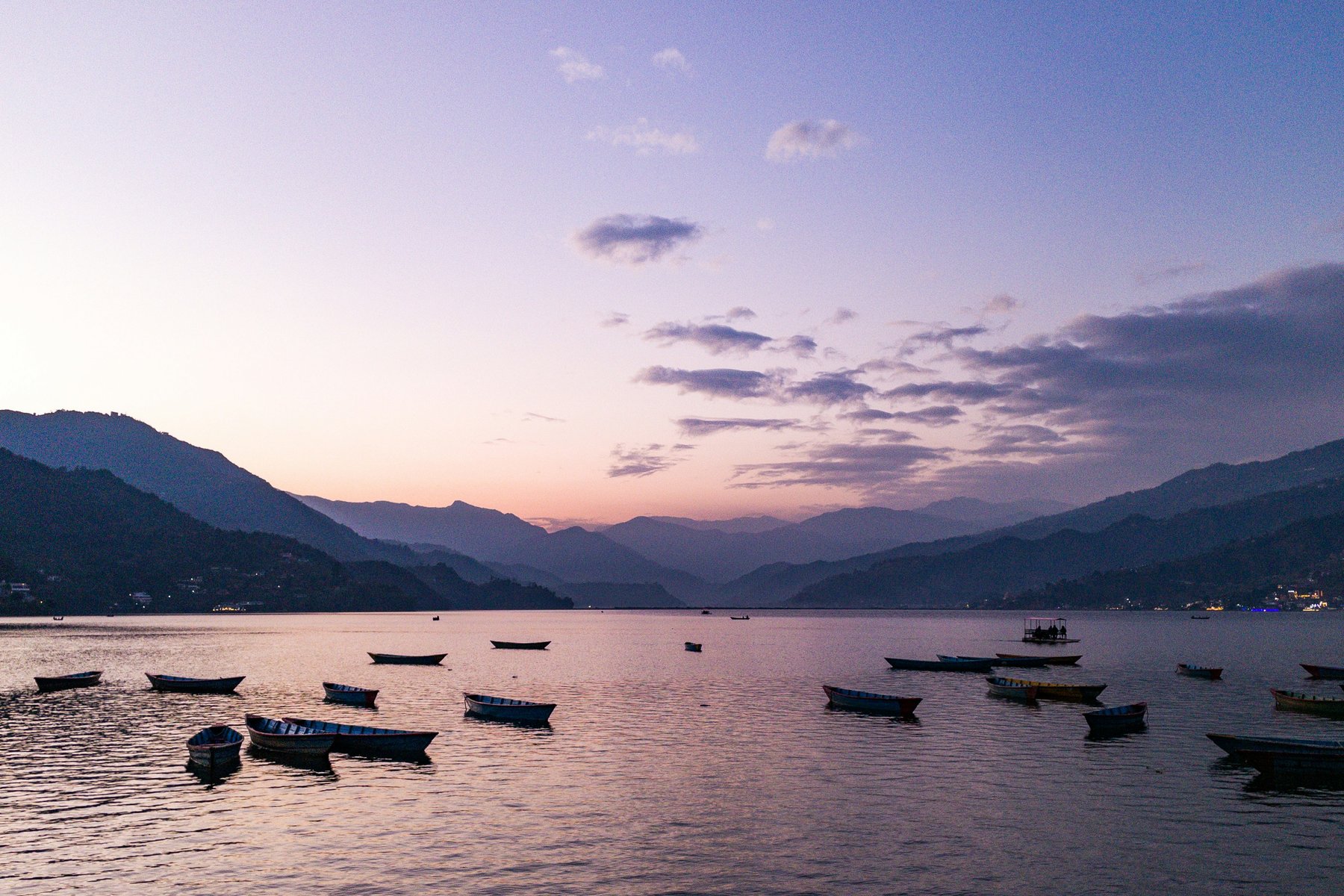
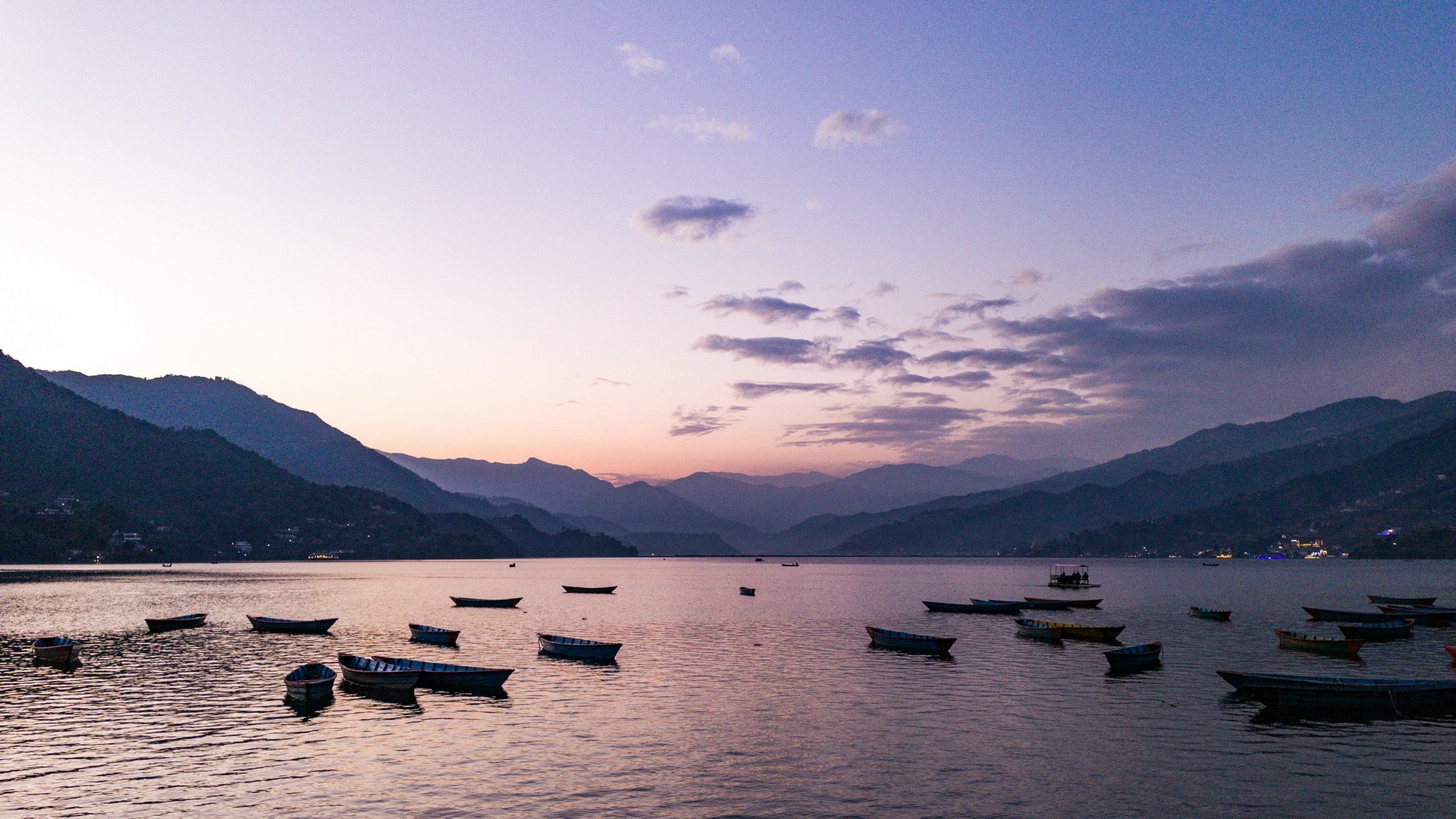
Solnedgång vid Phewasjön i Pokhara
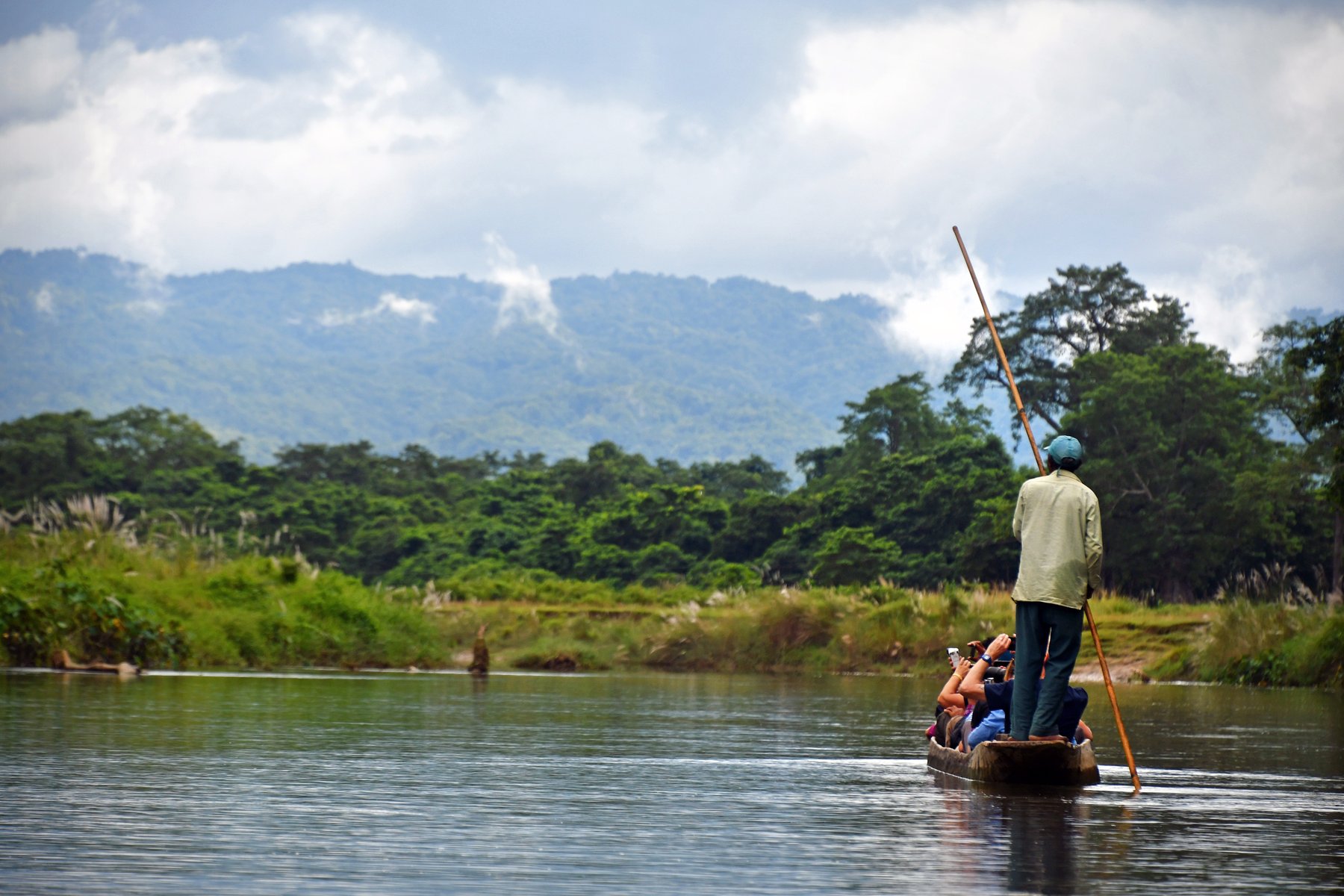
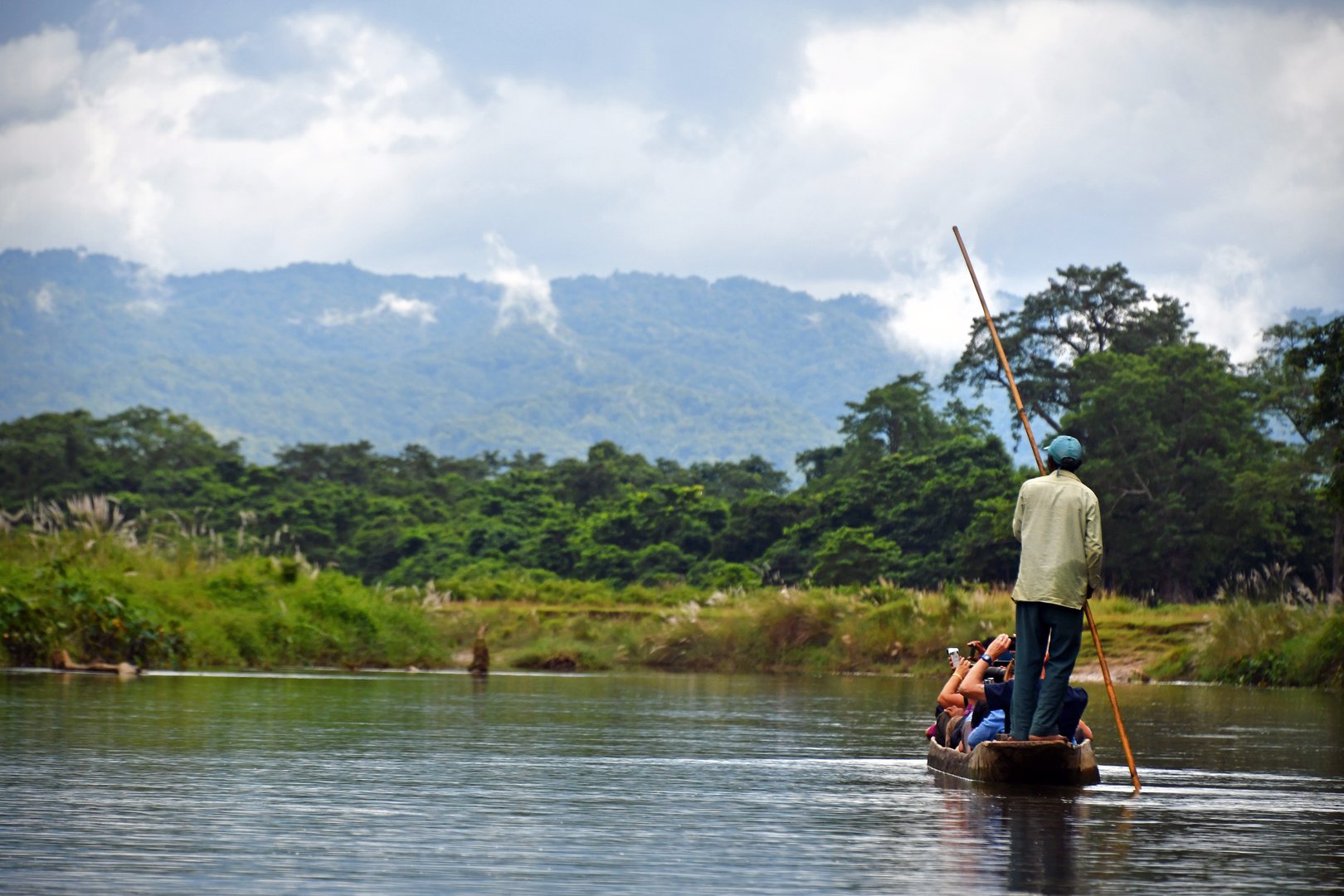
En av dagarna i Chitwan följer du med på en kanotfärd
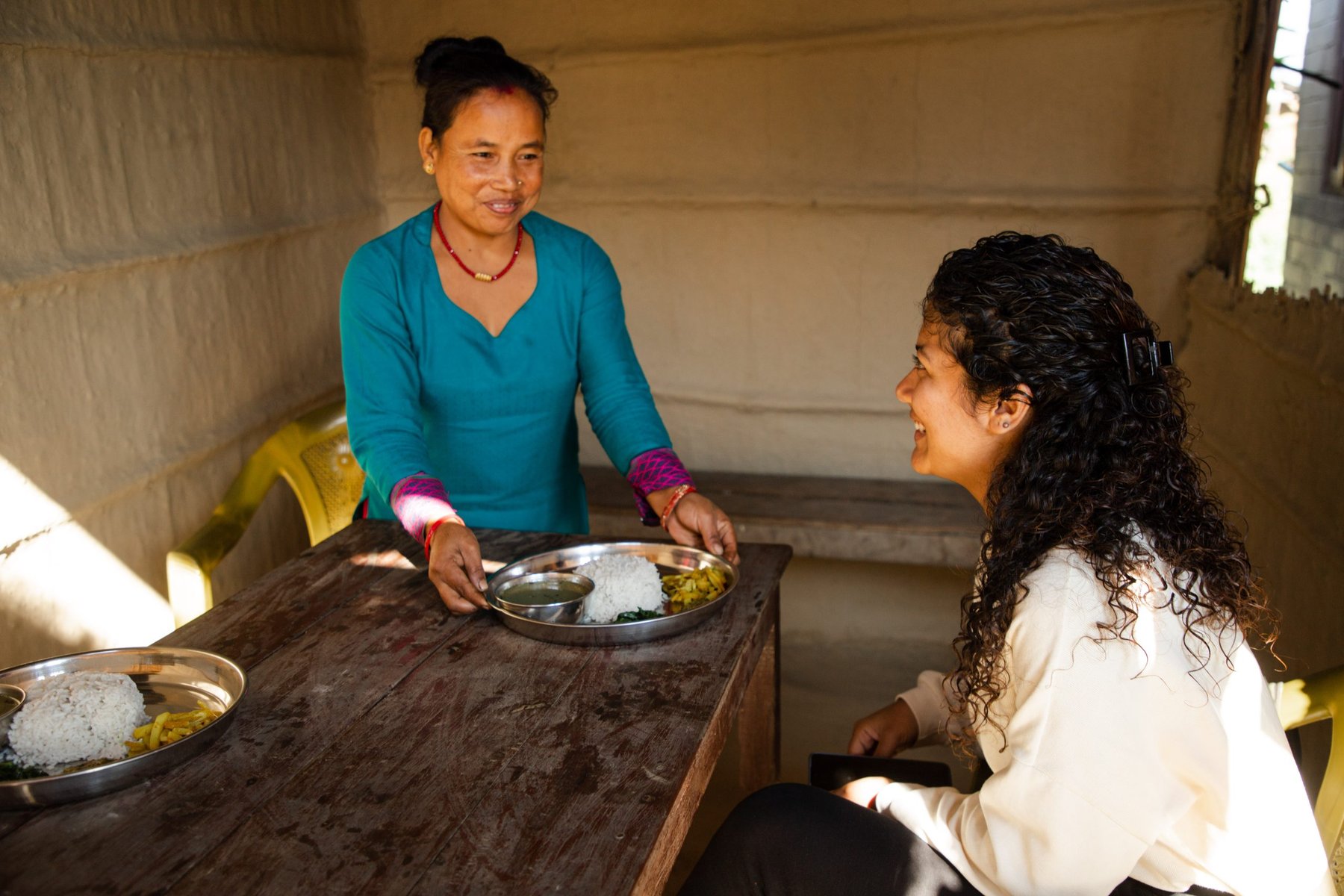
Du bor i en ekoby som gynnar hela byn kollektivt
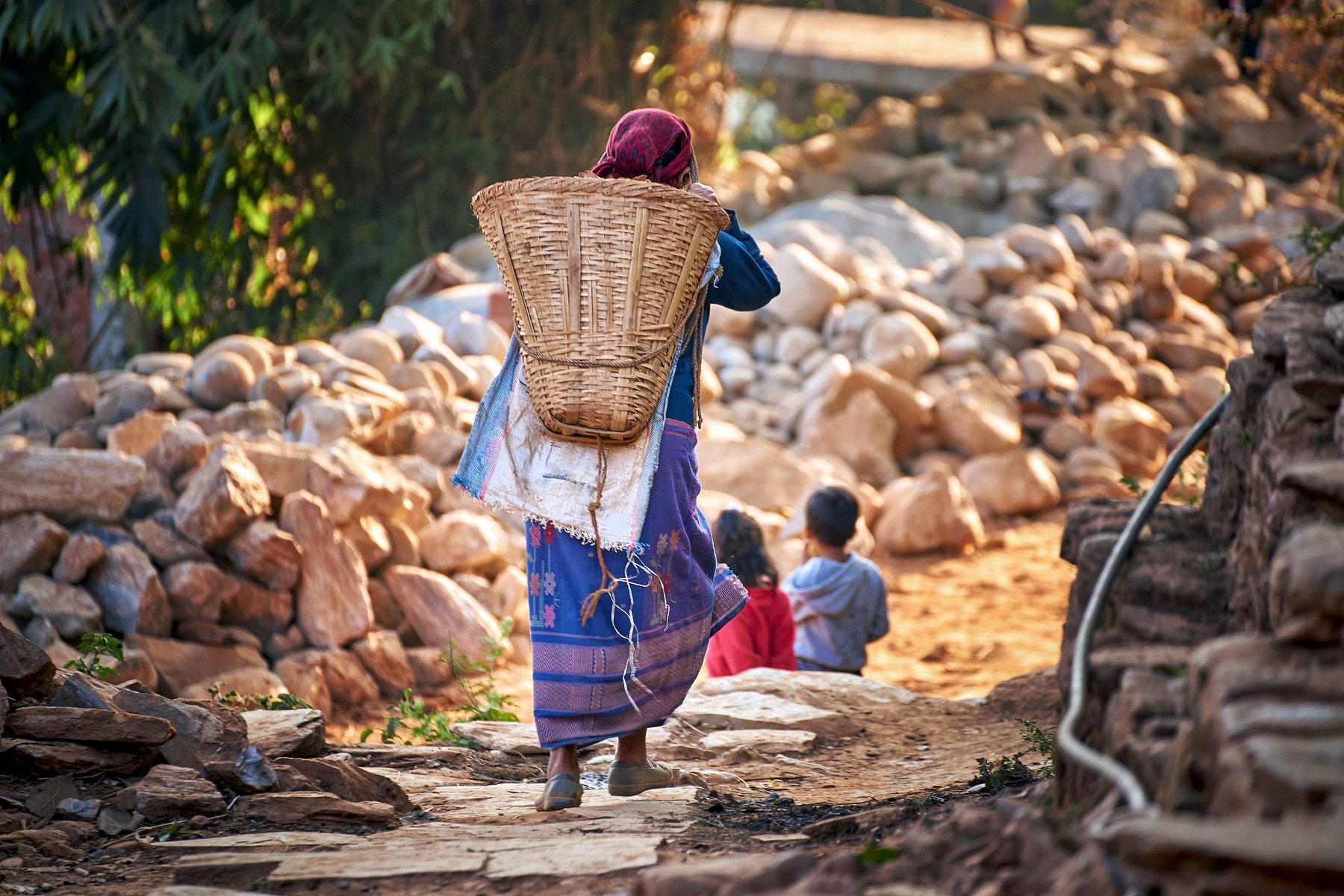
Utforska omgivningarna runt Bandipur
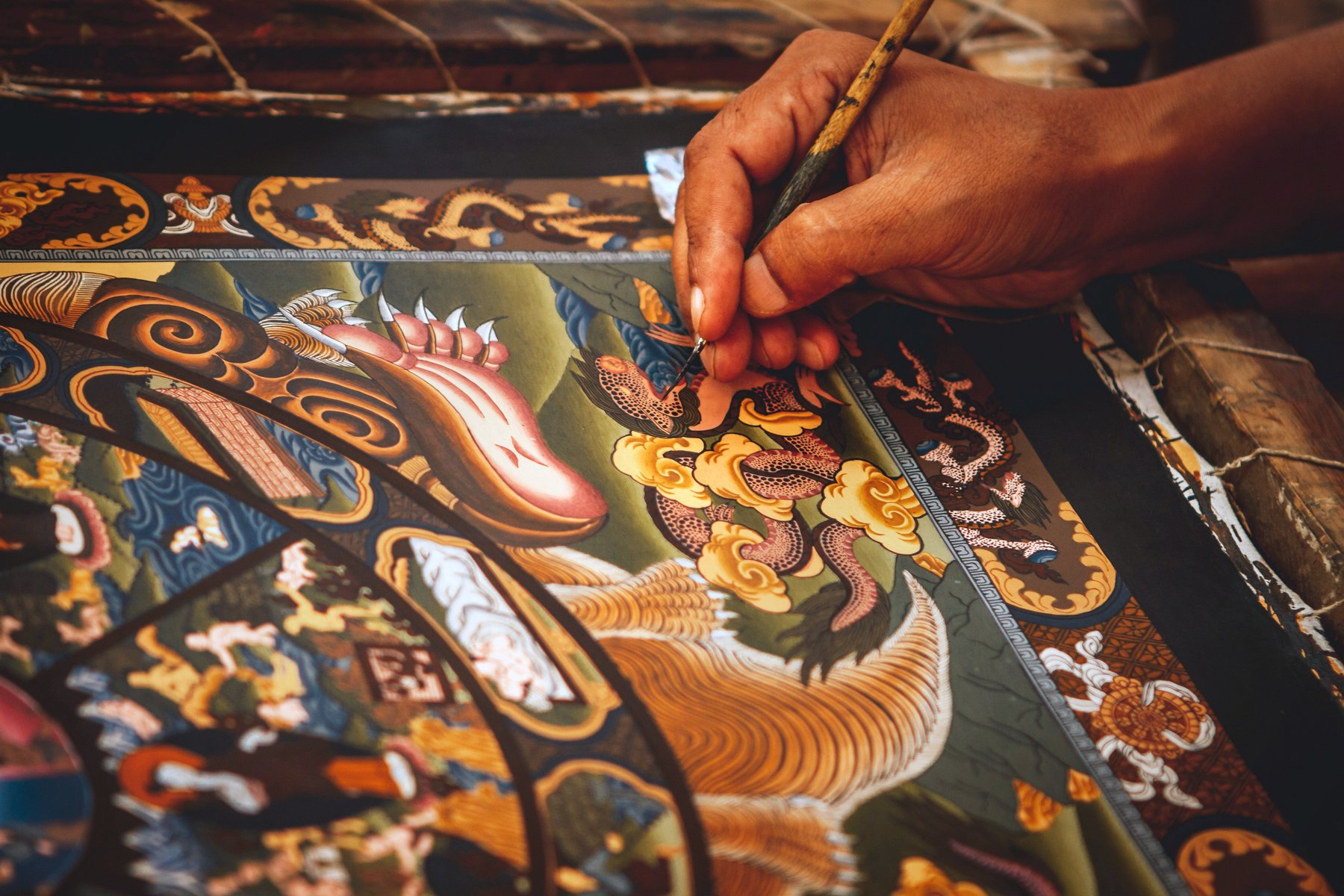
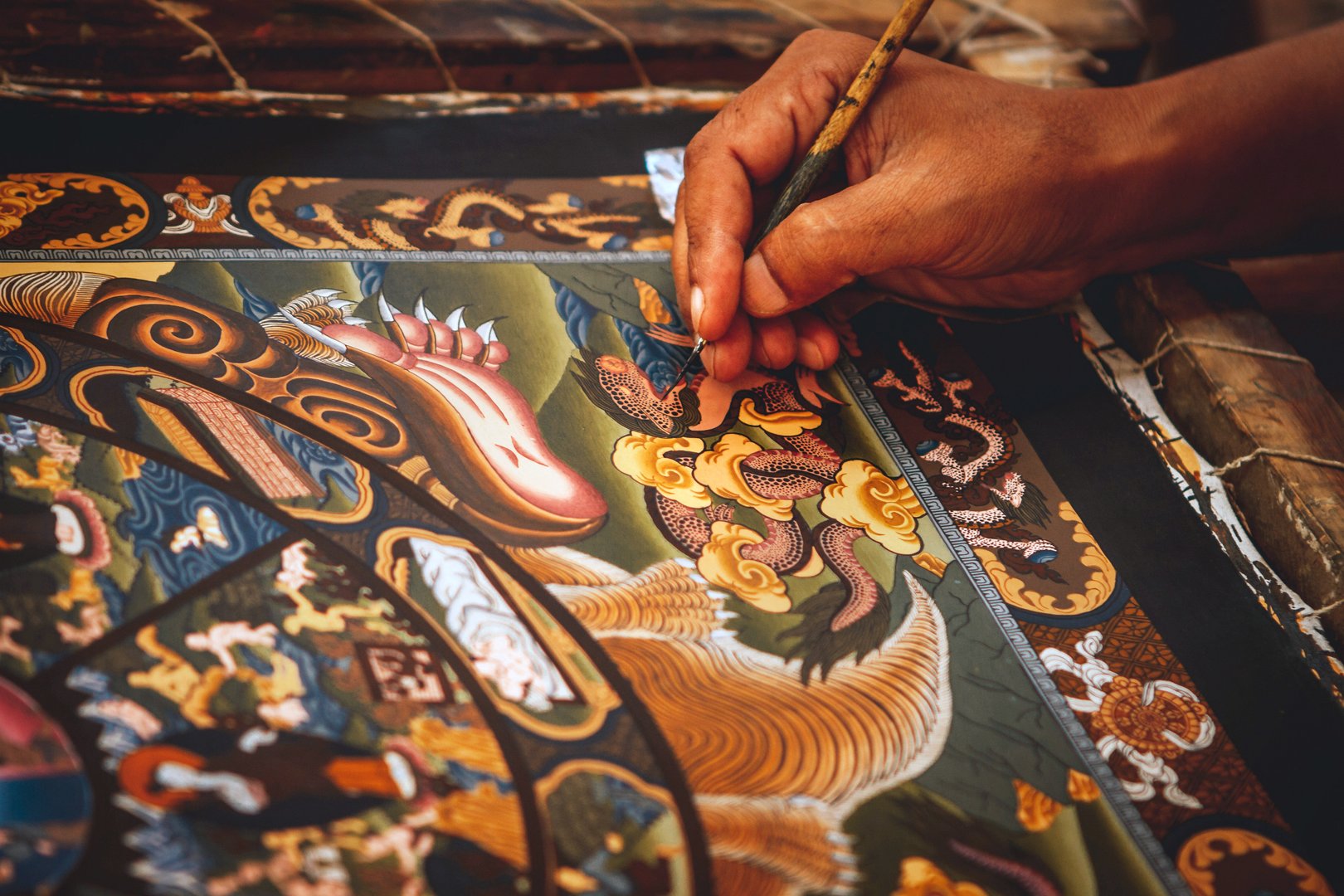
Tibetaner som målar thankamålningar kan du se utanför Pokhara samt vid Lumbini
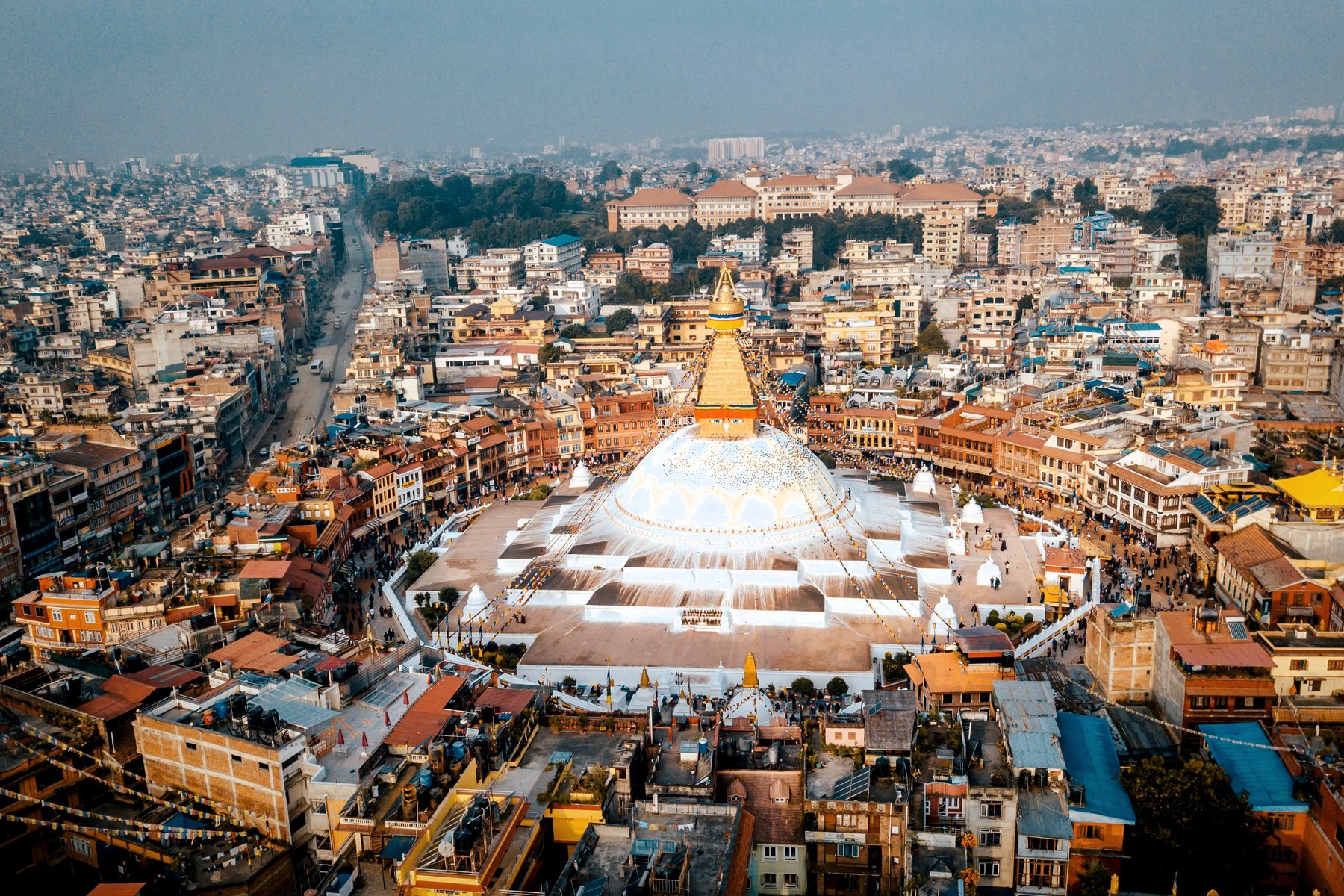
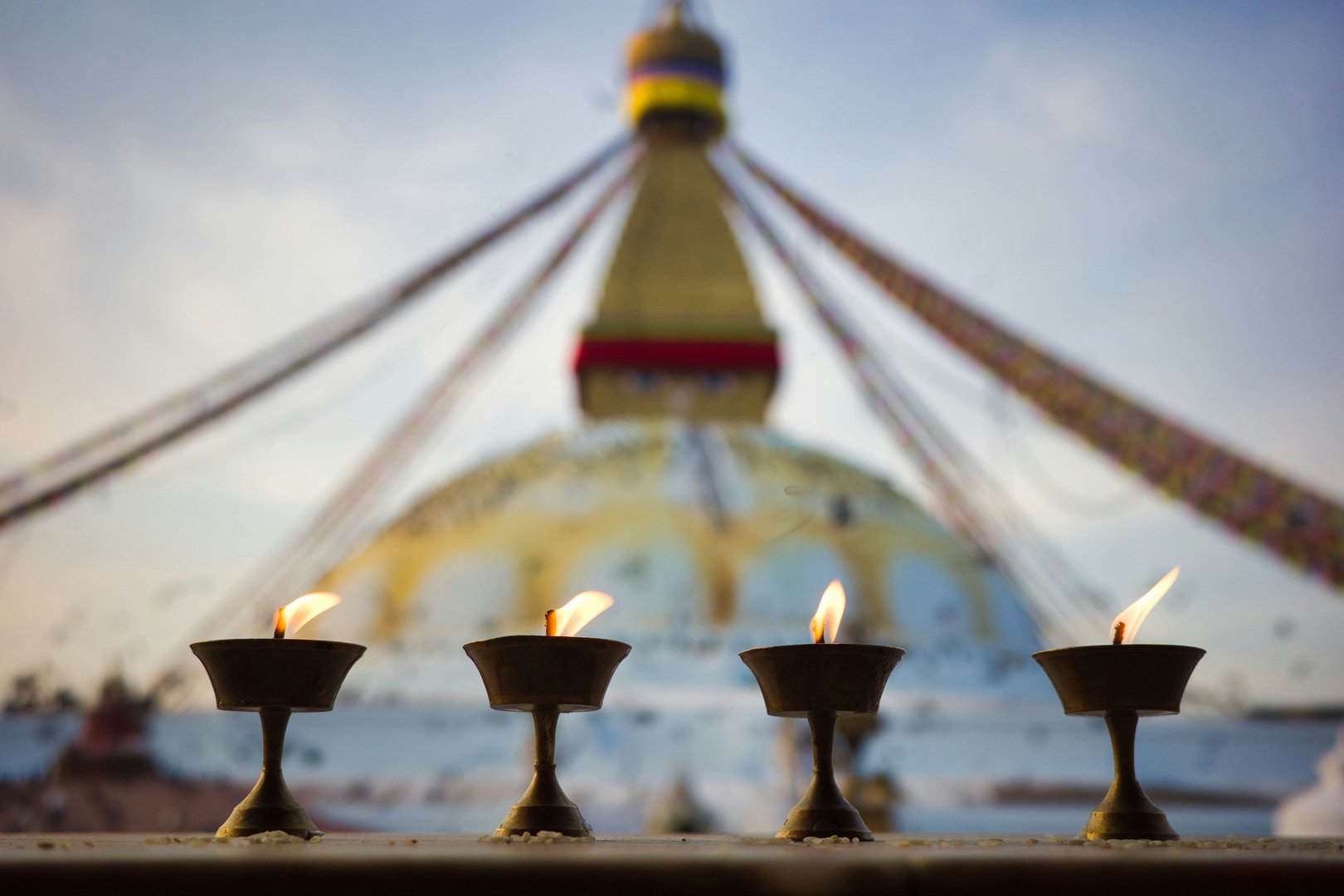
Den mäktiga stupan Boudha i Kathmandu
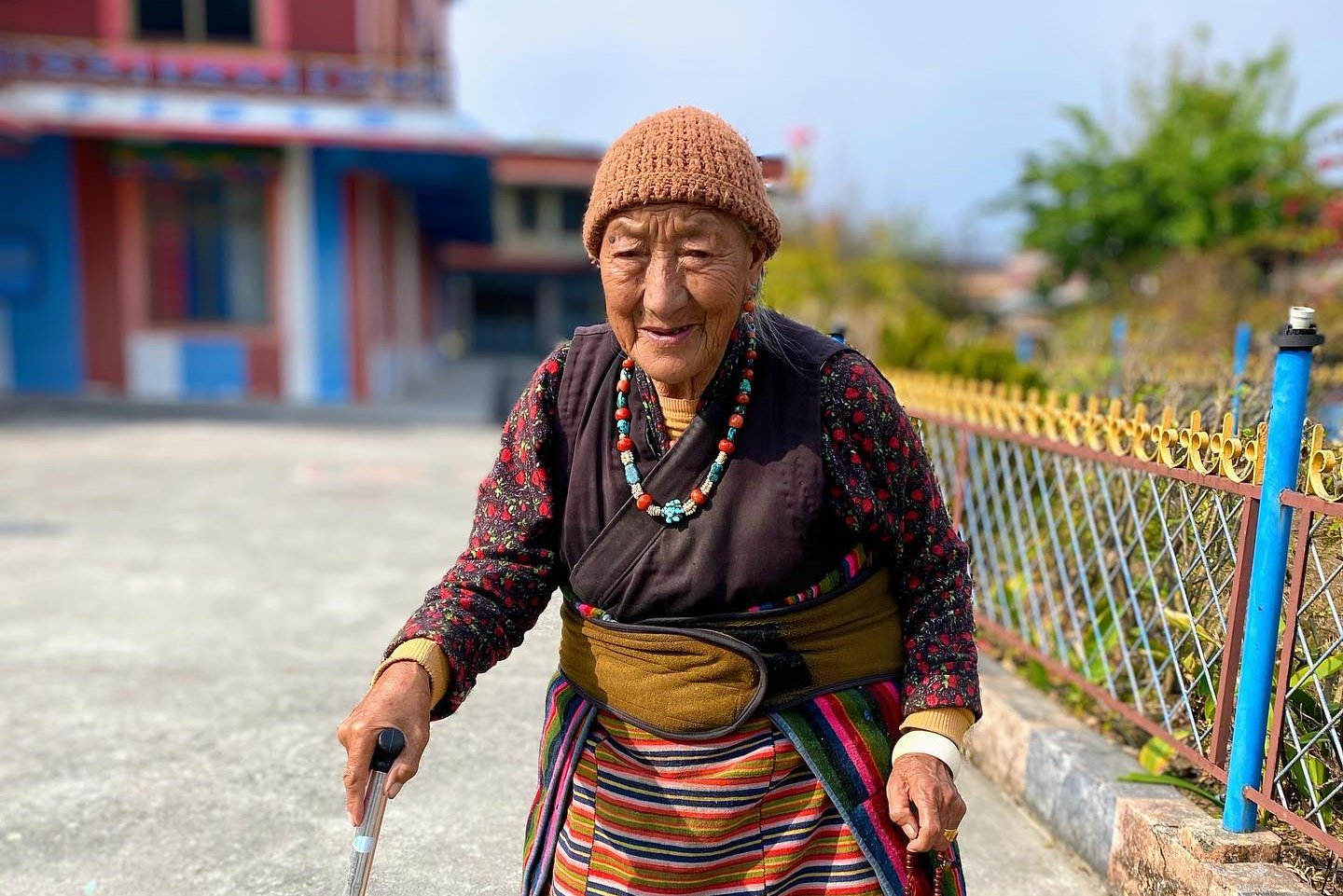
Du besöker tibetanska bosättningar utanför Pokhara
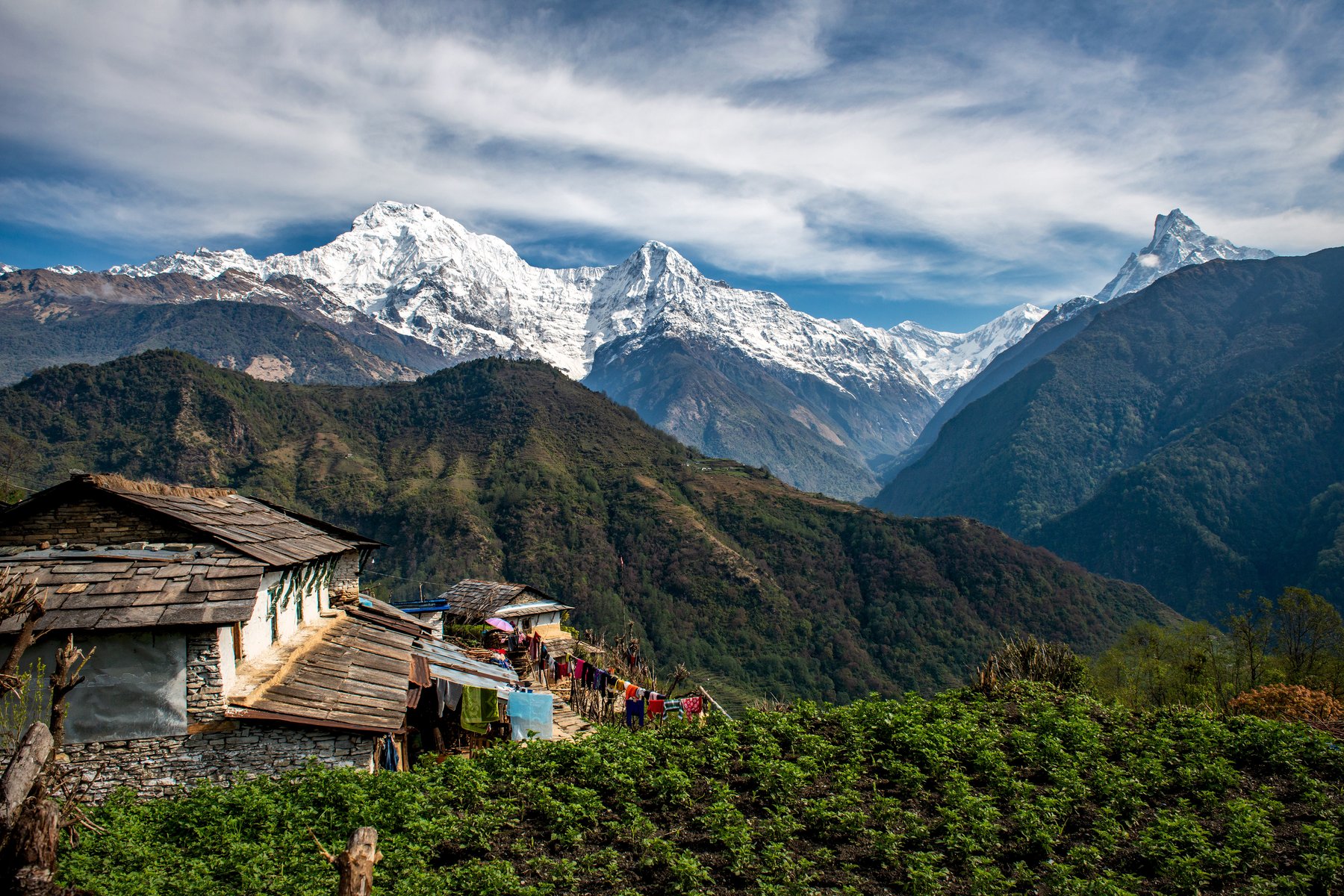
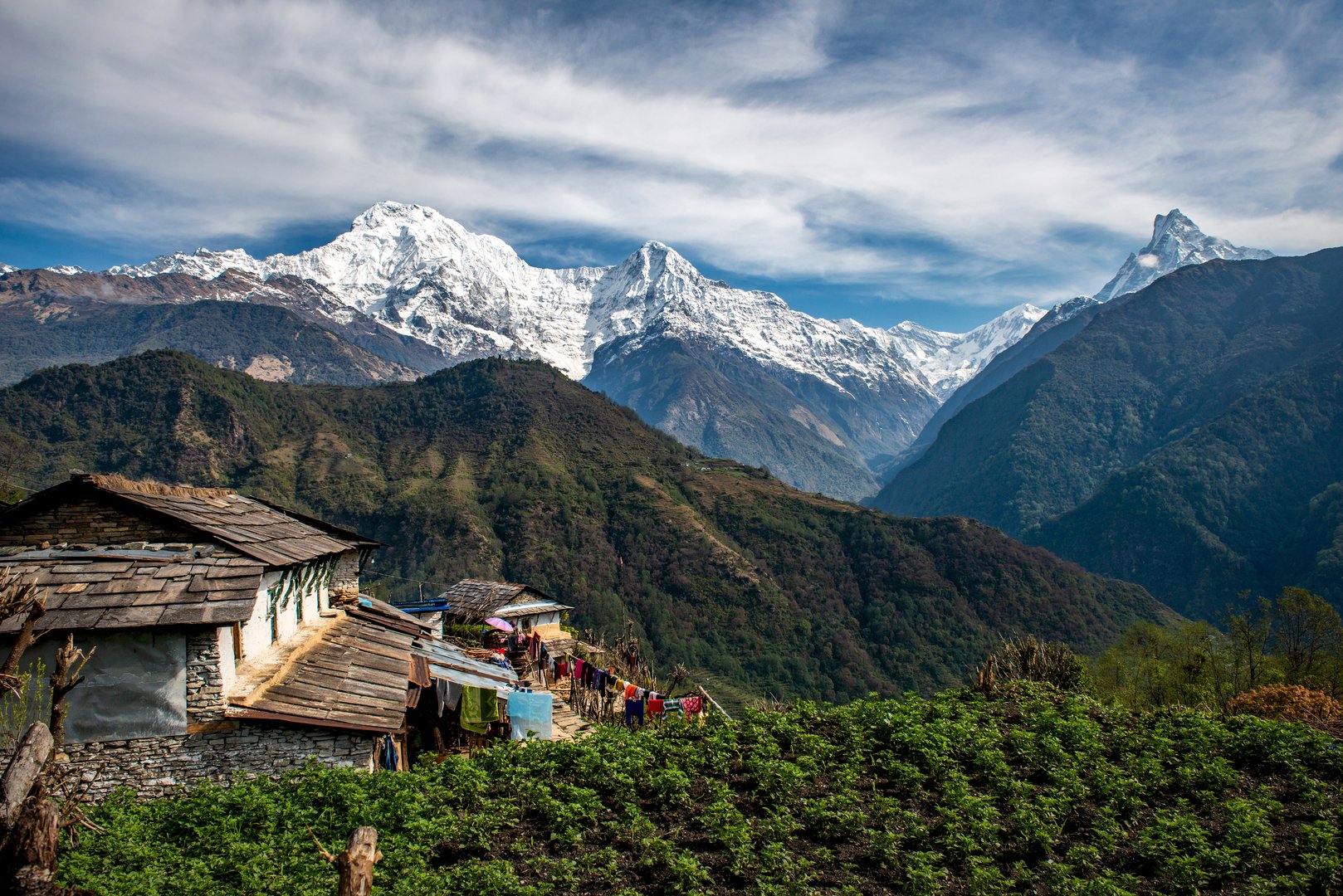
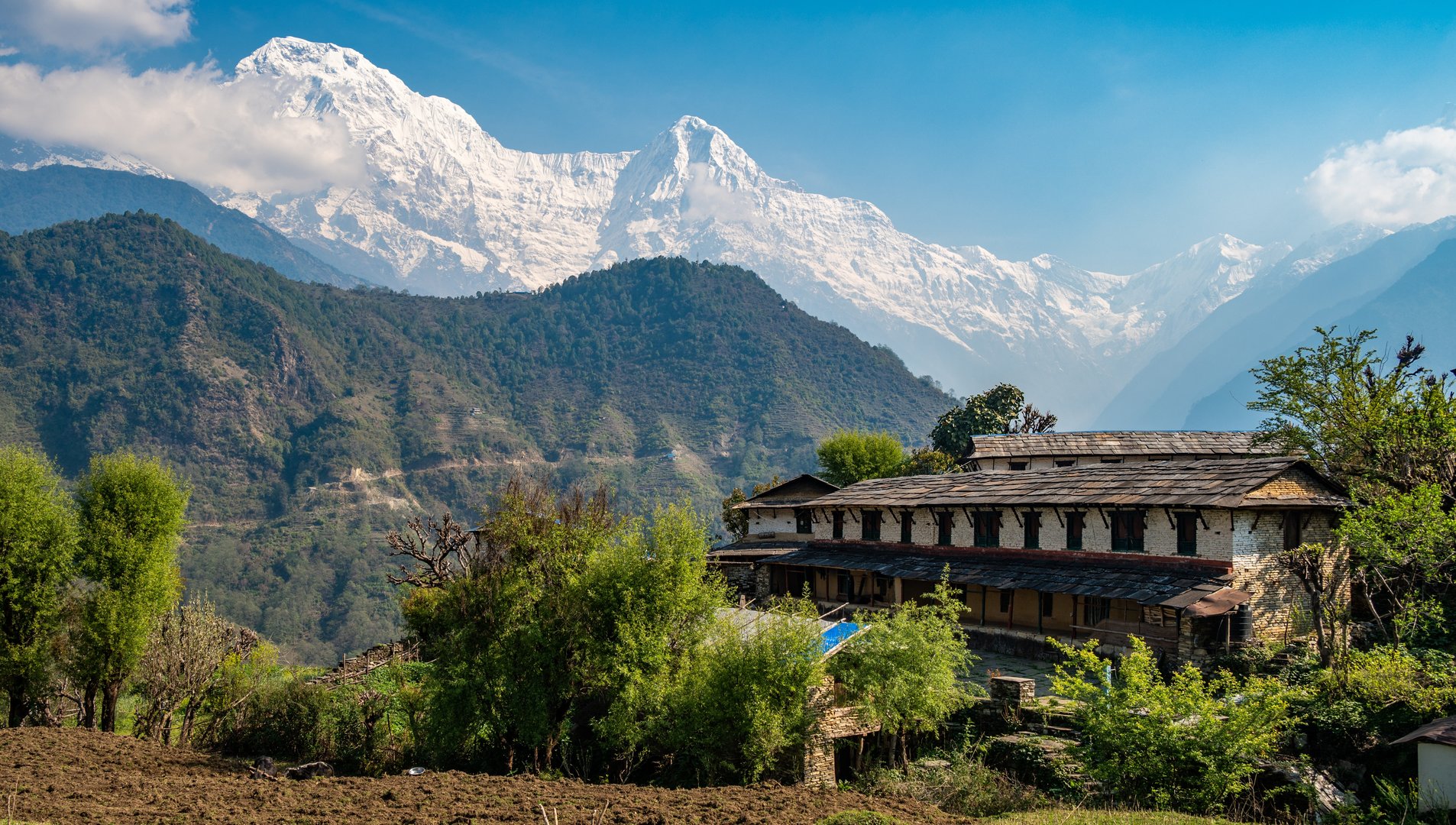
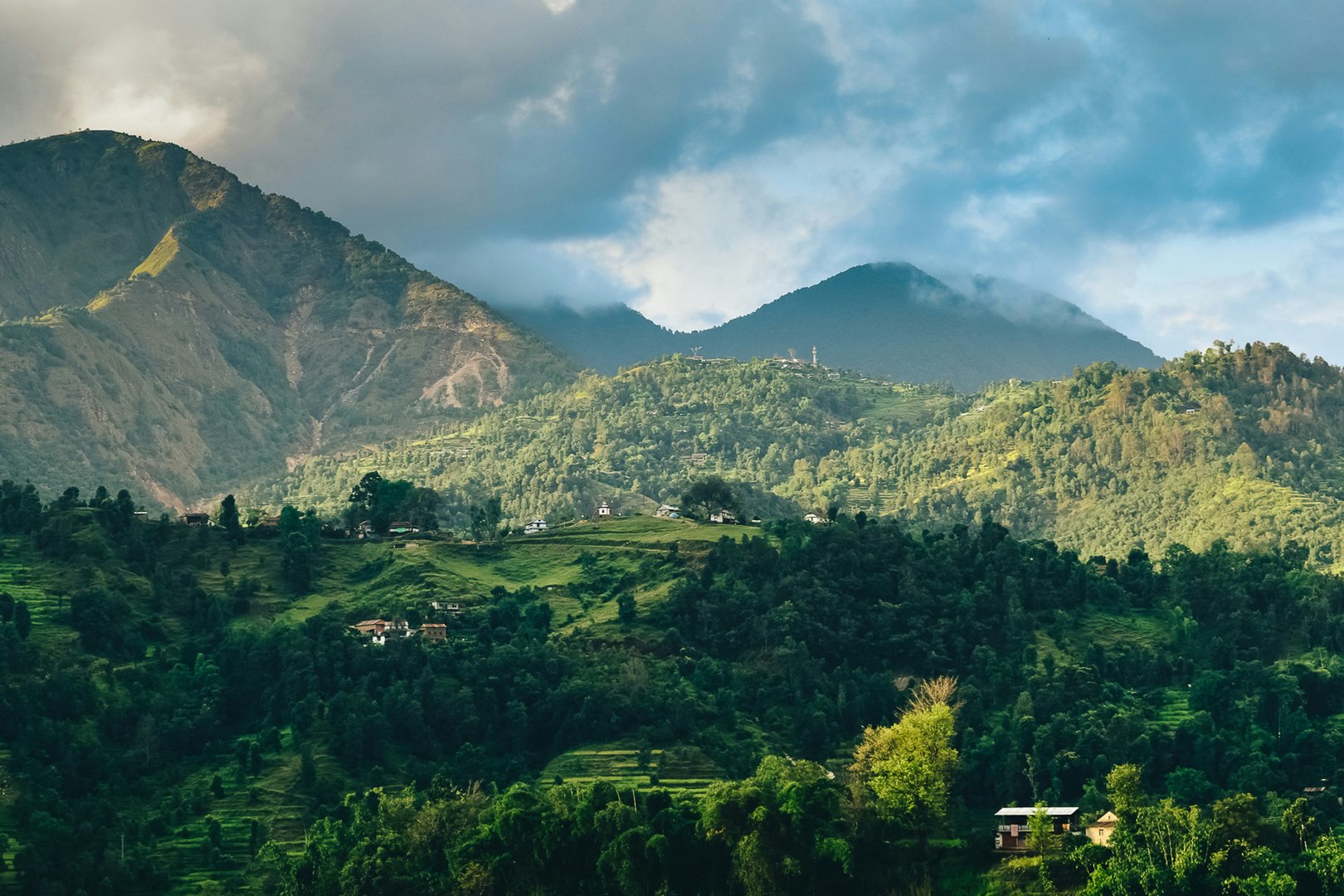
Makalös utsikt från bergsbyn Ghandruk
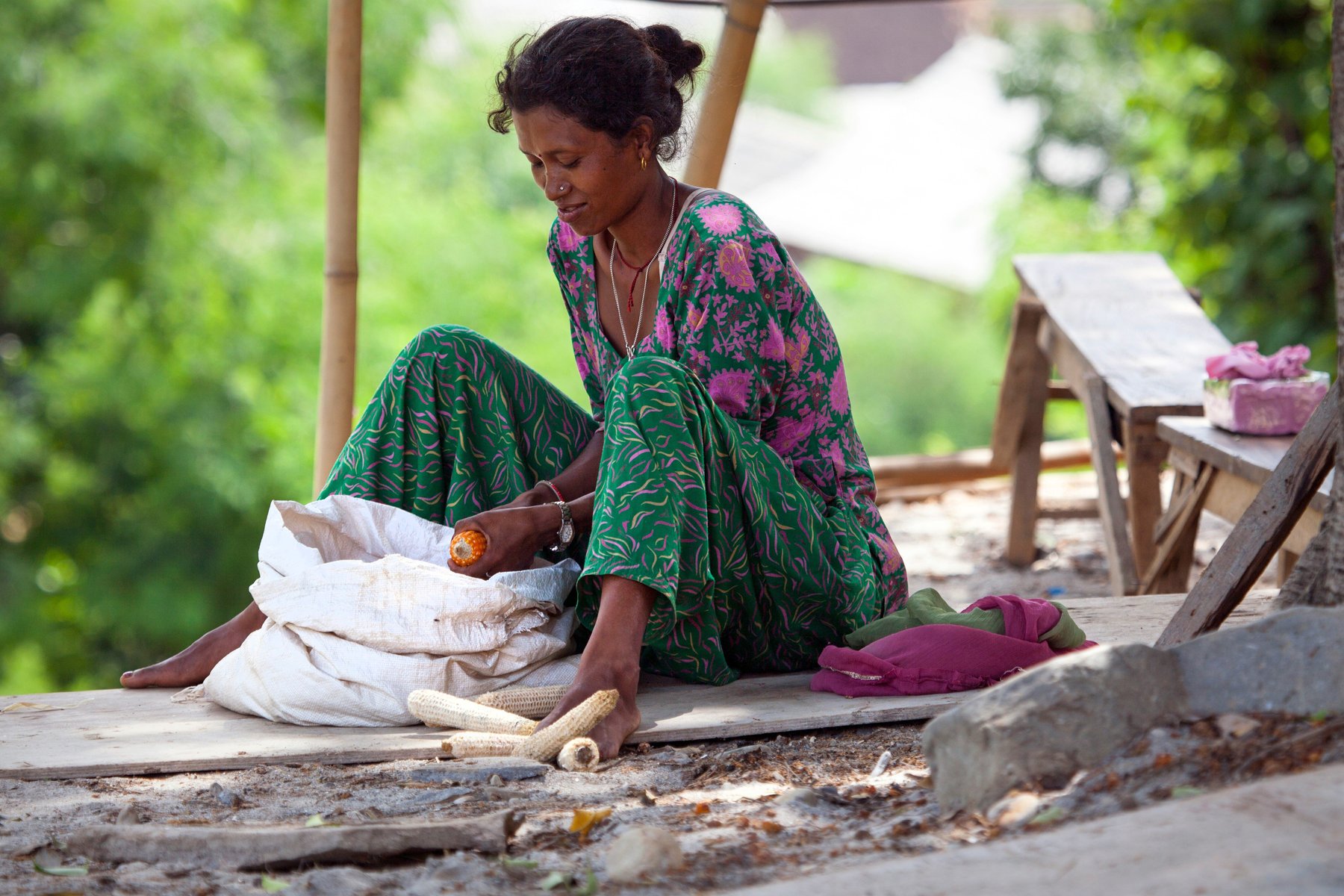
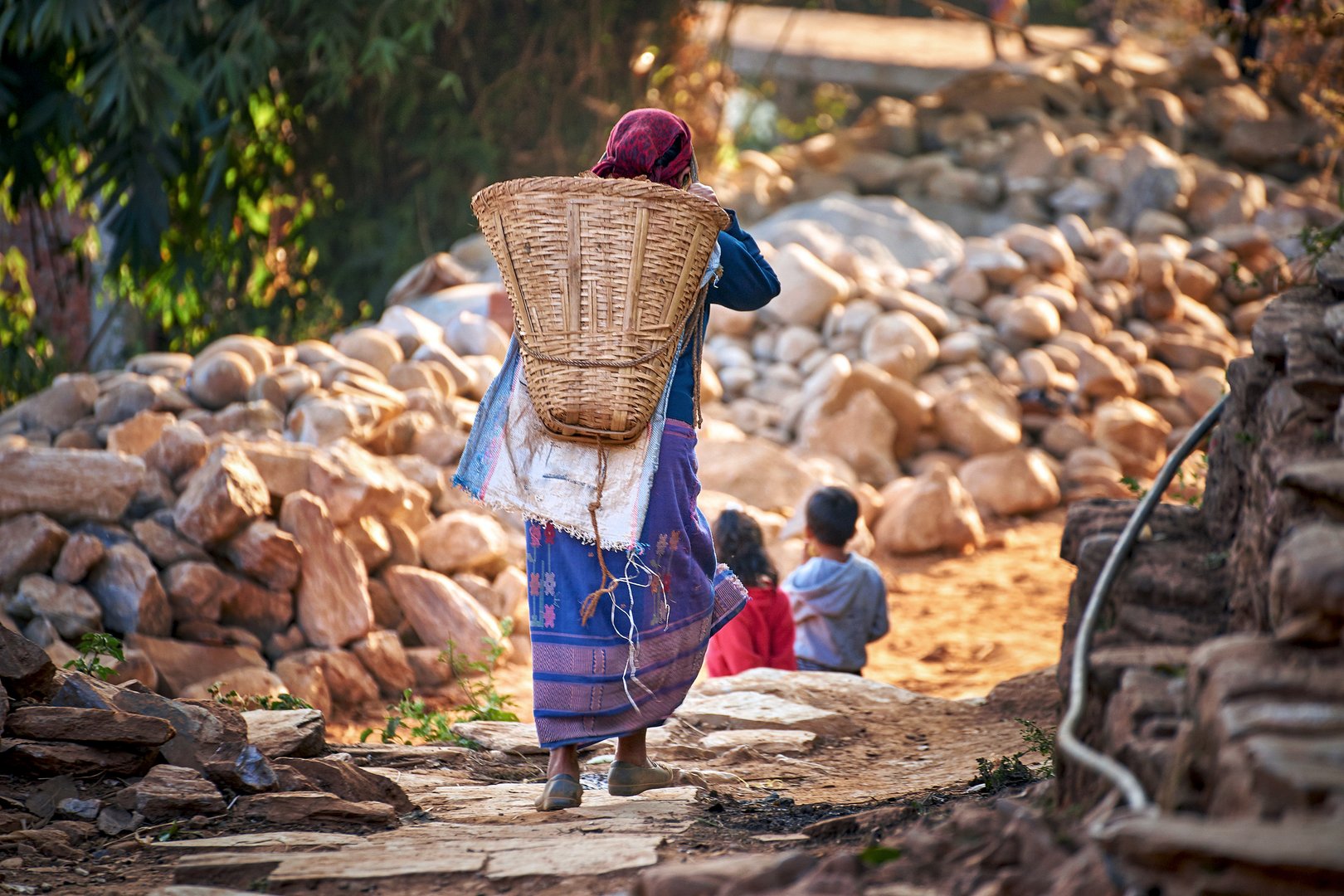
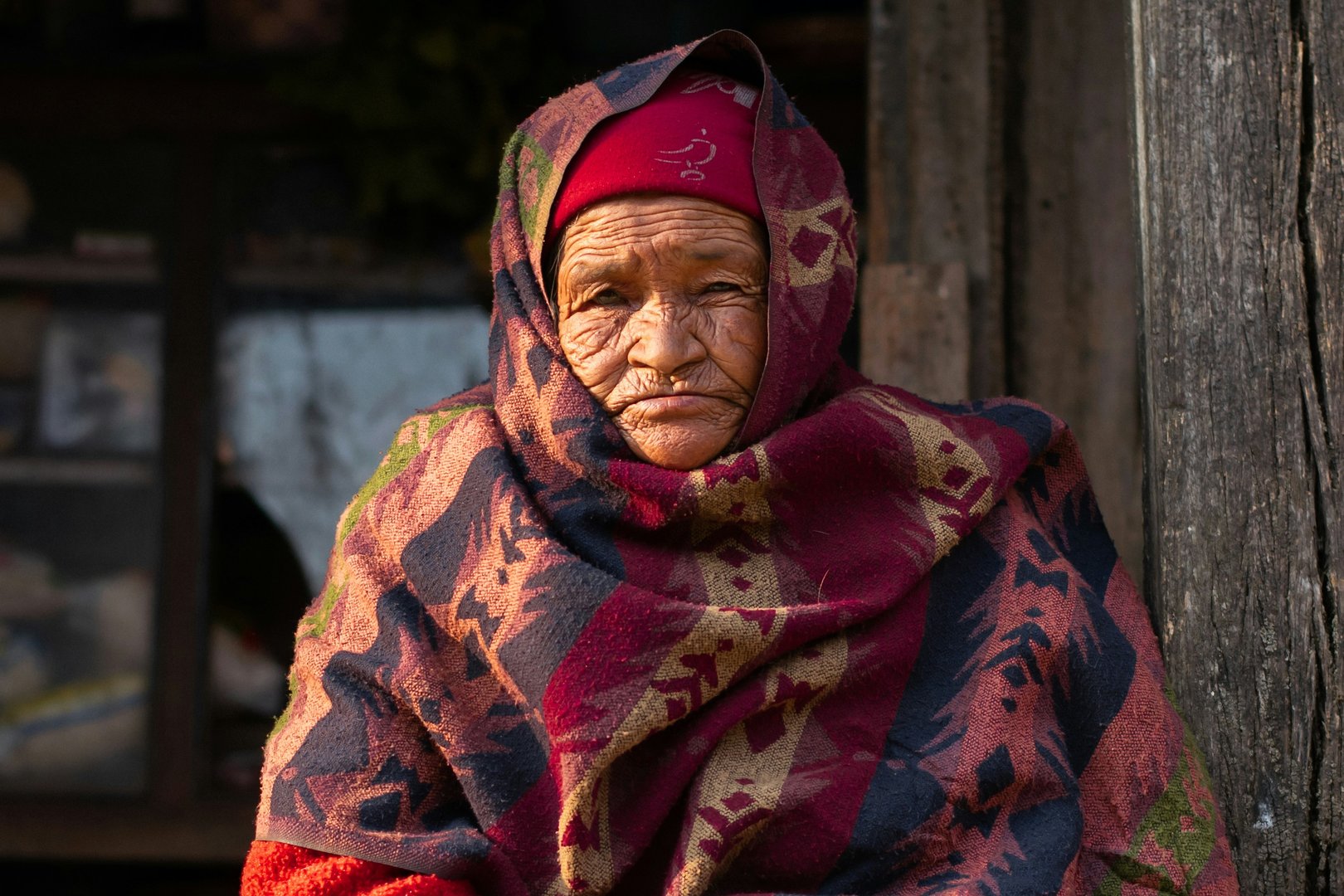
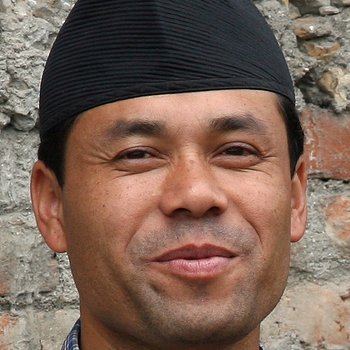
Resan genom Nepal bjuder på många fina möten
Dag 1 Samling i världsarvet Bhaktapur
Samling på vårt möteshotell i världsarvet Bhaktapur. Reseledaren går igenom resplanen och du får möjlighet att bekanta dig med dina medresenärer.
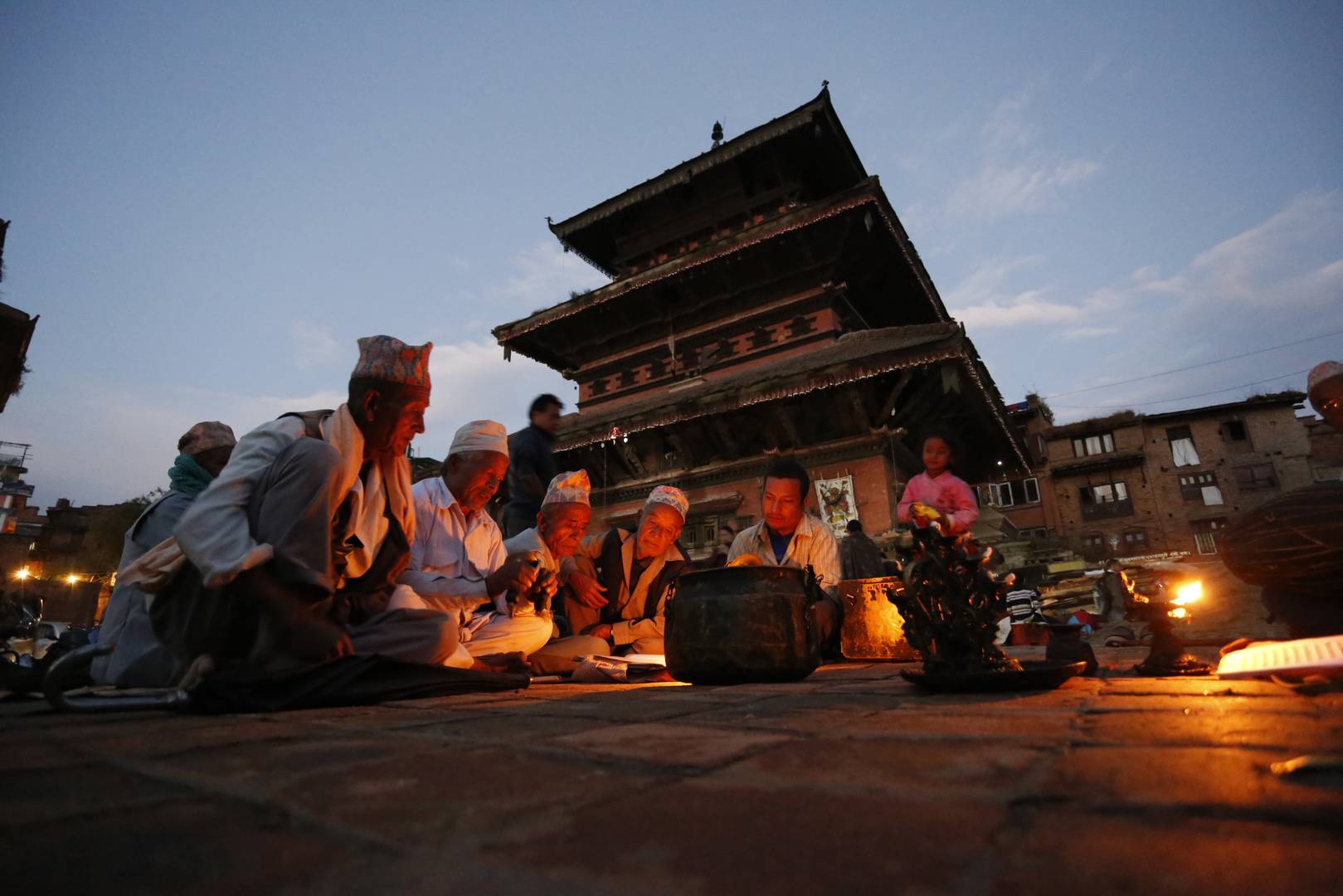
Efter en välkomstmiddag blir en kortare kvällspromenad i de gamla historiska kvarteren. Bhaktapur var huvudstad i Kathmandudalen under 1500- och 1600-talen och anses vara den stad i Nepal där flest byggnader och monument bevarats till våra dagar. Följ de slingrande gränderna och beundra de tempel och byggnader som du passerar förbi.
Kathmandudalen är hem för mer än fyra miljoner människor. Har finns ett tiotal olika städer som i realiteten mer eller mindre har växt ihop. Kathmandu är så klart störst, följt av Patan och Bhaktapur.

Dag 2 Rundtur i Kathmandu och hantverksstaden Thimi
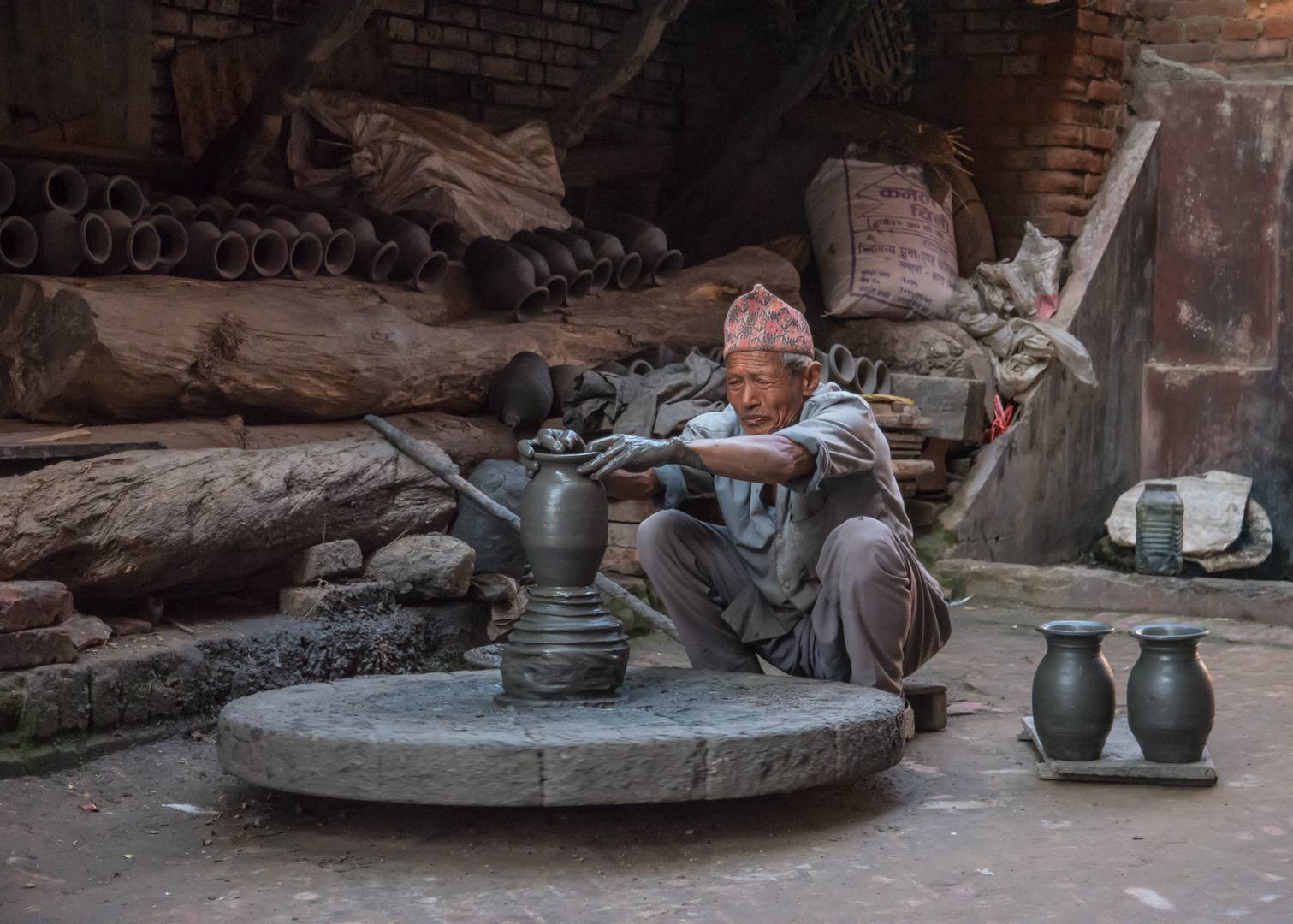
Dagen inleds med en morgonpromenad i Bhaktapur. Du tar dig fram på stadens stenbelagda gränder, kikar in på de många bakgårdarna och beundrar de pampiga tempelbyggnaderna vid Bhaktapur Durbar Square. Newari är den största folkgruppen i Bhaktapur och de är framförallt kända för att vara skickliga hantverkare inom keramik och träsnideri.
Resten av dagen bjuds du på en rundtur till några av Kathmandudalens världsarv. Men först ett stopp vid krukmakarbyn Thimi. Här får du träffa ett par skickliga keramiker som producerar den vackraste keramik du kommer att stöta på i Nepal.
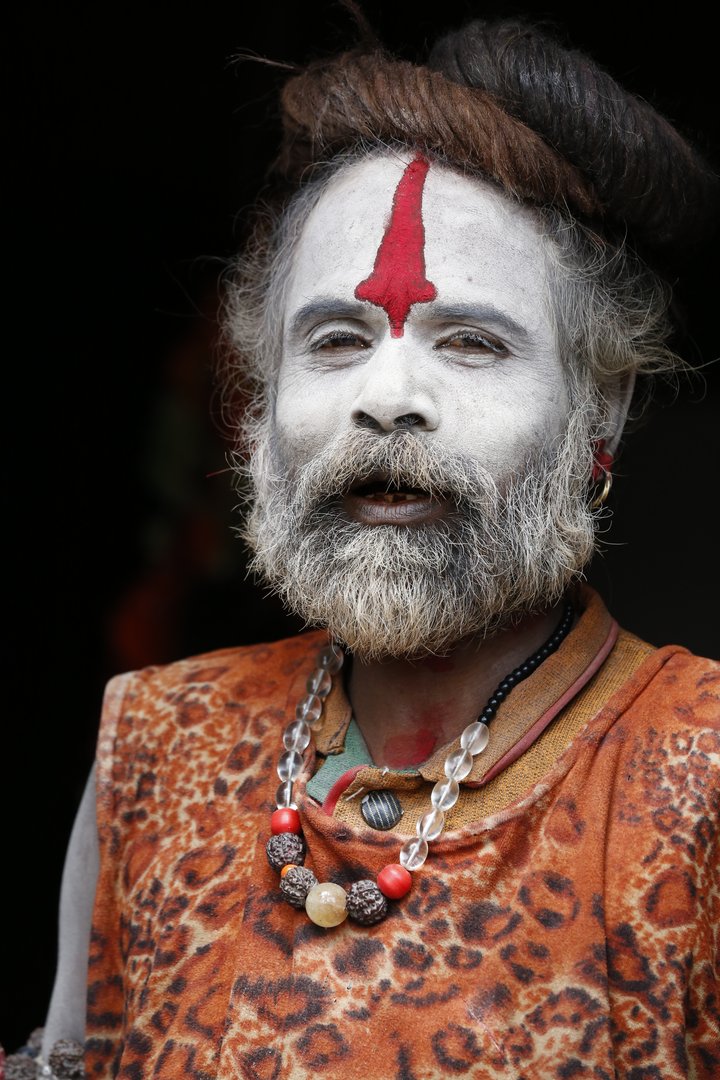
Rundturen går vidare till det stora hinduiska tempelområdet Pashupatinath som får besök av pilgrimer från hela Sydasien. Här möter du sadhus (heliga män) och får en skymt av eldarna som brinner vid kremeringsplatserna nere vid floden Bagmati. Därefter blir det fokus på buddhism och tibetansk kultur när vi besöker både Boudhanath, en enorm buddhistisk stupa, och Swayambhunath (även kallat Monkey Temple), en vacker stupa som ligger högst upp på en brant kulle.
På kvällen får du lyssna på en representant från en lokal biståndsorganisation som berättar om arbetet med att bygga upp vårdcentraler och sjukvård i ett av Nepals allra fattigaste hörn.
Dag 3 Kvinnokooperativ och newaristaden Bandipur
Efter frukost lämnar du Kathmandudalen bakom dig och färdas på en slingrande väg till en by nordväst om Kathmandu där föreningen Gatubarn i Nepal arbetat med att att ge byborna kunskap för att kunna bli självförsörjande. Du promenerar en kortare sträcka för att komma till byn. Väl framme får du se de projekt som har hjälpt kvinnorna i byn att bli självförsörjande. Detta är ett viktigt arbete som förhoppningsvis i förlängningen bidrar till att färre barn hamnar i tiggeri eller blir utsatta för trafficking.
Efter lunch fortsätter resan genom vackra landskap och mindre byar till staden Bandipur, vackert belägen på en liten bergskam. Den lilla gemytliga staden brukar kallas för Nepals vackraste stad. Bandipur består egentligen bara av en enda stenlagd gågata kantad på båda sidor med traditionell träarkitektur i newaristil. Staden var en gång ett viktigt stopp på handelsvägen till Tibet. De gamla köpmanshusen består idag mestadels av pensionat och kaféer, men några traditionella butiker finns kvar än idag med intakt 1700-tals arkitektur. Här sträcker sig karmosinröda bougainvilleblommor från stadens många träbalkonger och uråldriga tempel tittar fram vid varje gatukorsning. Efter några dagar i Kathmandudalen kommer du också uppskatta frånvaron av skränande biltrafik. Här breder ett lugn ut sig.
Dag 4 Nepals vackraste stad samt lätt vandring
Är du morgonpigg följer du med på en tidig 30 minuters promenad upp till en utsiktspunkt på en kulle vid Tani Mai templet. Härifrån bjuds du på en svepande panoramavy över både Himalayas toppar och Marsyangdidalen nedanför.
På förmiddagen har du tid att upptäcka den vackra newaristaden Bandipur på egen hand. Staden är som gjord för att utforska i sin egen takt. Besök något av de många templen, beundra arkitekturen, promenera på de charmiga bakgatorna och njut i allmänhet av ett lugnt liv som för tankarna till en svunnen tid.
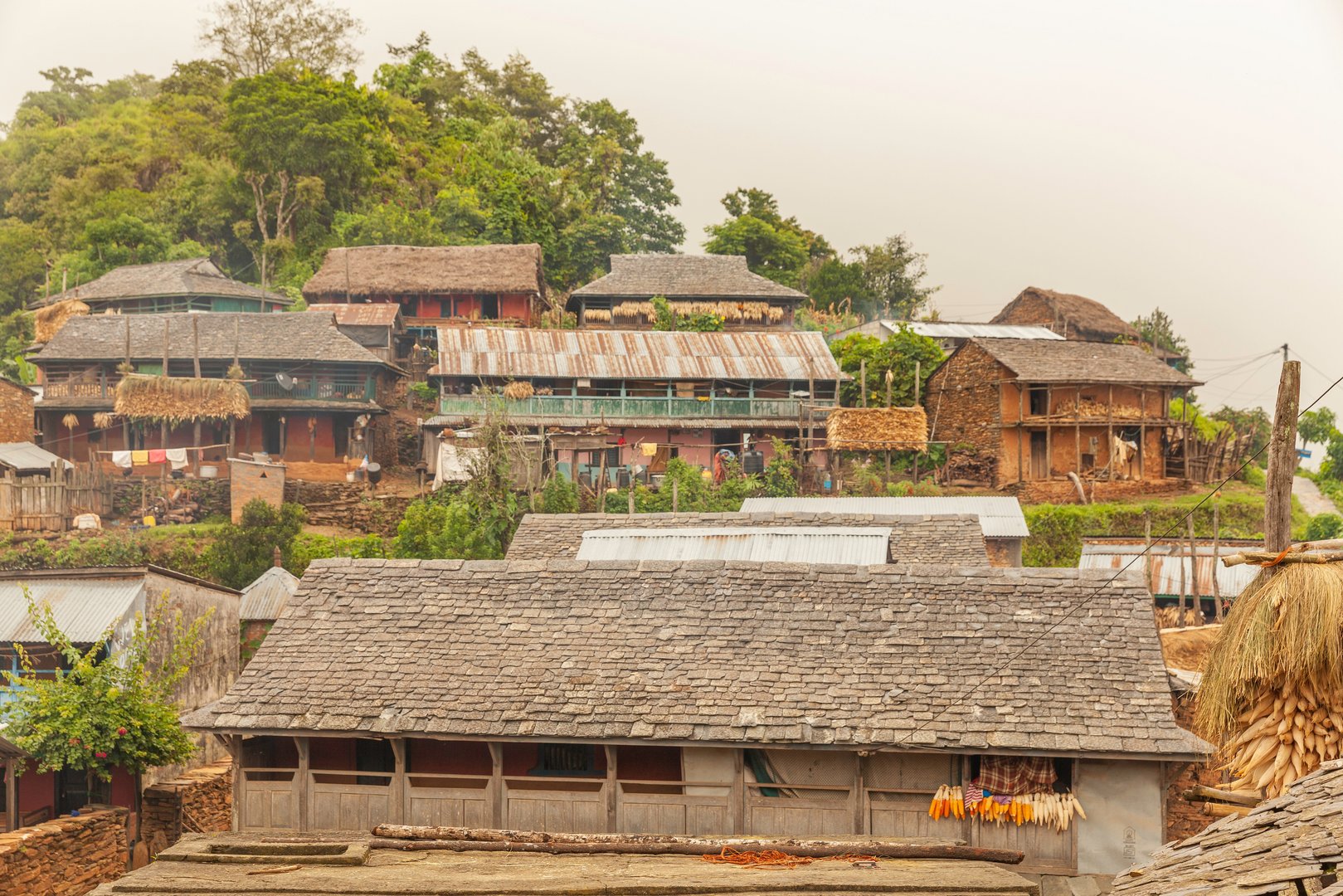
Efter lunch bjuds det på en lätt vandring på två timmar (relativt platt) till den vackra byn Ramkot där magarfolket helt dominerar. Du vandrar genom pittoreska bergslandskap och passerar flera byar. Varför inte stanna för en tepaus och en pratstund med lokalbefolkningen? Väl framme i Ramkot möts du av en typisk magarby som fortfarande har kvar en del traditionella runda hus. En lokal guide berättar om deras kultur samtidigt som ni strosar runt bland de gamla husen.
Åter till Bandipur med minibuss sen eftermiddag.
Dag 5 Pokhara och hantverksprojekt
Resan fortsätter västerut till staden Pokhara, vackert beläget vid Phewasjön vid foten av Annapurnamassivet. Detta är Nepals näst största stad och en startpunkt för många av landets mest populära vandringsleder.
Eftermiddagen vigs åt ett besök på Women’s Skills Development Organization (WSDO) som stöttar kvinnor som på olika sätt hamnat i en utsatt position i samhället (föräldralösa, änkor, mfl). Här får dessa kvinnor gratis utbildning och anställning så att de på sikt kan bli självförsörjande. Här får du en rundvandring och träffar kvinnor som färgar garn, väver och syr. Givetvis kan du handla en produkt eller två. Det mesta klassas som fair trade.
Dagen avrundas med en promenad längs med Phewasjöns strand. Nepals näst största sjö är definitivt landets mest populära. Här finns mängder av båtar som dagtid är populära för stadens turtister.
Dag 6 Tibetansk kultur och World Peace Pagoda
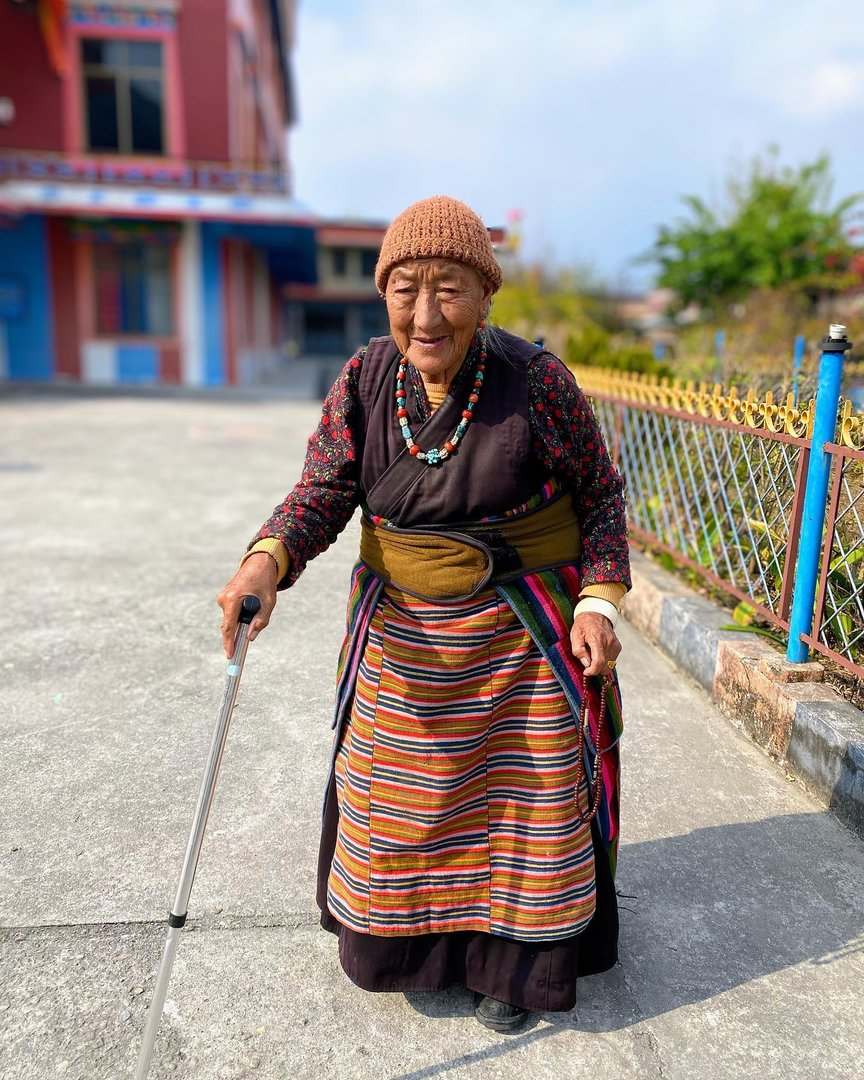
Idag blir det fokus på tibetansk kultur då du får följa med tibetanen Thubten på en fem timmar lång rundtur med fokus på allt som har med Tibet att göra. Du får besöka en tibetansk bosättning, träffa munkar vid ett kloster, lära dig mer om den tibetanska buddhismen, träffa hantverkare som tillverkar mattor samt träffa en tibetansk doktor och få en insyn i hur traditionell tibetansk läkekonst fungerar. Lunch serveras på en tibetansk restaurang.
Sedan Kinas invasion av Tibet 1959 så har runt 20 000 tibetaner flytt till Nepal. Idag finns det ett dussin tibetanska bosättningar i Nepal, varav fyra finns runt Pokhara. Förhoppningsvis har din kunskap kring tibetanska flyktingar och tibetansk kultur ökat rejält efter dagens rundtur.
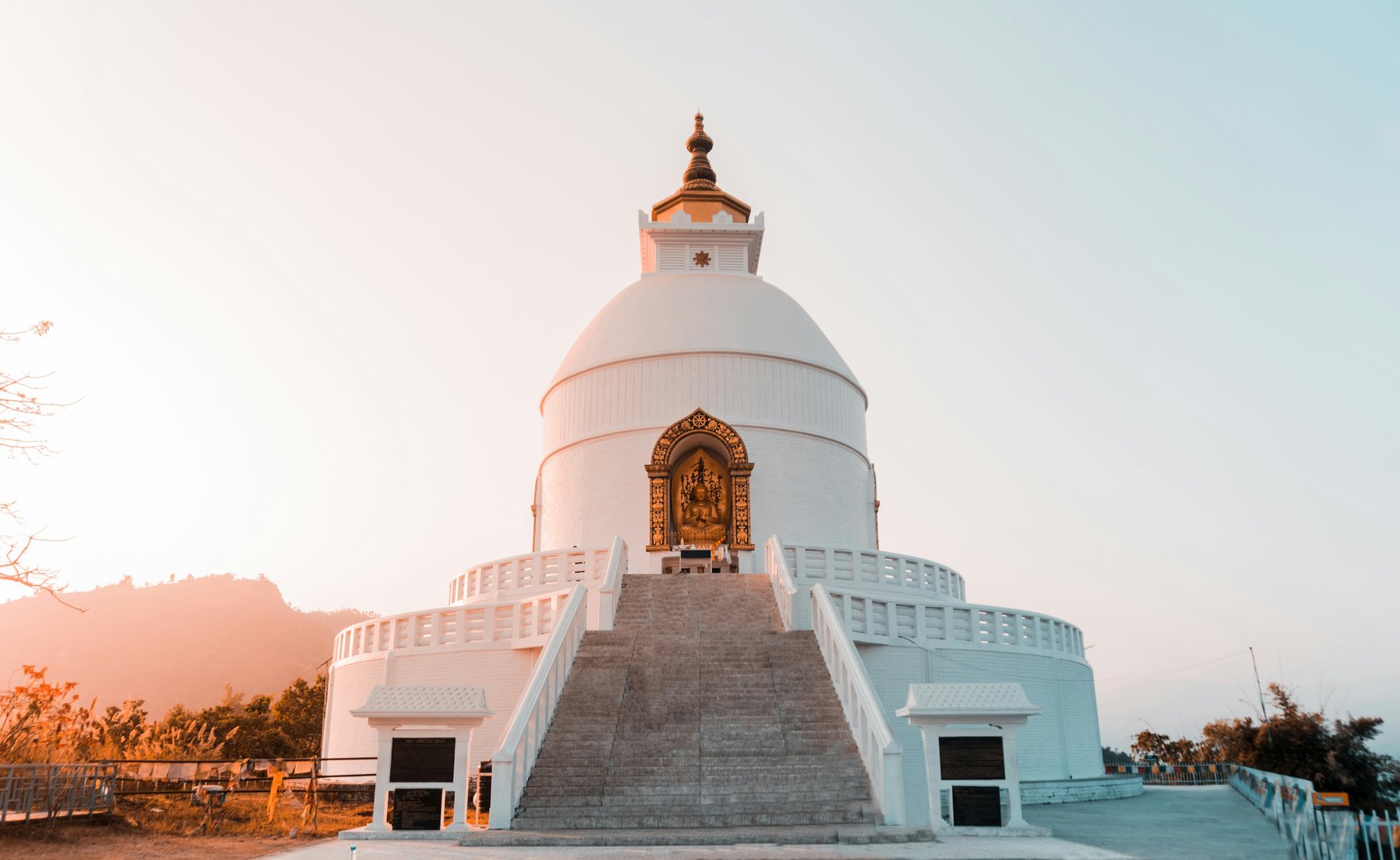
På eftermiddagen utforskar du Pokhara på egen hand. Runt klockan 17 väntar ett besök vid World Peace Pagoda som ligger högst upp på en kulle med vacker utsikt över Pokhara, Phewasjön och Annapurnamassivet. Njut av solnedgången och en kopp chai.

Dag 7 Lätt vandring i Himalaya
Dagen inleds med en kortare tur med minibuss till den vackra bergsbyn Astam. Här väntar en lätt och behaglig vandring på 2,5 timmar till byn Dhampus. Du följer den gamla stigen mellan byarna och går genom tät skog och passerar flera byar. Väl framme i Dhampus belönas du med lunch och mäktiga vyer över berget Machhapuchhare och Annapurnamassivet. Här dominerar folkgruppen gurung och du får lära dig en del om deras kultur och arkitektur.
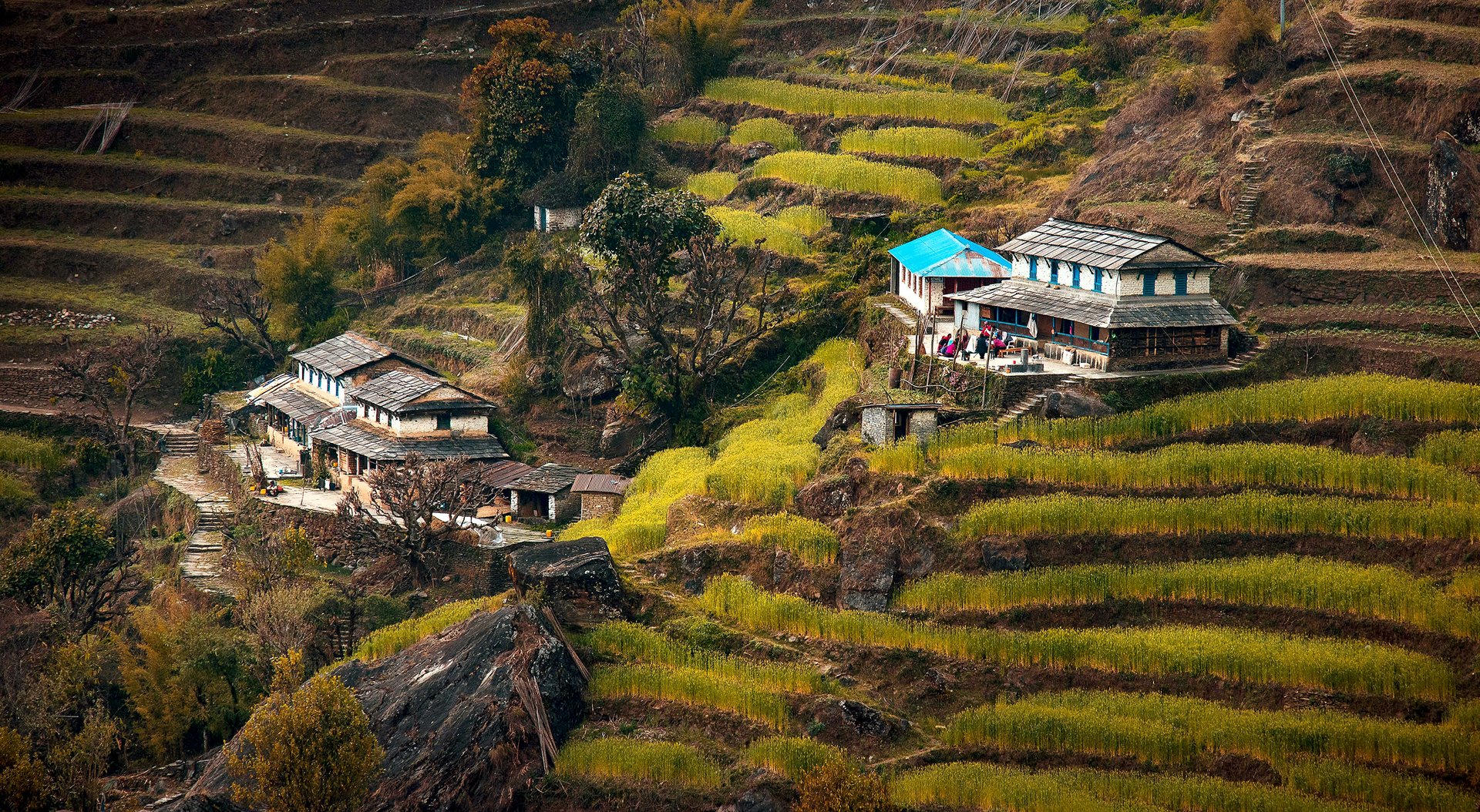
Efter lunch fortsätter resan med minibuss högre upp i bergen till byn Ghanduk, som även den domineras av gurungfolket. Detta är en riktig pärla. Här är hus och gränder stenlagda och var du än befinner dig i byn är vyerna över de omgivande bergstopparna enastående. Byn ligger på 2000 meters höjd så här sjunker temperaturen nedåt 10 grader, så se till att ha med lite varma kläder.
Ghandruk är navet i Annapurna Conservation Area Project som arbetar med att främja olika ekologiska projekt tillsammans med kulturellt bevarande i Annapurnaregionen. Du får besöka detta naturvårdsprojekt och lära dig mer om hur de arbetar. Du besöker även byns museum samt ett kloster.
Övernattningen sker på ett familjeägt homestay i byn. Familjen visar gärna upp gamla släktklenoder och vackra traditionella kläder.
Dag 8 Hantverksstaden Tansen
Du får en lugn morgon i Ghandruk. Kanske väljer du att promenera i området eller njuter av utsikten med en bok och en kopp te.
Strax innan lunch fortsätter färden söderut. Du lämnar Himalaya bakom dig och tar sikte på hantverksstaden Tansen. Det blir ett stopp för lunch på vägen. Ankomst tidig eftermiddag till Tansen där du checkar in på ett mycket trevligt familjeägt hotell.
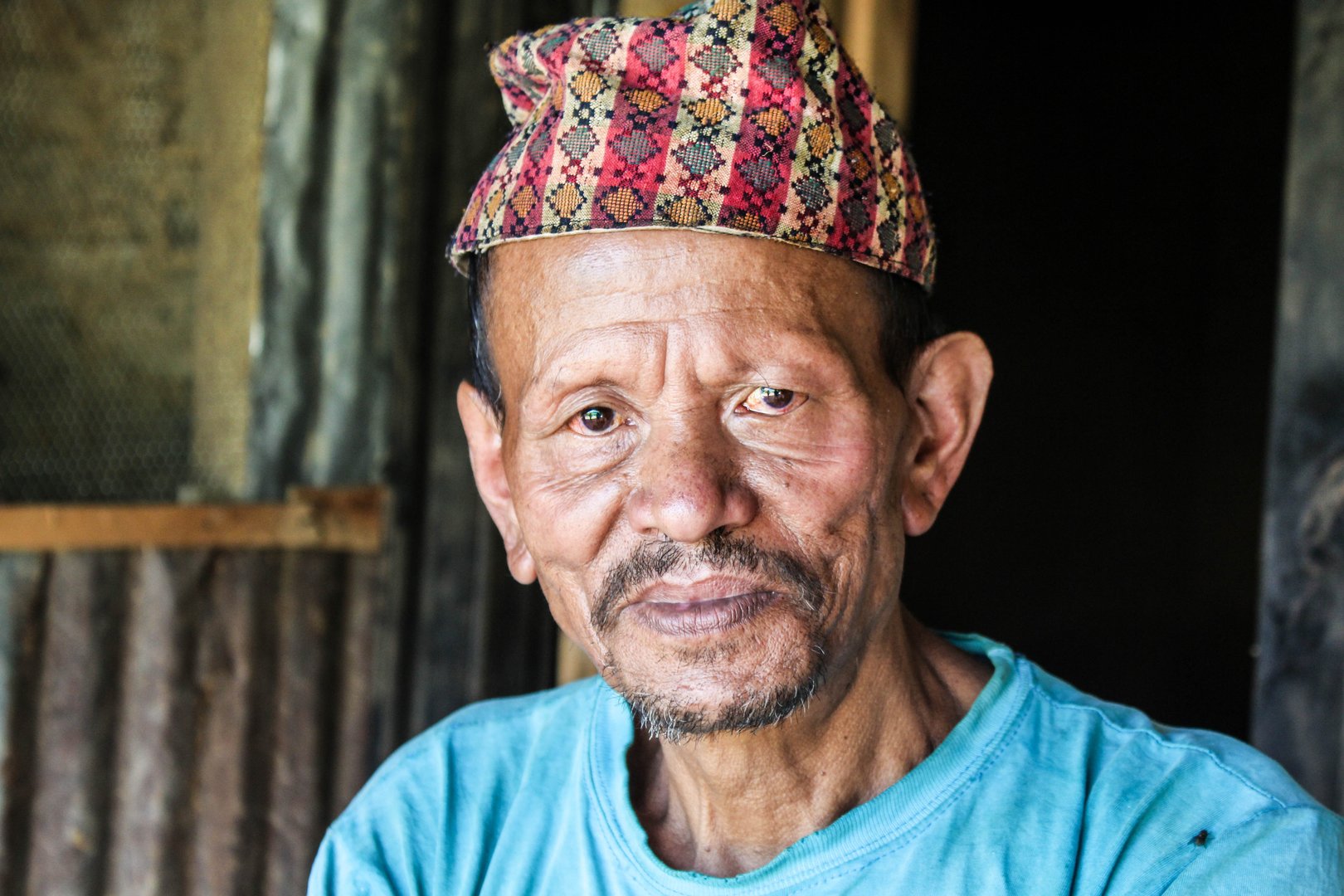
Eftermiddagen vigs åt besök hos hantverkare i staden. Under resan har du garanterat sett mängder av nepaleser med en typ av huvudbonad som kallas dhaka topi. Hatten är en del av nationaldräkten och är omåttligt populär. Dhaka är beteckningen på både bomullstyget och det geometriska mönstret, och detta tyg vävs främst här i Tansen. Du besöker en av vävstugorna där lokala kvinnor väver dhakatyger.
Dag 9 Lumbini - Buddhas födelseort
På förmiddagen får du möjlighet att utforska stadens äldre delar på egen hand. Tansen har vacker bevarad arkitektur från olika tidsåldrar. Många av de äldre byggnaderna finns vid Tansens Durbar där det även finns ett fint museum.
Efter lunch fortsätter färden söderut mot Lumbini, Buddhas födelseplats, som numera är ett världsarv skyddat av UNESCO. Njut av de imponerande vyerna över Himalaya på denna erkänt vackra väg som brukar kallas för "Siddharta Highway". Den sista biten förändras landskapet från berg och böljande kullar till ett platt odlingslandskap. Väl framme i Lumbini besöker du templet som har rests på platsen som där Buddha sägs ha fötts för drygt 2500 år sedan. Utgrävningar av platsen har pågått sedan 90-talet och man har bland annat funnit en pelare som har rests av kejsaren Ashoka på 200-talet f.kr. Du besöker även ett museum som tillägnats Buddhas liv.
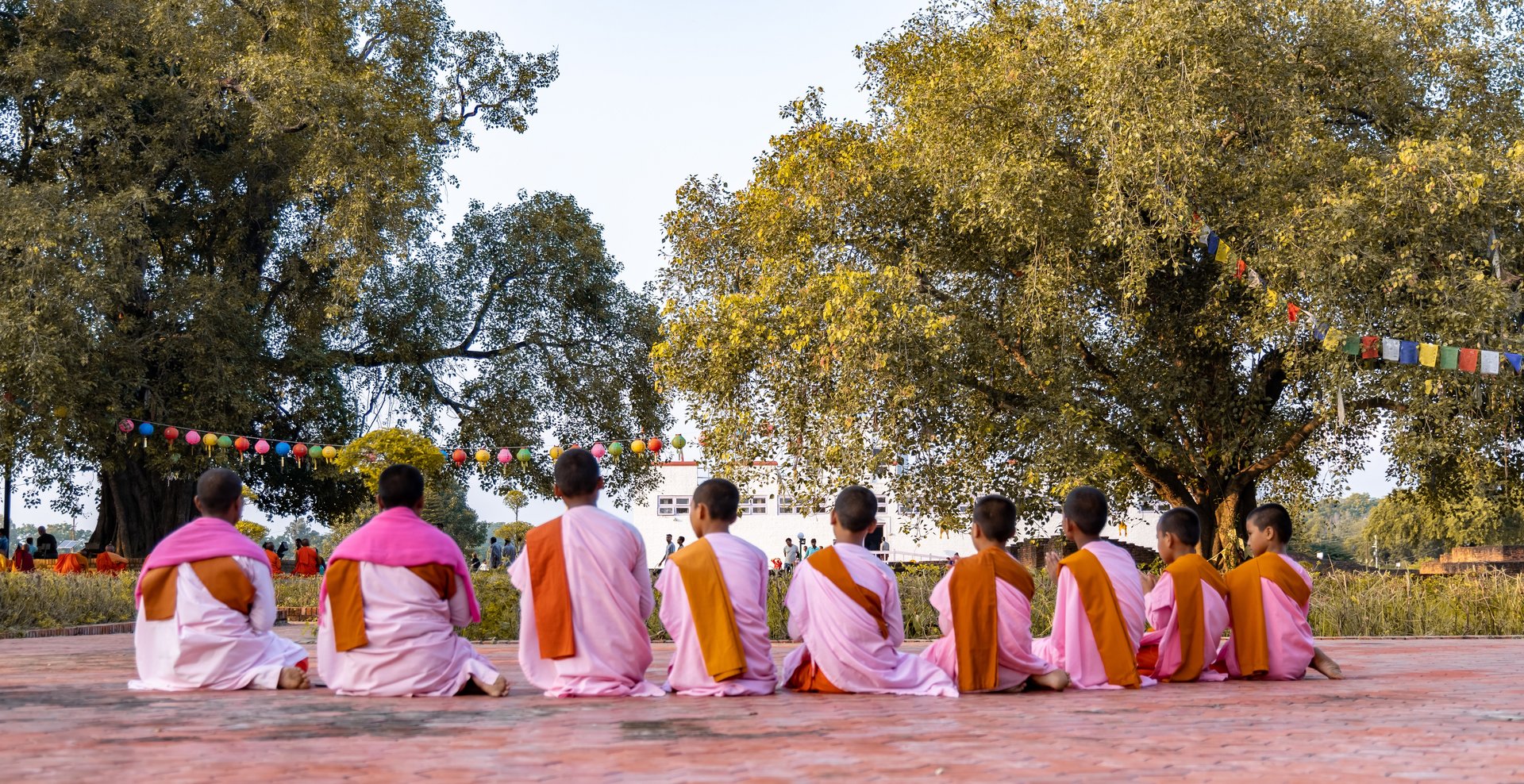
Här finns gamla tempel och stupor som är över 2000 år gamla, men även nybyggda tempel och kloster som representerar samtliga trosinriktningar inom buddhismen. Du möter munkar och nunnor, iklädda tyger i olika färger, beroende på om de är från Korea, Japan, Vietnam, Nepal eller Tibet.
Dag 10 Nunnor och Tharufolket
Är du morgonpigg kan du delta i någon av de många morgonböner "puja" som hålls vid kloster i området. Efter frukost väntar ett besök på ett nunnekloster i Lumbini där de unga nunnorna visar runt dig på klosterområdet. Klostret är en fristad för unga flickor i regionen som annars skulle varit bortgifta redan vid 10 års ålder. UNICEF har identifierat området runt Lumbini som en av de mest kritiska zonerna i Nepal vad gäller könsdiskriminering och barnäktenskap. I Nepal är endast 33 % av skoleleverna flickor och i Lumbiniregionen är den siffran ännu lägre.
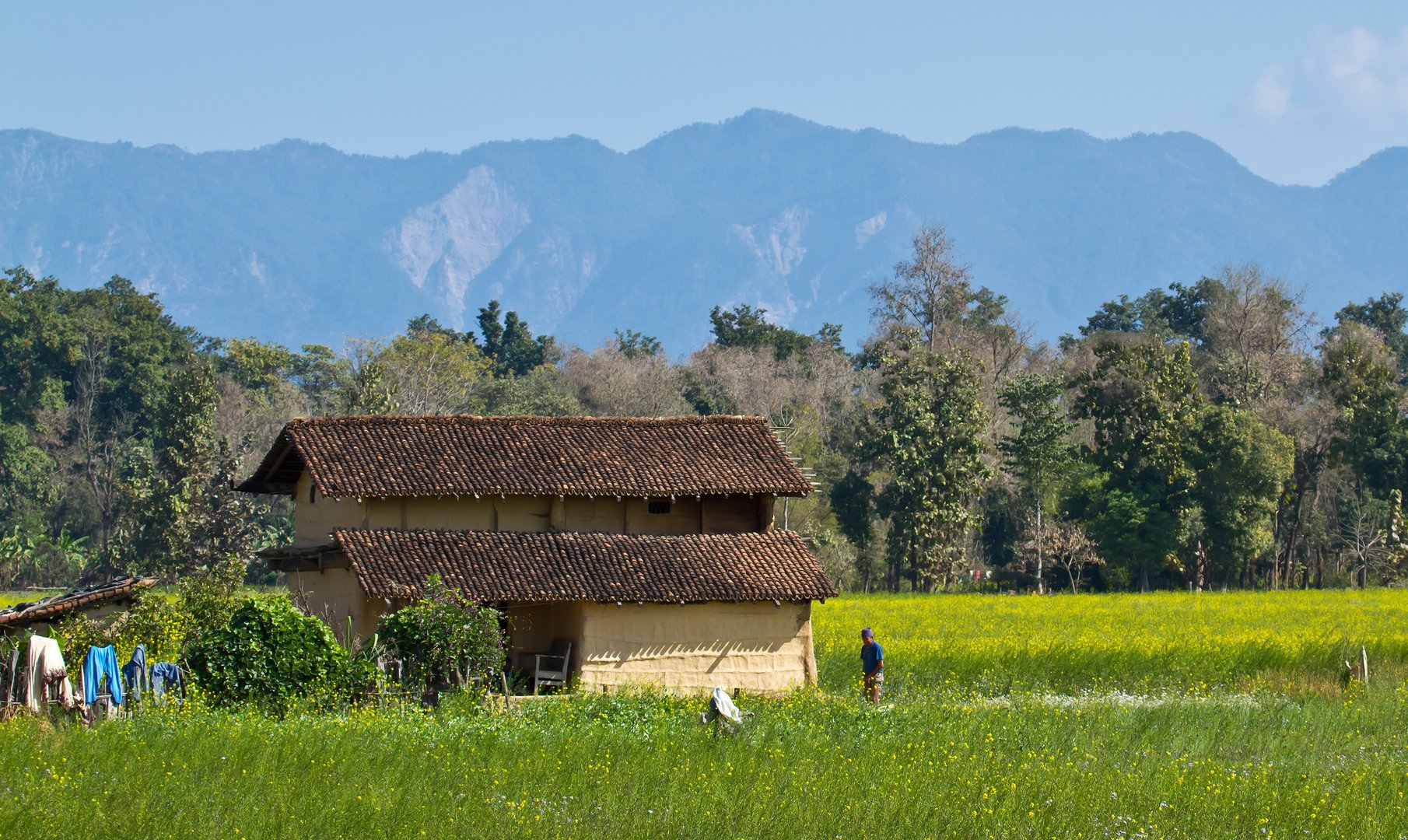
Efter klosterbesöket väntar ett besök i en by som befolkas av tharufolket. Många av byarna som omger Lumbini domineras av just ursprungsbefolkningen tharu, och mycket tyder på att tharufolket levda i södra Nepal redan vid tiden när Buddha föddes. Deras namn tros ha koppling till en av de tidigaste buddhistiska skolorna. Du får ta del av seder, arkitekturen, konsten och matkulturen under besöket i byn.
Åter till ditt boende i Lumbini på eftermiddagen.

Dag 11-12 Spana efter tiger i Chitwan
Du lämnar Lumbini och färdas till den världsarvsskyddade nationalparken Chitwan. Du anländer runt lunch och bor strax utanför nationalparken med underbar utsikt över Raptifloden. Du kommer förmodligen att se noshörningar och krokodiler från balkongen. Här bor du två nätter.
Chitwan omfattar idag ungefär 930 kvadratkilometer och anses vara en av Sydasiens bästa nationalparker. Det finns runt 50 däggdjursarter i parken, bland annat indisk pansarnoshörning, axishjort, tiger, leopard, och gaur. Noshörningar kommer du förmodligen se medan du ska ha turen med dig för att få syn på tiger och leopard. Det finns omkring 450 olika fågelarter i Chitwan, exempelvis bandvingad näshornsfågel och svarthalsad stork.
Dag 12 följer du med på en kanotfärd (två timmar) tidigt på morgonen. Från kanoten ser du sumpkrokodiler, gavialer och med lite tur gangesdelfiner. Resten av dagen vigs åt safari med jeep långt in i nationalparken.

Dag 13 Mot Bhaktapur
Efter frukost lämnar du Chitwan och botefolket och påbörjar resan till Kathmandudalen och Bhaktapur. Räkna med att resa större delen av dagen, men det är vackra landskap du färdas genom och det blir flera stopp längs med vägen för te och mat. Sen eftermiddag anländer du till hotellet i Bhaktapur. Nu väntar en sista middag med gruppen och reseledaren.
Dag 14 Resan avslutas
Resan avslutas i Bhaktapur. Förläng vistelsen eller res tillbaka till Sverige.
Flyg
På den här resan flyger du tur och retur till Kathmandu (KTM). Flyg kostar från 8500 SEK tur och retur.
Boende
På ett par ställen bor du i homestay, vilket innebär bekvämt och rent boende med eget badrum. Men det är ett mindre familjeägt boende där man som resenär får mer utbyte med familjen.
Liknande resor
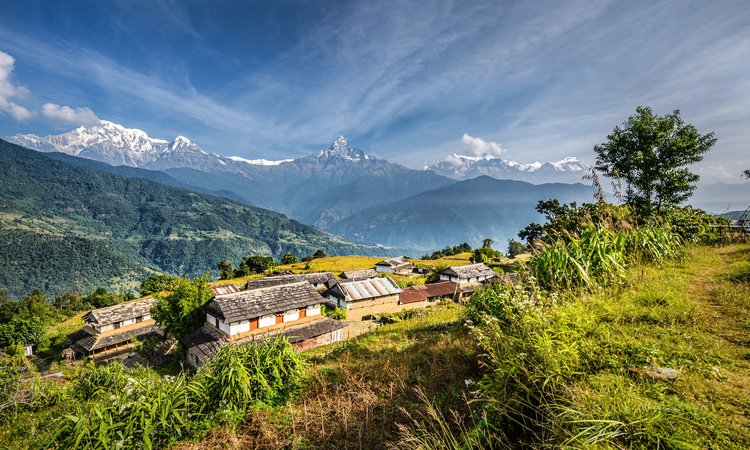
Vandring söder om Everest
Vandring söder om Everest
Mars, november
Unik vandring – makalösa vyer
15 dagar Resa som är mycket fysiskt krävande
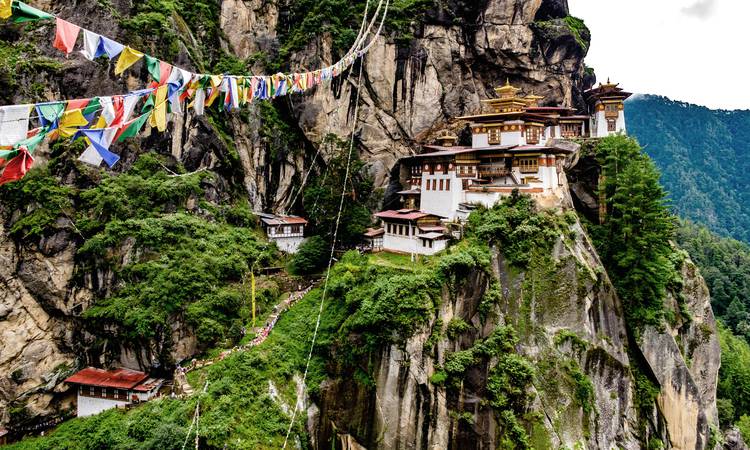
Sikkim, Bhutan och Nepal
Sikkim, Bhutan och Nepal
November
En resa genom tre länder i Himalaya
19 dagar
Resa med viss fysisk aktivitet
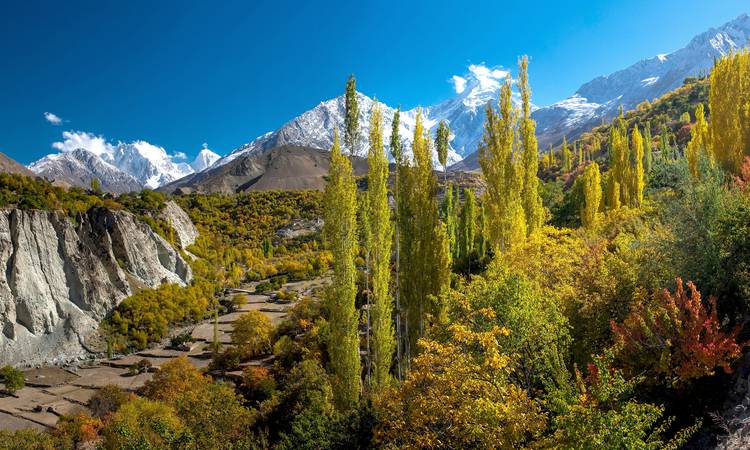
Pakistan & Karakoram Highway
Pakistan & Karakoram Highway
Magiskt bergslandskap och unik gästvänlighet
Resa med viss fysisk aktivitet