
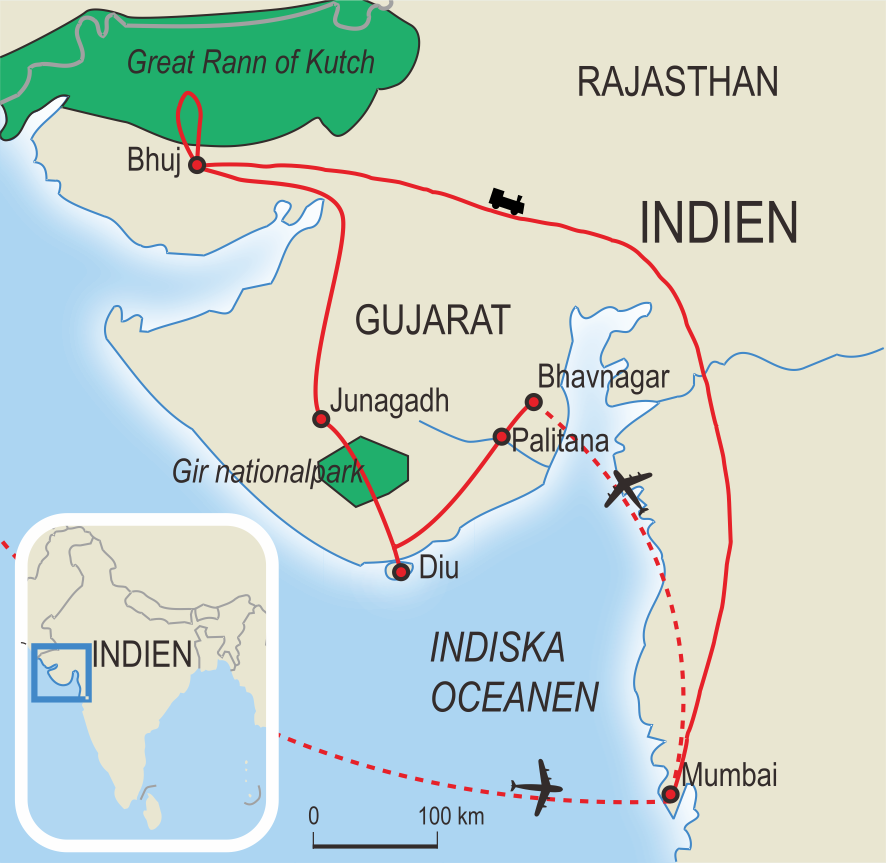
Delstaten Gujarat ligger i västra Indiens torra områden, med urgamla städer och en stark religiositet. Det här är Gandhis hemstat, berömd för sitt textila hantverk. Du vandrar med pilgrimer uppför heliga berg, sover en natt i ett kloster och badar vid stränder på Diu. Det asiatiska lejonet ser du i Girskogen. I Great Rann of Kutch färdas du på dromedarkärra, besöker byar och välkomnas av stolta människor från olika etniska grupper. Resan börjar och
avslutas i jättestaden Mumbai.
Resedetaljer
| Dag | Program |
|---|---|
| 1 | Ankomst till Mumbai |
| 2-3 | Flyg till Bhavnagar och delstaten Gujarat |
| 4-5 | Diu - den forna portugisiska enklaven |
| 6 | Smalspårigt tåg |
| 7 | Gir - Lejonskogen |
| 8-10 | Junagadh - staden från Jesu tid |
| 11-13 | Bhuj - breda gator och vindlande gränder |
| 14-16 | Med dromedarvagn i Rann of Kutch |
| 17-18 | Nattåg till Mumbai |
- Kvalificerad reseledning
- Informationspaket med utvald litteratur och karta
- Samtliga transporter under resan
- Inrikes flygplatsskatt och samtliga obligatoriska avgifter
- Del i dubbelrum eller annan inkvartering under resan (två nätter i byboende i under Rann of Kutch)
- Mat under vistelsen i byarna och under Rann of Kutch
- Samtliga utflykter och aktiviteter ingåendes i resplanen (alla kostnader under Rann of Kutch, besök vid museum enligt resplan)
- Inträde till Gir nationalpark
- Lokala guider och tolkar vid byboende (3 dagar)
- Rundturer med guide i Junaghadh och Mandvi
- Samtliga formella tillstånd
- Dricks till lokala guider, tolkar och chaufförer vid aktiviteter enligt resplan
- Internationellt flyg till/från resmålet
- Måltider som ej nämns ovan
- Utflykter och aktiviteter utanför resplanen
- E-visum ordnar du själv innan resan
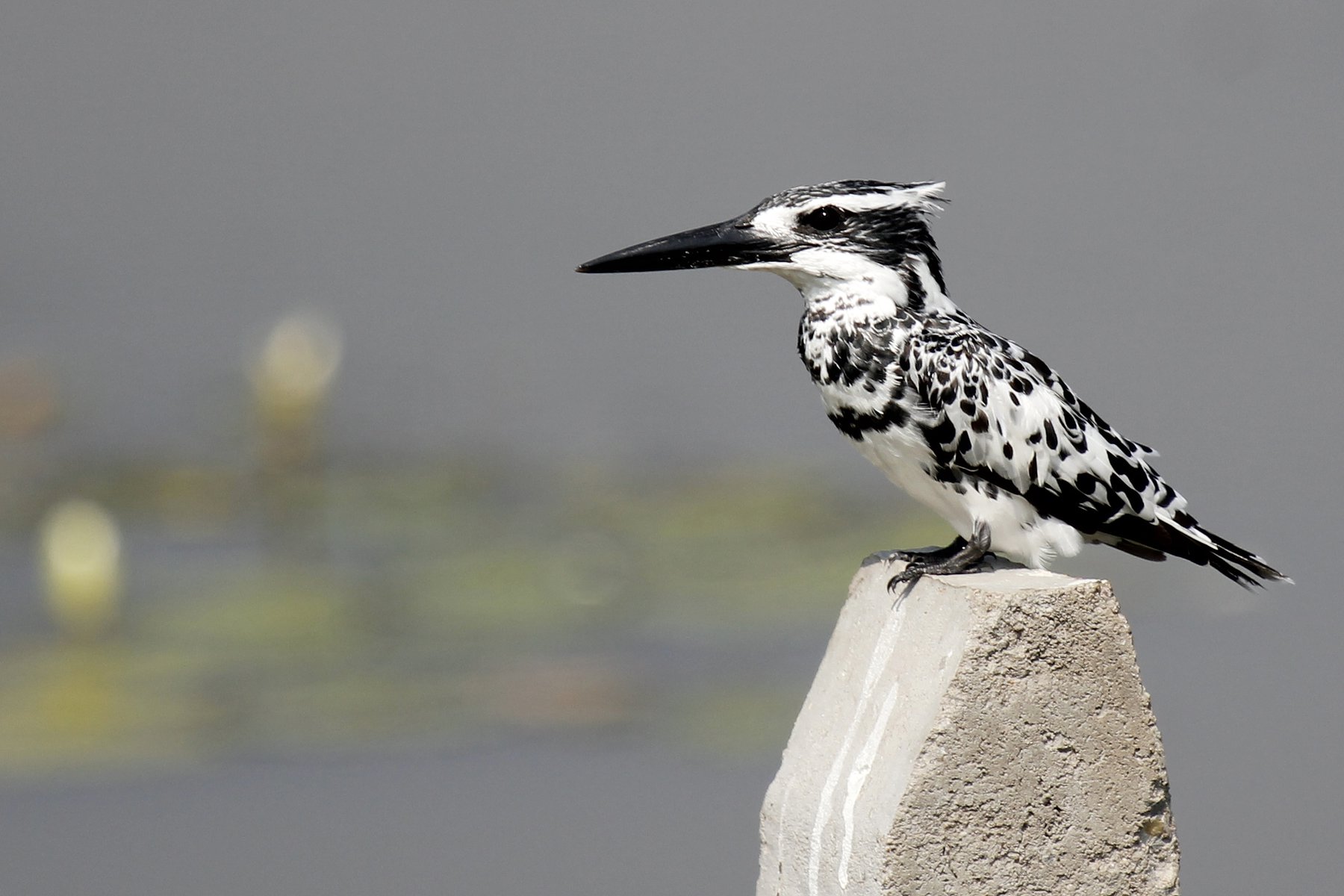
Kungsfiskare
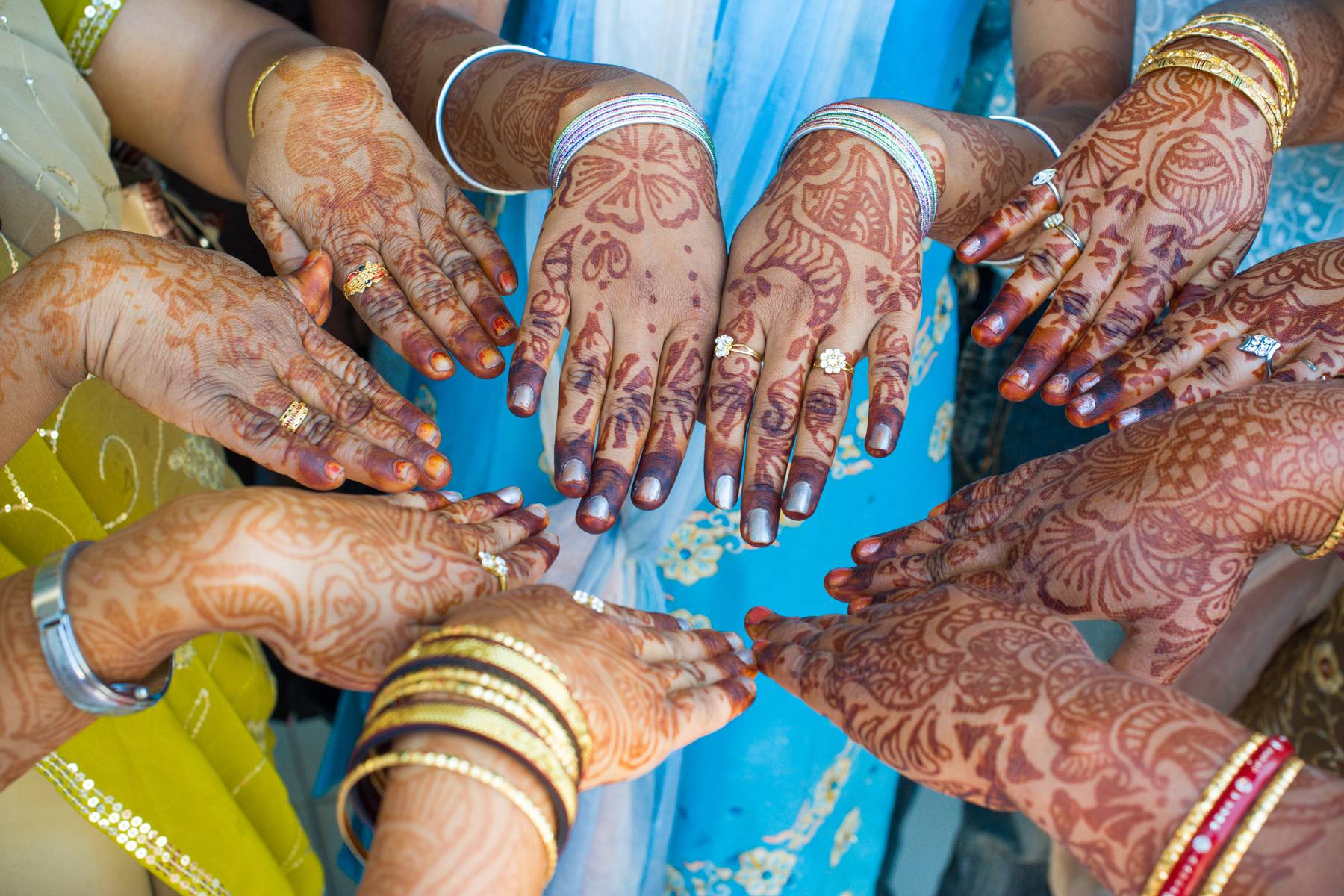
Hennamålat vid bröllop, Diu.
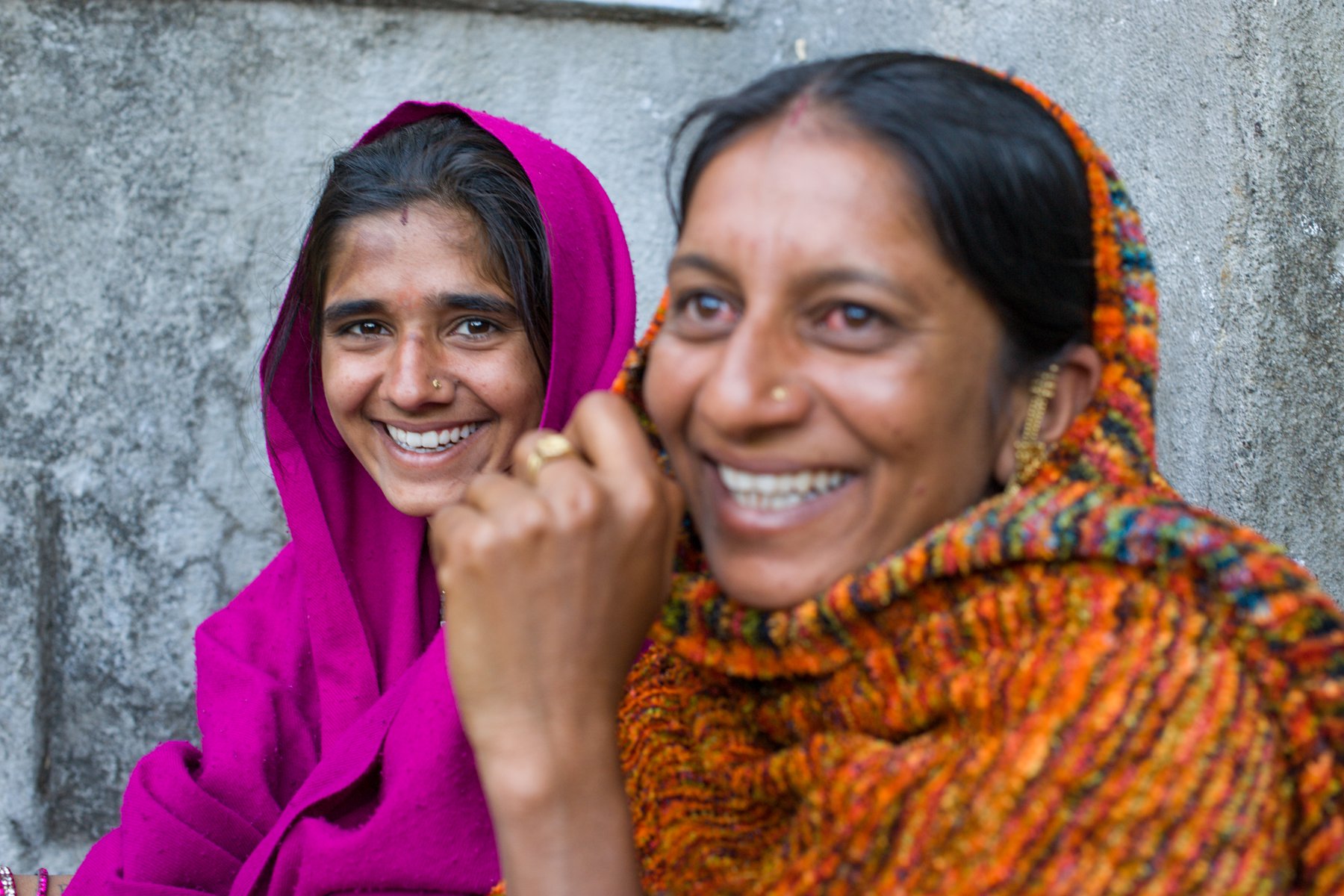
Möte med två kvinnor på vägen upp för Gilnar Hill, Junagadh

Bön i jaintempel i Palitana
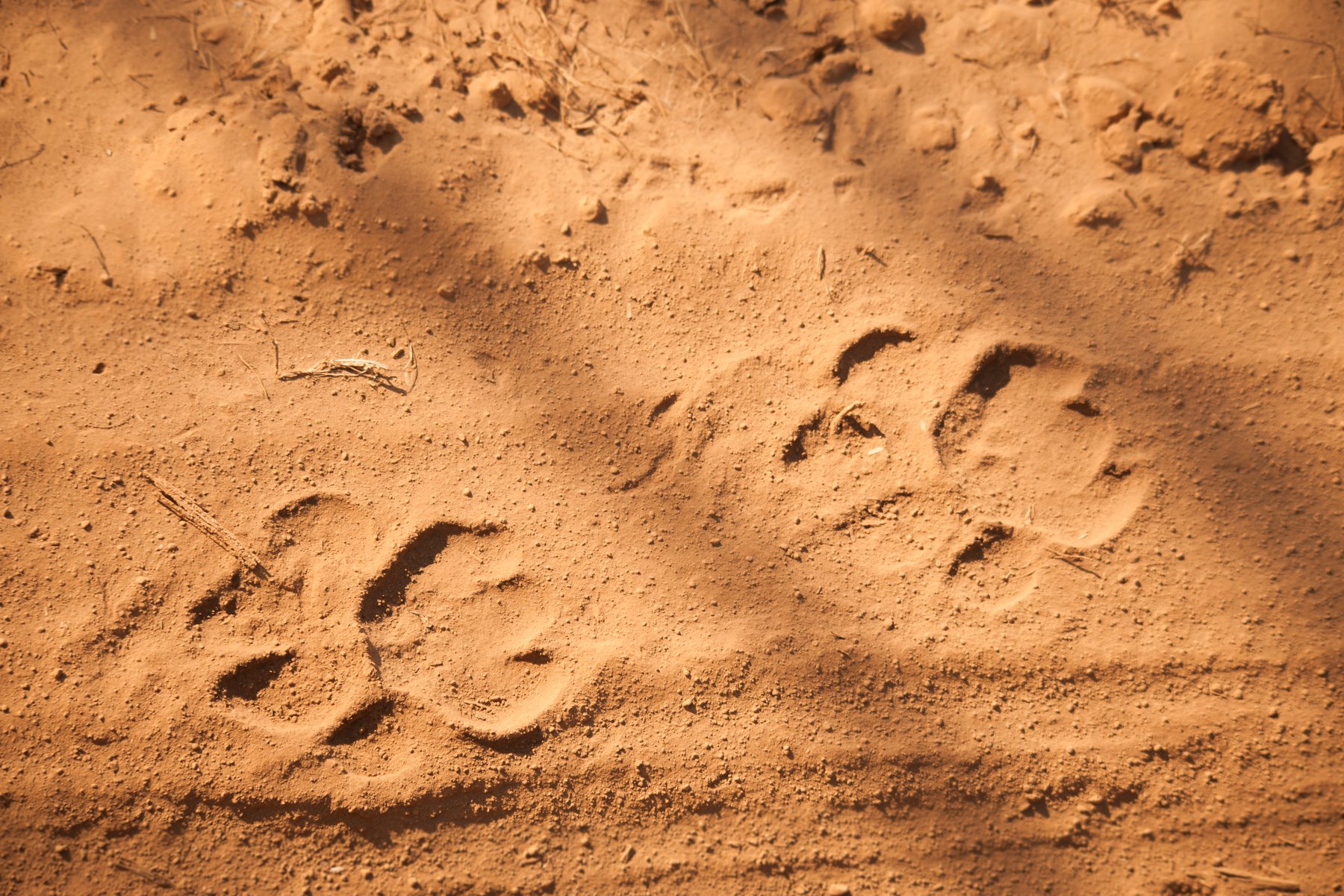
Spår av ett asiatiskt lejon i Sasan Gir
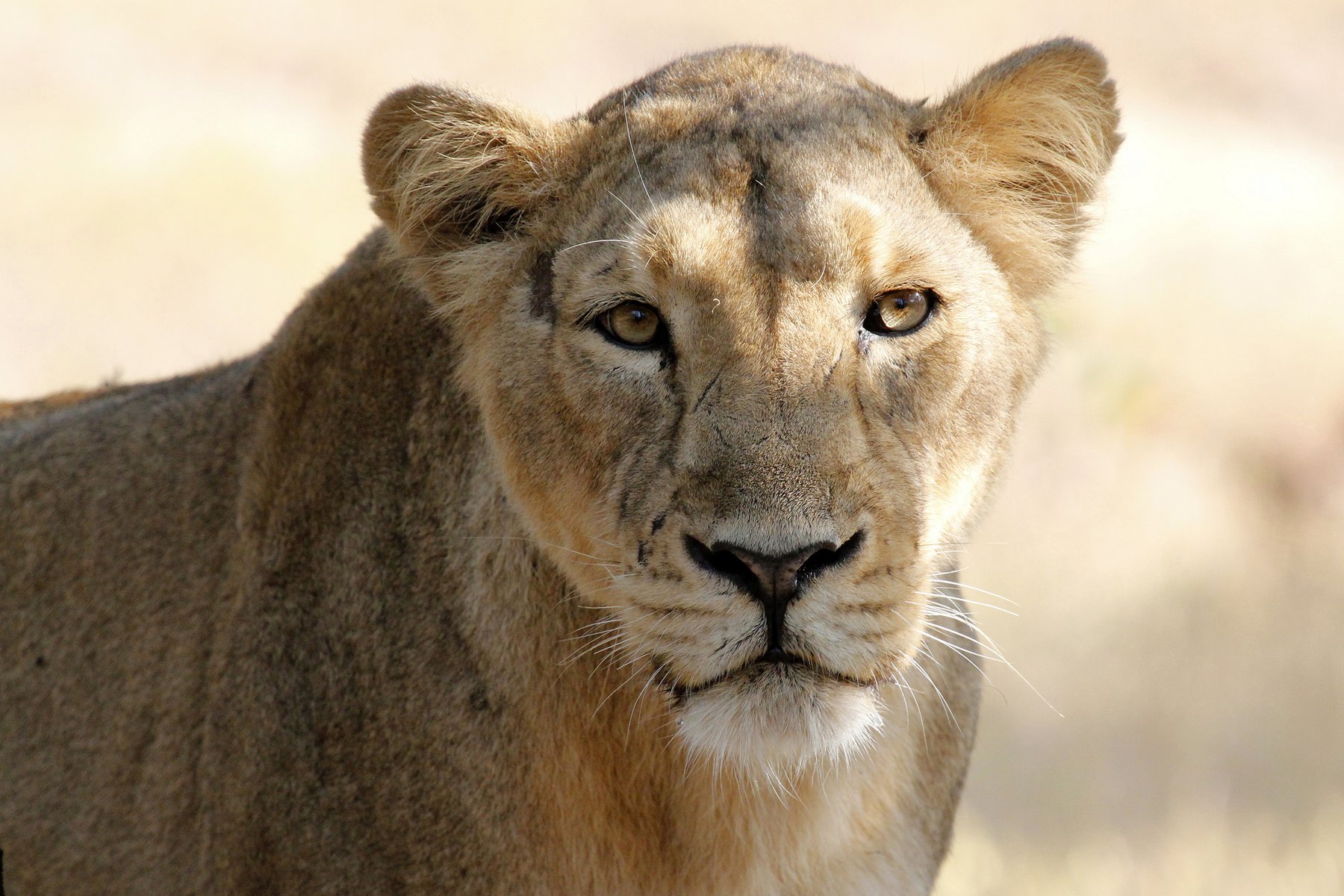
Det asiatiska lejonet finns bara i Gir nationalpark
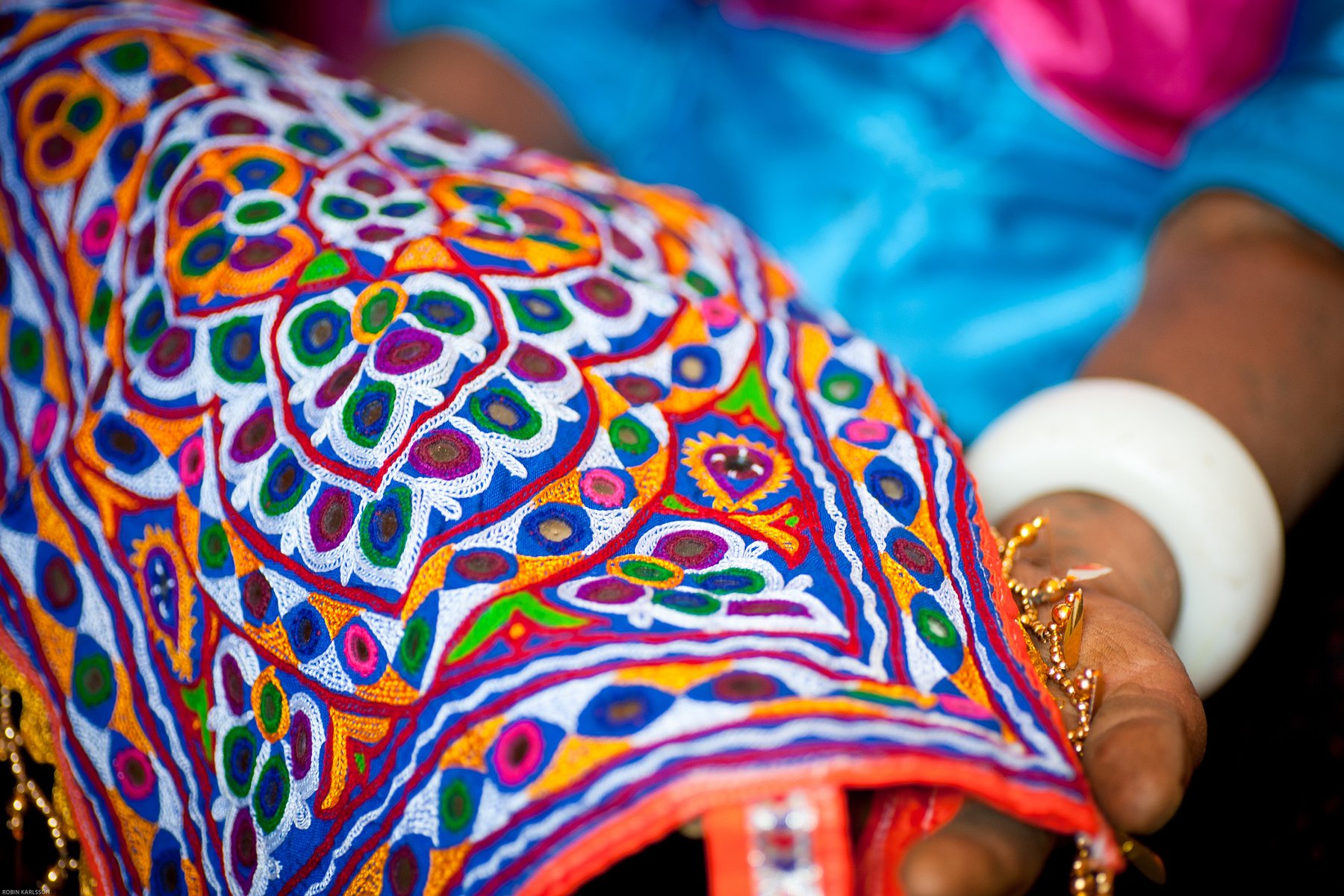
Typiskt hantverk med speglar och broderi, Rann of Kutch
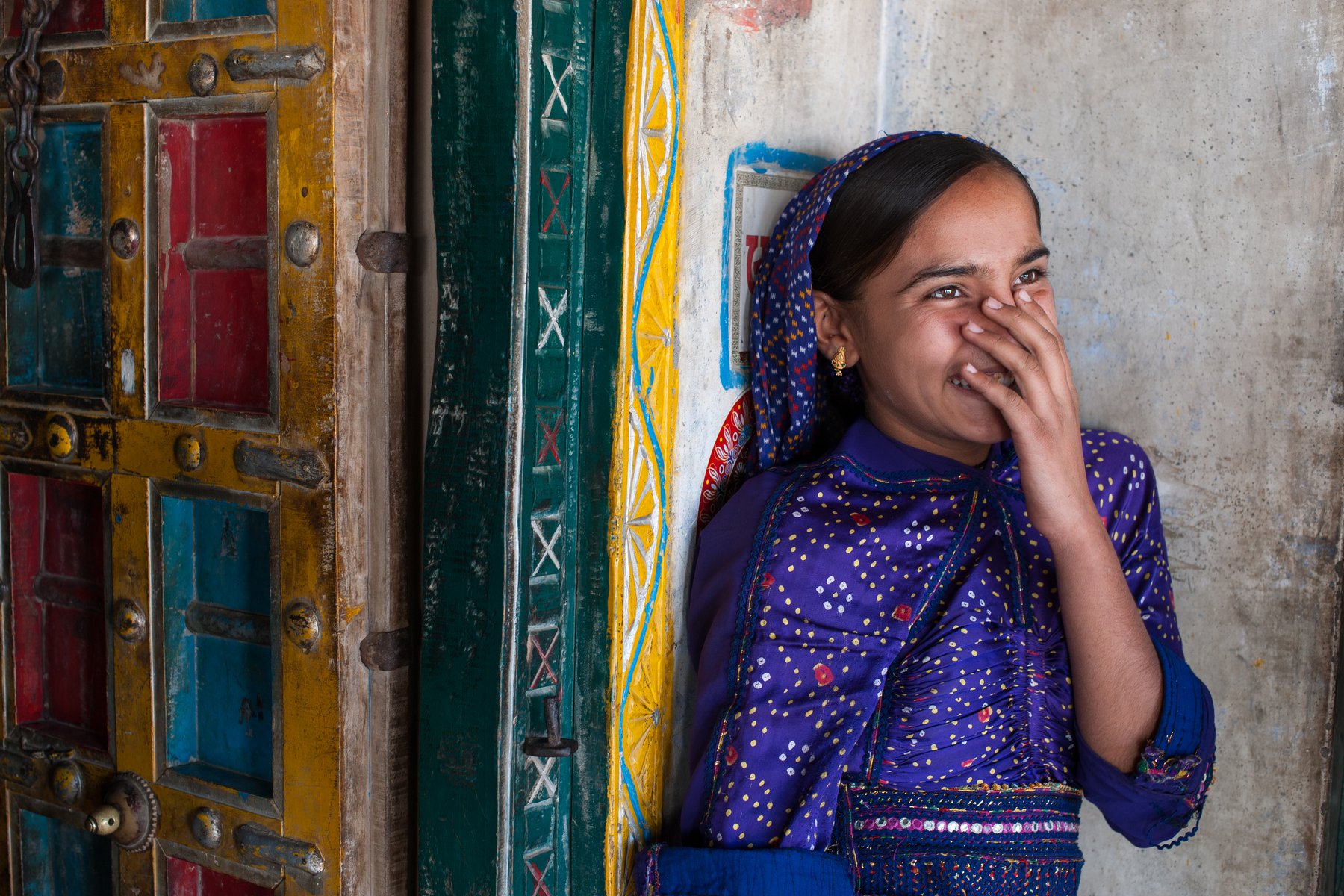
Vänlig mottagande under tur i Great Rann of Kutch
Dag 1 Ankomst till Mumbai
Samling på vårt hotell i Mumbai. Staden, med 20 miljoner invånare, är Indiens kommersiella centrum och känt för filmindustrin Bollywood.
Dag 2-3 Flyg till Bhavnagar och delstaten Gujarat
Flyg till Bhavnagar. Du har nu kommit till delstaten Gujarat, en mycket traditionell delstat. Här råder alkoholförbud och maten är vegetarisk. Buss till den lilla staden Palitana, en av de heligaste platserna för jainer, en gren av den hinduiska familjen med starka zoroastriska inslag och många likheter med buddhismen. I gryningen går du uppför stentrapporna vid Shatrunjaya Hill. Väl uppe skimrar 863 marmortempel. Inkvartering i en dharamsala (pilgrimshärbärge).
Dag 4-5 Diu - den forna portugisiska enklaven
Buss till den forna portugisiska enklaven Diu, som är en liten ö. År 1954 blev ön indisk, men spåren av den forna kolonialmakten Portugal är fortfarande tydliga. Här väntar vackra stränder, bad och god mat direkt från havet.
Dag 6 Smalspårigt tåg
Motorcykelrickshaw, en six-seater, till fastlandet och därefter smalspårigt, synnerligen långsamt tåg till Sasan Gir. Du passerar mangoodlingar och delar av Girskogen.
Dag 7 Gir - Lejonskogen
Du bor i utkanten av Gir nationalpark, den enda platsen där det asiatiska lejonet finns kvar, ca 400 st. Du utforskar de torra skogarna och ser mycket djur, sannolikt lejon.
Dag 8-10 Junagadh - staden från Jesu tid
Buss till Junagadh, en stad som var bebodd 200 år före kristi födelse. Att gå omkring i de smala, vindlande gränderna i den gamla delen av staden är en upplevelse. Du kan gå de 10 000 trappstegen uppför tempelberget Girnar. Spektakulära tempel befolkade av sadhus, heliga män. Här finns också sagolika moskéer.
Dag 11-13 Bhuj - breda gator och vindlande gränder
Buss till Bhuj i distriktet Kutch. Breda gator blandas med de ursprungliga, vindlande gränderna. Du möter nomader från Rabarifolket med en särpräglad kultur. Det blir också besök i byar där de berömda lokala tygerna och broderierna står i fokus.
Dag 14-16 Med dromedarvagn i Rann of Kutch
Strax norr om Bhuj börjar Rann of Kutch, ett enormt område med slätter av torkad lera och salt. Stora delar av distriktet ligger under vatten under regnperioden och blir mycket torrt vid andra årstider. Området bebos av en mängd olika etniska minoriteter och är känt för sitt hantverk, speciellt broderier med spegelapplikationer. Du färdas med dromedarvagn till byar där du bor hos familjer. Du kan förstås också välja att gå eller rida. Måltiderna äter du tillsammans med familjen. Trots att området är mycket kargt finns ett rikt djurliv. Flamingos och pelikaner häckar här under vintern och det finns till och med varg.
Dag 17-18 Nattåg till Mumbai
Buss till Bhuj och nattåg till Mumbai, där resan avslutas. Obs! Boka flyg hem efter kl 18.00 dag 18.
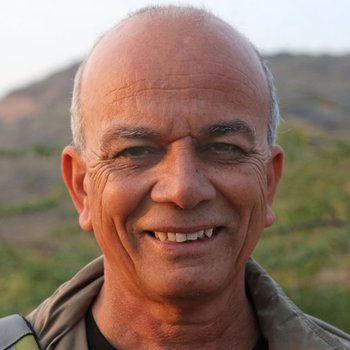
Född 1962. Har arbetat för oss sedan 1993. Bor i Bhuj som ligger i Kutch i delstaten Gujarat. Gift och har en son. Han har doktorerat i antropologi som han nu också undervisar i. Talar Gujarati, Hindi, Kutchi och engelska. Arbetat för svensk TV. Älskar att ...resa!
Boende
Hotell
I större städer i Indien bor du på hotell i dubbelrum. Hotelrummens standard kan variera något men normalt är att du har två enkelsängar, egen dusch och toalett och en fläkt i taket. De flesta hotellen i städerna har västerländska toaletter. Kvaliteten på badrummens tekniska standard kan dock variera. Det är vanligt att täcket består av en filt varför ett tunt reselakan är att föredra när det är varmt eller att ha under filten närmast kroppen.
Gästhus
I Palitana och Junagadh övernattar vi på pilgrimshärbärgen under enkla förhållanden.
Byboende
Under byvistelsen i Kutch råder ofta mycket enkla förhållanden både vad gäller sanitet/hygien och komfort. Du kommer att bli erbjuden att sova i säng eller på golvet. Räkna med utedass. Tvättmöjligheterna kommer troligen att begränsa sig till ett tvättfat. Då det blir kallt i öknen på vintern behöver du en sovsäck och ett tunnare liggunderlag.
Utrustning
Särskilt för resan Västra Indien
Listan ovan är en generell utrustningslista. På den här resan behöver du dock inte regnkläder. Du kan välja att packa i ryggsäck, men det går också utmärkt med kappsäck och en mindre ryggsäck. I övrigt bör du ta med:
På en del hotell kan du lämna kläder till tvätt. Under vandringar i naturen rekommenderar vi vandringsskor eller träningsskor, i övrigt är sandaler utmärkt. En kikare kan rekommenderas för att komma närmare djuren, både i Gir National Park och i Great Runn of Kutch. Ta gärna med foton (flera kopior som kan lämnas kvar) av din egen familj och din hemmiljö.
- Ett tunnare reselakan
- Sovsäck. Ett absolut måste under kameltrekkingen!
- Eventuellt liggunderlag om du är känslig för hårt underlag. Det kan hända att du får sova på golvet vid några tillfällen.
- Hel baddräkt eller t-shirt att bada i för kvinnor.
- I Gir National Park kan vara kallt under höst och vinter, varför varmare kläder behövs liksom tunnare vantar och en mössa.
Liknande resor

Södra Indien
Södra Indien
Januari, november
Tempel, regnskog och Backwaters
16 dagar Resa utan större fysisk aktivitet