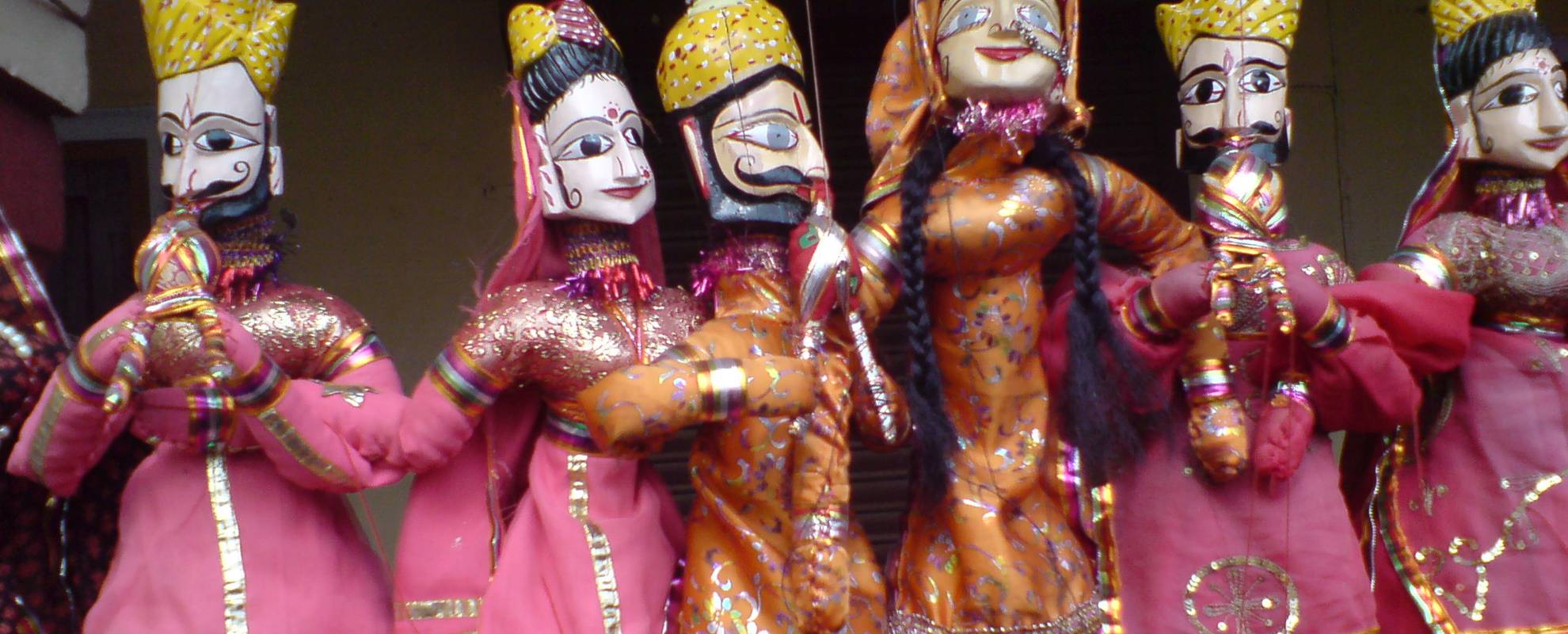

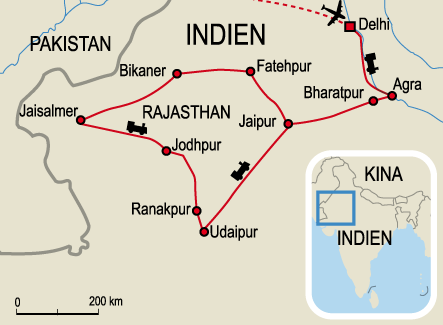
Rajasthan betyder Konungarnas land och är resmålet för dig som är intresserad av historia, fantastiska byggnadsverk, öknens romantik och urgammal kultur. Resan blir en färd tillbaka i tiden. Du besöker den blå staden Jodhpur, den rosa staden Jaipur och den gyllene staden Jaisalmer. Till byarna ute i Tharöknen åker du med dromedarvagn. Du besöker Taj Mahal, cyklar i ett fantastiskt fågelreservat, möter en berömd man och hans vattenprojekt och kommer
till nationalparken Sariska.
Resedetaljer
| Dag | Program |
|---|---|
| 1 | Samling i Delhi |
| 2 | Taj Mahal i Agra |
| 3 | Fågelreservatet Keoladeo Ghana |
| 4 | Besök vid berömt vatten projekt och Sariskanationalpark |
| 5 | Tigerspaning på morgonen, vidare till den rosastaden |
| 6 | Jaipur |
| 7-8 | Shekhawatis unika väggmålningar |
| 9-10 | Färdas med dromedarer |
| 11-12 | Sagostaden Jaisalmer - den gyllene staden |
| 13 | Jodhpur - den blå staden |
| 14 | Jaintemplen i Ranakpur och Udaipur |
| 15-16 | Konst och kultur i Udaipur |
| 17 | Delhi |
Särskilt för resan till Rajasthan
- Visum ordnar man själv. Det ingår inte i resans pris.
- Mat ingår under dromedarfärden
- Hotell i Delhi ingår fr o m tidig morgon dag 1 (ankomstdagen). Vi betalar därmed för natten innan resan börjar.
- Inträde till Keoladeo Ghana
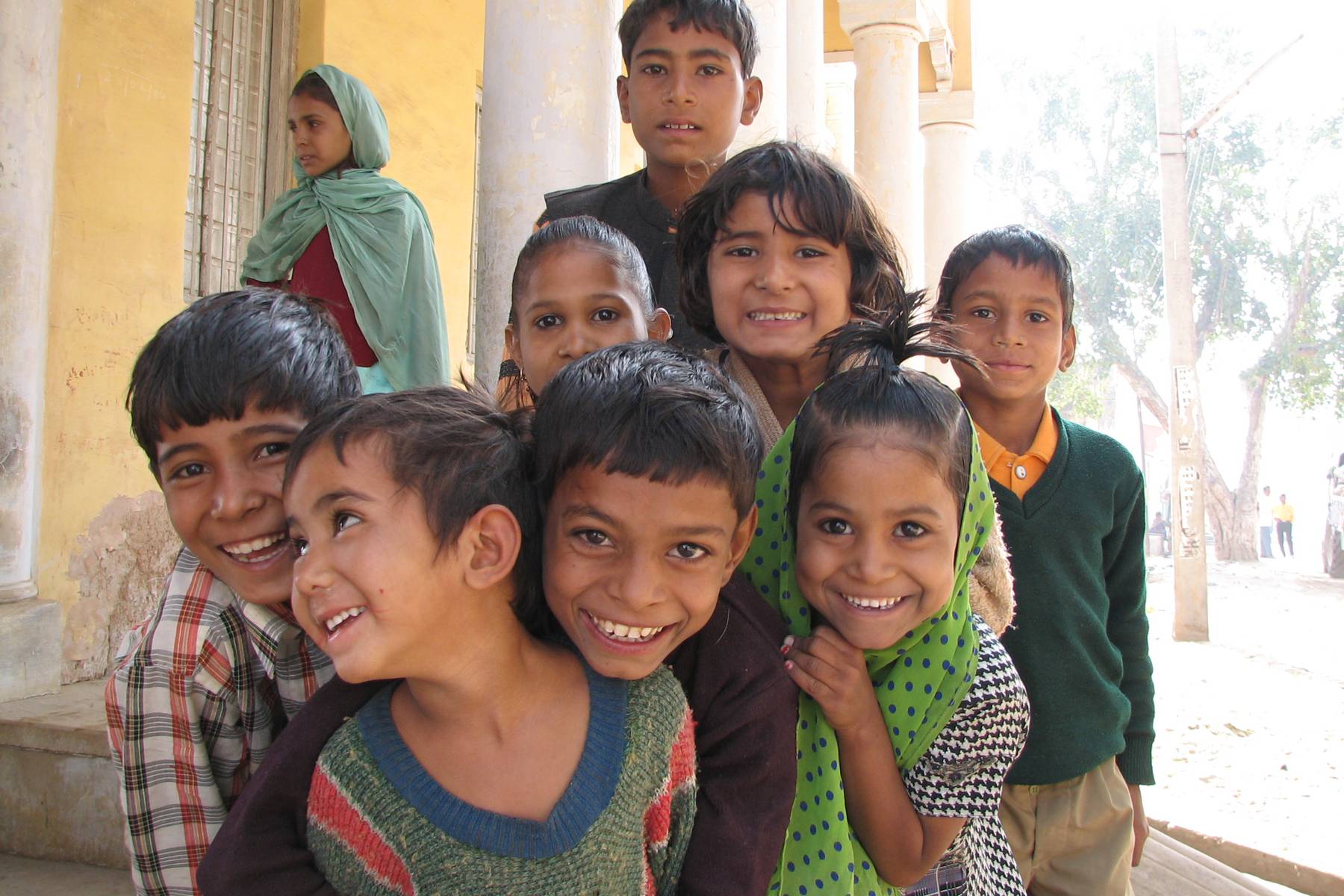
Barn i Shekhawati
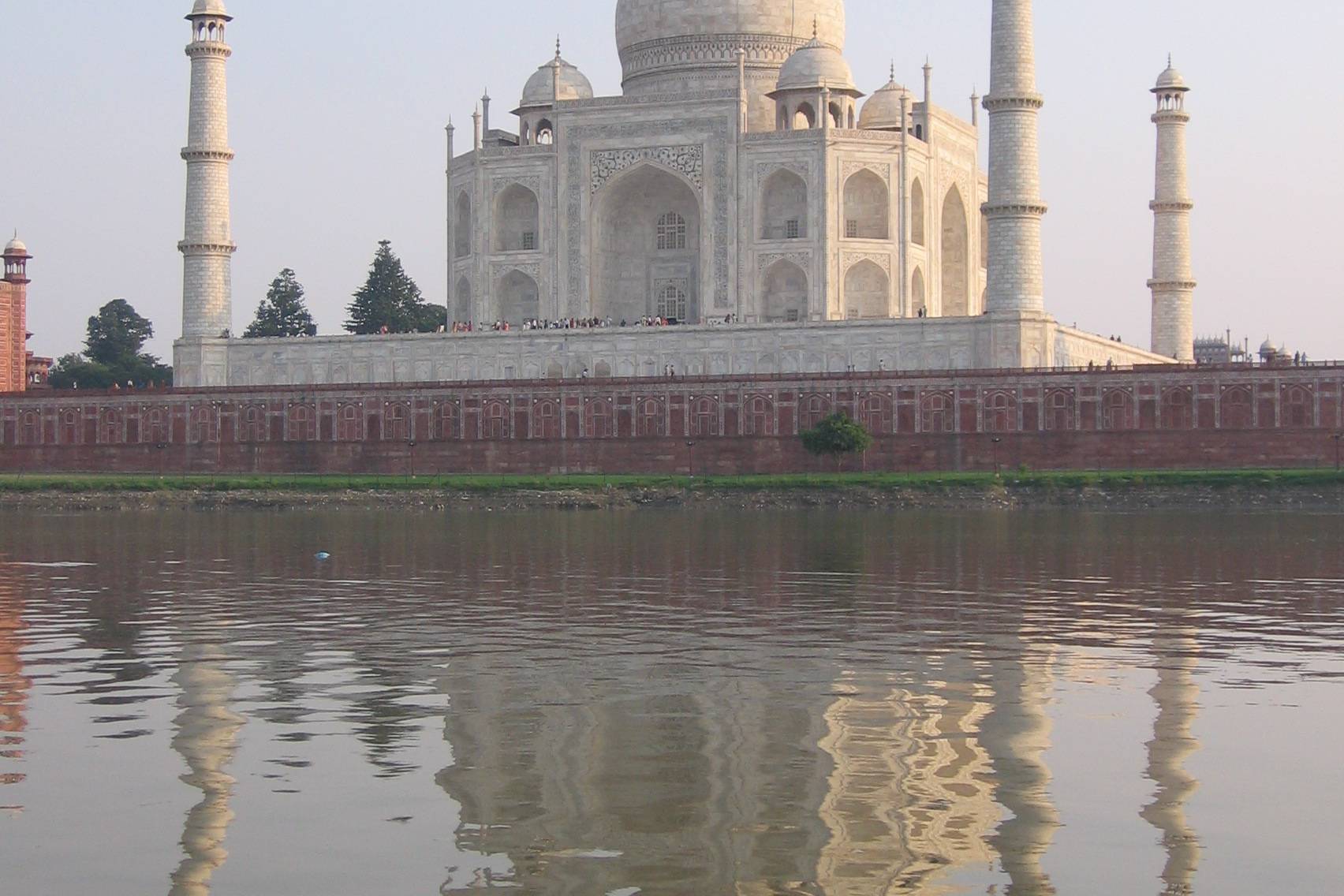
Taj Mahal
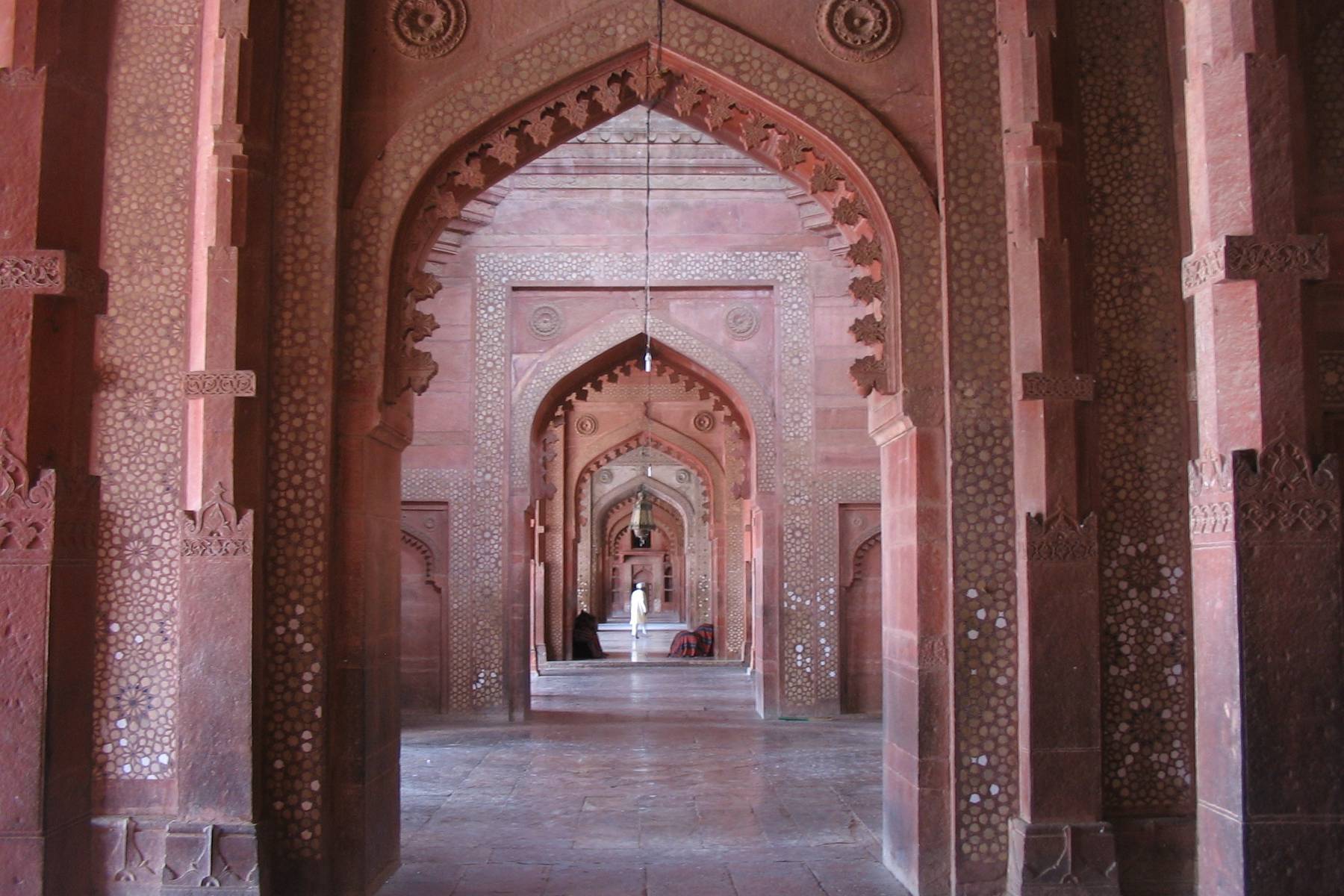
Kungliga Moskén i Fathepur Sikri
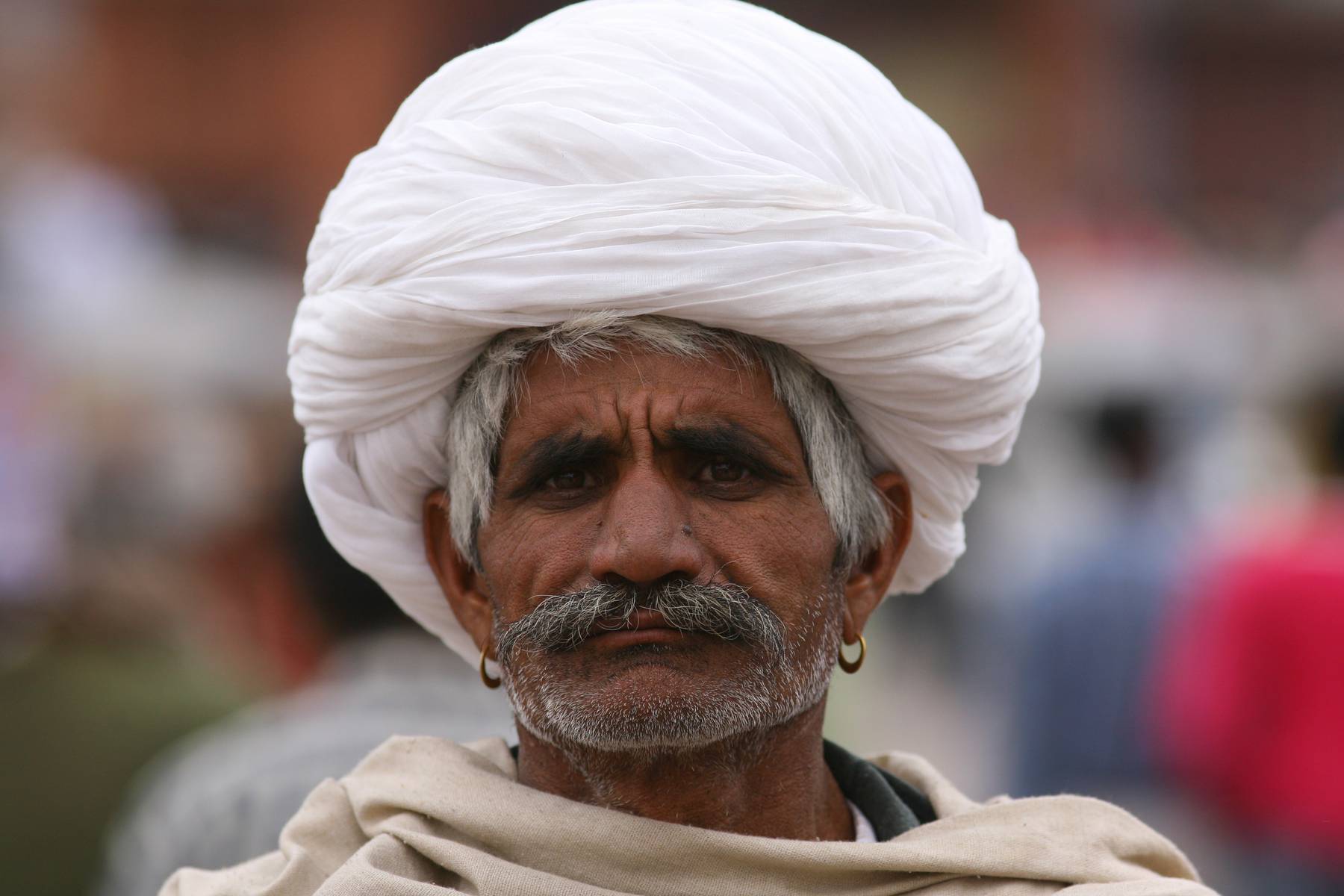
Rabaris, stolta nomadiserande boskapsskötare
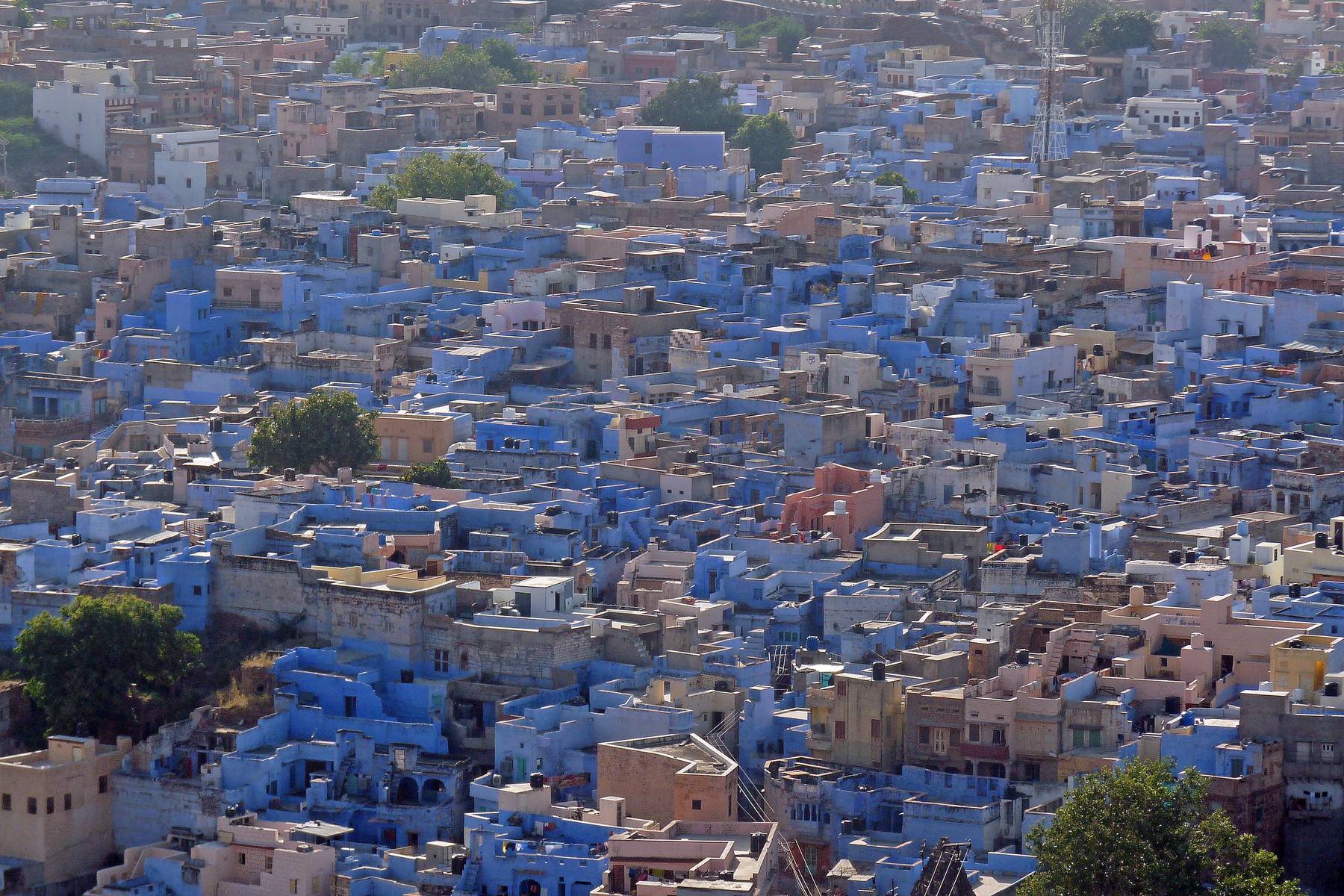
Jodhpur, den blå staden
Dag 1 Samling i Delhi
Samling på hotellet i Delhi.
Dag 2 Taj Mahal i Agra
Du besöker Taj Mahal och Red Fort i Agra. Med hyrd buss vidare till Bharatpur.
Dag 3 Fågelreservatet Keoladeo Ghana
Du får en hel dag i Keoladeo Ghana nationalpark, ett av världens finaste fågelreservat. Du behöver inte vara fågelskådare för att älska denna plats. December är häckningsperioden och fågellivet är då som livligast, men även andra tider på året ser du mycket fågel och även hjortar, antiloper, nilgai, utter och pytonorm. Du går eller cyklar i denna, till ytan lilla, park.
Dag 4 Besök vid berömt vatten projekt och Sariskanationalpark
Buss till Sariska Nationalpark. På eftermiddagen möter vi Rajendra Singh i hans by strax utanför nationalparken. och får se det berömda vattenprojektet. Den 3.9 2015 tar Rajendra Singh emot Stockholm Water Price ur kungens hand. I dag finns 11 000 Johader, vattensamlingsdammar, i Rajasthan nära den stora Tharöknen. Här kan du läsa om artikeln i SvD Projektcentrum ligger i utkanten av Sariska National Park
Dag 5 Tigerspaning på morgonen, vidare till den rosastaden
Tidig morgon med jeep ger vi oss ut i den berömda nationalparken. Tigerpopulationen har ökat markant. Inga garantier, mer än att du kommer att få se mycket av Indiens berömda djurliv. Efter lunch med buss till näraliggande Jaipur. Många hus är byggda av den lokala röda sandstenen, därav namnet "den rosa staden". Vi utforskar staden med dess vackra byggnader och ett myllrande basarliv. Vi besöker även vid Amber Fort.
Dag 6 Jaipur
Många hus är byggda av den lokala röda sandstenen, därav namnet "den rosa staden". Vi utforskar staden med dess vackra byggnader och ett myllrande basarliv. Vi besöker även vid Amber Fort.
Dag 7-8 Shekhawatis unika väggmålningar
Buss till Mandawa i distriktet Shekhawati, berömt för sina spektakulära väggmålningar med historiska motiv och rikt ornamenterade köpmannahus, havelis. Till fots upptäcker vi Mandawa och närliggande Fathepur. Övernattning på ett mindre fort i Mahansar. Buss till Bikaner.
Dag 9-10 Färdas med dromedarer
Med buss till ökenstaden Bikaner. Vidare med jeep till byn Raisar. Här börjar en färd genom öknen med dromedarer. Du kan rida eller åka vagn, det vanliga transportmedlet på landsbygden. Nästa eftermiddag åter till Bikaner där vi bl a besöker Deshnoke templet. Berömt och avskytt för sina heliga råttor Njut av Bikaners gamla bebyggelse och de spännande basarerna.
Dag 11-12 Sagostaden Jaisalmer - den gyllene staden
Jeep genom Thar öknen till Jaisalmer, som under århundraden varit en betydande handelsplats för kamelkaravaner. Strosa runt i de smala gränderna, stanna till hos hantverkarna på gatan och prova det som bjuds i matstånden. Sista kvällen tåg till Jodhpur.
Dag 13 Jodhpur - den blå staden
Jodhpur grundades 1459. Från Meharangarh Fort har du en strålande utsikt över "den blå staden", ett namn den fått från braminernas blåmålade hus. Vi gör också ett besök i en by hos Bishnoi-folket. Härifrån kommer uttrycket "trädkramare".
Dag 14 Jaintemplen i Ranakpur och Udaipur
Från Jodhpur med hyrd buss till Ranakpur som ligger på bergskedjan Aravalis sluttningar. Ett pilgrimsmål för jainer och berömt för sina fantastiska tempel. Vidare till Udaipur.
Dag 15-16 Konst och kultur i Udaipur
Udaipur, som ligger vid två sjöar och omgärdas av berg, är kanske Rajasthans charmigaste stad med ett rikt utbud av konst och kultur. Sista dagen nattåg till Delhi.
Dag 17 Delhi
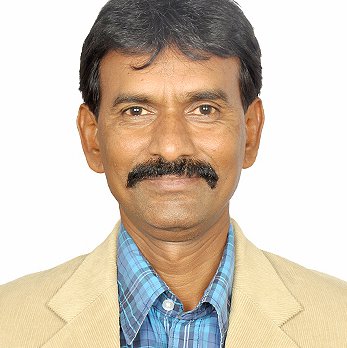
Född 1967. Uppvuxen i Udaipur men nu flyttat till Delhi. Gift och har två barn. Läser mycket inom historia, kultur, religion. Bra på matlagning och praktiserar yoga. Håller gärna improviserade kurser i dessa ämnen.
Flyg
Särskilt för resan Rajasthan
För den här resan har vi inga särskilda rekommendationer för flygbokning utan hänvisar till de vanligaste sökmotorerna. Resan börjar och slutar i Delhi.
Boende
Särskilt för resan till Rajasthan
Hotell
I större städer i Indien bor du på hotell i dubbelrum. Hotellrummens standard kan variera något men normalt är att du har två enkelsängar, egen dusch och toalett och en fläkt i taket. De flesta hotellen i städerna har västerländska toaletter. Kvaliteten på badrummens tekniska standard kan dock variera. Det är vanligt att täcket består av en filt varför ett tunt reselakan är att föredra när det är varmt.
mindre städer är standarden generellt enklare.
Byboende
Under byvistelserna råder ofta mycket enkla förhållanden både vad gäller sanitet/hygien och komfort. Du kommer att bli erbjuden att sova i säng eller på golvet. Räkna med utedass. Tvättmöjligheterna kommer troligen att begränsa sig till ett tvättfat.
Under kamelfärden måste ni uträtta era behov i det fria (det finns gott om buskar att dölja sig bakom). Räkna inte med tillgång till dusch eller varmvatten under dessa dagar. Våtservetter kan vara bra att ha med sig om du vill känna dig något fräschare.
Sovsäck rekommenderas för decemberresan om du är väldigt frusen. Filtar kommer att finnas att tillgå vilket är tillräckligt för de flesta. För resorna i februari och oktober behövs ingen sovsäck. Ett reselakan av siden är dock alltid skönt att ha med sig.
Utrustning
Särskilt för resan till Rajasthan
- Till denna resa kan det också vara bra att ha med sig något varmt klädesplagg då det kan bli kallt om natten i Rajastahns öken
- Du behöver också en varm sovsäck
- Du behöver inte badkläder på denna resa