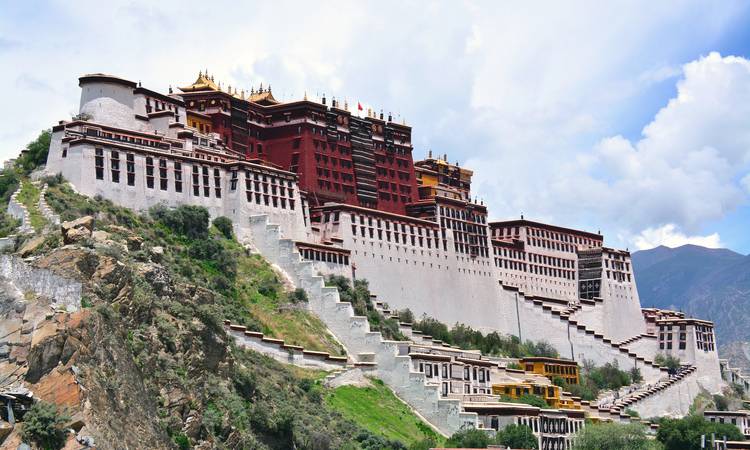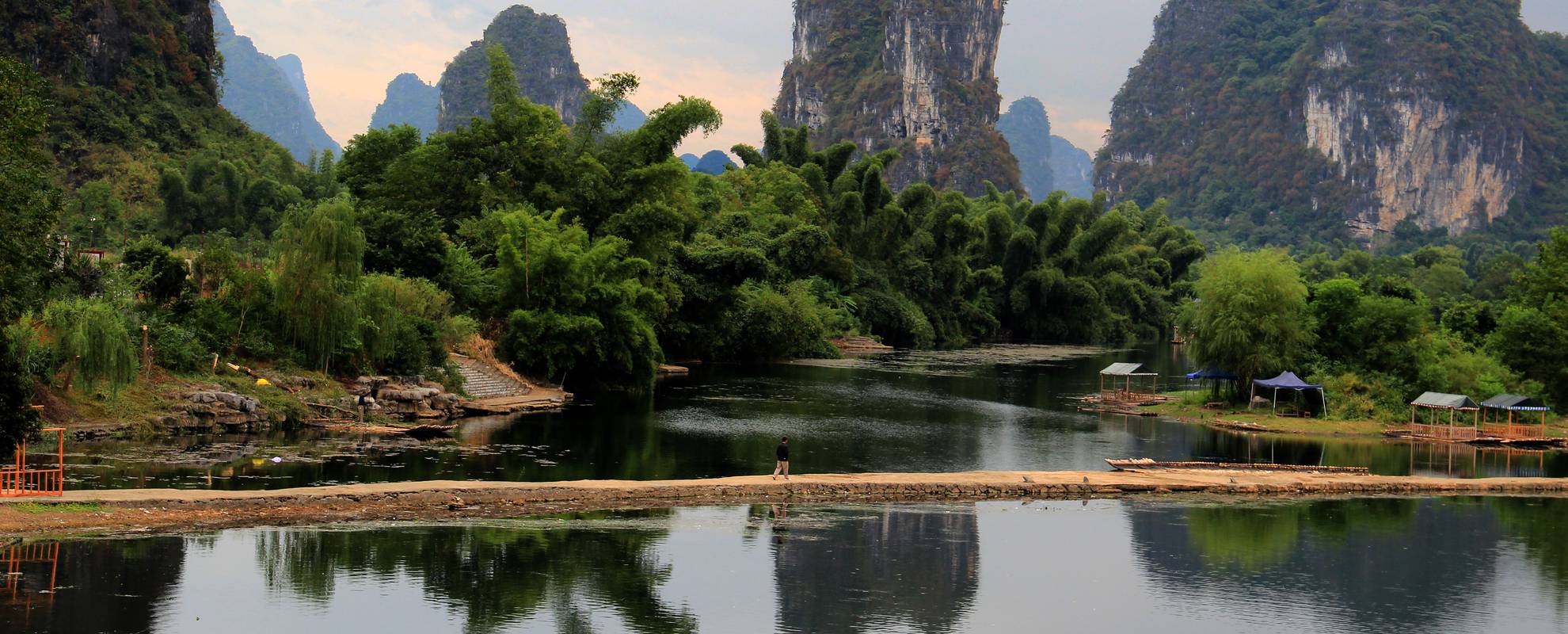

En resa som går till den hisnande vackra landsbygden i södra Kina. Du har förmånen att uppleva Kina till fots och möta människor i deras vardag. I Guizhou vandrar du under fem dagar mellan byar i ett betagande vackert terrasserat landskap. Här bor flera etniska minoriteter varav Maio är den största gruppen. Du besöker de berömda sockertoppsbergen nära Guilin, där du cyklar längs Lifloden och gör en båttur. Resan tar dig även till de enorma jordhusen i Fukiens berg och till de berömda träbroarna i Chengyang.
Resedetaljer
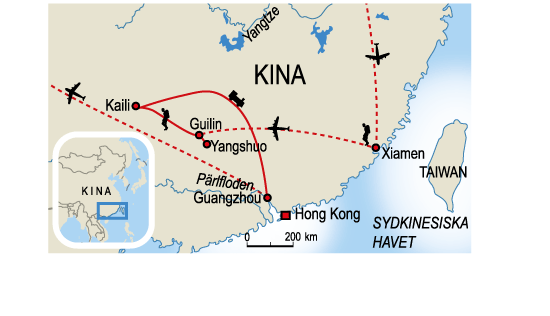
| Dag | Program |
|---|---|
| 1-2 | Xiamen |
| 3-5 | Bo i jordhus i Zhangzhou |
| 6-8 | Sockertoppsbergen |
| 9-10 | Dongfolket och landets äldsta trumtorn |
| 11-15 | Vandring i Guizhouprovinsen |
| 16 | Kaili |
| 17 | Tåg till Guangzhou |
| 18-19 | Guangzhou - södra Kinas metropol |
- Kvalificerad reseledning
- Informationspaket med utvald litteratur och karta
- Samtliga transporter under resan
- Inrikes flygplatsskatt och samtliga obligatoriska avgifter
- Del i dubbelrum eller annan inkvartering under resan (2 nätter i tulouhus, 4 nätter byboende under vandringen)
- Mat vid vistelsen i tulouhus och under vandringen (7 dagar totalt)
- Samtliga utflykter, inträden och aktiviteter enligt resplan
- Lokala guider och tolkar enligt resplan
- Samtliga formella tillstånd
- Dricks till lokala guider, tolkar och chaufförer vid aktiviteter enligt resplan
- Visum. Vi ordnar innan resan
- Inträde till byarna Tianloukeng och Chengyang
- Internationellt flyg till/från resmålet
- Måltider som ej nämns ovan
- Utflykter och aktiviteter utanför resplanen
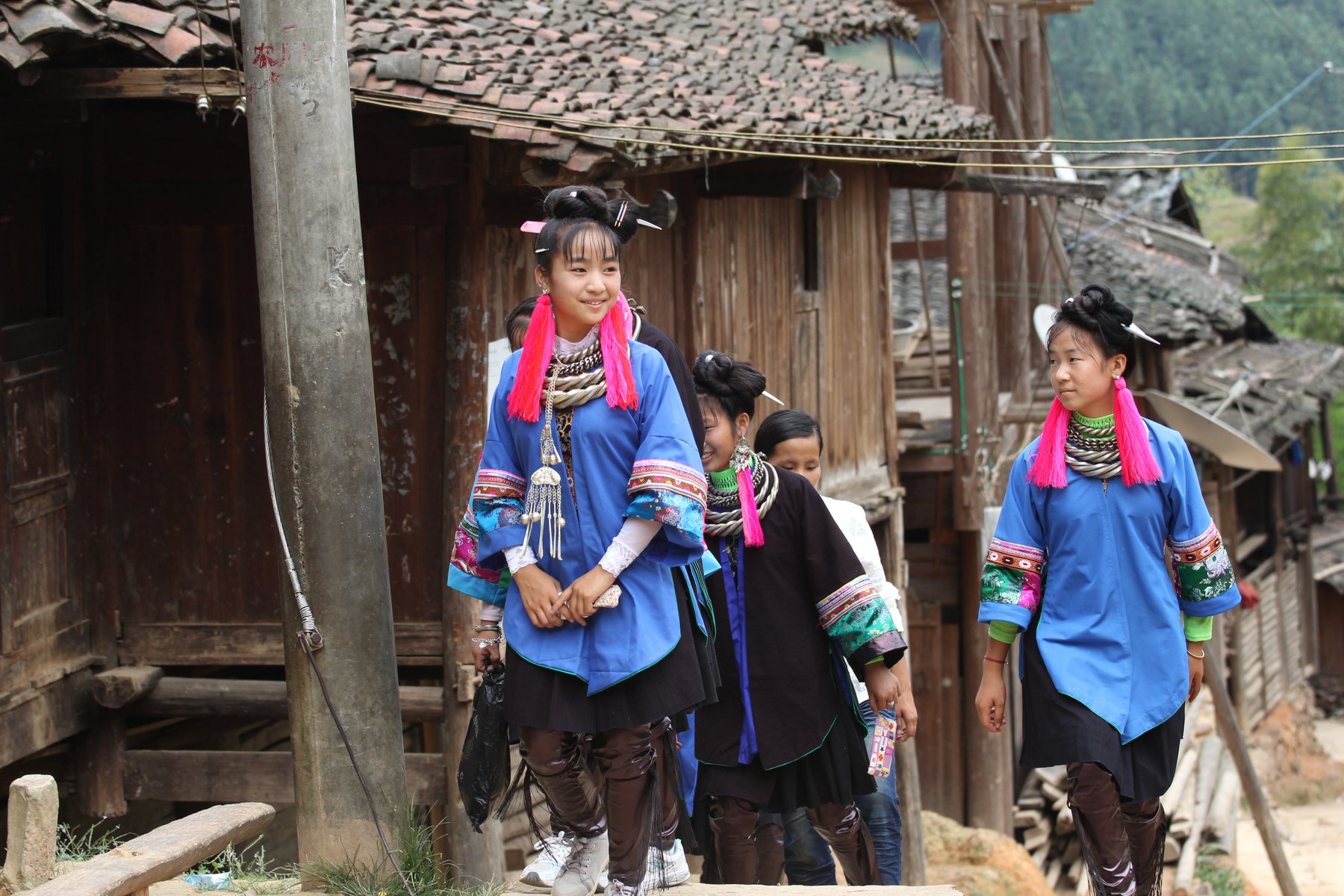
Ni möter flera olika minoritetsfolk
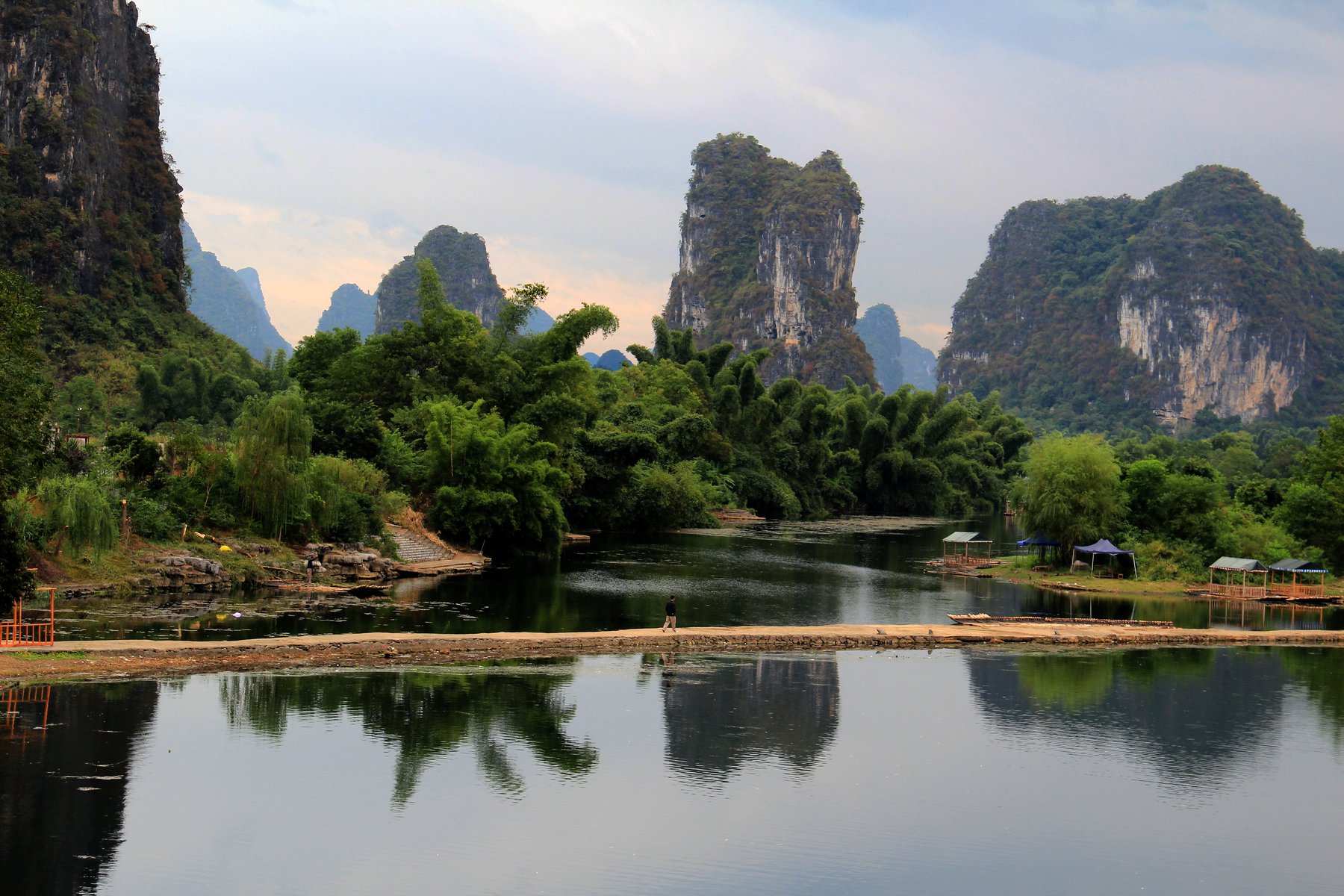
Sockertoppsbergen vid Li-floden
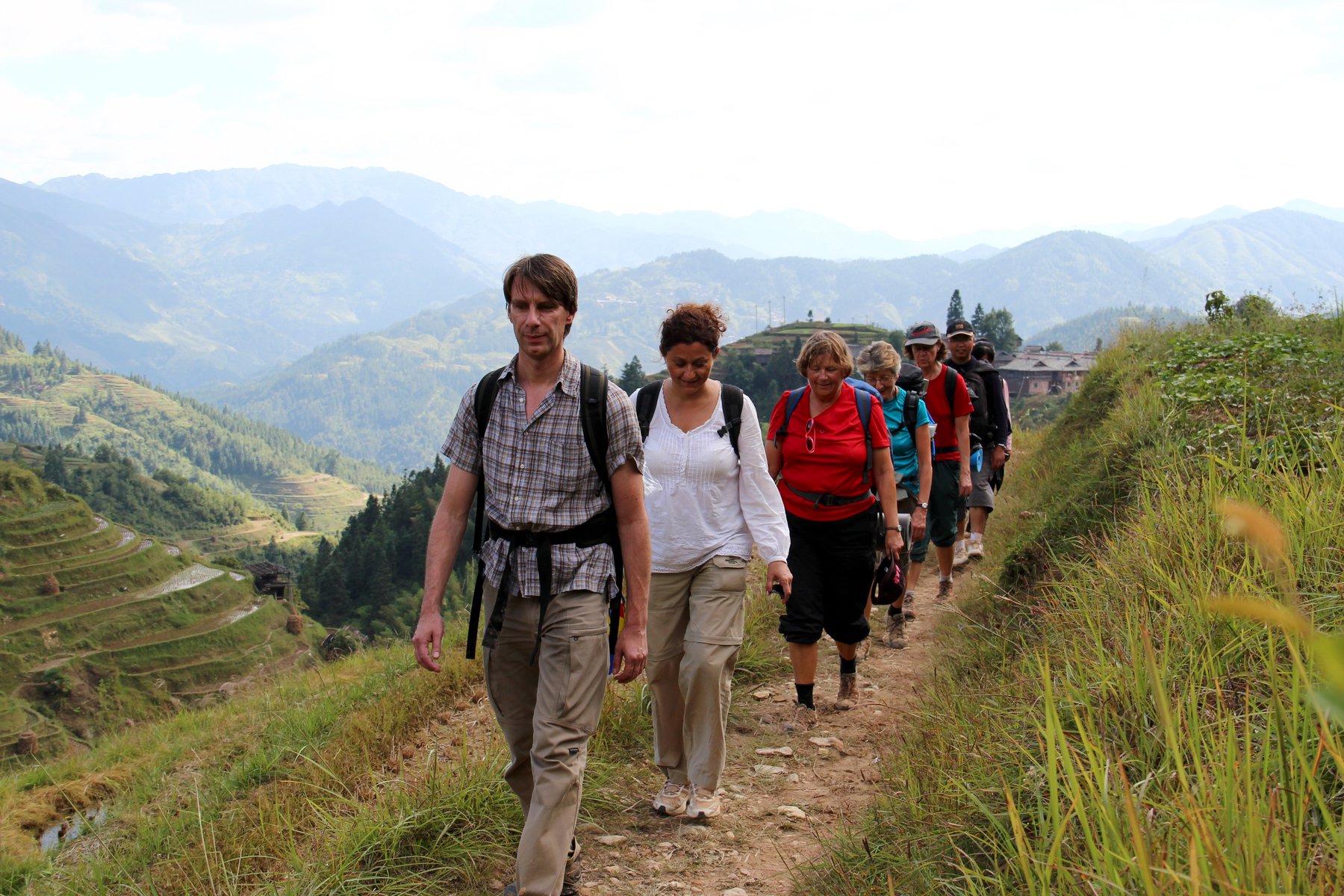
Vandra på stigar i bergen
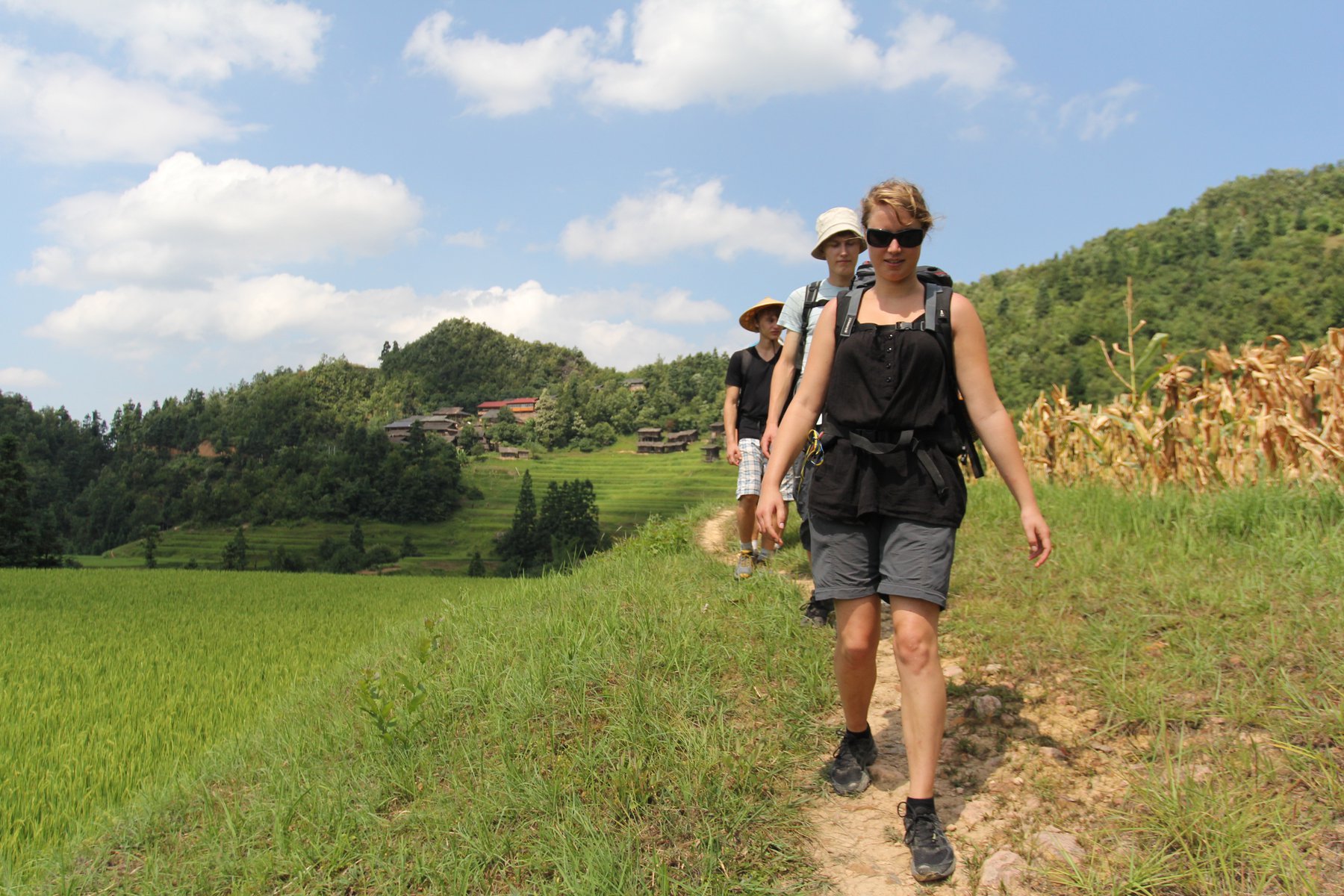
På väg till en minoritetsby
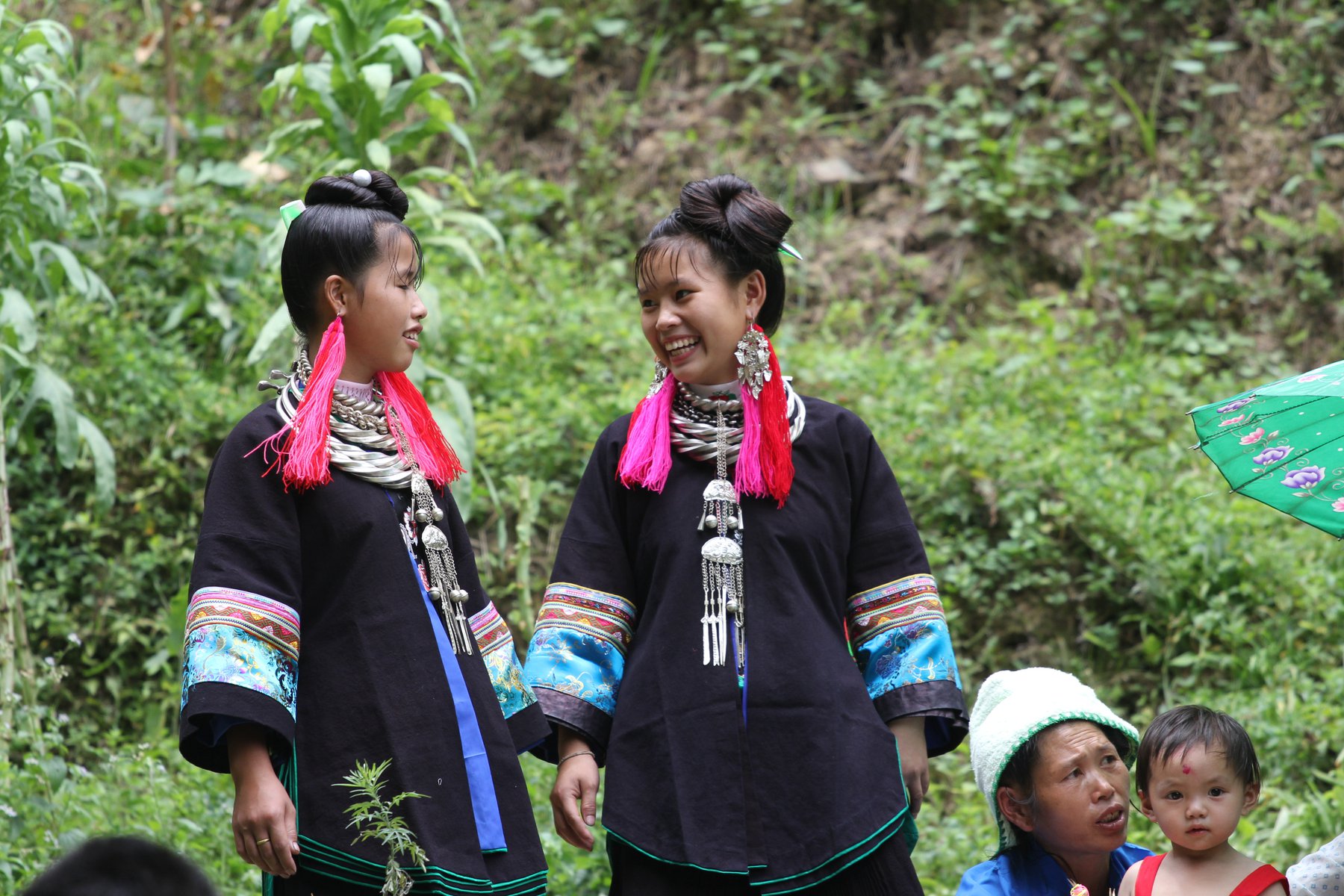
Minoritetsbefolkning
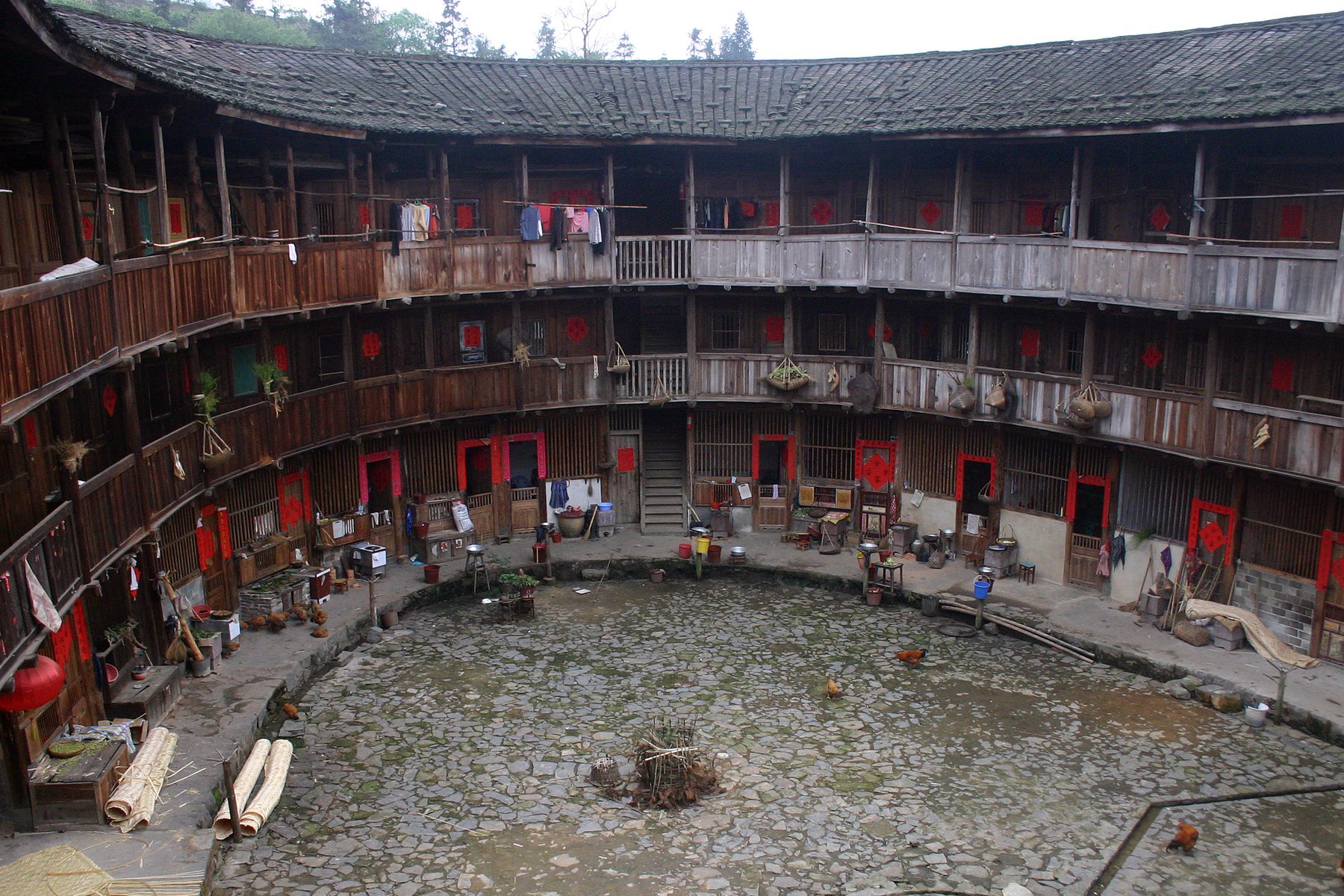
Tulouhus, här bor du i två dagar
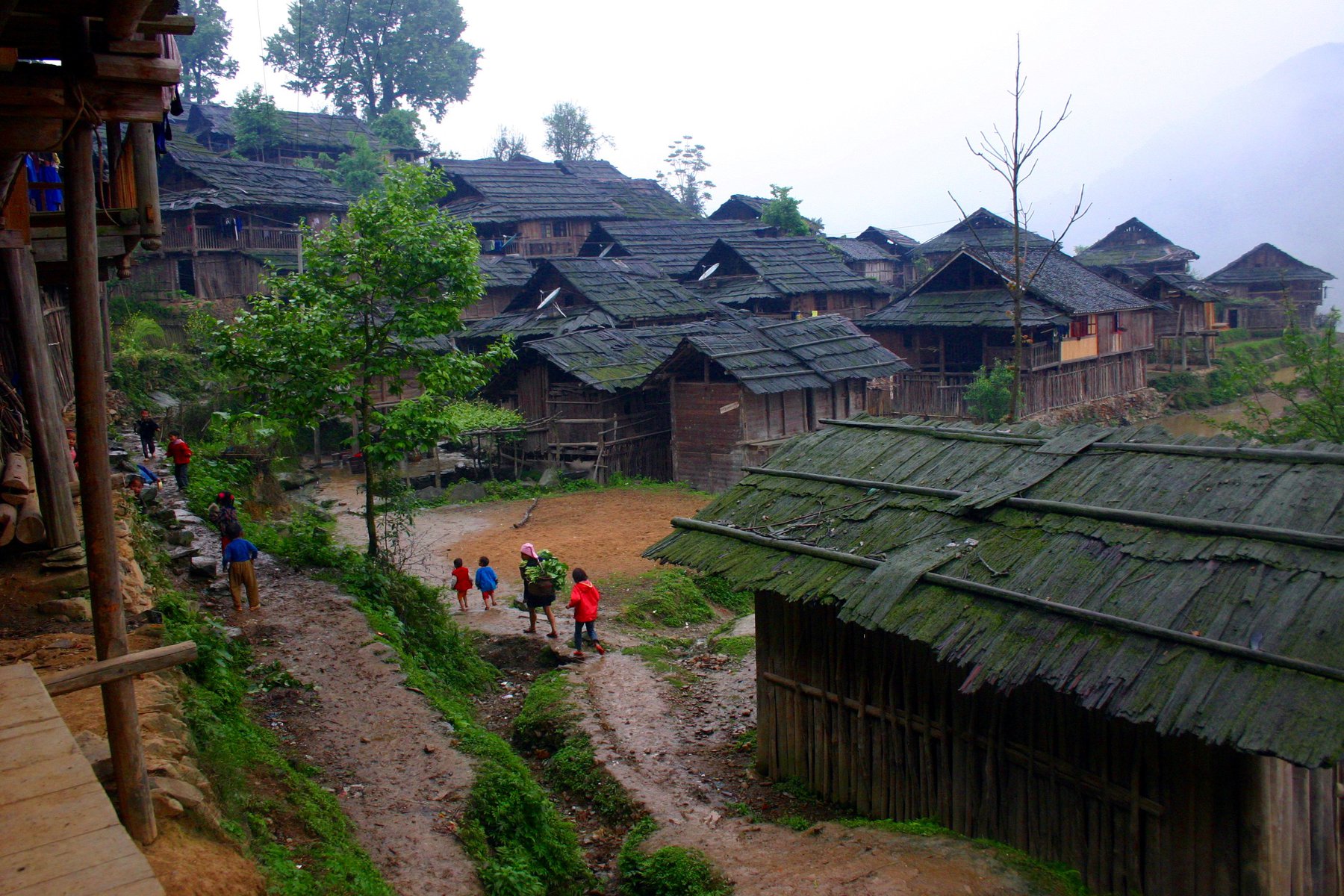
Kanske övernattar du i den här byn
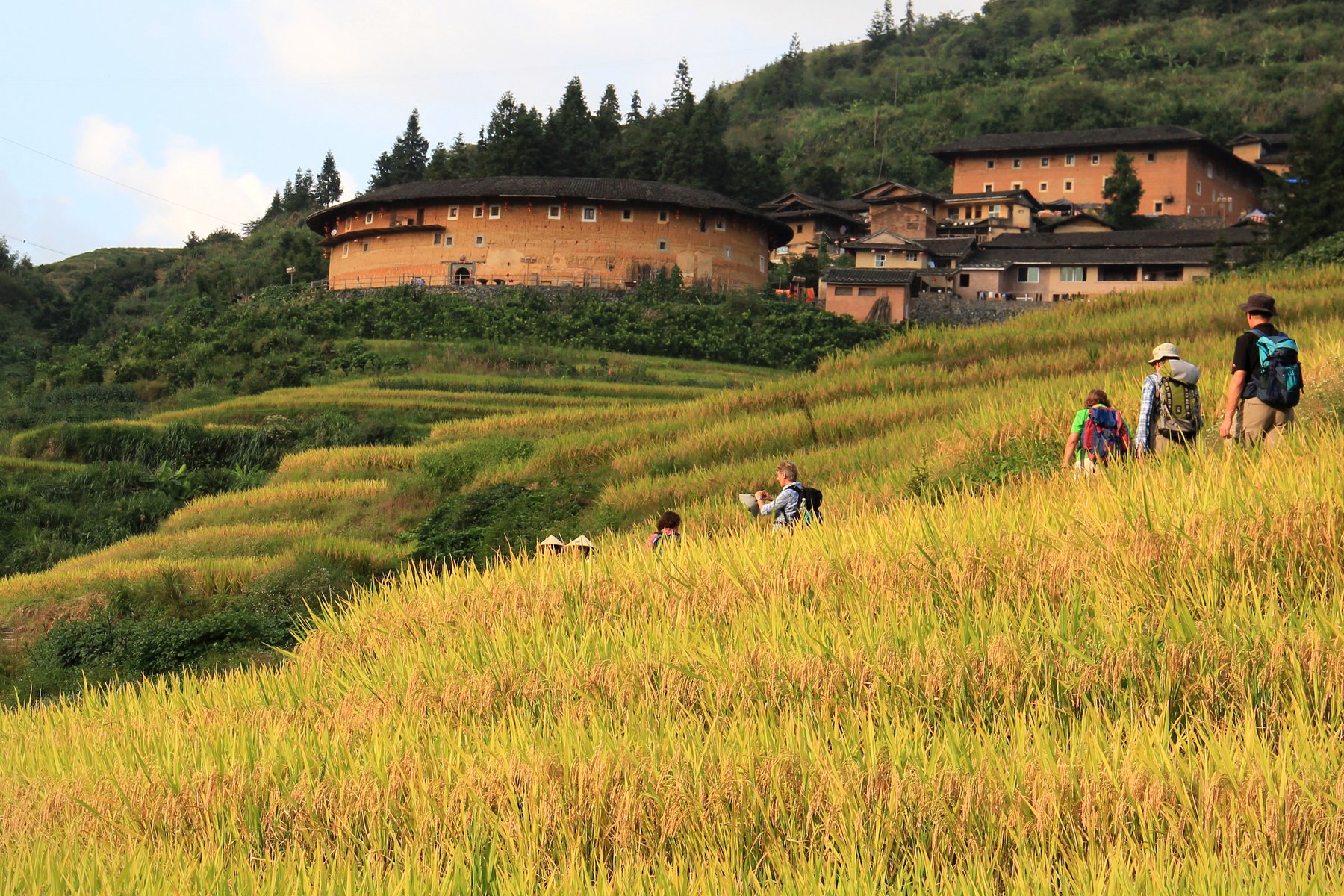
Gruppen anländer till en Tulou by
Dag 1-2 Xiamen
Samling på hotellet i den stora staden Xiamen på Kinas sydöstkust. Detta är en av Kinas mest expansiva och moderna regioner. Staden har en anrik historia, enastående god mat och ett stort buddhistiskt tempel.
Dag 3-5 Bo i jordhus i Zhangzhou
Buss upp i bergen nordväst om Xiamen till ett område runt Zhangzhou. Området är berömt för sina jordhus, tulou, med en speciell arkitektur. De jättelika, runda, ovala eller kvadratiska husen är byggda som försvarsanläggningar med få fönster utåt och endast en port. I varje hus kan det bo 100 familjer, ibland en hel by. Här har Hakkafolket traditionellt varit bosatta. Du bor två nätter i ett tulouhus och tar del av böndernas vardag. Du gör också dagsvandringar i det gröna terrasslandskapet som breder ut sig runt byarna. Åter till Xiamen sista dagen.
Dag 6-8 Sockertoppsbergen
Flyg till Guilin och vidare till Yangshuo vid Lifloden. Överallt reser sig sockertoppsbergen i detta fotogeniska landskap. Här kan du göra en cykelutflykt längs floden och en båttur på floden.
Dag 9-10 Dongfolket och landets äldsta trumtorn
Höghastighetståg till Rongjiang och vidare till den otroligt gemytliga byn Zengchong. Trakten domineras av dongfolket och området är berömt för sina vackra träbroar och sina handvävda textilier. Hela Zengchong är omringad av en å och byn har en speciell charm. I byn finns det äldsta bevarade trumtornet i Kina.
Dag 11-15 Vandring i Guizhouprovinsen
Resan går vidare med buss till en liten by i sydöstra Guizhouprovinsen, som blir din bas för vandringen. Varje dag är det marknad i någon av de kringliggande byarna. Folk samlas för att köpa och sälja, titta på buffelkamp eller bara för att umgås. Under fem dagar vandrar du i ett grönt, kuperat och oerhört vackert landskap. Magnifika risterrasser varvas med pinjeskogar och flodraviner. Byarna ligger tätt och binds samman av stora stigar. Miao är den största av de många etniska minoriteterna i området. Du vandrar 12-20 km per dag vilket motsvarar 5-7 timmars vandring per dag. Du övernattar i byar längs vägen och får god inblick i ett liv på helt andra villkor än i storstaden. Hit kommer få andra turister. På eftermiddagen dag 15 är du åter i Rongjiang.
Dag 16 Kaili
Buss till staden Kaili som är huvudstad i den lokala prefekturen för de etniska minoriteterna och även hemstad för vår reseledare. Pusta ut en dag och besök någon av marknaderna.
Dag 17 Tåg till Guangzhou
På eftermiddagen hoppar du på tåget söderut till Guangzhou.
Dag 18-19 Guangzhou - södra Kinas metropol
Guangzhou, tidigare Kanton, är södra Kinas metropol. På Shamianön i Pärlfloden finns spår från stadens koloniala historia. Här avslutas resan.
Många bokar flyget hem från Hongkong. Då behöver du en dag extra. Reseledaren hjälper dig att ta dig till Hongkong. Om du har tid; boka din hemresa några dagar senare och upptäck Hongkong.

Född 1965. Började som tolk 2000 och blev reseledare 2004. Bor i Kaili i Guizhou-provinsen med fru och två barn. Examen från lärarhögskola. Lee tillhör miaofolket och modersmålet är miao, men han talar även dong och naturligtvis kinesiska och engelska. Spelar xiao som han påstår är en perfekt kombination med stränginstrumentet Qin.
Flyg
För den här resan ska du boka en flygbiljett till Xiamen och hem från Guangzhou. Vi rekommenderar att du använder www.flygresor.se. Välj "multi-city" istället för "tur & retur". Du kan också välja att resa tur & retur till Beijing och sedan köpa till inrikesflyg. Till Beijing går det att hitta en tur & retur biljett för ca 4.000 kronor under större delen av året.
Boende
Gästhus
I Tianloukeng och Chengyang kommer du att bo på enkla gästhus. Du får en säng att sova i och toaletten kommer att vara separat. Kanske i korridoren, kanske i en separat byggnad. Räkna inte med tillgång till dusch eller varmvatten under dessa dagar. Våtservetter kan vara bra att ha med sig om du vill känna dig något fräschare.
Byboende
Vid två tillfällen kommer du att bo hemma hos familjer i en by på landet. Under byvistelserna råder mycket enkla förhållanden både vad gäller sanitet/hygien och komfort. Du kommer att bli erbjuden att sova i säng eller på golvet. Räkna med utedass och inga möjligheter till dusch. Tvättmöjligheterna kommer troligen att begränsa sig till ett tvättfat. I Kina är det inte brukligt att man byter lakan för varje person som sover i en säng varför det är praktiskt att ha med dig någon form av reselakan, tex ett tunt reselakan i siden som inte väger så mycket.
Utrustning
För den här resan behöver du ta med liggunderlag och en lättare sovsäck för vandringen. Det att vara varmt på dagarna men det kan bli lite kyligt på nätterna, så en tunn fleece är bra att ha.
Den packning du inte vill ha med dig under vandringen går att lämna i Rongjiang. Försök bära med dig så lite som möjligt eftersom landskapet är kuperat, vilket gör att vandringen kan kännas ansträngande oavsett din fysiska kondition. Om du är tveksam ifall du orkar bära din packning kan du diskutera med reseledaren ifall det går att hyra en person som bärare. Den kostnaden får du i sådana fall stå för själv.
OBS! På inrikesflyget kan du max checka in 20 kg.
Rekommenderad packlista:
- Ryggsäck under vandringen, 40-55 liter
- Sovsäck, liten tunn
- Liggunderlag, rekommenderar litet uppblåsbart
- Vandringsskor/vandringskängor, helst vattentäta
- Regnjacka
- Pannlampa
- Vattenflaska
- Solkräm
- Hatt/keps mot solen
- Våtservetter
- Sårtvätt, skavsårsplåster
- Tabletter mot diarre och huvudvärk
- Xinix aquacare, kan vara bra att ha under vandringen
Hälsa
Tänk på att skydda dig mot solen. Den är starkare än här hemma i Sverige. Solhatt och solskyddskräm är nödvändigt. Om ditt hår är kortklippt bör du tänka på att skydda nacken. Paraply kan även vara bra om solen skiner kraftigt. Glöm inte heller att dricka ordentligt med vatten. Vatten kan dels köpas med från Rongjiang, men under större delen av vandringen får ni fylla på med kokt vatten i byarna. Ta ev. med vattenreningsmedel.
För att tillgodose ditt energibehov under den ansträngande vandringen kan det vara bra att du tar med lite extra "snacks" att äta som mellanmål, tex. kex, nötter, torkad frukt. Om byborna har något att sälja såsom frukt eller liknande kan det också vara ett bra och trevligt sätt att stödja den lokala ekonomin.
Liknande resor
Sidenvägen i Kina
Sidenvägen i Kina
Mars
Med tåg från Beijing till Taklamakanöknen
22 dagar Resa utan större fysisk aktivitet