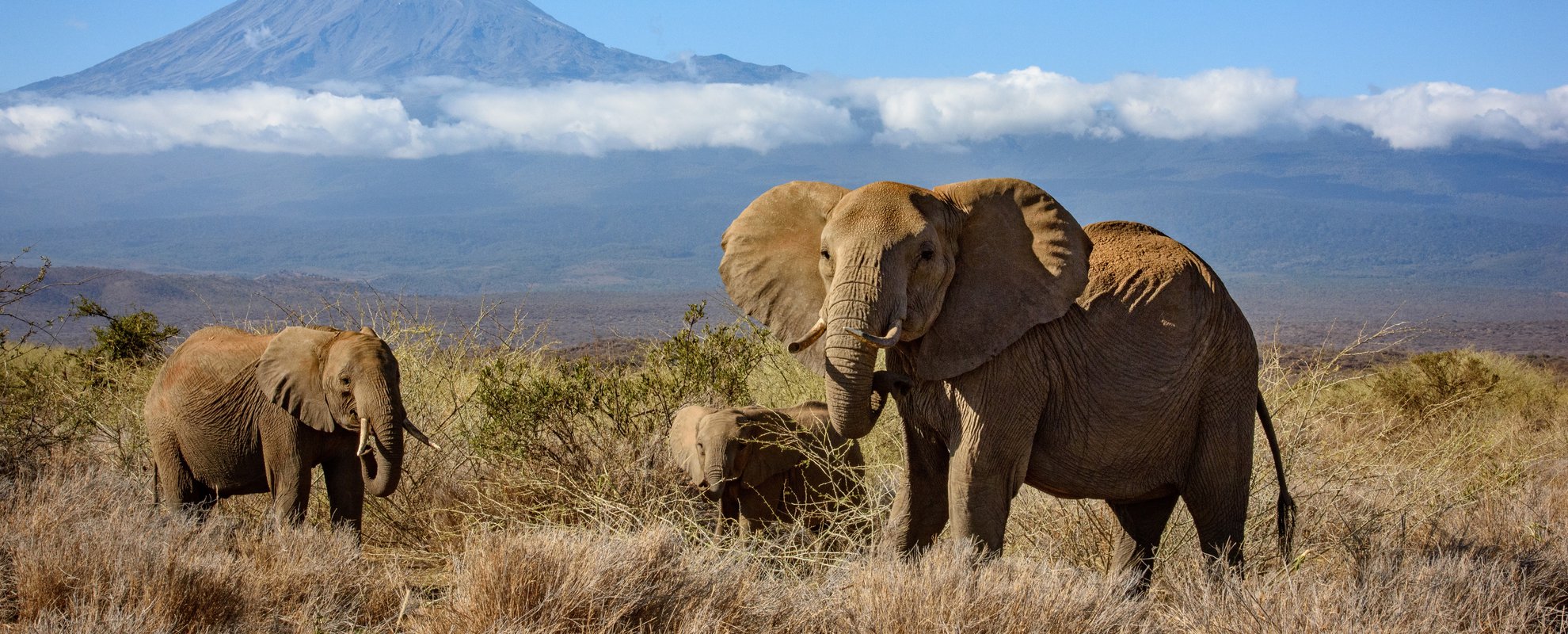

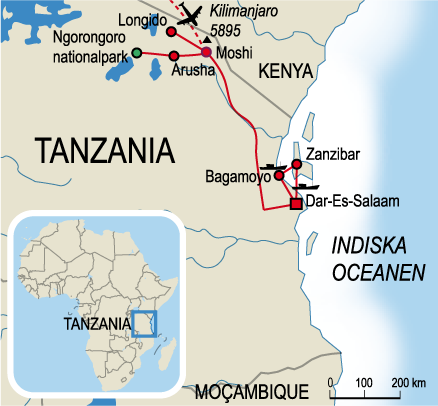
På denna resa erbjuder vi verkliga äventyr! Du möter savannens djur i Tarangire och den berömda Ngorongorokratern. Därefter vandrar du med massajer vid Mt Longido. Till sist bestiger du Kilimanjaro, Afrikas högsta berg. Som tillval efter dessa äventyr kan du välja att avrunda med kultur och avkoppling. Från Bagamoyo gör du då en spännande nattsegling med traditionell dhow till kryddornas ö, Zanzibar.
Resedetaljer
| Dag | Program |
|---|---|
| 1 | Arusha |
| 2-3 | Tarangire och Ngorongoro |
| 4-7 | Vandra med massajer |
| 8-9 | Arusha |
| 10-15 | Bestig Kilimanjaro |
| 16 | Dar es-Salaam |
| 17-18 | Bagamoyo |
| 19-21 | Zanzibar |
| 22 | Avslut i Dar es-Salaam |
- Kvalificerad reseledning
- Informationspaket med utvald litteratur och karta
- Samtliga transporter under resan
- Del i dubbelrum eller annan inkvartering under resan (övernattning i tält ingår i resan)
- Mat under vandringarna med massajer i Longido och under bestigningen av Kilimanjaro. Lunchlåda i Tarangire och Ngorongoro samt på bussen till Dar es-Salaam. Frukost ingår samtliga dagar
- Samtliga utflykter och aktiviteter ingåendes i resplanen
- Nationalparksavgifter till Tarangire, Ngorongoro, Longido och Kilimanjaro
- Lokala guider och bärare enligt resplanen (Tarangire, Ngorongoro, Longido och Kilimanjaro)
- Samtliga formella tillstånd
- Utrustning (tält och liggunderlag)
- Dricks till lokala guider, tolkar och chaufförer vid aktiviteter enligt resplanen
- Internationellt flyg till/från resmålet
- Måltider som ej nämns ovan
- Utflykter och aktiviteter utanför resplanen
- Visum (ca 50 USD)
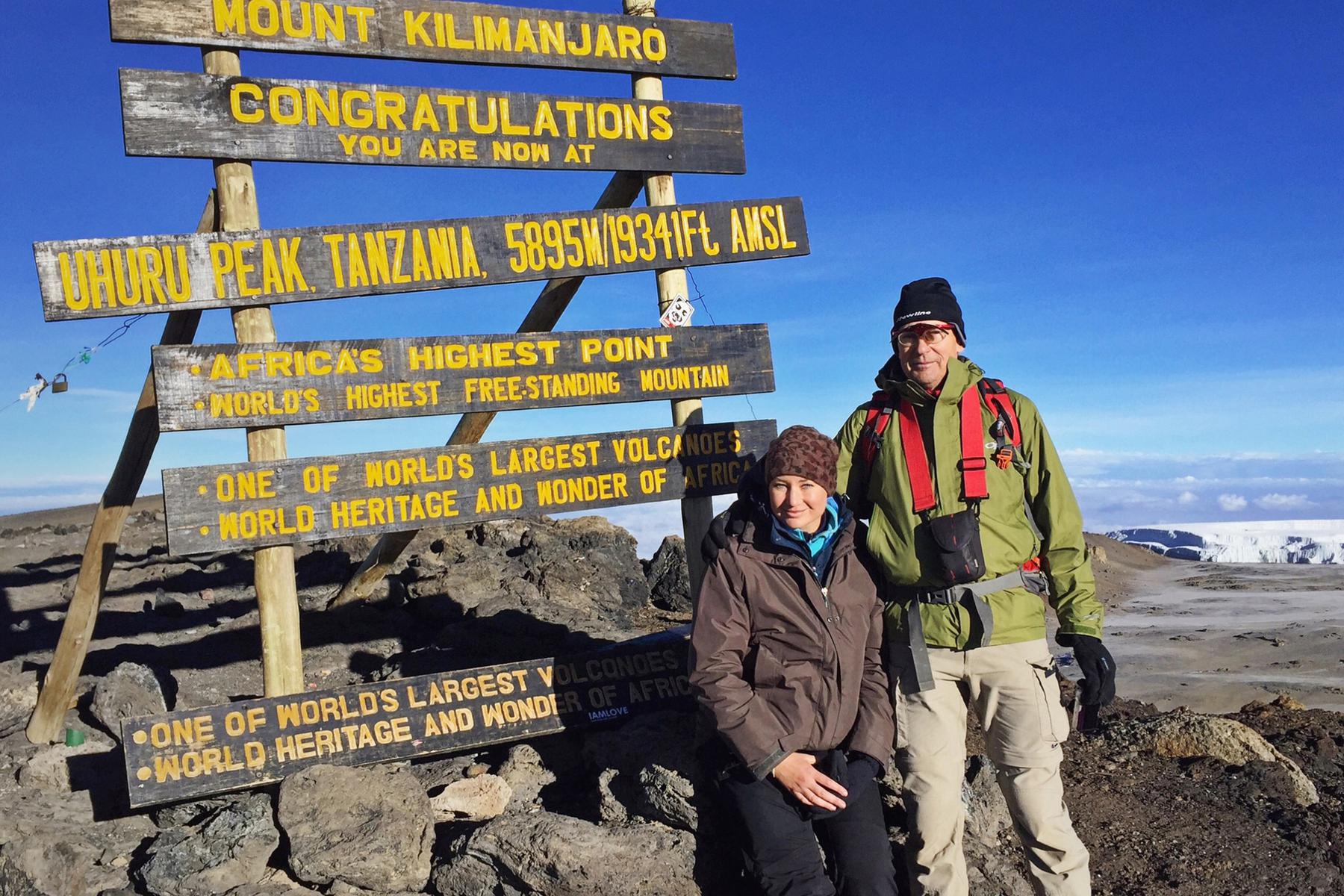
Äntligen uppe på toppen av Kilimanjaro
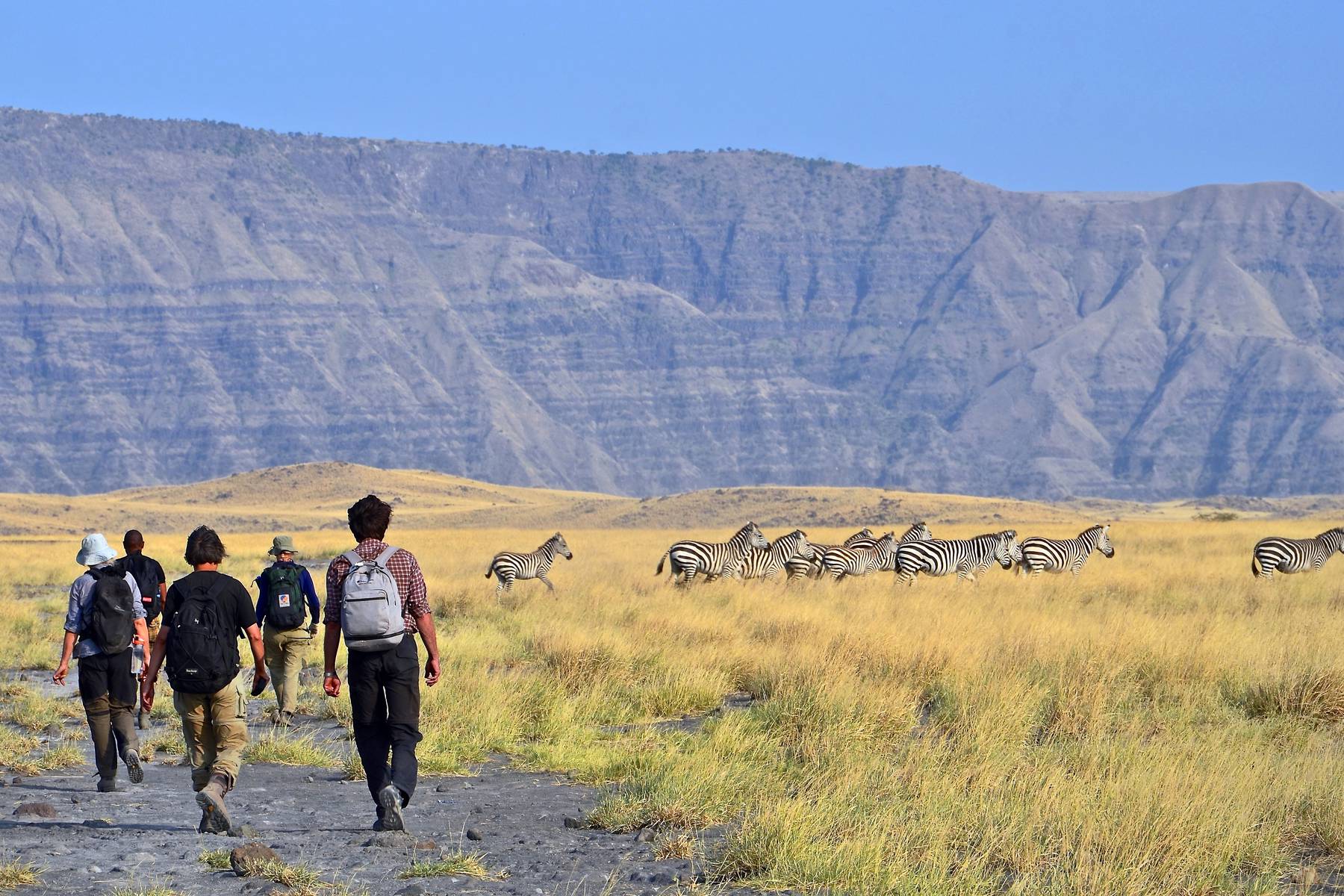
Vandring på savannen
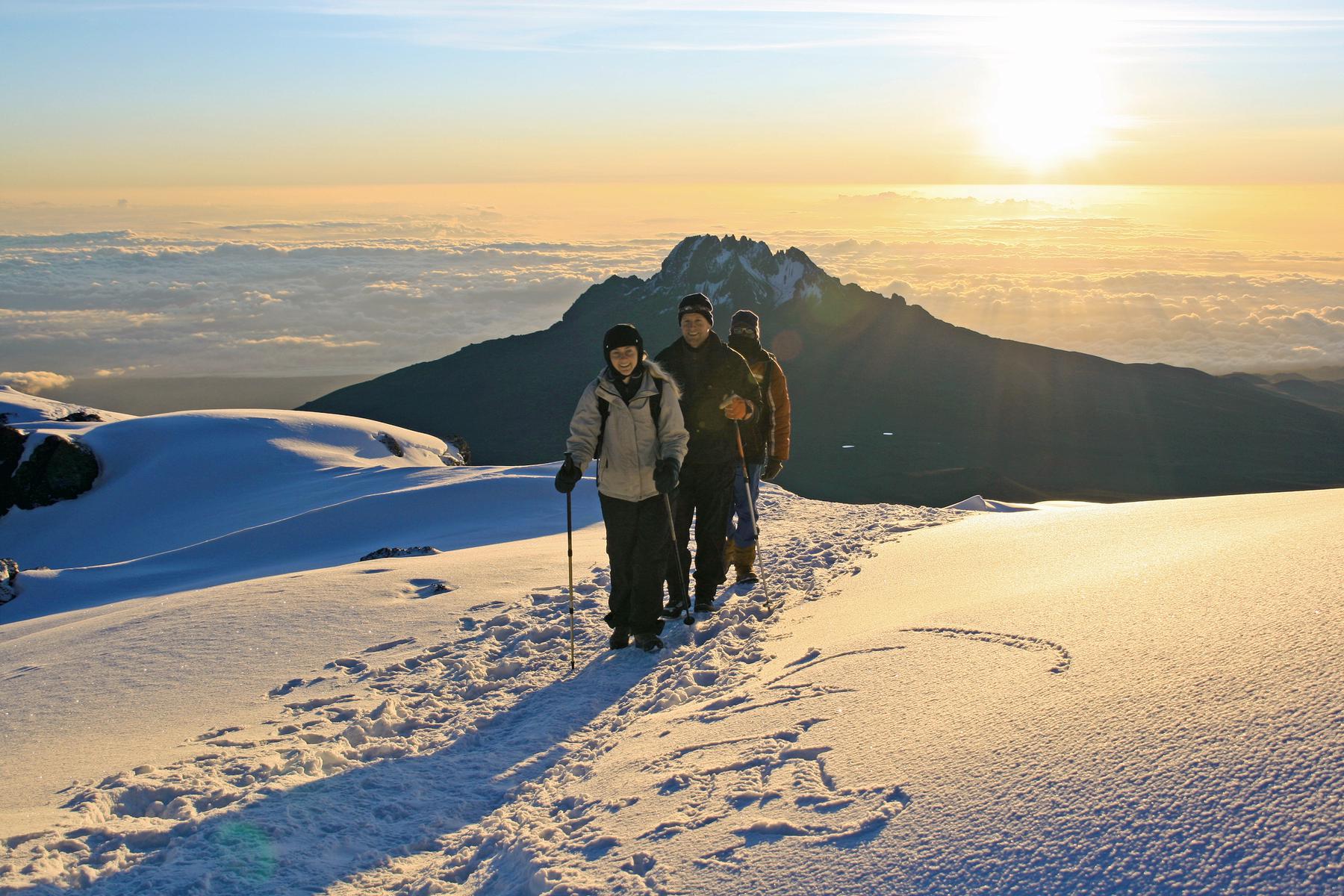
Härlig solnedgång på toppen PHS
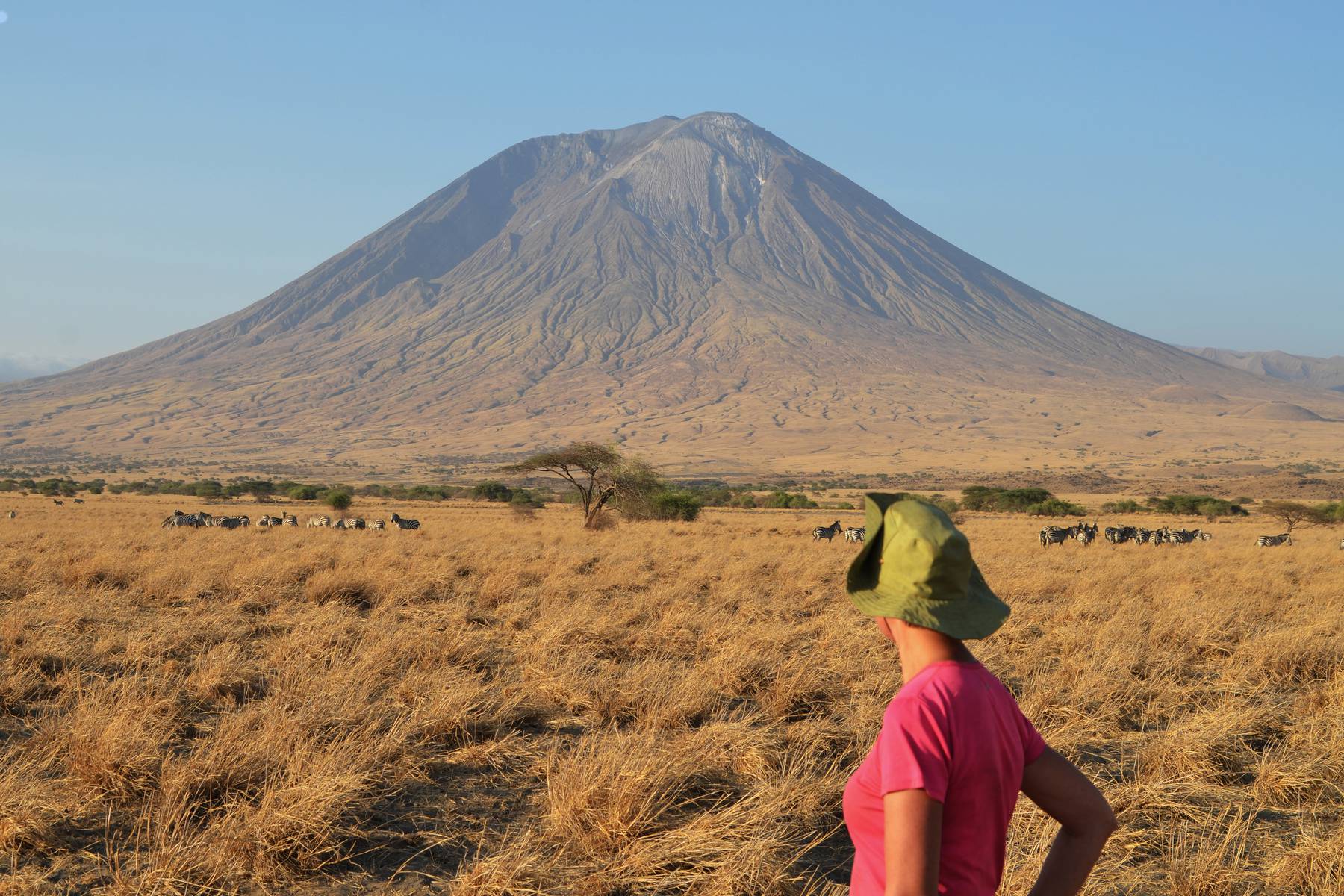
Under vandringen på savannen har du vacker utsikt över Mt Meru
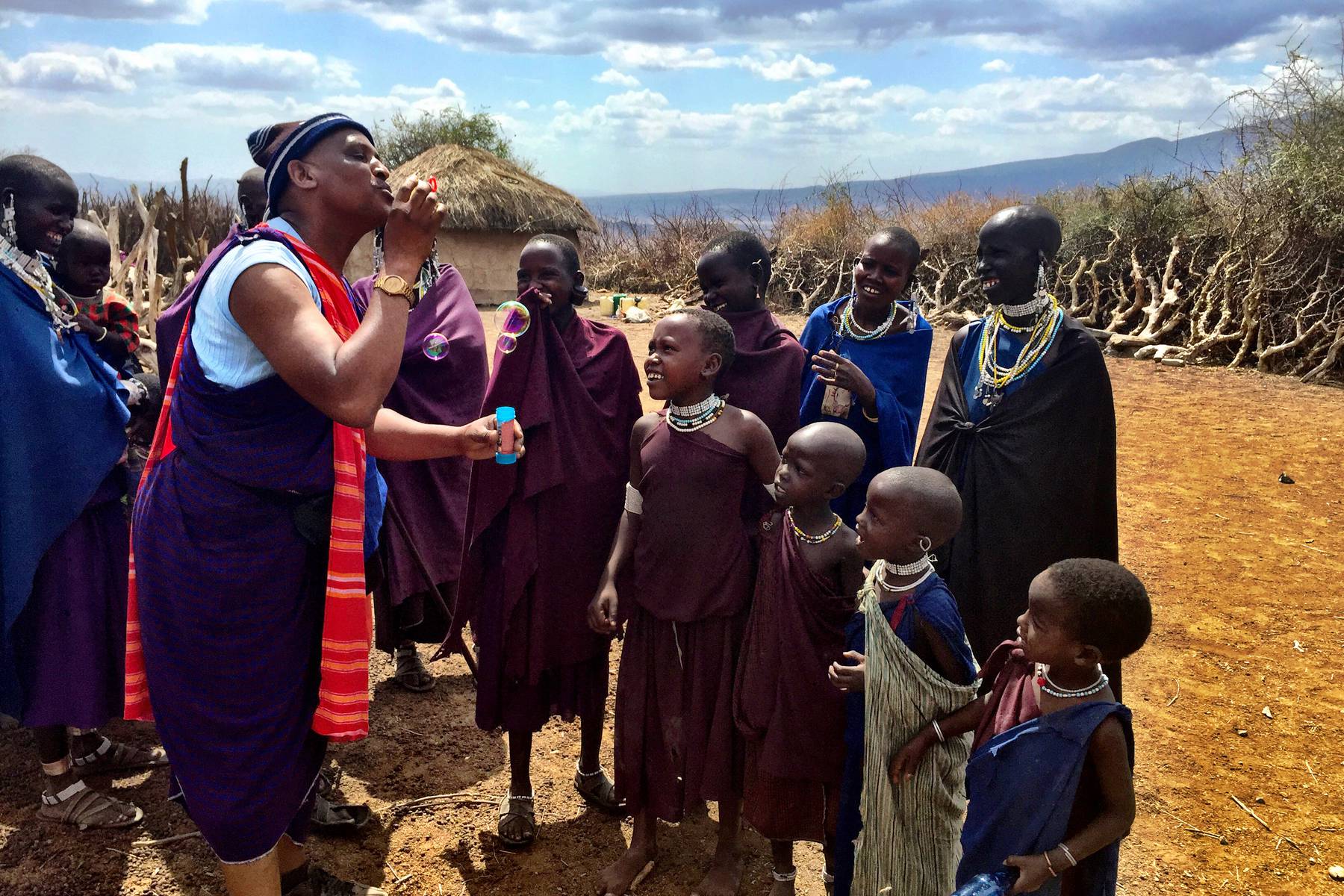
Reseledare Hamisi demonstrerar hur man blåser såpbubblor
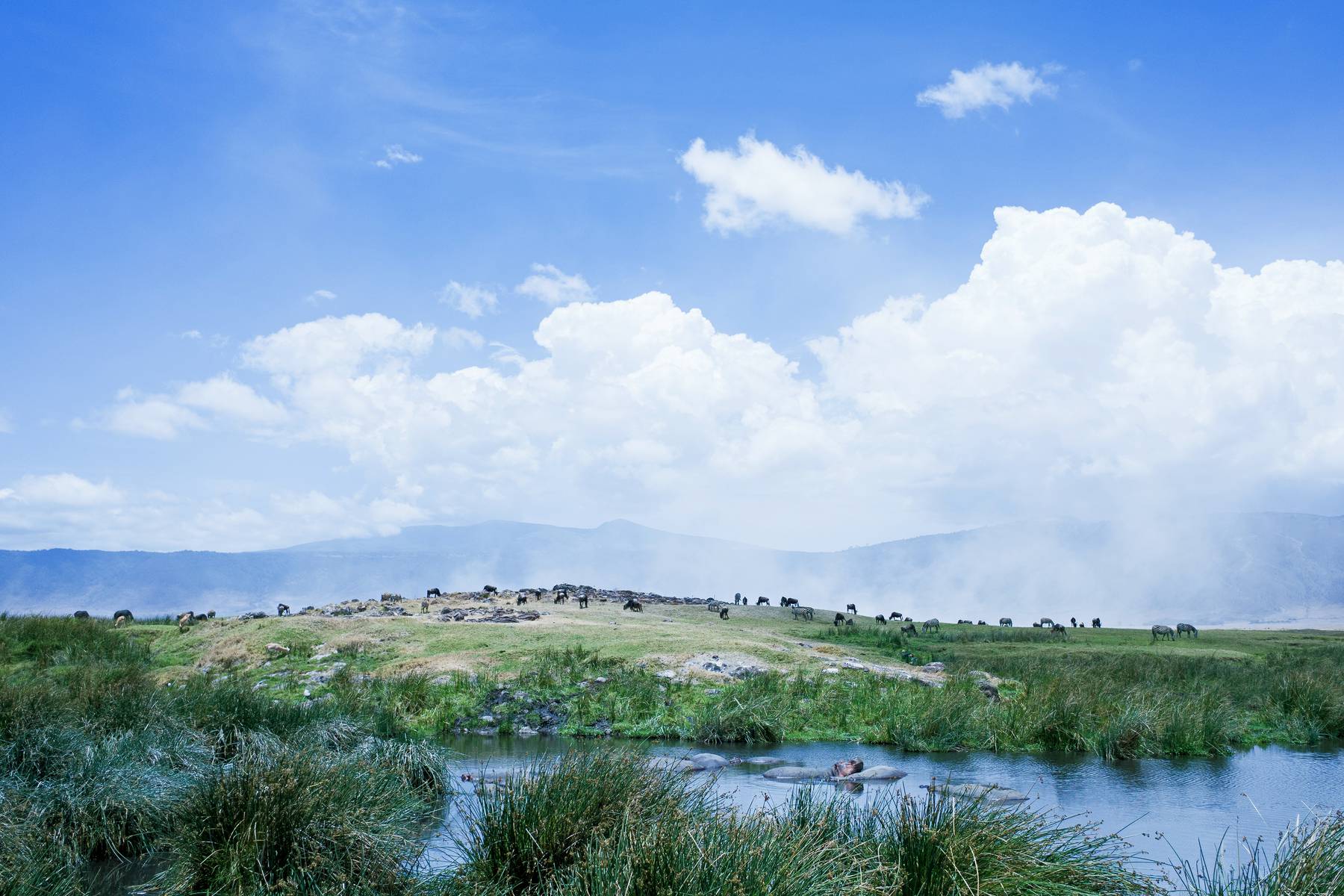
Flodhästar Ngorongoro
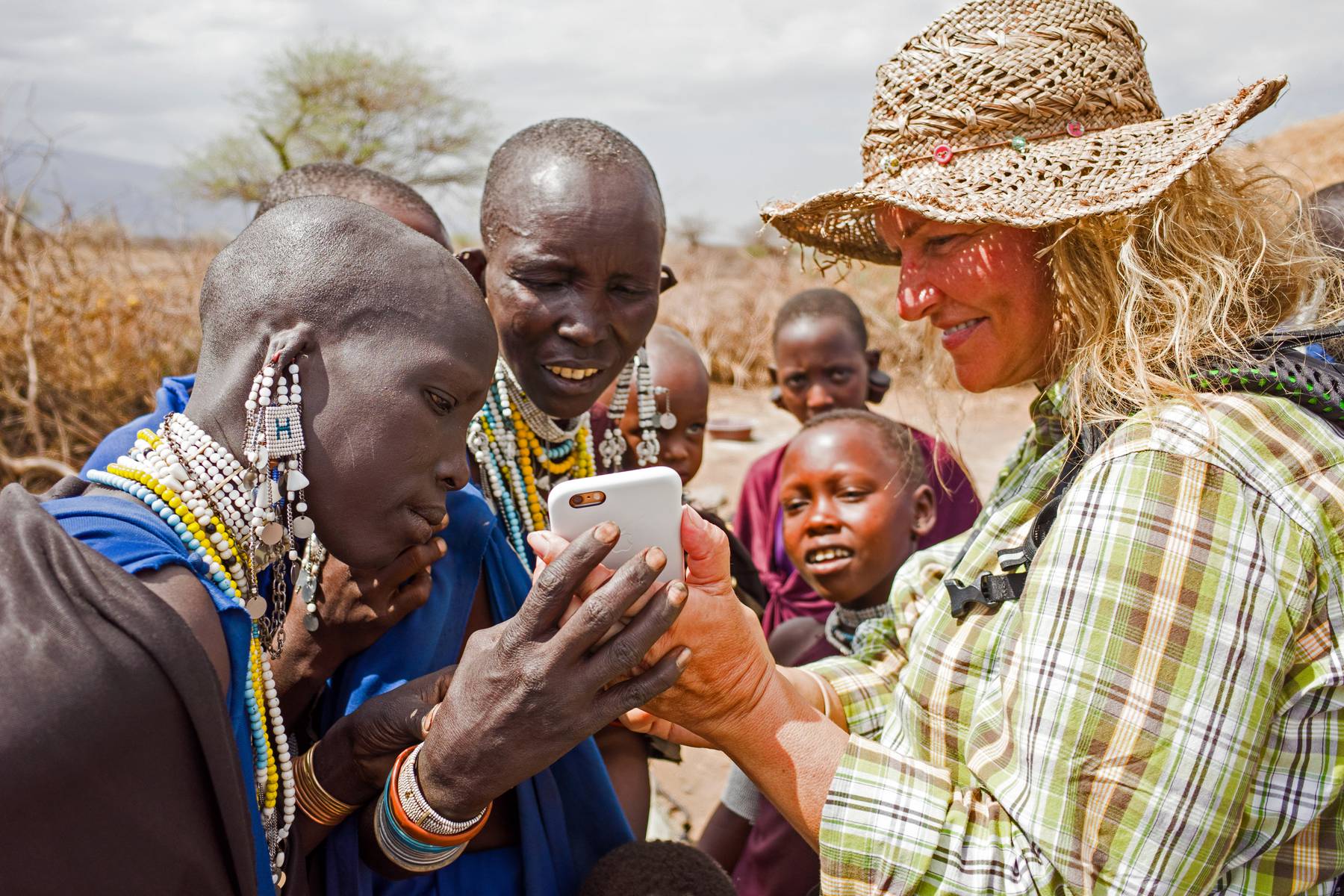
Mobilsamvaro vid boma i Massajland på Longido savannen
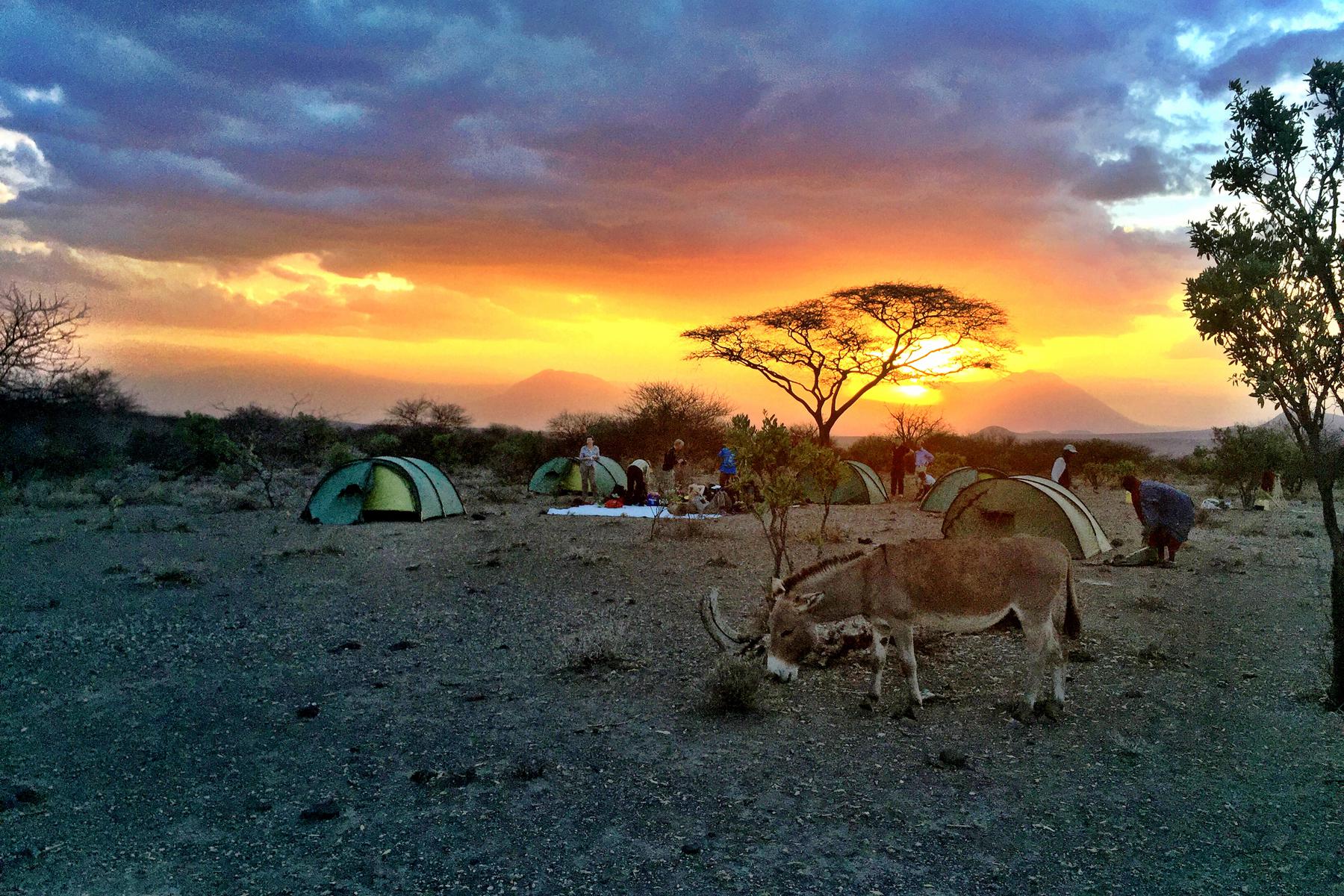
Första natten med massajerna
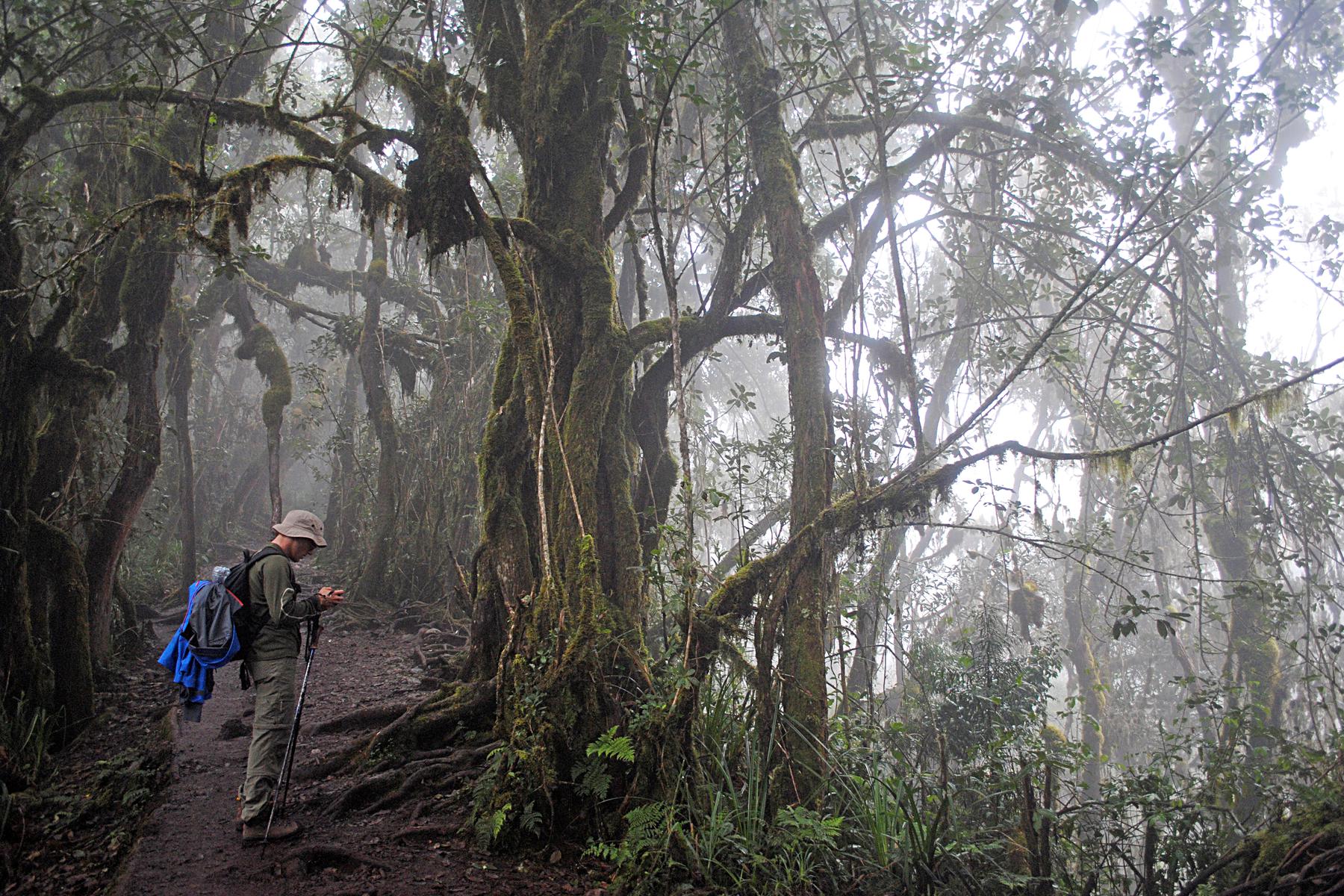
Molnregnskog på Kilimanjaro
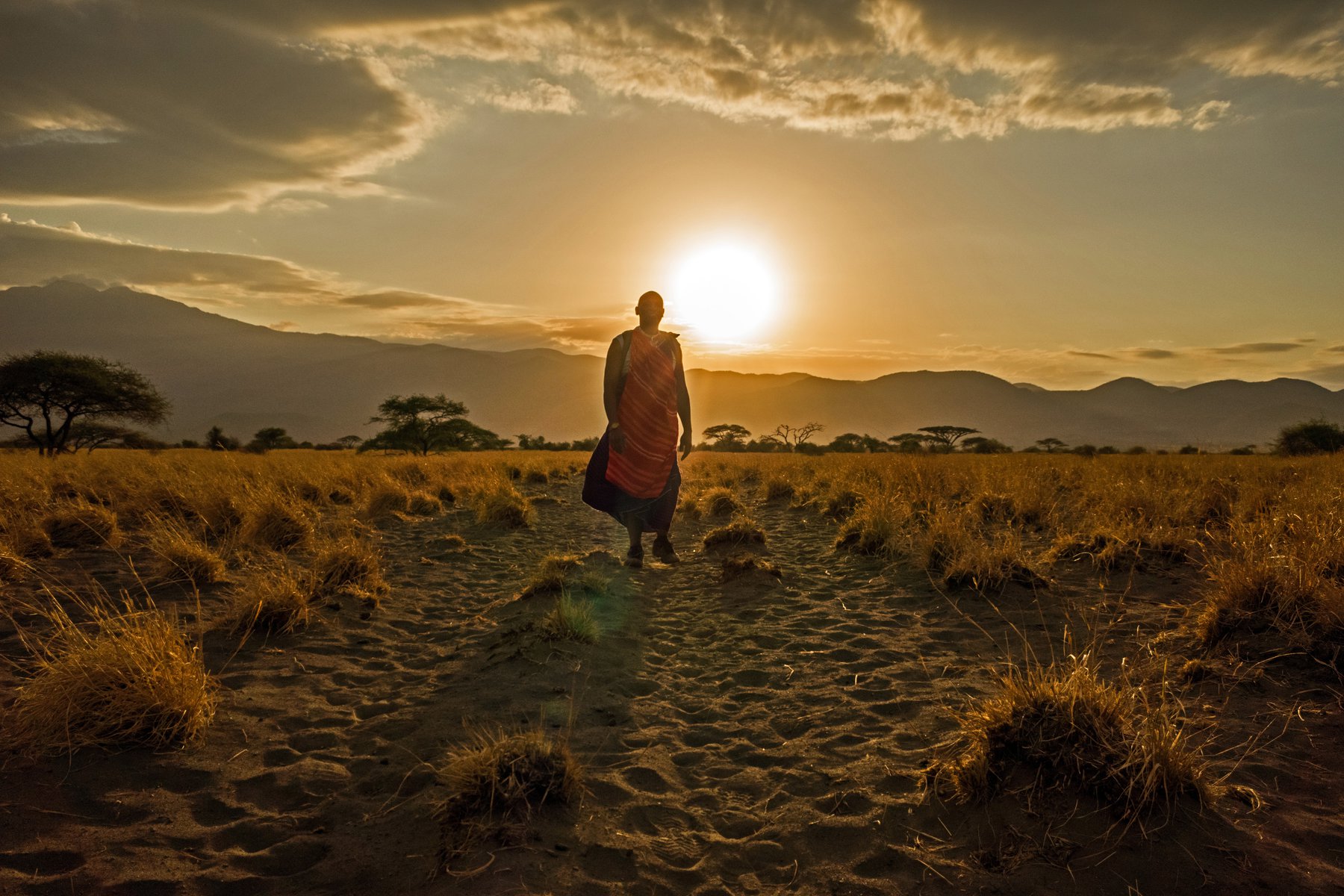
Reseledare Hamisi som massai i Riftdalen
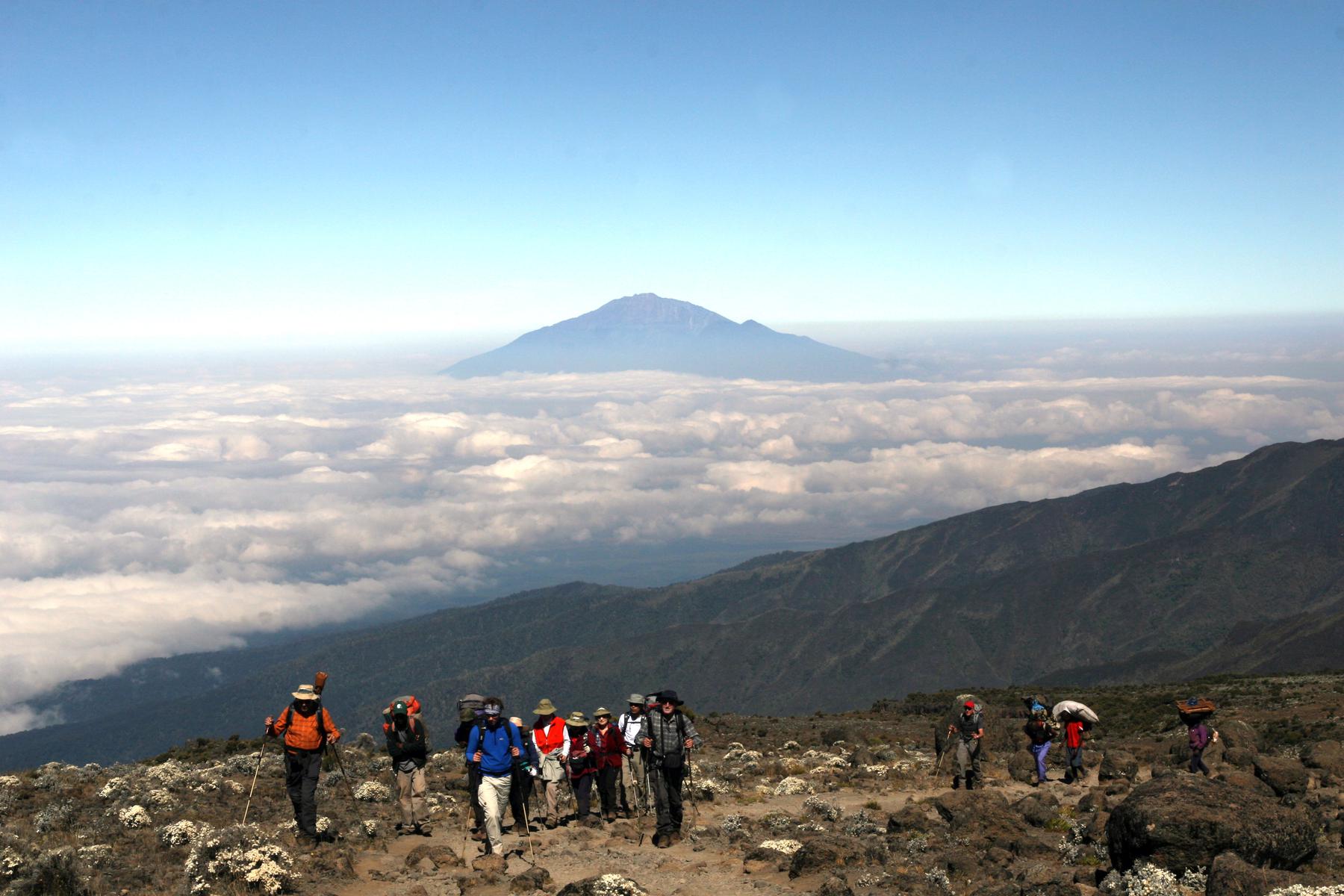
Mt Meru från Kilimanjaro
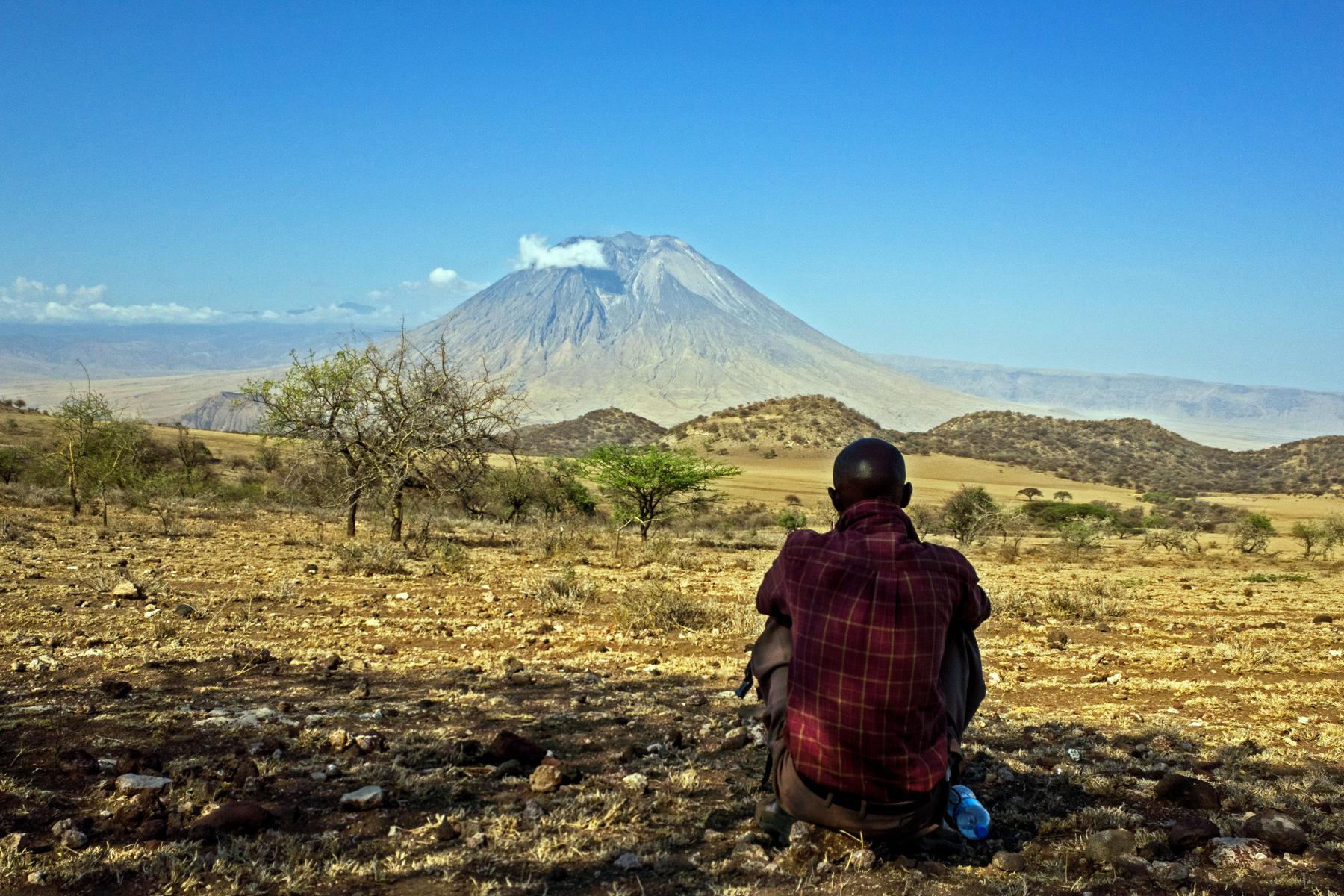
Willy Massaj vid Gudarnas berg
Dag 1 Arusha
Samling på vårt hotell i Arusha. Flygplatsen heter naturligtvis Kilimanjaro!
Dag 2-3 Tarangire och Ngorongoro
Med landcruiser till Tarangire nationalpark. Tarangire är en av de parker som har högst koncentration av vilda djur. Här kan du se mycket av den välkända östafrikanska faunan. Nästa morgon vidare till Ngorongorokratern som är ett av världens mest berömda naturområden. Djurlivet är överväldigande rikt året om eftersom vattentillgången är god i kratersjön. Ngorongorokratern är ett av landets åtta UNESCO världsarv.
Dag 4-7 Vandra med massajer
Buss till Longido som är centrum för massajer i Tanzania och Kenya. I fyra dagar vandrar du med massajer kring berget Longido. Du bär endast den packning du behöver för dagen. Gruppen slår läger utanför massajernas bomas. Längs vägen möter du massajer med boskapshjordar och en hel del djurliv. Det finns chans att seantiloper, gazeller, elefanter, gnuer, bufflar, zebror, giraffer och ett stort antal fåglar.
Dag 8-9 Arusha
Du återvänder till Arusha, denna gång för att vila och göra desista förberedelserna inför bestigningen av Kilimanjaro. Kilimanjaro är det andra av landets kulturarv som du besöker.
Dag 10-15 Bestig Kilimanjaro
Du följer Machame-leden mot toppen. Den valda leden är anpassad för att underlätta höjdanpassningen så att så många som möjligt skall nå toppen. Vandringen börjar i molnskog. Senare kommer du upp på alpina ängar med jättelobelior. Du når Uhuru Peak på 5895 meter,den högsta toppen i Afrika. Att bestiga Kilimanjaro är fysiskt krävande, så god kondition är nödvändigt. De flesta kommer dock upp! Övernattningar sker i tält.
Ordinarie resa att avslutas dag 16 i Moshi. Som tillägg på den ordinarie resan kan du då välja att fortsätta resan enligt programmet nedan. Resan blir då 22 dagar istället för 16 dagar.
Dag 16 Dar es-Salaam
Buss till Dar es-Salaam, landets största stad medomkring 3 miljoner invånare.
Dag 17-18 Bagamoyo
Vidare norrut med buss till Bagamoyo, en av de historiskt mest intressanta platserna längs Swahilikusten. Här startade karavanerna och utforskandet mot Afrikas inre. Senare en utskeppningshamn för elfenben och slavar samt huvudstad i Tyska Östafrika. När tidvattnet stigit tillräckligt seglar du understjärnorna med traditionell dhow till Zanzibar, eller Unguja som ön heter på Swahili.
Dag 19-21 Zanzibar
Ankomst till Zanzibar och Stonetown på morgonen.Under några dagar upptäcker du kryddornas ö och Afrikas kanske mest historiskt intressanta stad med dess vindlande gränder. Både själva ön och Stonetown specifikt är bägge världsarv. Ön har även en tragisk historia då det under 1800-talet såldes 100.000-tals slavar på öns slavmarknader. Ta del av den rika och mångbottnade historian såväl som den slående vackra naturen på ön.
Dag 22 Avslut i Dar es-Salaam
Snabb bärplansbåt tillbaka till Dar es-Salaam där resan avslutas.
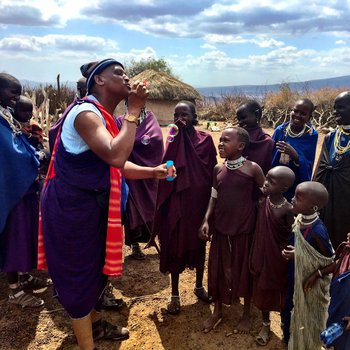
Hamisi är född 1964 och har arbetat för oss sedan 1999. Han har under många år arbetat med det nationella skogsprogrammet. Hamisi är en mycket erfaren och omtyckt reseledare som är allmänt kunnig och välinformerad om sitt land.
Flyg
Det är enkelt och prisvärt att flyga till Tanzania. Med exempelvis Ethiopian Airlines går det att flyga på utmärkta flygtider med priser från ca 5000 kr och uppåt. Flygplatsen utanför Arusha heter Kilimanjaro International Airport (flygplatskoden är JRO). Det går utmärkt att flyga hem från Dar es-Salaam där resan avslutas. Många väljer dock att stanna några extra dagar på Zanzibar och flyga hem därifrån (flygplatskoden är ZNZ). Att flyga till en destination och hem från en annan kallas för "Open-Jaw". Det är enkelt att boka en "Open Jaw"-biljett på exempelvis www.flygresor.se. Du kan även kontakta oss för att få tips inför din flygbokning eller för att bli hänvisad till vår samarbetspartner för flygbokningar.
Utrustning
Följande är ett förslag på vad som kan vara bra att ta med på resan "Vandra i Tanzania". Syftet med listorna är att du inte ska glömma bort något väsentligt. Urvalet gör du sen själv med ditt sunda förnuft. Allt är inte nödvändigt och det är en stor fördel att resa med lite bagage. Mycket finns att köpa i Tanzania, men inte speciell friluftsutrustning.
Vi föreslår att du packar i en stor ryggsäck, med en liten ryggsäck som handbagage och för dagbruk under vandringarna. Under bestigningen av Kilimanjaro vandrar du i stenig/grusig terräng därför är stabila vandringskängor/skor, gärna höga över anklarna, en nödvändighet (under resan för övrigt är träningsskor eller sandaler utmärkt). Vidare blir det kallt speciellt på kvällarna och sista natten upp till toppen. Det gäller därför att gardera sig med varma och extra kläder att ta på sig efter en svettig dag. Du behöver också vara beredd på regn.
Under bestigningen av Kilimanjaro bär du själv enbart vad du behöver under dagen, vilket åtminstone inkluderar extra tröja, mössa, handskar, regnplagg, vatten och lite snacks. Packningen bärs av bärare.
När du vandrar på savannen bär du också enbart vad du behöver under dagen, vilket naturligtvis bör vara väsentligt mindre. Packningen bärs av mulåsnor. Har du en ryggsäck med ram måste du också ta med en stor säck för din packning, eftersom ramen kan skada djuren.
Räkna med att bli rejält smutsig under vandringen på savannen. Vatten att tvätta sig i finns inte tillgängligt, så utrusta dig med ordentligt med våtservetter, desinfektionsmedel (alcogel) och skavsårsplåster.
Enkla liggunderlag (om du inte har ett som du föredrar) och tält behöver du inte ha med - det finns på plats. Myggnät klarar man sig utan, men ger naturligtvis ett extra skydd.
All packning som inte behövs under respektive vandring lämnas på ett hotell. Endast nödvändig packning tas med. Bagaget bör inte väga mer än 15 kg - helst mindre!
- Sovsäck (bör klara -15 / -20 grader) OBS! Detta är en rekommendation inte ett måste. Det går med en lättare sovsäck, mycket kläder och reselakan om man inte är särskilt frusen. Avgör själv! Det går att hyra sovsäck (men sällan liggunderlag) på plats i Arusha för en kostnad av ca 25 USD för de sex dagarna på Kilimanjaro. De sovsäckar vi har sett har sett rena och fräscha ut. Enkla liggunderlag (våra) finns på plats. Vill du ha ett bekvämare (tex uppblåsbart) får du ta med eget.
- Reselakan (för de varma nätterna samt för eventuell extravärme i sovsäcken)
- Stadiga skor att vandra i, till exempel vandringskängor eller 'multisport skor' (under toppförsöksdagen rekommenderas starkt stabila kängor som går över ankeln)
- Regnkläder som skyddar hela kroppen, inklusive huvudet, det vill säga jacka och byxor (ev. poncho som även täcker ryggsäcken)
- Dubbla underställ (2 par, ev. fleece underställ, gardera dig för kyla ner mot -20 grader på natten)
- Slitstarka strumpor, helst för flera ombyten
- Vindtäta (fjäll/vandrings) byxor att vandra i
- Vind- och vattentät jacka (med kapuschong rekommenderas)
- Vantar (gärna vindtäta)
- Mössa (gärna 2 st med olika tjocklek)
- Vandringsstavar (Har du inte med kan du hyra på plats för ca 10 USD)
- Vattenflaska (vattenbehållare av typen 'camelback' rekommenderas starkt. Dessa är lätta att dricka ur medan du vandrar och är mycket bra att ha under toppförsöket)
- Långärmad skjorta, långbyxor
- Solglasögon (får gärna täcka en stor del av synfältet)
- Eventuellt en kikare
Vid bestigningen av Kilimanjaro kan du endast lämna 10 kg till bärarna.
Hälsa
Besök vaccinationscentralen i god tid, helst en dryg månad före avresa eftersom vissa malariaprofylax bör påbörjas tre veckor innan avresa. Rådgör ändå med din vaccinationsläkare - omständigheter kan förändras snabbt. Men det är alltid du som avgör vilka vaccinationer du skall ta (förutom sådant som är obligatoriskt).
Om du har stämpel i ditt pass från ett annat land med gula febern, då måste du ta med bevis för att du tagit vaccination mot gula febern.
Ytterligare Hälsoråd
För att må bra är det viktigt att man dricker mycket vätska när det är varmt. Vatten på flaska finns att köpa överallt. Kokosnötsmjölk går också bra att dricka. Extra salt på maten eller salttabletter kan behövas i svår värme. Försök också att undvika drag och luftkonditionering. Använd solskyddskräm och solhatt, främst vid kusten.
Förkylning och lite magproblem bör du nästan räkna med. Några goda råd för att radikalt minska risken för svårare magåkommor är att alltid dricka kokt eller buteljerad vätska och aldrig äta okokta eller oskalade grönsaker. Dessutom har det visat sig vara lätt att få halsont och nästäppa på höga höjder. Ha därför med halstabletter och näsdroppar. Det är också lätt att bli nedkyld, då temperaturen växlar kraftigt. Några konkreta råd:
- Ät väl tillagad mat. Bäst är små restauranger som har mycket besökare, hög omsättning och därmed oftast färska råvaro
- Drick kokt vatten eller vatten på förseglad flaska Vatten finns att köpa på flaska nästan överallt. Obs om du kokar vatten på hög höjd tar det längre tid för alla bakterier att försvinna
- Handhygien. Var noga med att tvätta händer före måltider. Det finns inte alltid vatten att tillgå så våtservetter kan vara bra att ha med sig, eller t.o.m. alcogel som finns receptfritt på apoteket.
Du skall under hela resan försöka skydda dig mot myggbett, som kan ge malaria. Ta på dig långbyxor och långärmad skjorta på kvällen, använd myggmedel, undvik parfym eller aftershave och använd de myggnät som finns på samtliga av resans inkvarteringar. Det är viktigt att känna till malariasymptomen: huvudvärk, illamående, hög feber och svettningar, ledvärk, nack- och halsont.
Under resan möter du ny kultur såväl som fattigdom.
Höjdsjuka
För att hantera höghöjdsanpassningen så bra som möjligt skall du vara noga med följande:
Symtom för lindrig höjdsjuka kan vara huvudvärk, trötthet, aptitlöshet eller illamående. Dessa lindrigare former av höjdsjuka ska behandlas med vila och eventuell huvudvärkstablett. Om symtomen inte släpper kan det betyda att du måste komma ner till en lägre höjd. Fortsätt aldrig uppåt till högre höjder om du har symptom på lindrig höjdsjuka. Att trotsa symtom på lindrig höjdsjuka kan vara mycket farligt! Det kan leda till allvarligare symtom såsom kraftigare huvudvärk, kräkningar, orienteringssvårigheter, medvetslöshet eller krampanfall. Eller i värsta fall döden! Rådgör med reseledaren om du inte mår bra.
- Att inte vandra i ett för högt tempo. Gå lugnt och ta paus ofta. Detta gäller särskilt i början av vandringen. Om du inte tar det tillräckligt lugnt inledningsvis kommer det förmodligen att straffa sig med höjdsjuka senare under vandringen. Avgörande för om du skall lyckas komma upp på toppen är att anmarschen sker långsamt och att du är van att vandra. Däremot betyder inte den den fysiska prestationsförmågan och åldern så mycket som man skulle tro. Förmågan till höghöjdsanpassning är mycket individuell. En elitidrottsman kan mycket väl bli omgången av en grupp äldre damer.
- Att dricka mycket vätska. 3-4 liter per dag kan behövas, det underlättar anpassningen. Ibland underlättar det också att äta mindre portioner mat än vanligt. Ät i stället lite oftare.
- Inte dricka alkohol eller använda sömnmedicin
- Ge dig och dina gruppkamrater tid för anpassning. Att man känner sig fräsch är inte alltid bevis för att man är anpassad. Symtomen kan komma i efterhand om man har för bråttom. Alla anpassar sig inte lika fort. Stressa inte på någon annan.