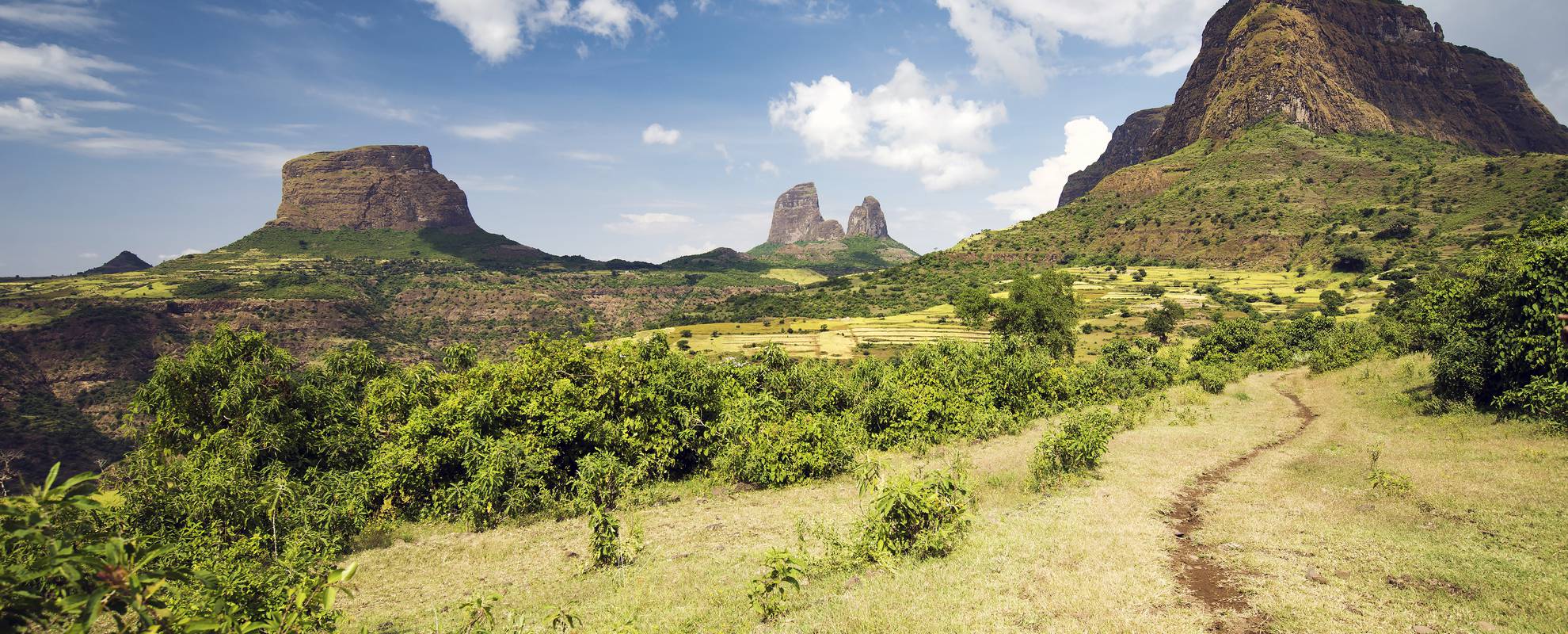

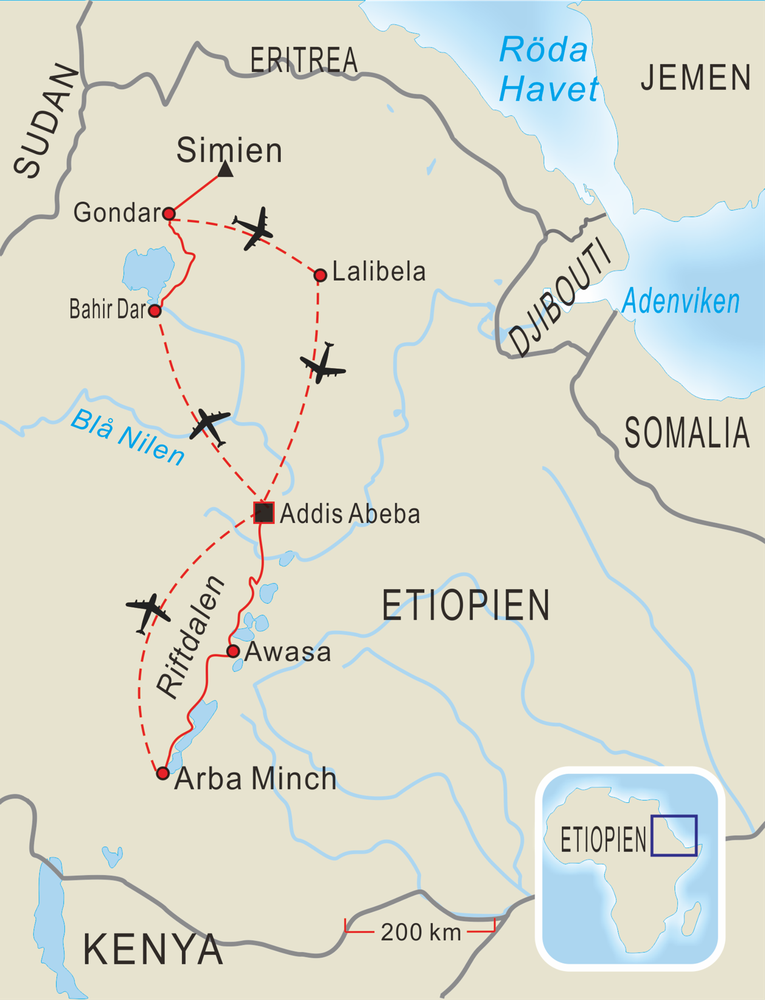
Stora delar av Etiopien har ett dramatiskt landskap med höga berg och djupa dalar. Du reser söderut längs Rift Valley, till Arba Minch, beläget vid en av de vackra sjöarna där det kryllar av djur. Därefter upplever du höglandet och fem dagars vandring i Simienbergen, Afrikas tak. Här kommer du nära djurlivet som är känt från BBC-serien Planet Earth. I världsarvet Lalibela häpnar du över klippkyrkorna och gör en unik tvådagarsvandring i bergen.
Resedetaljer
| Dag | Program |
|---|---|
| 1 | Addis Abeba |
| 2 | Ner genom Rift Valley |
| 3-4 | Arba Minch & Lake Chamo |
| 5-6 | Möten hos Dorzefolket |
| 7 | Flyg till Bahir Dar |
| 8-9 | Kloster, palats och änglakyrkor |
| 10-14 | Vandring på Afrikas tak |
| 15 | Klippkyrkorna i Lalibela |
| 16-17 | Vandring från Lalibela |
| 18-19 | Addis Abeba |
- Kvalificerad reseledning
- Informationspaket med utvald litteratur och karta
- Samtliga transporter under resan
- Inrikes flygplatsskatt och samtliga obligatoriska avgifter
- Del i dubbelrum eller annan inkvartering under resan (övernattning i tält ingår i resan)
- Mat under vandringen i Simienbergen
- Samtliga utflykter och aktiviteter ingåendes i resplanen
- Nationalparksavgifter till samtliga nationalparker enligt resplanen
- Lokala guider och tolkar enligt resplanen
- Samtliga formella tillstånd
- Utrustning (tält och liggunderlag)
- Dricks till lokala guider, tolkar och chaufförer vid aktiviteter enligt resplanen
- Internationellt flyg till/från resmålet
- Måltider som ej nämns ovan
- Utflykter och aktiviteter utanför resplanen
- Visum (erhålls vid ankomst för ca 50 USD)
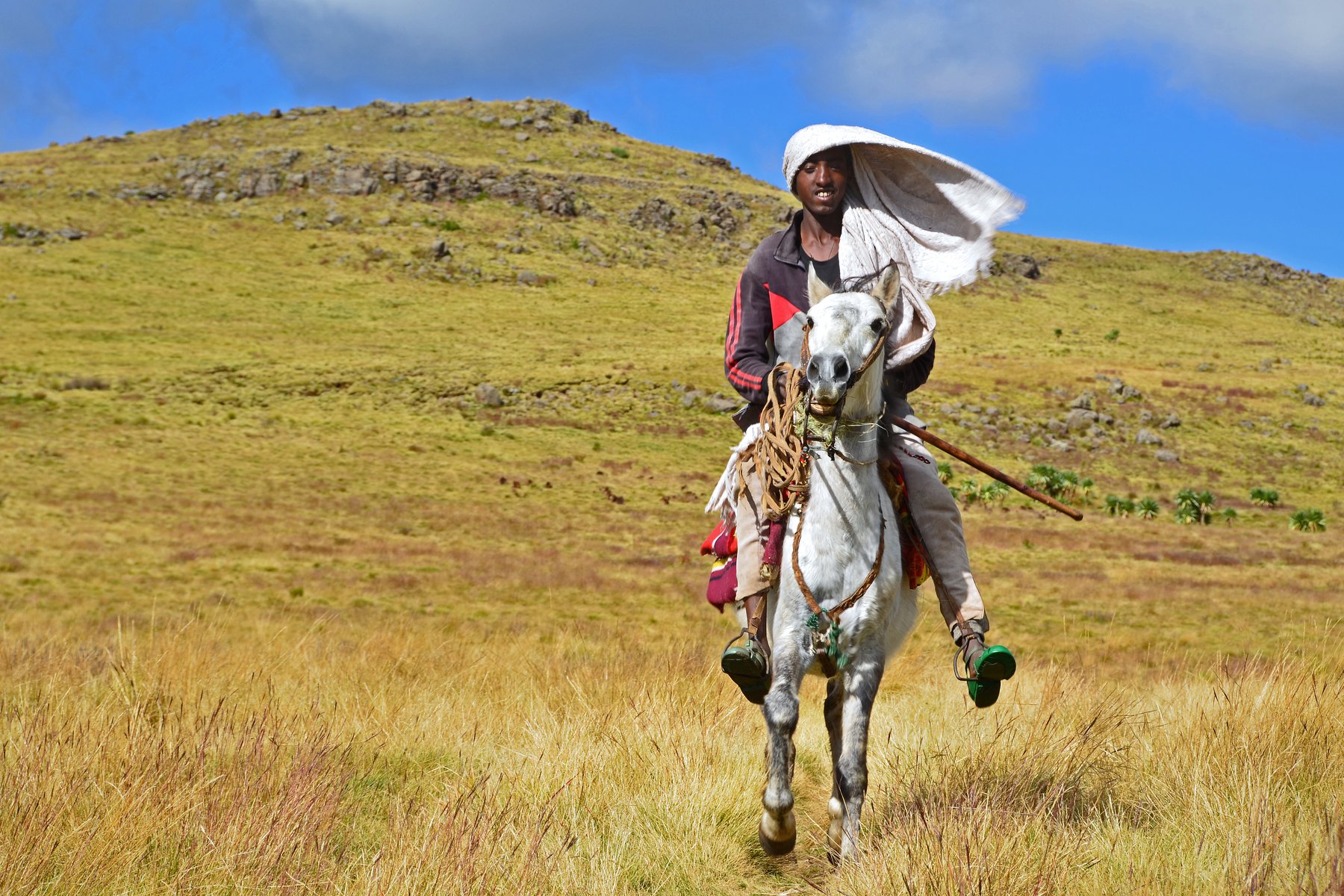
Möten under vandringen
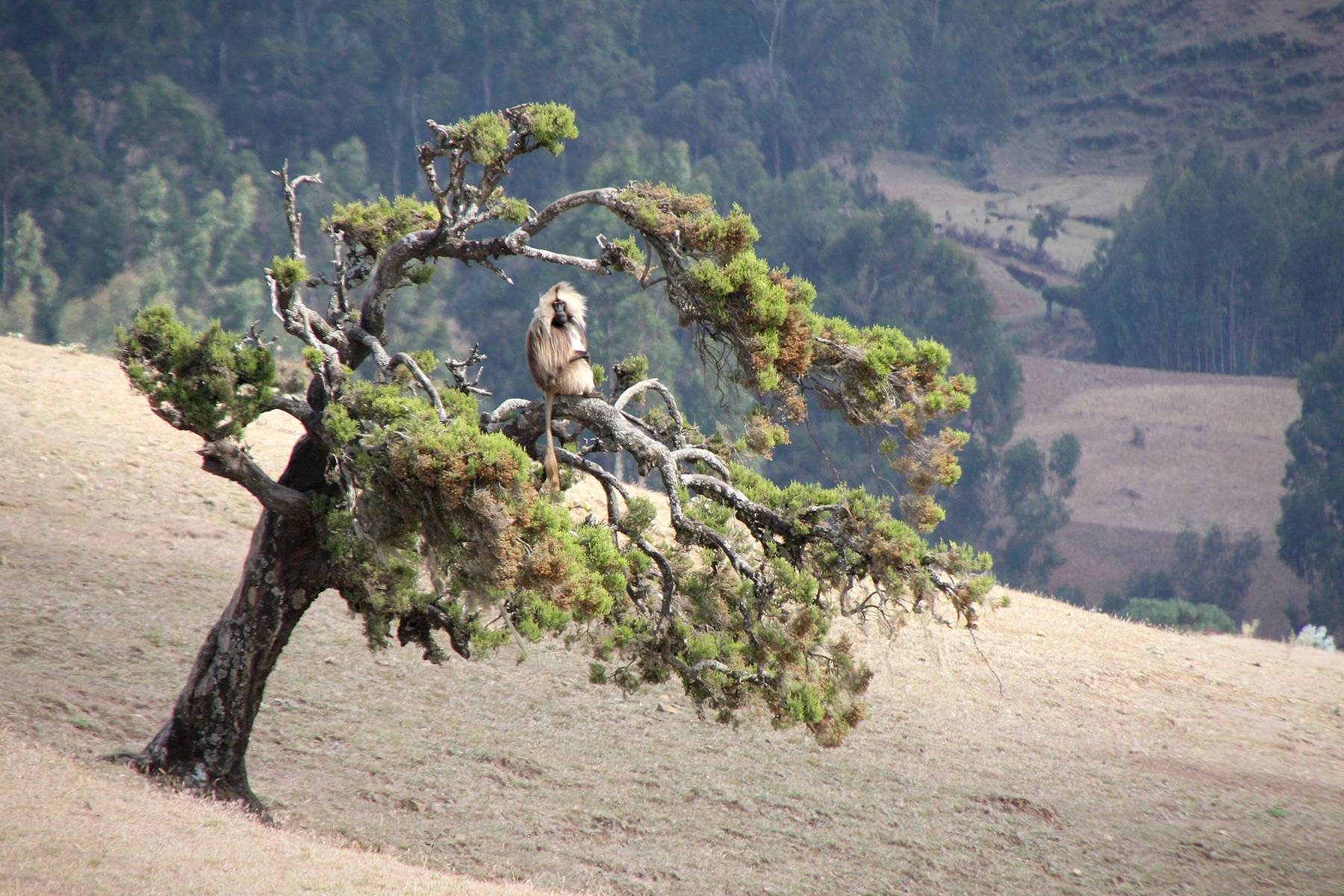
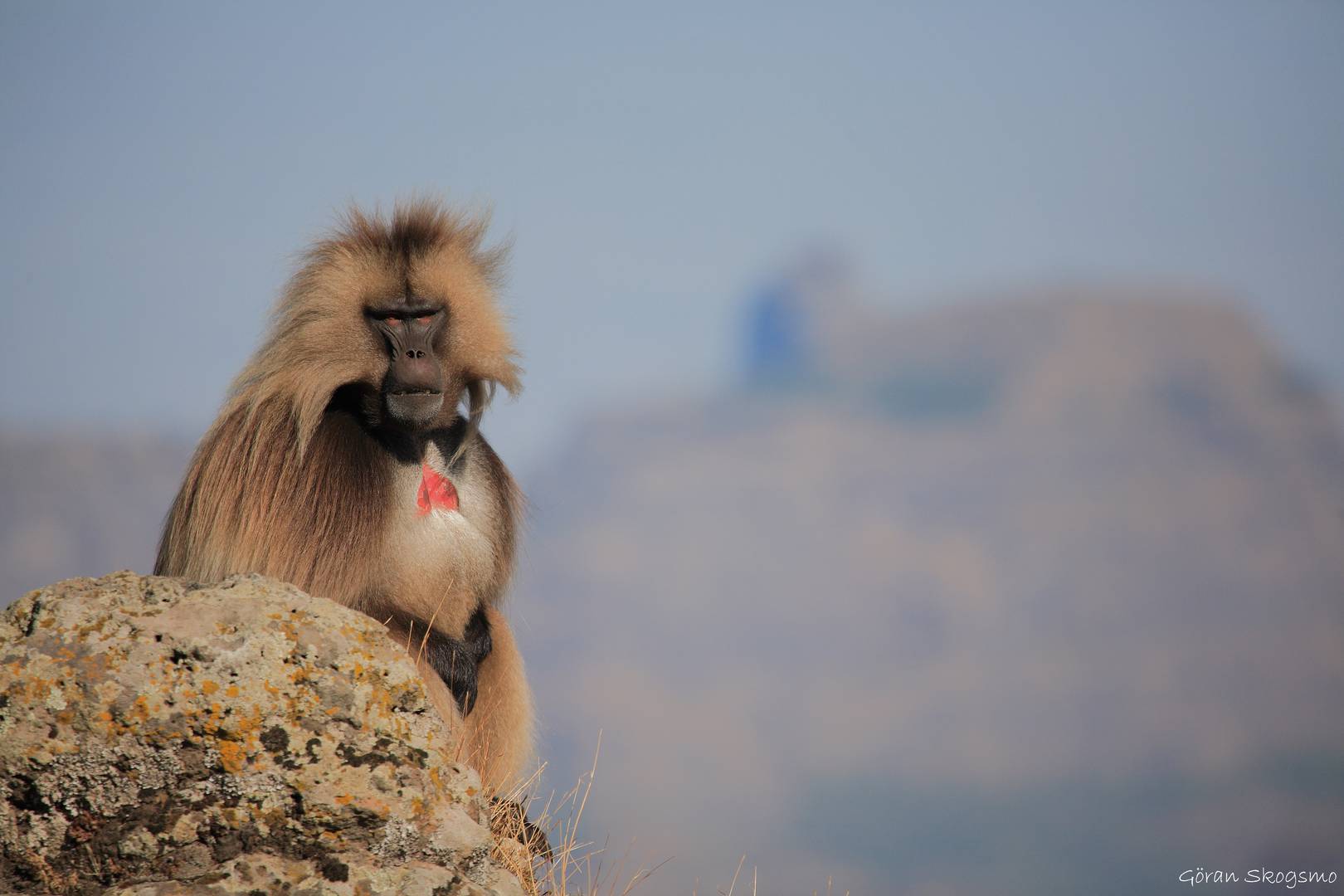
En Gelada håller uppsikt över vandrare i Simienbergen
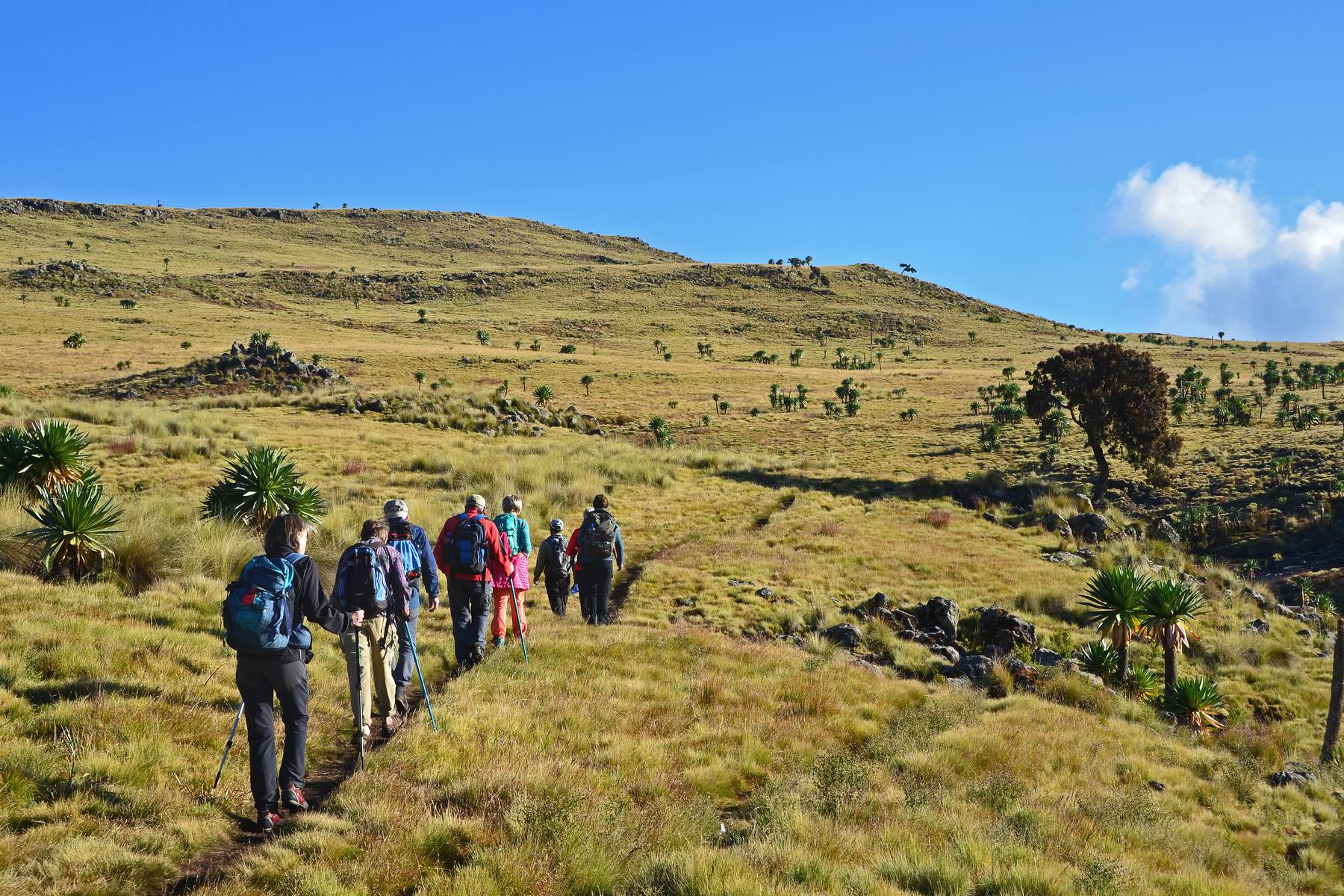
Omväxlande vandring
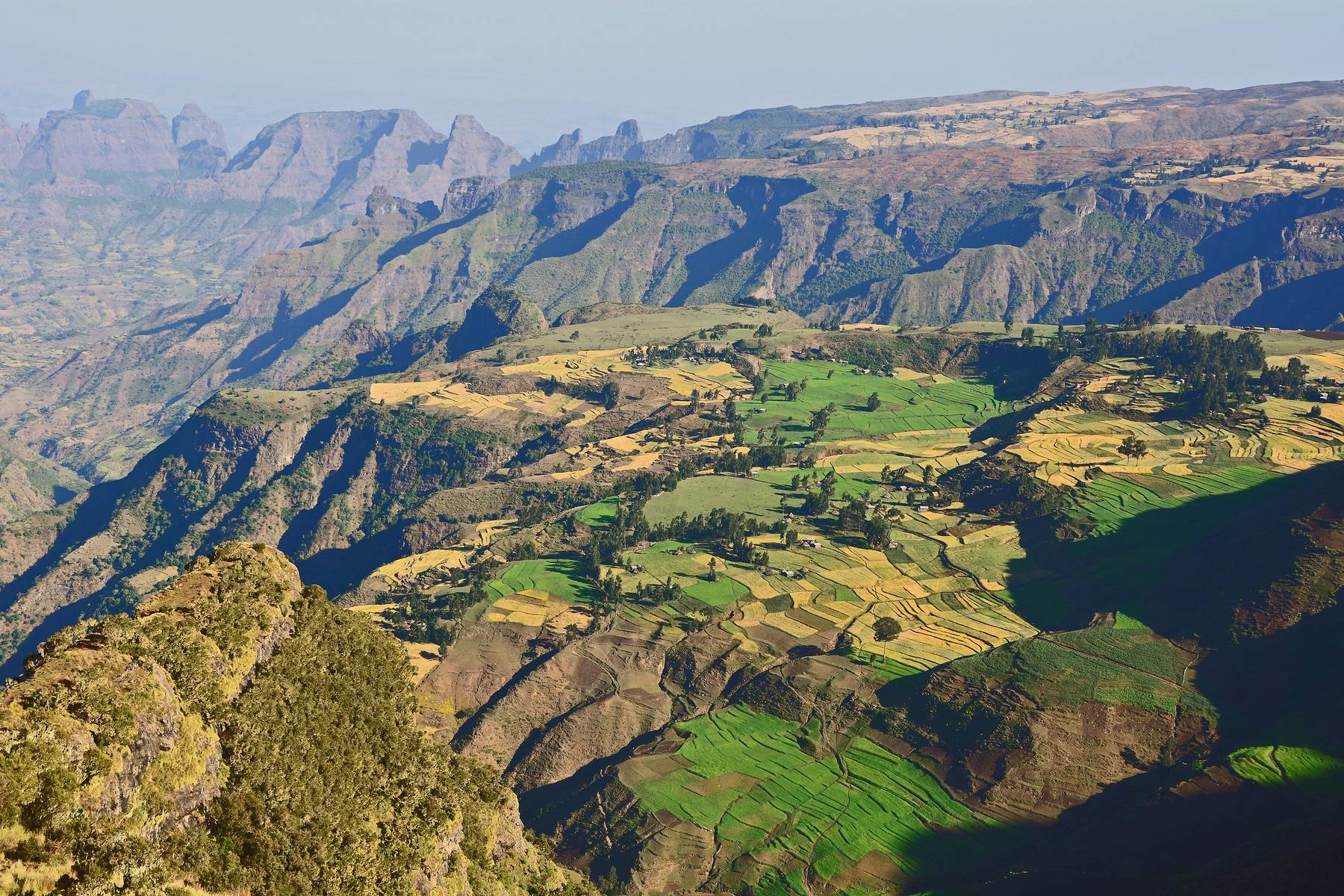
Stanna och njut av utsikten under vandringen
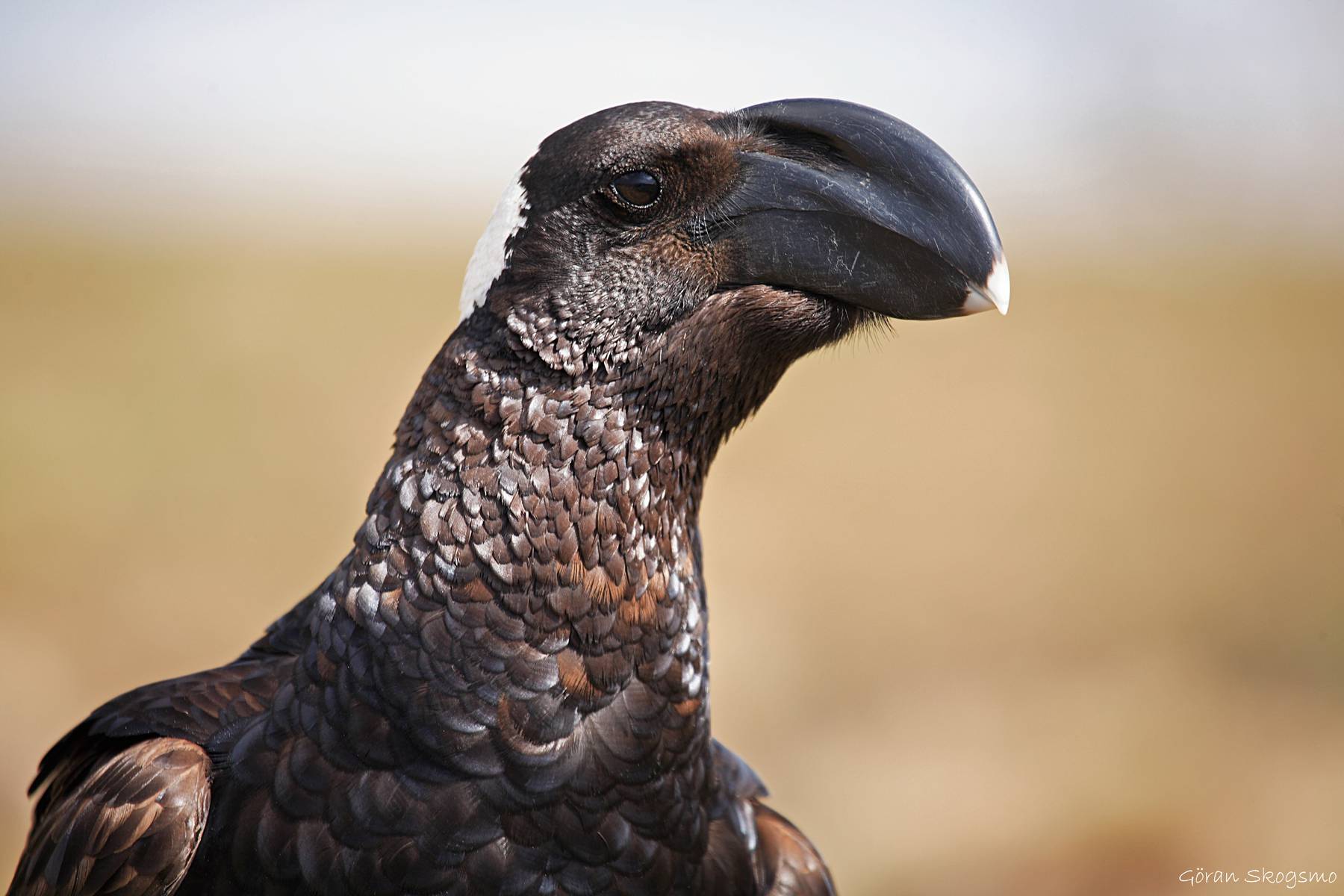
Korp i Simienbergen
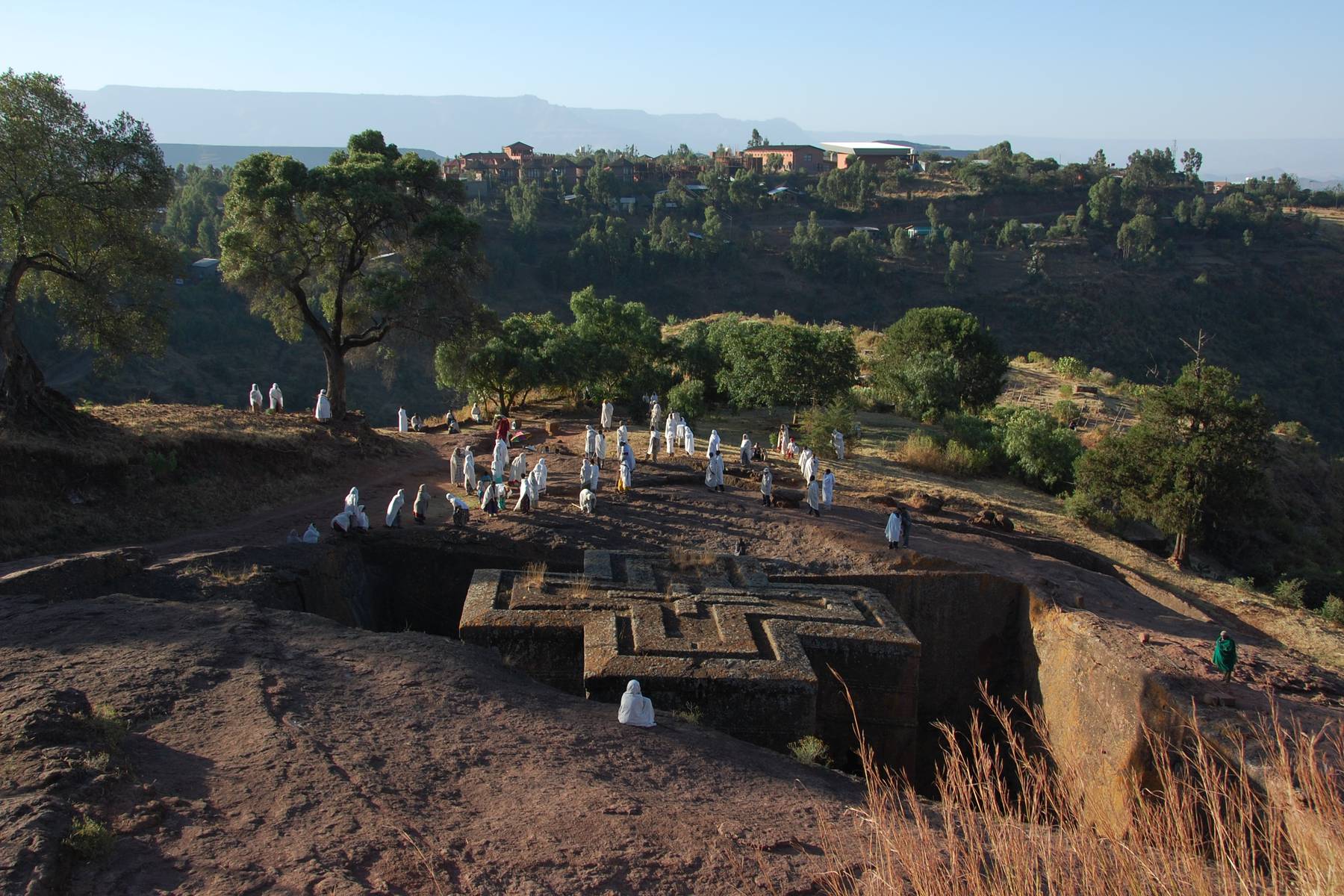
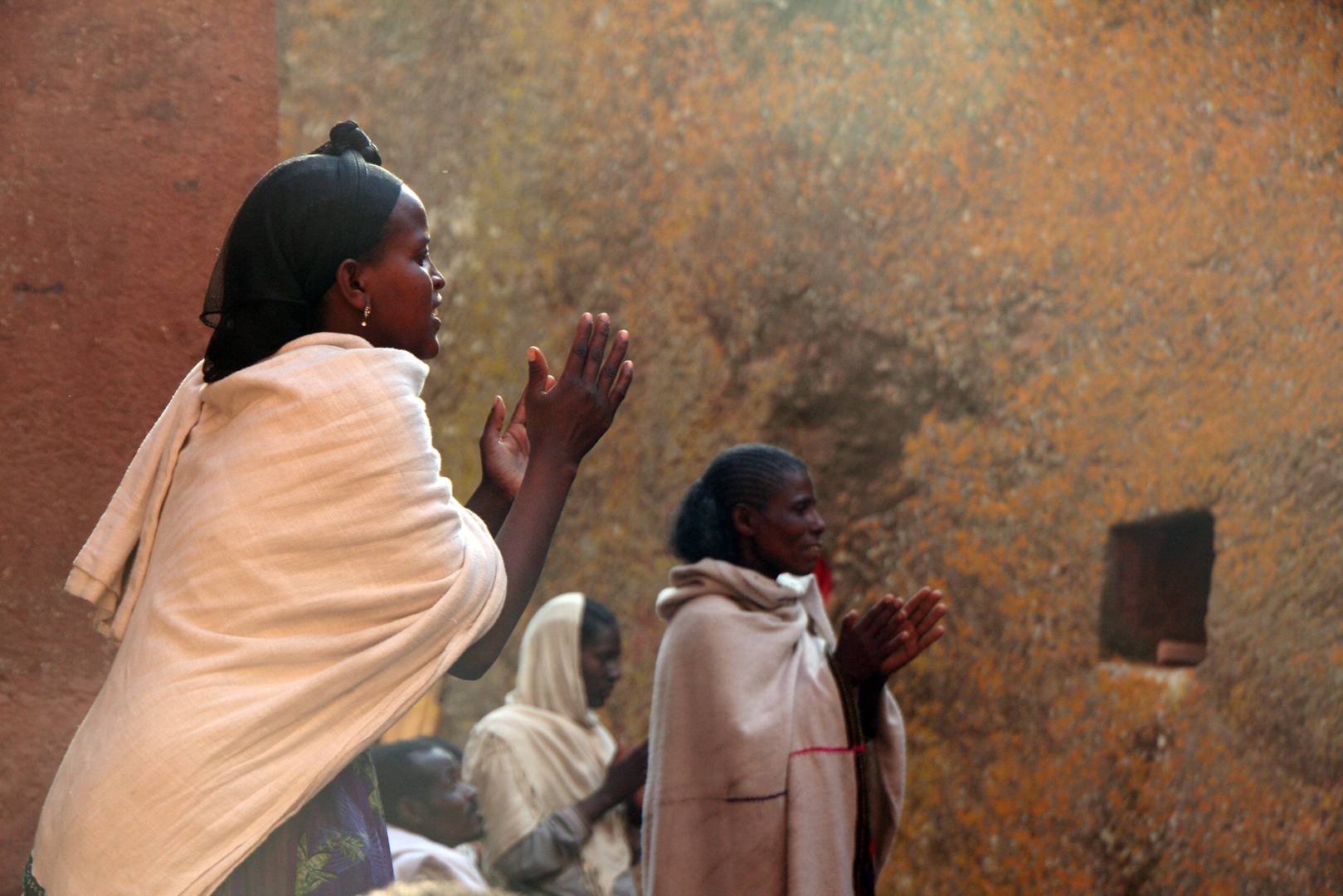
Lalibela söndag morgon
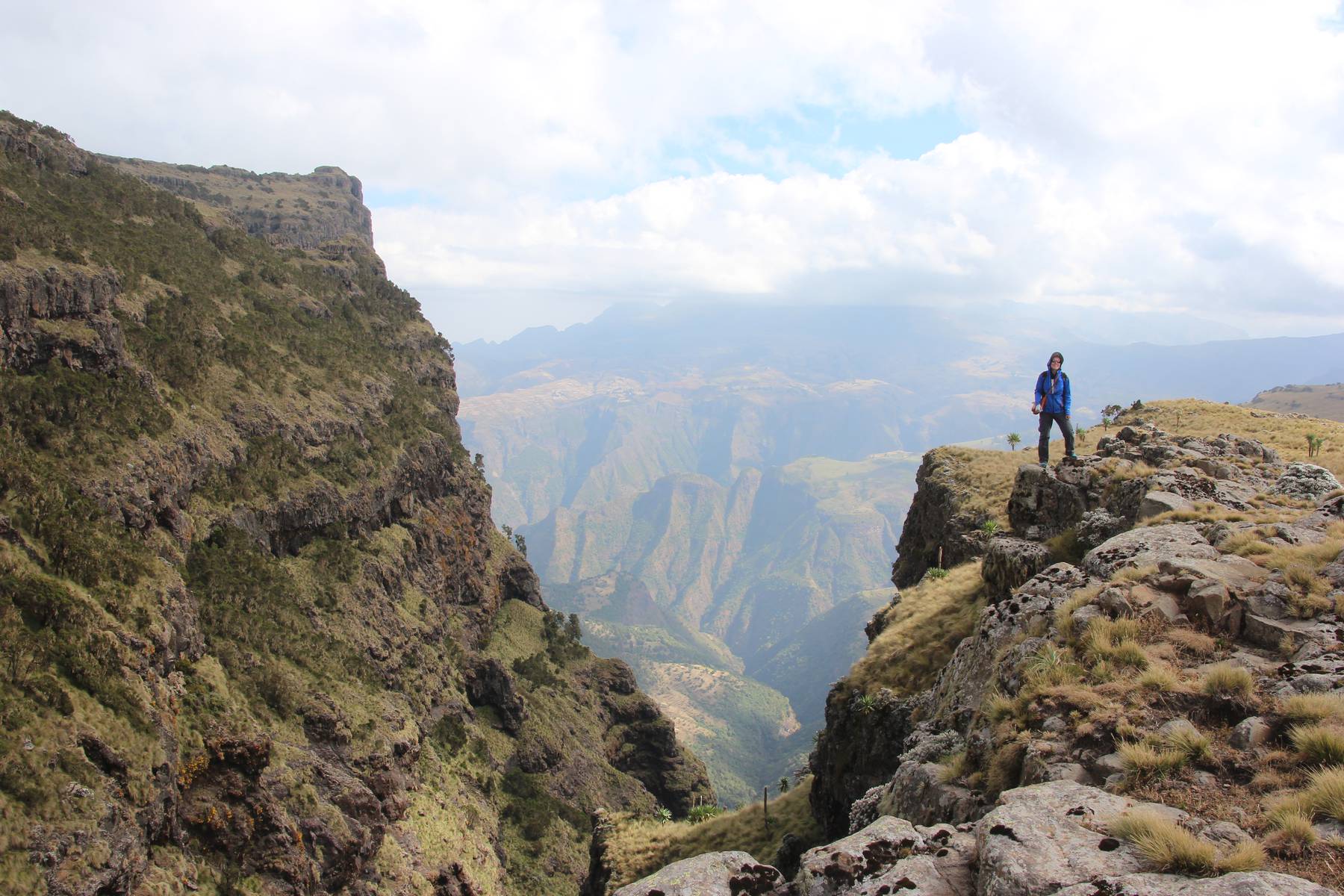
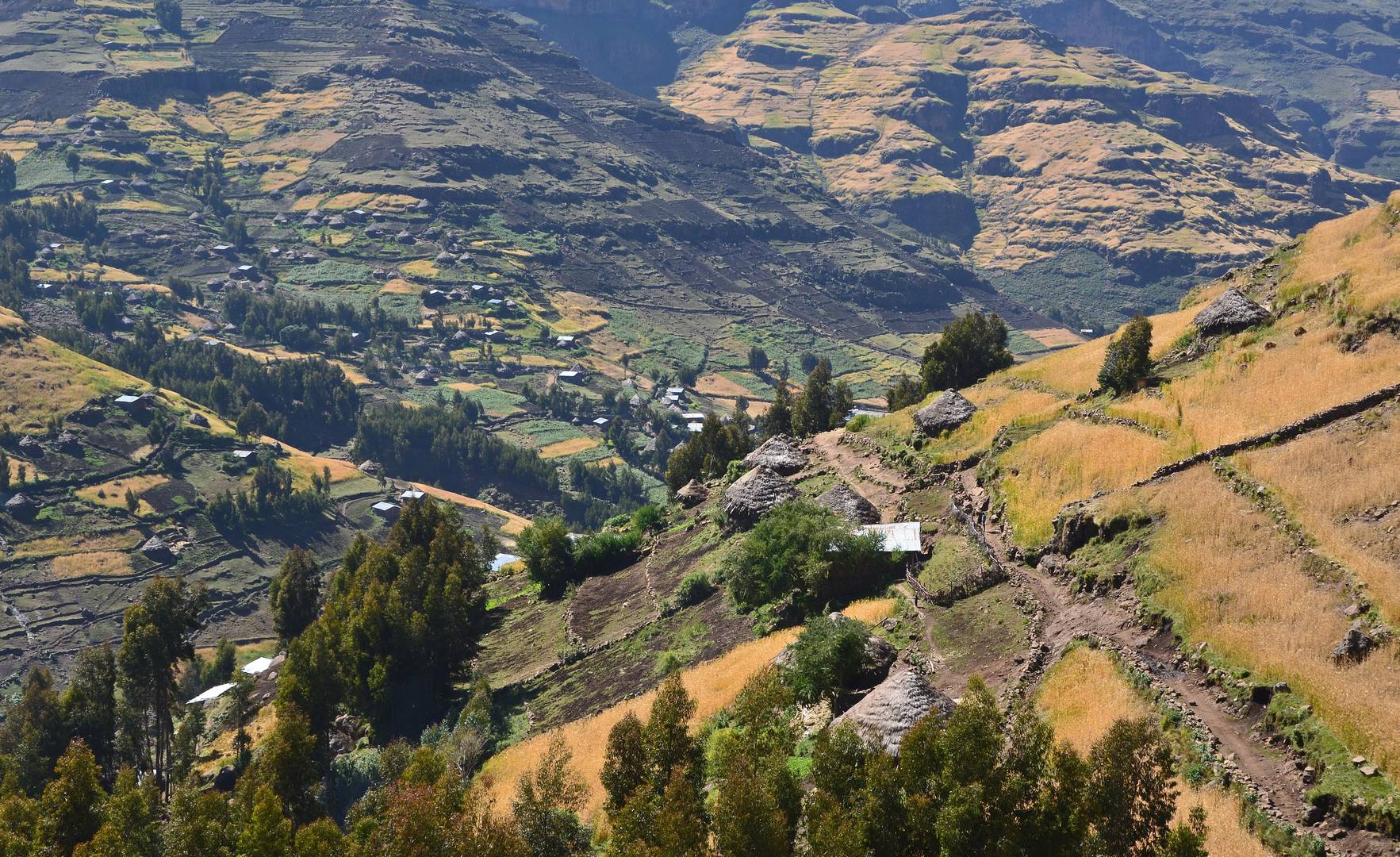
Under vandringen i Simienbergen får du många fantastiska vyer
Vandring i högländska Simienbergen
Gonder i Etiopien
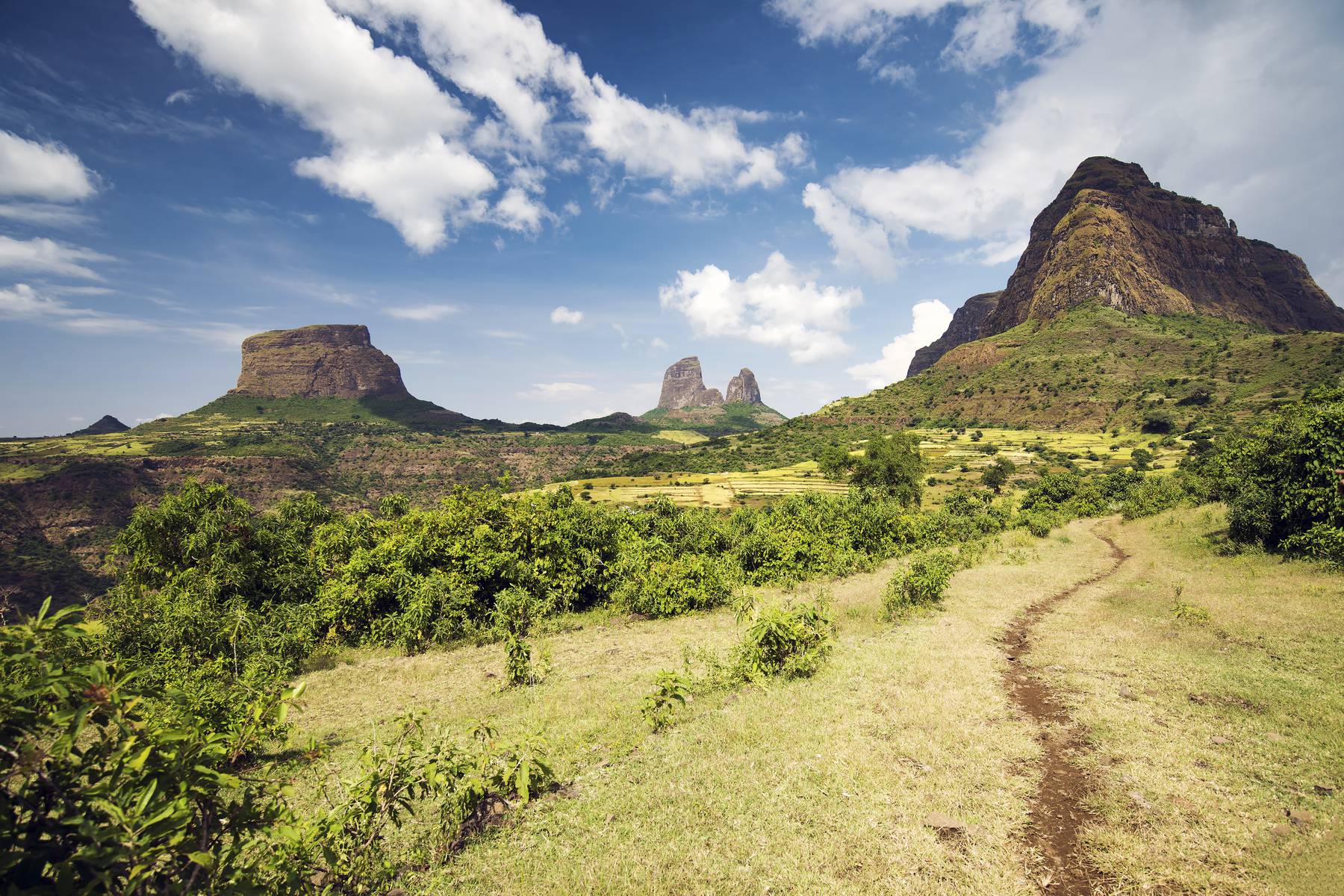
Fantastisk vandring i Simienbergen
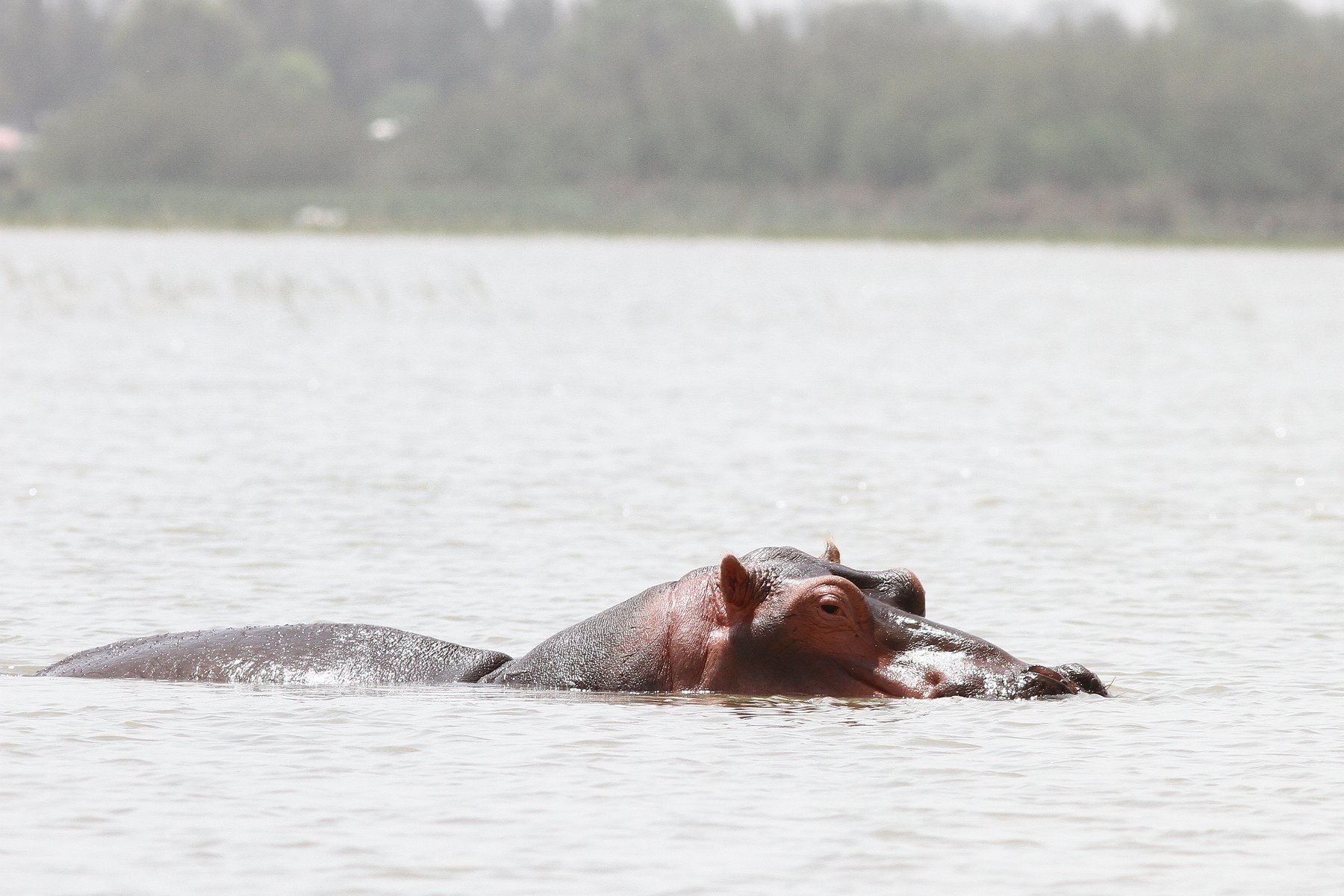
Flodhäst i Lake Chamo
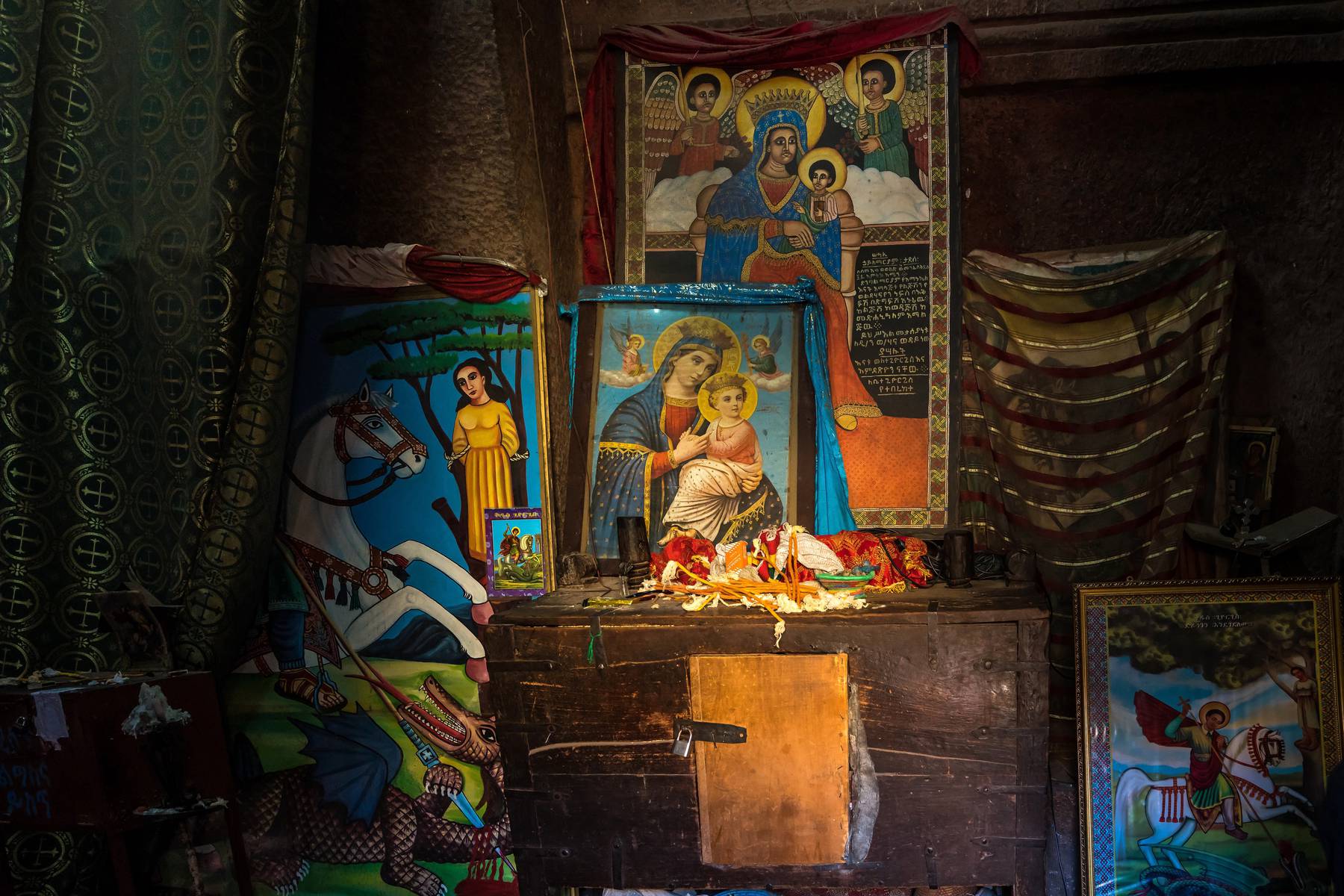
Besök vid Lalibela
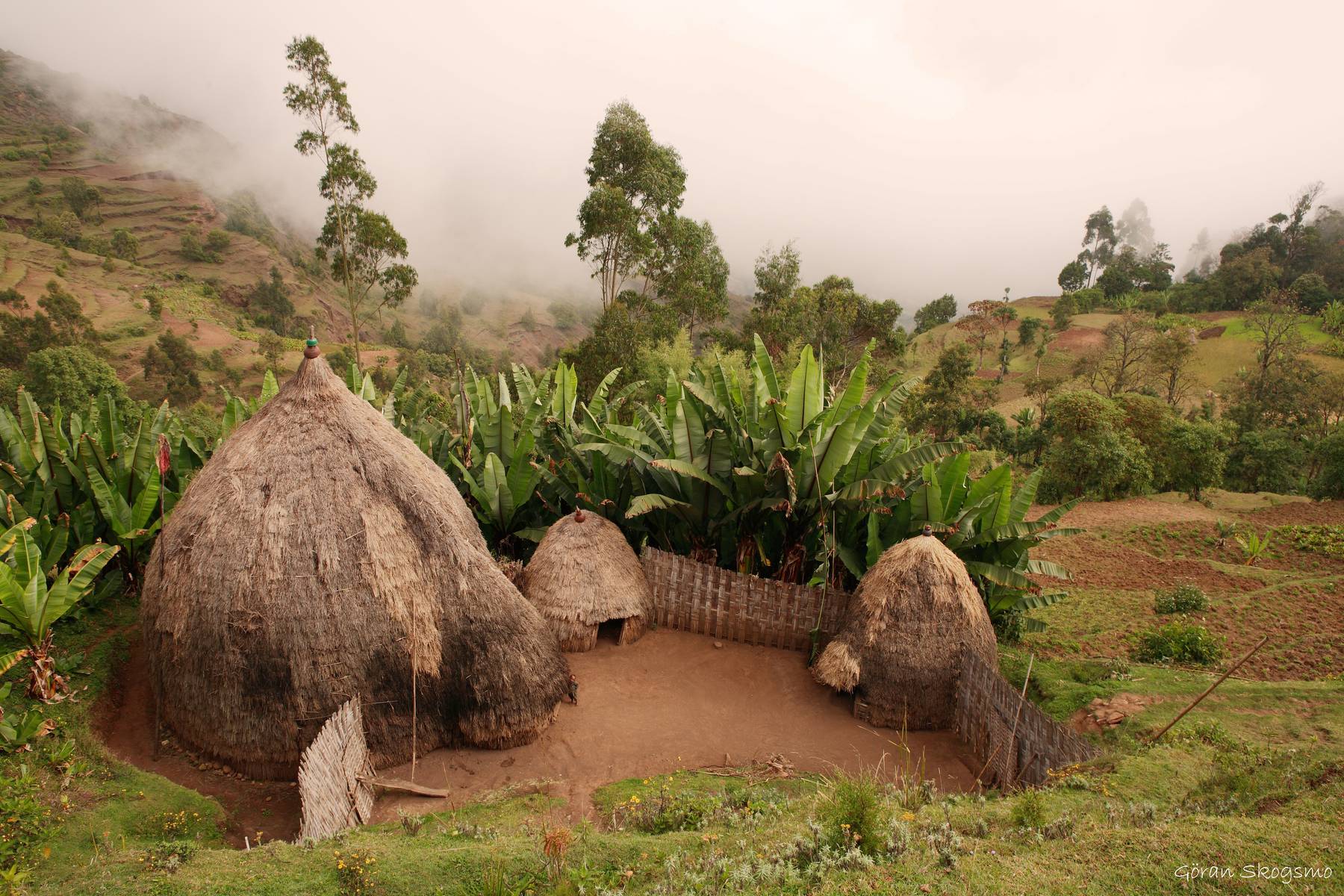
Solla
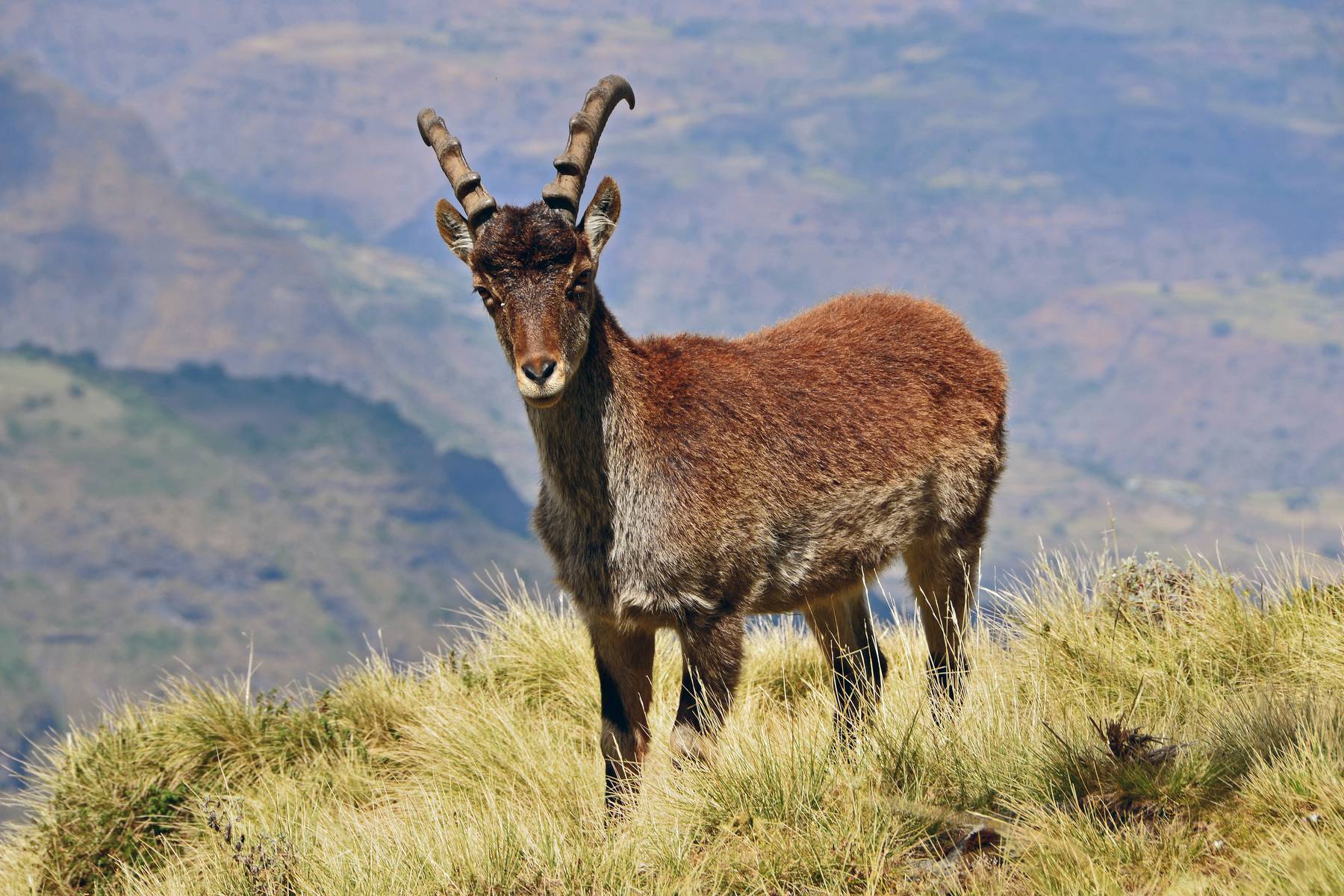
Har du tur ser du en Walia Ibex
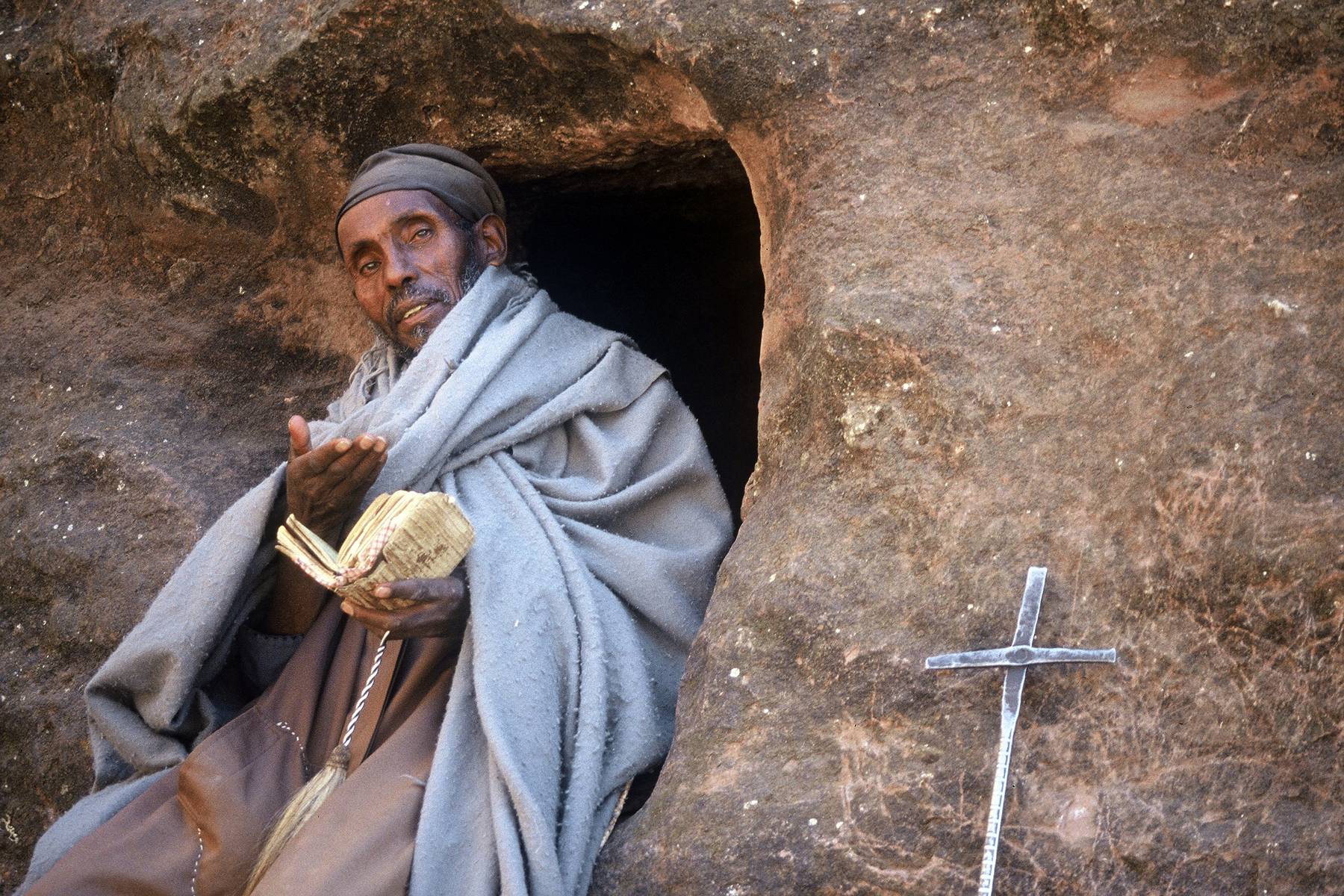
Munk i Lalibela
Dag 1 Addis Abeba
Samling på hotellet i Addis. Etiopiens huvudstad är en stor och utspridd stad, belägen på 2300 m.
Dag 2 Ner genom Rift Valley
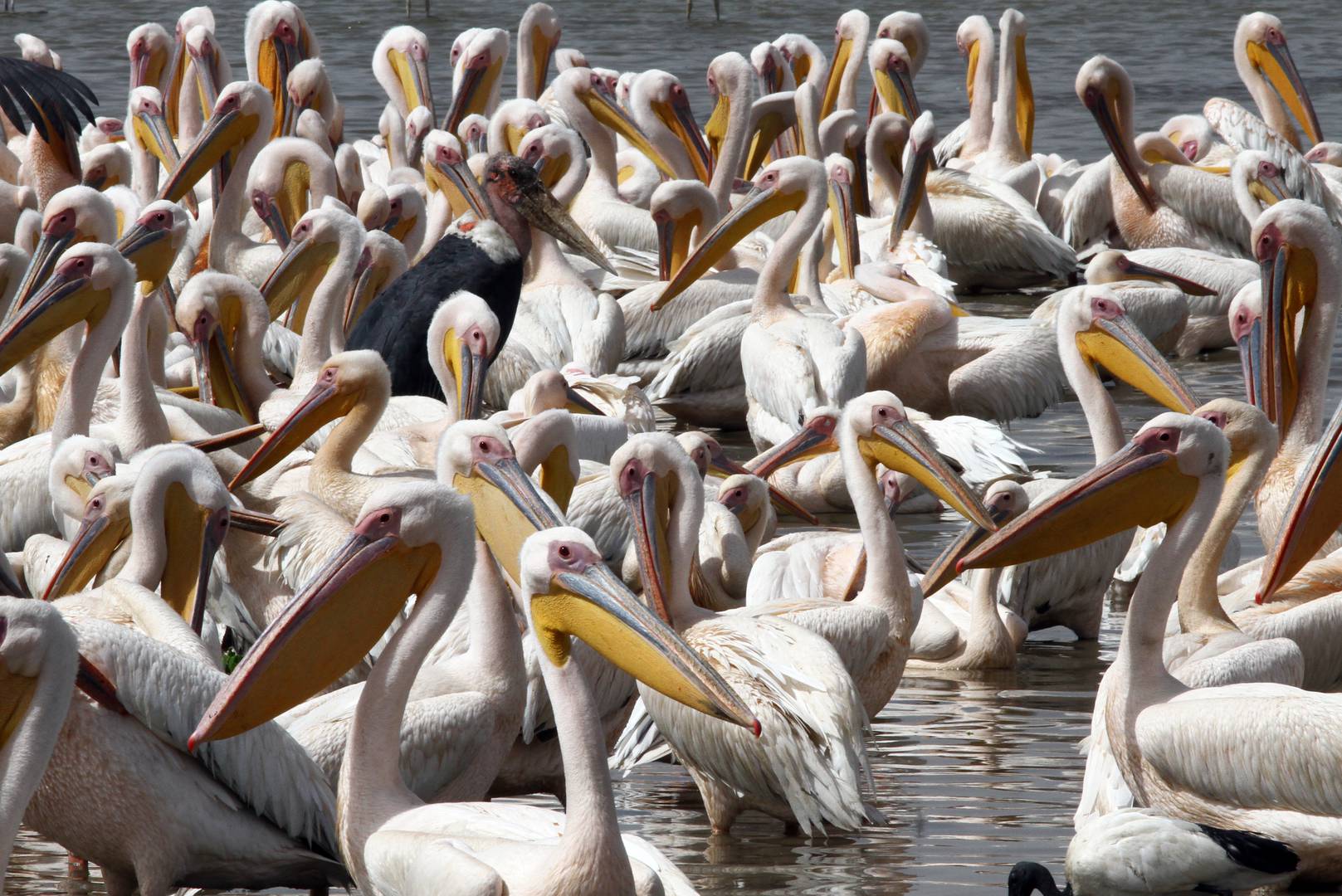
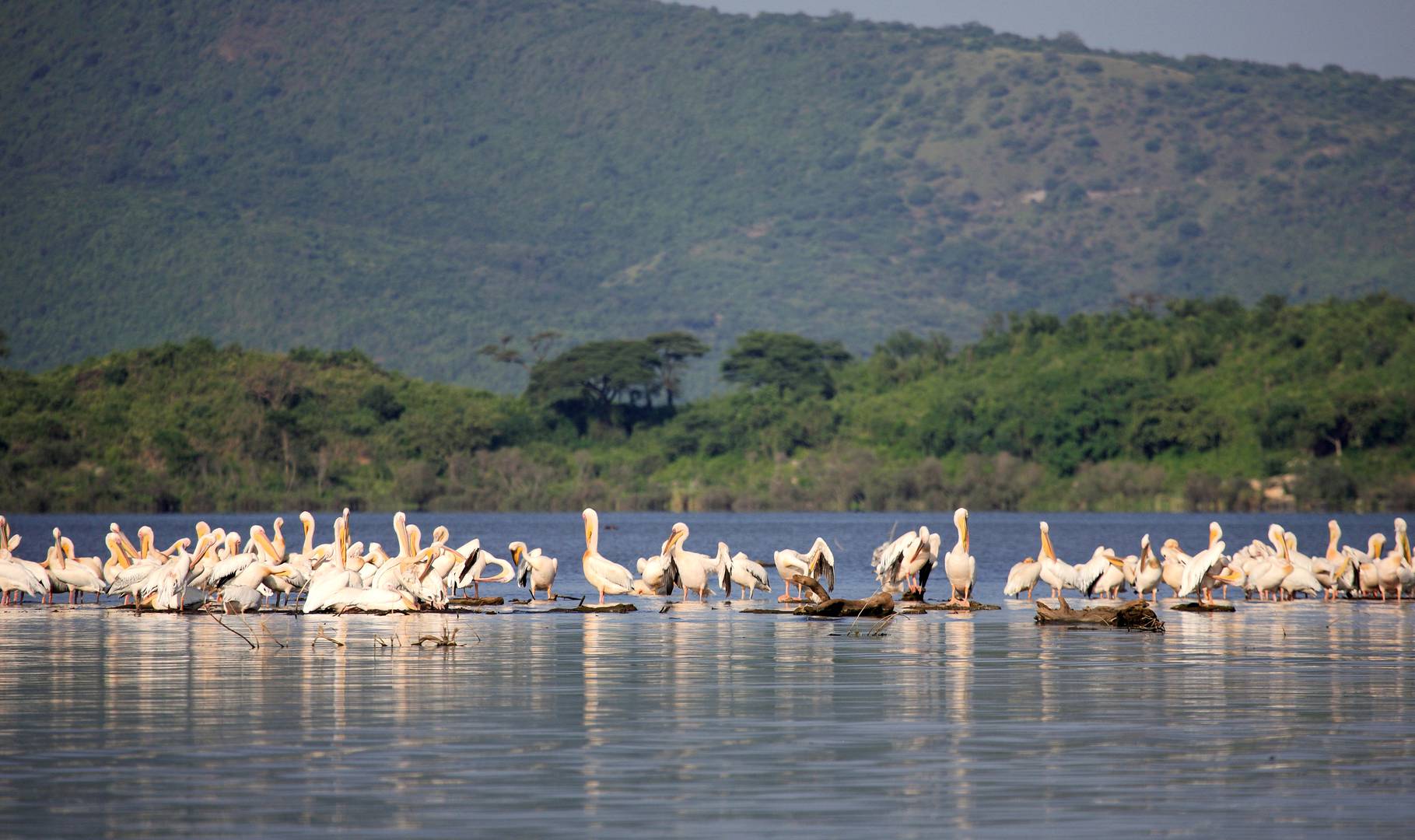
Resan fortsätter söderut med buss. Längs Rift Valley till staden Awasa. Längs stranden ser du pelikaner och maraboustorkar.
Dag 3-4 Arba Minch & Lake Chamo
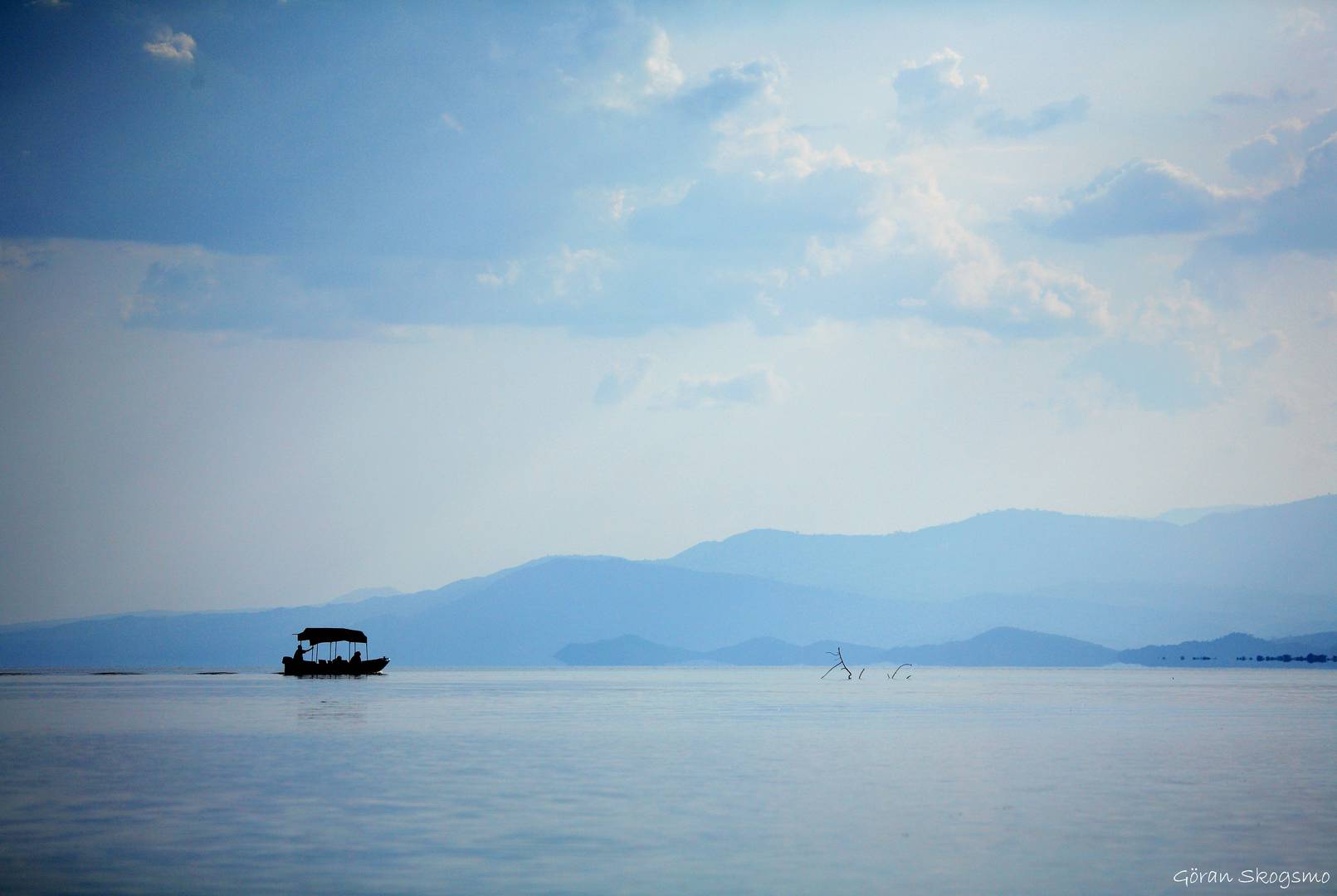
Vidare söderut längs Rift Valley till Arba Minch, en vacker stad omgiven av berg och sjöar. Du besöker Nech Sar Nationalpark dit du kommer med båt över Lake Chamo. Du kommer att se nilkrokodiler och flodhästar.
Dag 5-6 Möten hos Dorzefolket
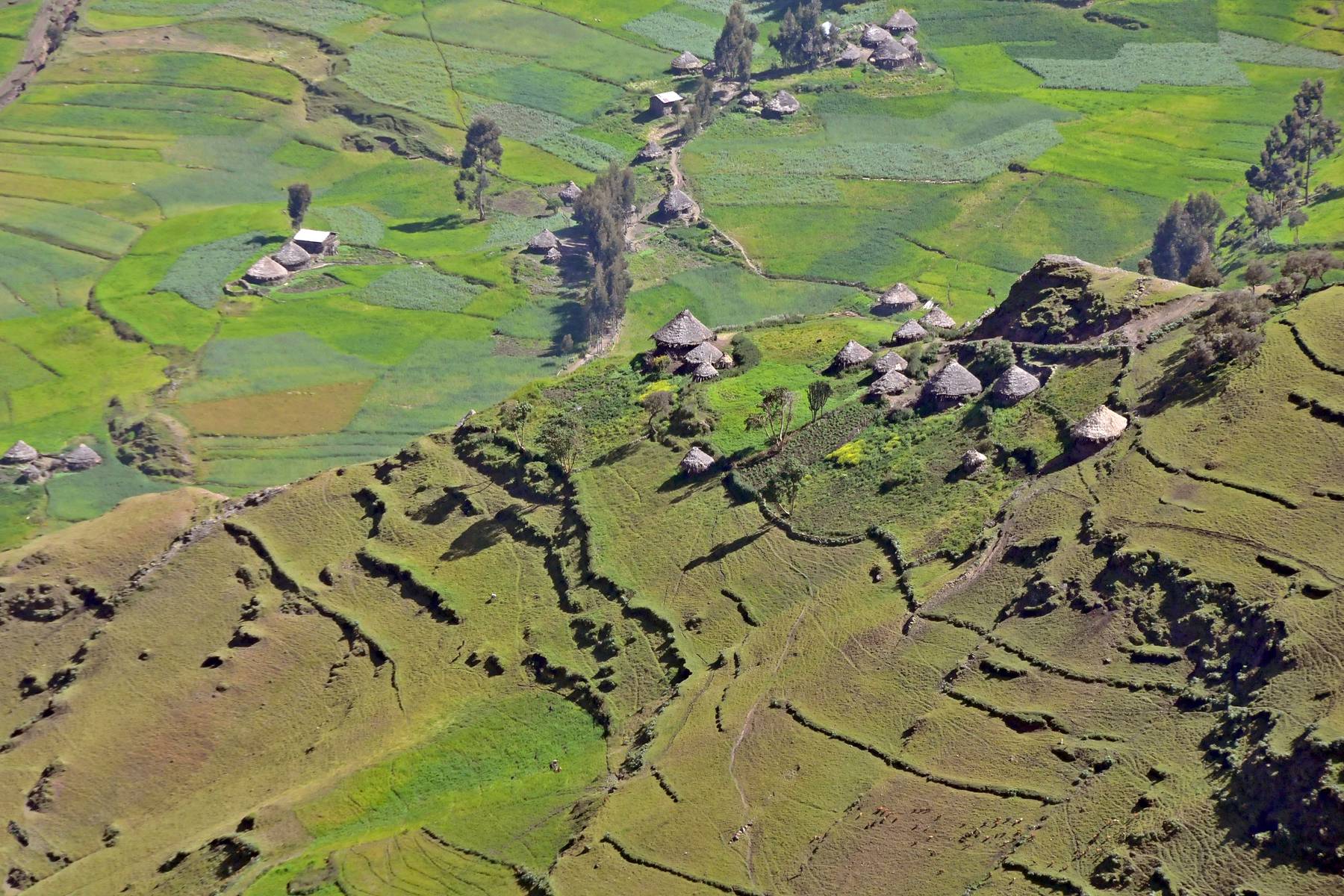
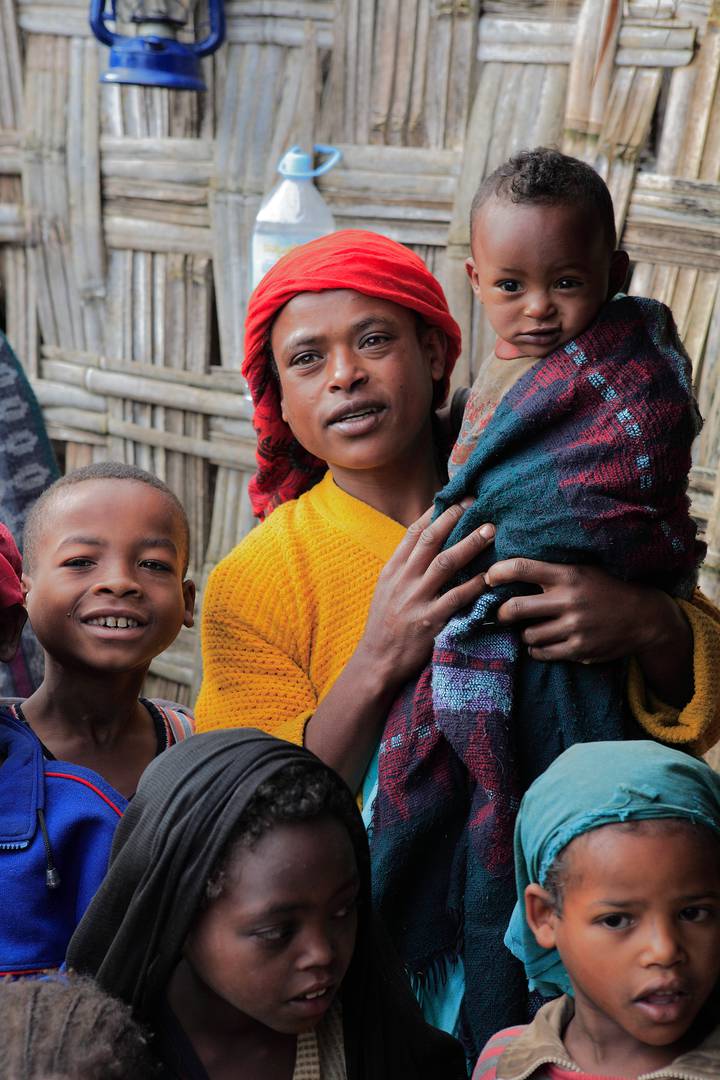
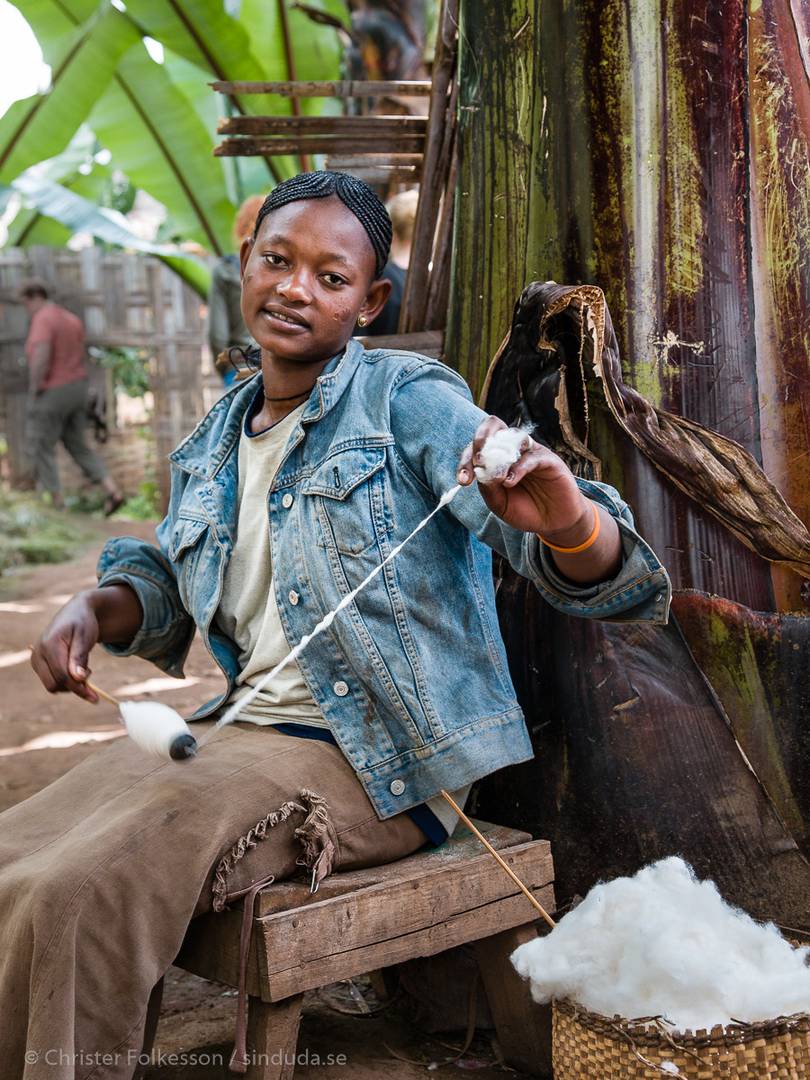
Norr om Arba Minch, på 3000 meters höjd, ligger småstaden Chencha. Här bor du i en by och får möta personer som tillhör Dorzefolket i en av byarna. De traditionella husen i byarna ser ut som bikupor byggda med långa grässtrån.
Dag 7 Flyg till Bahir Dar
Flyg tillbaka till Bahir Dar (mellanlandning i Addis Abeba). Du sover denna natt i Bahir Dar.
Dag 8-9 Kloster, palats och änglakyrkor
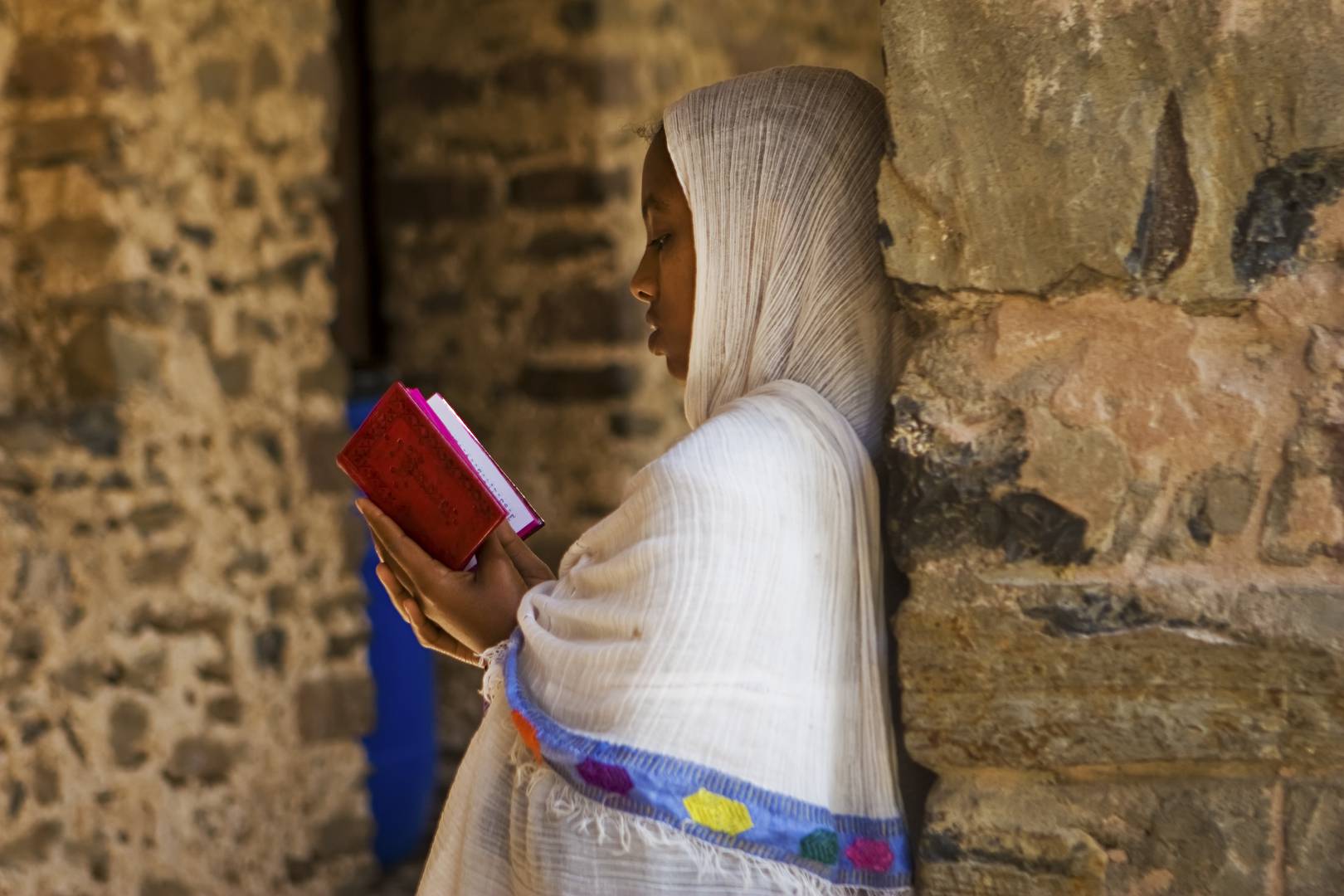
I Bahir Dar spenderar du dagen med att besöka kloster på Tanasjön. Senare på dagen åker du vidare till Gonder som tidigare var Etiopiens huvudstad. Här finner du välbevarade slott och palats byggda av olika kejsare. Du sover två nätter i Gonder och upptäcker denna historiska stad.
Dag 10-14 Vandring på Afrikas tak
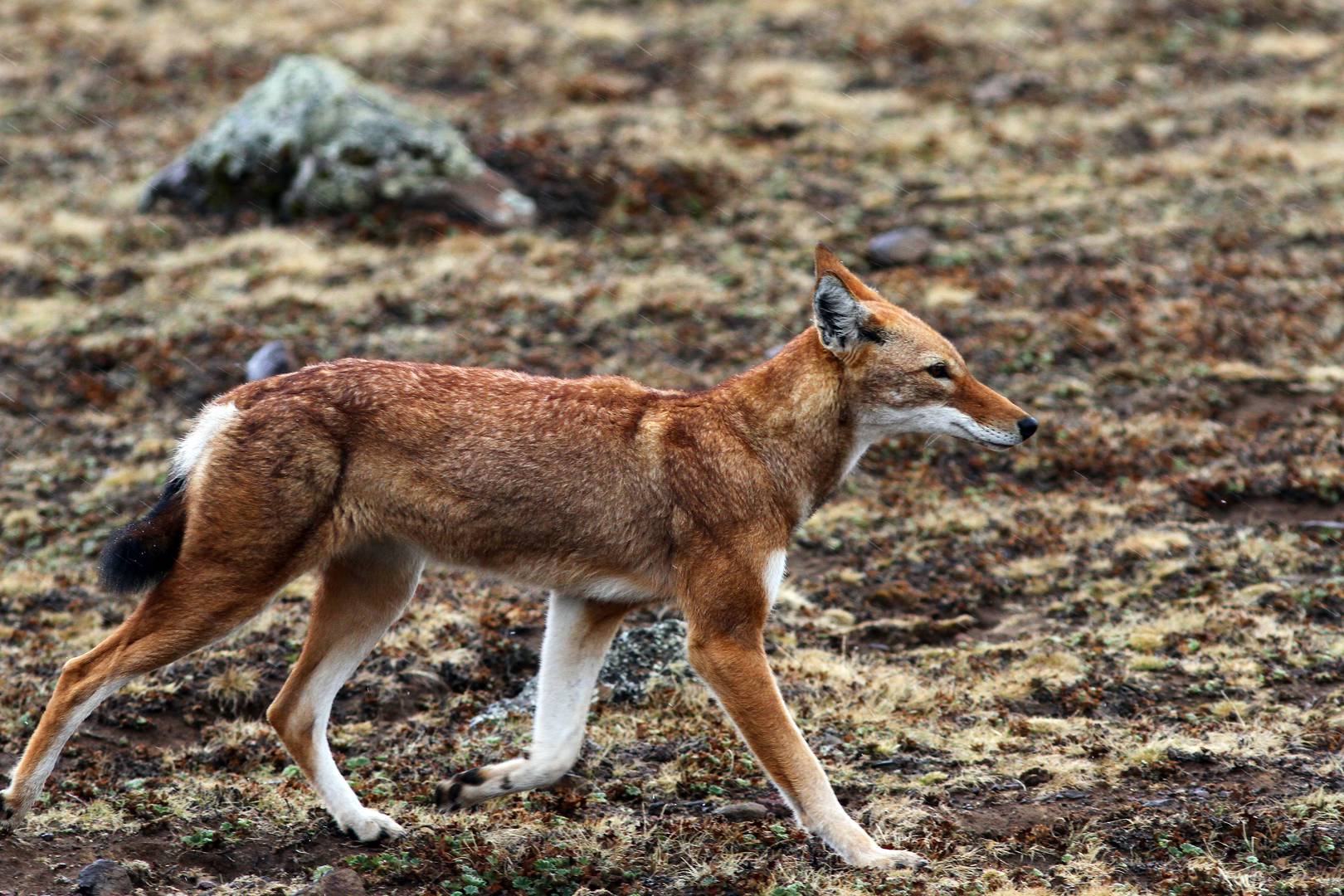
Fem dagars vandring i Simienbergen på Afrikas tak, i närheten av Etiopiens högsta berg Ras Dashen. Ett fantastiskt landskap med hisnande stup, jättelobelior och ett unikt djurliv med babianer och ibexfår. Under vandringen bor du i tält och kocken lagar din mat. Mulåsnor bär din packning. Utsikten under vandringen är makalös.
Dag 15 Klippkyrkorna i Lalibela
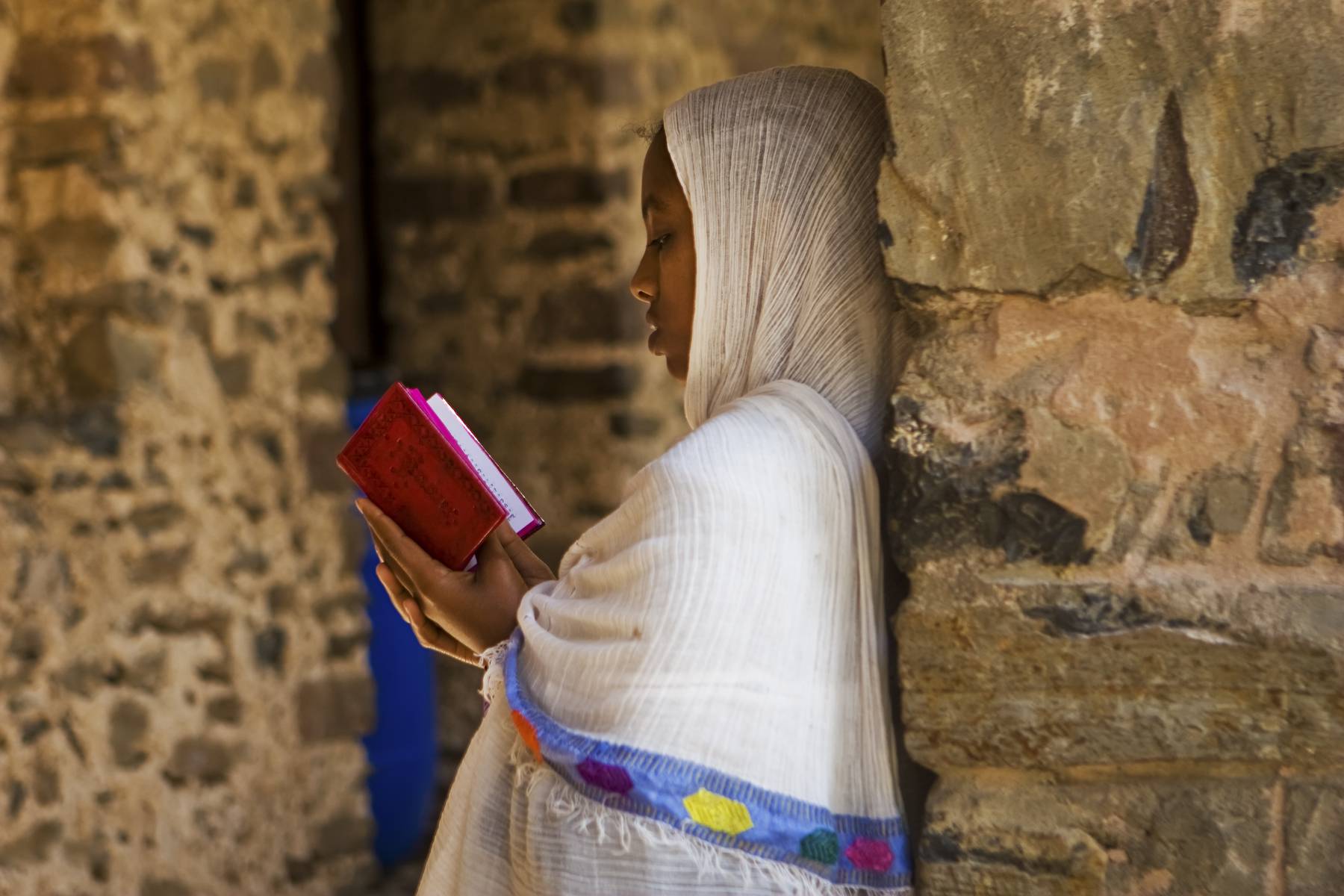
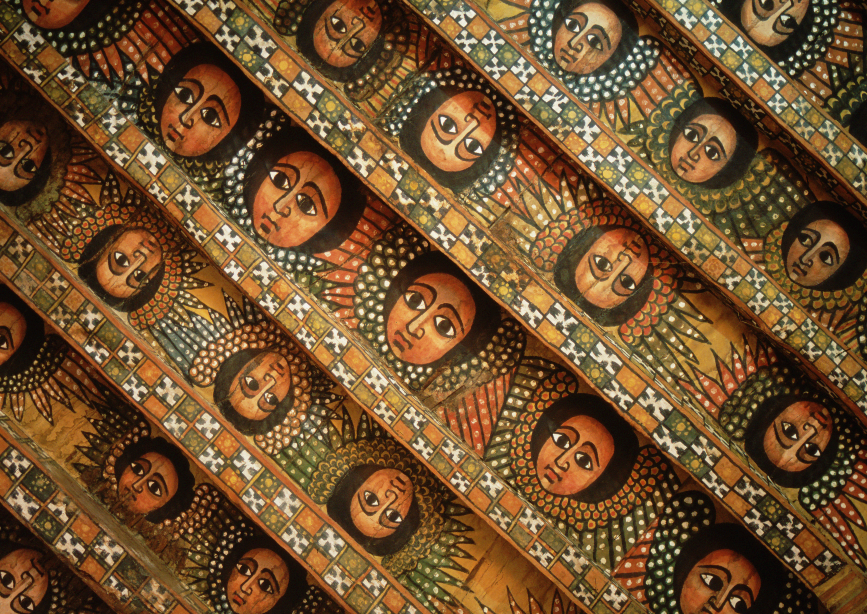
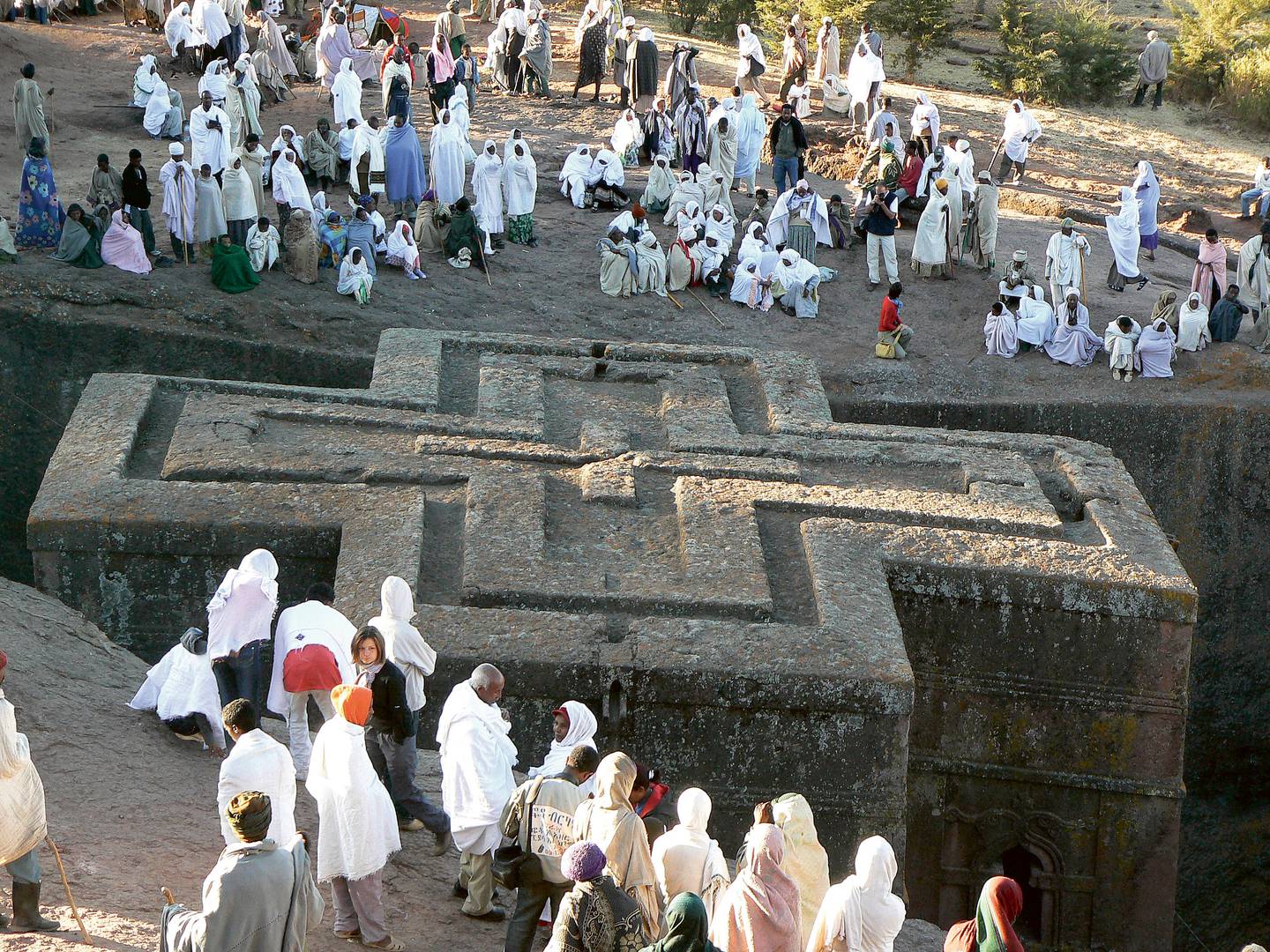
Buss till världsarvet Lalibela som på 1100-talet var Etiopiens huvudstad. Här ser du de världsberömda klippkyrkorna, huggna rakt ner i berget. Enligt traditionen byggdes de av änglar på några dagar. Kyrkorna binds samman med ett nätverk av gångar och används aktivt för gudstjänster varje dag.
Dag 16-17 Vandring från Lalibela
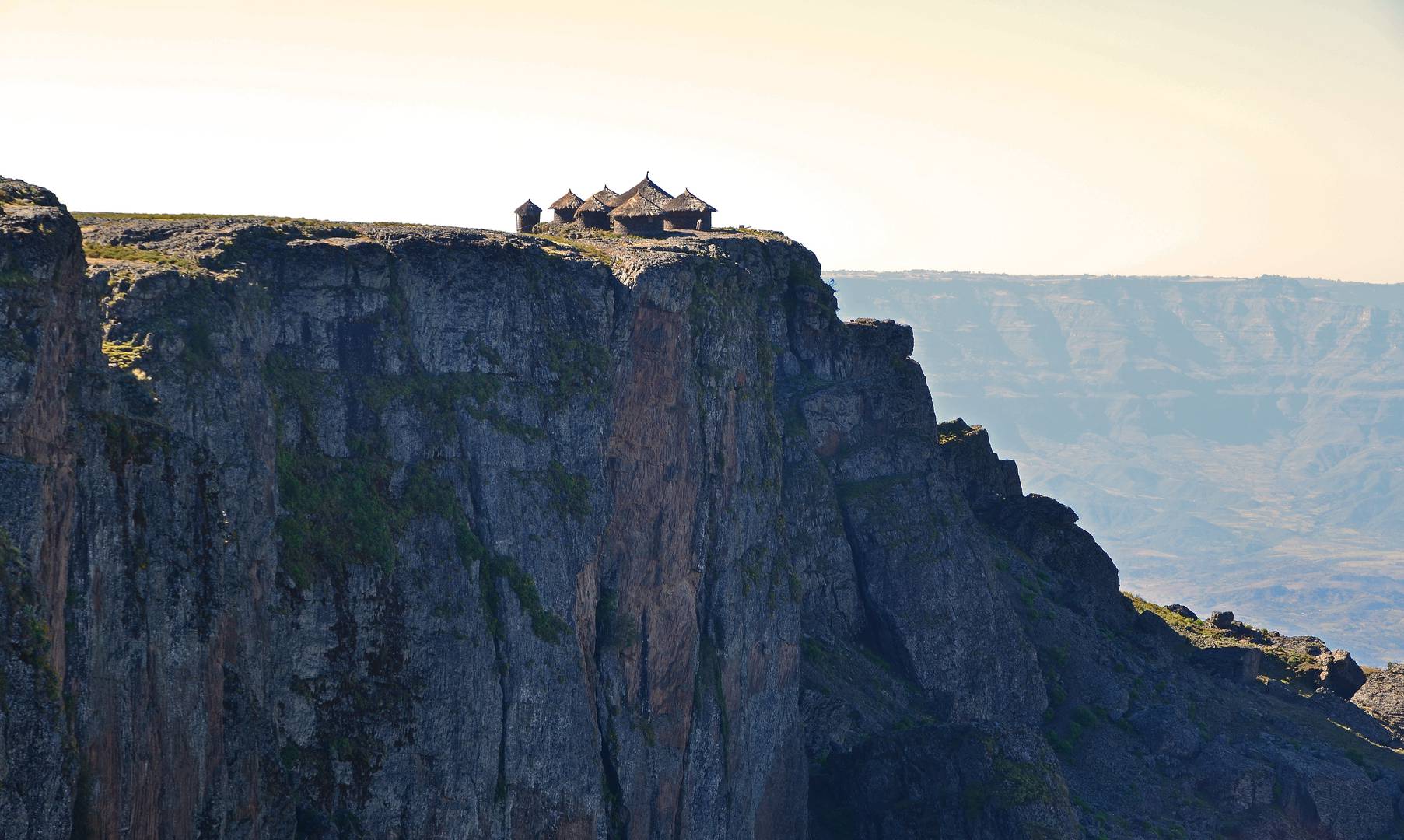
Från Lalibela utgår vi för en tvådagars spektakulär vandring. Färden går till ett högt beläget boende som drivs av kringliggande byar. Du vandrar på bra stigar uppåt, förbi byar och åkrar där människor hälsar dig välkommen. Väl uppe befinner du dig vid en av Etiopiens mest spektakulära inkvarteringar. 360 graders utsikt från 3500 m höjd! Maten lagas över öppen eld och serveras framför elden. Ingen el eller rinnande vatten, men stjärnhimlen är oslagbar.
Dag 18-19 Addis Abeba
Flyg till Addis. Här finns mycket kvar att se. Besök exempelvis Nationalmuseum eller Afrikas största marknad - Mercato. Resan avslutas i Addis dag 19.
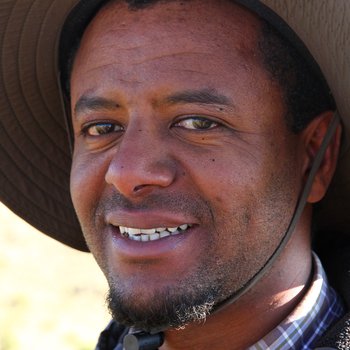
Född 1977. Har en masterexamen i turism. Driver sedan lång tid en egen trekking agency i Gondar. Fågelskådare som gillar att vara ute och vandra i bergen. På olika sätt engagerad i hållbar turism som gynnar lokalbefolkningen.
Flyg
På den här resan flyger du till och från Addis Abeba. Flyg kostar från 5500 kr tur och retur.
Ethiopian Airlines är det naturliga valet för att flyga till Etiopien eftersom de flyger direkt och har bra flygtider, hög säkerhet och är prisvärt. Ethiopian Airlines har avgår 4-5 dagar per vecka och lämnar Arlanda på kvällen. Då vi flyger inrikes under resan ser vi gärna att internationellt flyg är med Ethiopian Airlines för att underlätta inrikesbokningar. Ankomst sker på morgonen dagen efter. Ethiopian Airlines biljetter bokar du på deras hemsida.
Utrustning
Du behöver ta med dig sovsäck för vandringen i Simien Mountains, denna skall klara temperaturer ned till minus 5 grader ("3-säsongssovsäck"). Om du känner dig osäker på om din sovsäck är tillräckligt varm så rekommenderar vi att du även tar med dig ett reselakan att använda i sovsäcken.
Vi föreslår att du packar i ryggsäck, eventuellt annan mjuk lätthanterlig väska och utöver det en mindre ryggsäck. På fötterna rekommenderar vi skor med kraftigare sula för vandringarna i Simien Mountains, t.ex. bra och stabila löparskor eller multisportskor. Vandrarkängor fungerar givetvis också bra så länge de inte blir allt för varma på fötterna. Utöver det så är det riktigt skönt att variera med sandaler. Ficklampa i form av en huvudlampa är mycket smidigt att använda.
Temperaturen kan gå ner rejält på nätterna i Simienbergen, i värsta fall till några minusgrader. Utöver sovsäck så rekommenderar vi varma kläder, vindtät jacka, mössa och vantar för denna del av resan. Mulor kommer att bära din packning förutom din dagpackning med vatten, kamera etc. Tält och liggunderlag finns på plats. Om du har behov av ett extra tjockt liggunderlag rekommenderar vi att du tar med dig ett sådant hemifrån.
Tänk på att mötet med den nya kulturen och med fattigdomen kan vara påfrestande, men givetvis också lärorik.
Hälsa
Den här resan kommer tidvis att vara fysiskt ansträngande eftersom ni ska vandra på hög höjd. För att undvika uttorkning är det mycket viktigt att dricka mycket vatten under vandringen. Använd solskyddskräm och gärna också keps/solhatt när ni vandrar under bar himmel.
I början av resan befinner du er i det område där det finns risk för malaria. Rådgör därför med en vaccinationscentral i god tid innan avresa. Du skall försöka skydda dig mot myggbett. Ta med dig myggmedel och långärmat, byxor med långa ben och strumpor till kvällarna.
Liknande resor
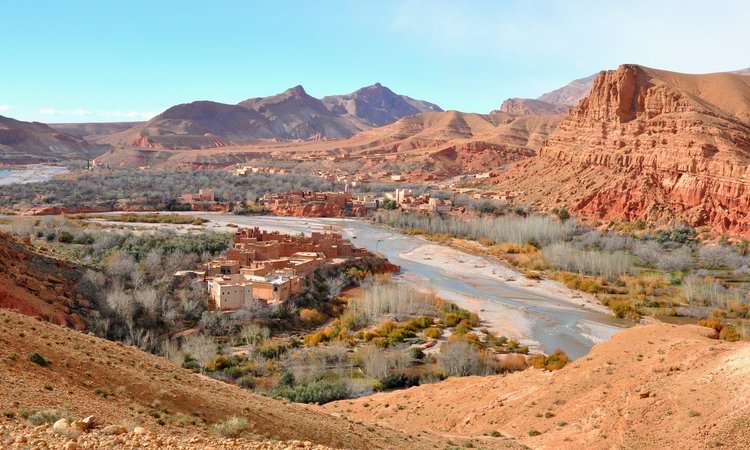
Vandra i Atlasbergen
Vandra i Atlasbergen
April, september
Byar du endast når till fots
14 dagar
Resa med fysiskt krävande inslag