
Senast uppdaterad: 2012-03-19

Itinerary


Day1

Arrival in Hanoi. You will meet your tour leader at the hotel that is located in Ha Noi old quarters. Every street in the old town were earlier specialised in special products and the streets was given their names after the goods that were sold there. For example; Hang Bac were they used to sell silver; Hang Ca were they sold fish and Hang Vai were they sold cloth. Today many streets sell products that not correspond with the Vietnamese meaning of the name.

Day 2-3

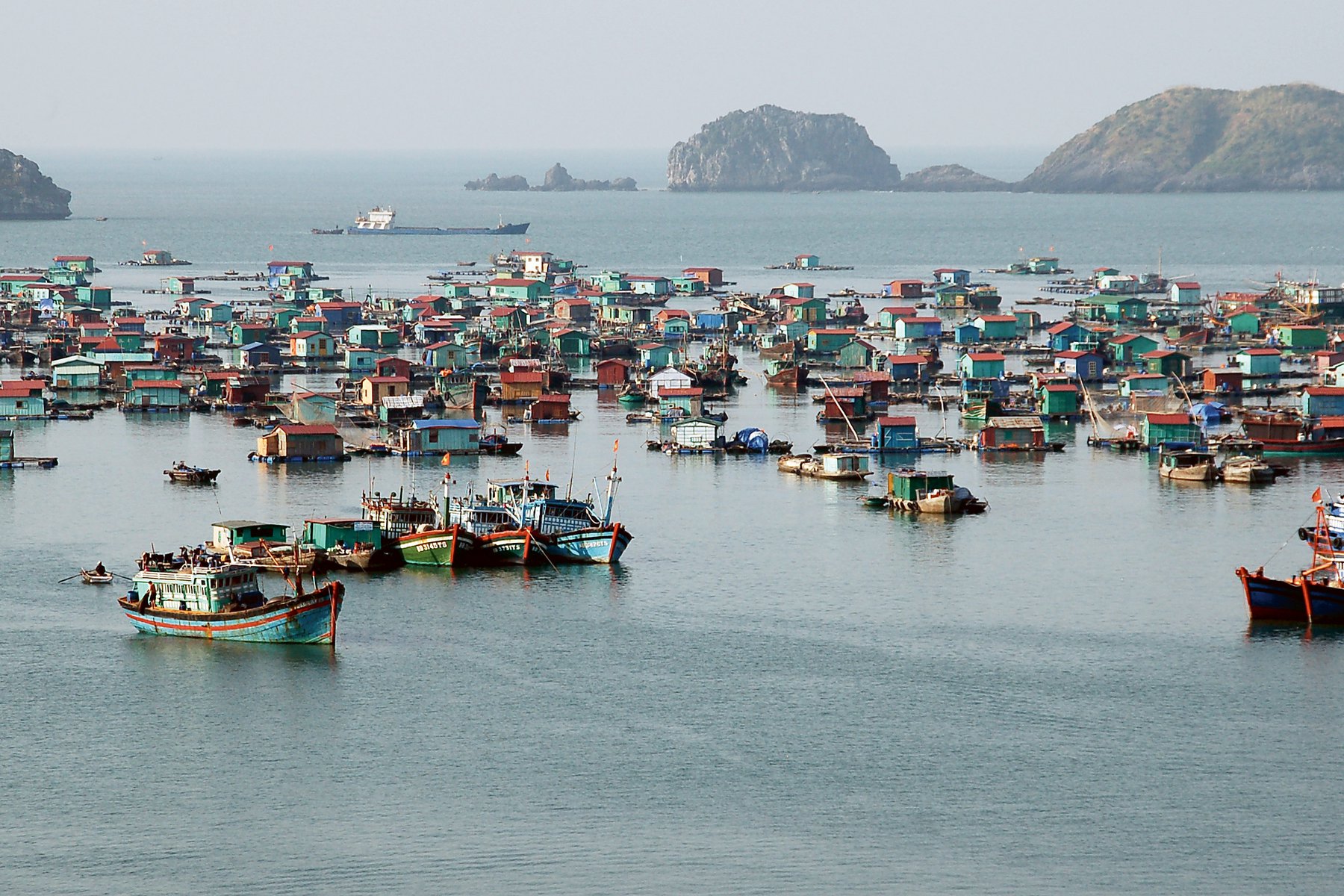
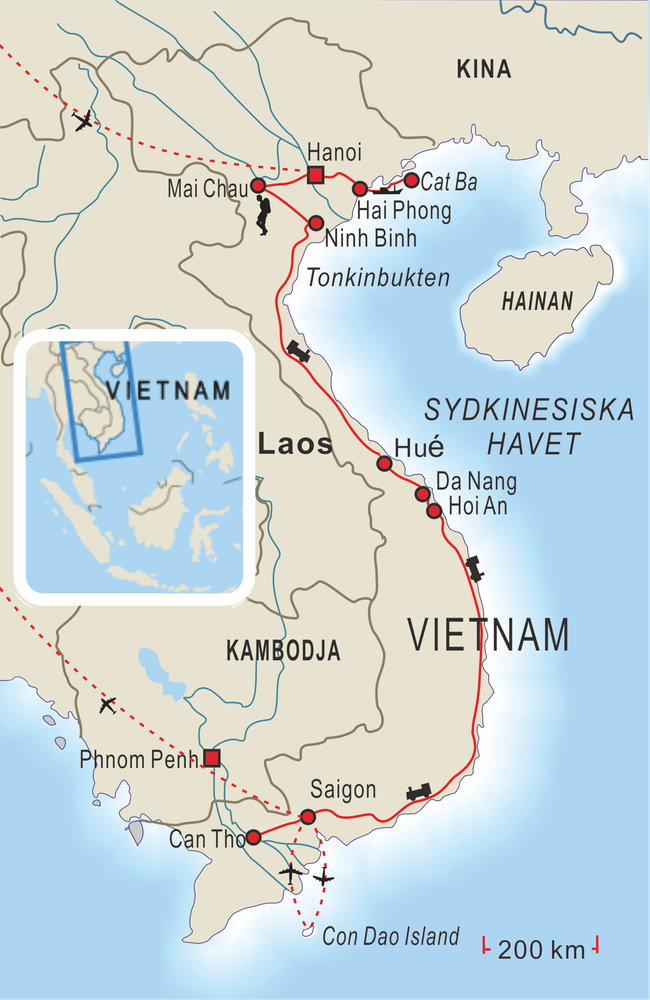
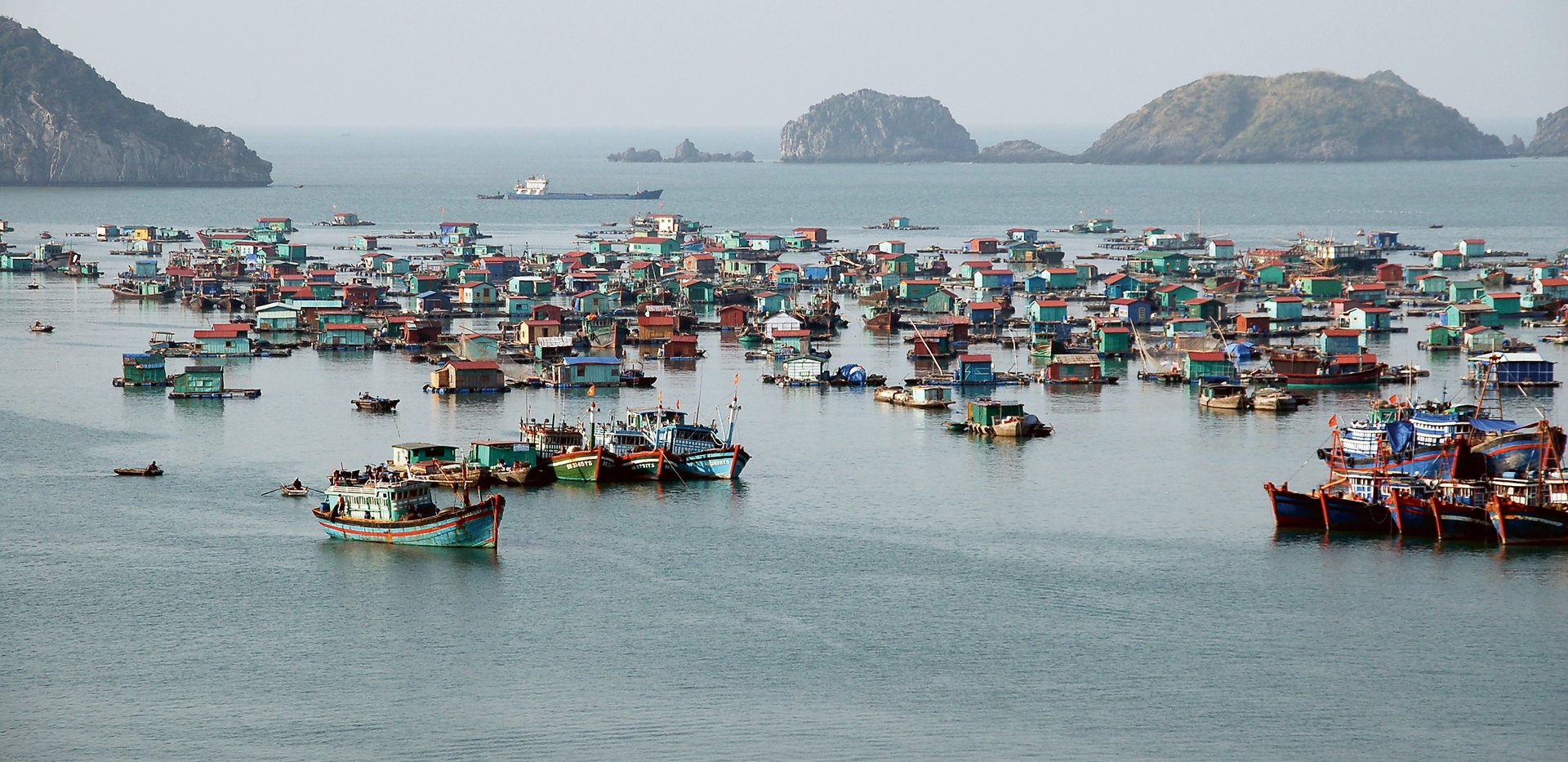
In the morning you will take a bus to Ha Long City (ca two hours), were you embark a boat that you will cruise around in Ha Long Bay. Ha Long bay, that is a part of the Gulf of Tonkin, is one of the natural marvels of Vietnam. The boat will be to your disposal and you stay on board for one night. You can make stops at beaches, go fishing, visit caves or just enjoy being in this archipelago. Finally you get to the bustling port of Cat Ba. The island is the biggest of the 3000 islands in Ha Long Bay. Half of Cat Ba was declared a national park in 1986 in order to protect the diverse ecosystems on the island.

Day 4-7

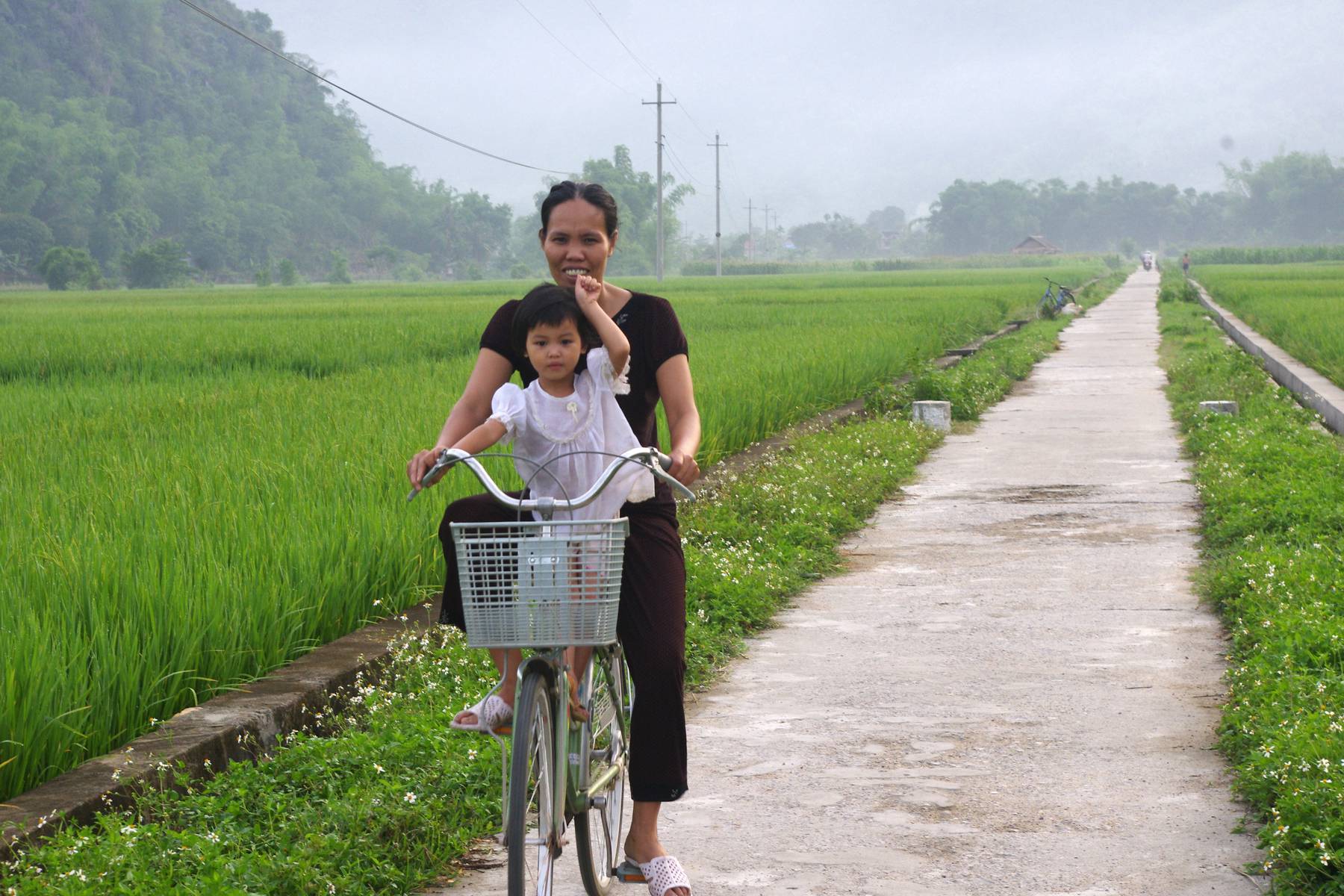
You will go with passenger boat to Haiphong around lunch time. There you change into a rented bus that will take you to Ninh Binh and further to a small village with one of the biggest attractions in the area, the Tam Coc caves. The scenery is striking and it is often labelled as "Ha Long Bay on the rice paddies" for its rock formations jutting from the sea of green fields.
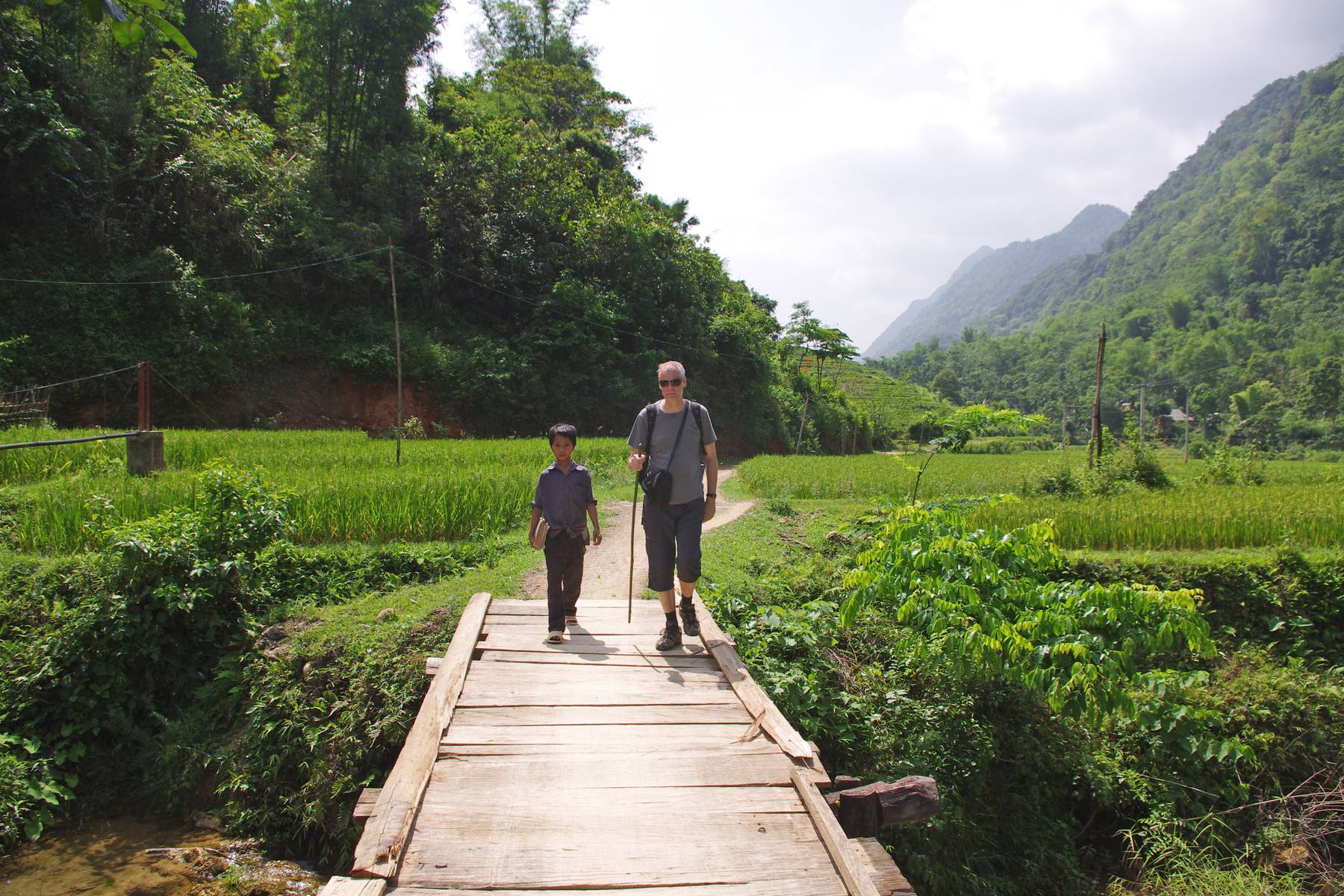
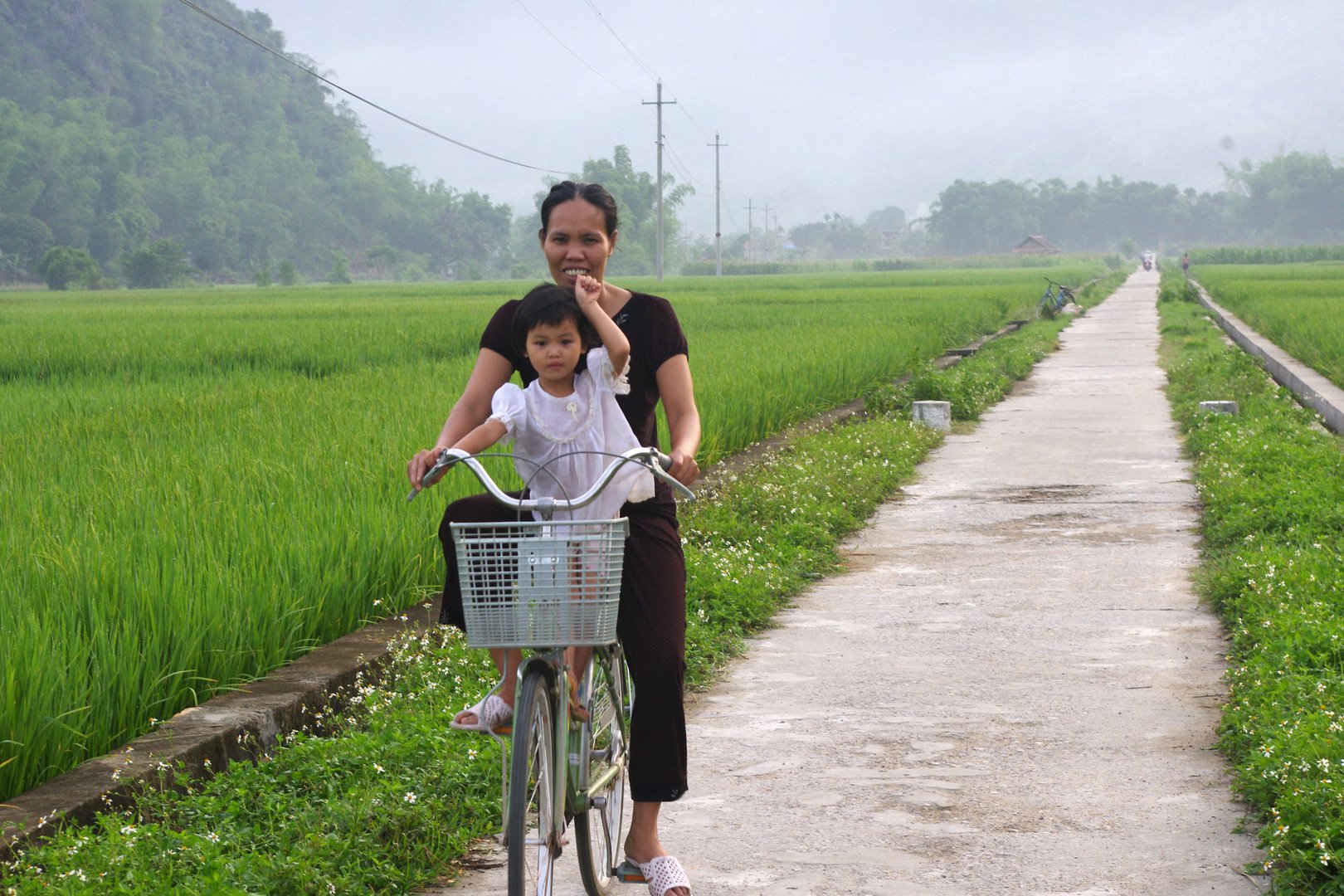
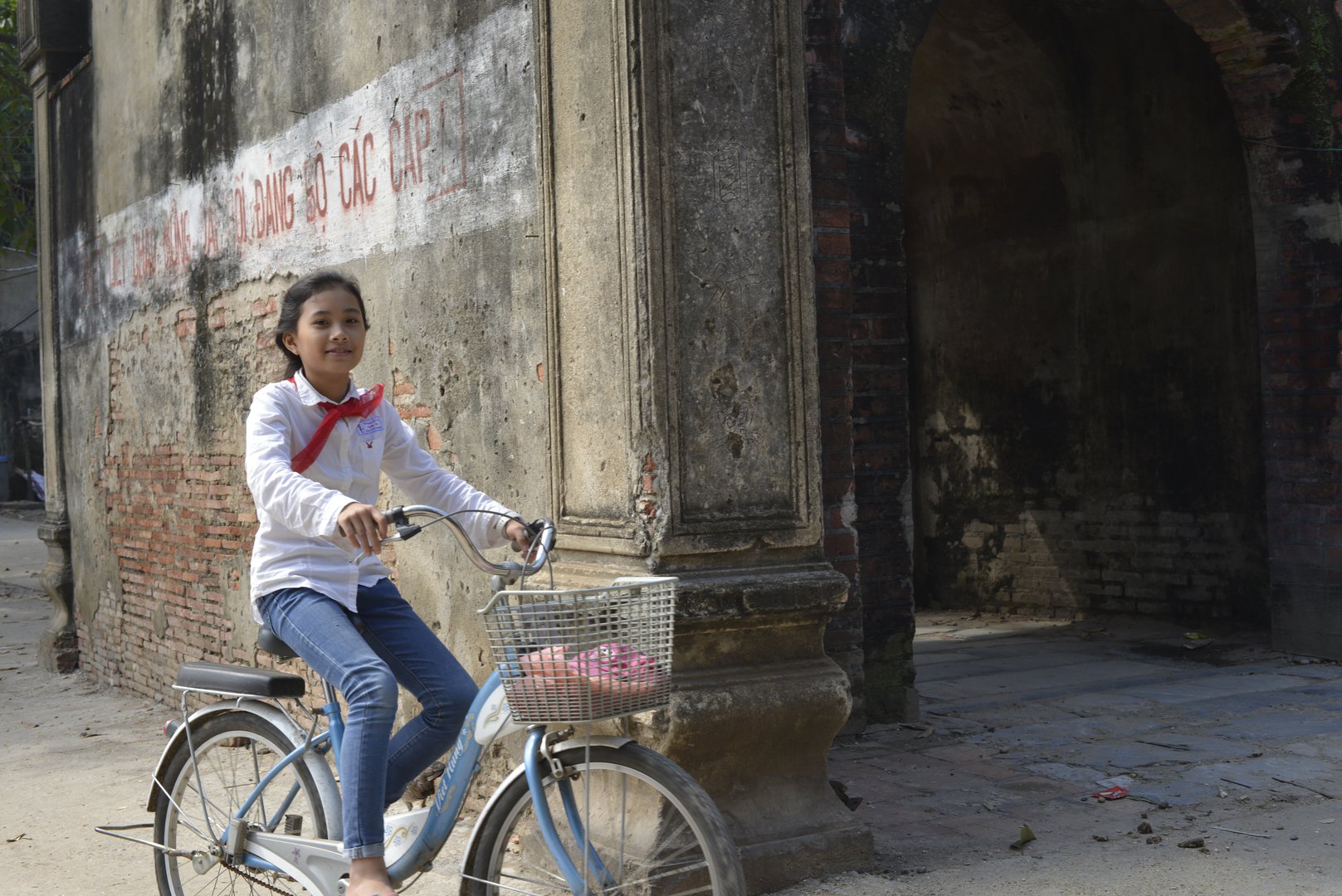
Biking to Ninh Binh (24 km). Your biking route goes through Hoa Lu. You will stop on the way to visit interesting caves, drop by at a kindergarten or a school, see old pagodas and visit Hoa Lu - the old capital of Vietnam, (968 to 1009) under the Dinh, Le and Ly dynasties. Little remains from the original citadel from this period, but there are two sanctuaries dedicated to Confucius well worth visiting. You stay overnight in Ninh Binh.You will go by bicycle to Phat Diem (30 km) On the way you will pass several churches along the road, finally reaching the village of Phat Diem and the impressing catholic cathedral. In this part of Vietnam many catholic live today. Before 1954 were they of course many more but many of them fled to the south after the defeat of the French at Dien Bien Phu.
The Cathedral of Phat Diem, completed in 1891, is the biggest, most important and by far the most unusual. The architecture is a mixture of Chinese, Vietnamese and European styles. Hopefully you can arrive in time for the evening sermon. Phat Diem is very nice and quiet, the perfect picture of a small Vietnamese town, well organised with a nice system of channels. During the days in Ninh Binh is it also possible for you to rent a motorbike or a car with a driver if you want to go around on your own. If you are interested in rain forests there is an opportunity to visit Vietnam's first national park, Cuc Phuong, inaugurated 1962 by Ho Chi Minh. The park shelters some species no longer found anywhere else in the world.You will return to Tam Coc around lunch time after lunch will you continue with bus to Hanoi.


Day 8-11

Bus to Vinh Quang. This is a stop on the road up to Hoang Su Phi in the province Ha Giang.
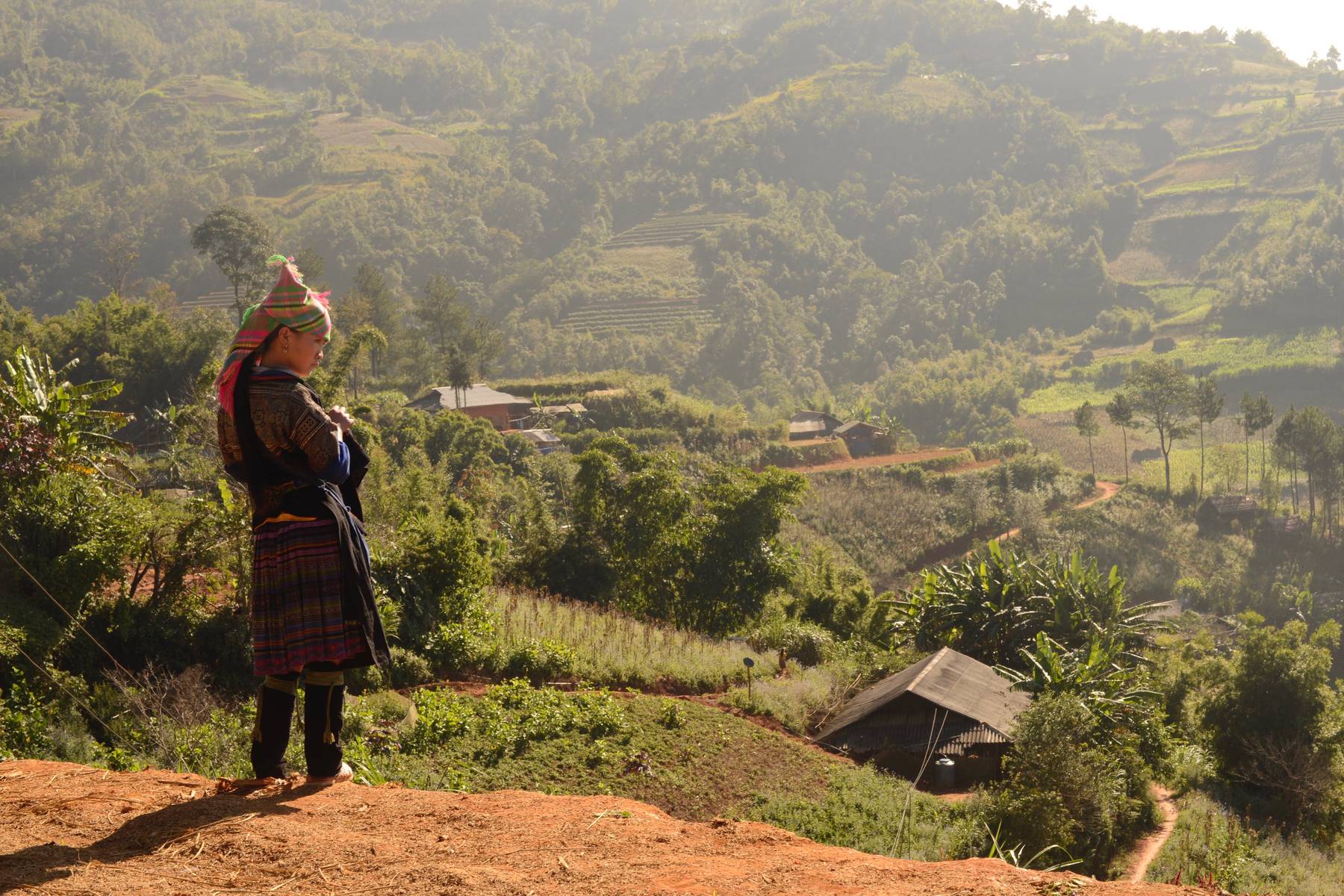
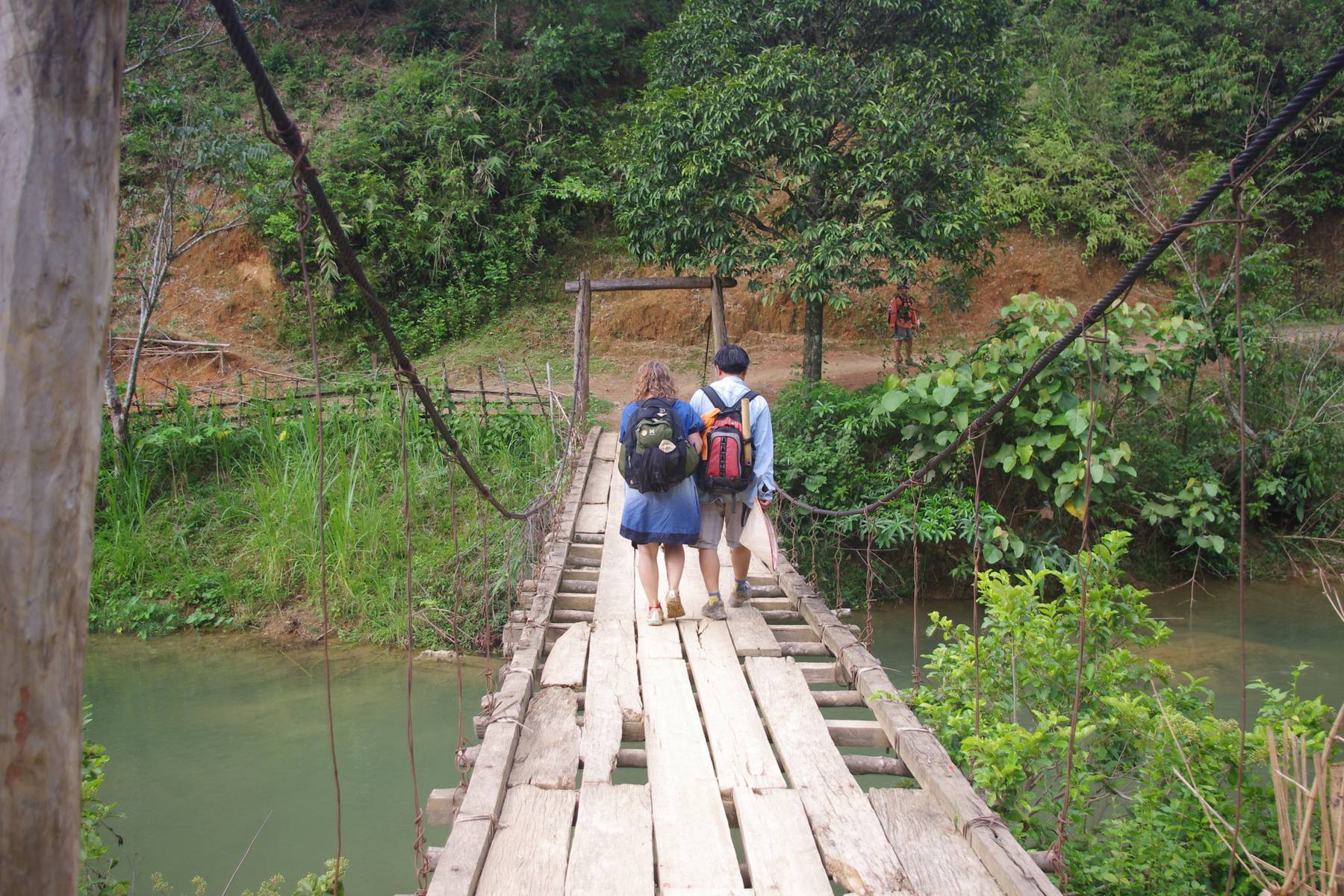
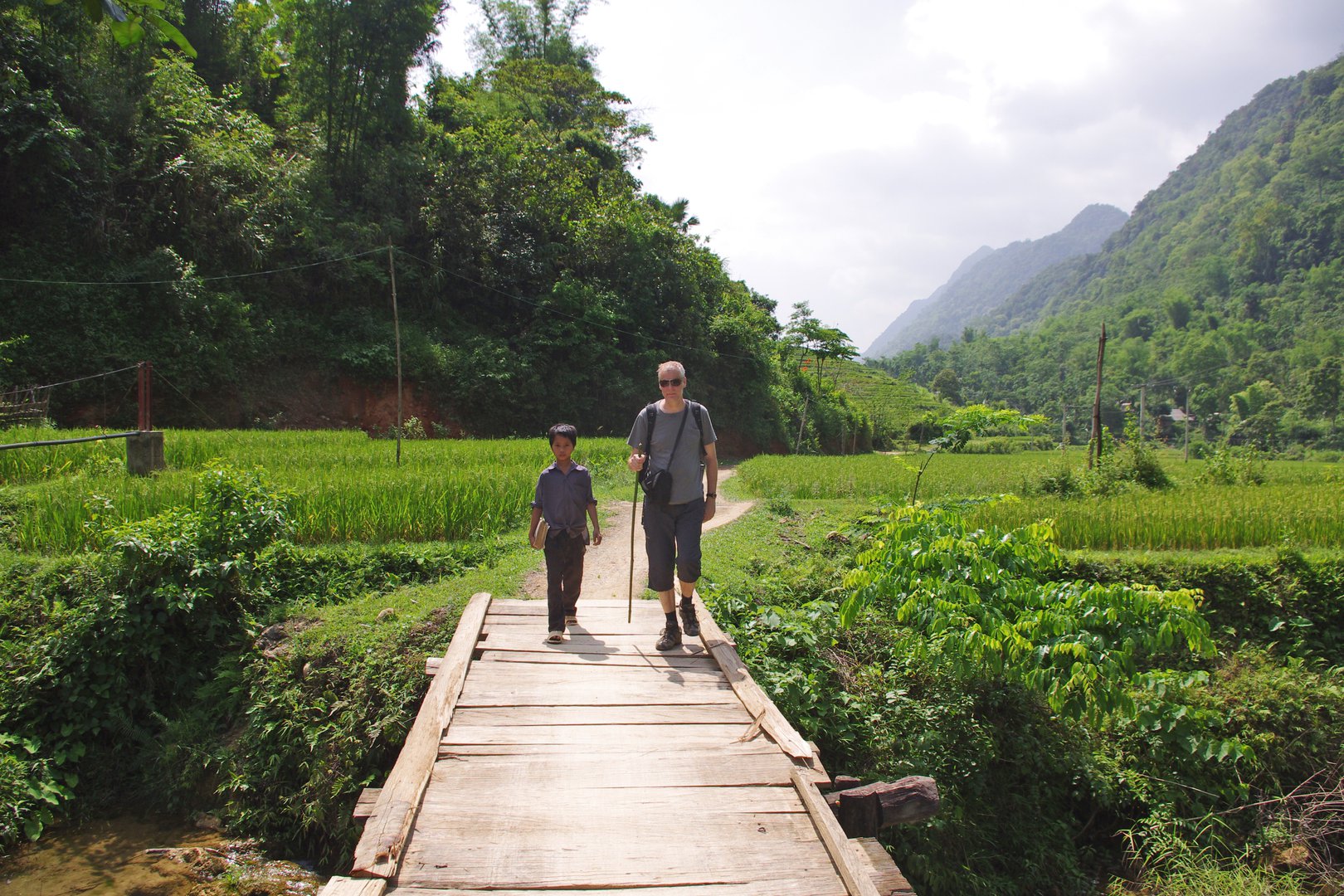
You will trekk close to the Chinese border and walk between villages that are populated by Hmong, Tay and Nung minorities. You will stay with different families, the conditions during trekking is very basic. Especially in December January is it high risk for cold weather. It is a good idea to use sleeping bag.

There is a possibility to stay in Hoang Su Phi for those who dont want to trekk. It is possible to make day tours outside the town.

Ethnic minorities
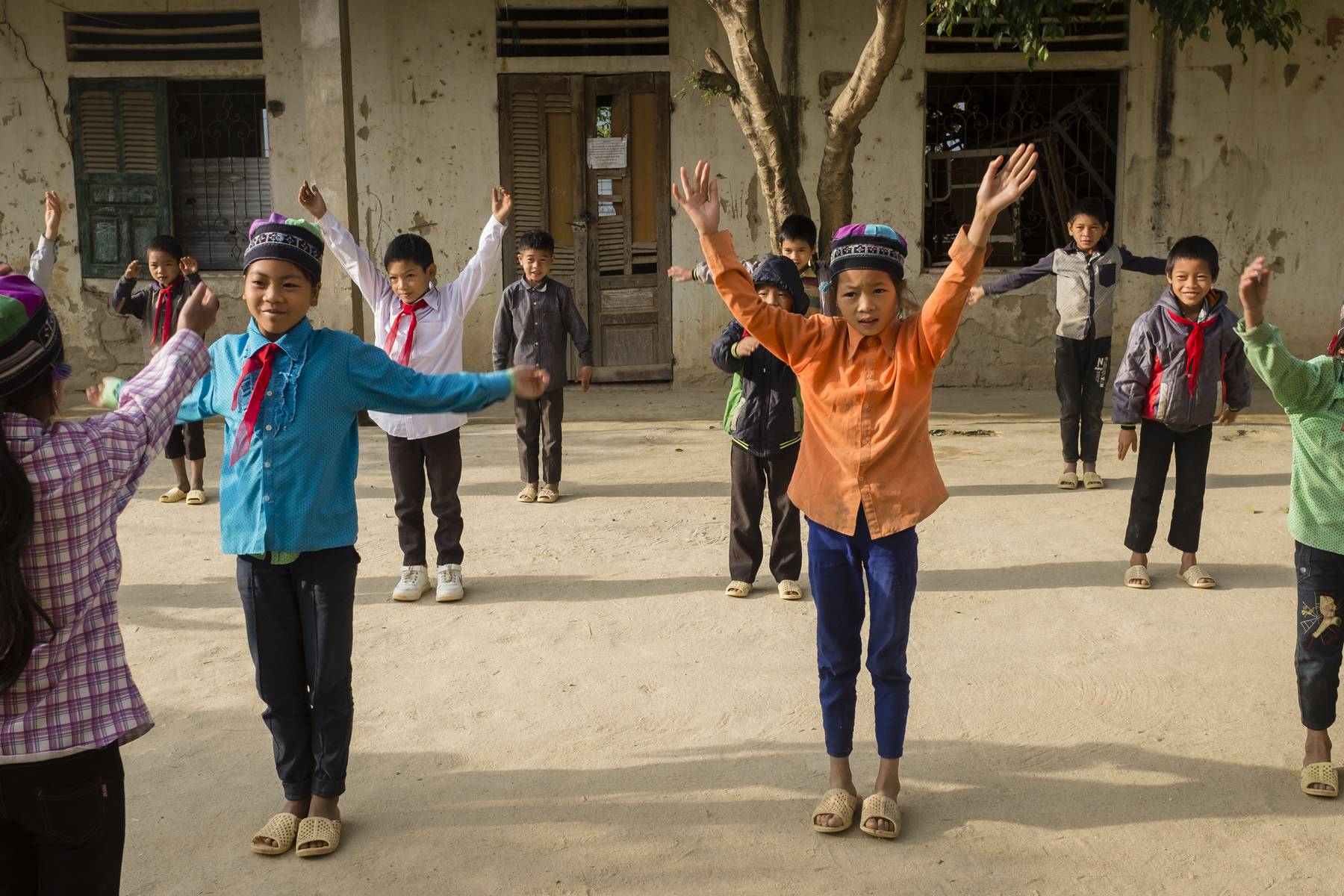
In Vietnam there are at least 55 different minorities in Vietnam and they constitute around 10% of the population. The minorities are marginalised and the group as a whole can be said to belong to the poorest part of the population. When the Vietnamise authorities wants to entice foreigners to visit the country are the minoritys an important part of the package. But in reality they do not have big influence over their own situation and their future. Like minorities in many countries are they in some way discriminated and they gradually have to change their way of life. Since Vietnam is a country with lack of land suitable for agriculture will the minorities have to stand back and leave their land when people from other parts of the country are moving in and starts to grow cash crops for export. In Vietnam is the most well known example when the coffe industry boomed. It is important to know these things when you are visiting minority areas. If you want a good picture of the minorities in Vietnam I recomend you to visit Museum of Ethnology in Hanoi.

Day12-14

Bus back to Hanoi. You will stay at the hotel in the old Quarters as before.
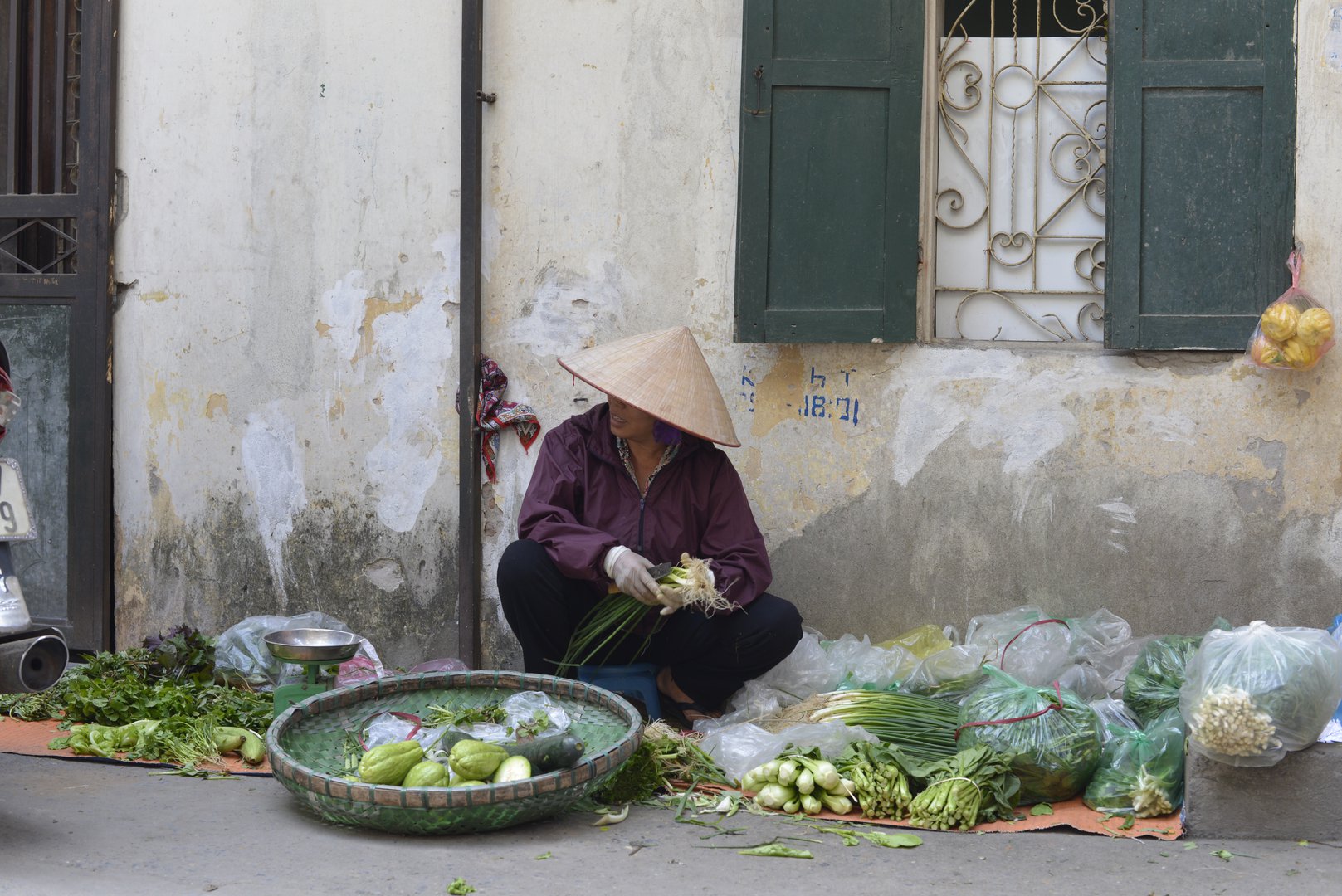
Hanoi, the capital of Vietnam, is situated on the right bank of the Red River. Hanoi is a City with approximately 3 million inhabitants in spite of that has the town kept much of its charm. The Old Quarters are cramped with narrow alleys, always crowded with people. It seems to be a huge market, where all the shops, cafés and restaurants, run by families, have extended their business onto the streets. Hanoi is full of life, very charming and in my opinion far more exciting than Saigon.

There is also a lot of French atmosphere left in the central parts of the town, and you will also see traces of the Chinese heritage. The mixture of cultural traditions is one of the reasons why it is such an interesting country.Vietnam has blended everything with its own culture and you will certainly not make any mistake of where you are. Vietnam is very Vietnamese.

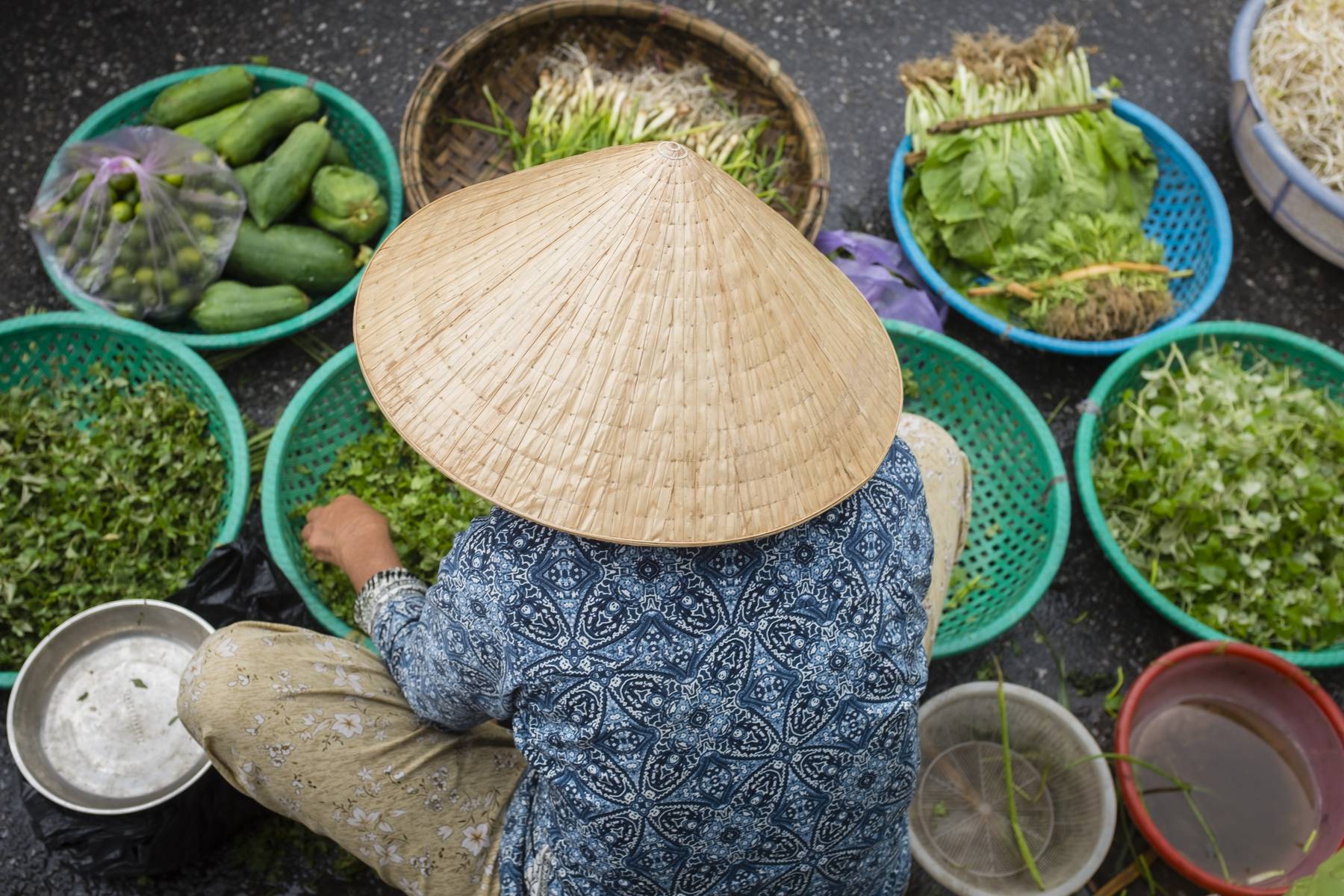
Hanoi must be one of the most pleasant cities in Asia. To stroll around the lakes or go biking is very rewarding. All the parks and lakes serving as landmarks make it easy to find your way around. Hanoi has many interesting sites to see and you can easily visit a few of them when you walk around in the town, the mausoleum of Ho Chi Minh, the Temple of Literature, the Museum of Ethnology, Army Museum and St. Joseph´s Cathedral etc. In the evenings you can go to a Russian style circus, traditional opera or see the water puppet theatre of Hanoi. If you just want to walk around and feel the atmosphere, watch peoples normal life, taste the food, drink some excellent Vietnamese coffee, visit a market or do something else. Hanoi is like the smorgasbord you will always find something you like. In the evening will you take the night train to Hué.

Day 15 Hué

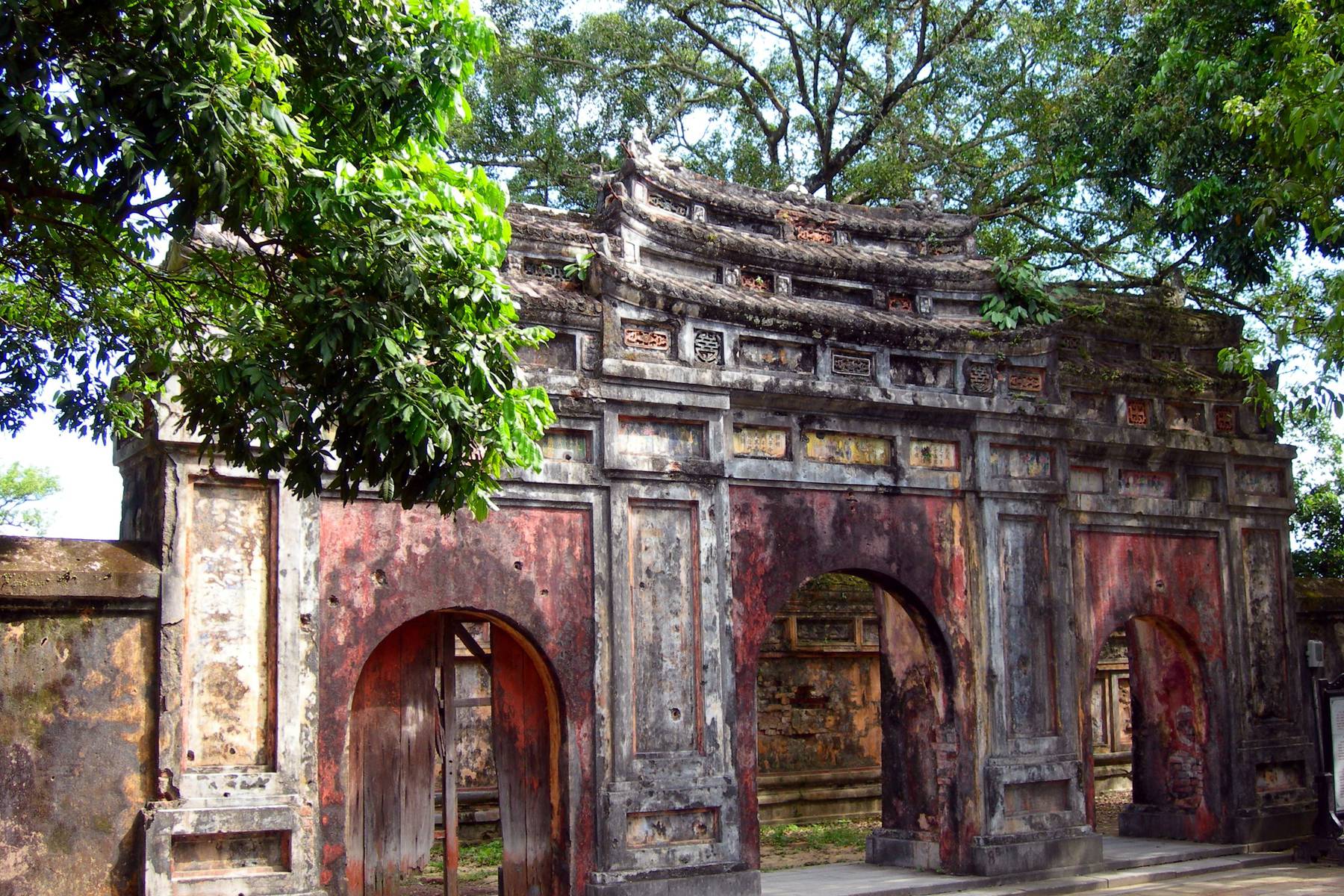
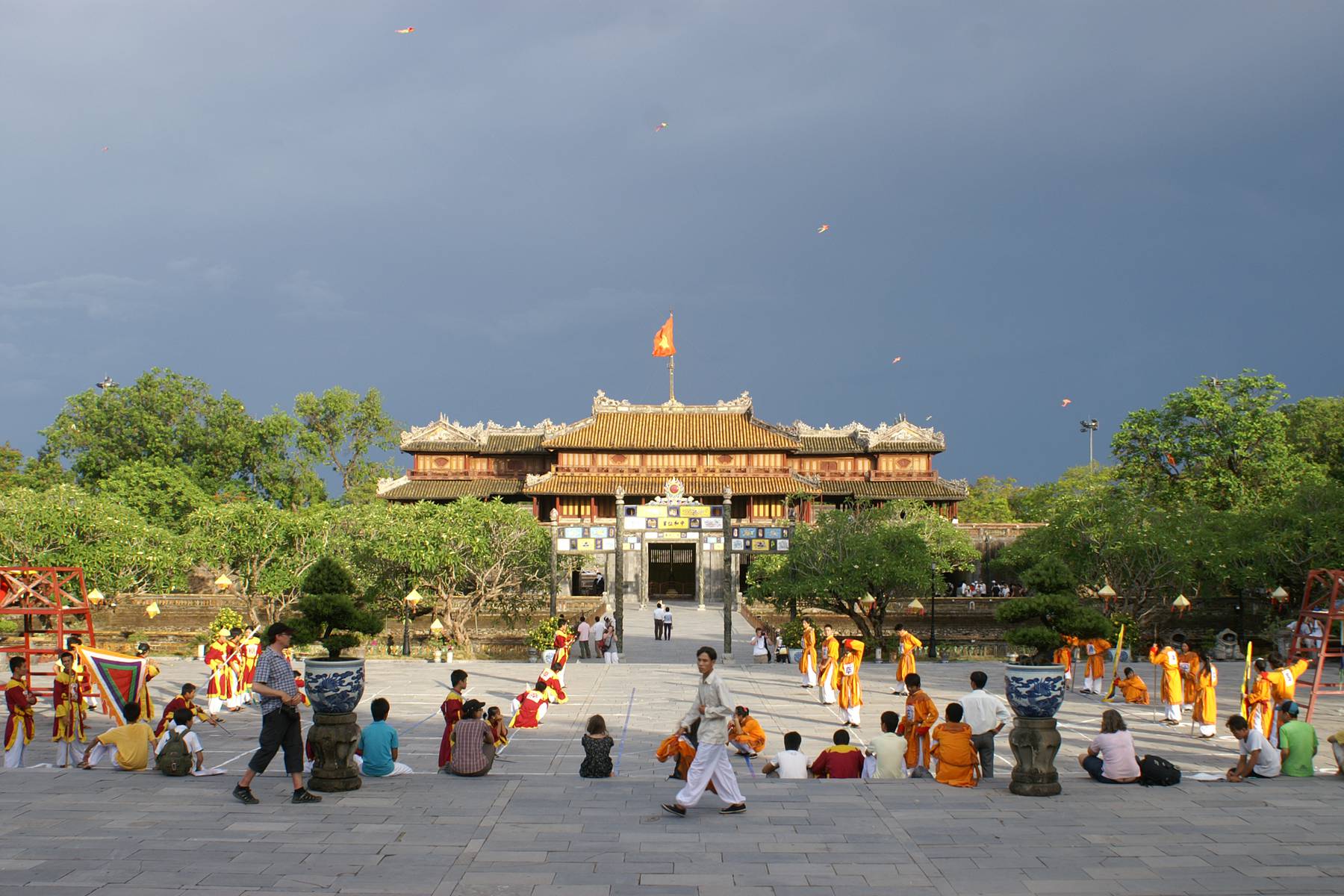
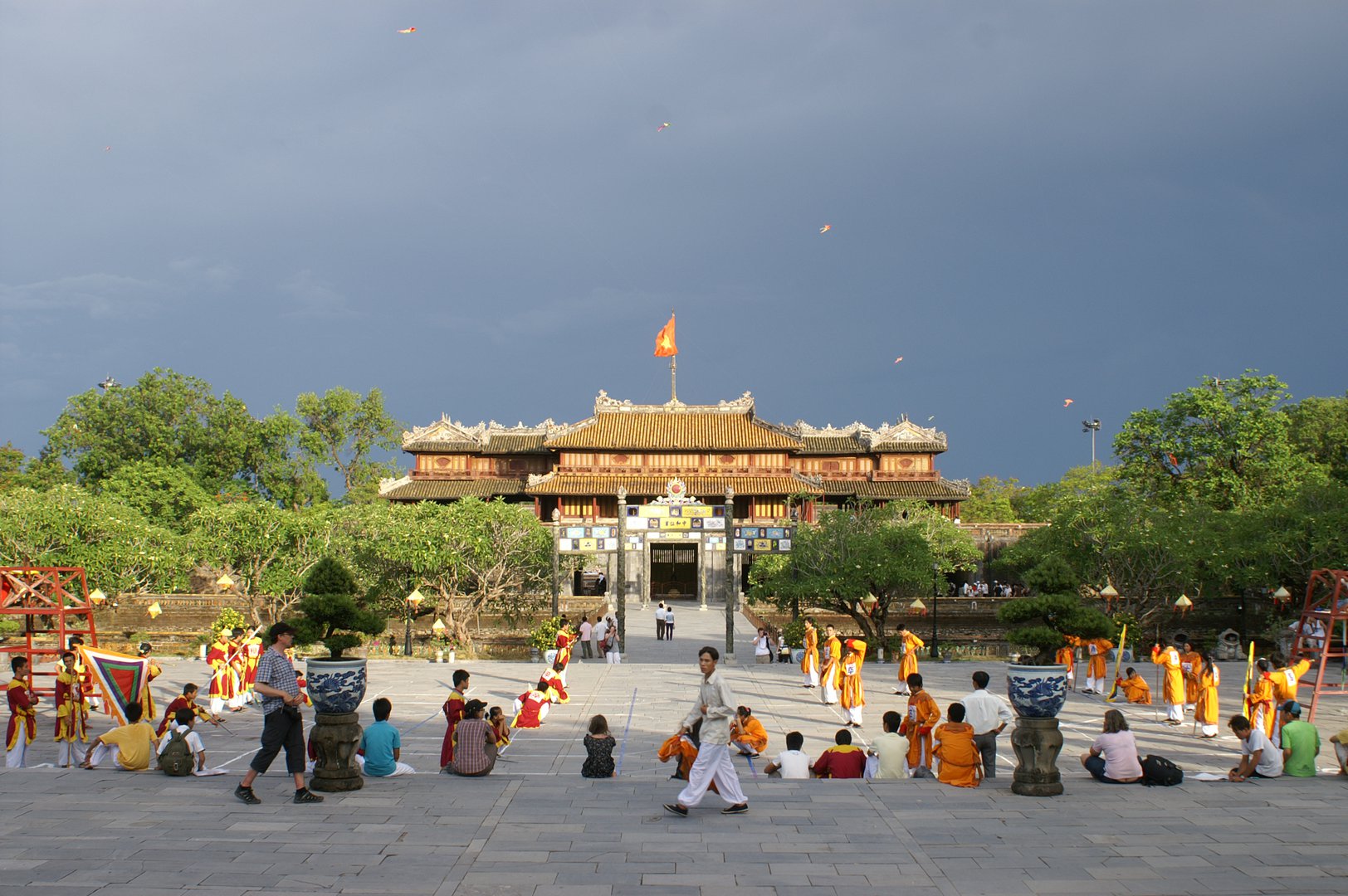
In the morning you arrive to Hué in the morning. a city with aproximately 300 000 inhabitants. Hue was the old imperial city between 1802-1945 during the Nguyen dynasty the town has allways been important historically, intellectually and culturally. The city is dominated by the complex of buildings that populary are called the Imperial Enclosure.Inside you can, among other buildings, find the Forbidden Purple City. The whole complex is inspired by the Forbidden City in Bejing, During the Vietnam war, especially 1968 during the Tet offensive, was the area badly damaged by heavy fighting. In spite of that is the area very beautiful and interesting to visit. The whole are is under constant reconstruction and UNESCO is putting in much money since the area is on the World heritage list.
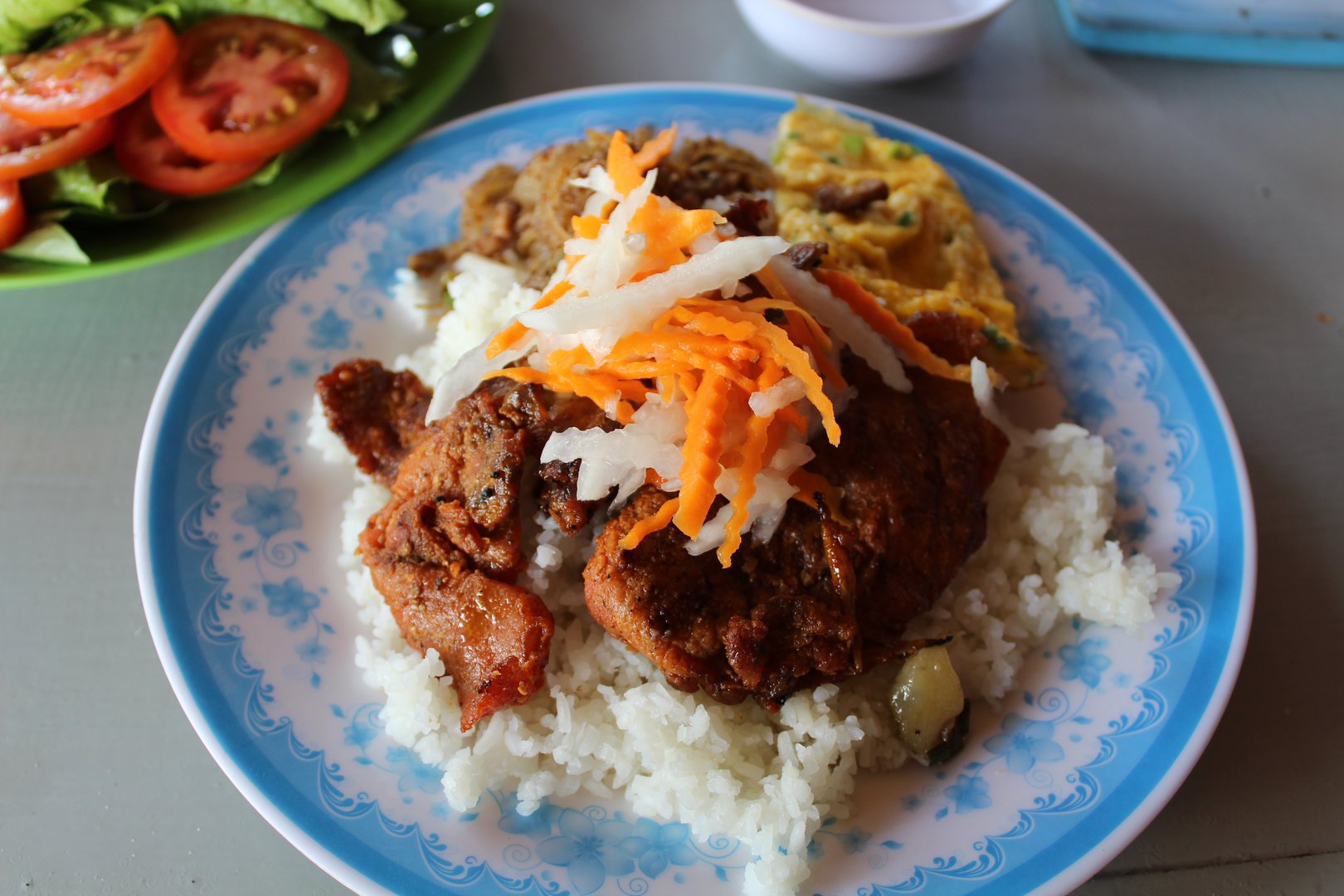
Other things that are worth doing in Hué are visiting some of the tombs of the old emperors outside town, the beautiful market, some of the pagodas. When you visit Hué you have to find a restaurant where they serve special food from Hue. I. The food is often presented in a deightful way and is more spicy than up in the north.

Day16-18

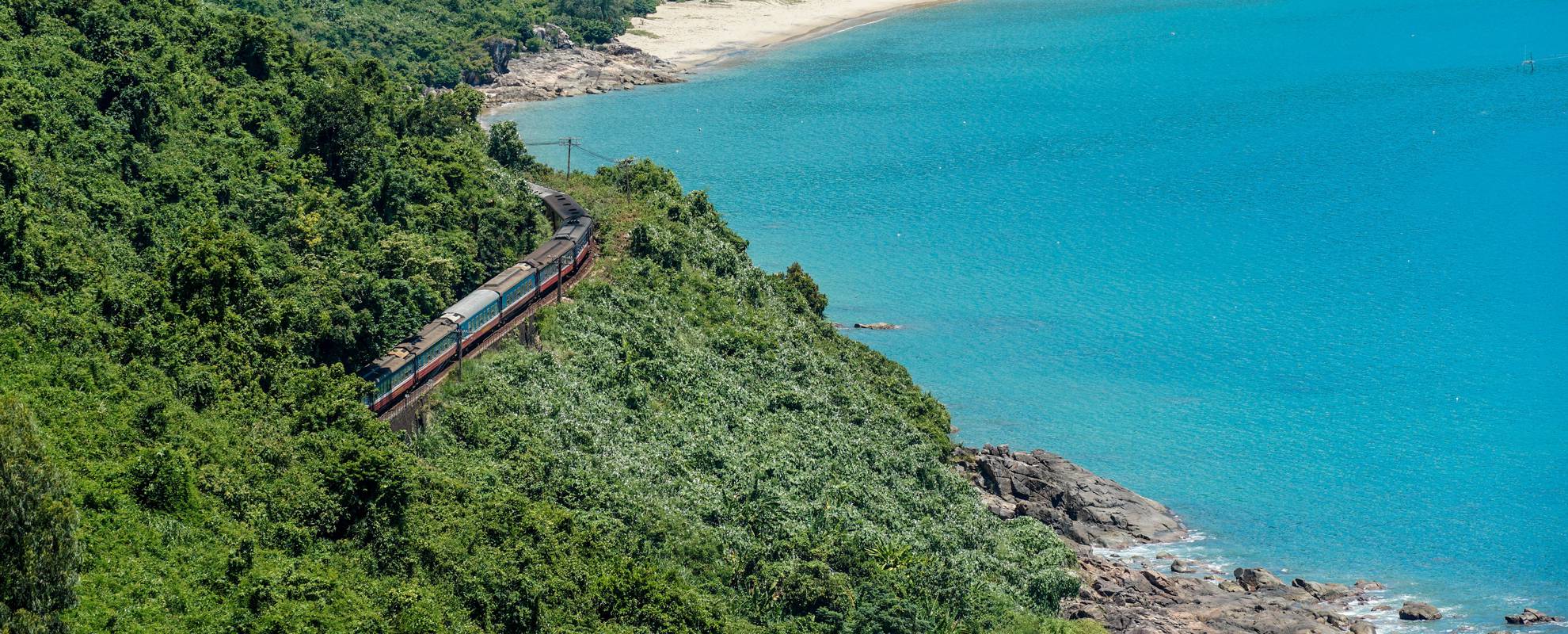
The next day will you go by rented bus to Hoi An via Hai Van pass and Danang. The road to Danang is very beautiful and the scenery from the Hai Van pass is spectacular in clear weather.

In Danang will you have enough time to visit the Museum of Cham sculpture (Bao Tang Cham) founded in 1936 by the Ecole Francaise d´Extreme Orient. It houses the finest collection of Cham sculptures in the world. For many centuries, until 982, the Hindu culture of the great Champa kingdom influenced the Vietnamese culture, especially its dance and music.
American troops landed 1965 on the beach in Da Nang (China beach) to help the Saigon regime in the war against FNL and military forces from North Vietnam. From 1965 the war escalated as a result of the direct involvement of the US army.

In the afternoon you will continue with mini-bus from Da Nang to Hoi An , where you will stay for two nights.

In its heyday Hoi An was an important port for Dutch-, Portuguese-, Chinese- and Japanese vessels. You can still see traces from these countries in the architecture of Hoi An. Main reasons why travellers continue to come here is the atmosphere, the friendly people, the beautiful beach, the fantastic food etc. Many consider it to be the nicest town in Vietnam.

Cua Dai beach is some 5 km away from Hoi An the beach is very nice and is lined with many small restaurants.You can rent a bike to go there or just take a taxi.

From Hoi An is it easy to go by bus or car and visit My Son. This is an important old Cham site set in a beautiful valley. My Son was declared a religious sanctuary from the 4th century. It has impressive Hindu temples and towers. Many are dedicated to the Hindu god Shiva, regarded as the creator and defender of the Champa kingdom as well as of the royal dynasties of the Cham people. Heavy bombing by B52's during the Vietnam War destroyed main parts of the area. It is a very interesting and beautiful place to visit. If you decide to go there make sure that you start early in the morning from Hoi An, 6 or 7 o´clock then will you arrive in My Son 8 or 9 o´clock. If you arrive later you will find the place crowded, hot and very sunny. Since My Son is a holy place is the experience much stronger if it is more peaceful and few people.

Day 19-20

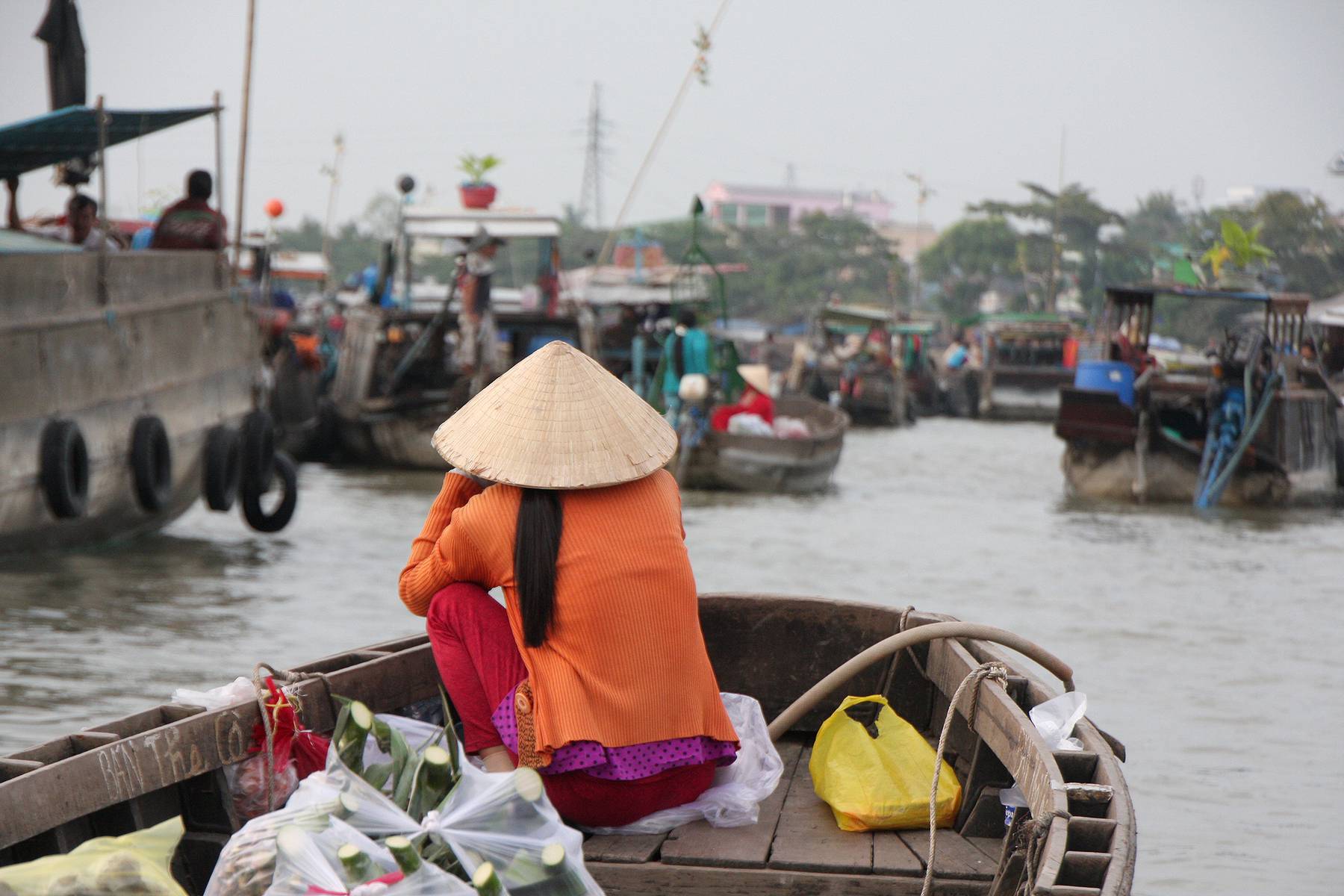
After breakfast you take a bus to Da Nang were the train for Saigon leaves around noon.You arrive in Saigon the next day in the morning and continue by rented bus to Can Tho in the Mekong Delta

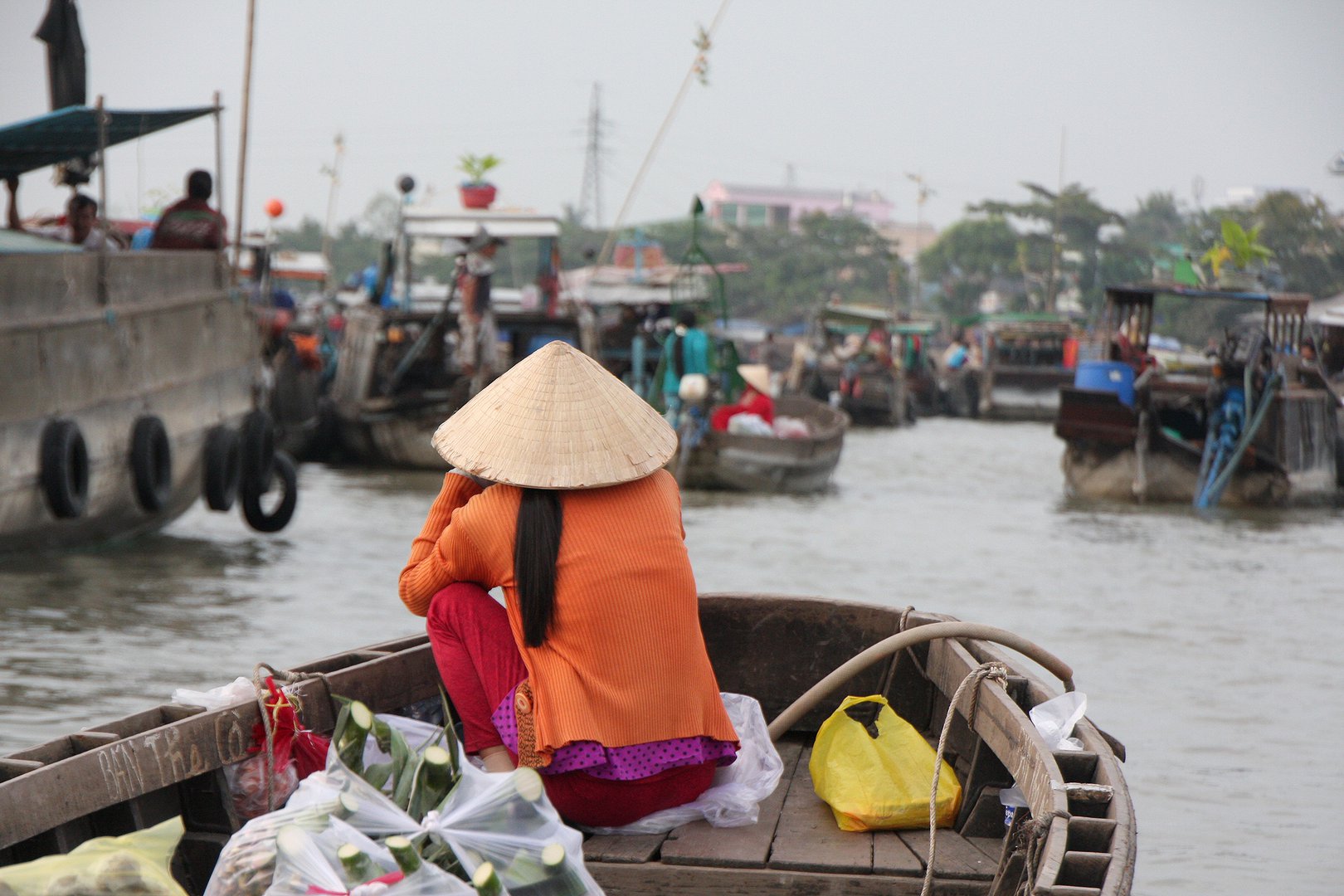
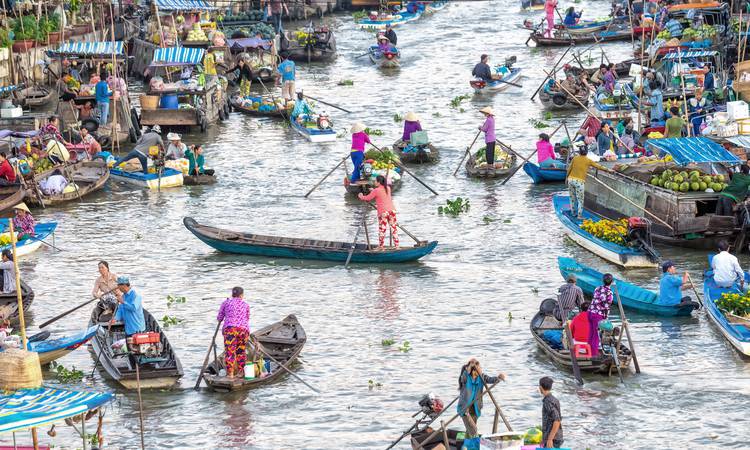
For one day will you live in a village outside Can Tho and you will experience a little of the daily life and living conditions for people in this very special environment. Day 20 you take a bus to Saigon.

Day 21-25

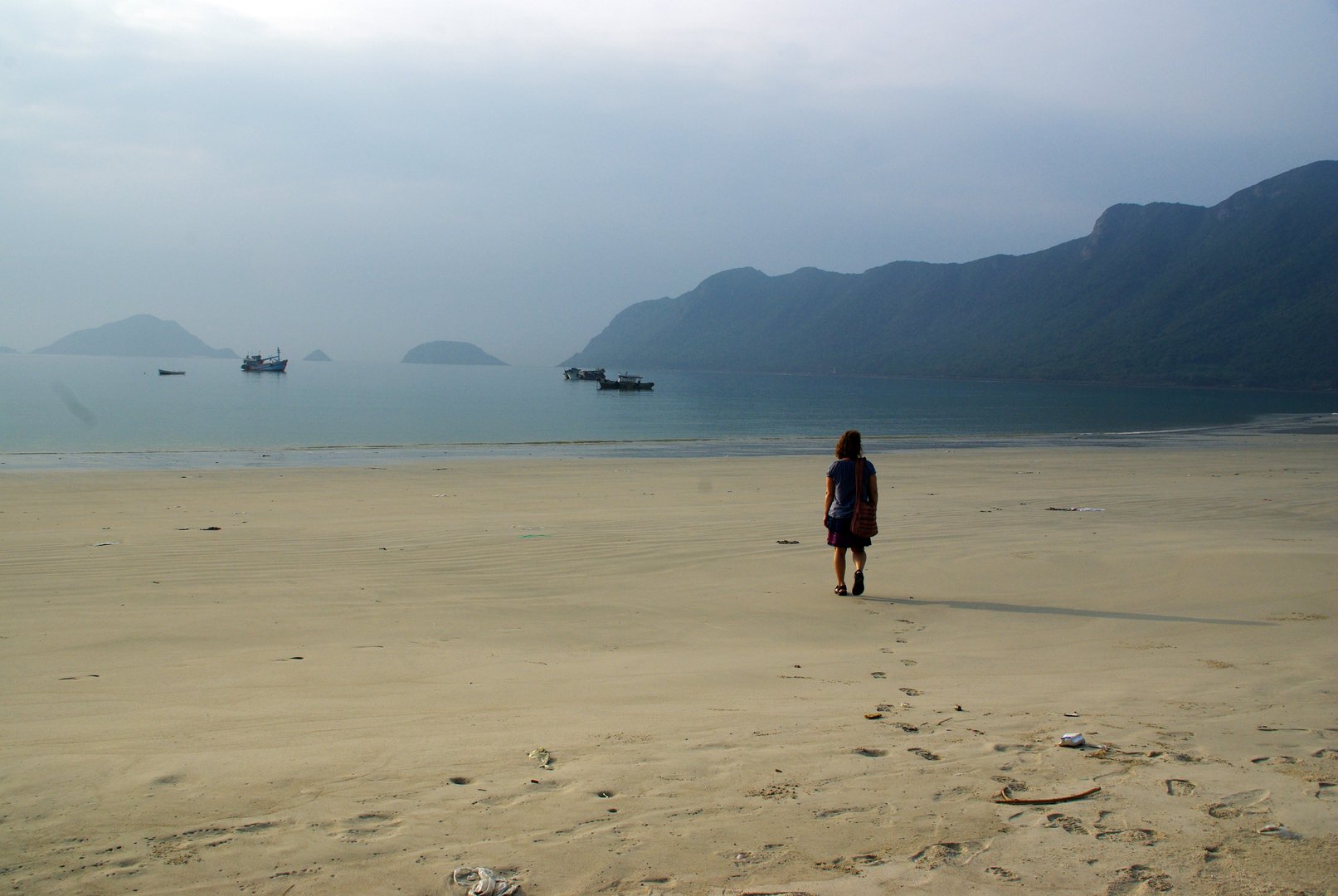
you take a flight to the remote Island Con Dao in the morning and intall yourself in a hotel. Con Daochas got it all, fantastic beaches, wild forests and enchanting marine life. Still today has not the tourist industry boomed here so it is quiet and unspoiled. You could spend your time exploring the natural features of the island. It is possible to do trekking, rent bicycles and of course fantastic snorkeling.
Con Daos beaches are considered among the best in Vietnam and the National Park is well protected and considerd to be the most important sea turtles nesting ground in the country. The Islands are interesting also for historical reasons. During the French and American time was these Islands where prison Islands. Some 20000 prisoners died here up to the peace in 1975.


Day 26-27

Flight back to Saigon.

Saigon's official name today is Ho Chi Minh City, after the founder of modern Vietnam. It is one of the fastest growing cities in Asia and by far the richest part of Vietnam. Originally it was built on the site of an ancient Khmer city. It was a thinly populated swampy area until the 17th century when the Chinese merchants began settling there. In 1859 it was taken by French, and a few years later it became the capital of Cochinchina - the French colony in Indochina. In 1954, after the division of Vietnam along the 17th parallel, Saigon became the capital of the Republic of South Vietnam. When the Army of the Democratic Republic of Vietnam (North Vietnam) entered Saigon in 1975, the city was renamed Ho Chi Minh City. Officially greater Ho Chi Minh City claims a population of four million. In reality, perhaps six or seven million people live there today.

Just standing at a corner in central Saigon and watching all the motorbikes passing by or visiting the crowded Ben Tanh Market is a rewarding experience. In central Saigon much of the French colonial architecture can be found, most notable is the Notre Dame Cathedral. There are lots of museums in Saigon but two of them are in my opinion the two most interesting; the Museum of War Remnants, earlier called War Crimes Exhibition, on Vo Van Tan Street and the Reunification Palace e.g. the Presidential Palace before 1975 on Nguyen Du Street.

Cho lon which means big market in Vietnamese is it also the name of district no. 5, Saigons own China Town. It is very easy to go to Cho Lon, take a taxi or a xe-om, motorcycle taxi. Just to walk around and look at the normal life of people and visit two of the big markets, Binh Tay Market and An Dong Market makes it worth the trouble going there.

Possible excursions out of Saigon are:

Cu Chi tunnels built during the war against the French in the 1940 s and extended during the American war was an impressing system of tunnels stretching for many kilometres. The guerrilla used them as a base from were they could attack the US troops. It is one of the most bombed places in Vietnam and US air-force also sprayed a lot of Agent Orange over the area. The amount of casualties was frightening only, 6000 out of 16 000 FNL troops survived the American war. How many civilian that was killed in the area during the war is impossible to estimate but for sure was it many, many more.

If you choose to, you can visit the main Cao Dai temple with its exotic and surrealistic architecture in the village of Long Than (85 km).

This religion mixes secular and religious philosophies of West and East. It attempts to bring all existing faiths in Vietnam - Buddhism, Taoism, Confucianism, Christianity and Islam- under one supreme creator Cao Dai. Mohammed, Confucius, Buddha, Napoleon, Jesus, Shakespeare, Lenin, Victor Hugo and several others are saints for people who have faith in the religion. The religion itself is very hard to understand but it´s a fascinating spot to go and see. If you have enough time for a whole day excursion can you find tours that do both Cu Chi tunnels and Cao Dai in one day. Make sure that you choose a tour that will be at the Cao Dai temple at noon so you can watch the main praying session.

Day28

Tour ends.