
| Börjar: | 2026-12-25 i Havanna. |
| Avslutas: | 2027-01-10 i Havanna. |
| Reslängd: | 17 dagar |
| Deltagare: | 6 - 12 |
| Lediga platser: | Ja |
| Bekräftad: | Nej, avvakta med att boka flyg |
| Pris: | 24 800 kr |
| Boka-tidigt-rabatt: | - 500 kr |
Du cyklar på bilfria vägar längs sockerrörsfält, genom odlingar av tropiska frukter och över gröna kullar. Du kommer till områden i östra Kuba dit få turister kommer. Resan tar dig även till historiska platser som Bayamo och Trinidad. Många badmöjligheter och intressanta möten med människor väntar.
Resedetaljer
| Dag | Program |
|---|---|
| 1-2 | Samling i Havanna |
| 3-4 | Bayamo - typisk kubansk småstad |
| 5-6 | Cykling mellan småstäder |
| 7-8 | Cykling längs kusten |
| 9-11 | Kolonialstaden Trinidad |
| 12 | Cykling längs kusten till Guajimico |
| 13-14 | Cienfuegos |
| 15-17 | Havanna |
- Kvalificerad reseledning
- Informationspaket med utvald litteratur och karta
- Visum (turistkort)
- Samtliga transporter under resan
- Del i dubbelrum eller annan inkvartering under resan (casas particulares)
- Samtliga utflykter och aktiviteter ingåendes i resplanen (Hemingwayutflykt i Havanna)
- Inträde till nationalparken El Cubano (Trinidad)
- Lokala guider och tolkar enligt resplan
- Samtliga formella tillstånd
- Cykel och följebil som transporterar bagage under cyklingen
- Dricks till lokala guider, tolkar och chaufförer vid aktiviteter enligt resplan
- Bidrag till utbildningsprojektet Educa a tu hijo
- Internationellt flyg till/från resmålet
- Måltider som ej nämns ovan
- Utflykter och aktiviteter utanför resplanen
- Hjälm och cykelväska som vi rekommenderar att du tar med från Sverige
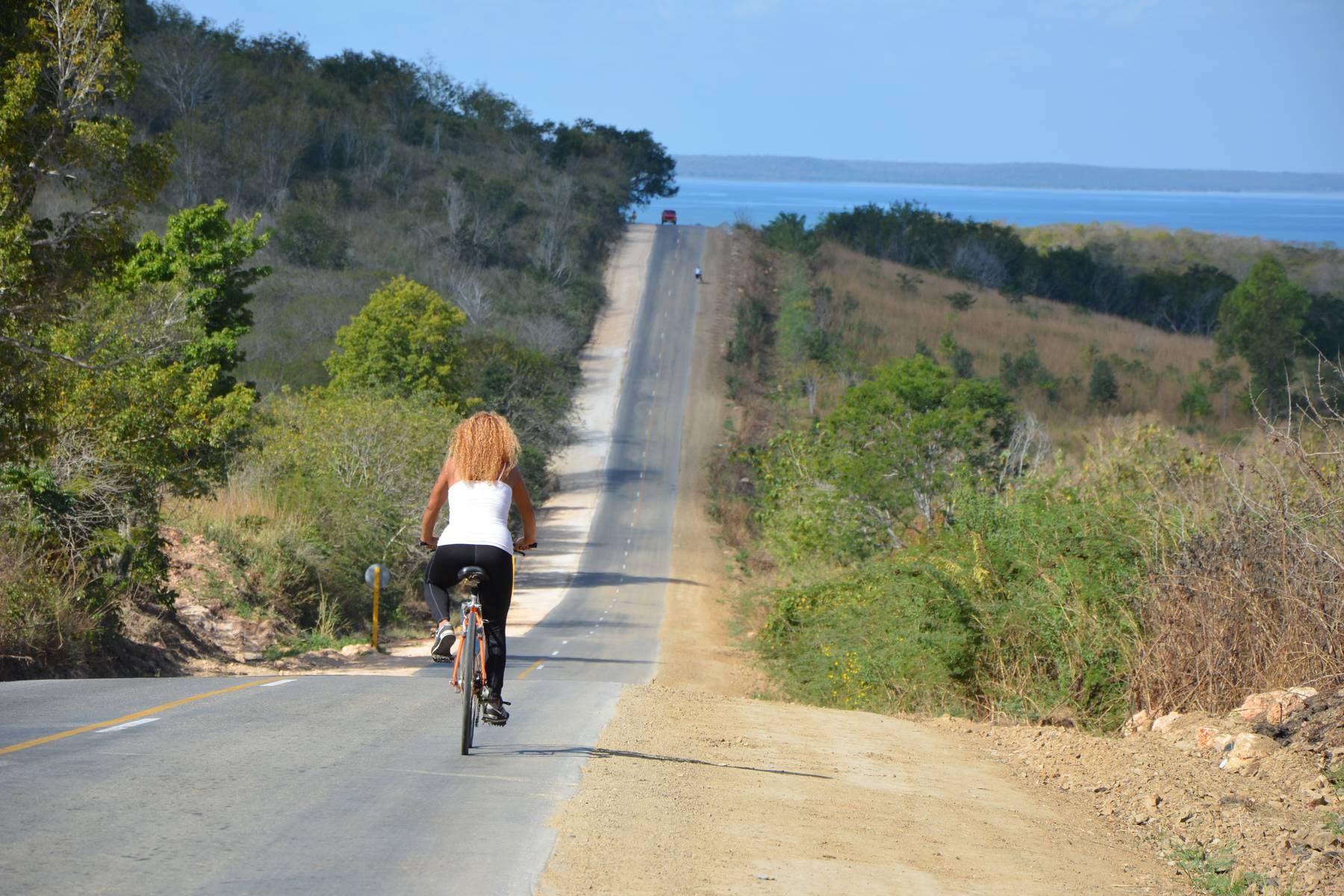
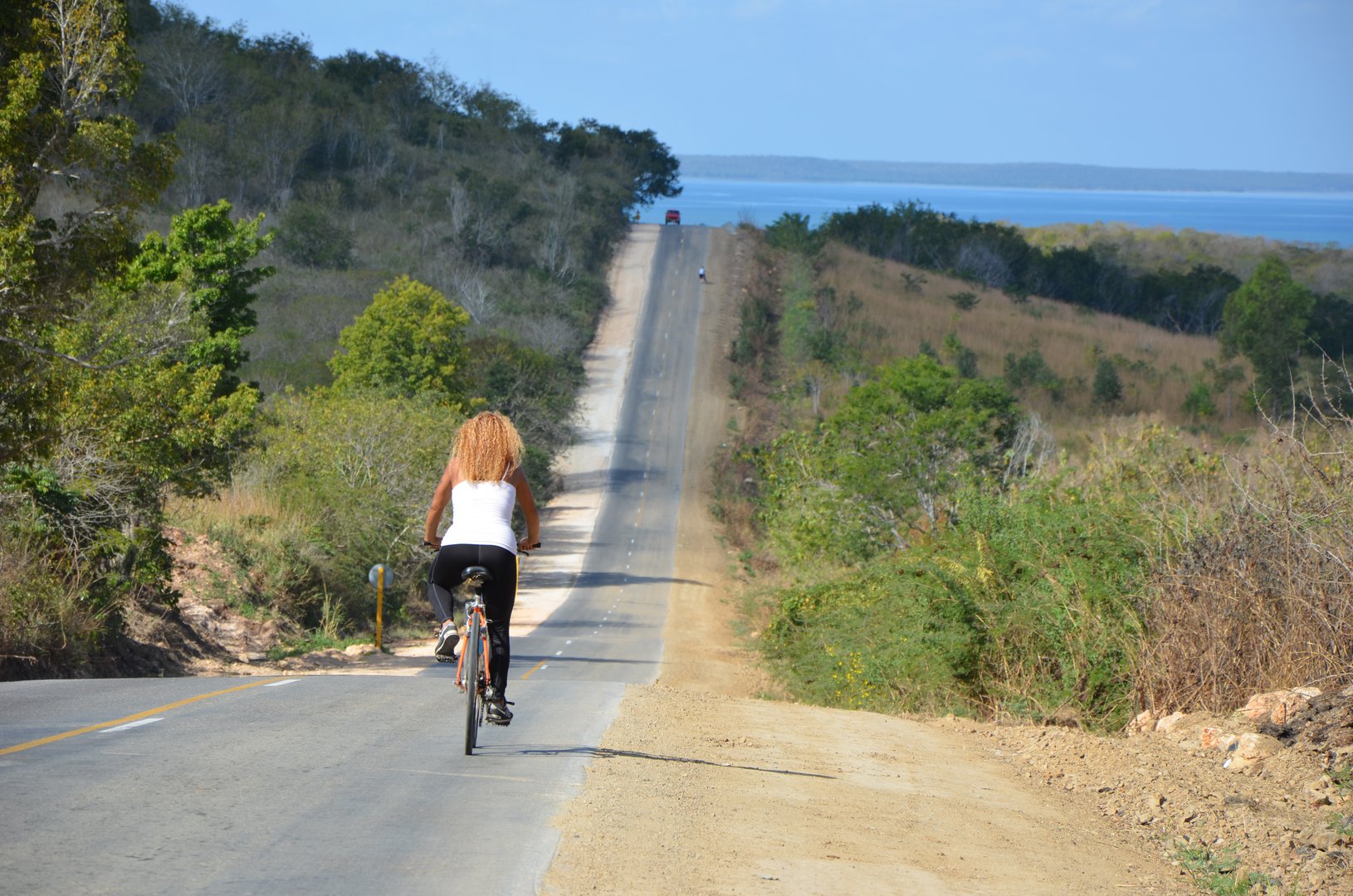
Eva susar nedför backen mot Rancho Luna
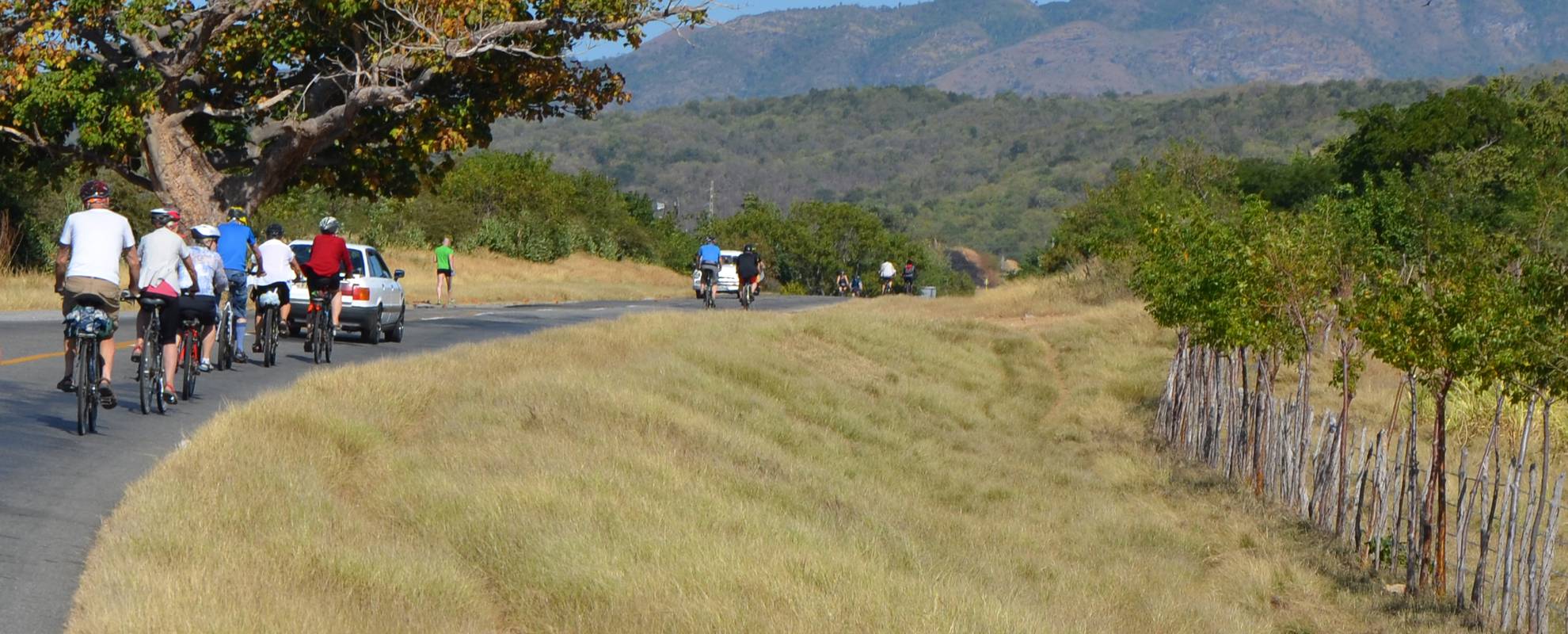
Cykling längs kusten
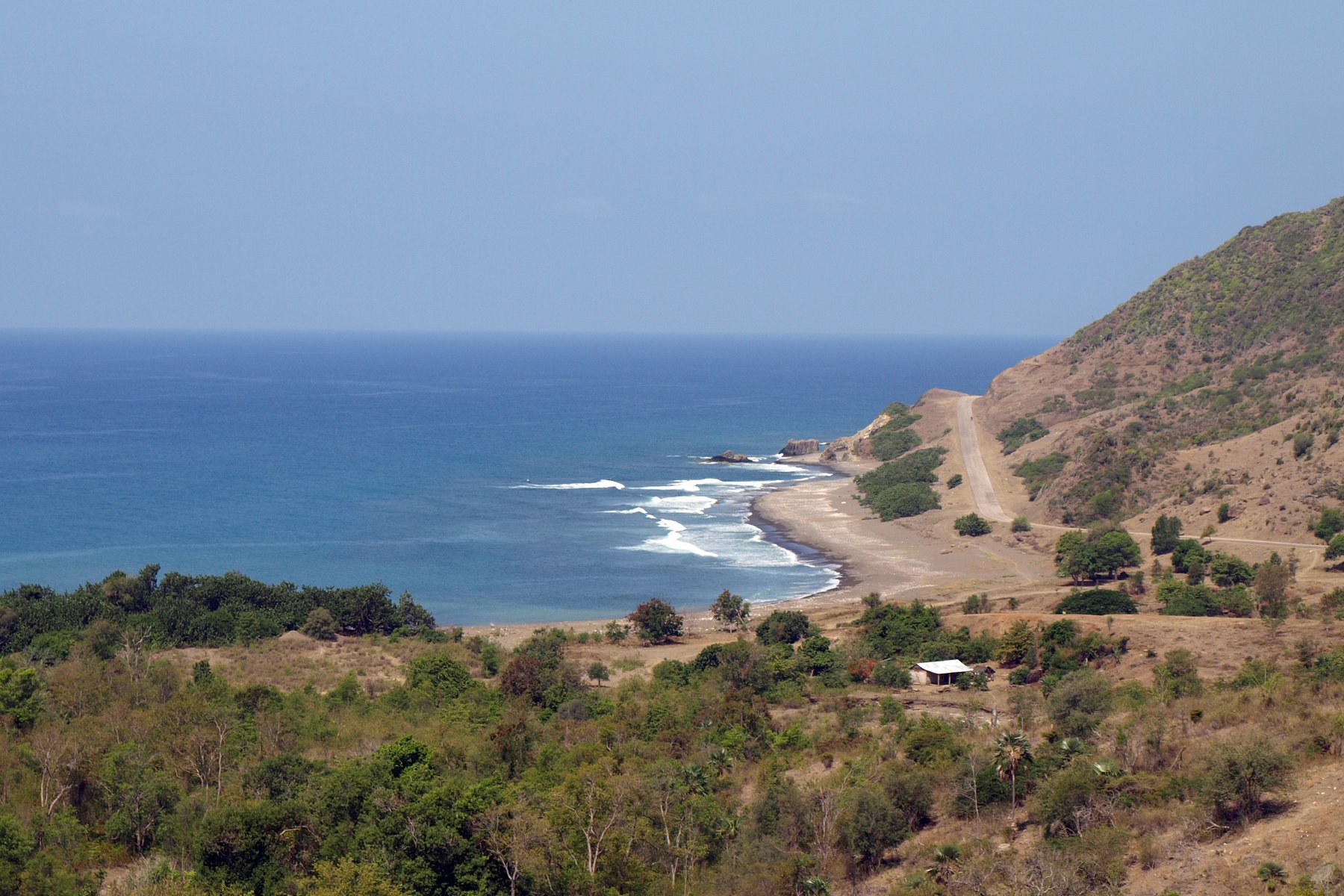
Vägen längs Kubas sydkust går mellan berg och hav
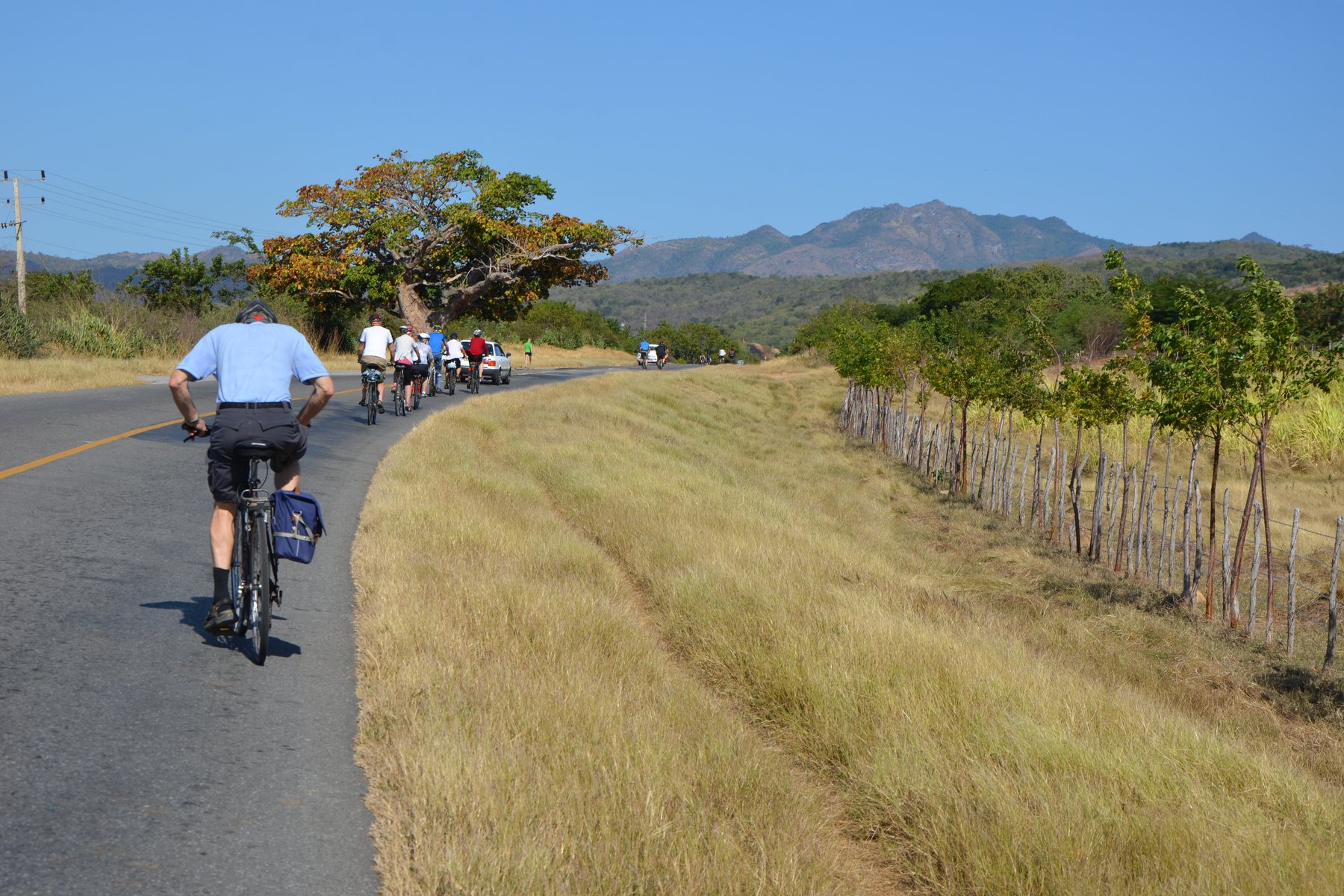
Cykling till Guajimico
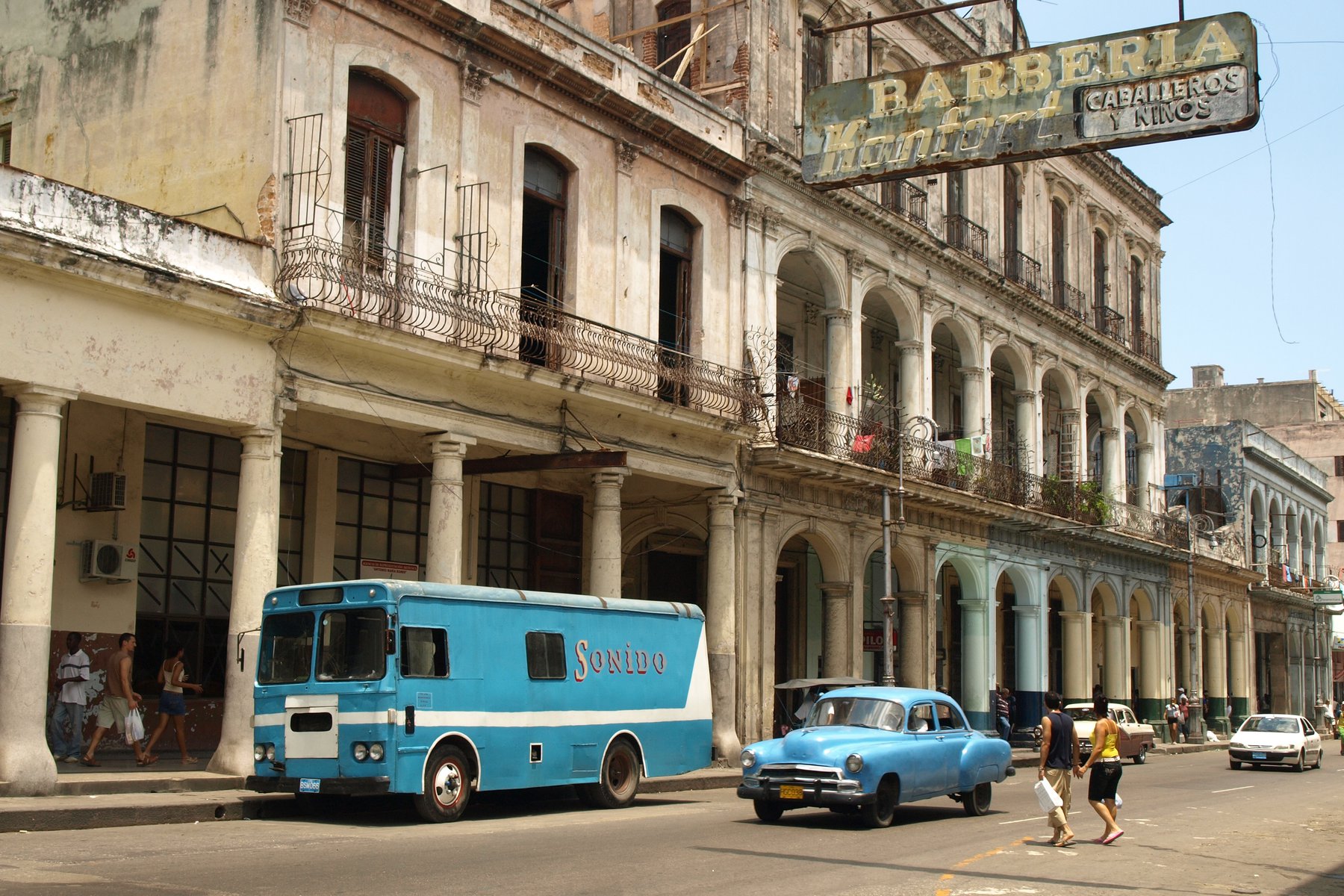
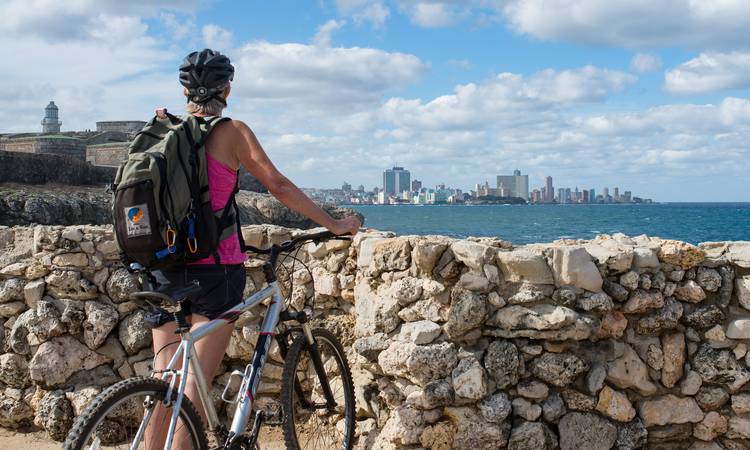
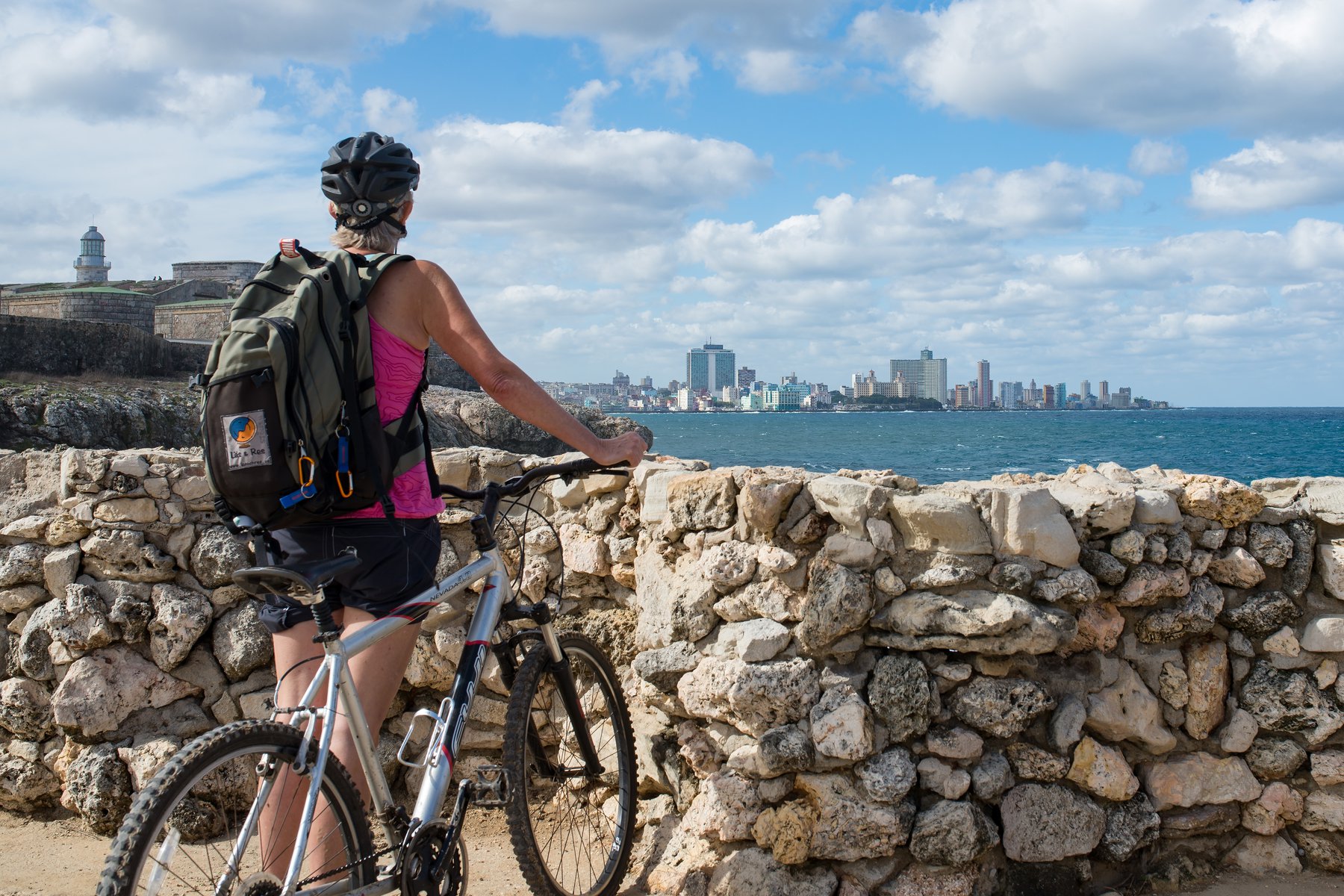
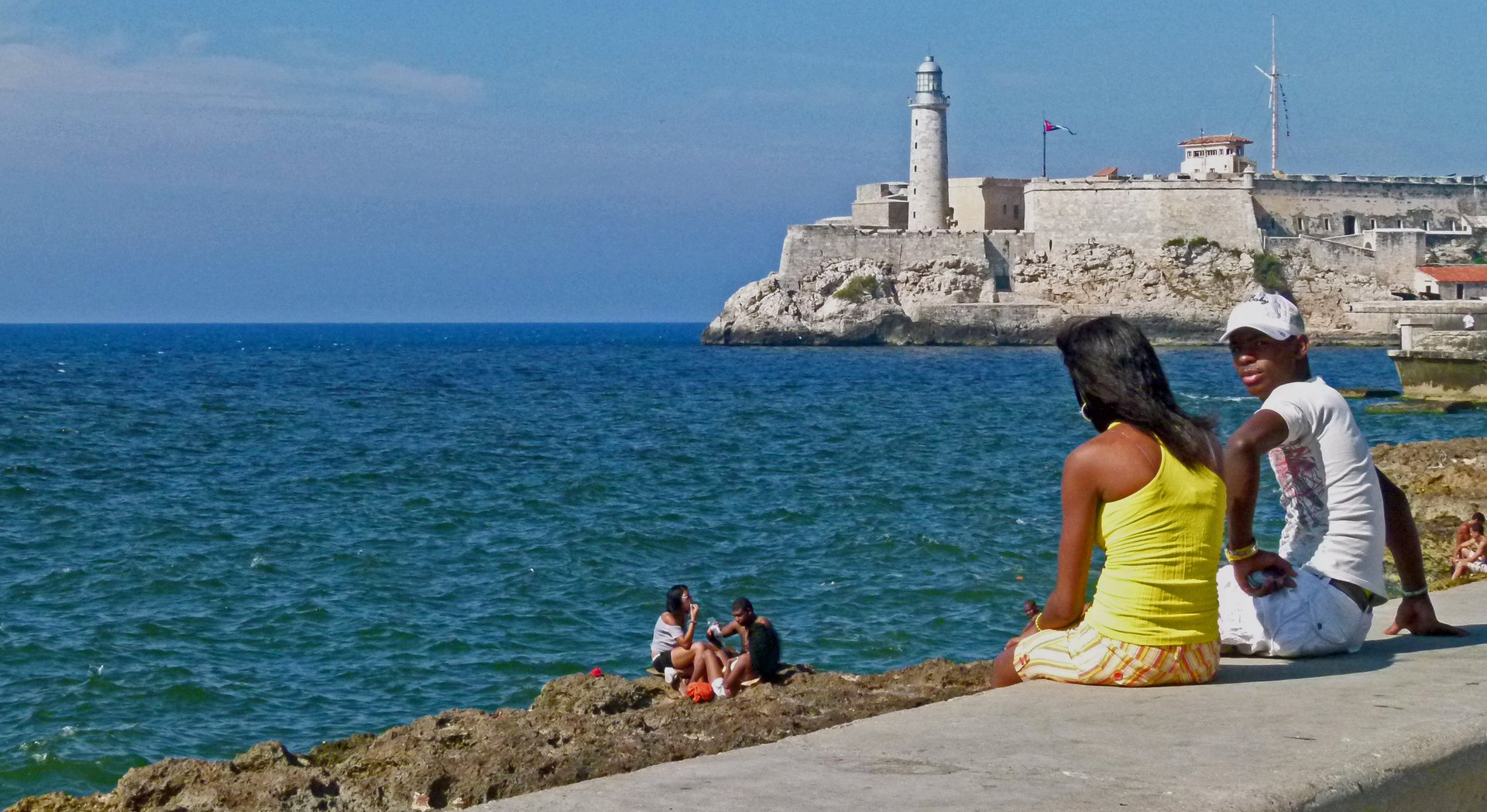
Slitna fasader i centrala Havanna
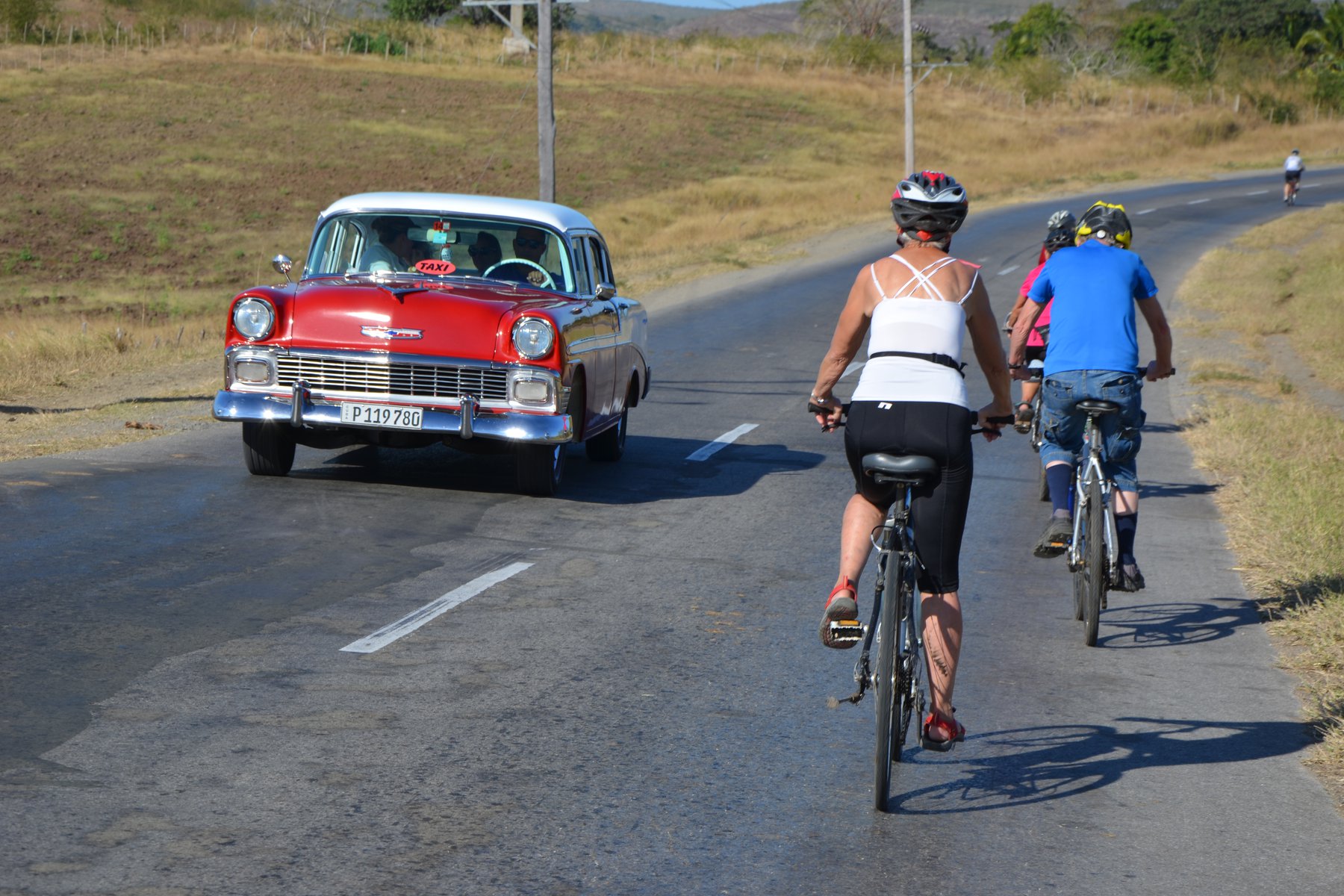
Gamla bilar och varierad natur
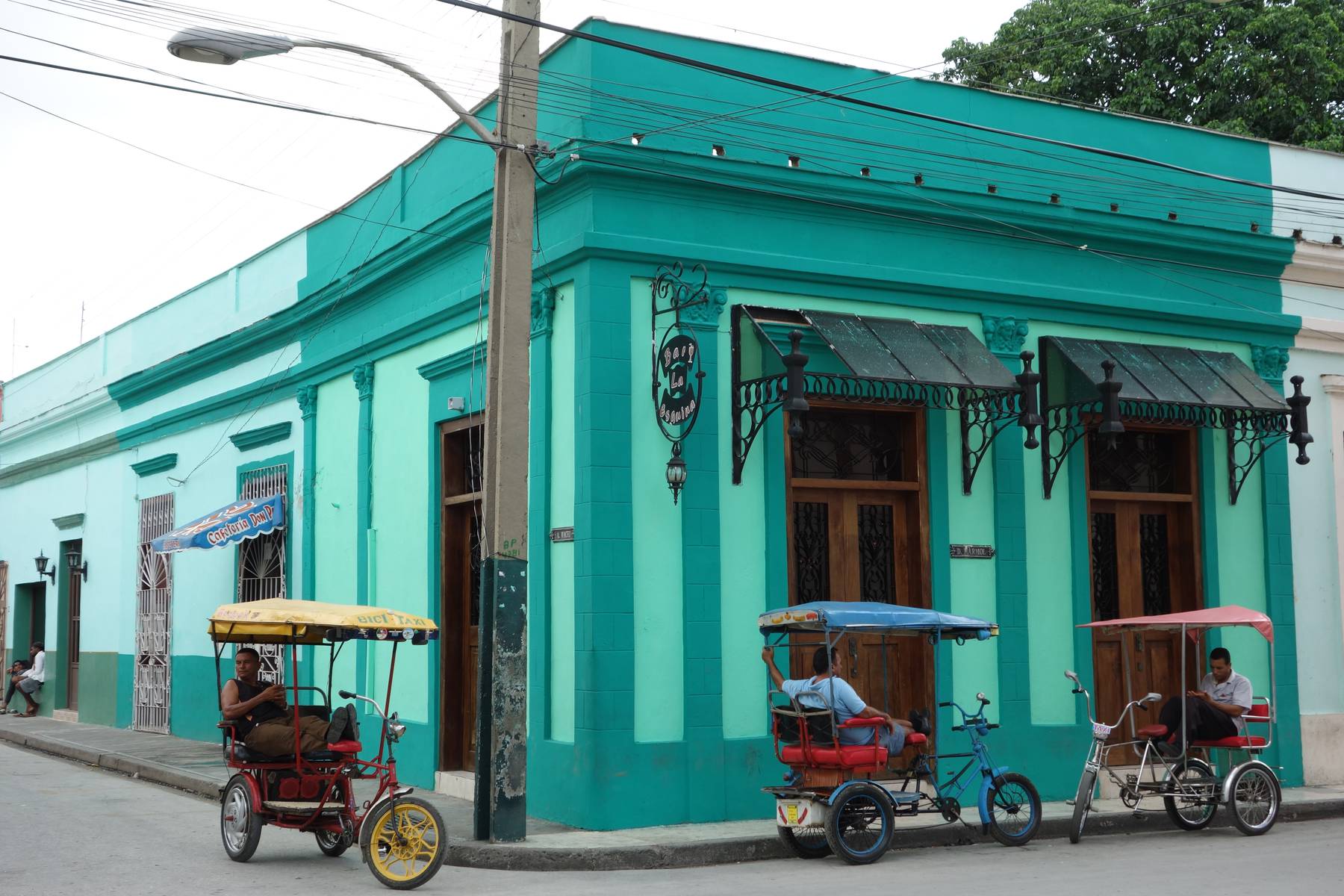
Bayamo är en typisk kubansk småstad
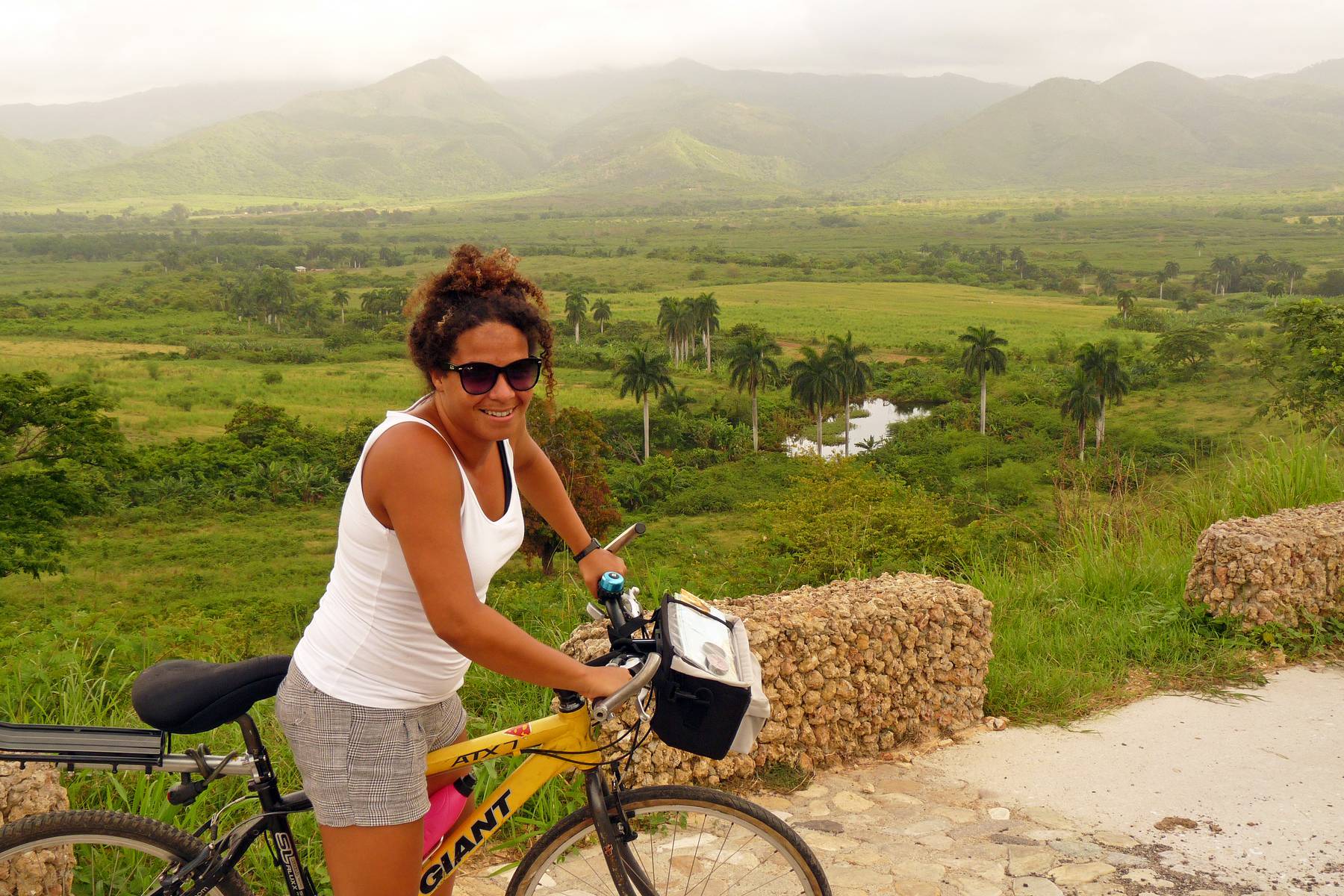
Reseledaren Eva vid Valle de Los Ingenios.
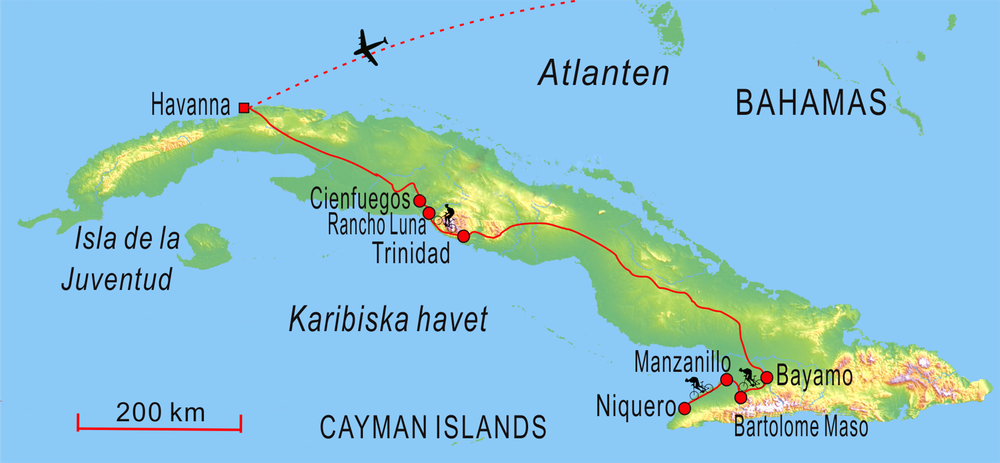
Dag 1-2 Samling i Havanna
Samling i Havanna. Du får en första chans att lära känna Kubas fascinerande huvudstad. I Habana Vieja (gamla stan) kan du vandra runt i de historiska gränderna. Gör som lokalbefolkningen och promenera längs El Malecón i solnedgången. Staden har också flera museer, såsom Revolutionsmuseet och Rommuseet.
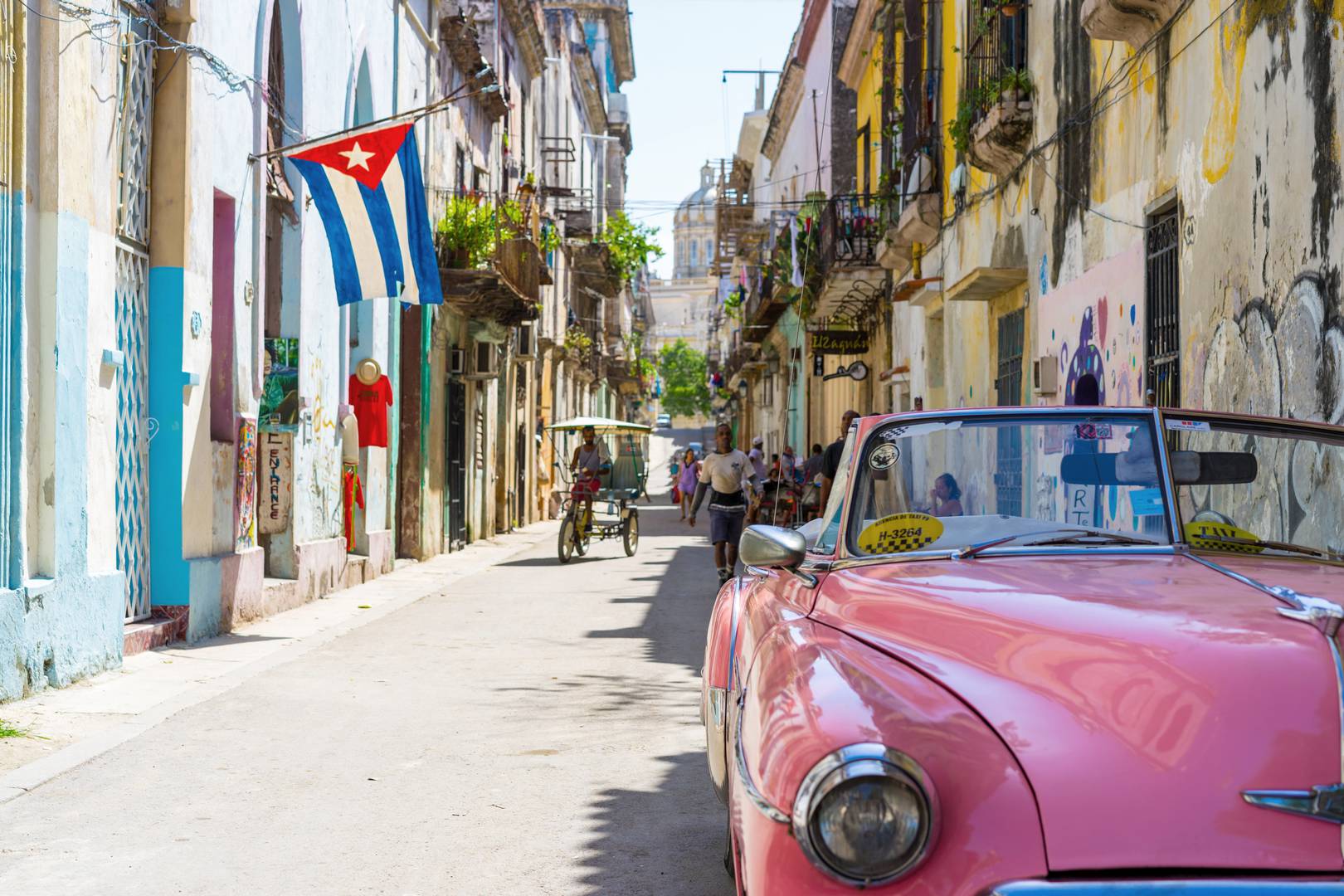
Dag 3-4 Bayamo - typisk kubansk småstad
Buss till Bayamo. Du korsar Kuba på en dag, med intressanta stopp längs vägen. Bayamo är en typisk kubansk småstad med lugna gator och skuggiga torg. Staden har spelat en viktig roll under Kubas historia. Här inleddes självständighetskampen mot spanjorerna.

Dag 5-6 Cykling mellan småstäder
Första cykeletappen är 48 km och går genom solros- och sockerrörsodlingar till den lilla staden Bartholomé Masó i kanten av bergskedjan Sierra Maestra. Nästa dag cyklar du vidare 34 km mot kusten, genom bördiga jordbruksområden mot hamnstaden Manzanillo.
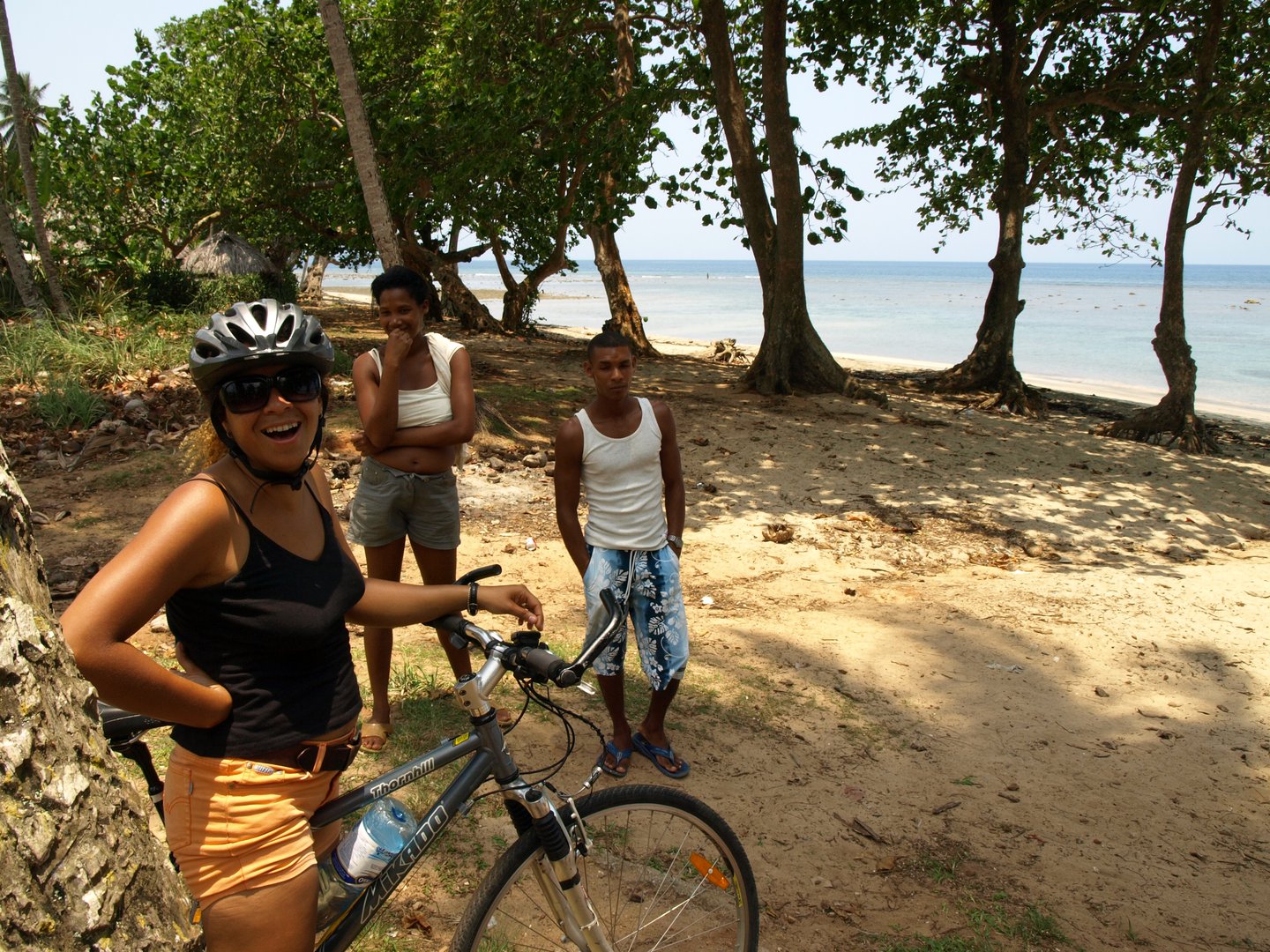
Dag 7-8 Cykling längs kusten
Cyklingen fortsätter längs kusten och detta är den längsta dagsetappen; 72 km. Du gör ett stopp vid stranden i Media Luna när solen är som varmast. Niquero är en liten fiskestad med hus av trä, målade i starka färger. Du får en vilodag här men vi rekommenderar att du cyklar ned till Kubas sydligaste udde, Cabo Cruz, där utsökta skaldjur väntar.
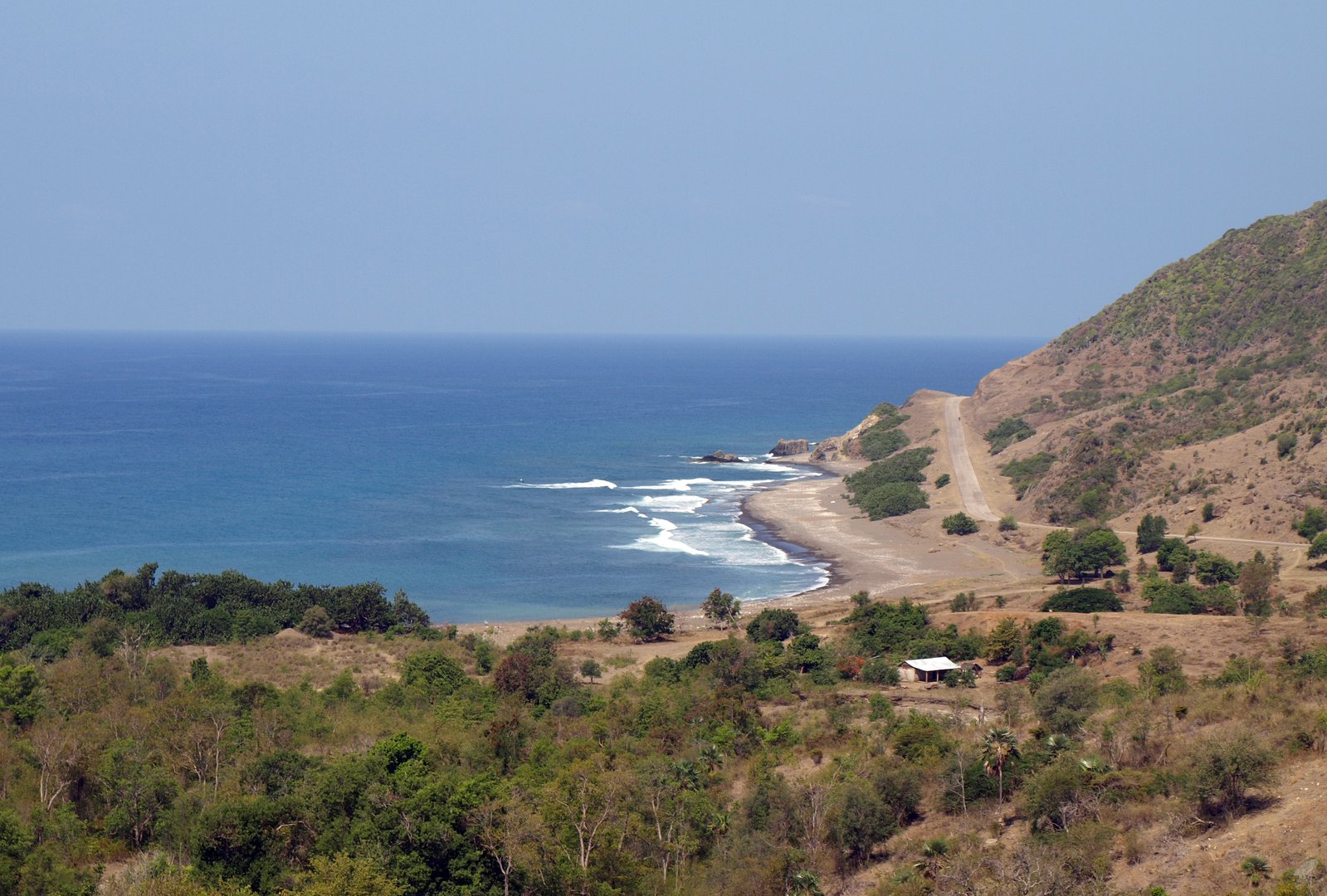
Dag 9-11 Kolonialstaden Trinidad
Buss till centrala Kuba och staden Trinidad, Kubas bäst bevarade kolonialstad med stenbelagda gränder, färgstarka hus och vackra kyrkor. Från Trinidad cyklar du genom dalgången Valle de Los Ingenios, som tidigare var ett stort centrum för Kubas sockerindustri. På vägen tillbaka till Trinidad kan du, om du vill, fortsätta till stranden La Boca. En av dagarna åker du buss till naturreservatet El Cubano. Här vandrar du genom grönskan tills du når ett vattenfall där du kan ta ett uppfriskande dopp.
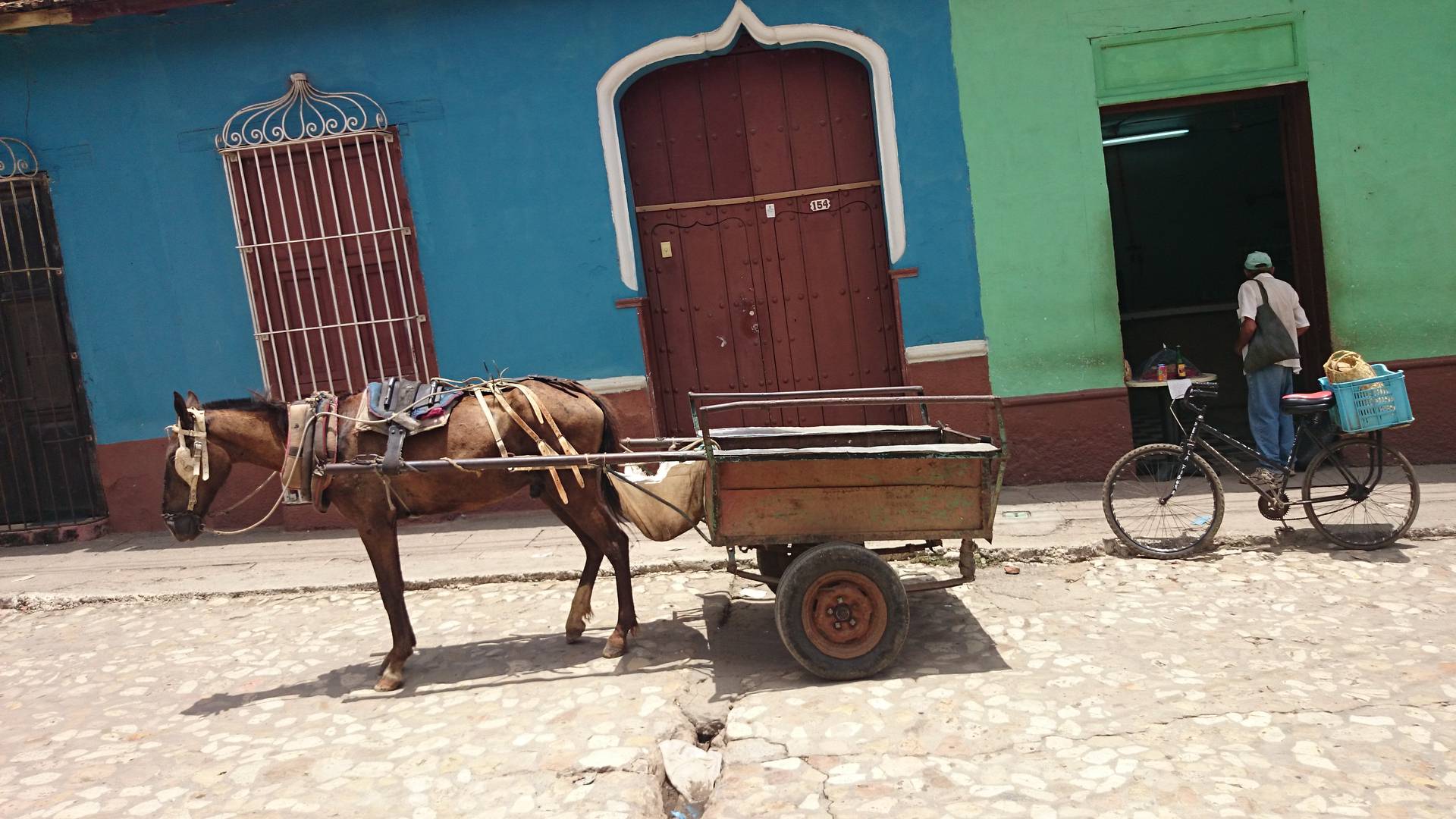
Dag 12 Cykling längs kusten till Guajimico
Cyklingen fortsätter 40 km längs kusten till Guajimico. Du passerar flera floder som rinner ner från bergskedjan Escambray.
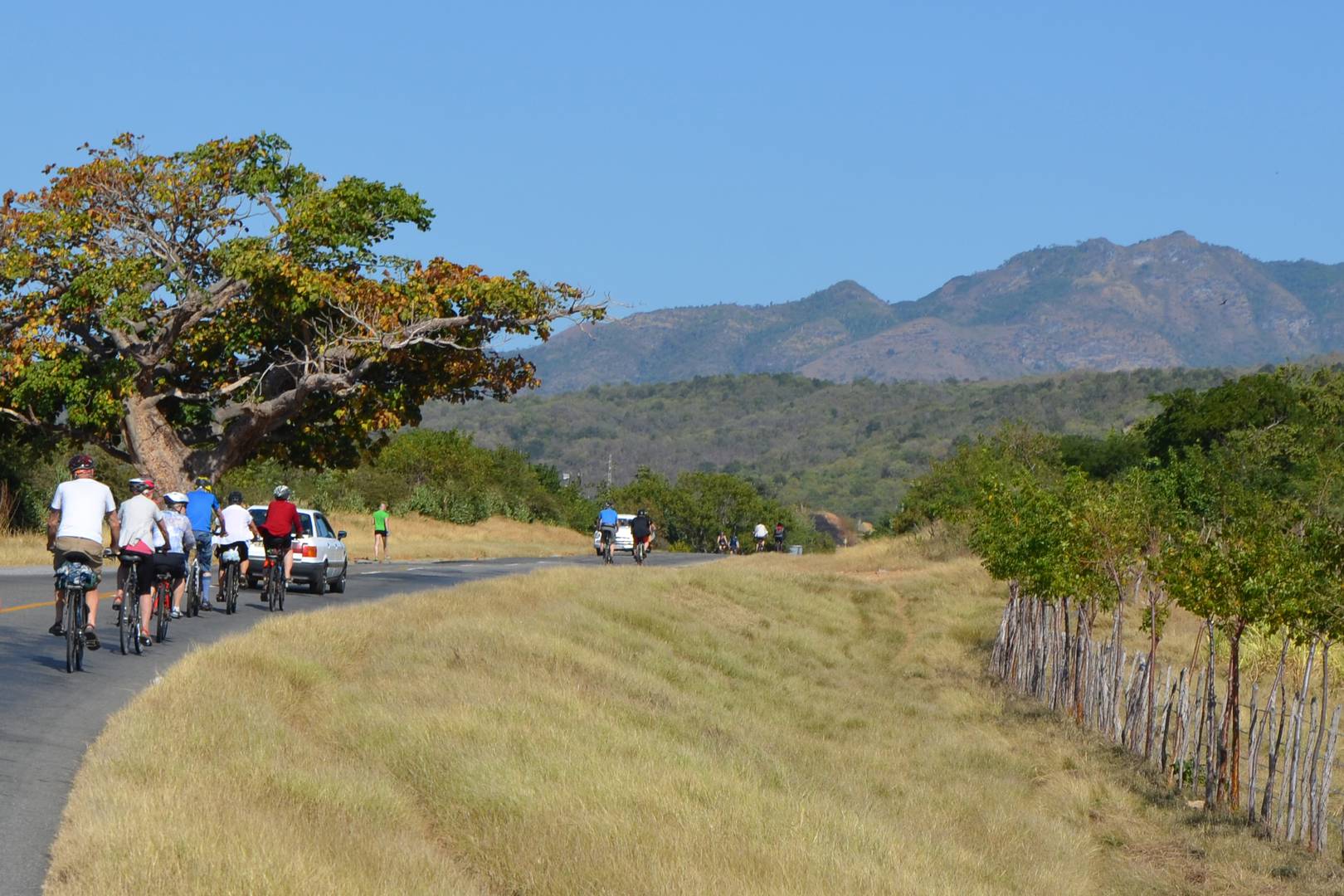
Dag 13-14 Cienfuegos
På väg mot Rancho Luna cyklar du genom några av Kubas största boskapsområden. Väl framme i Rancho Luna vilar du några timmar vid stranden innan färden fortsätter längs kusten till Pasacaballo där du tar båten över Jaguabukten och cyklar på småvägar till Cienfuegos, totalt 38 km. Du har en fri dag att upptäcka charmiga och eleganta Cienfuegos, med sin franska arkitektur.
Dag 15-17 Havanna
Med buss tillbaka till Havanna, staden som för många är synonymt med bilden av Kuba - slitna fasader, 50-tals bilar och barer där det känns som att tiden stått stilla. Här väntar en dagsutflykt i Hemingway's fotspår. Upptäck även Habana Viejas historiska gränder. Här avslutas resan.
Född 1979. Mångsysslare som de flesta kubaner. Utbildad inom kommunikationsvetenskap och arbetar med olika filmprojekt. Bor med sin dotter utanför Havanna. Började arbeta för oss 2008.
Flyg
Visum (turistkort) till Kuba ingår i priset för denna resa men om du väljer att flyga via USA kan vi inte ordna visum åt dig utan då behöver du själv ordna visum i USA.
Om du köper ditt flyg så att du mellanlandar i USA behöver du inget visum men ett intyg genom Electronic System for Travel Authorization (ESTA). Ditt ESTA är giltigt under 2 år (om du inte byter pass). Det finns flera bluffsidor där man kan ansöka om ESTA, där priset är 89 USD. Det rätta priset är 14 USD och rätt sida kommer du till genom att klicka här!
OBS! Alla resenärer från länder som ingår i USAs Visa Waiver Programme (t ex Sverige) och som har besökt Iran, Irak, Sudan eller Syrien efter den 1.3 2011 måste ansöka om vanligt visum till USA (inte ESTA). Se till att du har minst 3 timmar mellan dina flyg om du ska resa via USA då köerna till säkerhetskontrollerna kan vara väldigt långa. Du behöver även hämta ut och checka in ditt bagage.
Om du mellanlandar i Kanada behöver du ett eTA (Electronic Travel Authorization). Det kostar 7 kanadensiska dollar och du ansöker om det genom att klicka här!
Boende
Vi använder oss i första hand av Casas Particulares, som kan liknas vid små privata Bed and Breakfasts. I dessa bor du i en familjs hus. Familjerna är ofta väldigt vänliga och hjälpsamma men de pratar sällan engelska. Enkelrum kan erbjudas samtliga av resans nätter.