
Senast uppdaterad: 2011-05-04

Itinerary

Resebeskrivning - Ta med på resan

Day 1-2

Beijing is the capital of China since 1279. There are many historical points of interest; where the Forbidden City 故宫, the Summer Palace 颐和园, Temple of Heaven 天坦公园 and the Great Wall 长城 are the most important.

From the hotel it is possible to take a walk to the Tiananmen Square 天安门广场 and the Forbidden City 故宫. North of the Forbidden City there are a series of parks starting with the Jingshan Park 景山公园 just across the street from the northern gate of the Forbidden City. From the top of the hill of Jingshan Park you get a good view of Beijing and the Forbidden City. Further to the west you will find the Beihai Park 北海公园, which is very popular among Beijingers for skating in the wintertime. Beihai means the Northern Sea. Just south of Beihai is Zhongnanhai 中南海 (Middle and Southern Sea). That is the part of the government area where most of the high rank leaders work and live. It is often called the Forbidden City of the Modern China, it is not open for ordinary citizens to visit - just as the Imperial Forbidden City.

North of the Beihai Park, there are a few more lakes surrounded by parks; Qianhai 前海 (the Front Sea), Houhai 后海 (the Back Sea) and Xihai 西海 (the Western Sea). This part of Beijing is quiet and nice for a stroll along the lakeside. Older men are fishing, others are playing table tennis, yet others go for a swim in the water. Close to Houhai you can find some small tea houses 茶馆 where tea is served in the traditional way. There are also many cafes and restaurants. In the area of these lakes there are also some museums and parks worth visiting. Prince Gong's Residence 恭王府 has a traditional Chinese garden and Chinese styled buildings, as has the former residence of Song Qingling 宋庆龄故居.

The city centre of Beijing has a mixture of narrow alleys and modern shopping areas. A traditional Chinese house is built in a square with a courtyard in the middle, siheyuan. Towards the alley there are no windows but just a high wall and a closed gate. Some of these courtyards are well preserved and it has become very popular and exclusive to live in such courtyard houses. There are also many old houses in very bad condition in the alleys. Most of the ordinary people living in the alleys do not have private toilets but have to use the public toilet in the neighbourhood. The Beijing authorities are very keen on tearing these areas down to get space to build hotels, shopping centres and office buildings.Beijing is changing rapidly and it seems as almost the whole city is under re-construction.

Many new buildings were constructed for the Olympics, such as the famous Bird nest and the Water Cube. And new subway lines have opened. The new Beijing has lots of high-rise buildings, roads in three layers and a great deal of neon and modern architecture. The most modern part of the city centre is situated around the Wangfujing Street 王府井大街. Jianguomenwai Dajie 建国门外大街 is another area with several large shopping centres, such as the Friendship Store 友谊商店. Not far from the Friendship Store, to the East, you will also find the famous Silk Alley 秀水市场 where you can buy clothing garments of all kinds, only some of them made of silk. Another good place for shopping is the Hongqiao Market just north of the Eastern Gate of Tiantan Park. The Hongqiao Market 红桥市场 is no longer a regular market in the street, but a modern four storey-building where everything from CD-players to pearls are sold.

The Tiantan Park 天坛公园 is one of the largest parks in Beijing. In the middle of the park you will find the Temple of Heaven (Tiantan 天坛) which was one of four important temples where the emperor made annual offerings. In each direction from the Forbidden City you will find each of these temples. To the North; Temple of Earth (Ditan 地坦). To the West; Temple of the Moon (Yuetan 月坦). To the East, not far from Friendship Store; Temple of Sun (Ritan 日坦). Temple of Heaven, which is to the south, was the most important of these temples since the emperor was regarded as the son of heaven.

In most parks there are a lot of activities in the mornings. People gather to do any kind of exercise; qigong, dancing and even singing opera. In some parks old men bring their bird cages and let the birds sing together while the men chat away. Tiantan Park 天坛公园 is probably the park with most morning activities of all. It is quite an experience to walk around in the park in the early morning surrounded by all the activity. In the evenings you can visit an acrobatic show or a performance of Peking Opera. The Lama Temple, Yonghegong 雍和宫, is a nice and quiet temple well worth a visit.

There are a variety of interesting foods to be tried in Beijing, both local food and from other parts of China. Some local specialities you should try are jiaozi 饺子 boiled dumplings filled with pork or vegetables, and lamian 拉面 - fresh noodles, which they make while you wait. Beijing duck 北京烤鸭 is another must. Korean barbecue has become very popular among the Beijingers. You barbecue your own meat at your table. Yet another special dish for Northern China is Hot Pot or shuan yangrou 涮羊肉. A pot of boiling water is placed on your table and you will cook your own mutton (lamm) meat and vegetables and dip it in a sauce made of sesame paste, coriander and other spices. Traditionally, mutton meat is used (yangrou = mutton) but any meat or seafood will be available. This dish is most popular in the wintertime when northern China is very cold and friends gather around the hot pot for a meal.

There are several spots where to visit the Great Wall 长城, some very crowded, others quite empty. Most "tourist stations" at the wall has a cable car to take you up to the top. Simatai 司马台 is warmly recommended. Go early in the morning if possible. From Simatai you can walk on top of the wall for 4-6 hours until you reach Jinshanling 金山岭.

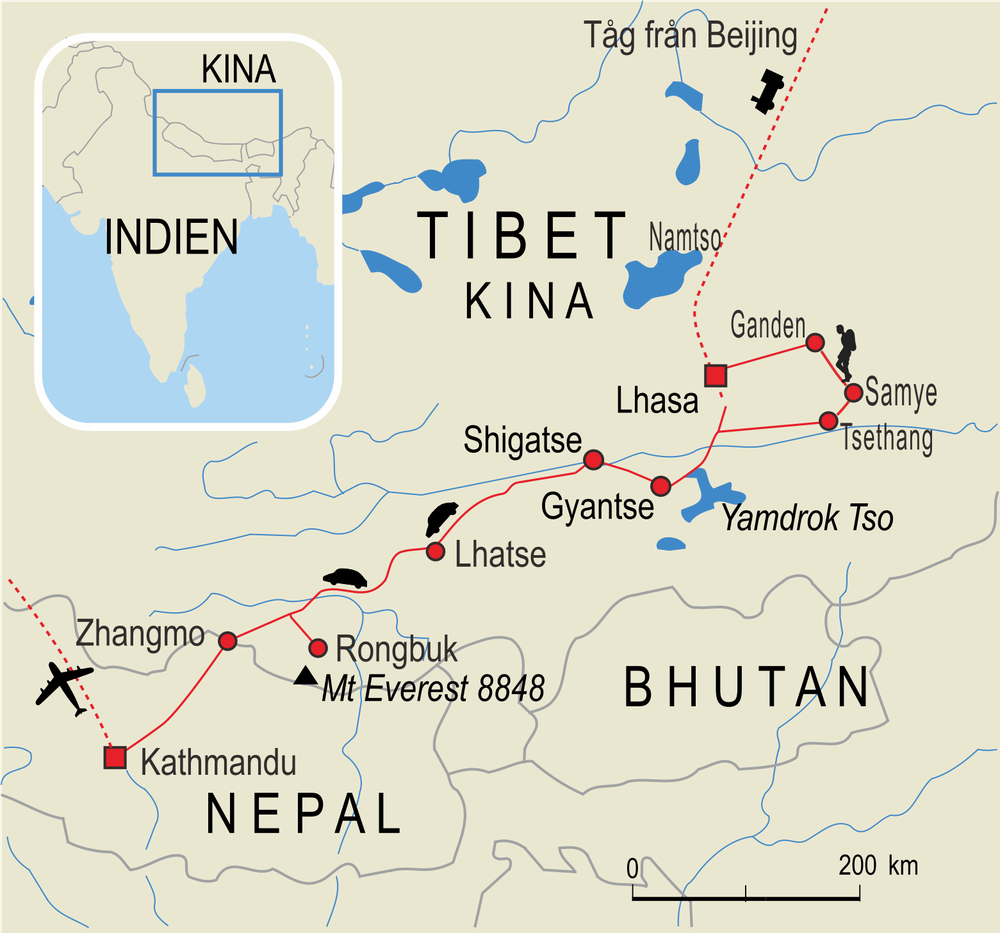
In the evening day 2 you will start the journey by train to Lhasa. Your Beijing tour leader escorts you to the railway station. He will not go on the train with the group.

Day 3- 4

On the train.
The train ride between Beijing and Lhasa will take about 48 hours. You stay in hard-sleep compartments, and there is a restaurant wagon. Outside the windows of the train the landscape will be changing and overwhelming. When you arrive in Lhasa, in the evening day 4, your Tibetan tour leader will receive you at the railway station.

Day 5-7

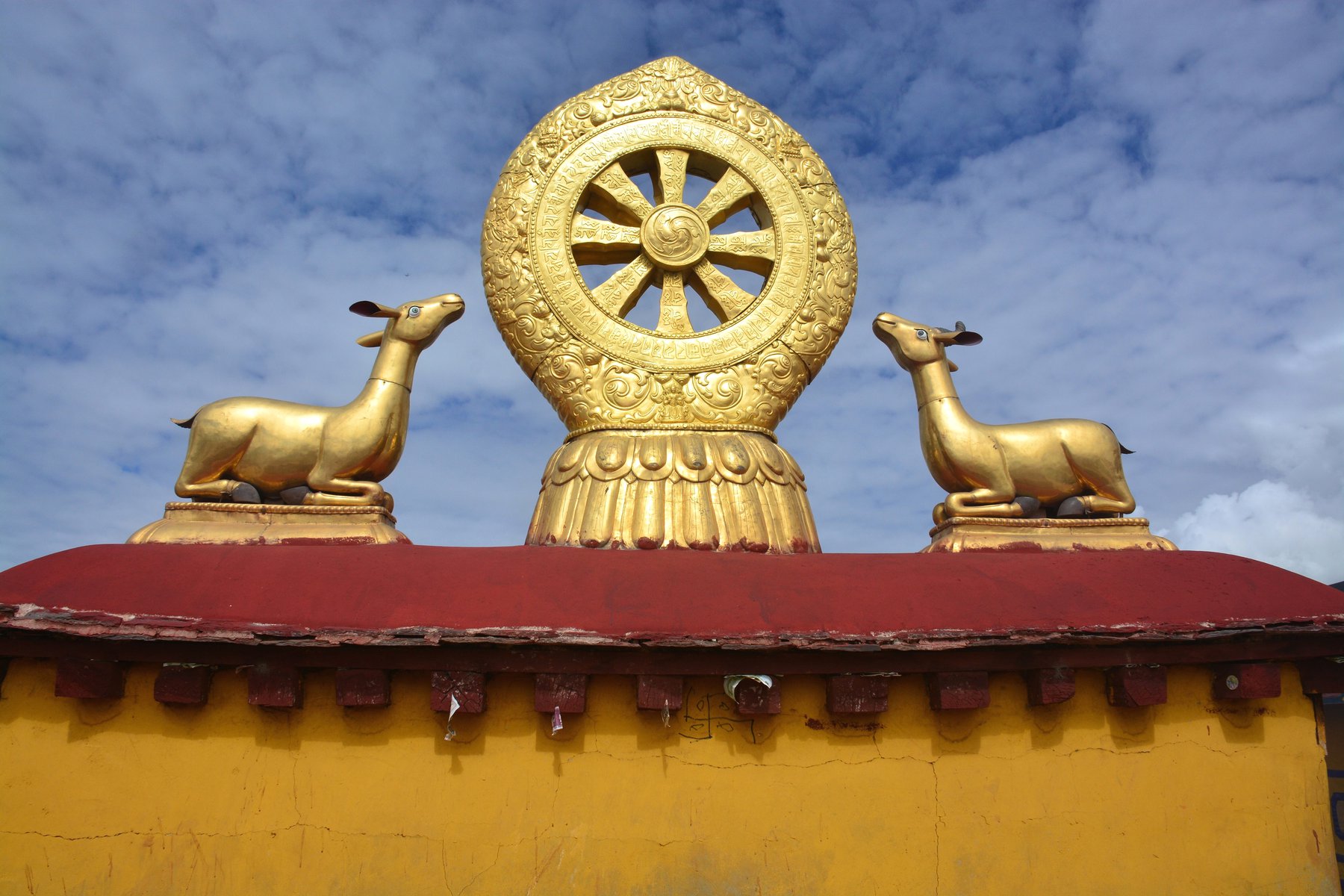
In Lhasa you will have three days to get acquainted to the Tibetan capital, which is situated at an altitude of 3.700 meters above sea level. Lhasa is situated in the valley of the Kyi Chu River, one of the most fertile valleys in Tibet. The Tibetan centre of town is called Barkhor and is located around the Barkhor Square and Jokhang Monastery. Jokhang is the religious and geographical centre of Lhasa and was founded already in the 7th century by Songtsen Gampo. Just to stroll around for a day in Barkhor with its many markets is wonderful. Colourfully dressed people from all over Tibet come to Lhasa on pilgrimage.

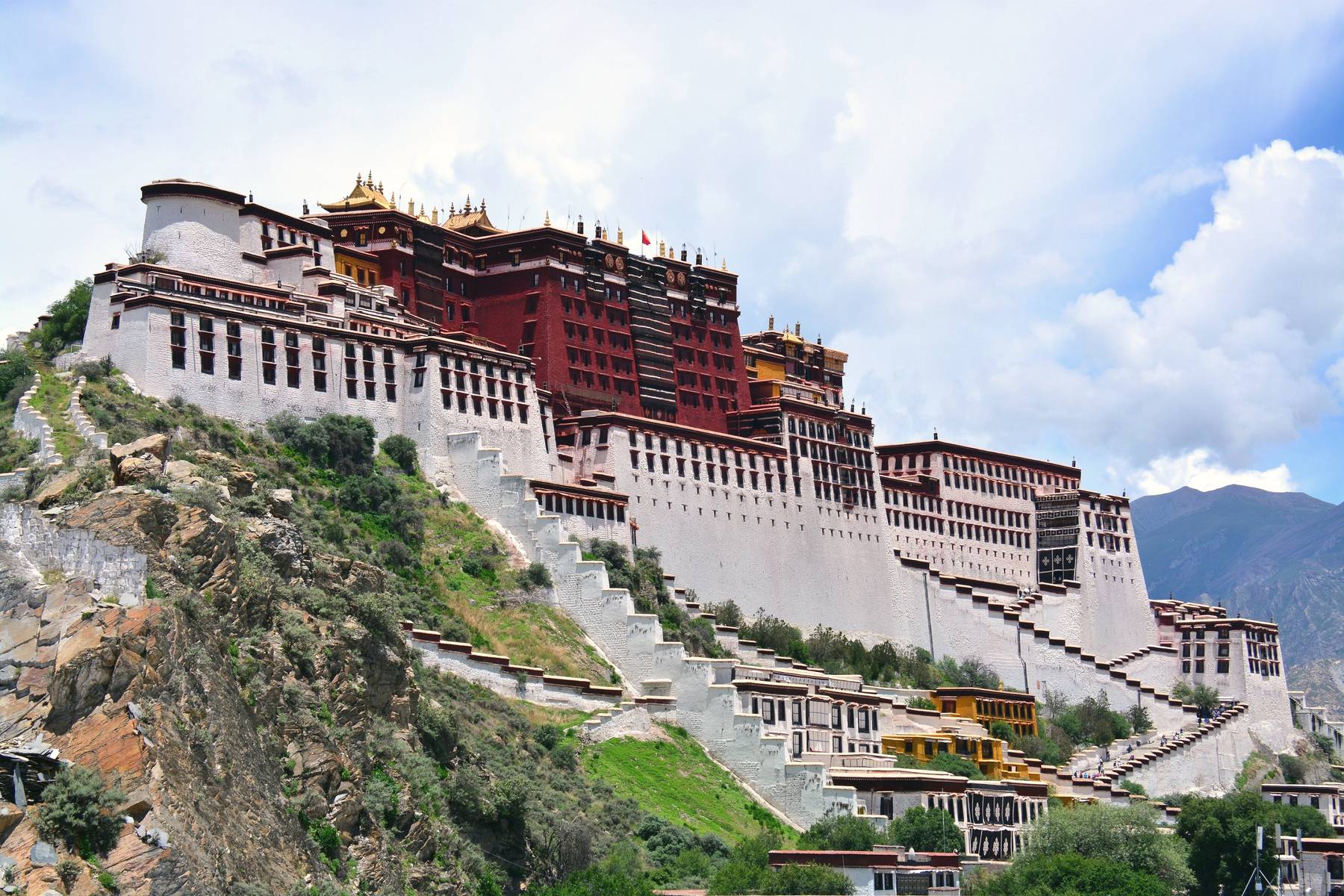
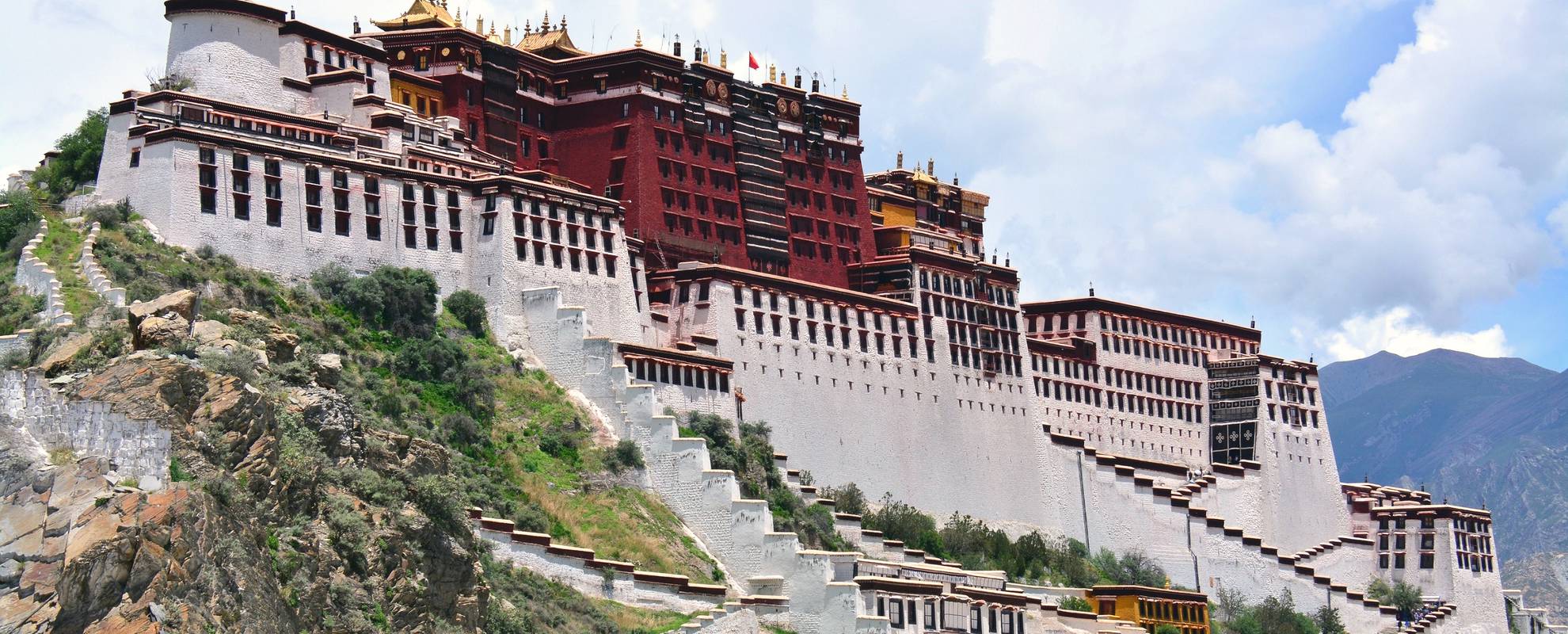
Apart from the Jokhang, there are several places in Lhasa worth a visit, such as Potala palace with its 1000 rooms, the monasteries Sera and Drepung, and Dalai Lamas Summer-palace Norbulinka.

The Potala palace was used both as the residence of Dalai Lama, office for the Tibetan Government and as the burial site for the previous Dalai Lamas. However, it is essential that you take it easy the first few days in Lhasa, due to acclimatisation to the high altitude.

One of the things you can do the first days in Lhasa is to circumambulate (Kora in Tibetan). A kora is a religious ceremony where the Tibetan Buddhists show their devotion to God. They walk in a clockwise circle around a certain building of holy dignity. The most devoted pilgrims even prostrate round the building. Prostrating is when you bow down and lie on the ground for every step you take. In Lhasa, there is a long kora, the Lingkor. It's 8 kilometres long and will take you around the main part of town, passing Potala and along the Lhasa River. There is also a shorter kora one around Jokhang, the Barkor, which also is a nice market street. To walk along the kora together with the pilgrims is an easy way to get contact with the Tibetans. Another good way to look around town is to rent a bicycle and go around in and outside of Lhasa. Every year the Chinese presence and influence is showing more and more in Lhasa. A big part of the city now looks like any Chinese city.

Day 9

By rented bus to Tsedang. The bus ride is 183 km. Tsethang itself is a very ugly town, with lots of Chinese settlers and new houses. The Tibetan part of the town is becoming smaller in proportion, but the market in Tsethang is still interesting since Tsethang is a place with a lot of holy sites and visited by pilgrims from all over the country. Tsethang is situated not far from the Yarlung Tsangpo River (the Brahmaputra). The Yarlung Valley is known as the cradle of Tibetan civilisation. Here you will find some of the oldest monasteries in all of Tibet. Yumbu Lagang is said to be the first palace of the Yarlung Kings. From the tower-like structure you will have a nice view over the valley. In Chongye valley, about 28 kilometres away from Tsethang you will find Chingwa Tagtse Dzong and the tombs of the earliest Tibetan kings, among them Songtsen Gampo, the father of Tibetan Buddhism. The hotel in Tsedang is basic!

Please note: Depending on the current condition of the road the times of traveling can vary quite a lot. If the roads are in bad condition (for instance because of rain), there can also be changes in the itinerary. It also happens that roads are closed due to government regulations and then alternative routes have to be chosen.

Day 10

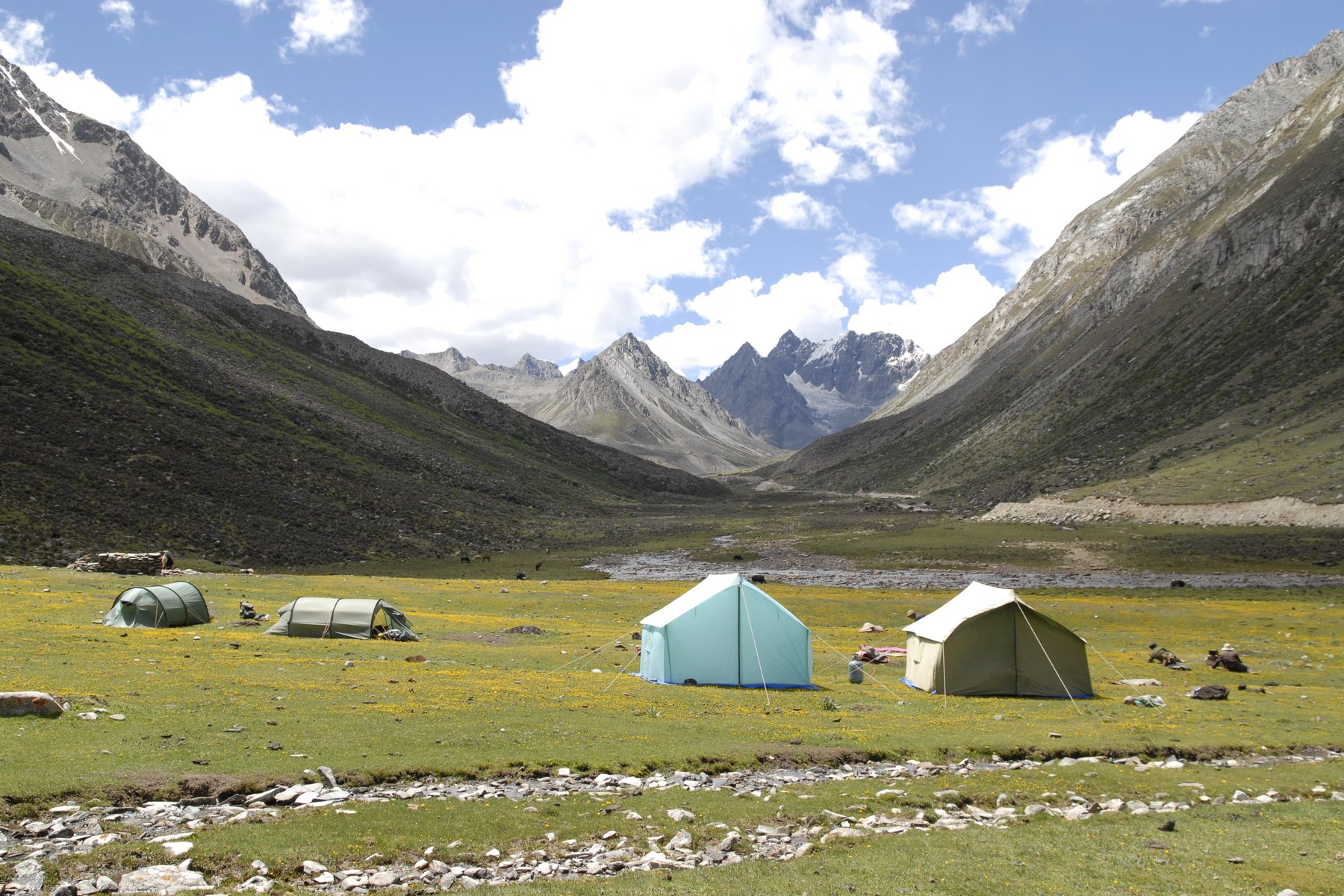
By car to Wöka (3920 m), where a narrow valley opens wide into a flat plain. The ruins of a fort on top of a ridge dominate the town. From Wöka you may take a walk to the Chölung Monastery. The monastery has one lama and 15-16 monks. This is a golden opportunity to see what monk life is like. The walk will take about two hours one way. The night will be spent in tents. Next to the campsite there is a natural hot spring with a bath house, where you can get a nice and refreshing wash. This is a nice opportunity to get a bath, as you will not have any opportunity to wash yourself properly until you're back from the trek.

Day 11-17

The first trekking day, by car to Peiching, only a few kilometres from Wöka. After this there is no more road or villages. From here you will start the trek. The first day you trek to Yatancherak (4400 m).

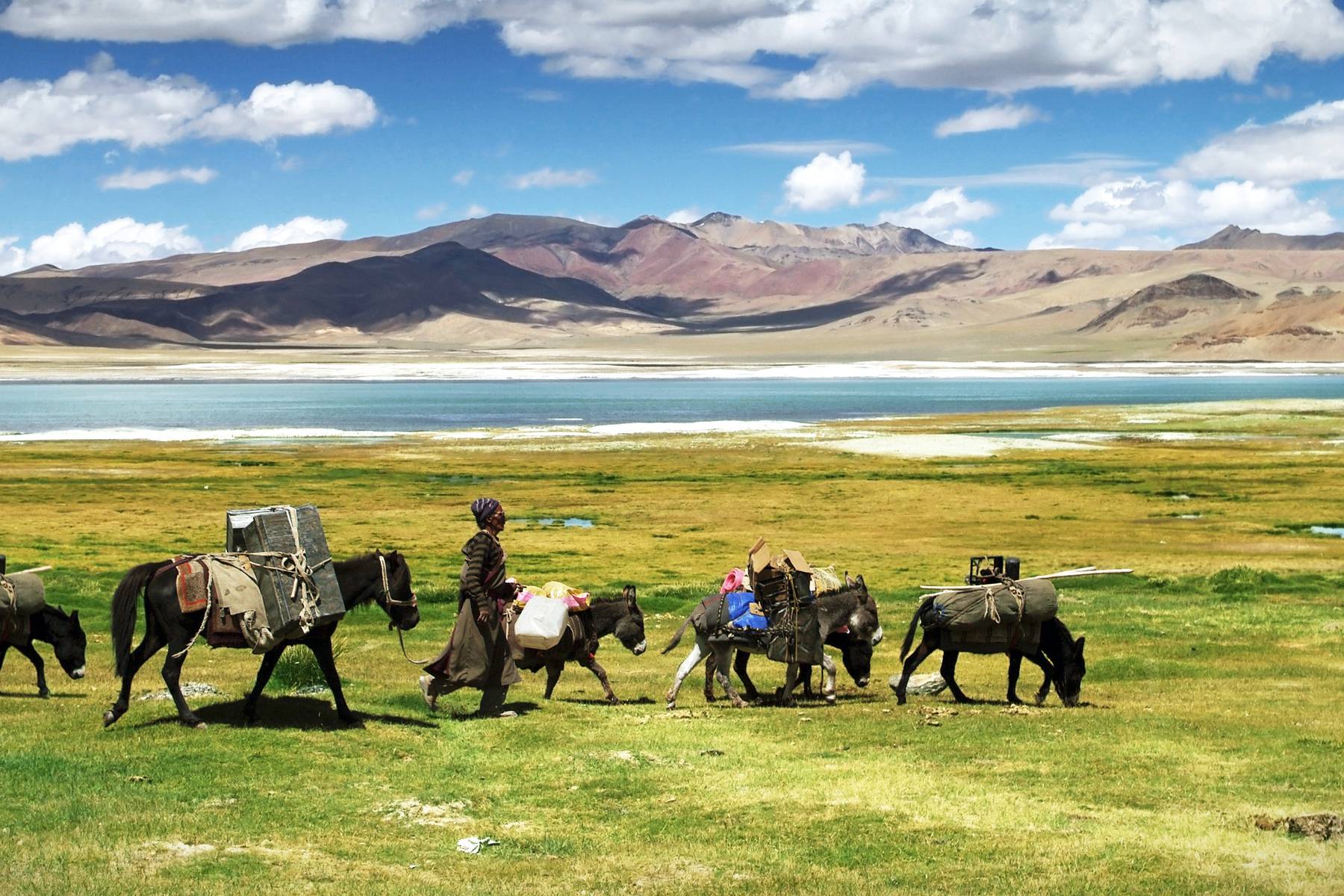
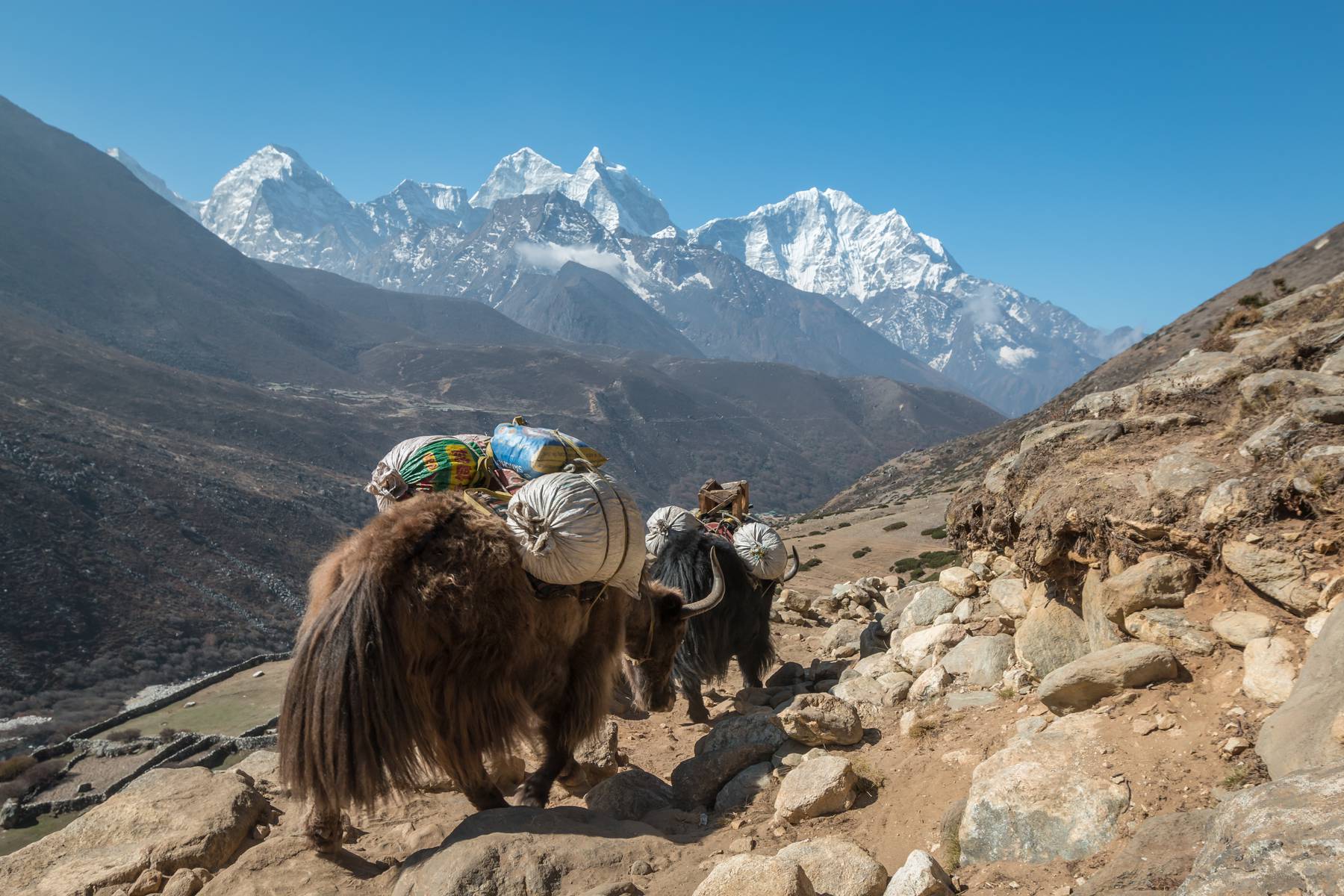
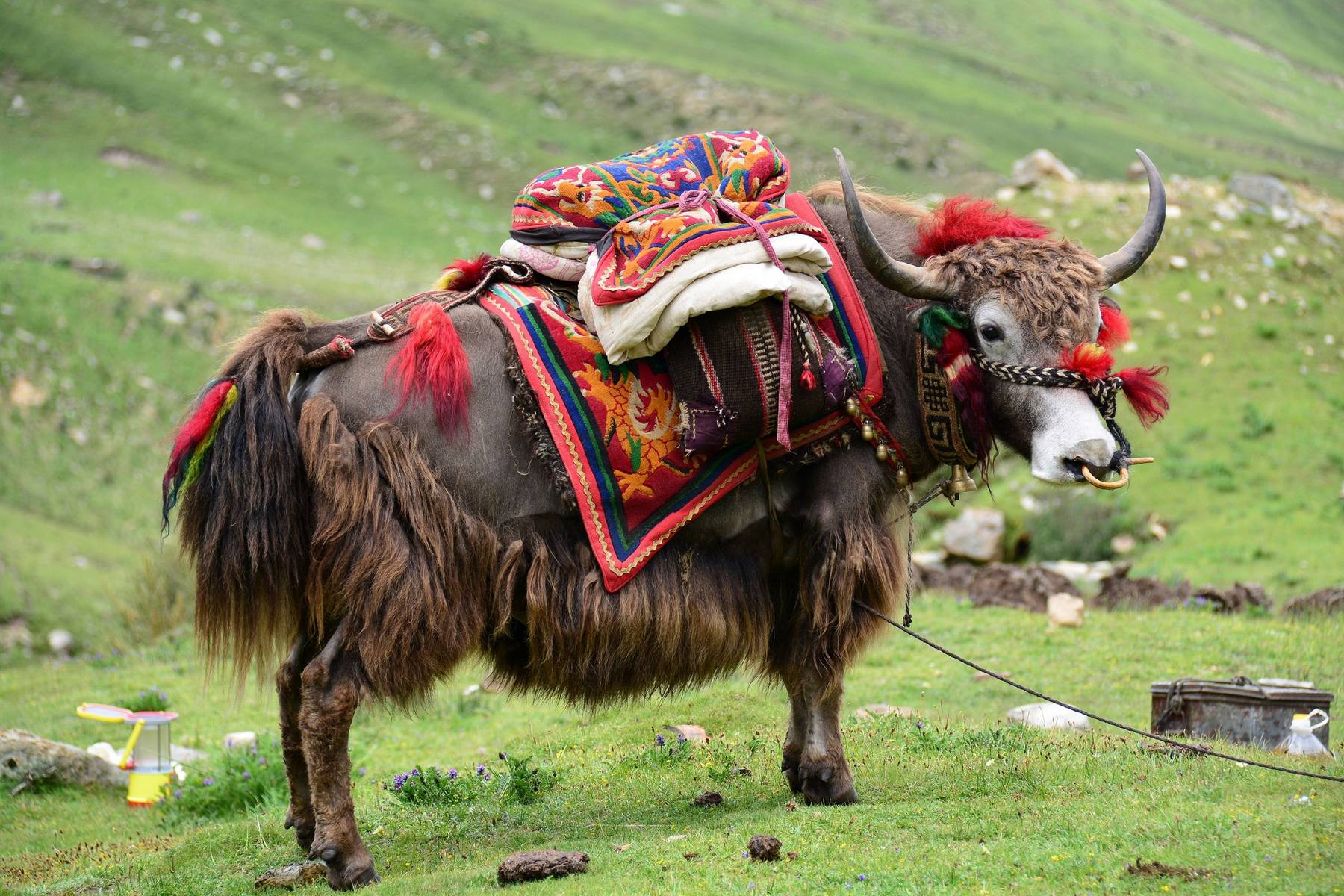
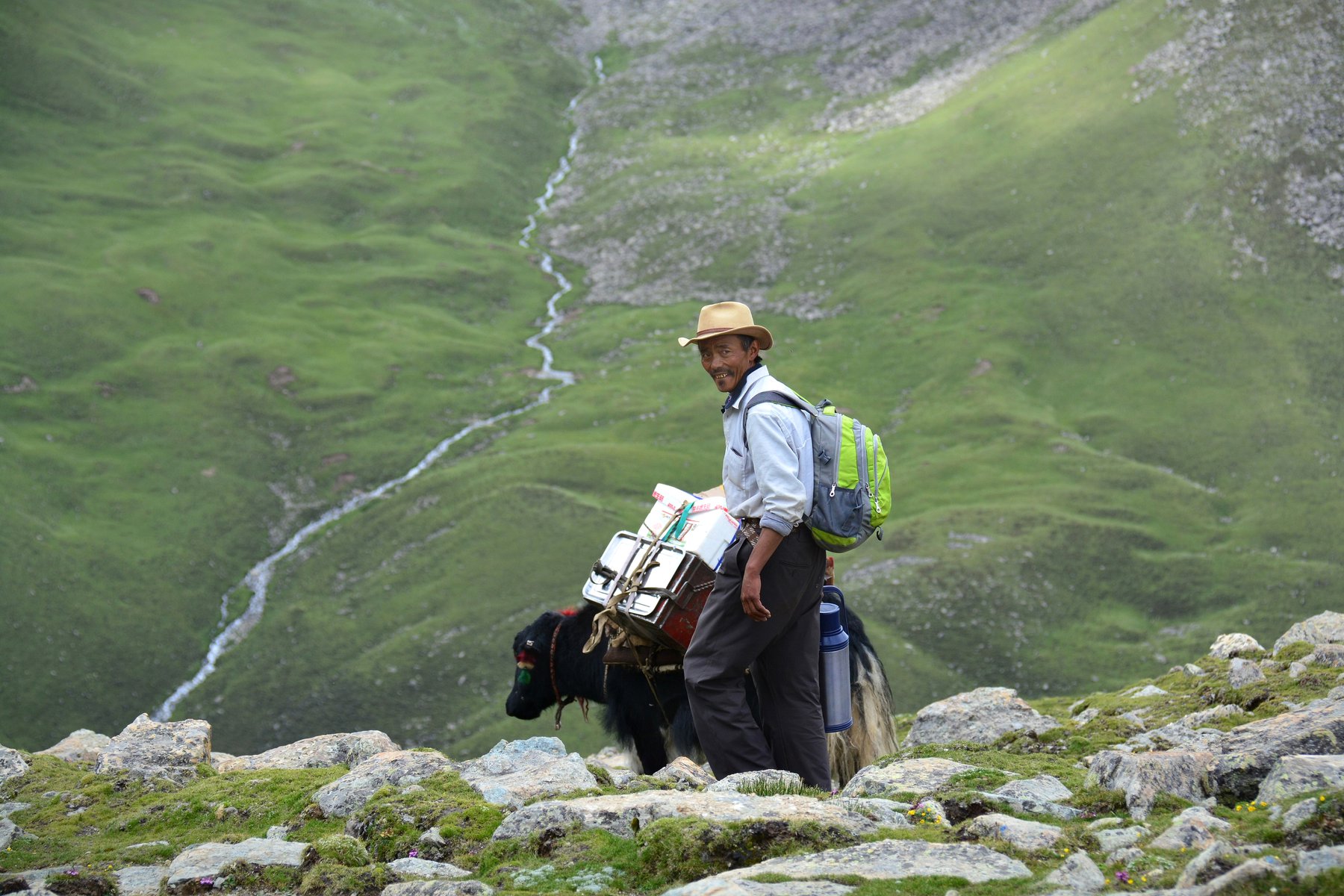
The trek will be seven days long, out of which you will ride a horse one and a half day. Horses will carry your luggage and a cook will make your food. You will be served breakfast, lunch (mainly sandwich), and dinner. The food is mainly vegetarian and people tend to loose weight during the trek. Bring extra snacks if you think you need it. You will spend the nights in tents and the participants put up and take down the tents themselves. Bear in mind that it can be cold during the nights. In case you feel too exhausted to walk, it is also possible to rent a horse at your own expense.

There will be between four and seven hours of trekking each day. The first three days will be harder, and the fourth day easier. On day five you will ride a horse up the ridge to see Lhamo Latso. On the way down you will have to walk since it is too steep to ride. On day six you will ride again. Day seven you will trek and go by truck the last bit to Gyatsa where you will have your last campsite.

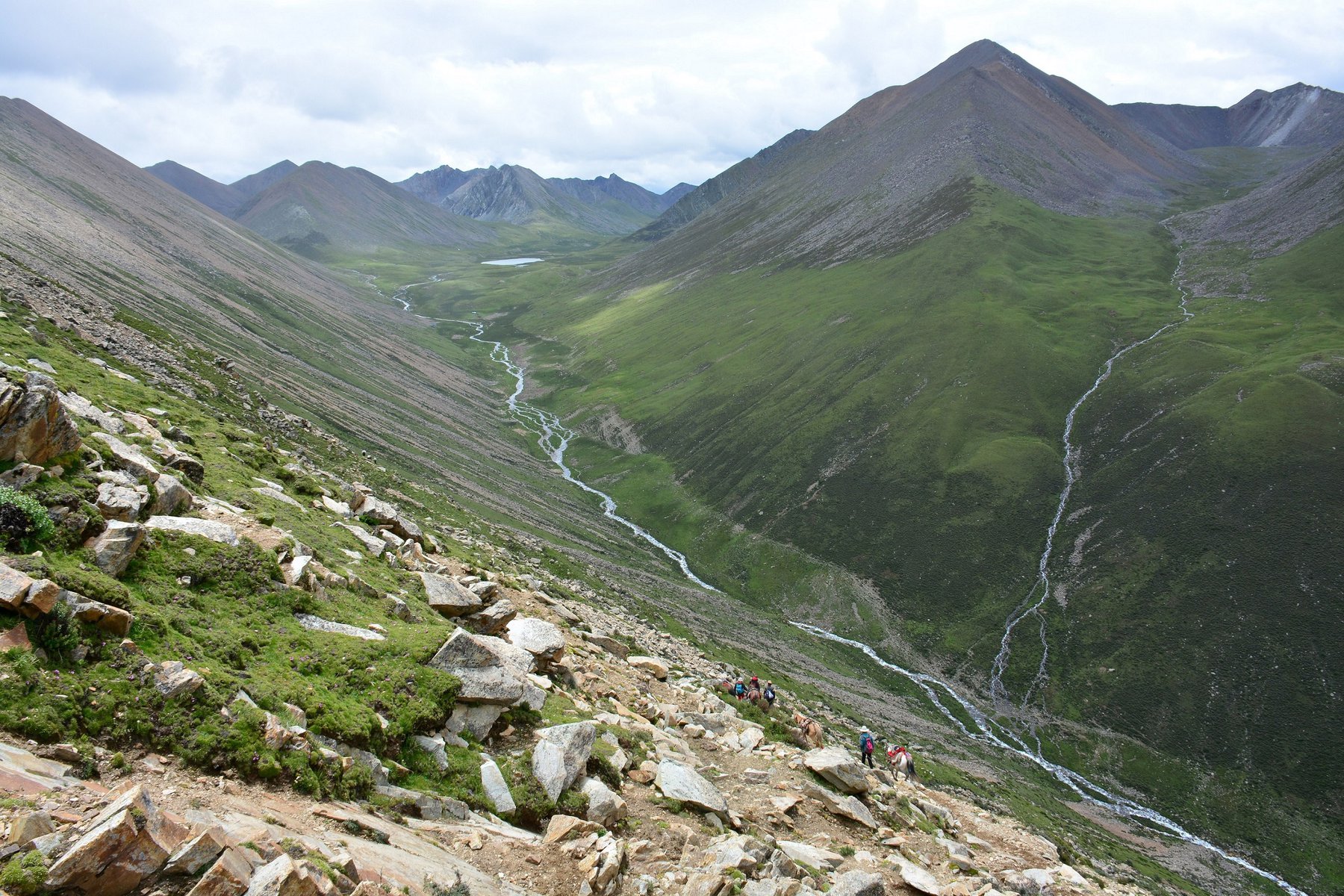
The main part of the trek will follow a trail along a river valley. At some parts, the valley abruptly becomes a narrow gorge flanked by sheer cliffs. This area is extremely green for being Tibet, and there are lots of wild flowers. Along the trail you will find some nomad camps, perhaps you will be able to make a visit to their tents.

The trek is quite hard! You cannot at all compare trekking in the Swedish mountains with trekking at this altitude, which will be between 4.000 and 5.000 meters. Here, every step will be tough and you will need to take a break quite often. Important: Walk slowly! Even if you feel fresh and full of energy in the beginning of the trek it is important to walk slowly. If you walk too fast in the beginning, it may cause you problems later during the trek. Anyone can get sick from the altitude, no matter your physical fitness. Do not forget to drink a lot!

The second trekking day you will go to Emado (4675 m), today you will trek for about six hours. The third trekking day you will go to Tamadok, on the way you pass Lung La pass at around 5.100 metres.

The fourth trekking day, you will trek to Cholkor Gyal (4220 m) about 3 hours. In the afternoon you will have time to relax. You will stay at this camp for two nights.

Cholkor Gyal is a large ruined monastery complex, situated in the middle of the wide, grassy plain of Gyal Metoktang (Valley of Flowers). Three valleys converge at this point, the one to the north-east goes to Lhamo Latso. According to the legend three mountains; the Red, White and Blue Mountain enclose Cholkor Gyal. Supposedly, there is a square rock on the valley floor holding the key to a hidden treasure. When times are bad the treasure will activate the three mountains, causing them to close in and form a hidden valley (beyul), or Shangri-La. Below the White mountain there are some beautiful ruins. Dalai Lamas and the regents used to stay there when on pilgrimage to the holy lake of Lhamo Latso. Quite a few nomads live in the area. Pilgrims from Gyatsa, Yarlung and Lhasa sometimes pass by on their way to Lhamo Latso, camping in their cheerful blue and white tents among the ruins. There will most likely be other pilgrims here at the time of your trek. From Cholkor Gyal there is a climb (by horse) passing by some smaller lakes up to a pass overlooking Lhamo Latso.

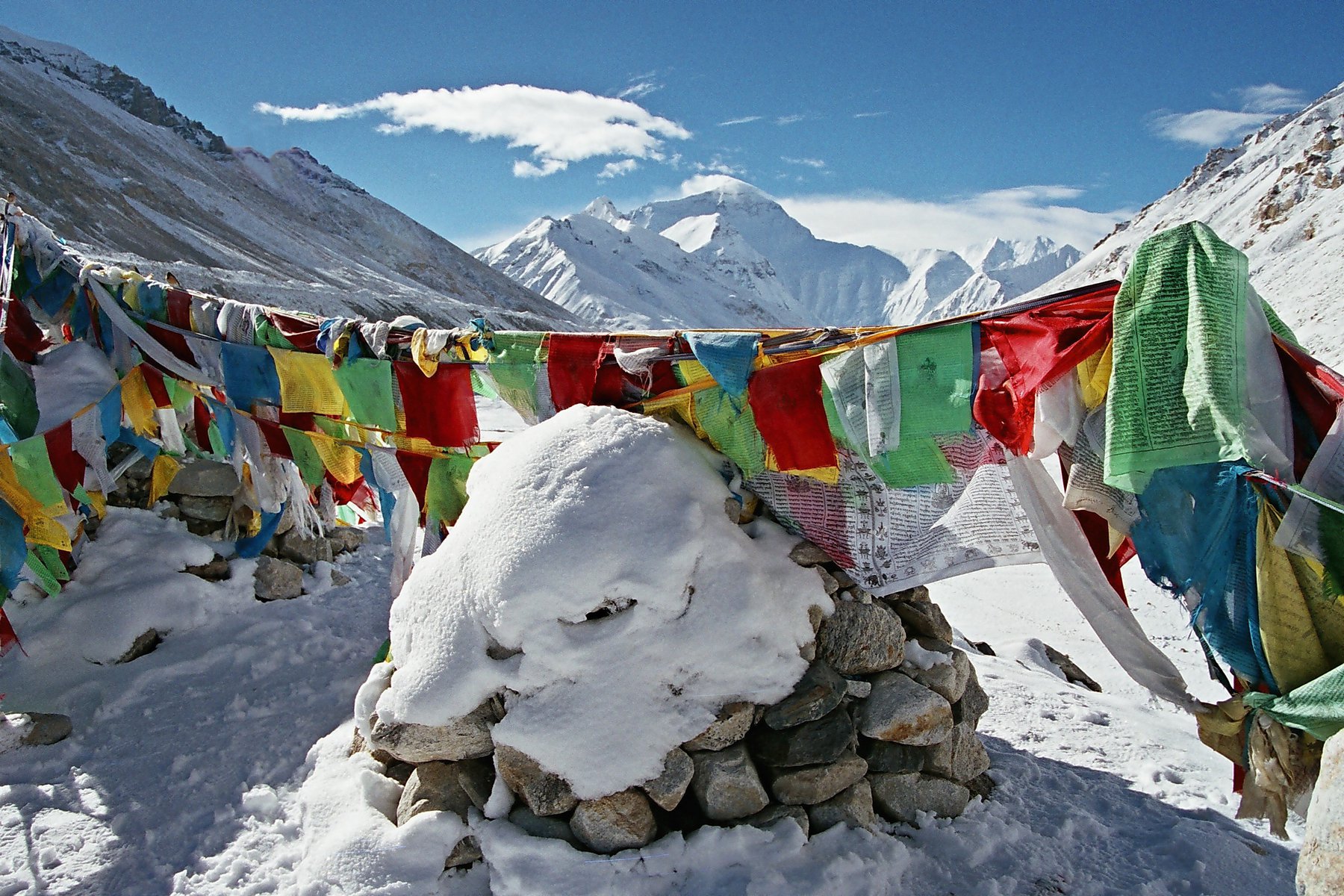
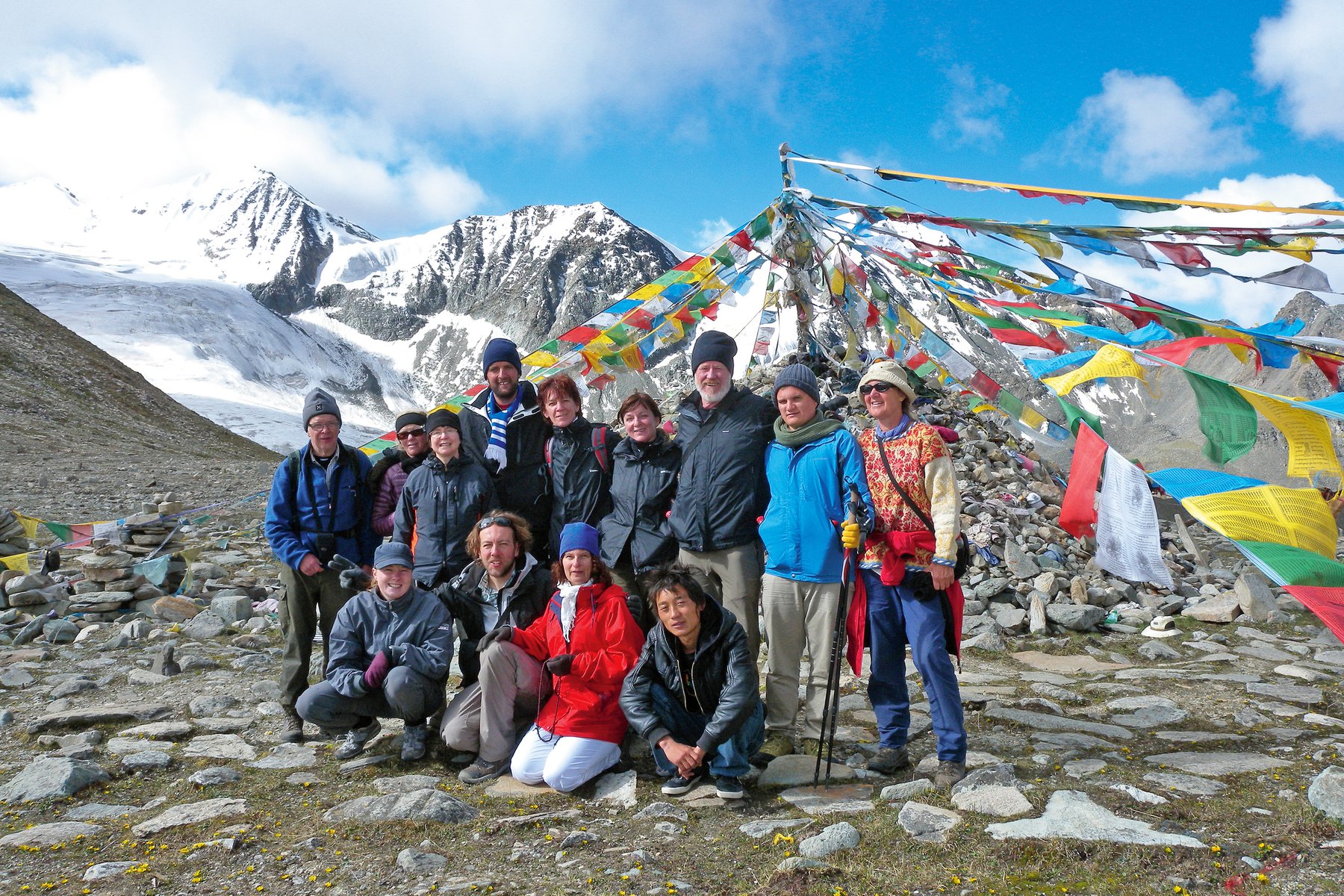
The fifth trekking day, you will reach Lhamo Latso by horse. The lake is known as the Latso (Life-force Lake) of the Dalai Lamas and is the most important Vision Lake of Tibet. Every Dalai Lama came here at least once in his life to look for visions concerning his future and the circumstances of his death. The visions would appear on the surface of the lake. There were also made pilgrimages here to divine the location of the Dalai Lama's next incarnation. In 1933, by the time of the death of the 13th Dalai Lama, Regent Reting Rinpoche came and clearly saw the countryside of Amdo, where the present Dalai Lama was eventually found. The pass, crammed full of prayer flags and stone cairns is known as Shugtri, the Dalai Lhama's throne. Very few people continue down to the lake, as the path is very difficult to walk. To sit on the ridge for an hour or more looking for a vision in the lake is fantastic, even if you would not see any vision.

The sixth trekking day, today you will ride horses and make a short trek for about four hours to the camp at Tsechu.

The seventh trekking day, you will go from Tsechu to Gyatsa about 4 hours trek and from there you will go by land cruiser to the camping place.

Last day by car to Tsedang, where you will stay over night.

18-19

By bus back to Lhasa. Two more days to see the capital of Tibet. Probably you want to take care of your laundry after the trek.

Day 20-21

Start the long journey by car to Mt Everest Base Camp. The first distance is to Gyantse, around 200 kilometres. You will pass two high passes, Karo La 5.010 m. (La=pass) is one of them. On Karo La the Tibetans fought against the British in a battle lead by imperialist Younghusband in 1904, apparently on the highest level altitude a British army has fought. In between the two passes you will drive along the holy lake Yamdrok Tso, also called the turquoise coloured lake. Among Tibetans it is believed that in the beginning all of Tibet was covered by water. The lakes that now exist are remnants of that big sea. People believe that if the waters of the Yamdrok Tso would dry out, Tibet would no longer be habitable.

Gyantse is situated in another fertile valley of Central Tibet, that of the Nyang Chu River (a tributary of the Brahmaputra). From the top of the hill by Gyantse Dzong you will have a nice view over the town. Inside Pelkhor Chode, the great monastic complex, you will find the giant stupa Kum Bum and the Tsuklakhang monastery, both built in the 15th century. The Kum Bum known as the Stupa of the Hundred Thousand Buddhas, may well be the world's most impressive stupa. Gyantse's population remains primarily Tibetan, making it an interesting place just to stroll around. Gyantse is also a good place to visit a special handicraft centre. But the Chinese population is growing steadily even here and many new buildings are constantly under construction.

Day 22

Drive to Shigatse (3900 m), 82 km. Shigatse is the second largest town of Tibet with about 40.000 inhabitants. Unfortunately, most of the old, traditional Tibetan houses in town have been torn down and replaced by modern buildings. The main cultural attraction in Shigatse is the Tashilunpo Monastery. It was founded in 1447, and is one of the six largest Gelugpa monasteries in Tibet. At its peak the monastery housed around 4.700 monks, today there are a lot less. Tashilunpo used to be the residence of the Panchen Lama, the second highest Lama in Tibet after Dalai Lama. Then Panchen Lama has an important role in Tibet, in the work of finding the new incarnation of Dalai Lama after the previous Dalai Lama has passed away. Nowadays, there is no Panchen Lama staying in Tashilunpo due to the political situation. However, there are several stupas containing remnants of previous Panchen Lamas inside the monastery.

The opening hours of the monastery is varying, but one of the two days of your visit it will most likely be open. The centre of the complex is the 26 meter tall Maitreya Buddha (the Buddha of the future). There is also a new golden stupa here, made with relics from and in honour of the tenth Panchen Lama.

If you have more energy left after the visit to Tashilumpo you can visit the remains of the Shigatse Dzong, the rather bleak Summer Palace of the Panchen Lama about one kilometer south of Tashilumpo or make the kora around Tashilumpo. The Shigatse market is also quite interesting, second only to the markets in Lhasa.

Day 23

Drive to Lhatse. Lhatse is a common stop for travelers from Tibet to Nepal, situated along the Friendship Highway. Not far from Lhatse there are the Dongba Hot Springs, famous among Tibetans for its healing powers. There is a chance that you get time for a swim.

Day 24-25

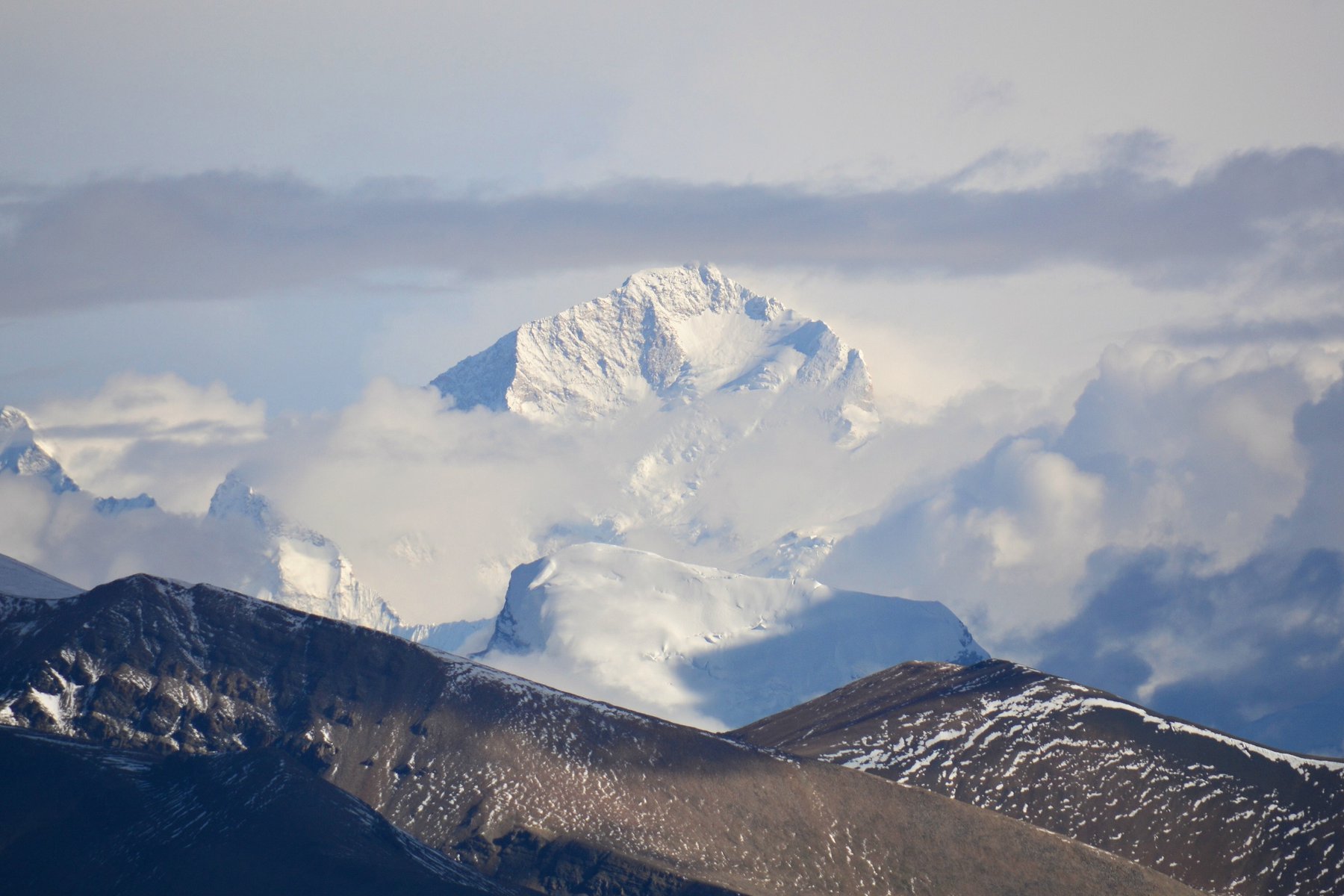
From Lhatse by car to Rongbuk Gompa the world's highest monastery (4.980 meters) it is a total of 229 km. There is a 4WD track from Shegar going through an inhabited valley. The road is in bad condition and the drive may take a while. You will pass the magnificent Pang La at 5.200 meters, from where you will have a wonderful view over Mt Everest. You can ask the driver to stop at any time. You will have one day at the Everest area. The last part of the journey to the Monastery you are not allowed to travel in your own car, you go in government vehicles. Don't be surprised if you see Chinese soldiers nearby, the whole area is regarded as "restricted area" and it is not possible to walk around as you like. Mt Everest, or Qomolungma in Tibetan (8.848 m) is situated on the border between Nepal and Tibet. Most climbers try to reach the top from the Nepali side, which is considered less difficult. Every year there are a few expeditions trying to attack the world's highest mountain from the Tibetan side. You can make a visit to Mt Everest Base Camp (altitude 5.150 m). You go there either in carts or you can walk. Regardless of the season visiting in the Everest Region, it requires being prepared for extreme conditions. The sun is very strong at these altitudes, sun hat and plenty of sun block is a must. Please note that there are several base camps and that you will not be staying in the same one as the expeditions getting ready to climb!

Day 26

By car to Nyalam, which is situated at 3.700 meters and you will stay over night in this little town, before you start the descending to Nepal.

Day 27

From Nyalam on the landscape is changing drastically. During the first part of the way there will be a landscape of mountains dramatically rising on both sides of the Bhote Koshi River. The road is winding halfway up on the mountainside. When you get further south, you will suddenly be surrounded by pine tree forests. From Nyalam to Zangmo it is only 31 kilometres, but it will take a few hours. Along the way you will pass by the cave of Milarepa in Nyalam. Milarepa is the most famous poet of Tibetan literature. His Hundred Thousand Songs were written during the 11th century. In this cave he was living in solitude, meditating for six years.

The market here is busy. Zangmo is situated at an extremely steep mountain slope. You will say goodbye to your Tibetan team at the Nepalese custom station. On the other side of Friendship bridge at Kodari, your Nepalese guide will be waiting for you. Nepali time is 2 hours and 15 minutes behind Chinese time. Before leaving Kodari you will arrange for your Nepalese visa. From Kodari you will go by bus to Bhaktapur, 116 km.

Day 28 -29

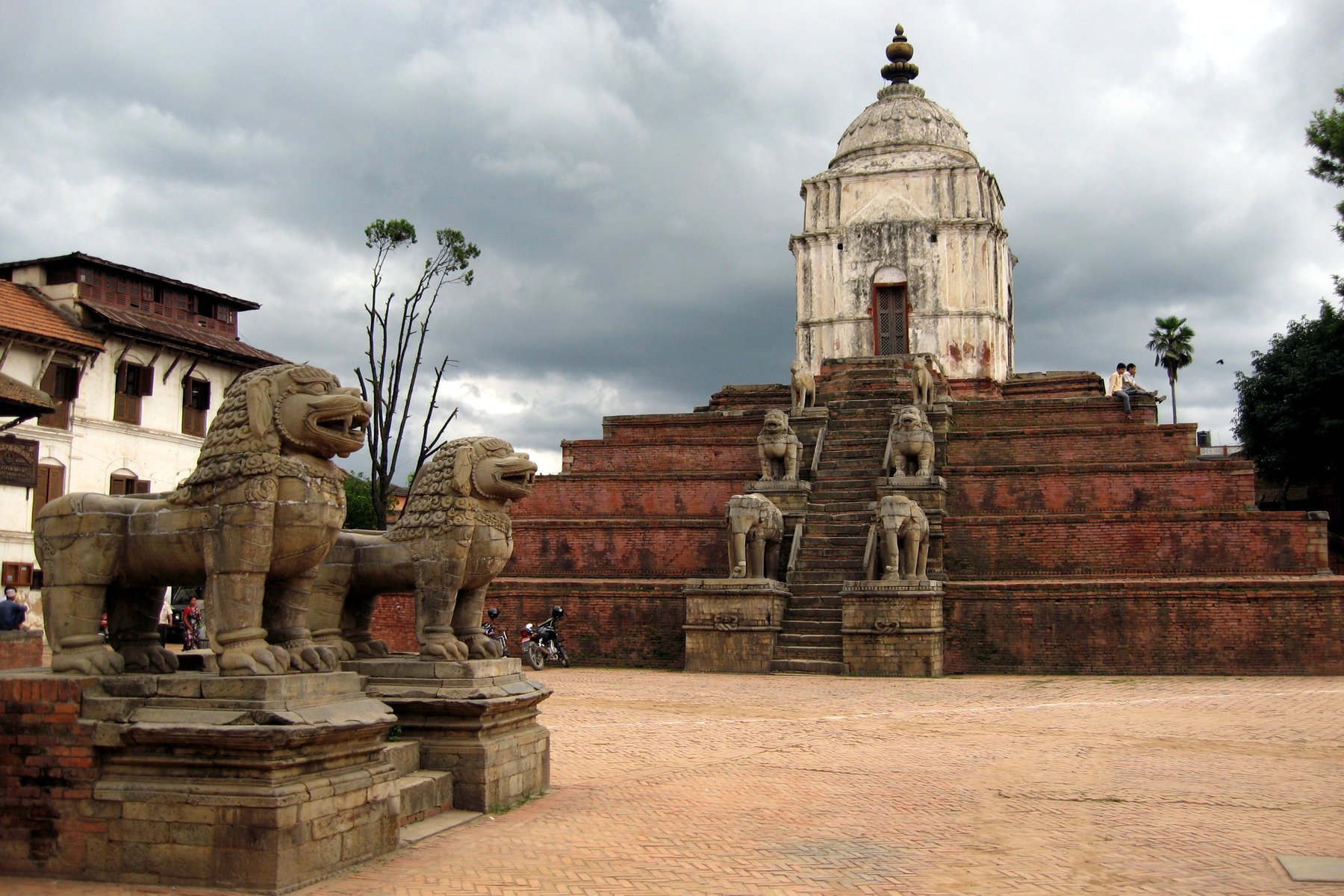
Two days to look around Bhaktapur and Kathmandu Valley. Unlike most other visitors, you will not stay in Kathmandu City (altitude 1.300 m above sea level). Instead you will stay in the ancient town of Bhaktapur, a typical Newar community 18 kilometres from Kathmandu. This small town is much quieter and less trafficked than the city of Kathmandu, which is bustling with tourist trade, commerce and heavy traffic. Tourists usually visit Bhaktapur during daytime, but mornings and evenings you will be cut off from tourist life. Here you can walk around the temples where the Hindu religion is practised, and you can see the craftsmen working in their shops. Go for a walk in the evening and you might hear small orchestras playing outside the temples. Little has changed here during the last 200 years.

Day 30

Trip ends.