
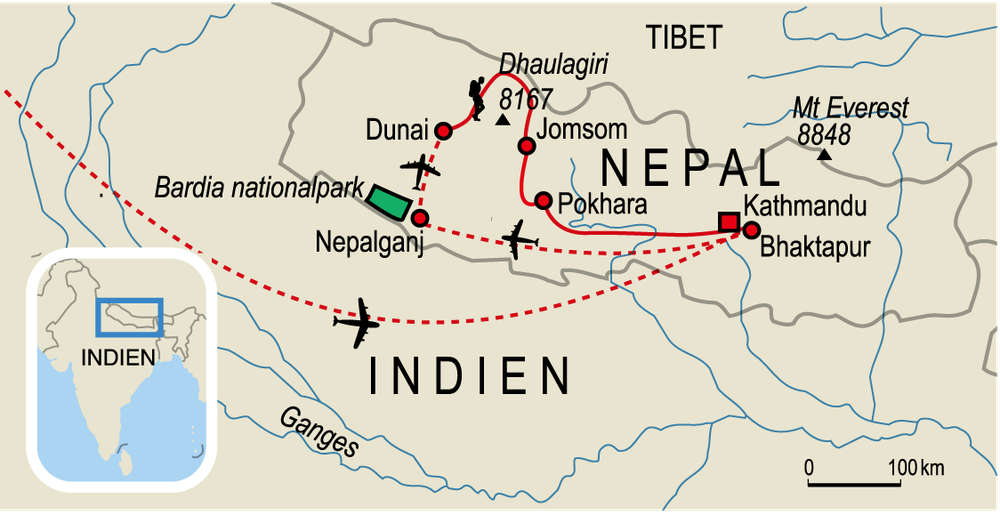
Du vandrar i tre veckor längs Great Himalayan Trail i övre Dolpo i nordvästra Nepal. Vandringen är krävande och går genom några av Himalayas mest isolerade delar. Jakar bär din packning och du vandrar över flera pass på 5000 meter. Dolpo ligger norr om Dhaulagiris 8000-meterstoppar nära tibetanska gränsen. Här finns blåfår, snöleopard och högalpin växtlighet. I byarna du passerar får du uppleva en levande tibetansk kultur, ungefär som i Tibet för 50 år sedan. På denna resa upplever du under tre dagar Shey Gompa festival som endast sker var 12:e år. Nästa resa sker 2036! Denna resa är ett måste för dig som på nära håll vill uppleva buddistisk kultur och samtidigt göra en riktigt äventyrlig vandring i Himalaya.
Resedetaljer
| Dag | Program |
|---|---|
| 1 | Världsarvet Bhaktapur |
| 2 | Sevärdheter i Kathmandudalen |
| 3-4 | Bardia Nationalpark |
| 5 | Dunai - vandringen inleds |
| 6 | Sakta upp längs floden till Chepka |
| 7 | Vidare till byn Rinje |
| 8 | Ringmo och magiska Phoksundosjön |
| 9 | Med jakar längs "Devils Trail" |
| 10 | Blåfår och High Camp |
| 11 | Över Nangdalo La |
| 12 | Till Sheyklostret |
| 13-15 | Shey Gompa Festival 2024 |
| 16 | Över Shey La till Namgung |
| 17 | Till byn Saldang |
| 18 | Byn Khoma och skolbesök |
| 19 | Byn Shimen |
| 20 | Vandring längs floden till Tinje |
| 21 | Vandring till Rakpa |
| 22 | Chharka Bhot - Himalayas vackraste by? |
| 23 | Till Norbulung |
| 24 | Över höga pass till bosättningen Sangda |
| 25 | Sangda till Bhima Lojun |
| 26 | till Jomsom |
| 27 | Pokhara |
| 28 | Åter till Kathmandudalen |
| 29 | Resan avslutas |
- Kvalificerad reseledning
- Informationspaket med utvald litteratur och karta
- Samtliga transporter under resan
- Inrikes flygplatsskatt och samtliga obligatoriska avgifter
- Del i dubbelrum eller annan inkvartering under resan (under vandringen sover du i tält)
- Mat under vandringen (20 dagar) samt vid vistelsen i Bardia nationalpark
- Entréavgifter till Bardia nationalpark och Pokshundo nationalpark
- Vandringstillstånd för Dolpo
- Jakar som bär din packning
- Licensierad, erfaren bergsguide som talar bra engelska
- Jakskötare och kock under vandringen
- Samtliga utflykter, inträden och aktiviteter enligt resplan (Boudhanat, Swayambhunath, Bhaktapur, Pashupatinath mm)
- Lokala guider och tolkar enligt resplan
- Samtliga formella tillstånd
- Utrustning för första hjälpen
- Tält och liggunderlag
- Dricks till lokala guider, tolkar och chaufförer vid aktiviteter enligt resplan
- Internationellt flyg till/från resmålet
- Måltider som ej nämns ovan
- Utflykter och aktiviteter utanför resplanen
- Visum köper du vid ankomsten till Kathmandu
- Kostnader för räddning och evakuering (går på försäkring)
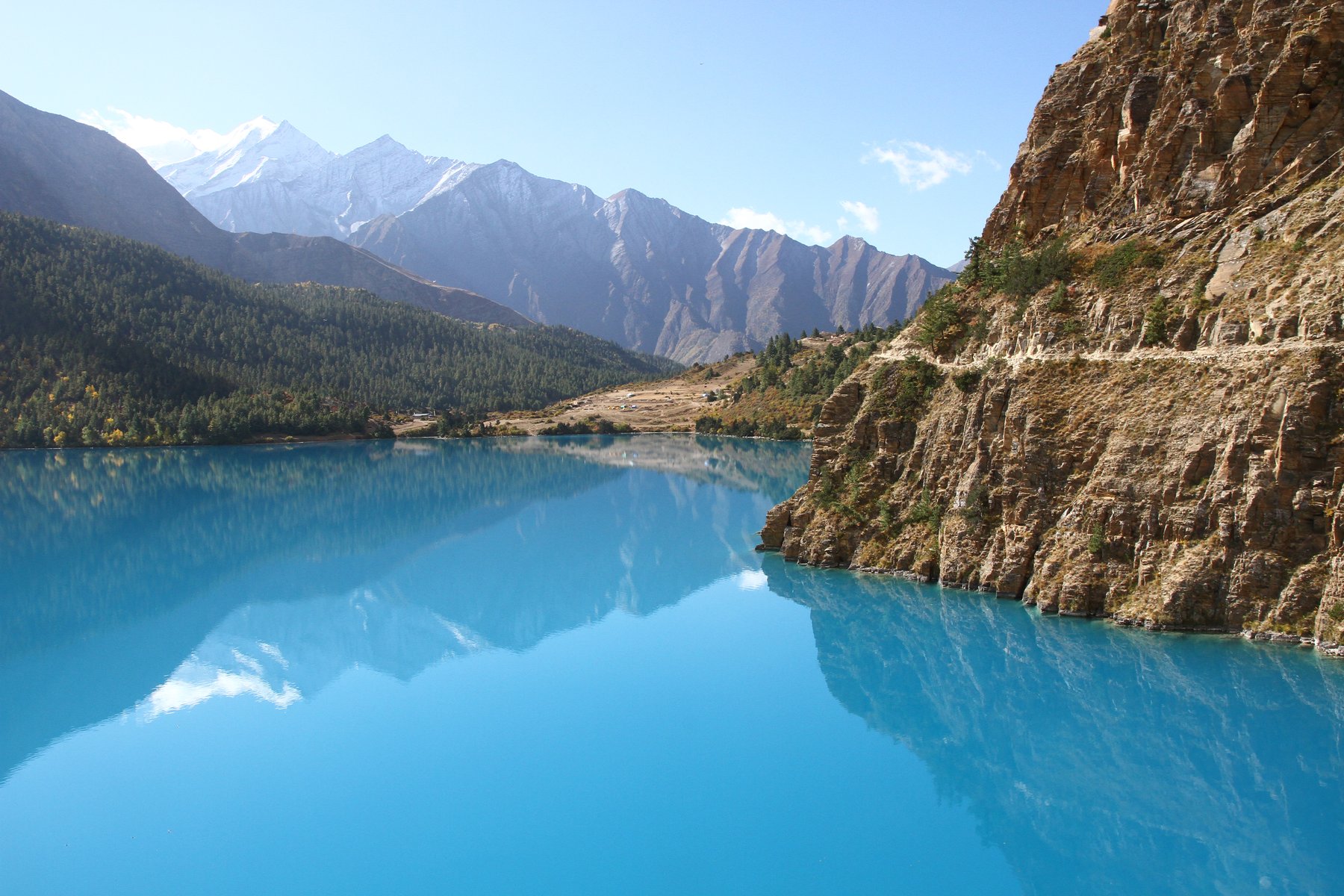
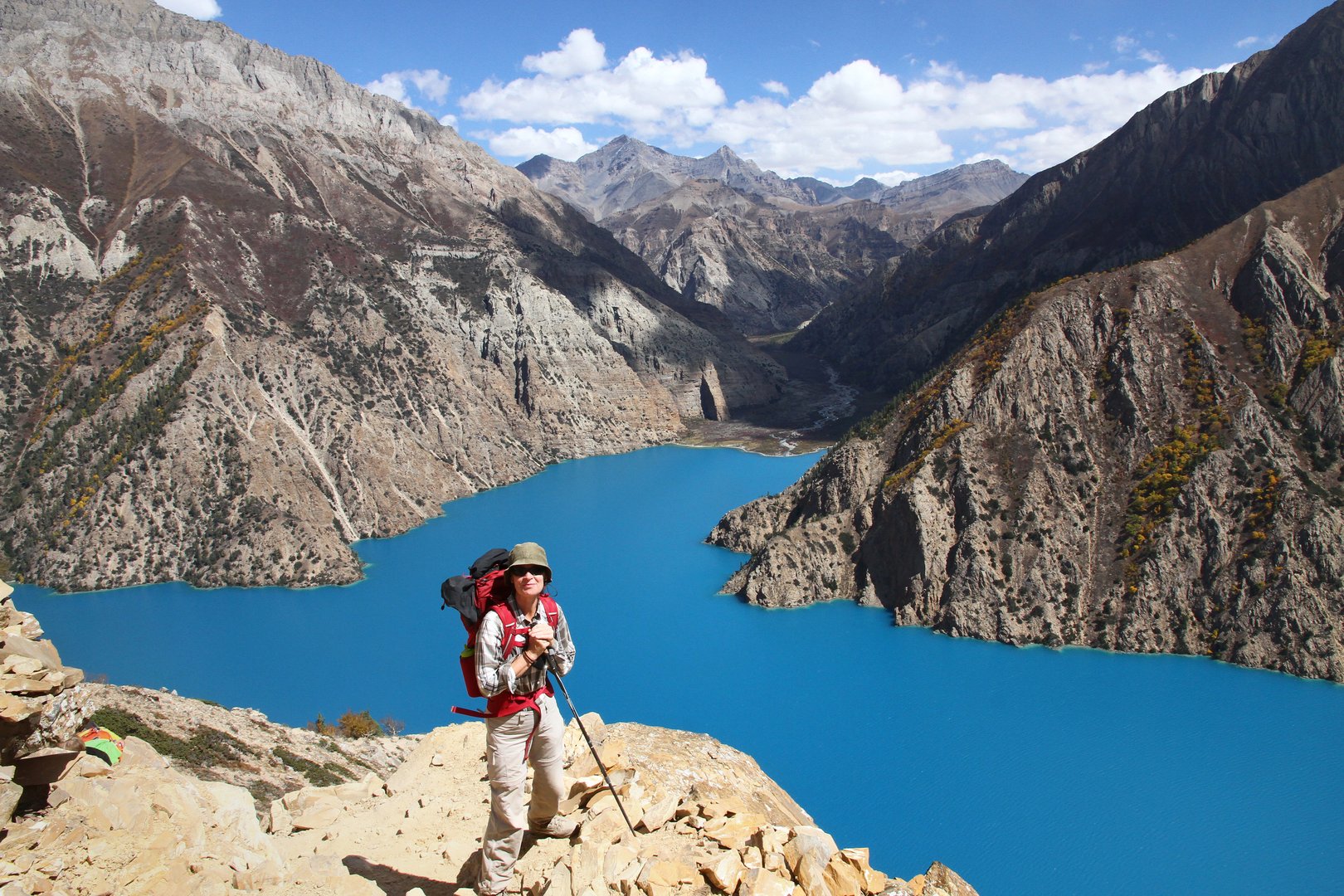
Bländande utsikt vid Phoksundo sjön
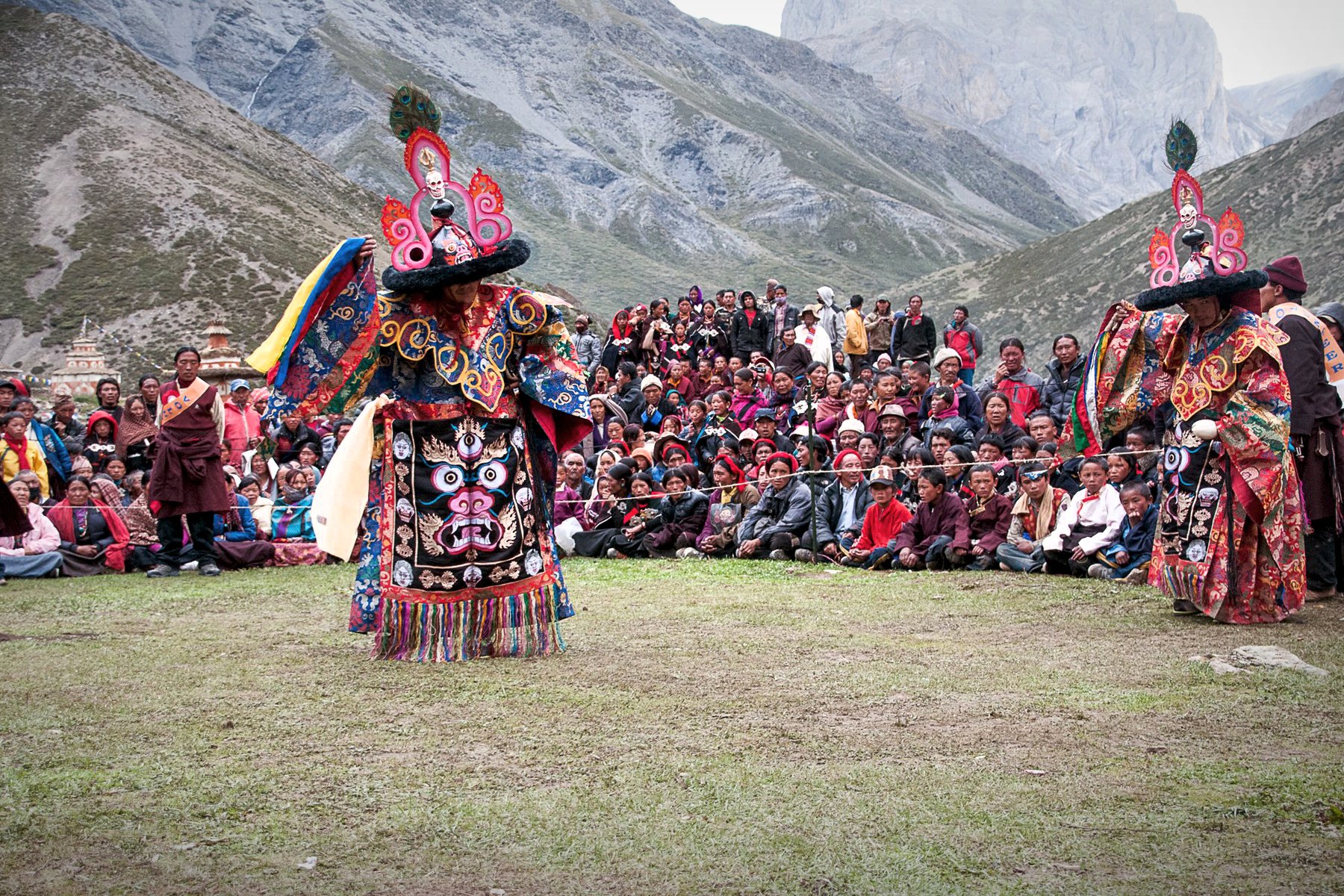
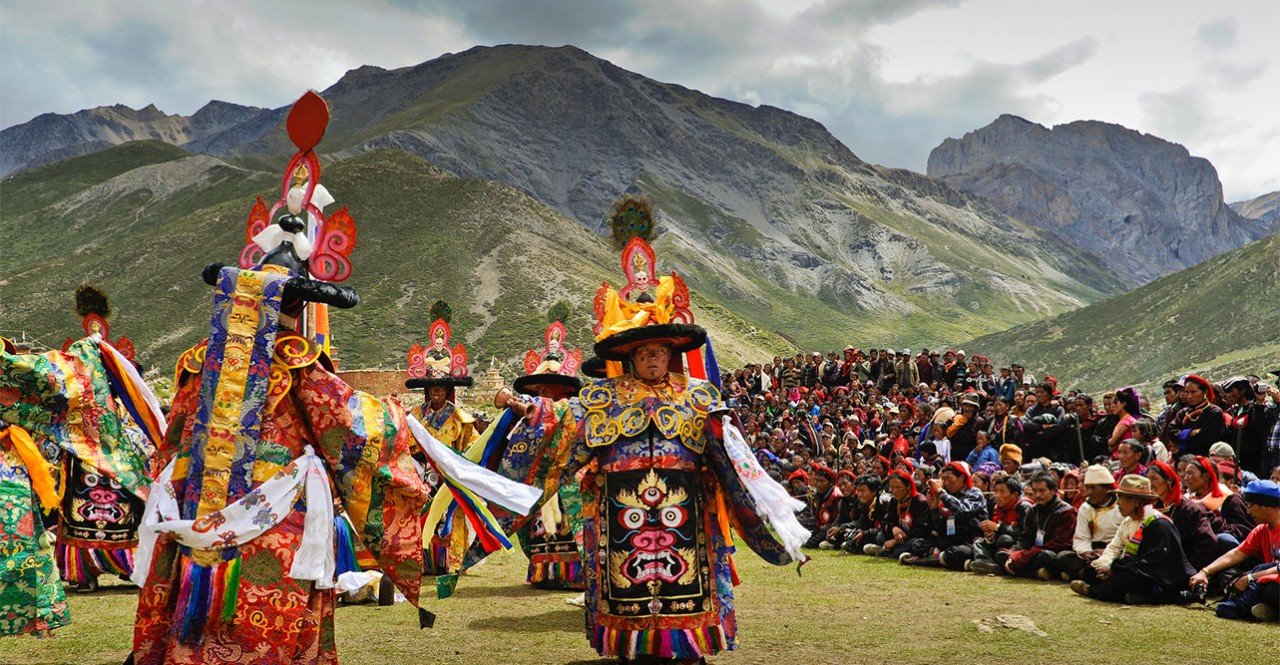
Maskdans under festivalen vid Shey
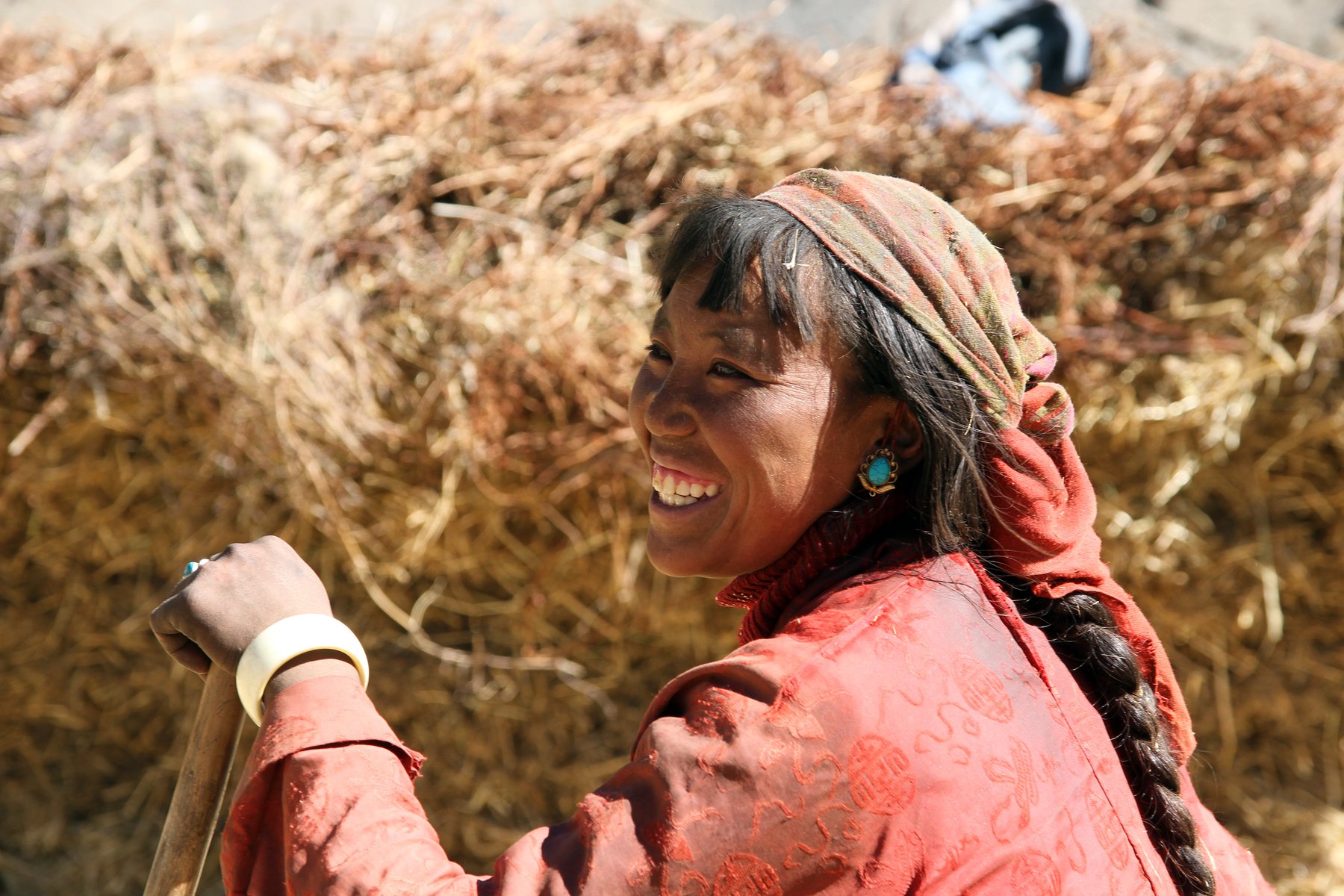
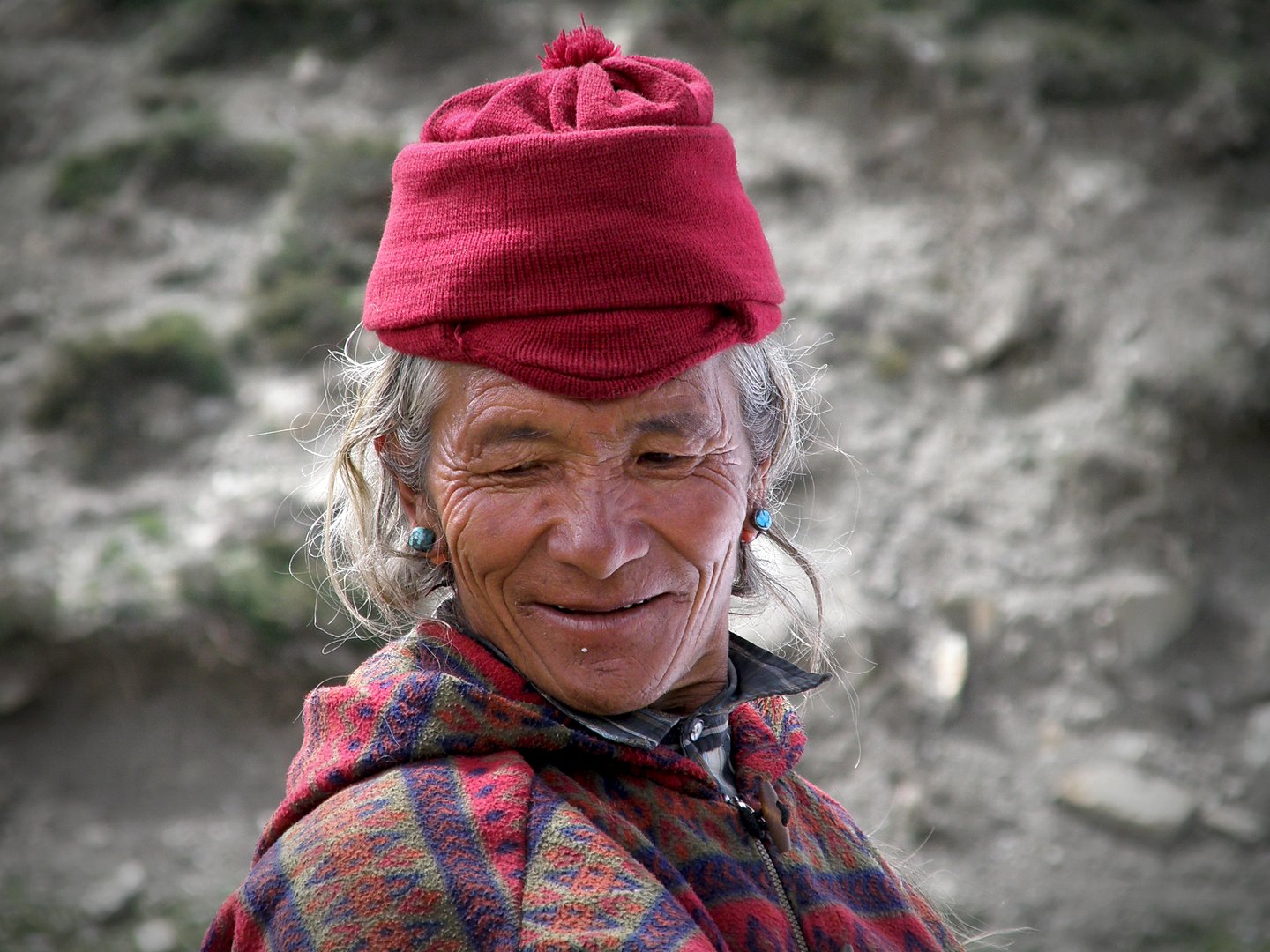
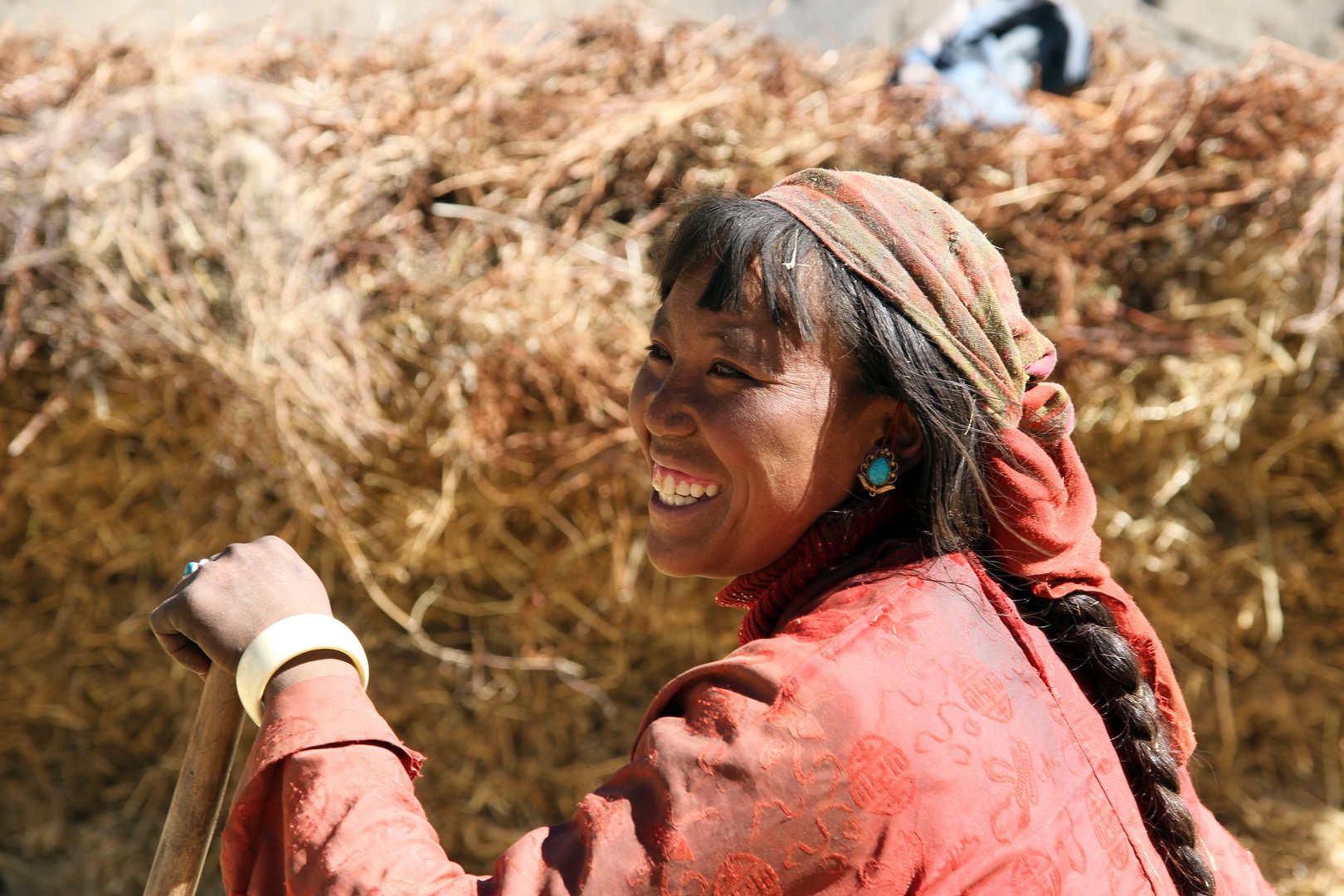
Leenden vart ni än kommer
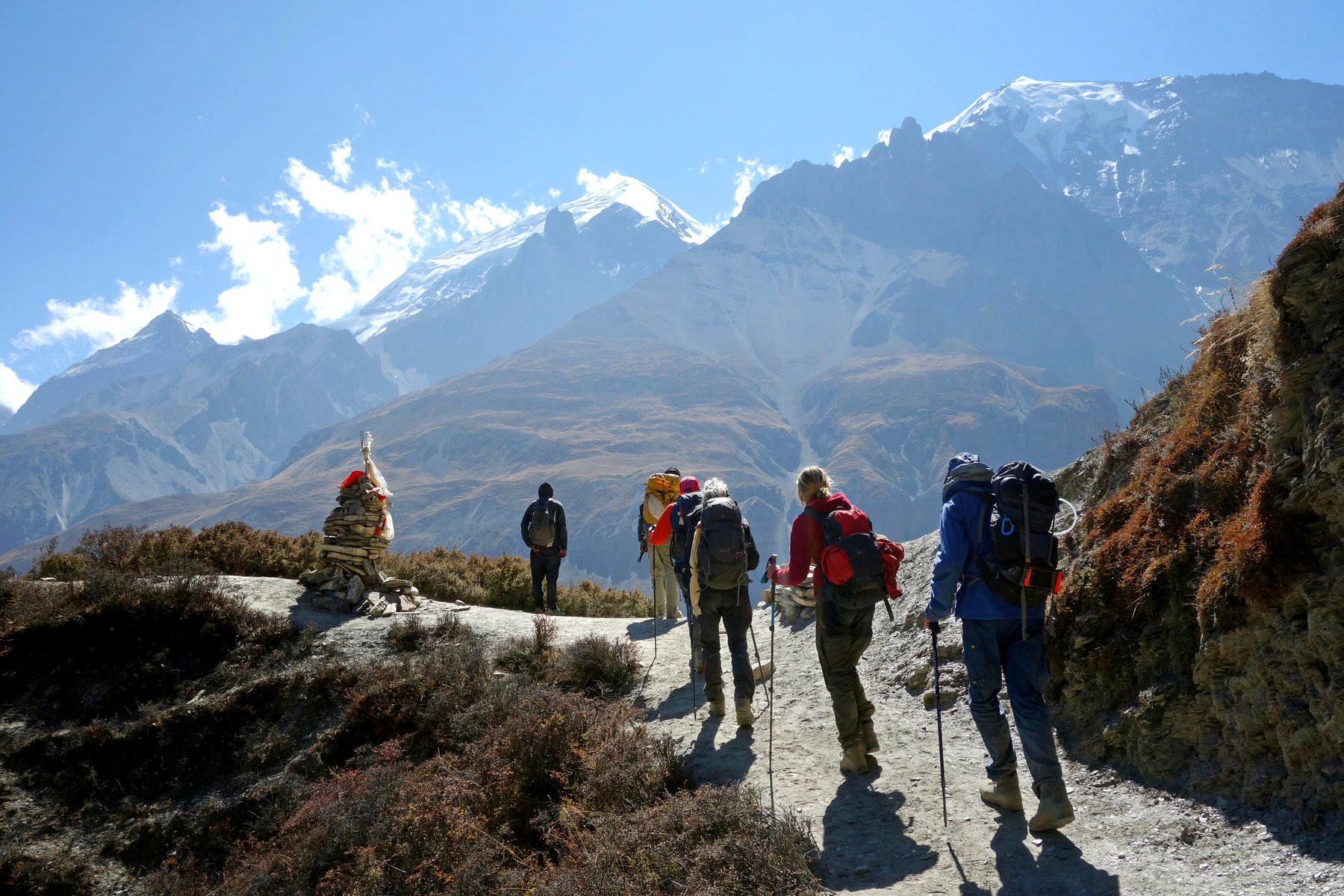
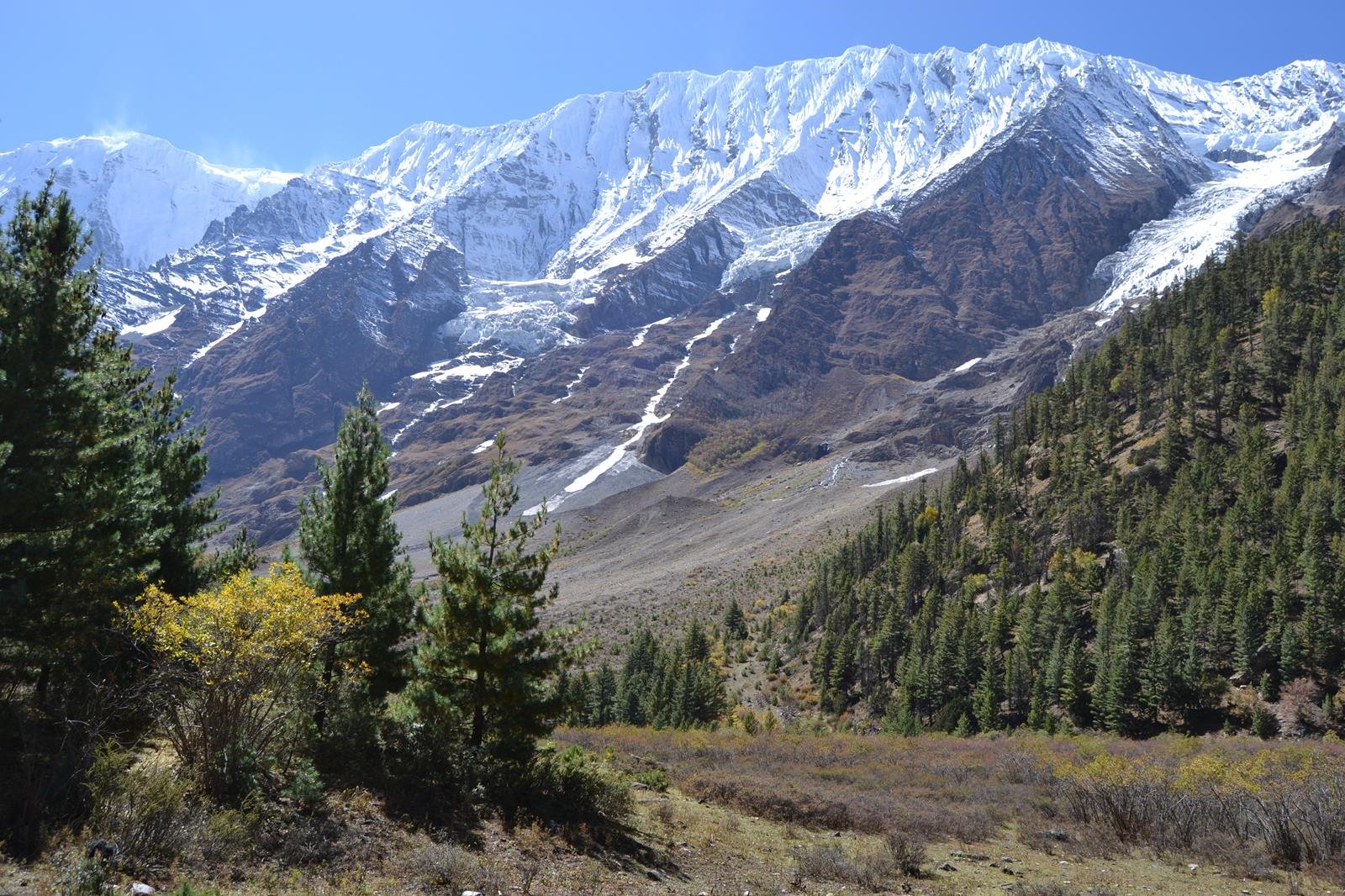
Unikt landskap under vandringen i Dolpo
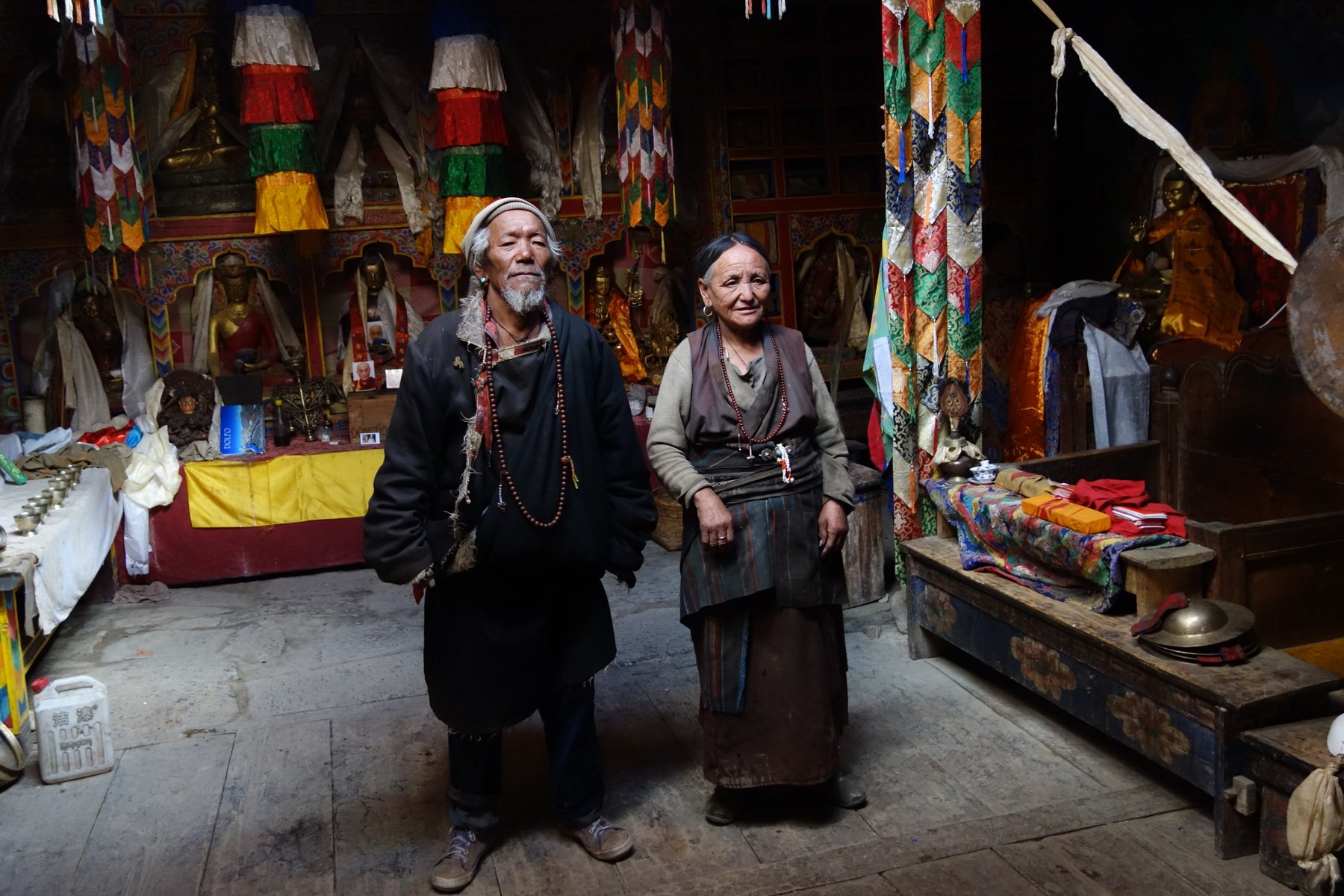
Fantastiska möten under resan
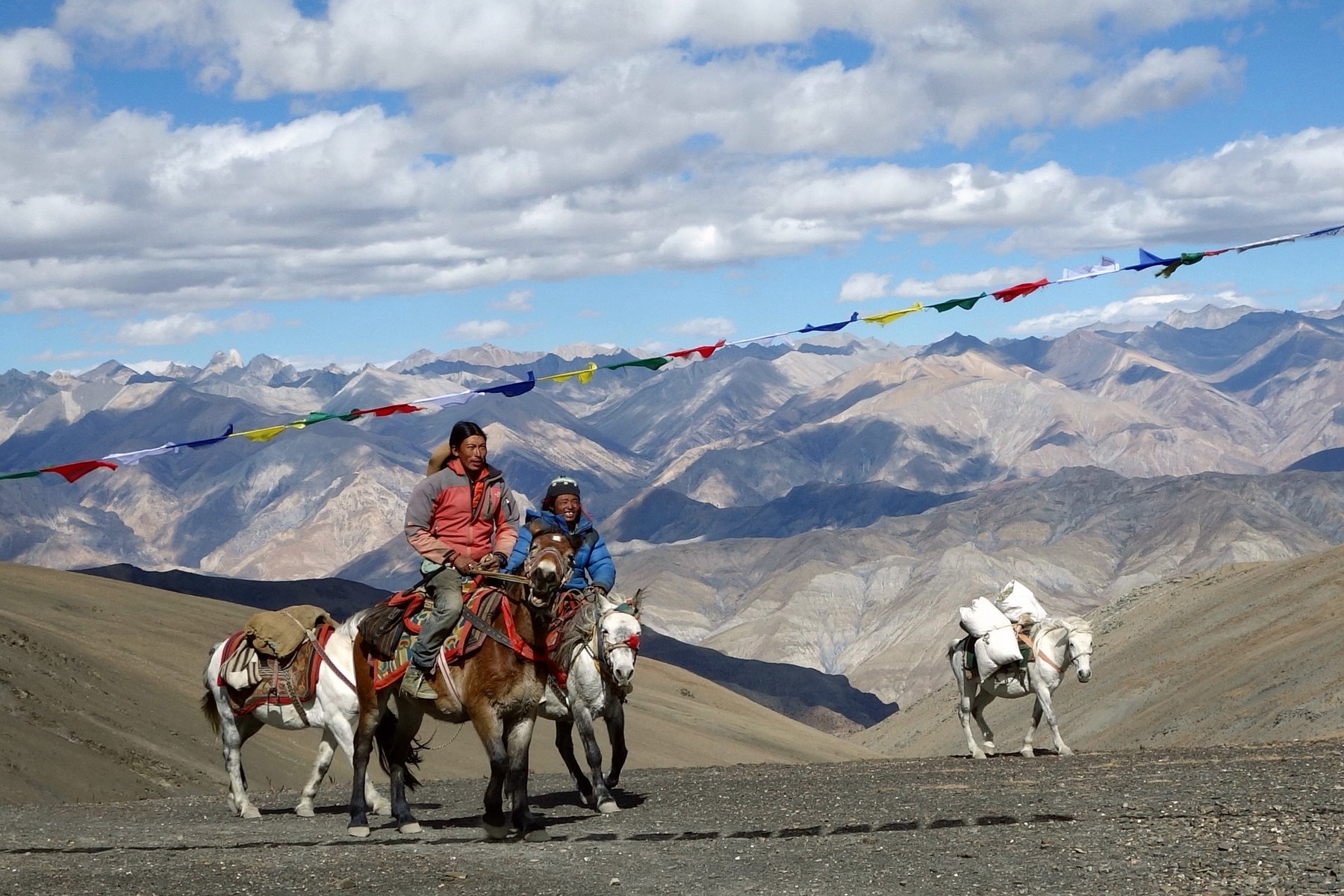
Makalös utsikt vid Shey la passet
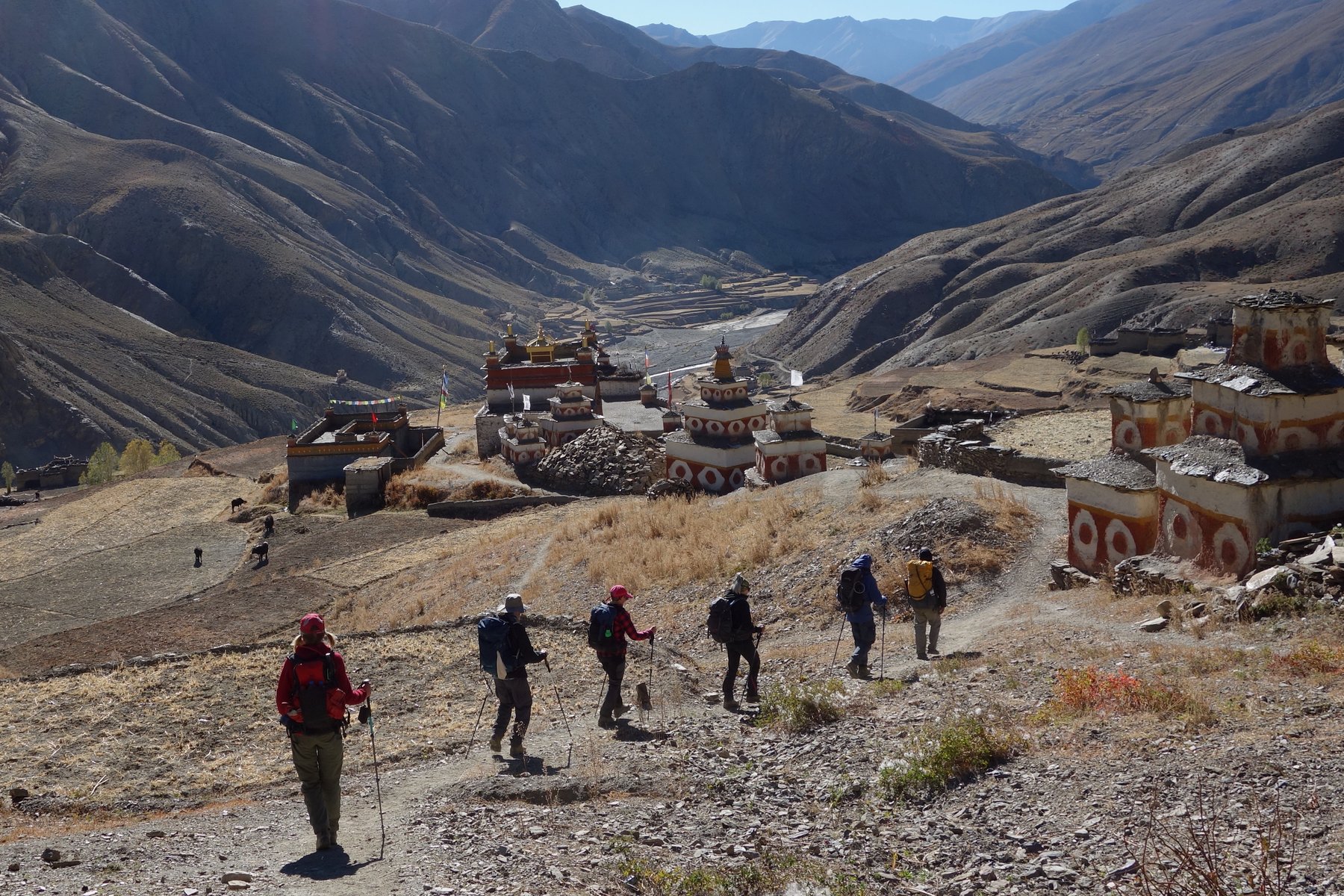
Vacker vy vid byn Saldang
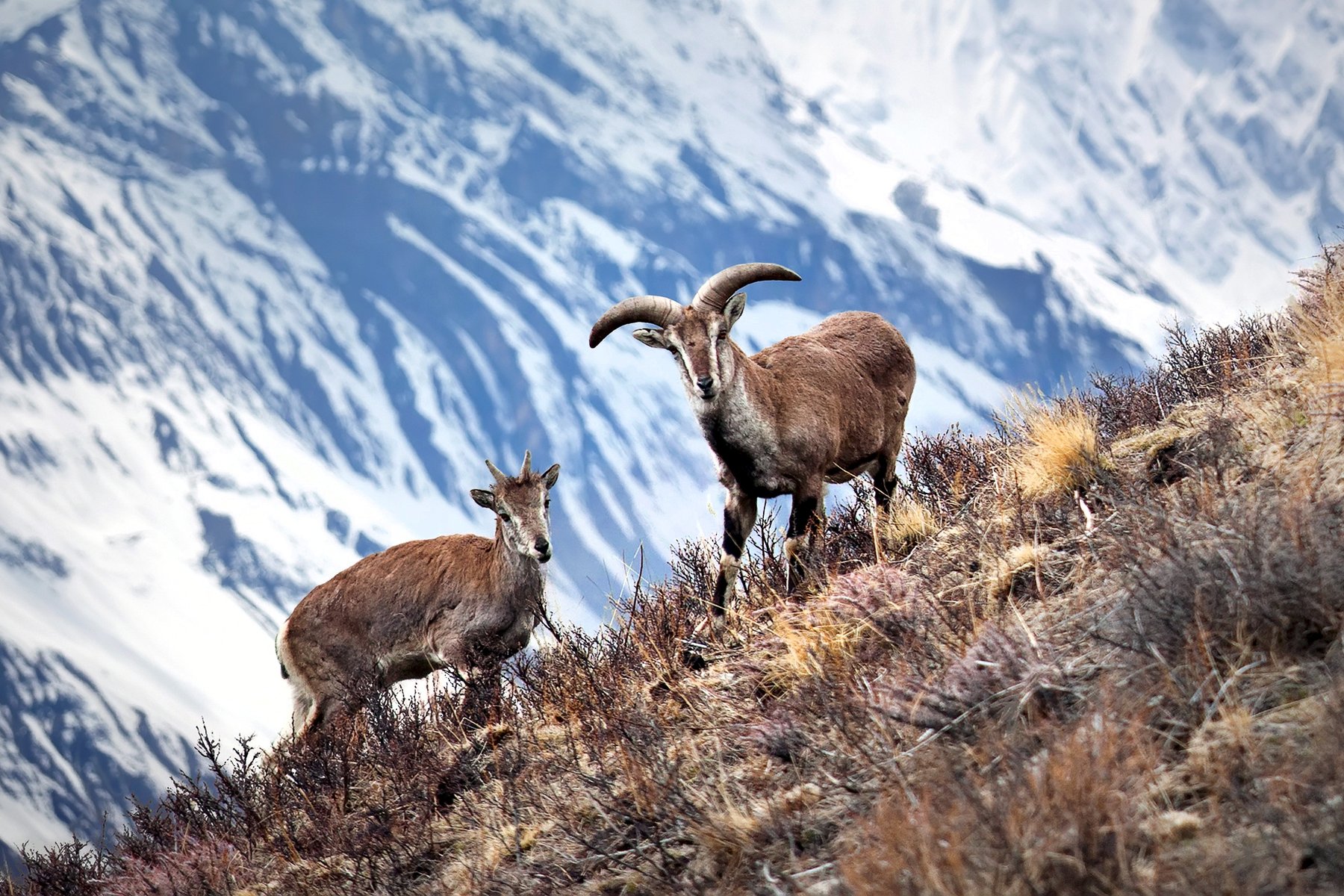
Under vandringen ser du mängder av blåfår
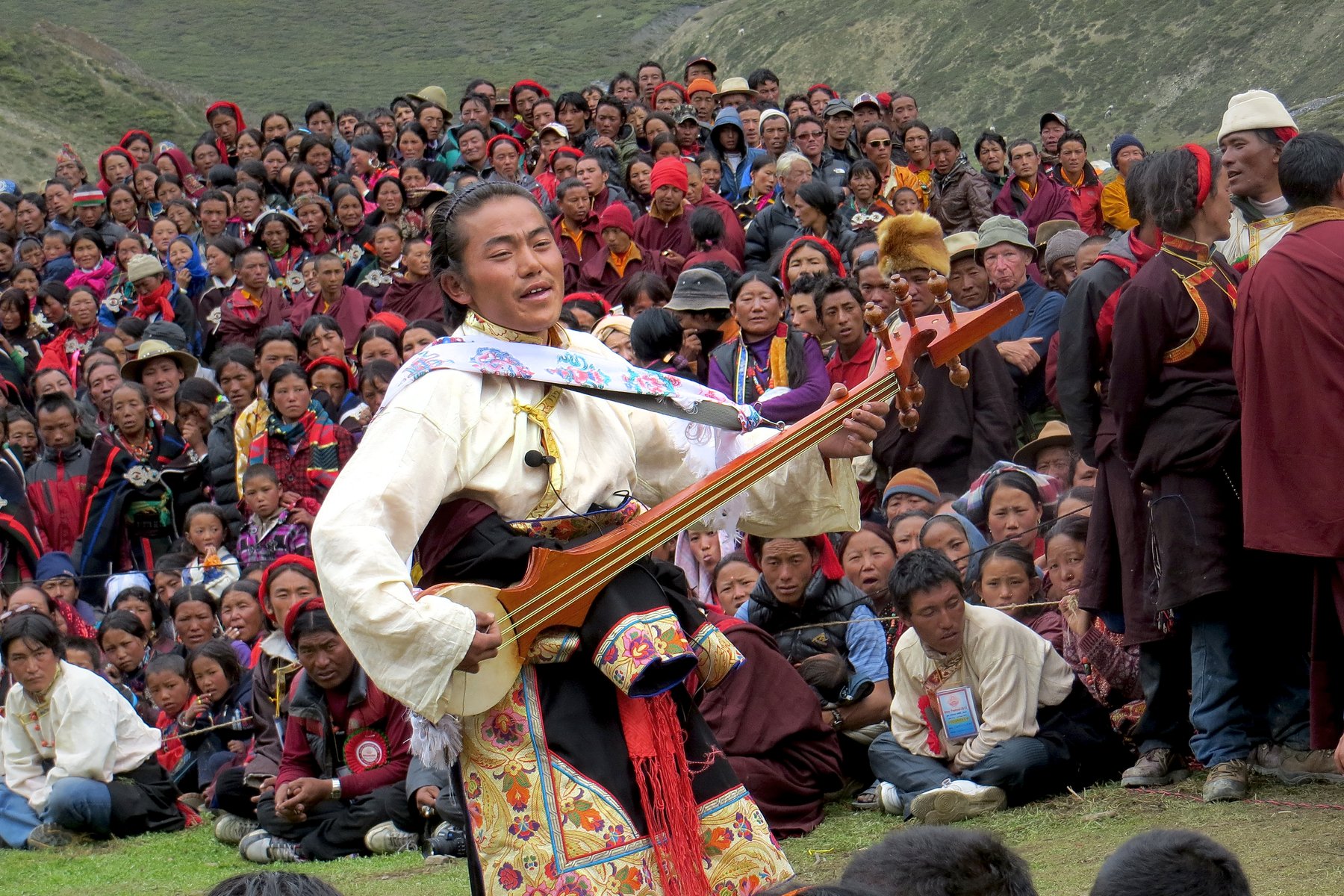
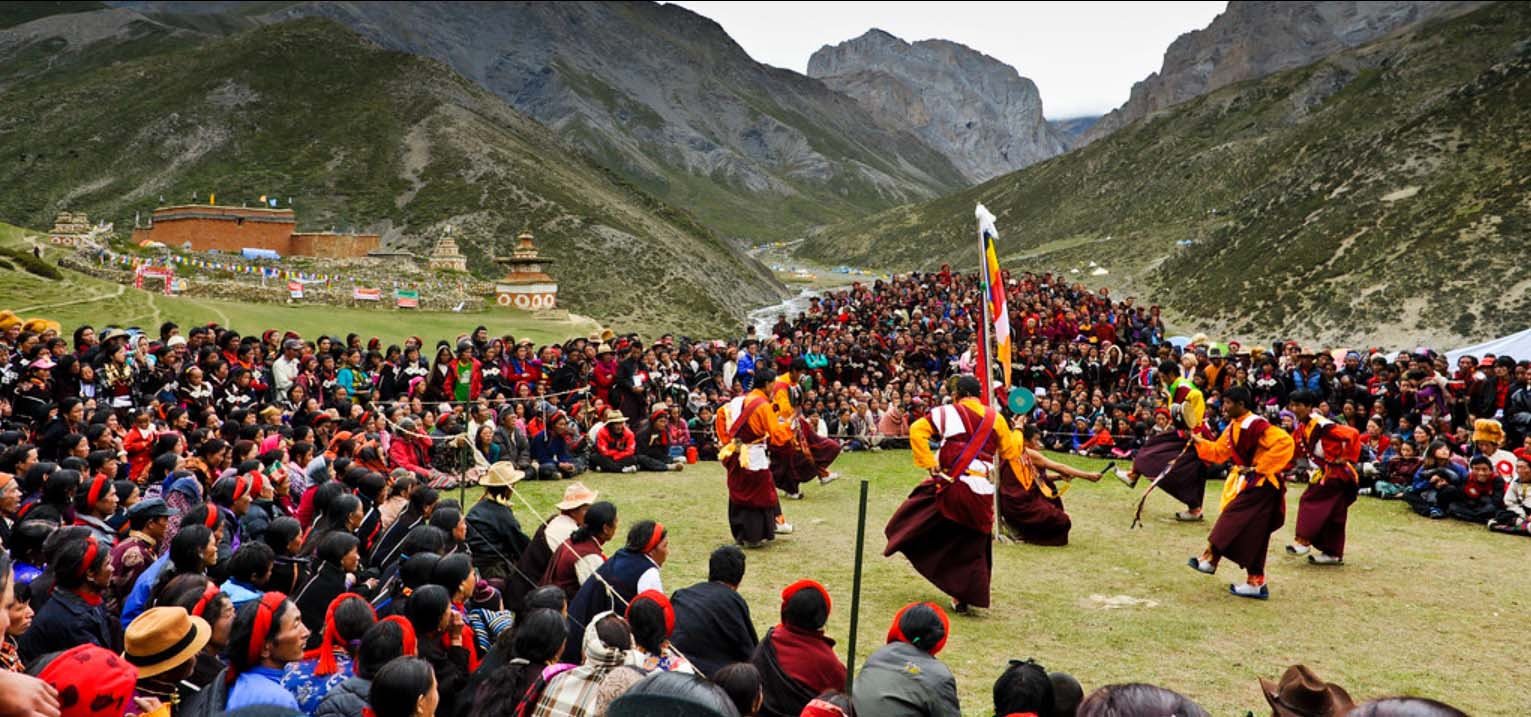
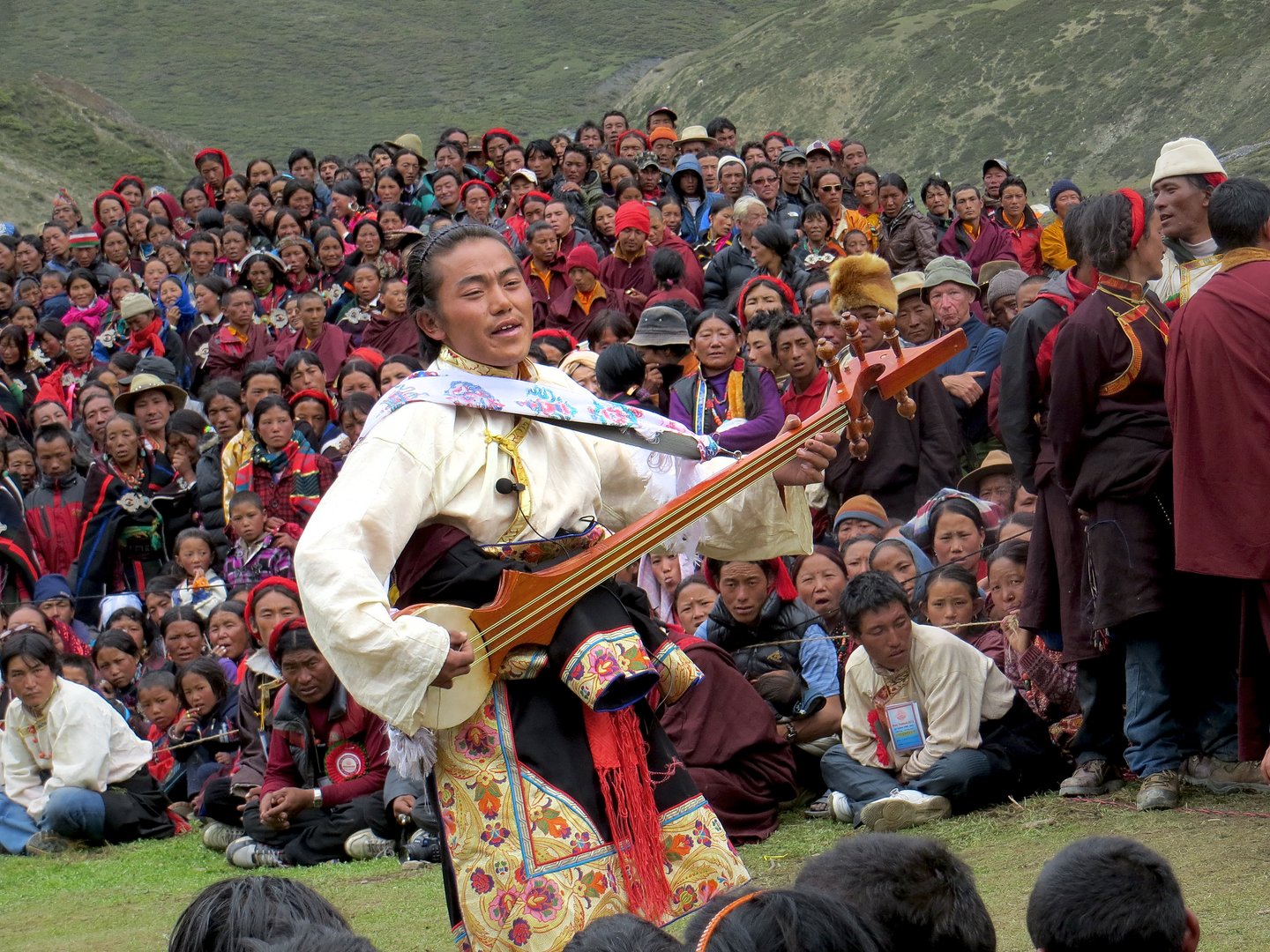
Musik och dans under festivalen vid Shey
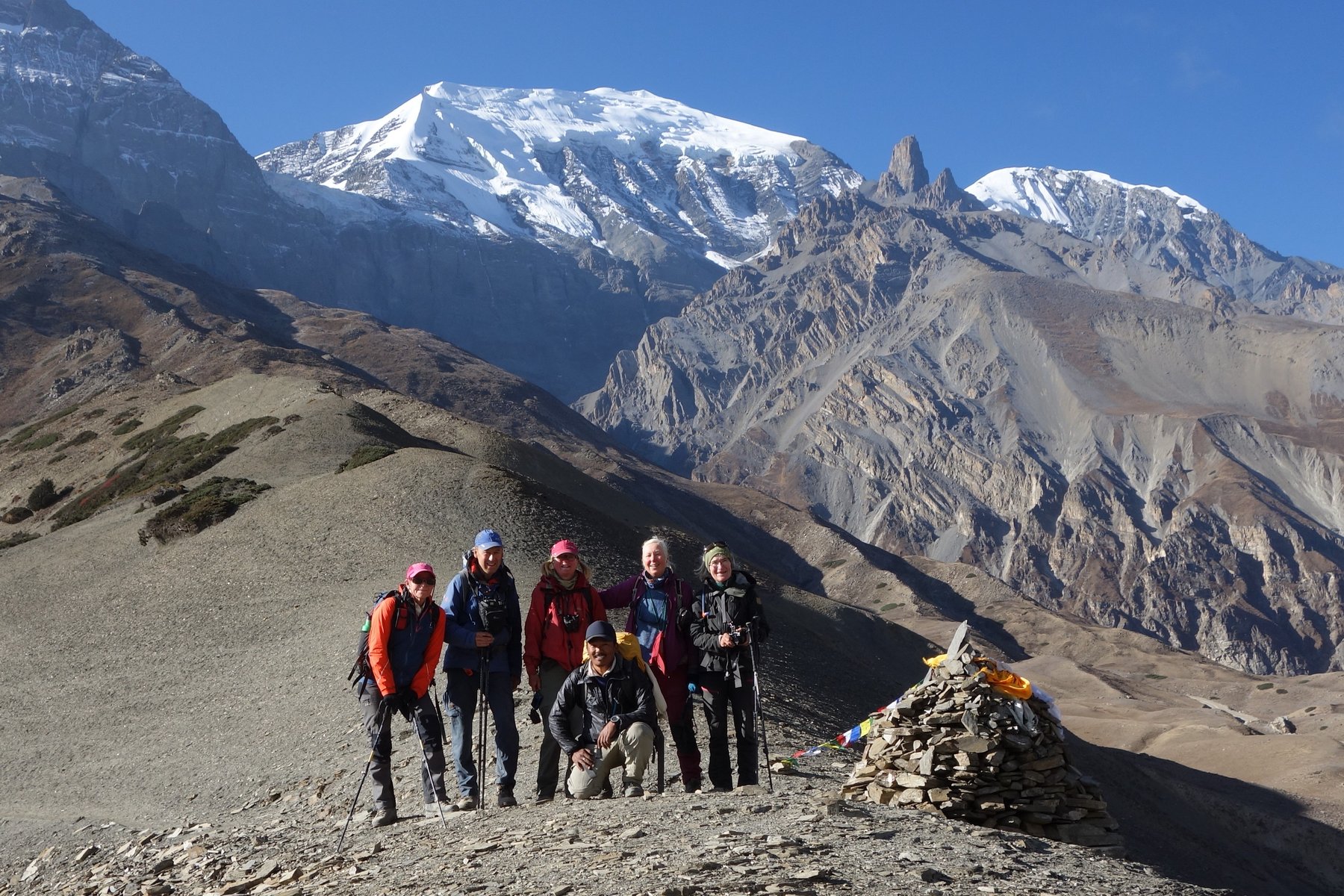
Sista passet med Annapurna i bakgrunden
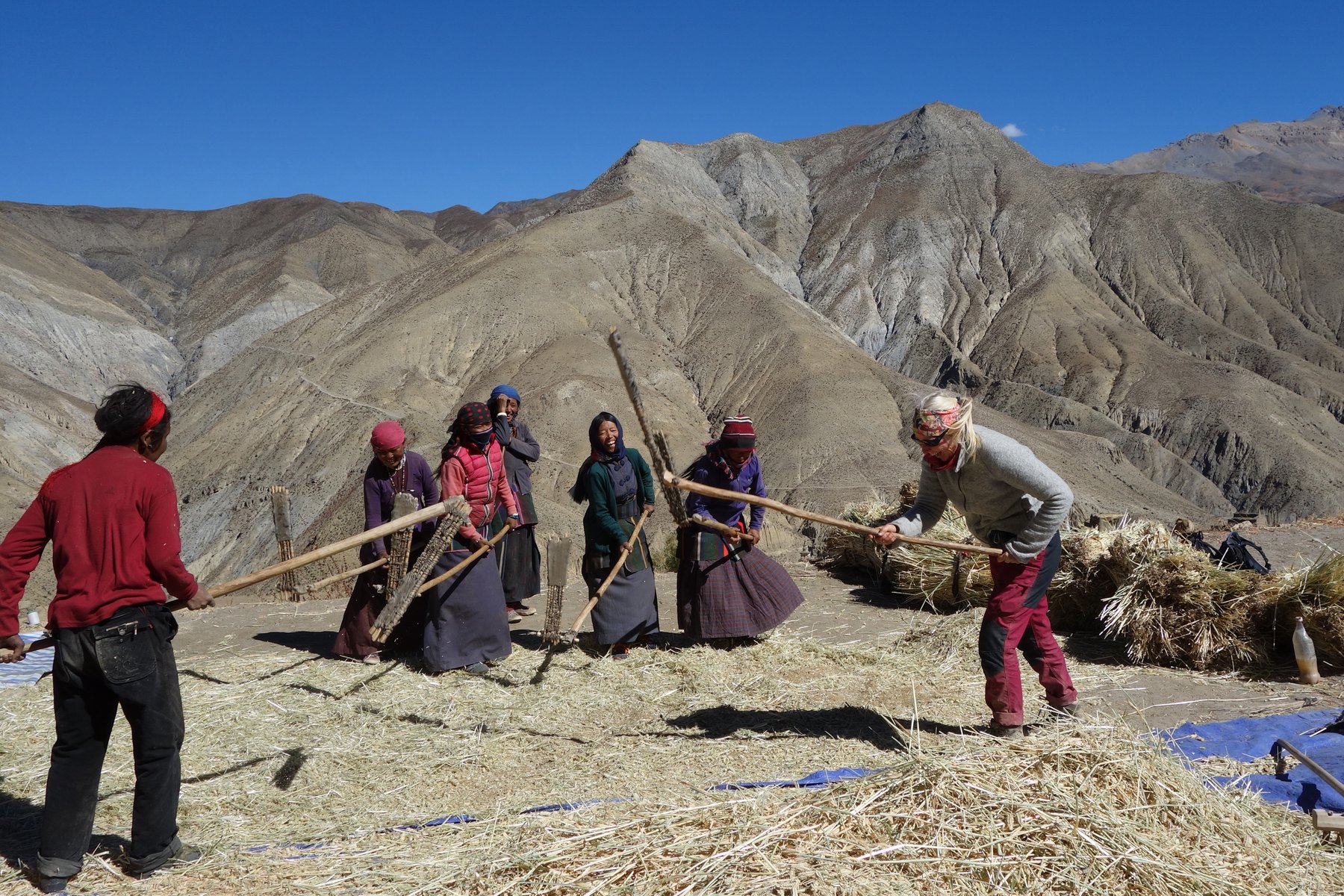
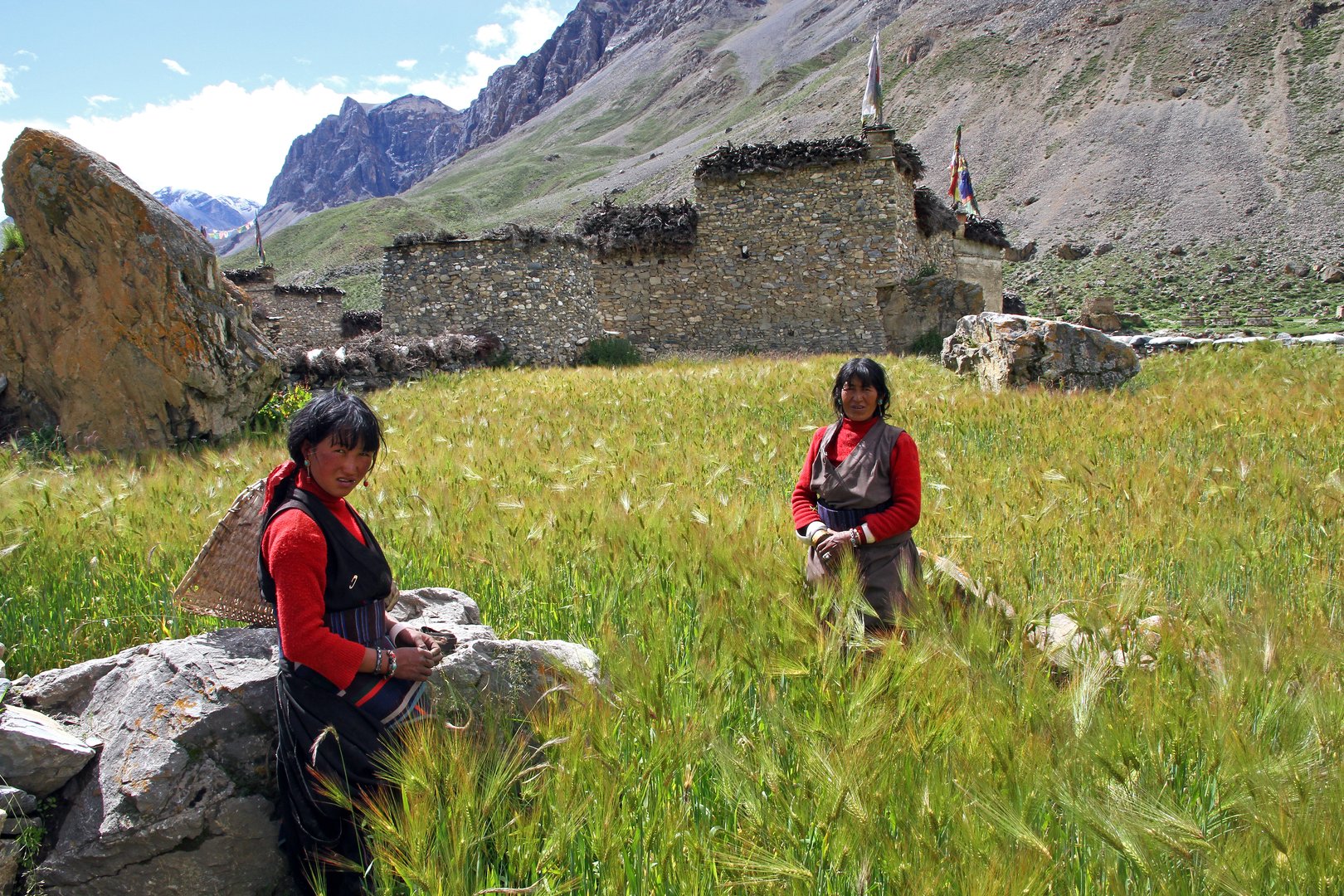
Skördetid i byn Saldang
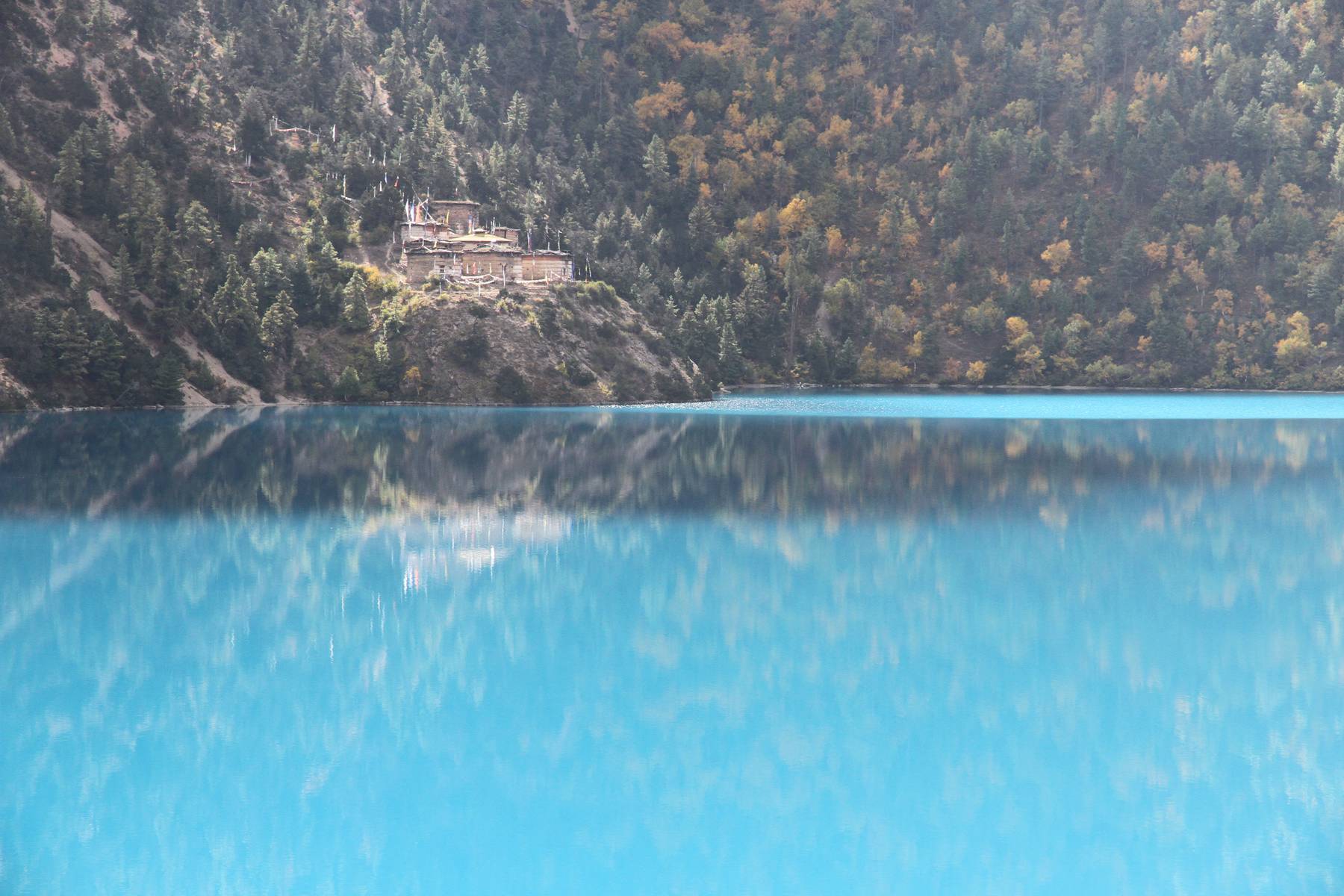
En nästan overklig syn
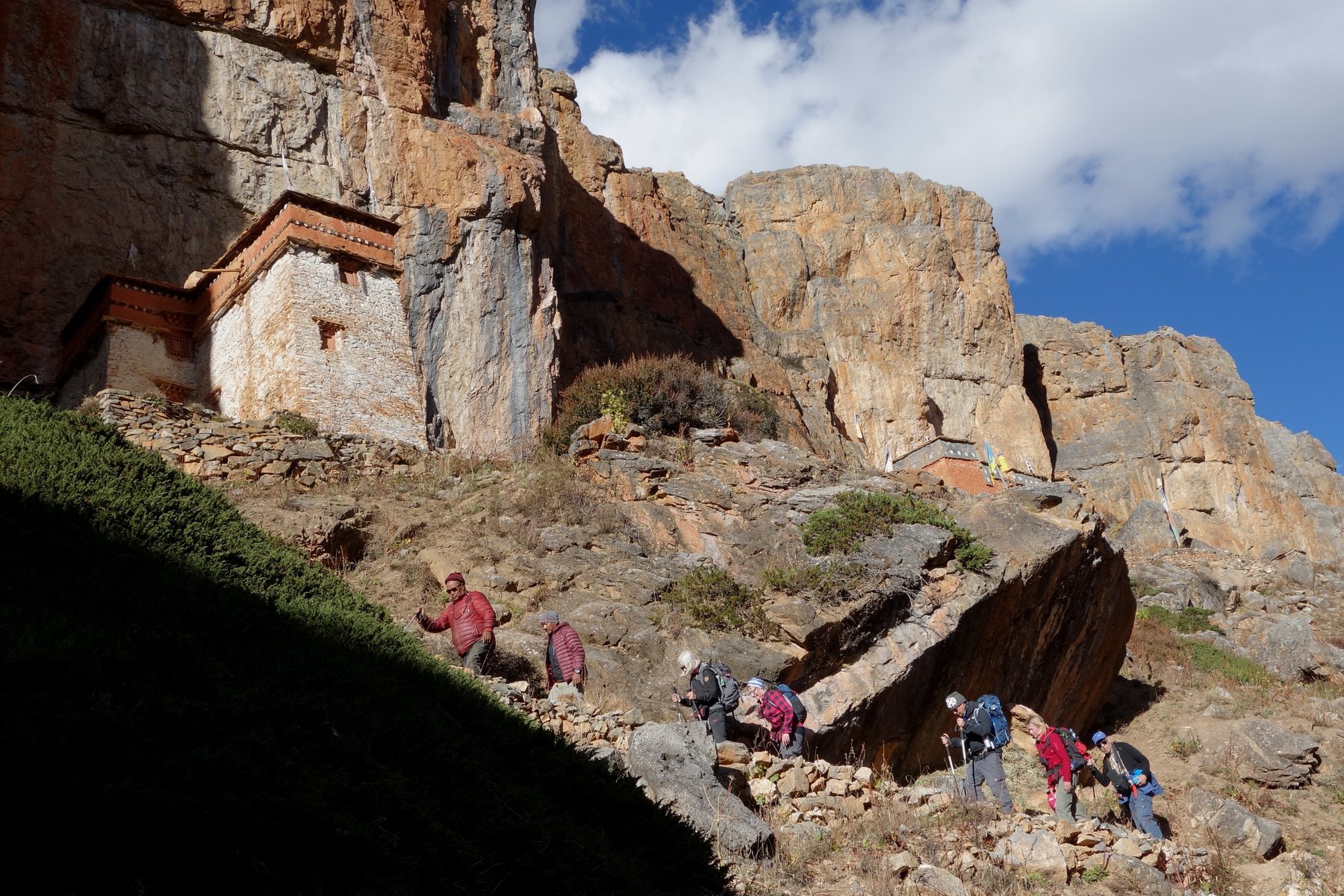
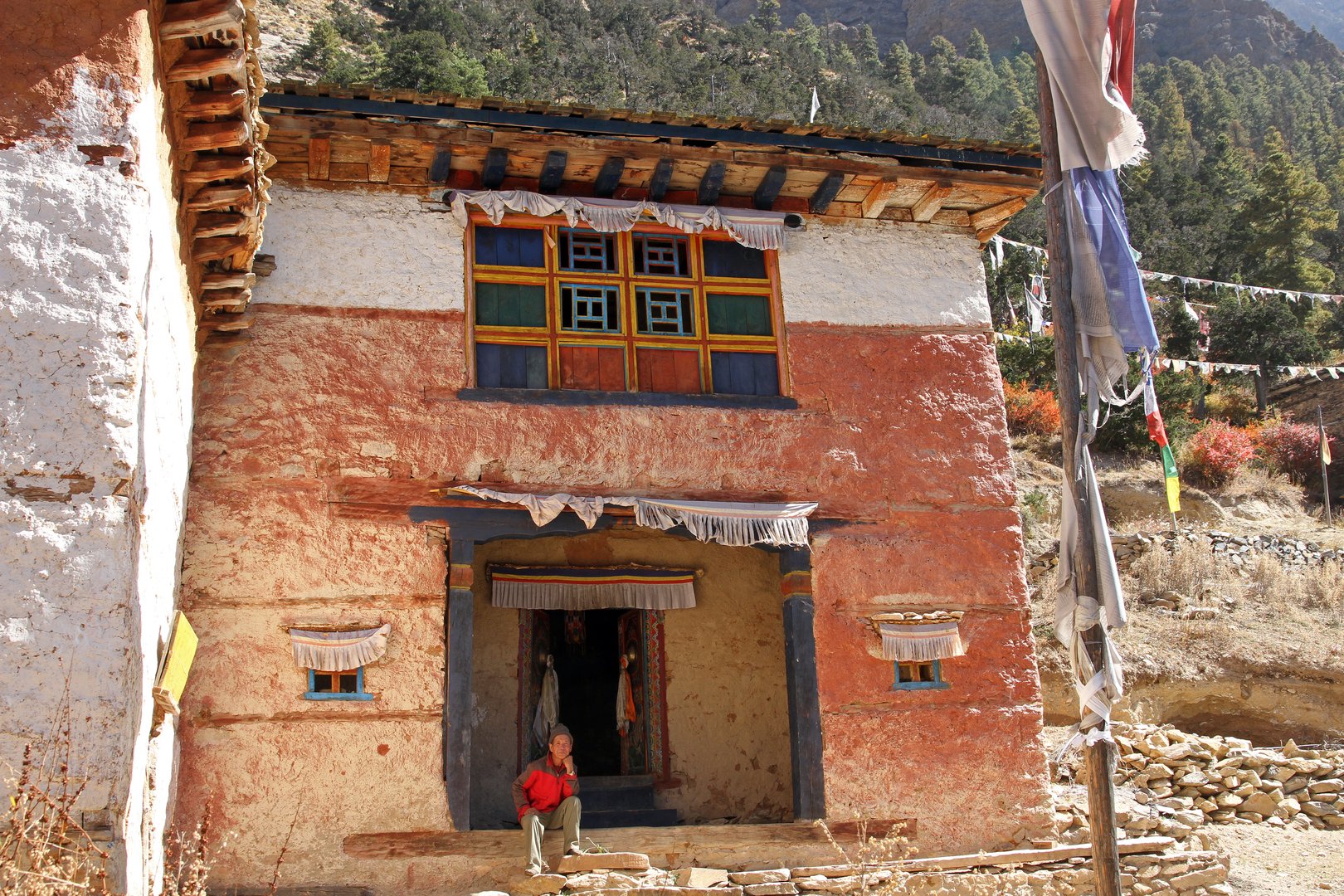
Ett av många kloster på fantastiska platser
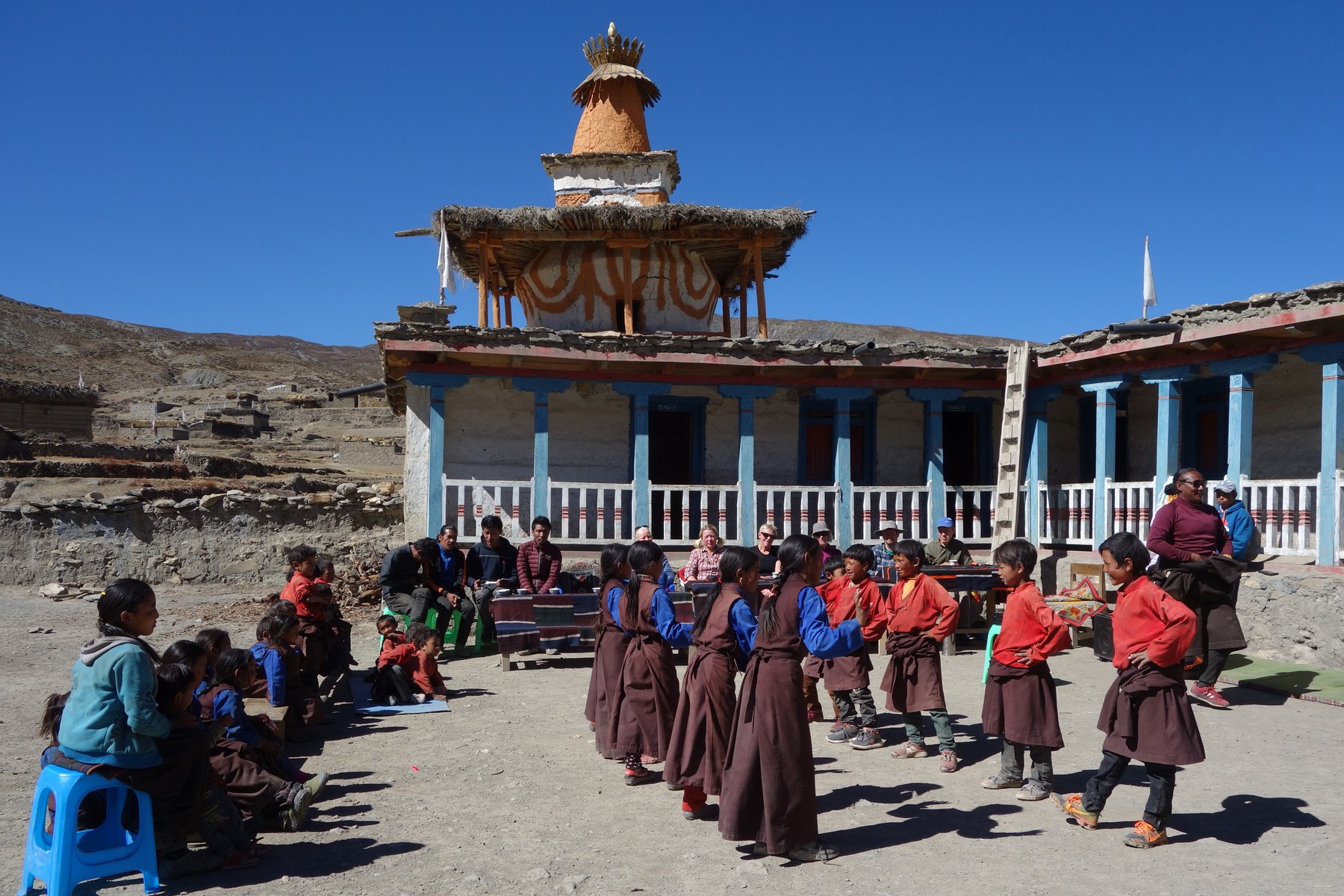
Fint mottagande i byn Khoma
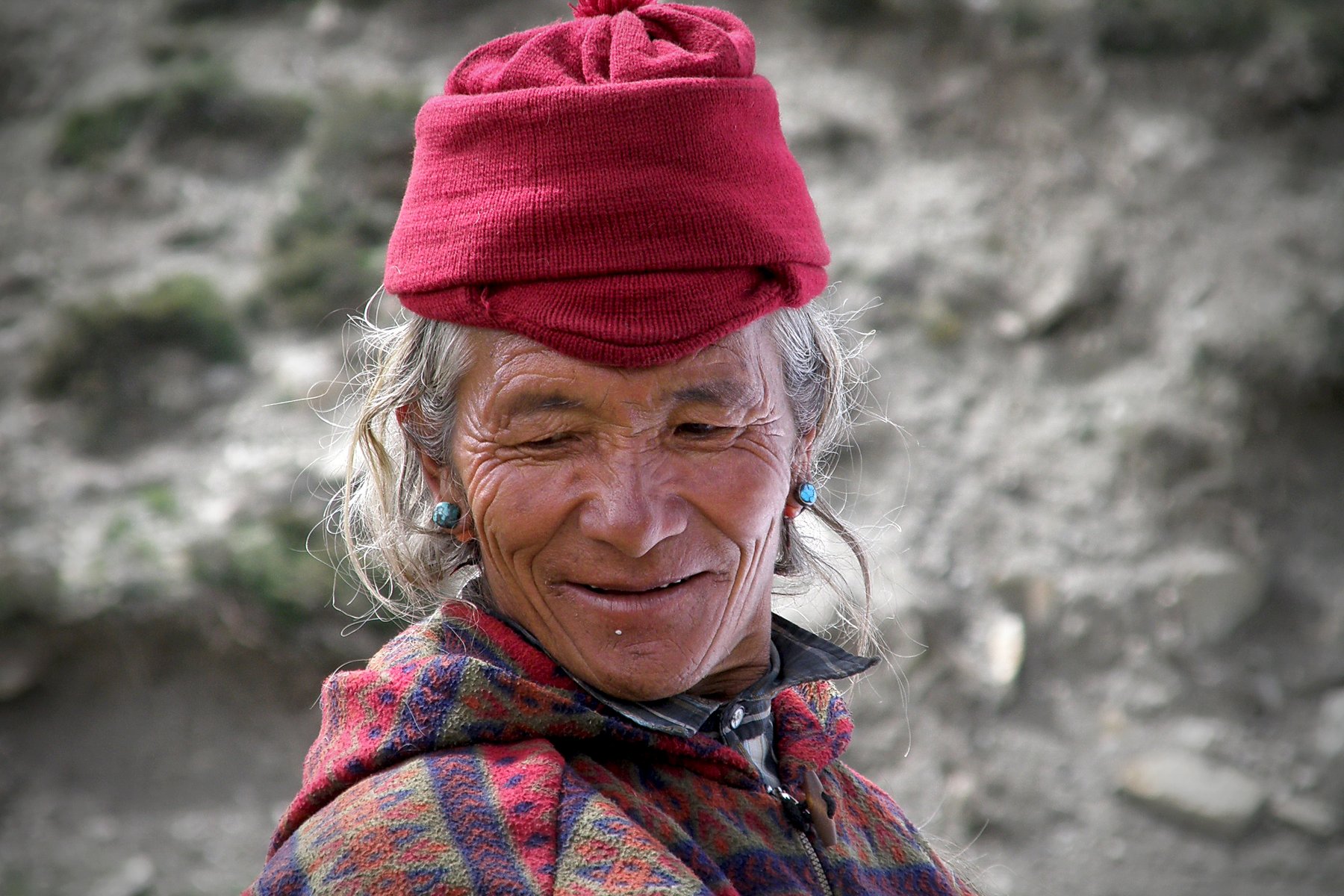
En av många besökare under festivalen
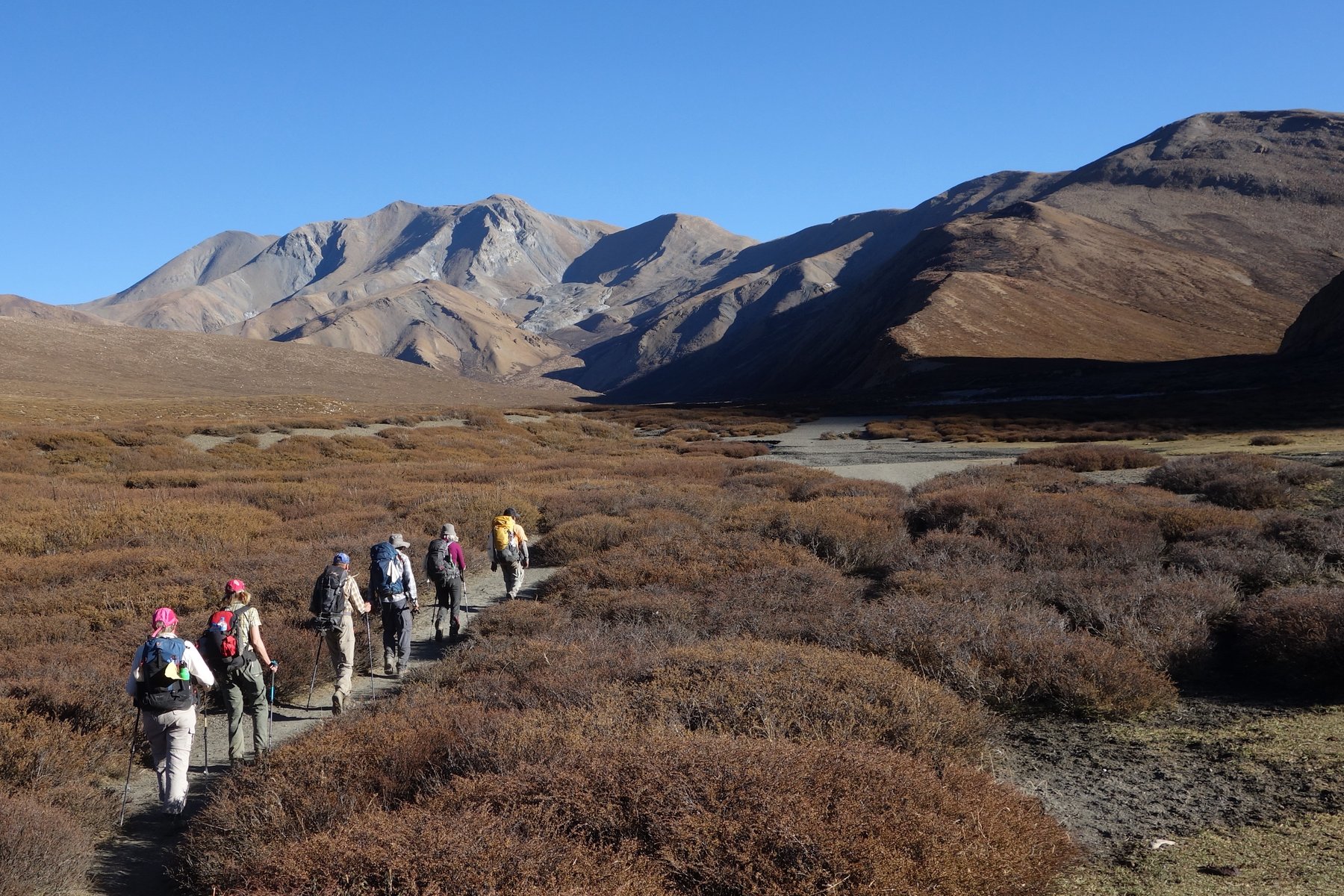
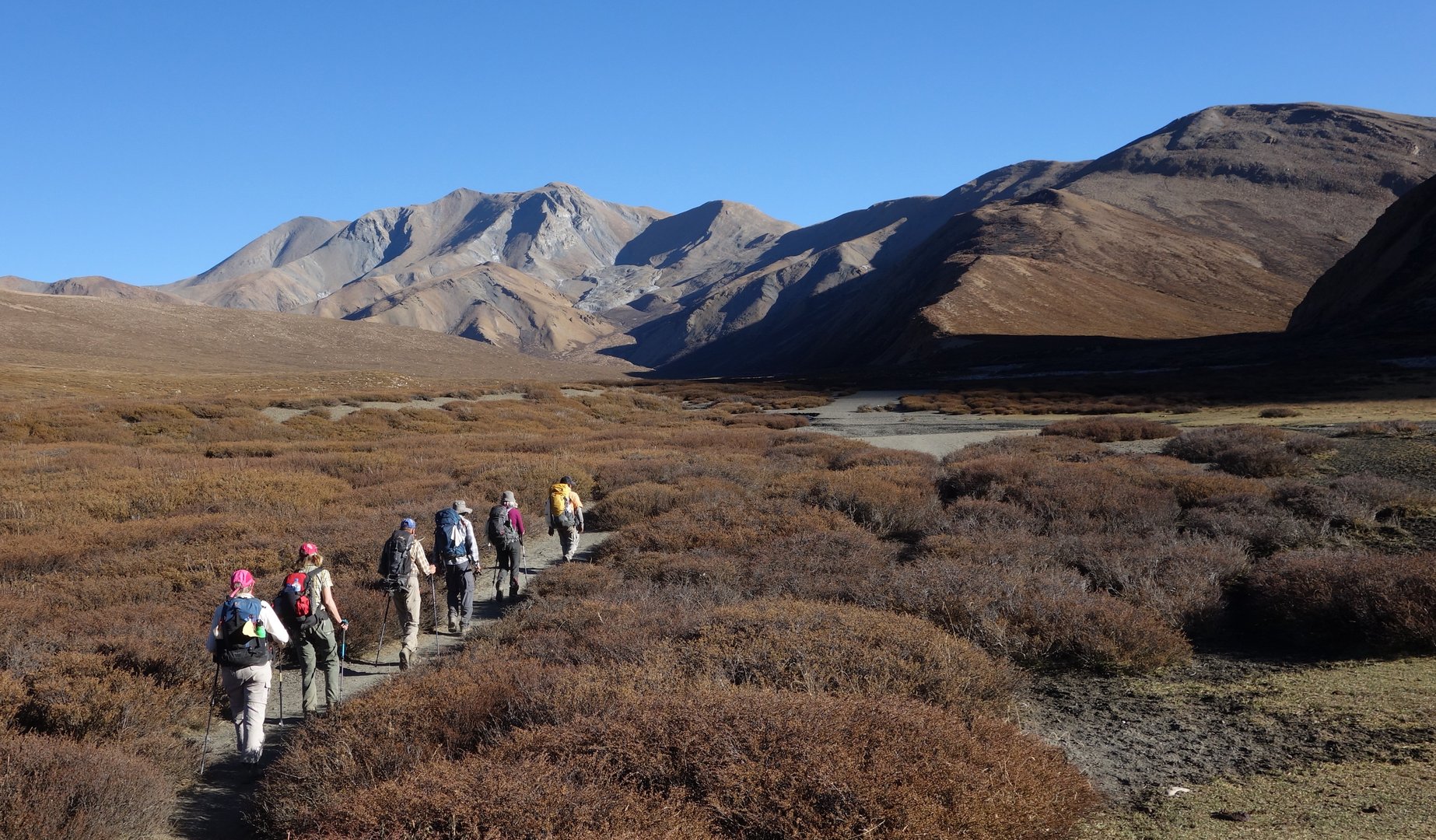
Vandring Nepal mot byn Rakpa
Dag 1 Världsarvet Bhaktapur
Samling på vårt hotell i Bhaktapur i Kathmandudalen. Hela staden är ett världsarv och du bor med vackra tempel utanför fönstret.
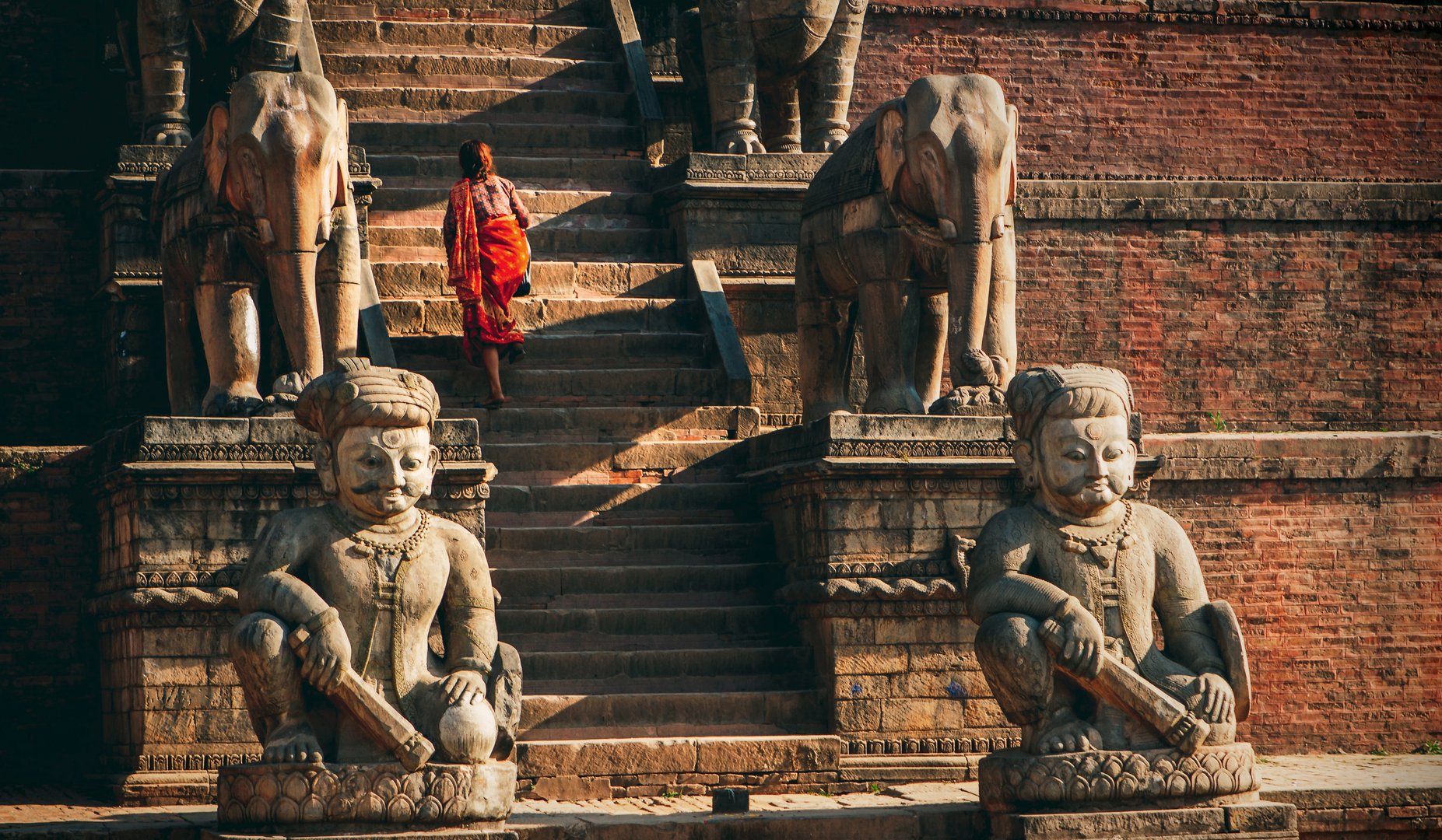
Dag 2 Sevärdheter i Kathmandudalen
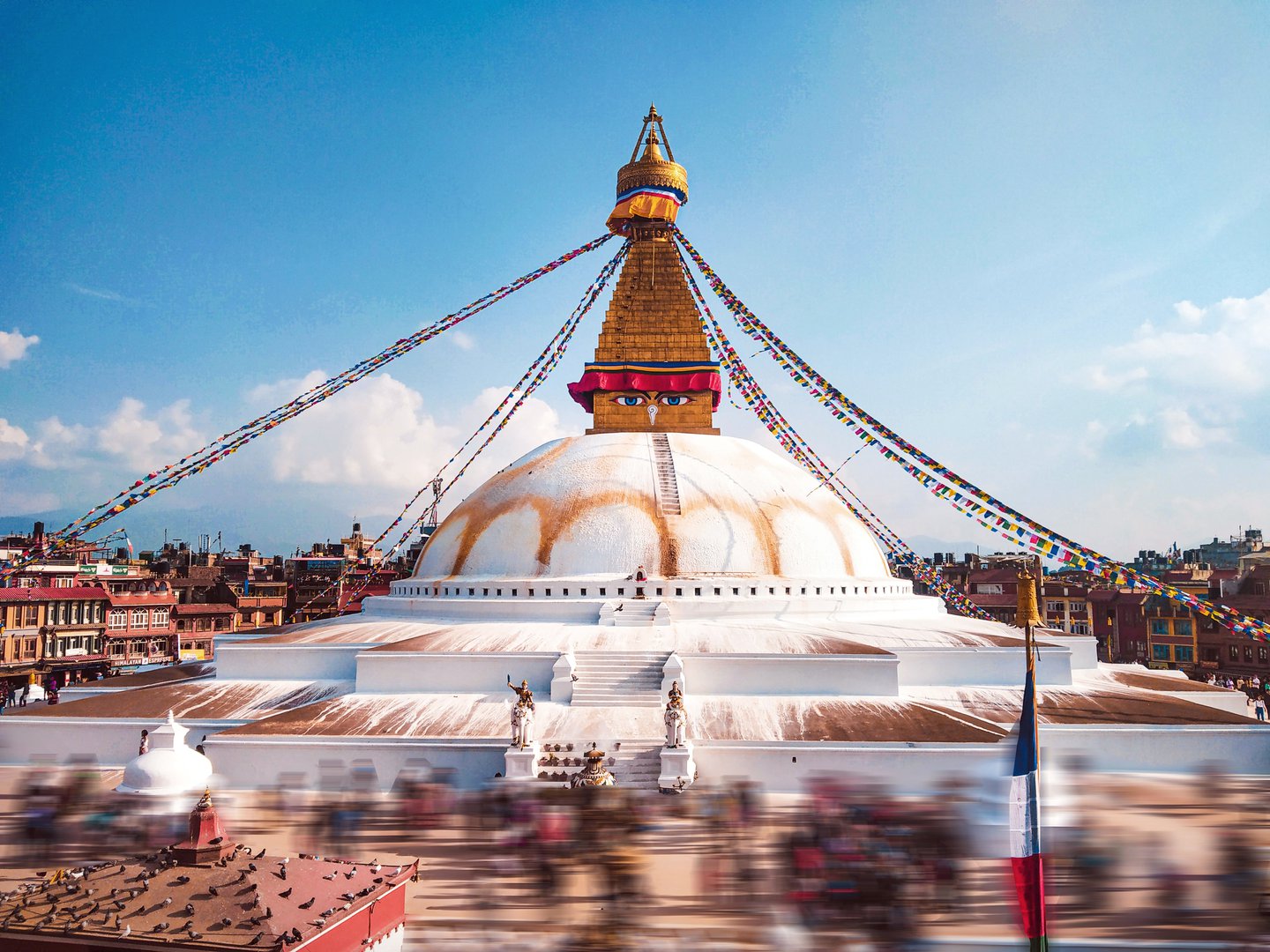
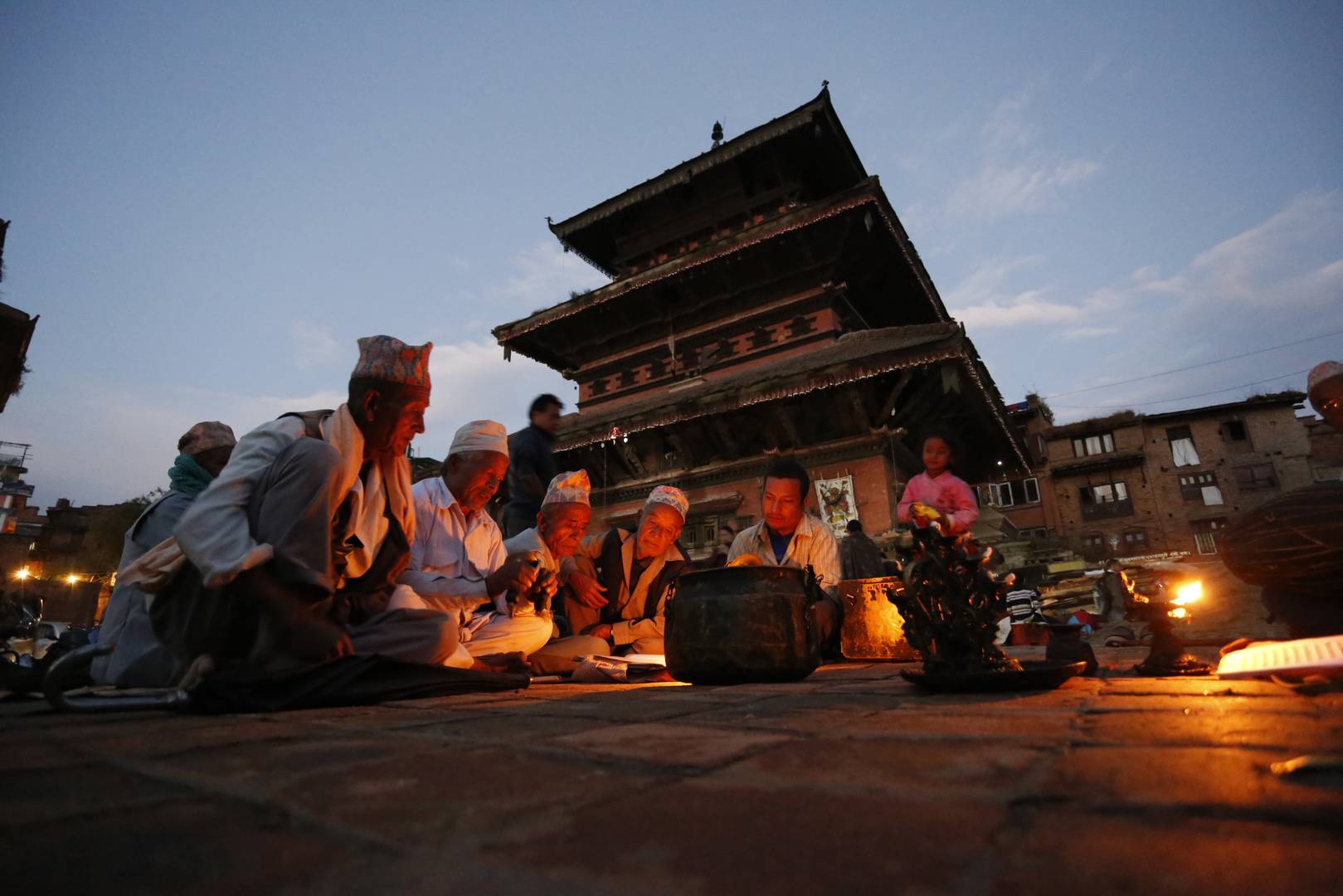
På morgonen går vi tillsammans med reseledaren genom de smalaste gränderna i Bhaktapur. Du ser folk förrätta sina morgonböner vid stans tempel och barn som går till skolan i välstrukna uniformer. Du besöker Pashupatinathtemplet och den enorma stupan Boudhanath.
Dag 3-4 Bardia Nationalpark
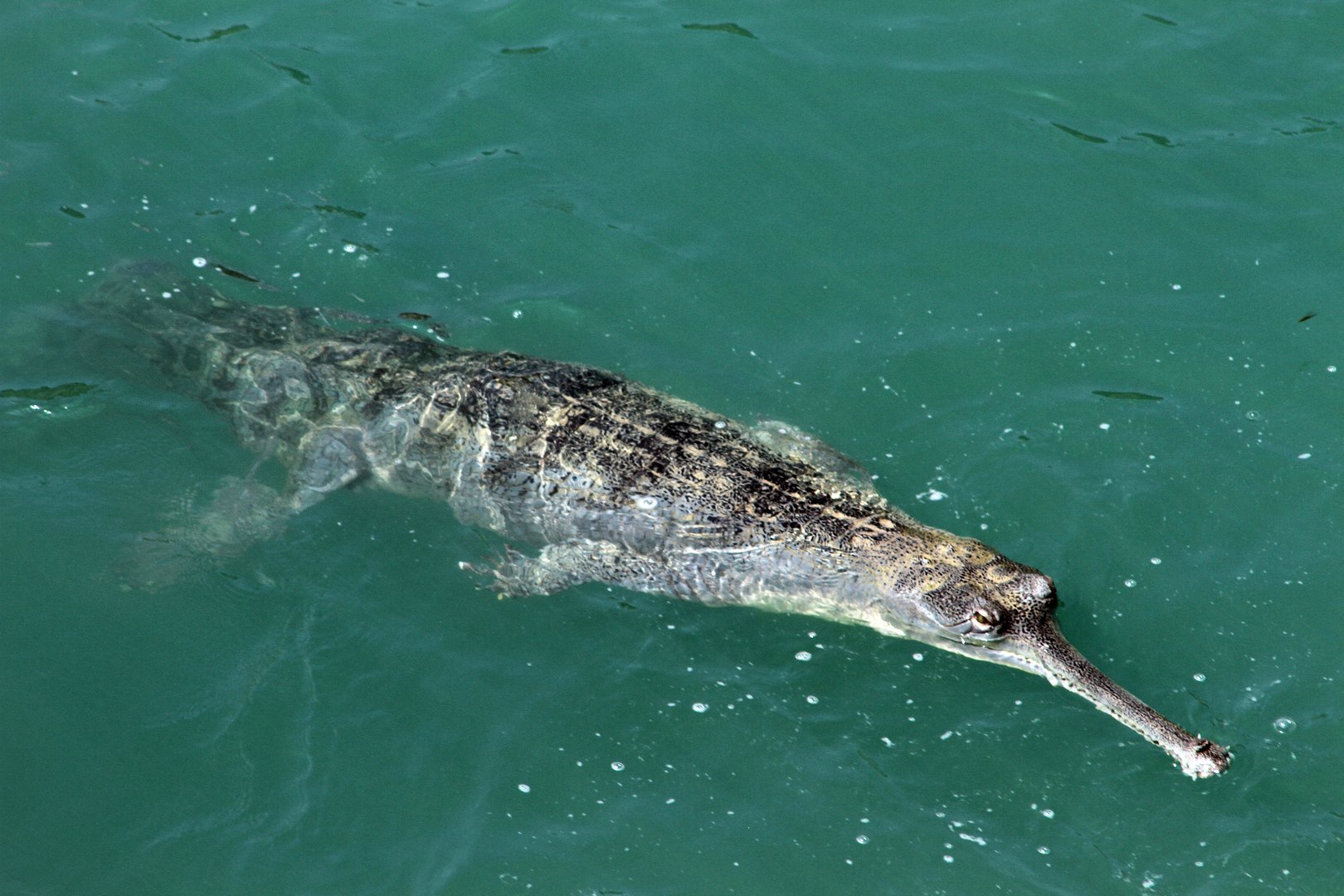
Flyg till Nepalganj. Buss till nationalparken Bardia vid indiska gränsen. Du gör en längre vandring och ser med all sannolikhet elefanter, noshörningar, hjortar, krokodiler och flockar med apor. Med lite tur även tiger, leopard och björn.
Dag 5 Dunai - vandringen inleds
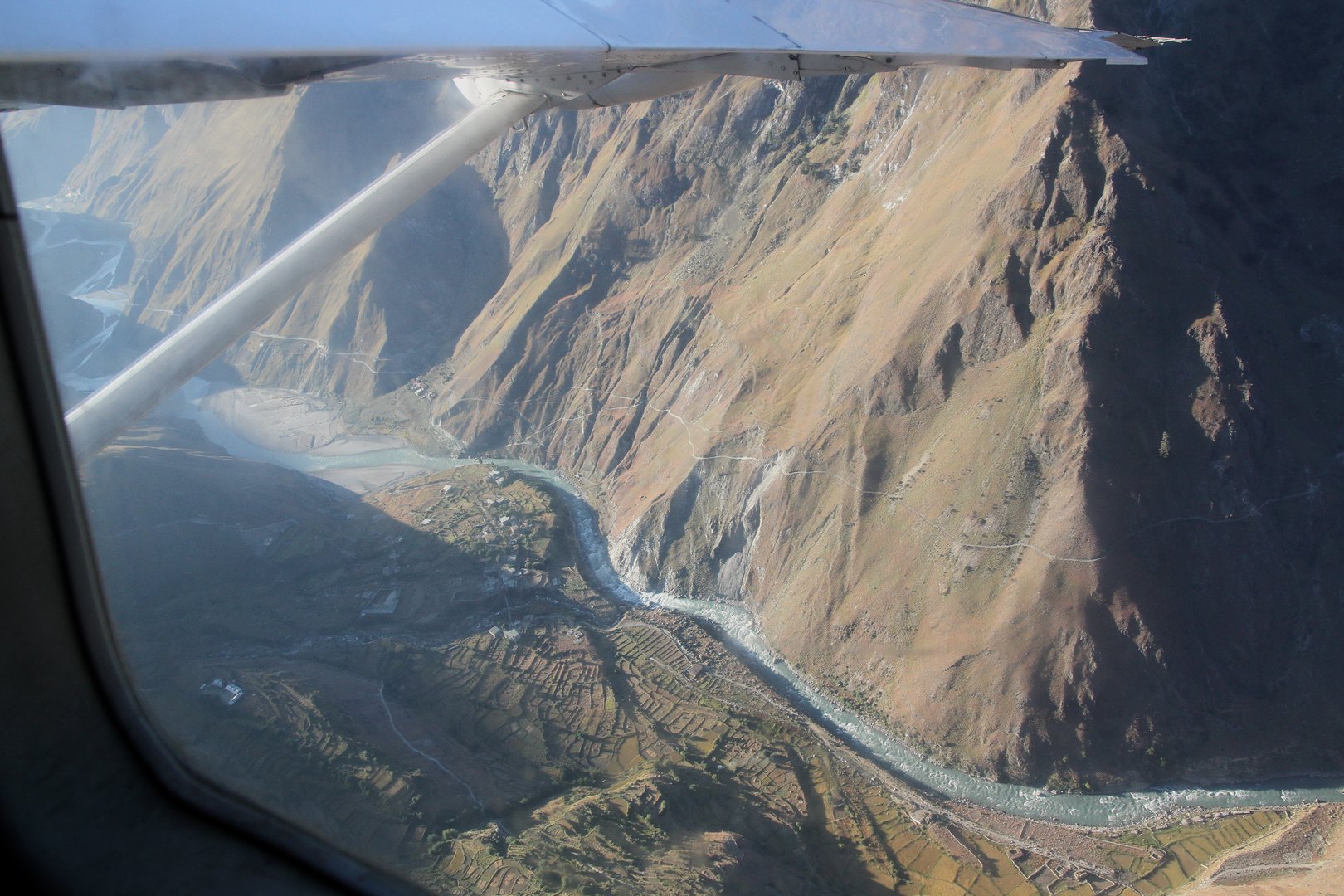
Flyg till Juphal (2500 m) där du tas emot av personalen som ska vara med på vandringen. Första dagen bjuder på lätt vandring genom terrasserat landskap till provinshuvudstaden Dunai. Under eftermiddagen har du tid att utforska byn.
Dag 6 Sakta upp längs floden till Chepka
Packningen lastas på dzo, en korsning mellan jak och ko. Vandringen (ca 7 timmar) går längs en flod genom orörd skog och små byar med stenhus till den lilla tibetanska byn Chepka. Ännu är höjden under 3000 m.
Dag 7 Vidare till byn Rinje
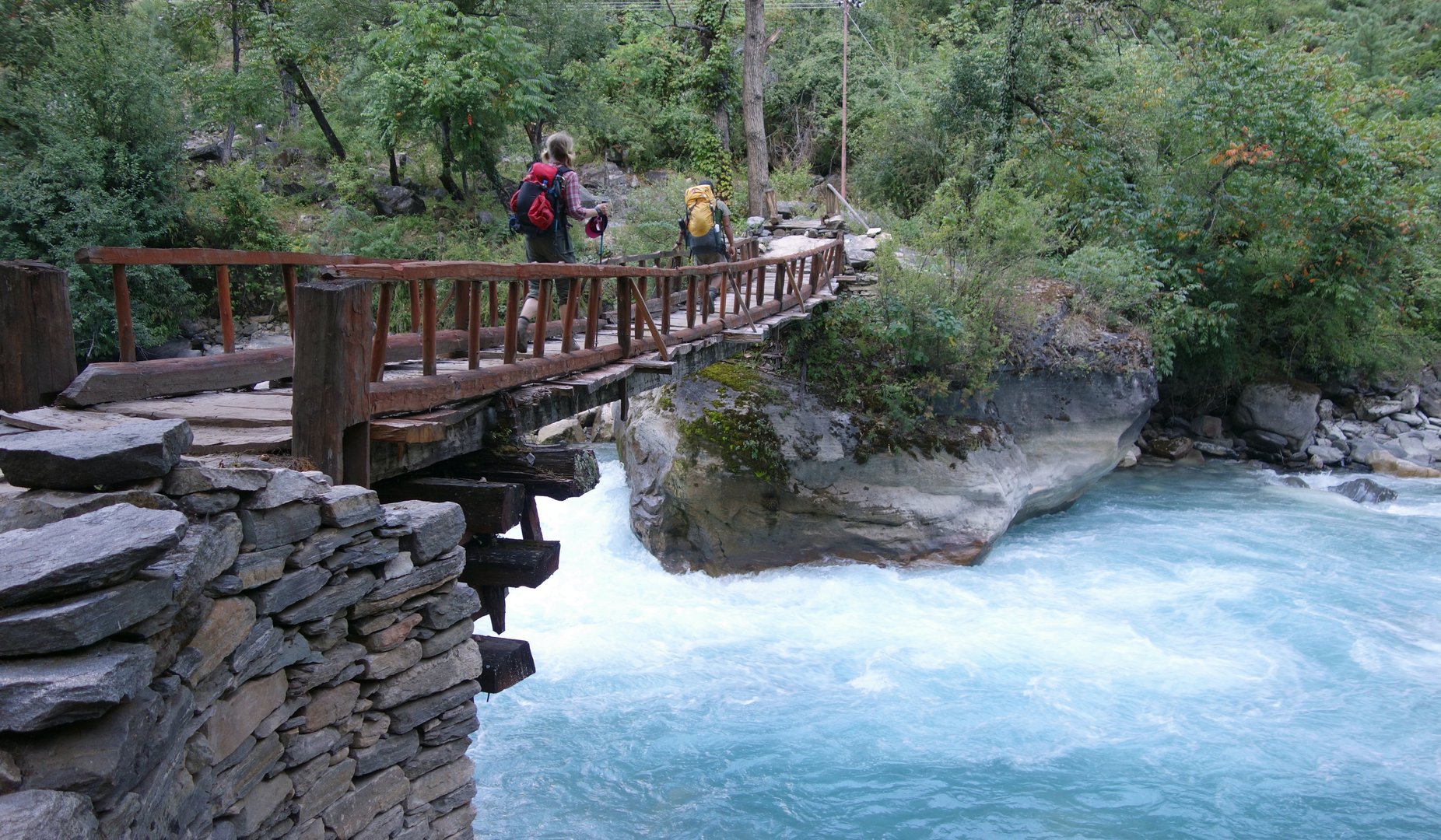
Du vandrar nära floden (Ca 6 timmar) till någon av byarna Rinje (3010 m) eller Samduwa. Vandringen är något kuperad och går genom skog med gran och lärkträd.
Dag 8 Ringmo och magiska Phoksundosjön
Vandringen (ca 6 timmar) går vidare till den stora byn Ringmo (3660 m) över ett pass på 3800 m. Du ser först Nepals högsta vattenfall och något senare har du strålande utsikt över Phoksundosjön. Sjön är spektakulärt belägen och dess färg är den blåaste färg du kan tänka dig. Den är 145 meter djup men den fryser aldrig. Här byts lastdjuren ut mot jakar på grund av altituden.
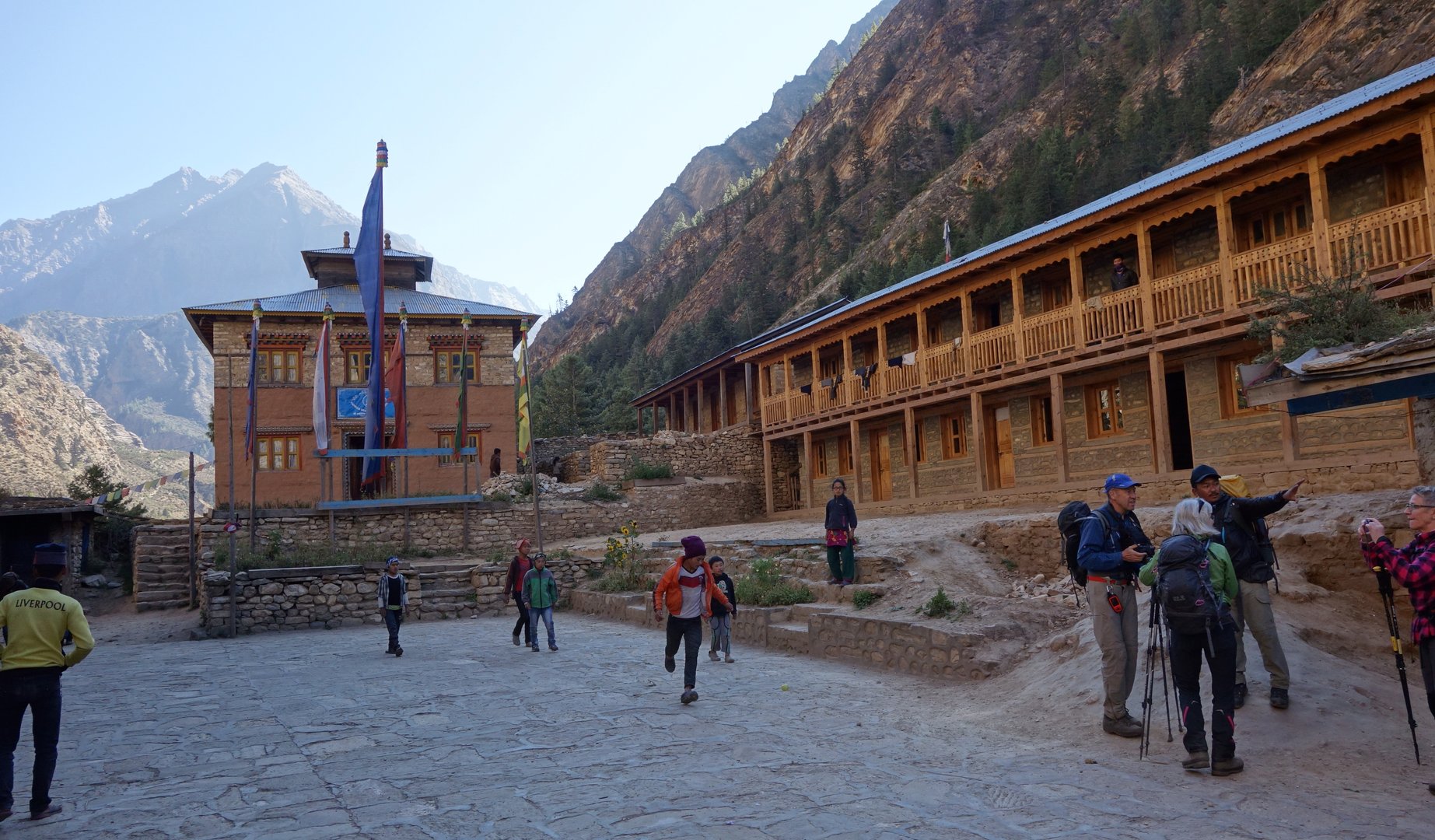
Väl framme i Ringmo kan du besöka något av områdets många kloster med sina buddhistiska målningar och statyer. Ett Bonpo kloster har vidunderlig utsikt över sjön. Här har du möjlighet att tvätta dig.
Dag 9 Med jakar längs "Devils Trail"
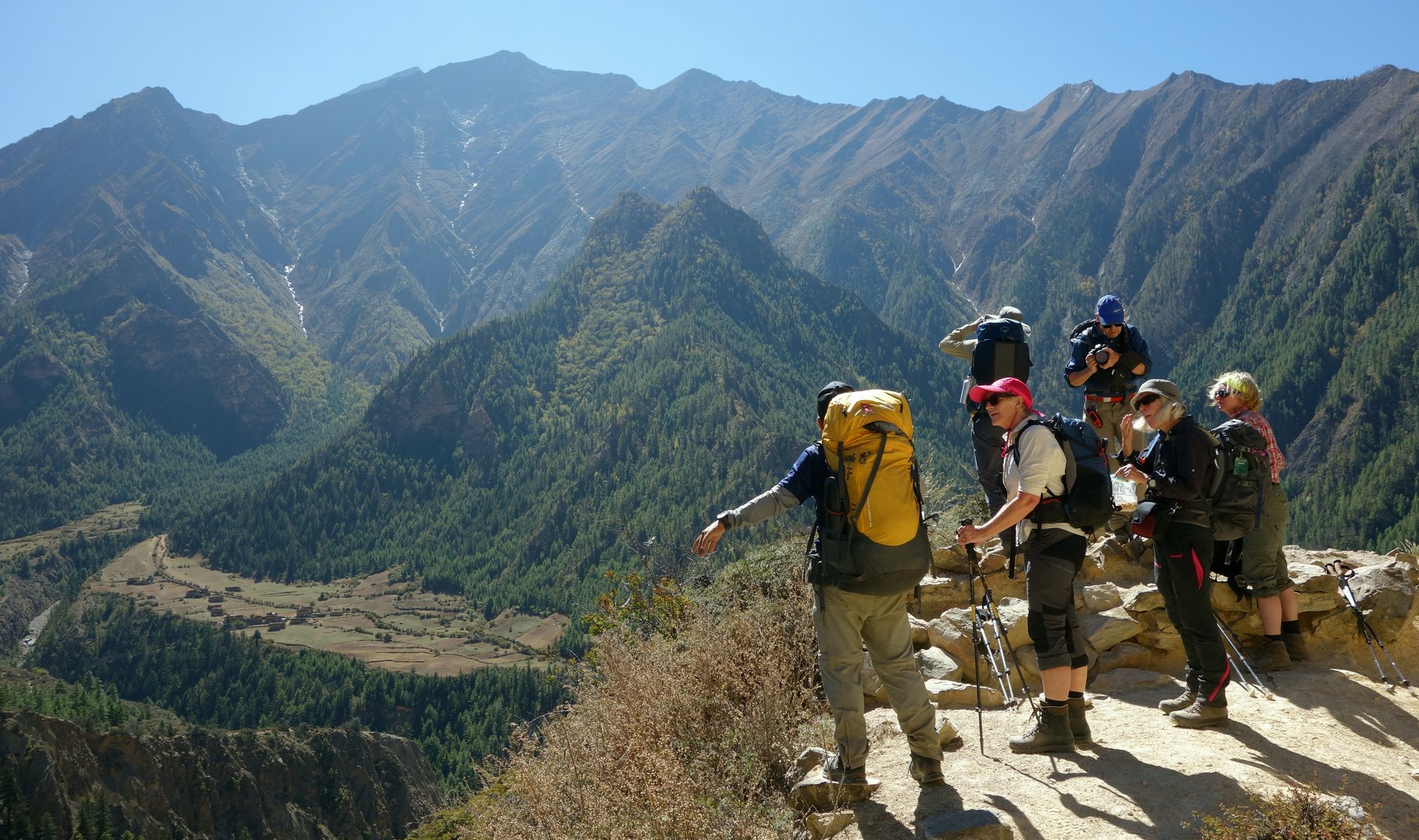
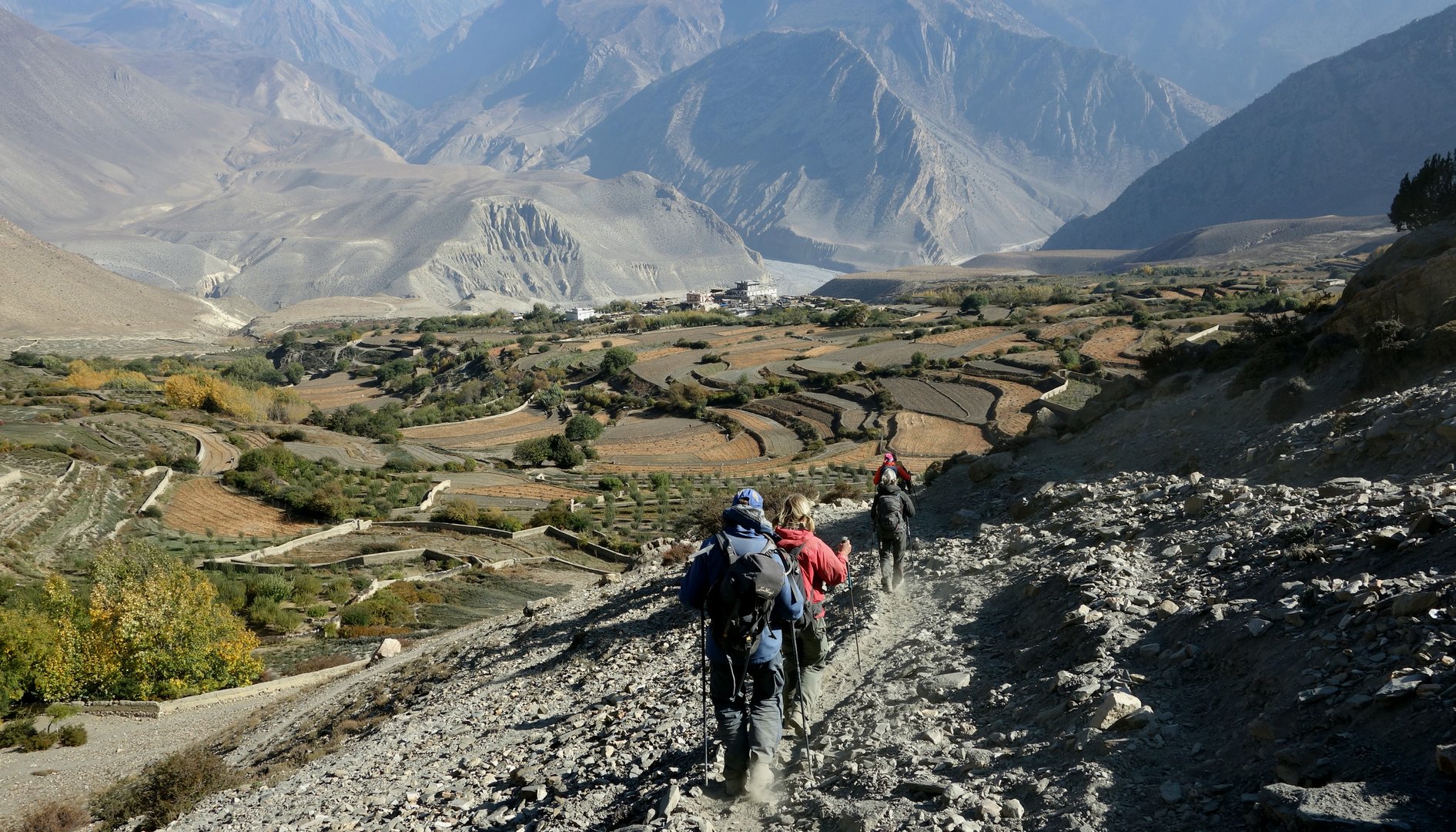
Det här är en av resans vackraste dagar med spektakulär vandring (ca 6 timmar) längs Phoksundosjön på en stig uthuggen i klippan kallad "Devil's Trail". Här gick den historiska handelsvägen till Tibet för befolkningen i Dolpo. Du ser glaciärer vid berget Kanjeralwa (6612 m) och har vacker utsikt mot Sonam Kang (6019 m). Du passerar även genom skog med björkar och tibetanska blåtallar och campar vid Sallaghari (3630 m).
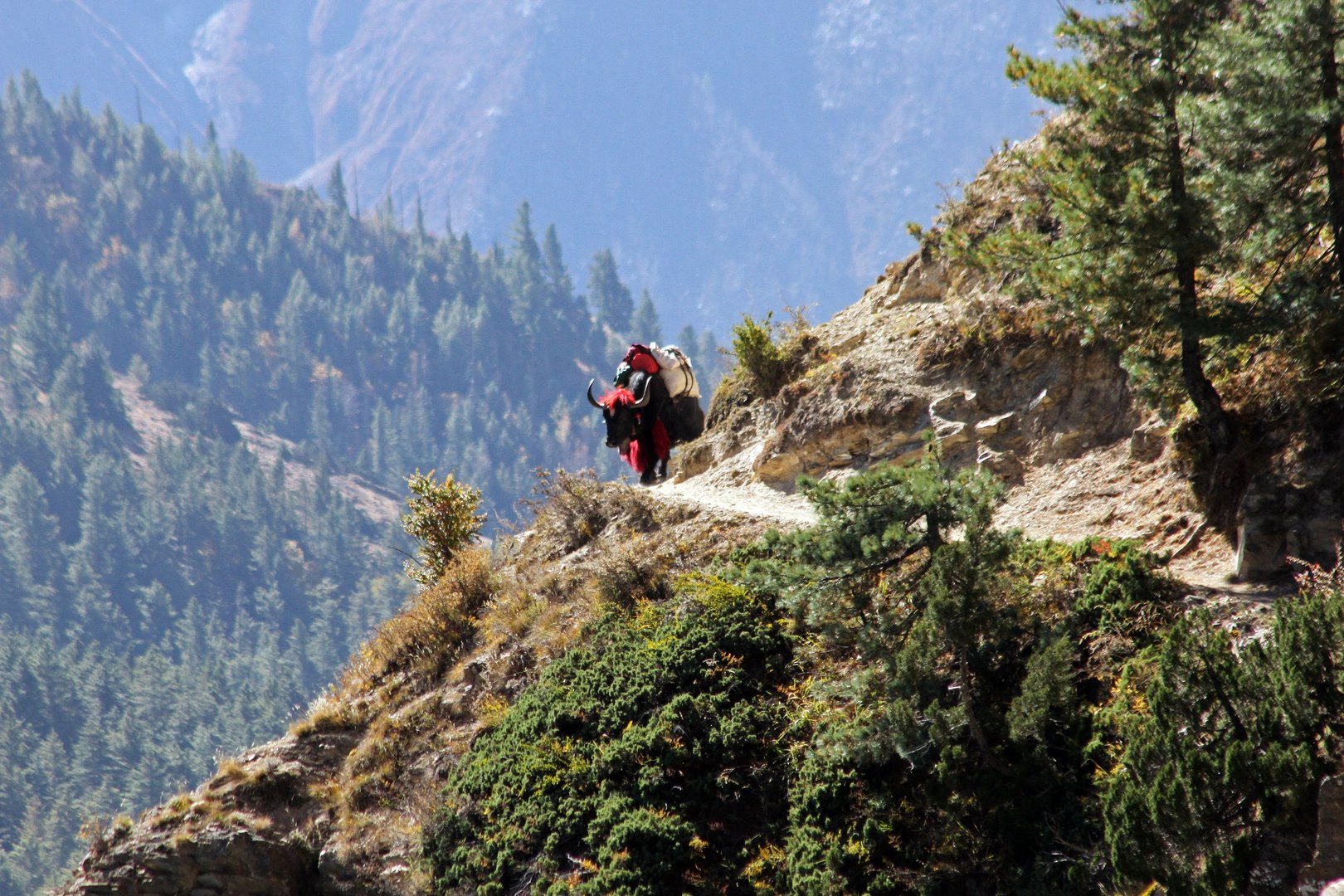
Dag 10 Blåfår och High Camp
Stigen går uppåt genom tallskog med inslag av björkar och du kan se blåfår på sluttningarna. Dessa djur utgör föda för bland annat snöleoparder, som även de finns i regionen. Du campar vid "high camp", på vägen upp mot passet. Under vandringen är stigningen som mest 500 m mellan två tältplatser. Detta för en säker anpassning till högre höjd.
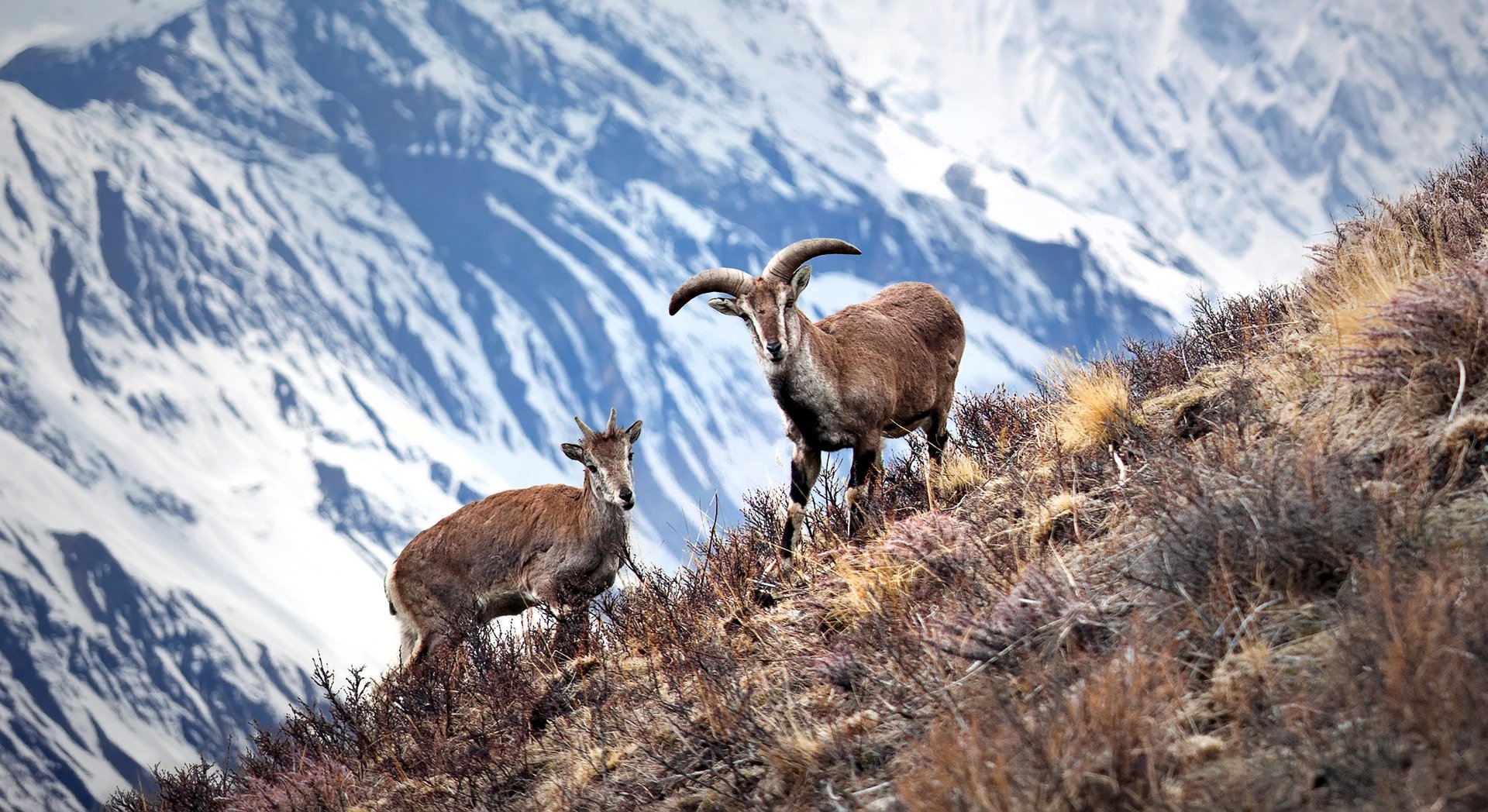
Dag 11 Över Nangdalo La
En krävande vandring (6 timmar) över Nangdalo La på 5350 meter. Du går långsamt sista biten och möts av böneflaggor vid passet. Därefter går det nedåt till en vacker campingplats. Du ser skockar av blåfår i omgivningen.
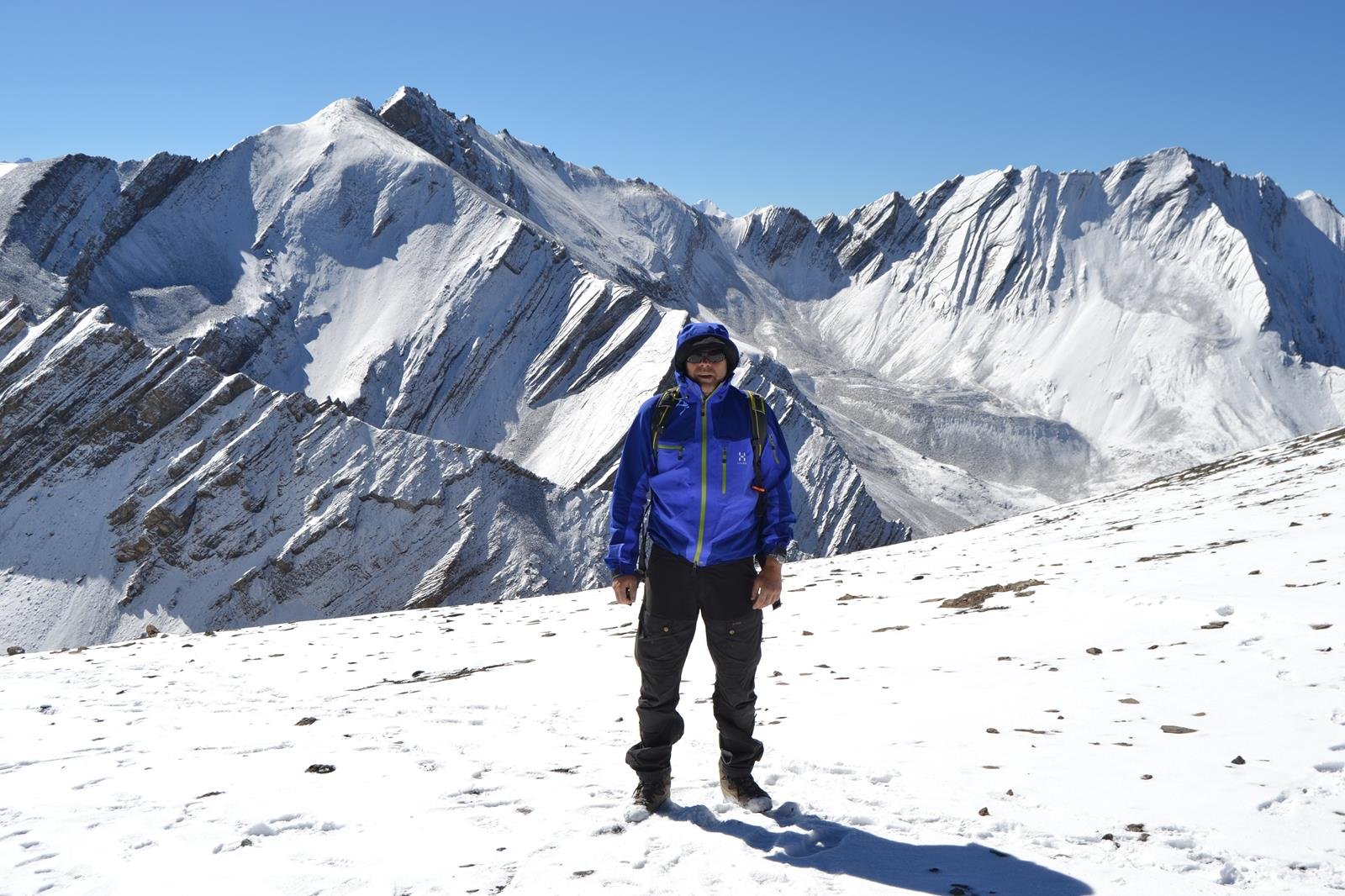
Dag 12 Till Sheyklostret
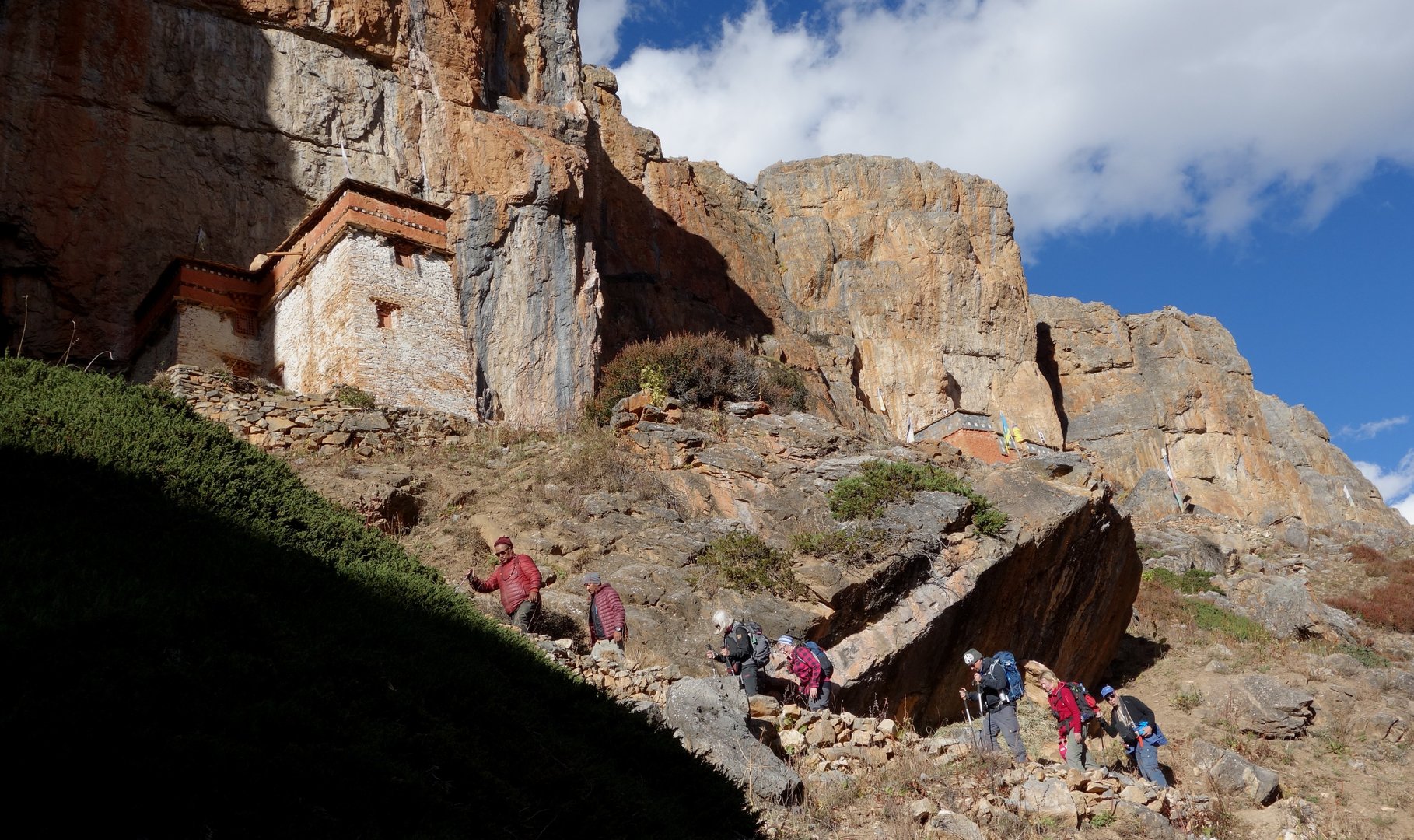
Lätt vandring (4 timmar) nedför genom den vackra Tardalen till det berömda Sheyklostret beläget på 4390 m. Sheykloster är 800 år gammalt. Dessutom finns det ett annat kloster som är beläget högst upp på en klippa.
Du sätter upp ditt tält på festivalens tältplats 100 meter nedanför klostret. Samtliga tillresta deltagare övernattar i tält så det växer fram en liten tältstad just under själva festivalen. Det är en mäktig plats vid foten av Dolpos heligaste berg, Ribo Drugta, eller Crystal mountan som det kallas på engelska.
Du bor fyra nätter vid Shey gompa. Här vilar du ut och njuter av ett lika unikt som enastående skådespel. Första dagen hålls en öppningsceremoni som förrättas av en hög lama.
Dag 13-15 Shey Gompa Festival 2024
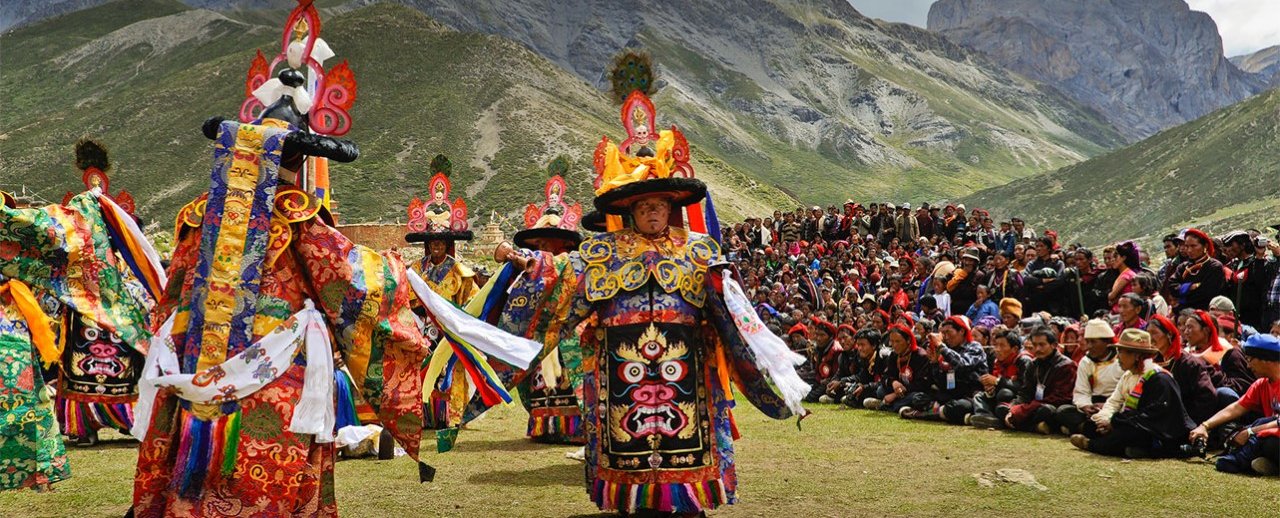
Festivalen vid Shey hålls var tolfte år, under drakens år. Shey är en viktig pilgrimsplats i vanliga fall (efter Kailash, Swayambunath mfl), men just under drakens år är Shey speciellt viktig och helig. Besökare strömmar till från hela den tibetanska världen och är klädda i sina finaste högtidsdräkter, med tillhörande huvudbonader och smycken med stenar från Himalaya.
Varje dag är olik den andra under festivalen och du bjuds på det mesta och det bästa från den tibetanska kulturen. Du bjuds på undervisning av stora lamor samt en Rinpoche tillsammans med kulturföreställningar (Syabros) och traditionella spel som hästkapplöpning och bågskytte. Du ser maskdanser, sångframträdanden och på kvällen är det festligt stämning vid tälten. Du blir säkerligen inbjuden.
Festivalens tredje dag anses vara en gynnsam dag att cirkumambulera (kora) runt Ribo Drukta. Du ser vissa som till och med gör det barfota. Tanken är att denna handling ska rena en från dåliga handlingar. I slutet av festivalen får de som vill välsignelser från olika lamor från när och fjärran.
Dag 16 Över Shey La till Namgung
Du lämnar klostret bakom dig och vandrar österut över Shey La passet på 5100 m. Härifrån ser du ända till Mustang och Tibet. Camping vid Namgung (4430 m) i vildmarken.
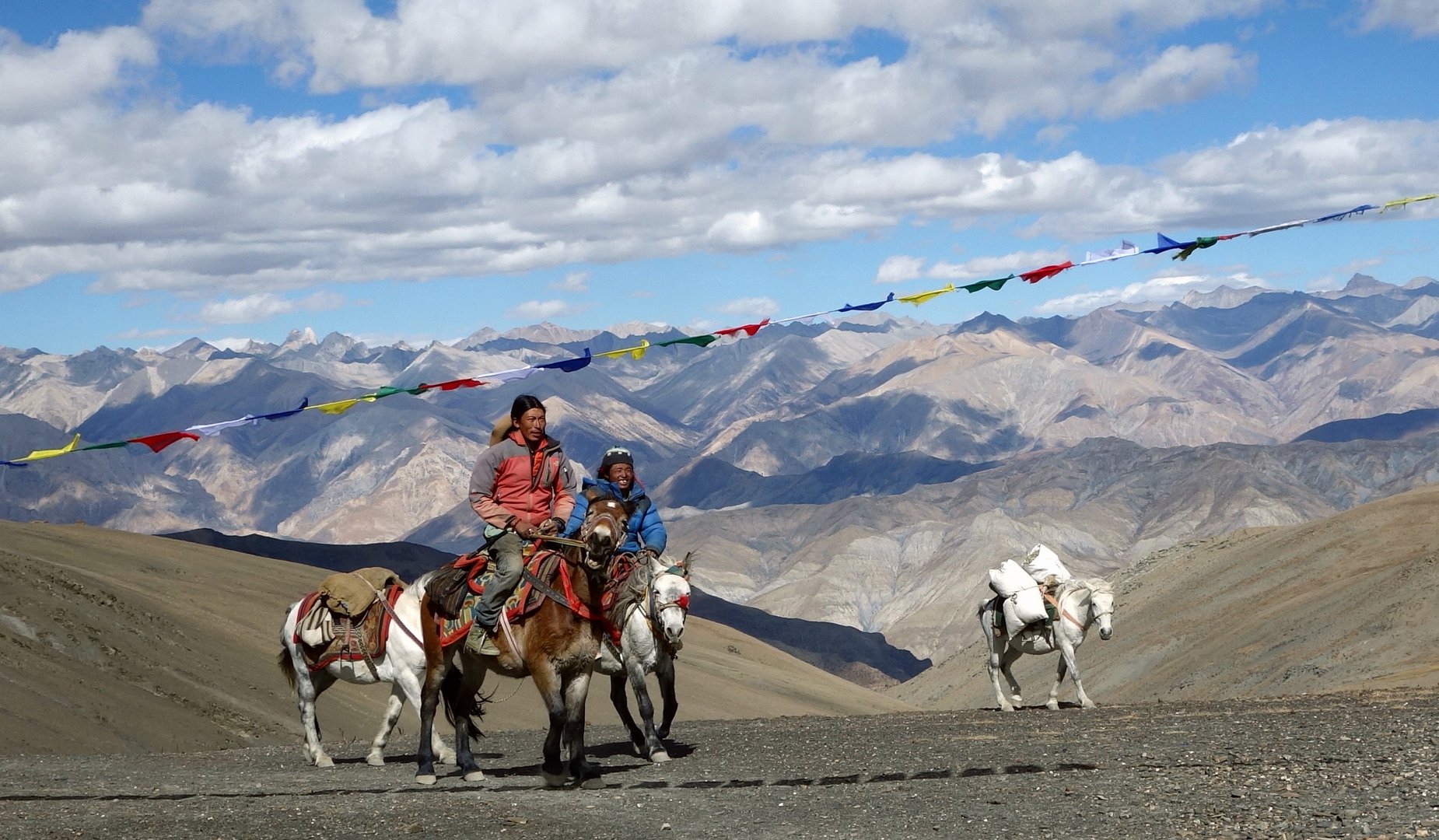
Dag 17 Till byn Saldang
Fin vandring (6 timmar) till den vackert belägna byn Saldang (3800 m). Byn är en av de största byarna i Dolpo, med ett stort kloster, en skola och ett par hundra hushåll. Umgås med lokalbefolkningen, besök skolan och klostret och njut av den vackra omgivningen. Det är skördetid och full aktivitet på fälten.
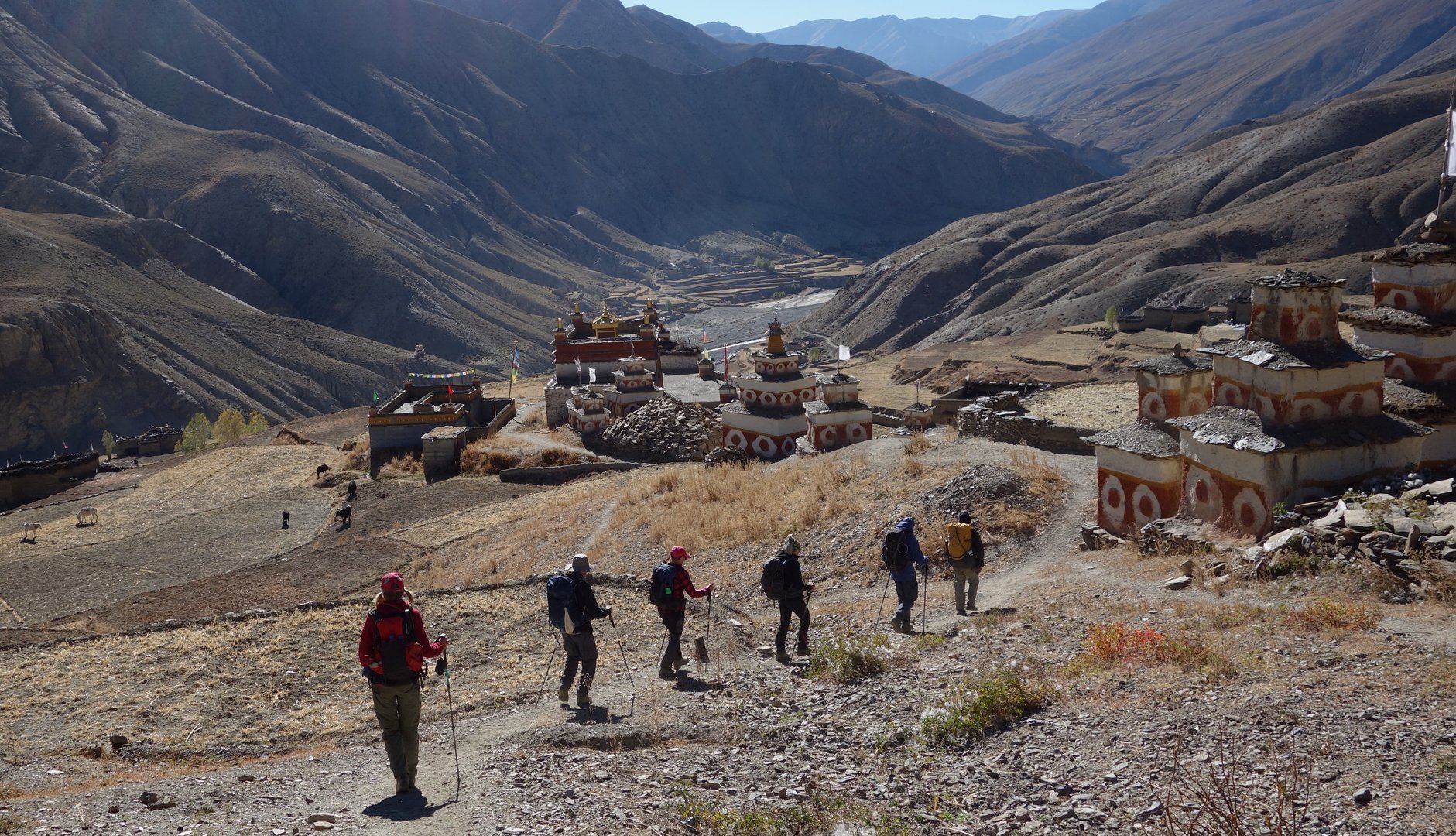
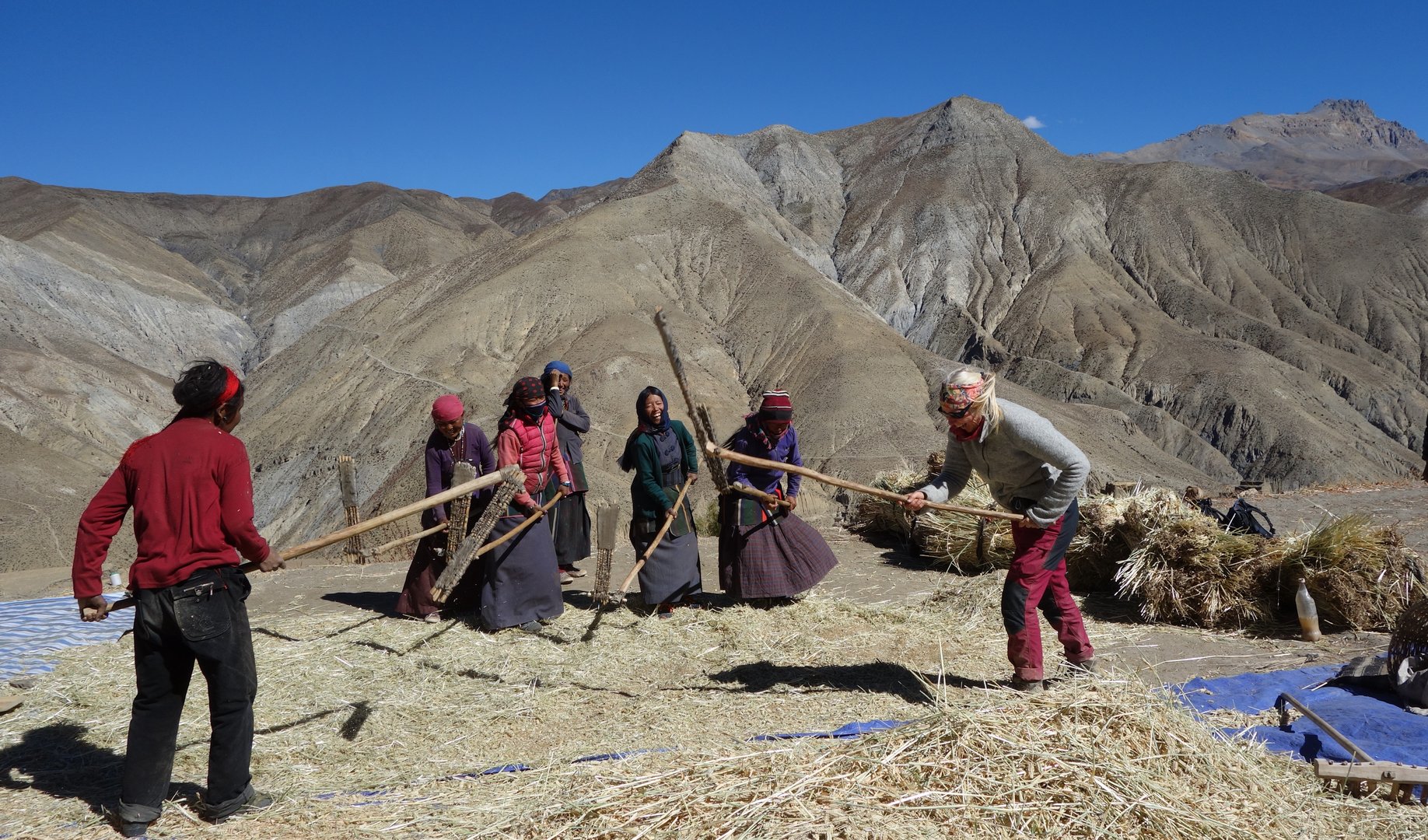
Dag 18 Byn Khoma och skolbesök
Vandring ned till floden och sedan upp över Khoma La 4500 m till byn Khoma. Den Läs & Res grupp som kom hit 2014 har startat en stödförening för byns skola och betalar bland annat en lärarlön. Du är naturligtvis mycket välkomna att besöka skolan och bidra till stödföreningen. Kanske vill du ge en lektion i engelska.
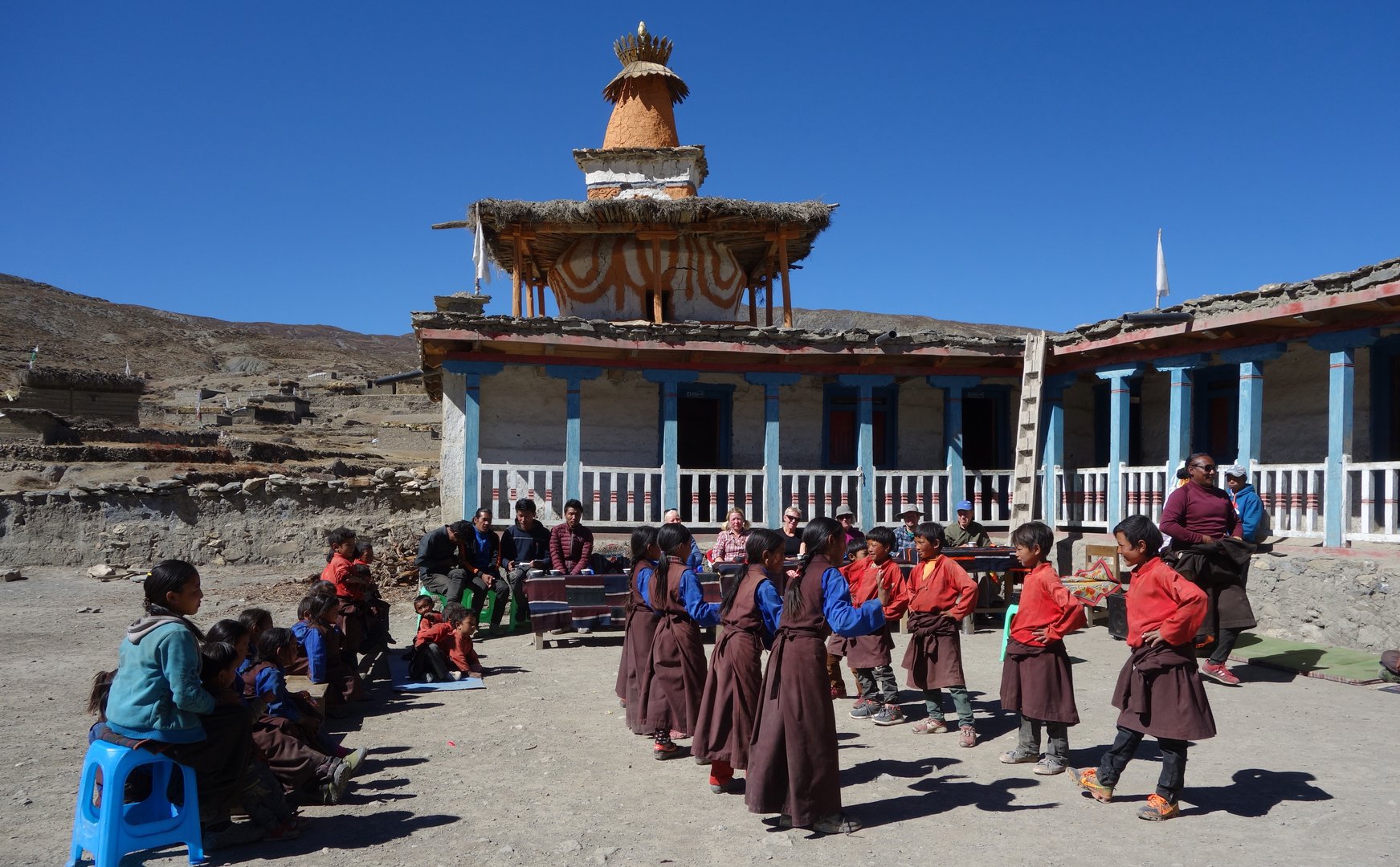
Dag 19 Byn Shimen
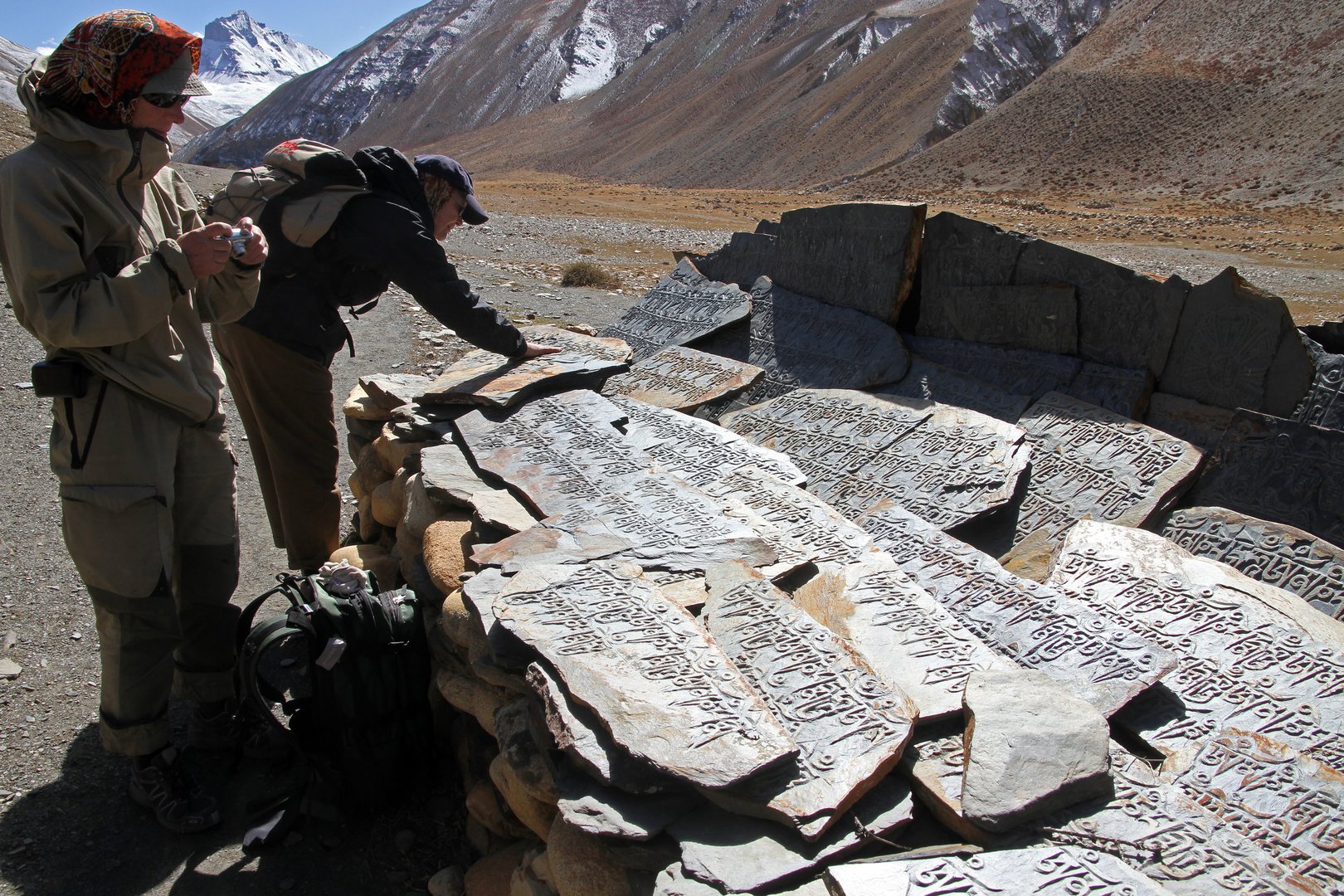
Vandringen (7 timmar) fortsätter över Mushi La (5030 m) och sedan nedåt till den vackra byn Shimen (3900 m). I den här regionen är det möjligt att få syn på spår från snöleopard. Byn har stora terrasserade fält med bovete, korn och potatis. Den nya skolan och den 600 meter långa manimuren bör besökas. Efter ytterligare någon timmes vandring slår du läger i vildmarken högt ovanför floden.
Dag 20 Vandring längs floden till Tinje
Lätt vandring (8 timmar) längs med floden genom en vacker dal, förbi ett antal kloster och stupor, till byn Tinje. En vidsträckt, ganska rik by. Räkna med att nyfikna barn hälsar på vid tälten. Här finns en vacker bro vid en chorten som man går igenom och här finns Dolpos enda motorcyklar, alla med kinesiska registreringsskyltar. Här finns faktisk också en stor, tidigare hemlig, flygplats som dock inte trafikeras.
Dag 21 Vandring till Rakpa
Du lämnar Tinje och vandrar (7 timmar) förbi landningsbanan vid den mytomspunna flygplatsen. Fortsätt söderut till ett campingområde som ligger vackert vid floden Rakpa (4500 m).
Dag 22 Chharka Bhot - Himalayas vackraste by?
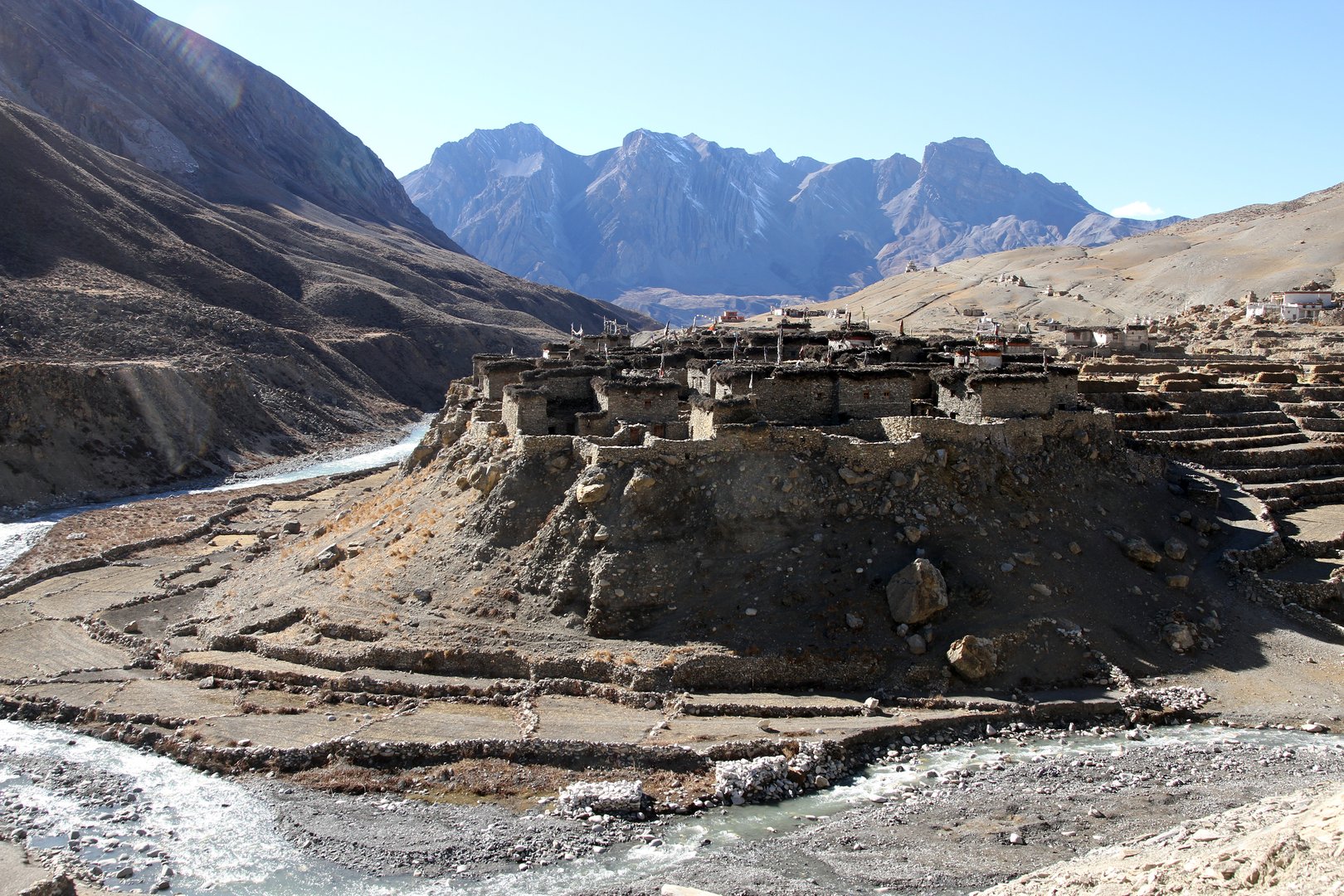
Dagen inleds med en lång vandring över passet Chharka la (4920 m). Därefter går det nedför till den stora byn Chharka Bhot på 4120 m, belägen nära floden Barbung Kola. Här upptäcker du den lokala kulturen och besöker Bon klostret. Chharka Bhot är en väldigt vacker by med en del muromgärdade bostäder. Vid den här tiden pågår skörden av korn och bovete. Här får du en vilodag.
Dag 23 Till Norbulung
Du vandrar (7 timmer) åter längs med floden och passerar flera dalar. Därefter uppåt till campingplatsen Norbulung (4750) där natten tillbringas.
Dag 24 Över höga pass till bosättningen Sangda
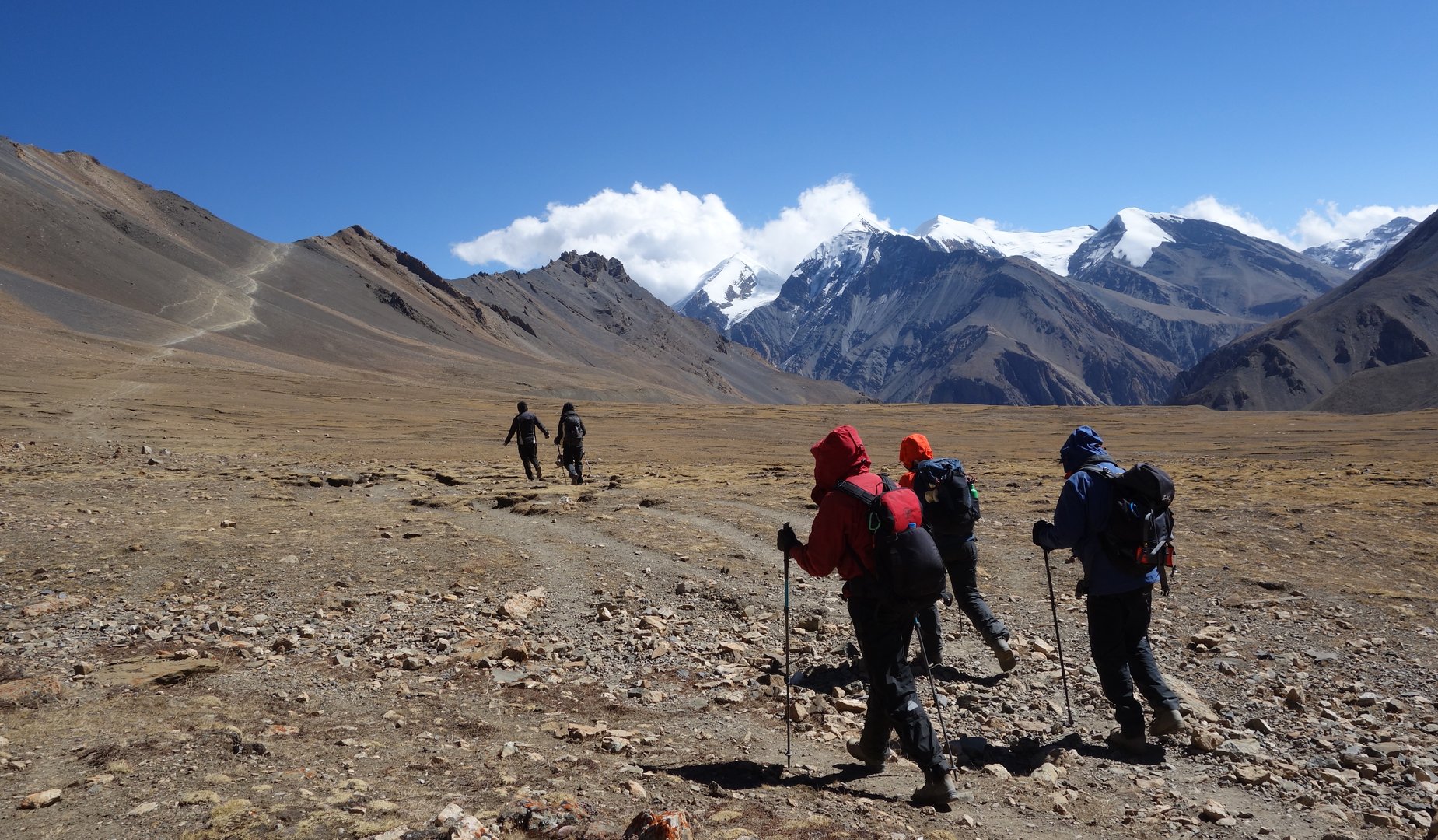
Vacker vandring (8 timmar) förbi Molum Sumna, ett betesområde för jakar. Därefter en lång och krävande vandring över passet Jungbeng la passet (5550 m). Det här är högsta punkten under vandringen. Vandringen fortsätter nedåt till floden Chalung Khola och vidare till den charmiga bosättningen Sangda (3700 m).
Dag 25 Sangda till Bhima Lojun
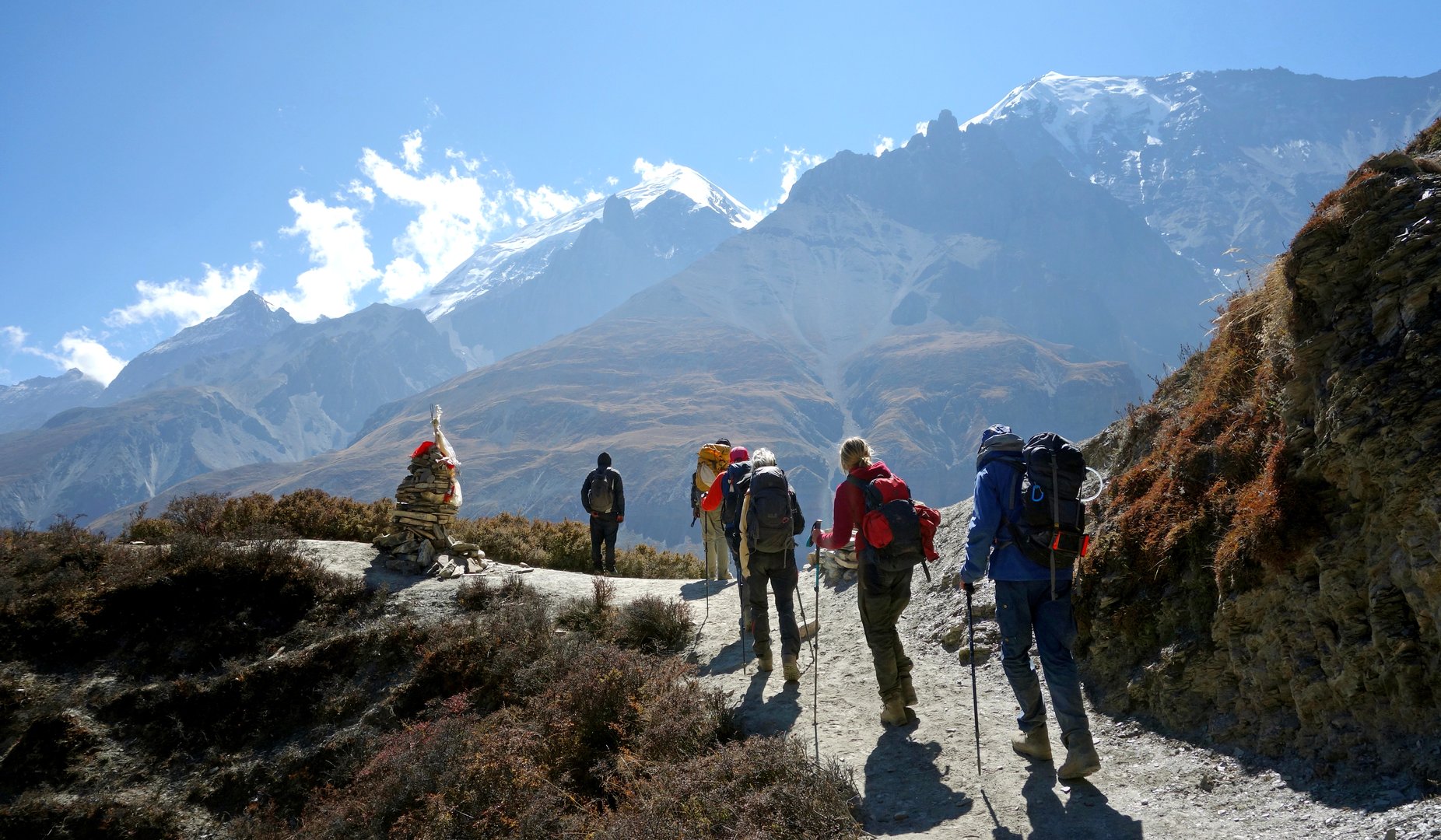
Återigen en vandring där det stiger upp mot passet Bhima Lojun la. Därefter nedåt en bit innan det blir vila för natten.
Dag 26 till Jomsom
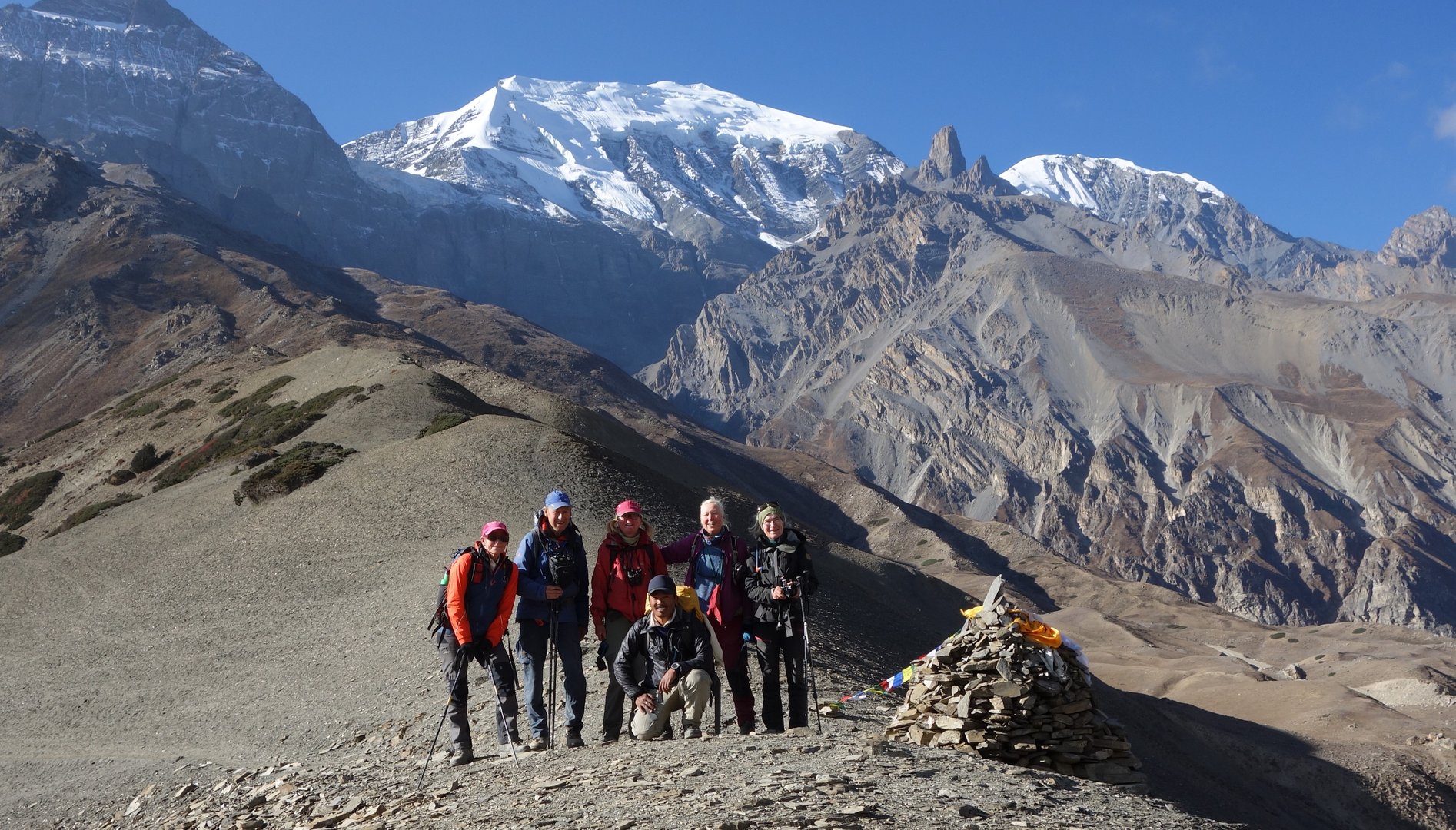
En sista stigning (4200 m) där du kan beundra Annapurna massivet, sedan brant nedåt till Kali Gandaki floden på 2800 m. Vi försöker ordna jeepar för sista biten in till Jomsom. Här bor du på hotell, äter turistmat och får en varm dusch för första gången på tre veckor.
Dag 27 Pokhara
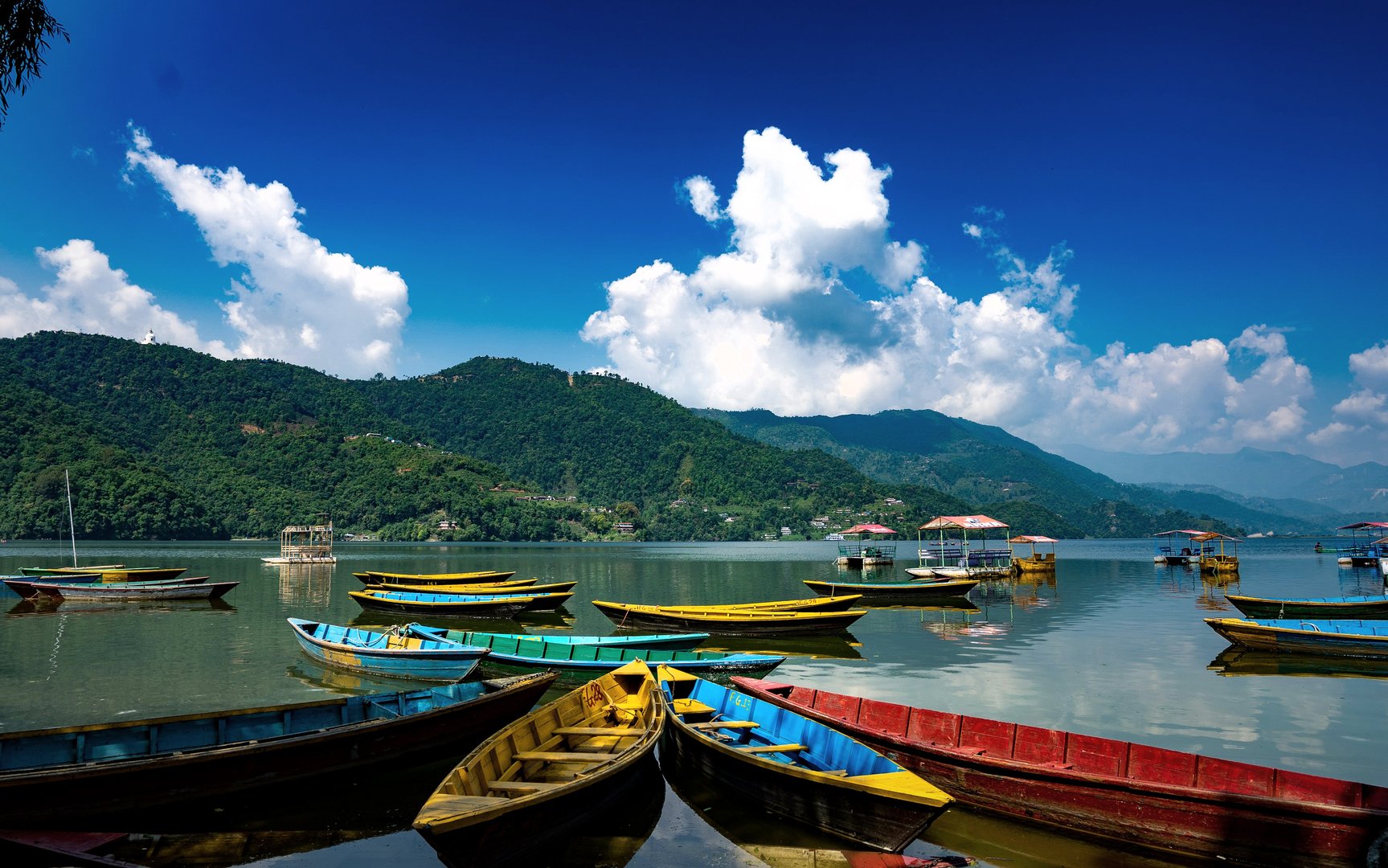
Minibuss eller jeep till Nepals näst största stad, Pokhara. Vila ut och njut av mat som du inte fått ta del av på ett bra tag.
Dag 28 Åter till Kathmandudalen
Åter till Bhaktapur ca 6 tim. En dag för att vila ut, strosa genom gränderna i Bhaktapur och tillsammans summera intrycken under sista kvällen tillsammans.
Dag 29 Resan avslutas
Resan avslutas i Kathmandu.
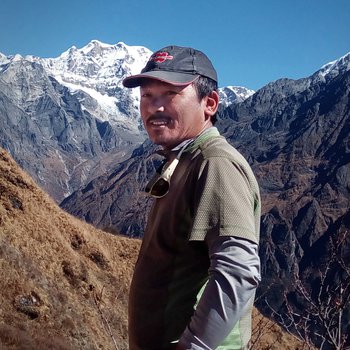
Sonam är född 1978 i byn Khoriya, i Solukhumbu området nära Everest. Han är utbildad guide, har lång erfarenhet av bergsklättring och vandring på hög höjd och har genomfört Great Himalayan Trail ett 15-tal gånger. Han är gift och har två barn. Har rest mycket både i Asien och Europa.
Flyg
På den här resan flyger du tur och retur till Kathmandu. Flyg kostar från 5 500 kr tur och retur.
Utrustning
- mjuk väska av typen duffel bag (brukar vara vattentäta)
- liten dagsryggsäck (ca 30 liter) som du bär under vandringen.
- sovsäck som klarar ned till ca -15 grader
- Vätskesystem (camelbak mfl) eller vattenflaska som klarar 2-3 liter.
- sidenlakan
- liggunderlag (det ingår lite enklare liggunderlag under vandringen. Vill du ha det extra bekvämt bör du ta med ett litet uppblåsbart liggunderlag)
- resehandduk
- jacka som stoppar upp vind, gärna med kapuschong
- vandringsbyxor, gärna med vindtäta delar
- varm tröja
- gärna dunjacka
- underställ (gärna merinoull)
- kläder - undvik bomull under vandringen. Merinoull och syntet material är att föredra. Du kan handtvätta under resans gång
- lätt regnjacka/skaljacka
- vandringskängor (tänk på att det under vandringen kan vara skönt att alternera mellan exempelvis sandaler och vandringskängor)
- vandringsstrumpor/sockor (merinoull, undvik bomull). Använd gärna "liner" strumpor under den tjockare strumpan för att minska risk för skavsår
- varm mössa
- hatt eller keps som solskydd på dagen
- solglasögon
- varma vantar
- vandringsstavar - inget måste, men ta med om du gillar att vandra med stavar
- 8 st passfoton (2 för visumansökan, 2 för inträdesbiljetten till Bhaktapur och 4 för vandringstillståndet)
- skavsårstejp, vitt vaselin finns att köpa på Apoteket
- eventuellt en mindre kikare
- pannlampa med extra batterier
- mediciner - alvedon, imodium, vätskeersättning mm
- fotografier på hur det ser ut i ditt land - mycket bra för att skapa kontakt med lokalbefolkningen!
- eventuella presenter (något enkelt och inte så dyrt, men gärna personligt). Kan förstås också köpas lokalt. Uppskattas alltid!
- powerbank - för att ladda din mobil under vandringen
- Extrabatterier till kameran
- Kopia på reseförsäkringen
Under vandringarna behöver du en liten ryggsäck där du bär sådant du behöver under dagen; dricksvatten, kamera, regnjacka och kanske en lätt tröja.
Friluftsutrustning av bra kvalitét går att köpa till låga priser i Kathmandu.
Kopia på din reseförsäkring, eller resemomentet i din hemförsäkring. Detta måste inkludera det värsta tänkbara scenariot; räddning med helikopter. Man kan bryta benet varsomhelst, men gör du det i Dolpo så måste du ha en dyr transport därifrån till sjukhus. Försäkringen måste täcka en sådan eventualitet.
I Bardia Nationalpark finns myggnät över sängarna.
Vi bor i två-mans tält med ganska enkla liggunderlag. Du kan också boka enmanstält.
Du bör dock inte ha för mycket packning. På det lilla planet till Juphal är maxvikten 15 kg + lite handbagage.
I Dunai kan du handla en hel del småsaker; godis, nötter, skrivmateriel, presenter och enklare kläder.
Hälsa
Resan är synnerligen fysiskt krävande. Du skall passera flera pass på över 5000 meter. Dock är anpassningen till höjden god. Vi vandrar långsamt uppåt i en vecka innan vi når 5000 meter. Du skall med andra ord vara i god fysisk kondition. Dock är detta inte nödvändigtvis relaterat till ålder. En 25-åring klarar inte höjdanpassningen bättre än en 65-åring. Ev är förhållandet det omvända.
Du bör inte följa med på resan:
- om du har lätt att bli förkyld, känsliga luftrör
- om du har hjärtproblem, inkl betablockerare
- om du har glutenintolerans

Great Himalayan Trail - Storm i paradiset
Läs om Christians spektakulära vandring och dess snöpliga slut.
Läs vidare
"Att se Everest avteckna sig mot en stigande sol, är svårslaget"
Mats Walinder berättar sin vandring söder om Everest i Nepal. Han beskriver sin kärlek till Himalaya och delar med sig av bilder och minnen från vandringen.
Läs vidareLiknande resor
Vandring söder om Everest
Vandring söder om Everest
Mars, november
Unik vandring – makalösa vyer
15 dagar
Resa som är mycket fysiskt krävande

Sikkim, Bhutan och Nepal
Sikkim, Bhutan och Nepal
November
En resa genom tre länder i Himalaya
19 dagar Resa med viss fysisk aktivitet