
| Börjar: | 2027-03-26 i Peking. |
| Avslutas: | 2027-04-16 i Peking. |
| Reslängd: | 22 dagar |
| Deltagare: | 6 - 12 |
| Lediga platser: | Ja |
| Bekräftad: | Nej, avvakta med att boka flyg |
| Pris: | 24 700 kr |
| Boka-tidigt-rabatt: | - 500 kr |
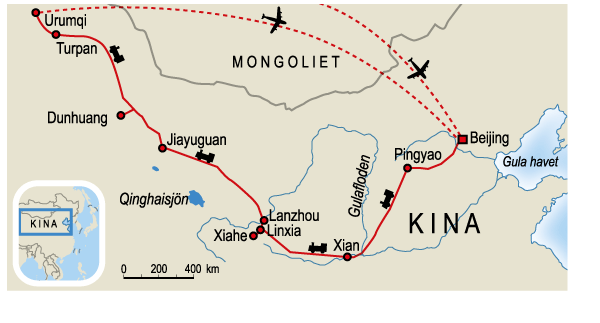
Du färdas med tåg och besöker historiska platser längs Sidenvägen; Xian med den 2200 år gamla Terrakottaarmén, Jiayuguan där kinesiska muren slutar och Dunhuang med sina världsarvslistade grottmålningar. Du besöker tibetanska och uiguriska områden med kulturer helt olika den Han-kinesiska och får uppleva den mytomspunna Taklamakanöknen, världens näst största sandöken.
Resedetaljer
| Dag | Program |
|---|---|
| 1-2 | Beijing |
| 3-4 | Den gamla staden Pingyao |
| 5-6 | Terrakottaarmén i Xian |
| 7-8 | Lanzhou och Linxia |
| 9-11 | Labrangklostret och tibetansk kultur |
| 12-13 | Kinesiska muren i Jiayuguan |
| 14-16 | Världsarvet Dunhuang |
| 17-18 | Turpan - uigurisk kultur |
| 19-20 | Urumqi och Himmelska sjön |
| 21-22 | Beijing |
- Kvalificerad reseledning
- Informationspaket med utvald litteratur och karta
- Samtliga transporter under resan
- Inrikes flygplatsskatt och samtliga obligatoriska avgifter
- Del i dubbelrum eller annan inkvartering under resan (två nattåg)
- Mat på tågresorna samt vid bybesök
- Samtliga utflykter, inträden och aktiviteter enligt resplan (Terrakottaarmén, Bingling grottorna, Labrang klostret, Dunhuang, emin minareten mm)
- Lokala guider och tolkar enligt resplan
- Samtliga formella tillstånd
- Dricks till lokala guider, tolkar och chaufförer vid aktiviteter enligt resplan
- Internationellt flyg till/från resmålet
- Måltider som ej nämns ovan
- Utflykter och aktiviteter utanför resplanen
- Visum
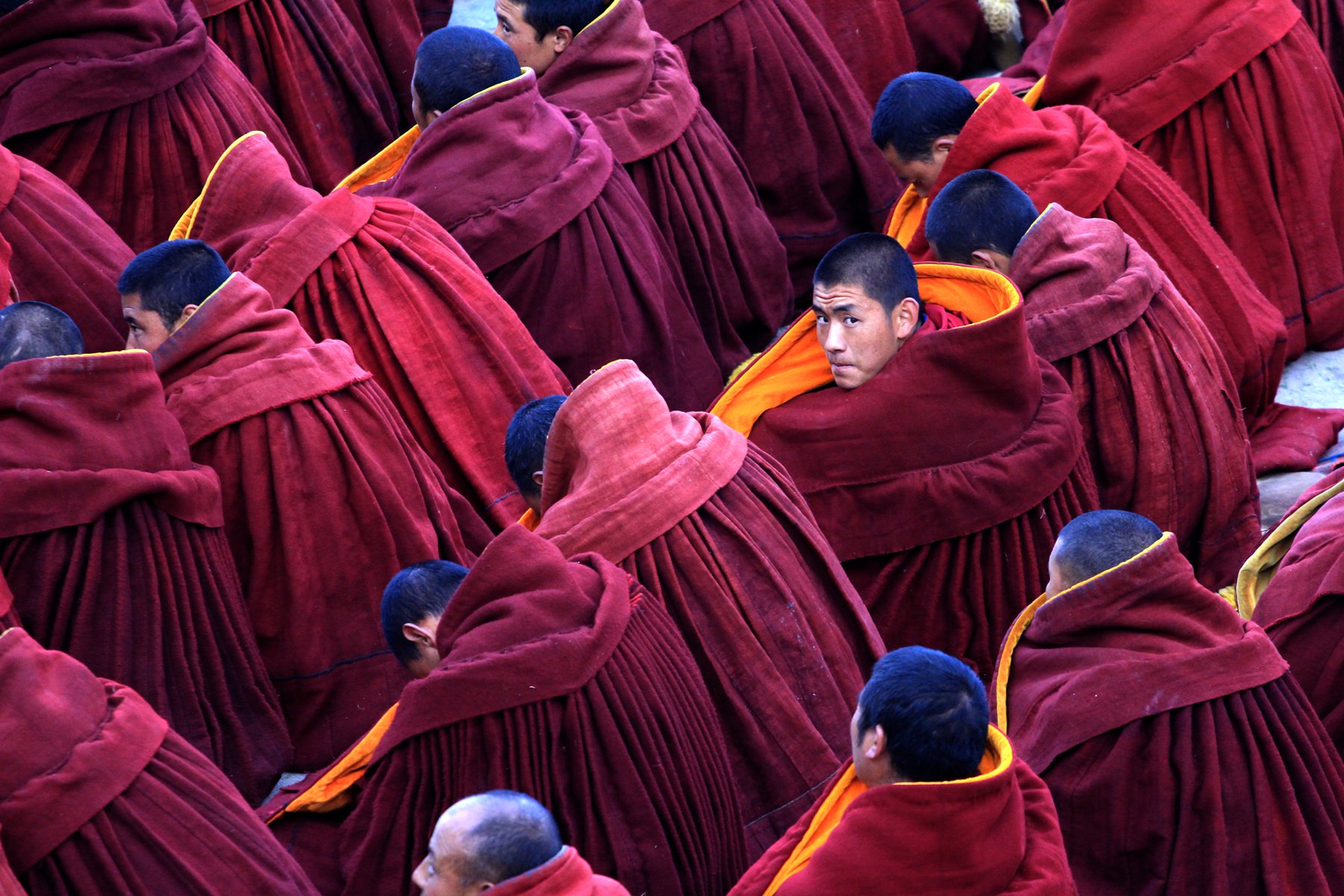
Buddhistisk undervisning vid Labrang klostret
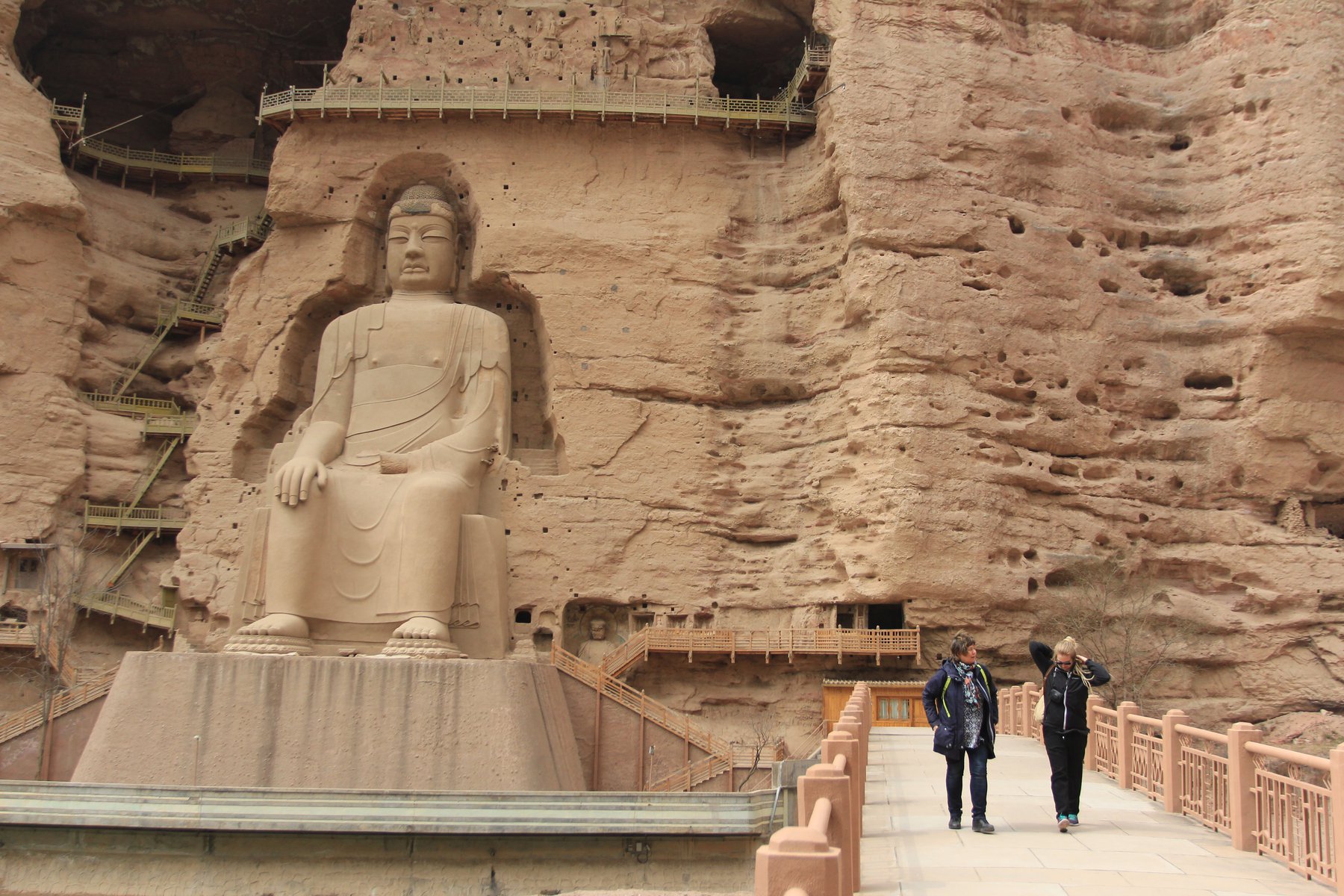
Jättebuddhan vid de fascinerande Bingling grottorna
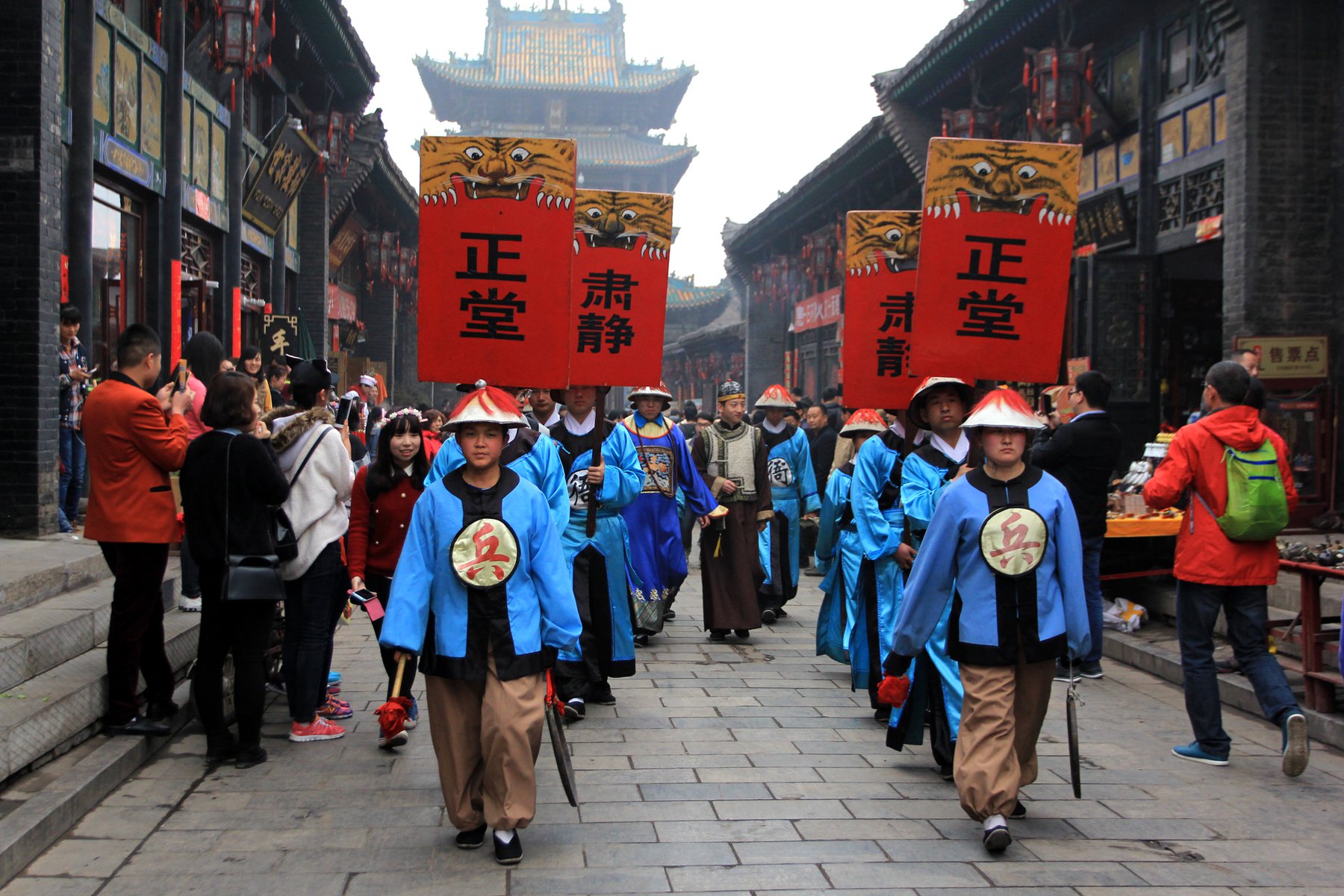
Den gamla sidenvägsstaden Pingyai sjuder verkligen av historia
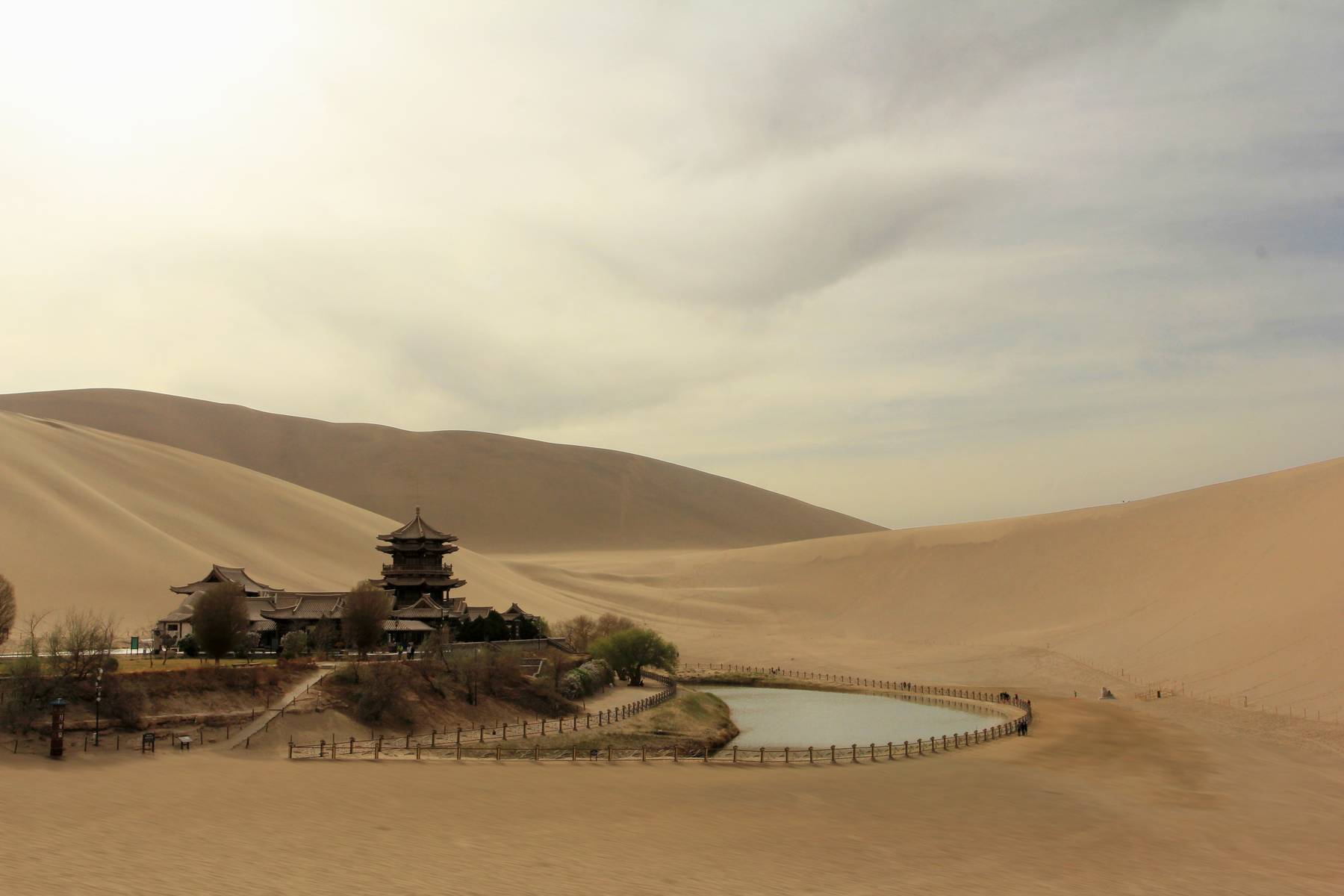
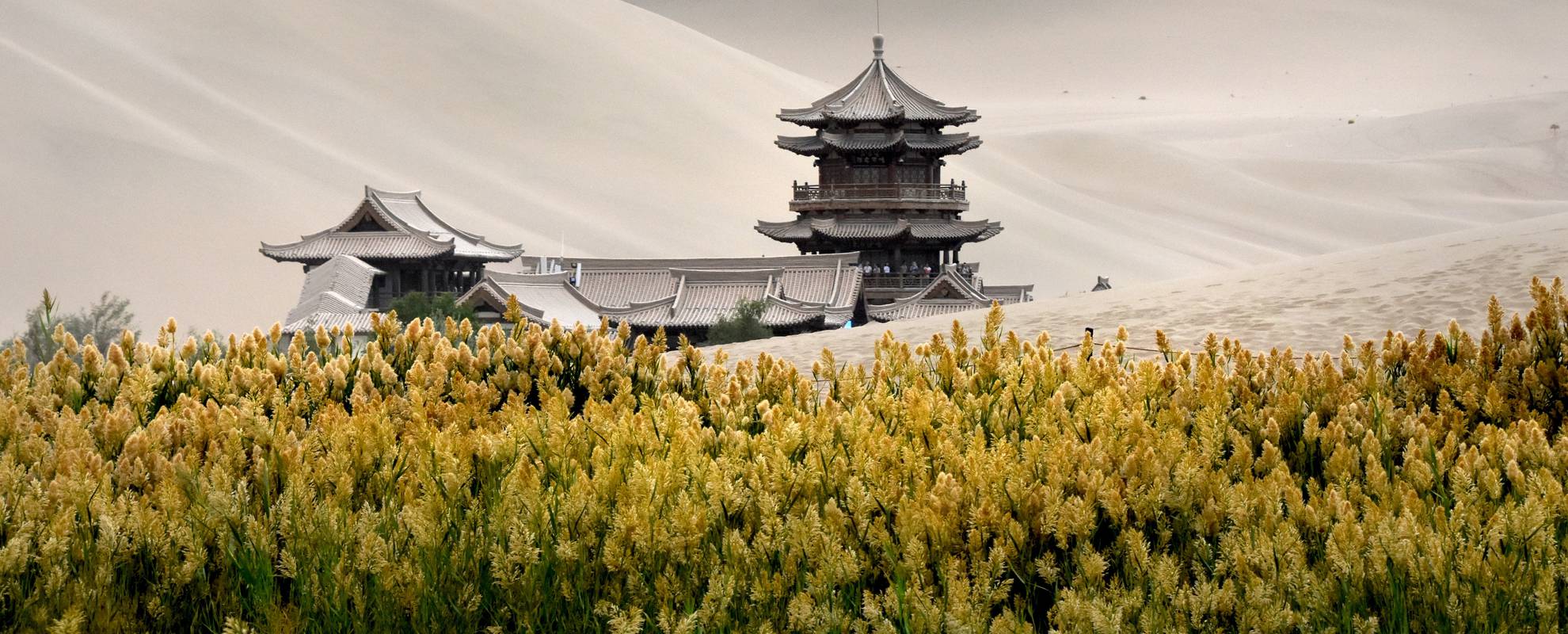
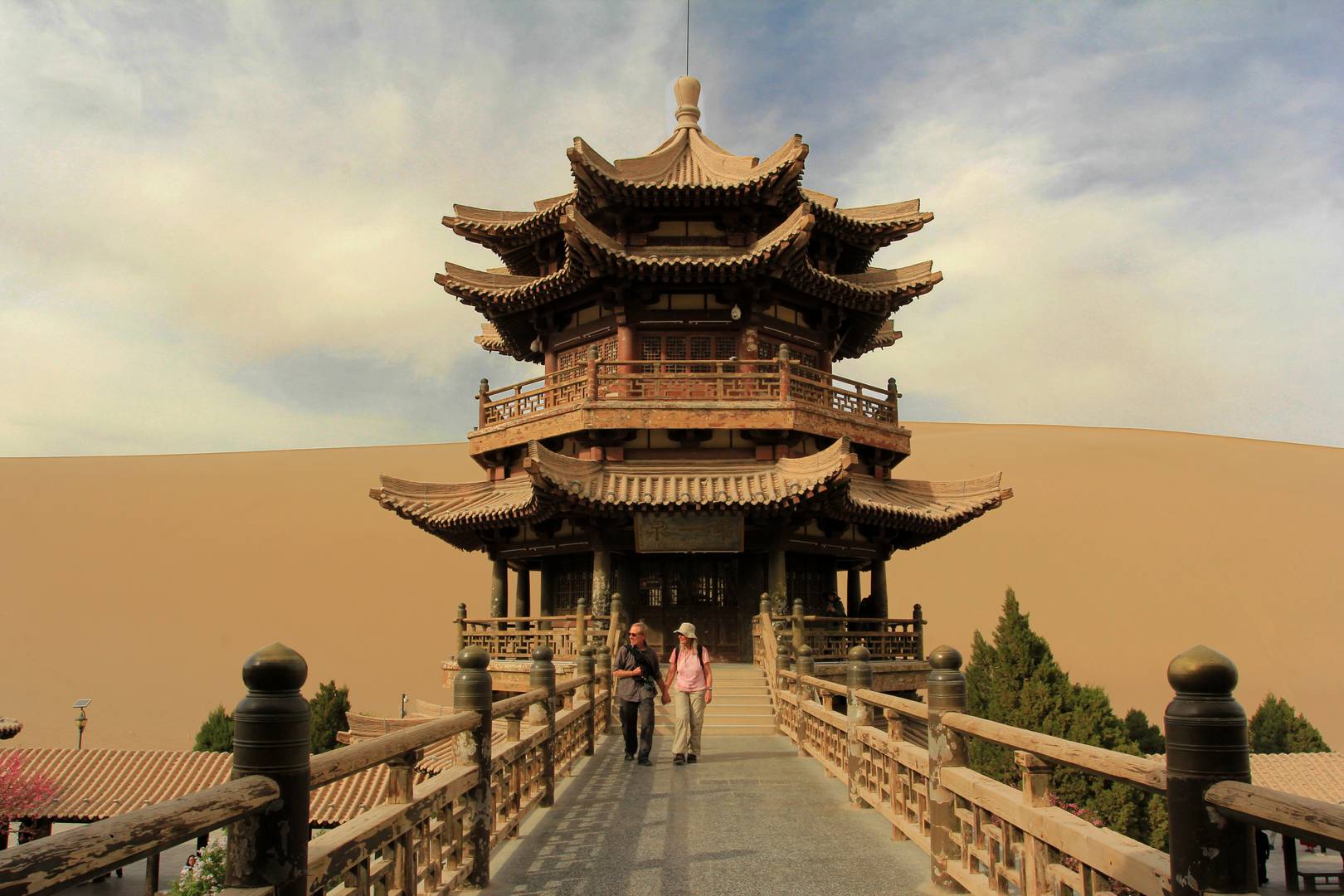
Månpaviljongen i öknen utanför Dunhuang
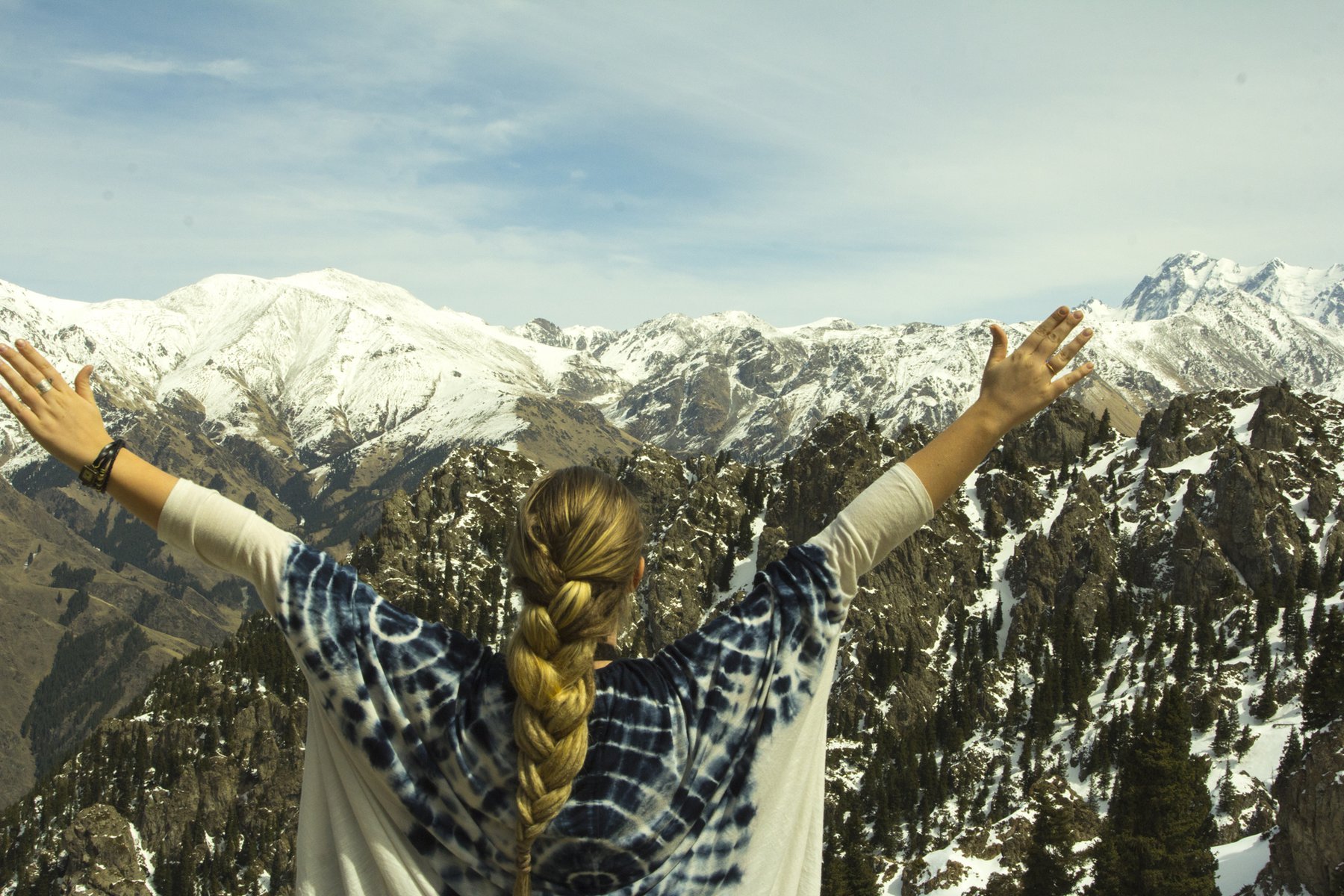
Utsikt över de Himmelska bergen väster om Urumqi
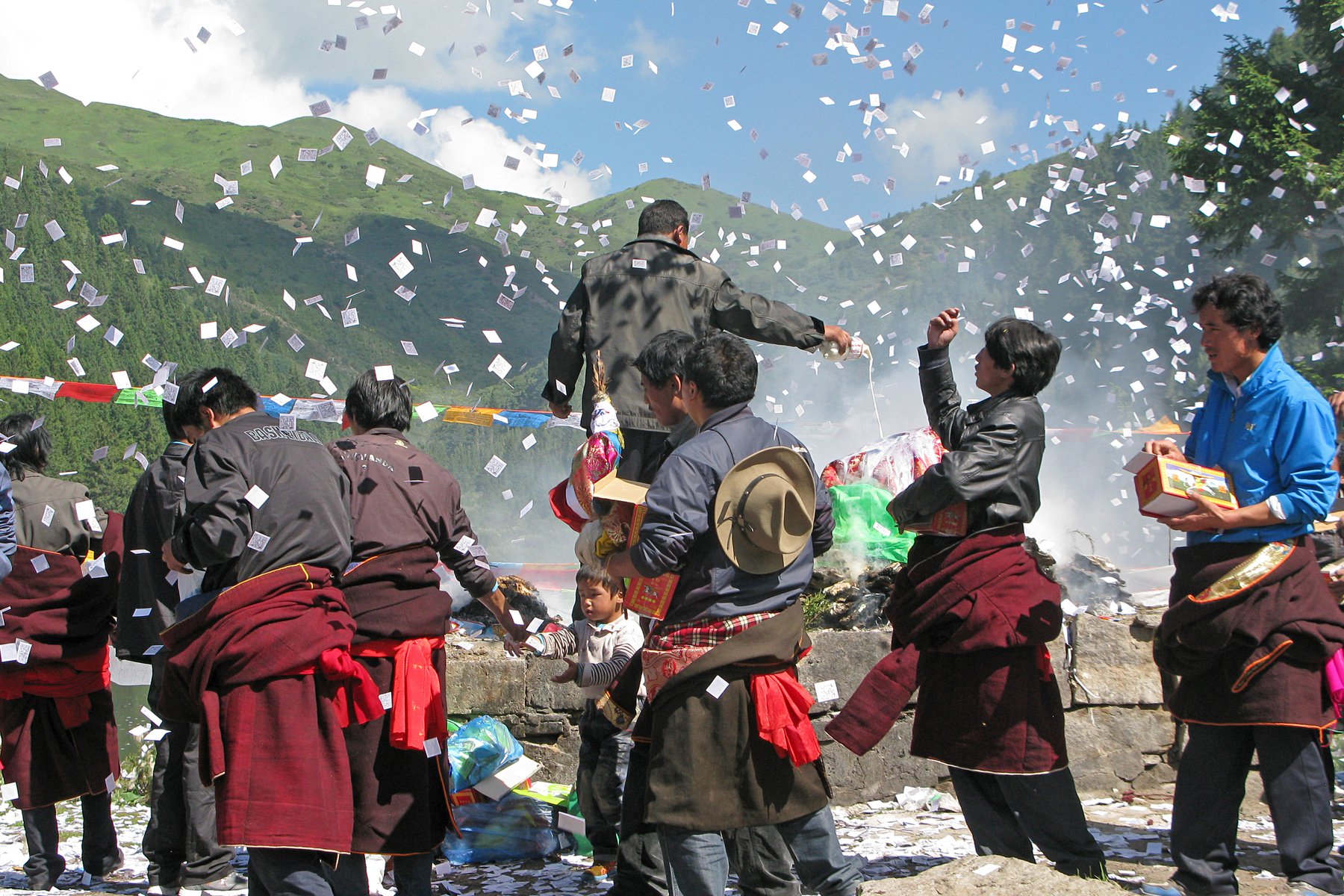
Ritual vid den heliga sjön vid Xiahe
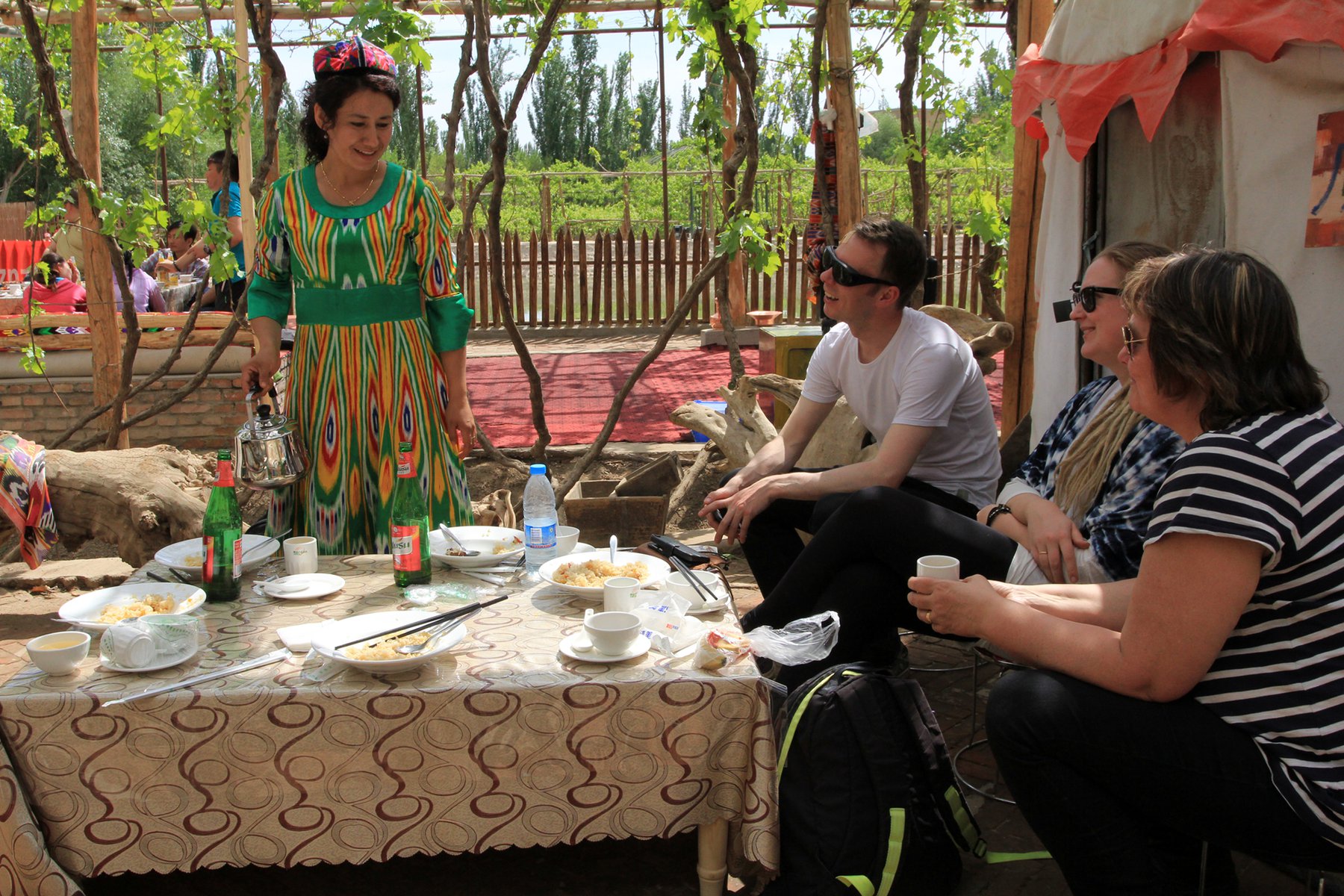
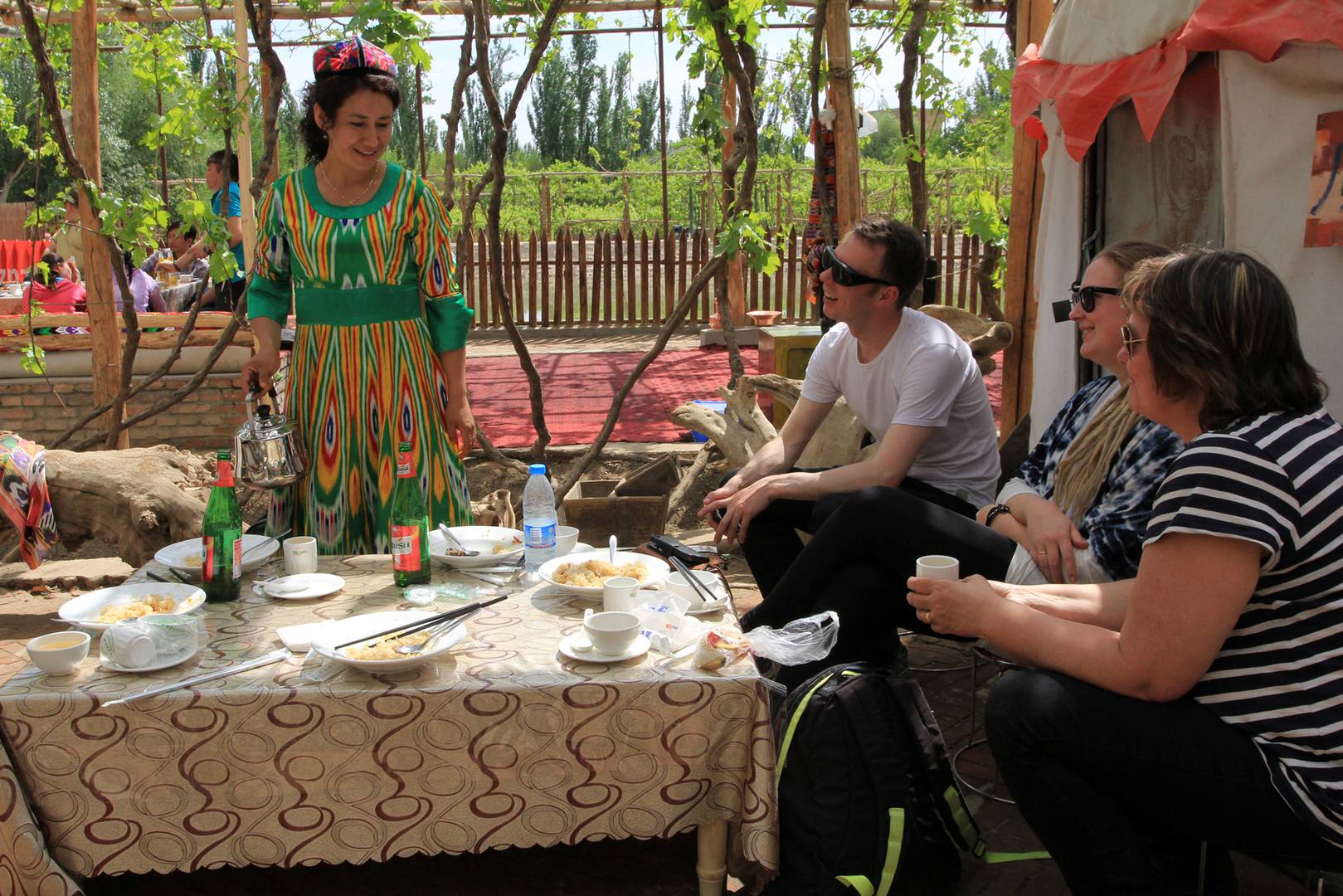
I Turpan få ni ta del av den uiguriska kulturen
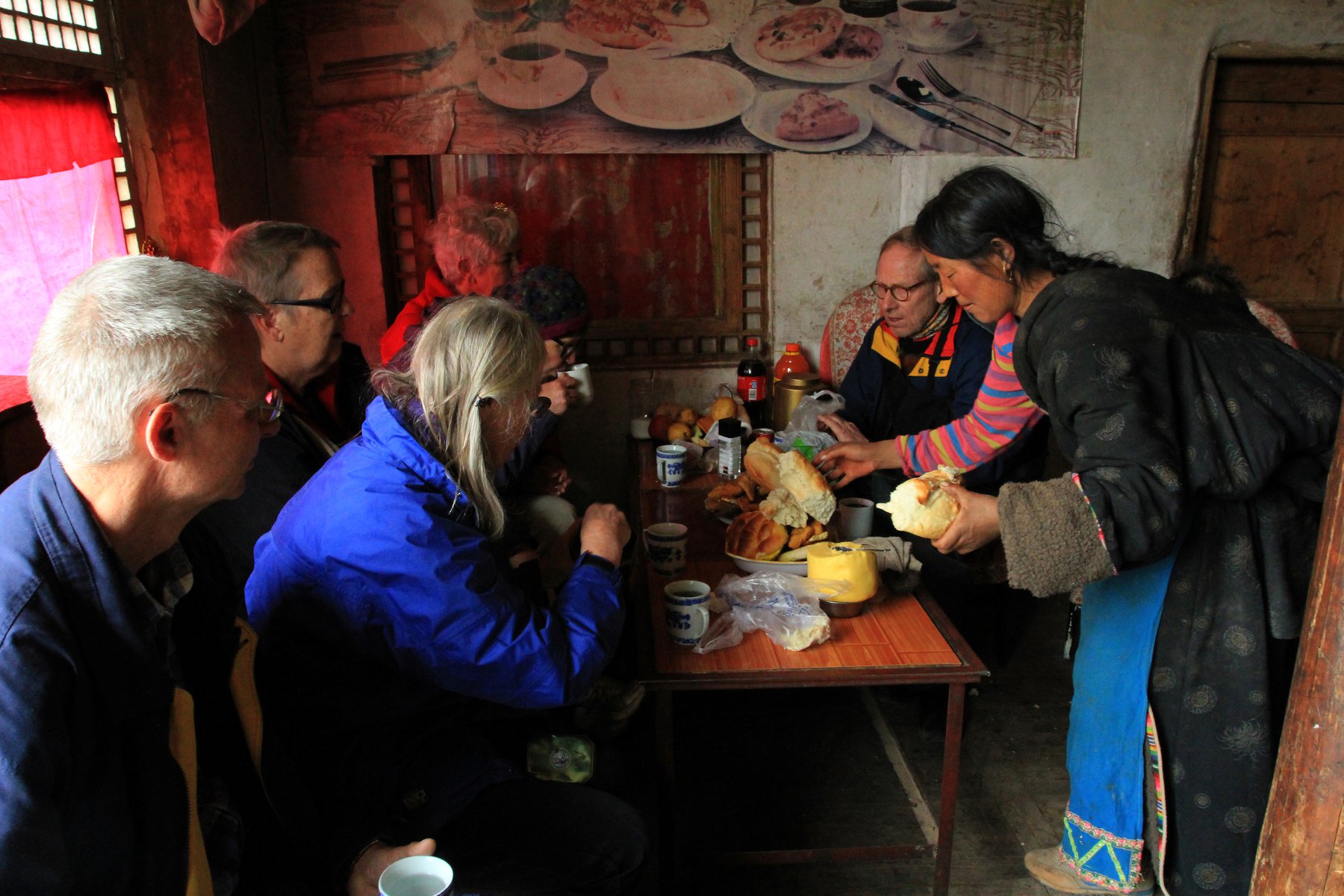
Besök hos en tibetansk familj som bor i en 2000 år gammal by
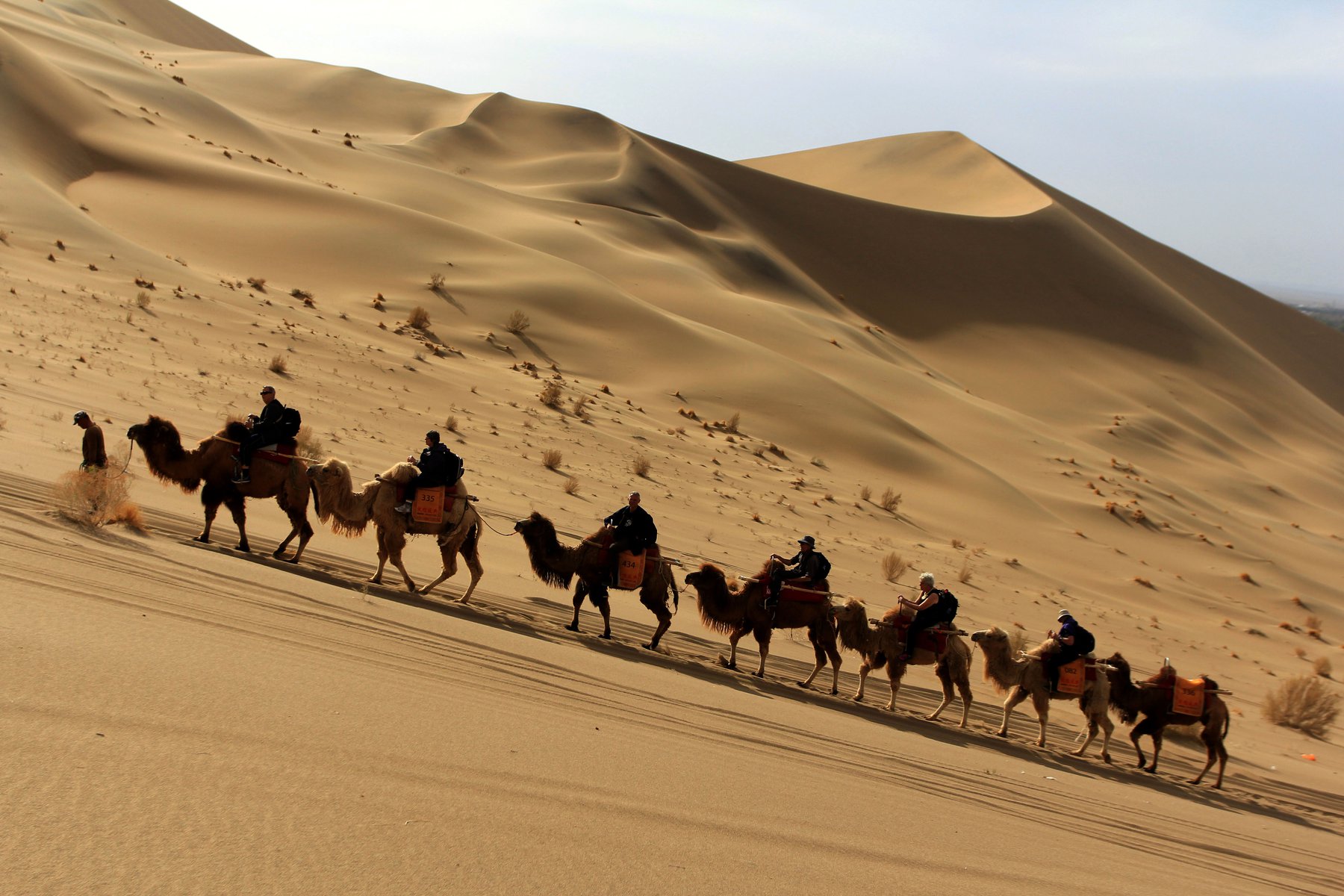
Äventyr i öknen nära Dunhuang
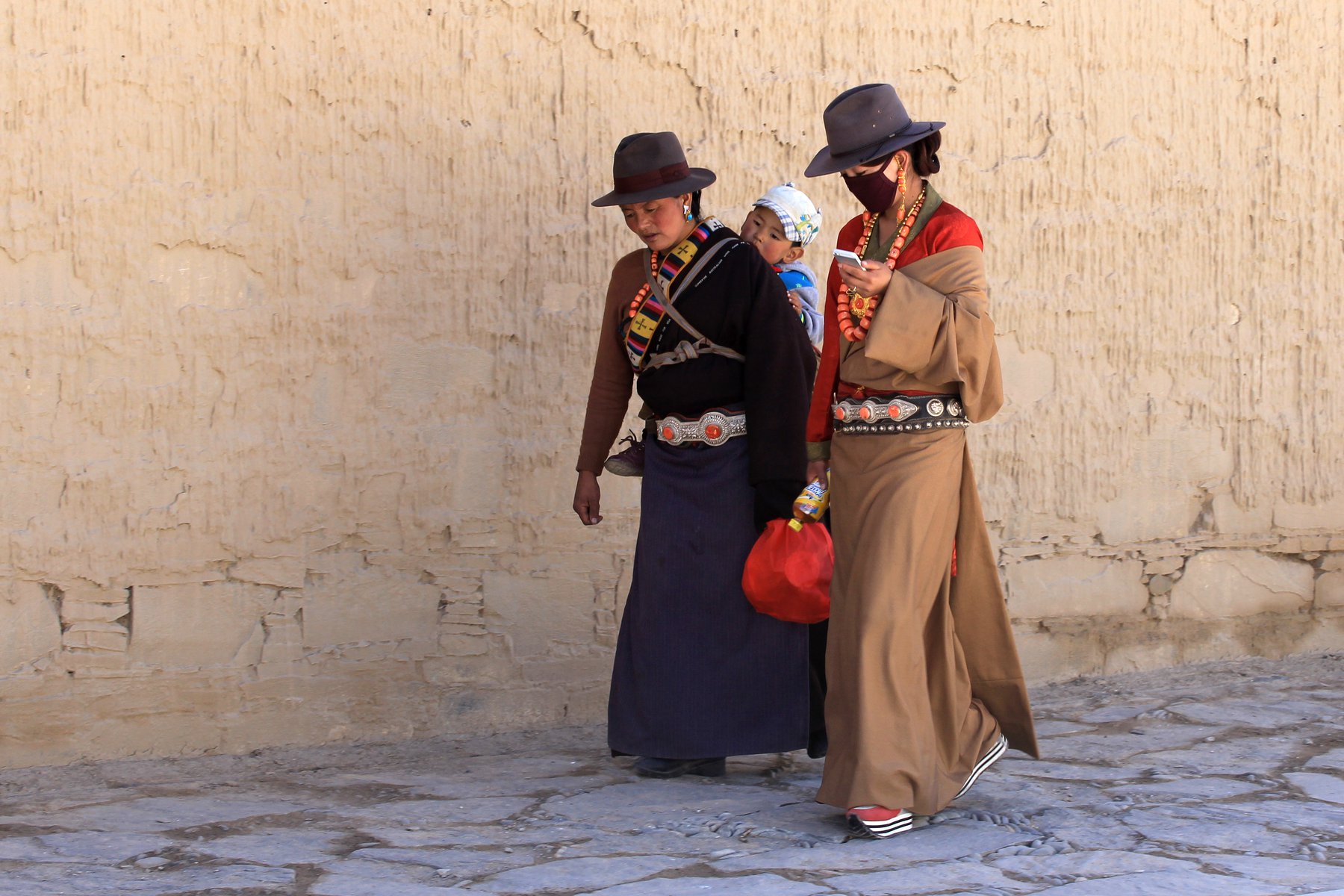
Familj på väg hem efter festival, Xiahe
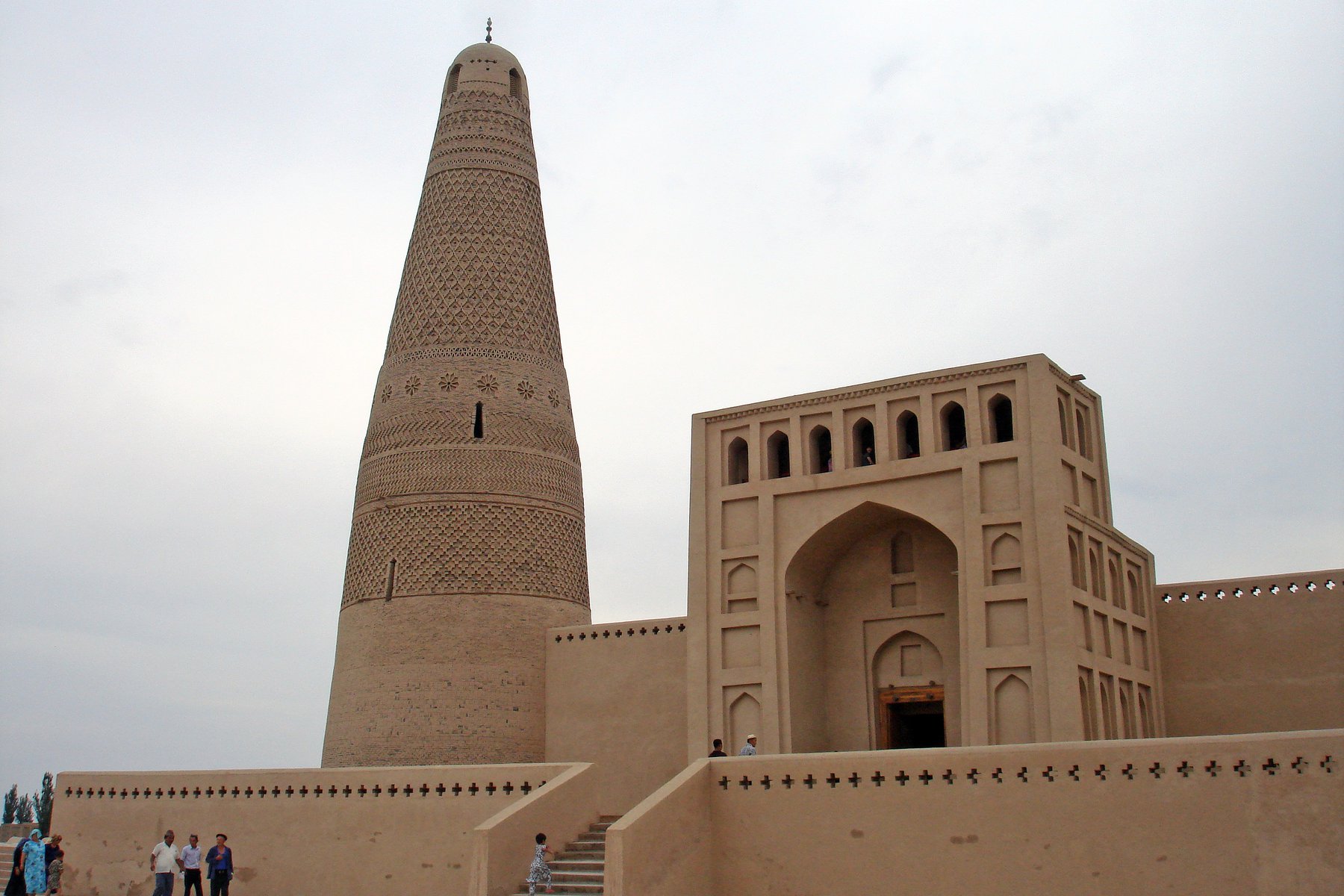
Emin Shan minareten i Turpan
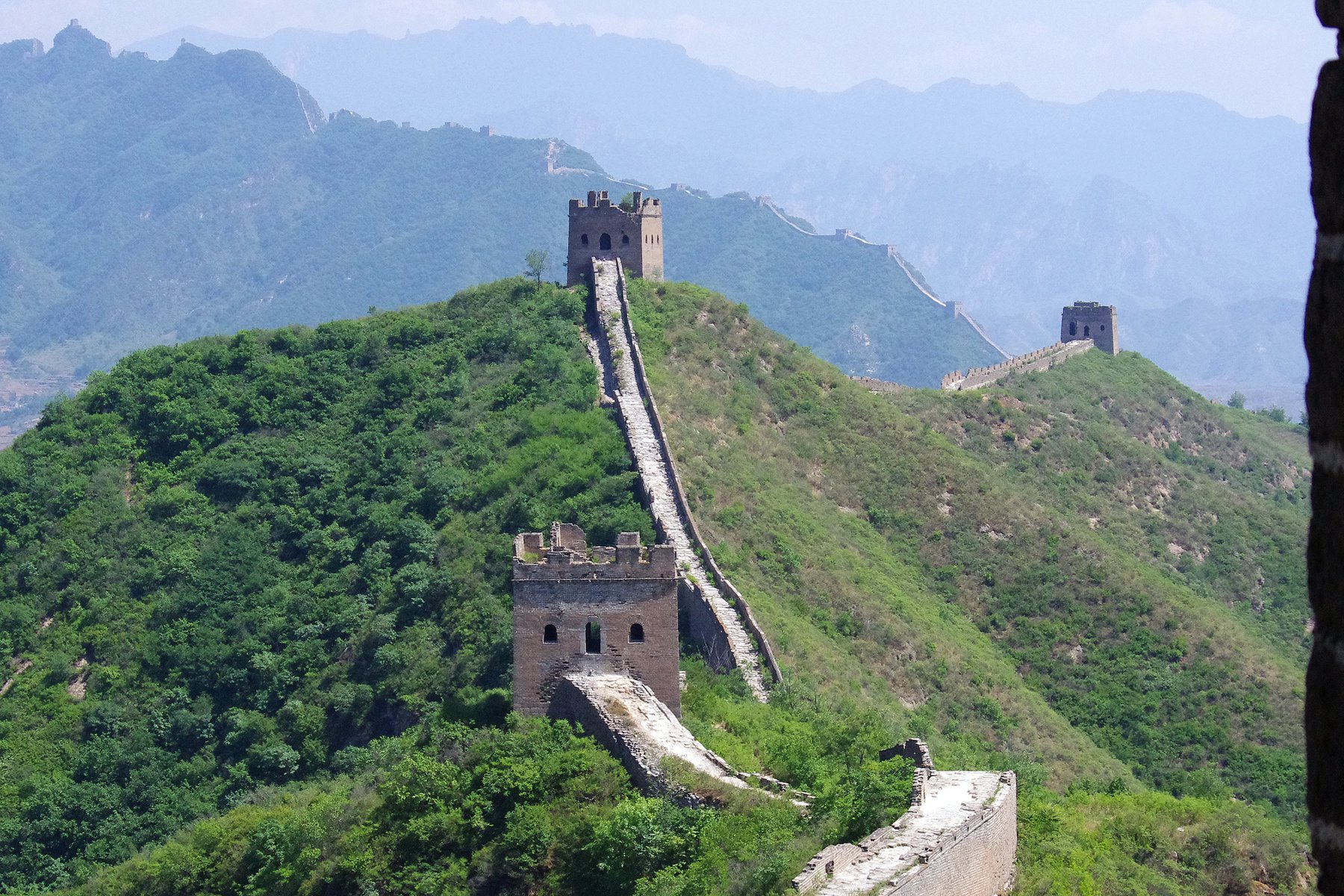
Kinesiska muren vid dess västra ändpunkt i Jiayuguan
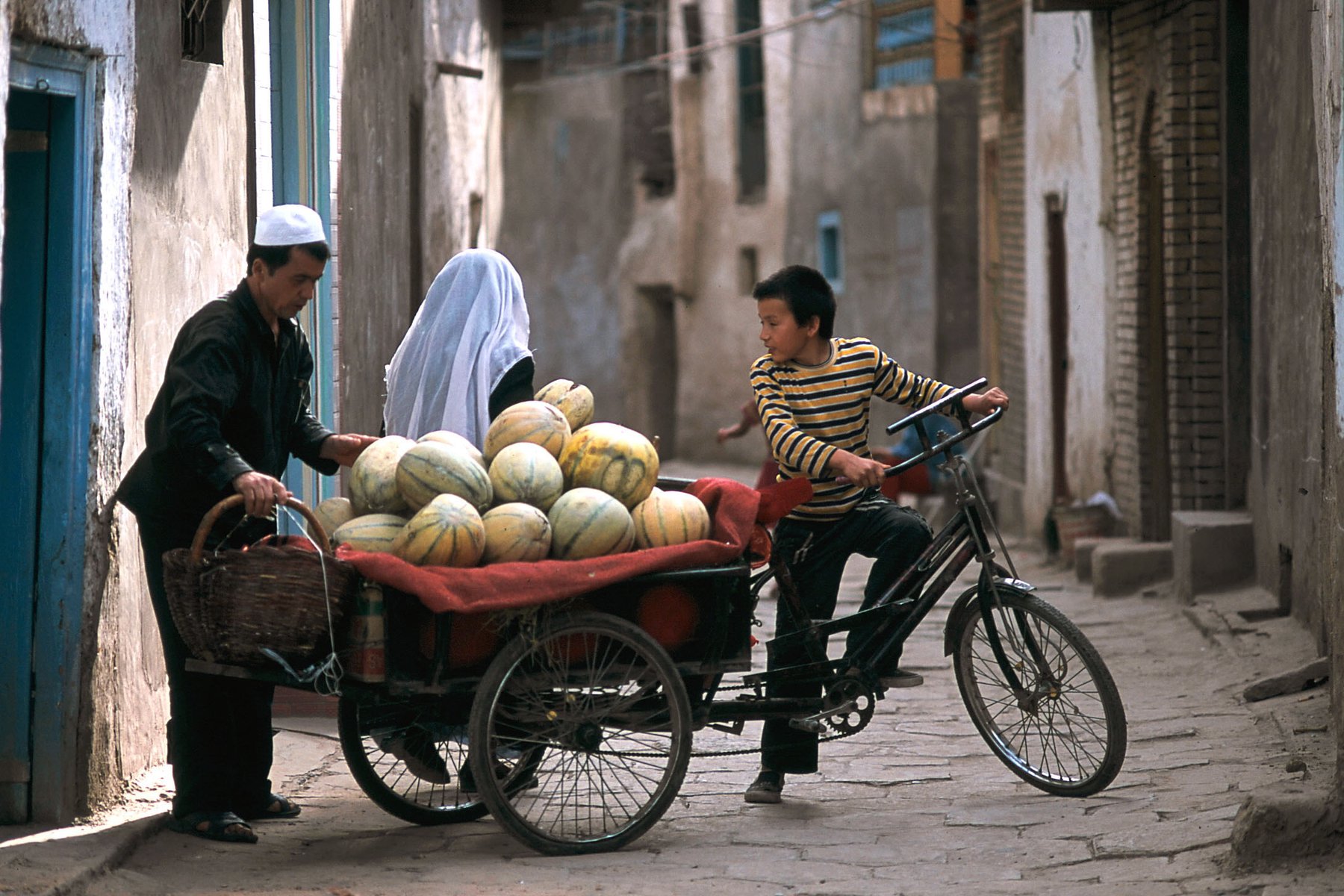
Meloner finns det gott om runt Taklamakanöknen
Dag 1-2 Beijing
Samling på vårt hotell i Beijing. Två dagar i Kinas fascinerande huvudstad som verkligen är en kontrasternas stad. Från hotellet är det gångavstånd till Himmelska fridens torg och den Förbjudna staden. I närheten finns flera vackra parker och sjöområden, där lokalbor samlas för promenader, tai chi, fågelsång och tehusbesök. Den gamla stadens hutonger – trånga gränder med traditionella gårdshus – ger en inblick i ett mer stillsamt och genuint Beijing, mitt bland moderna shoppingstråk och nya byggnader som Olympiastadion och “Vattenkuben”. Under vistelsen ges även möjlighet att upptäcka kinesiska smaker som Pekinganka, dumplings, nudlar och kanske en värmande mongolisk hot pot.
Kväll dag 2 kliver vi ombord på nattåget mot Pingyao. Vi reser i andra klass, så kallad hard sleeper, med öppna kupéer som rymmer sex bäddar vardera – ungefär som en liggvagn på svenska tåg. Tågresan är en upplevelse i sig, och ett utmärkt tillfälle att möta nyfikna kinesiska medresenärer och kanske byta några ord över en kopp te. Ombord finns en restaurangvagn med öppettider under kvällen, och enklare måltider som ris och grönsaker säljs också. Kokande vatten finns alltid tillgängligt för den som vill göra te, kaffe eller en snabbnudelsoppa. Natten på tåget är oftast lugn, och du sover gott medan vi rullar vidare mot nästa stopp på vår resa.
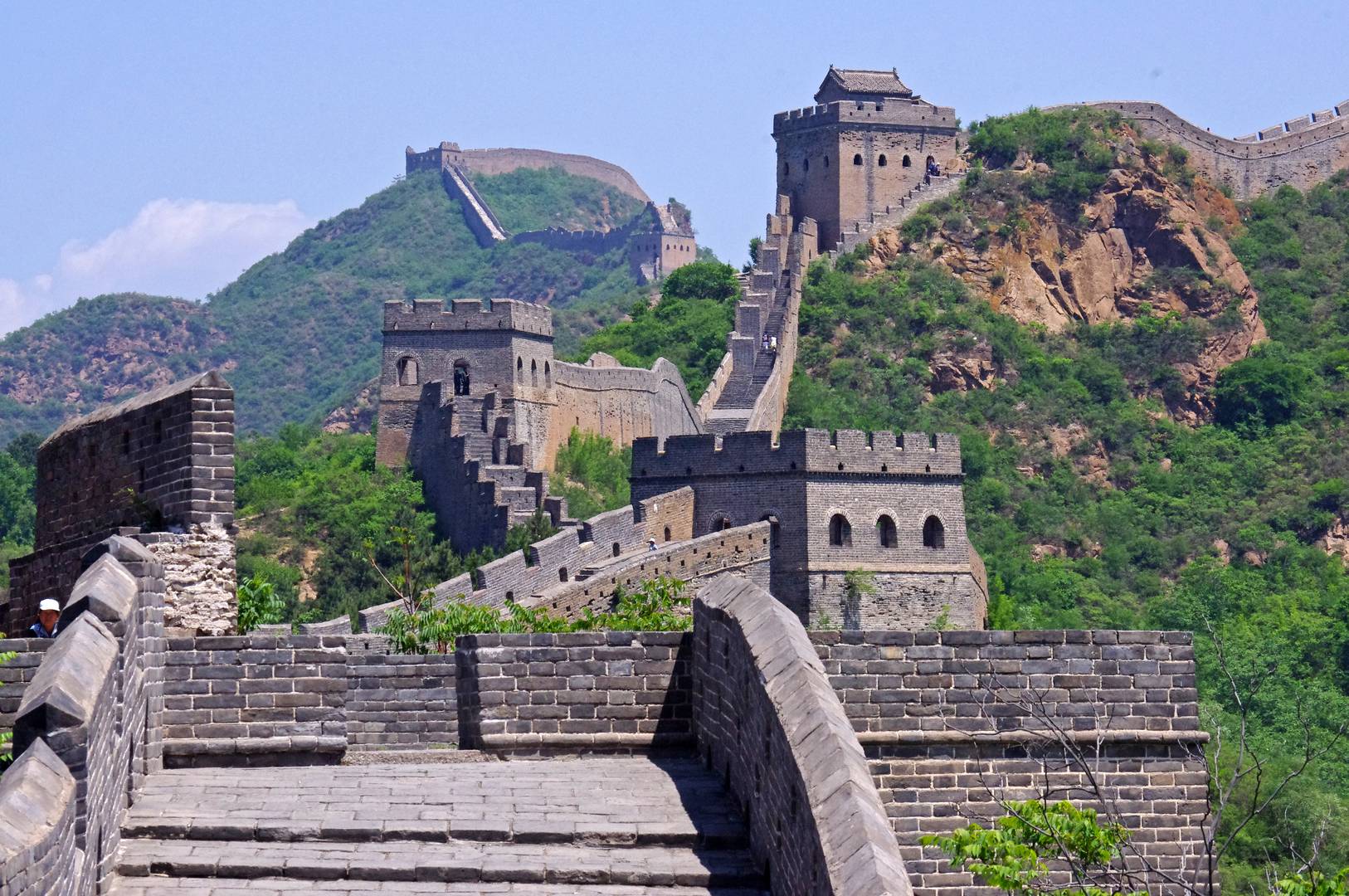

Dag 3-4 Den gamla staden Pingyao
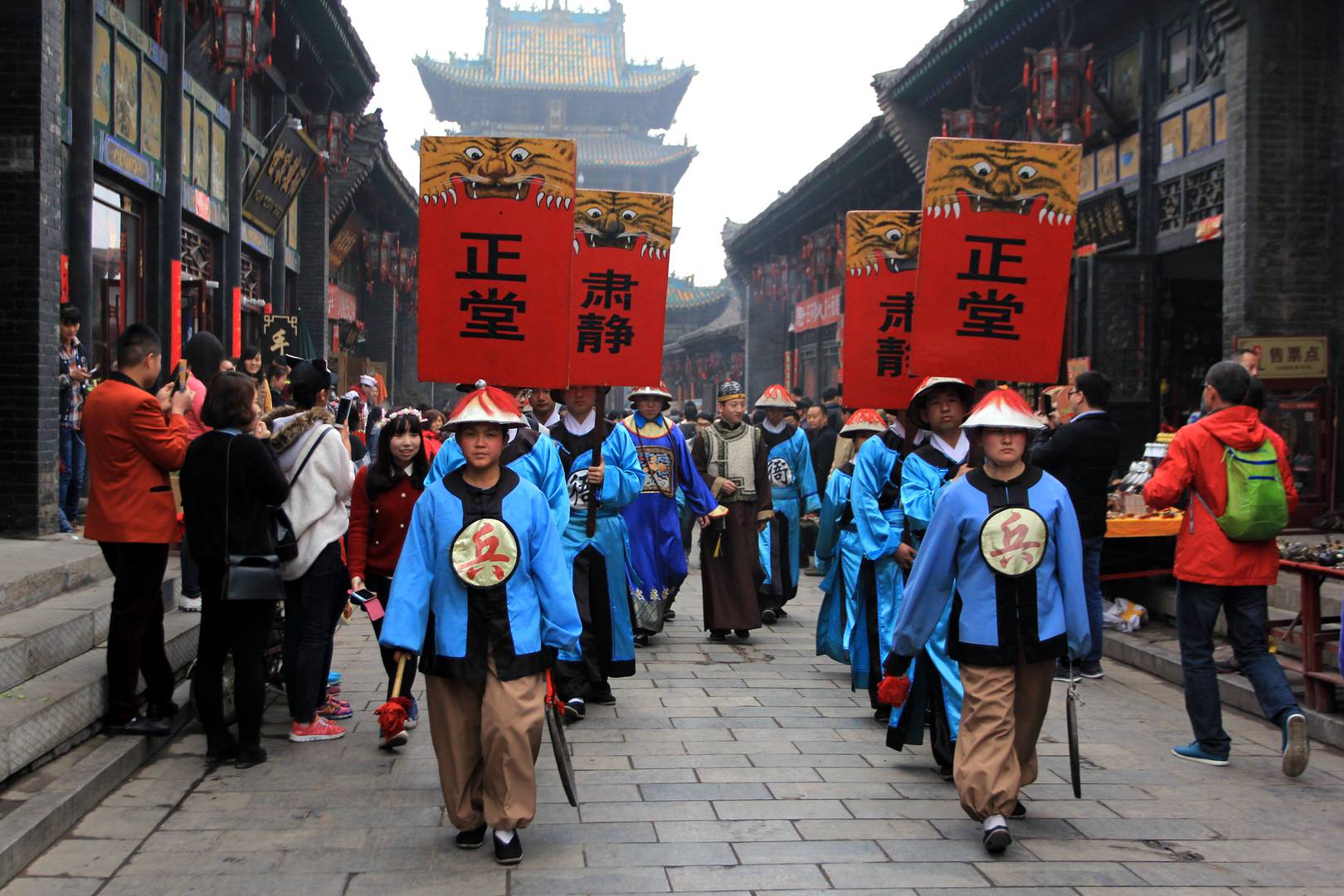
Ankomst till Pingyao på morgonen. Under två dagar utforskar vi denna välbevarade köpmannastad, omgiven av en imponerande stadsmur med 72 torn och sex stadsportar. Staden, uppförd i sin nuvarande form redan 1370, är ett unikt exempel på traditionell kinesisk stadsplanering med sina huvudgator, smala gränder och den karakteristiska stadsporten i form av ett sköldpaddsskal – en symbol för långt liv. Här etablerades Kinas första banker och många hem i staden är numera museum.
Vi bor i charmiga hotell inrymda i gamla gårdar, där vissa rum har traditionella kang‑sängar som värms underifrån. Under vistelsen kan du promenera längs stadens gator och besöka templen, små museer och de historiska bankhusen Rishengchang och Baichuantongpiao, som vittnar om stadens rika handelsförflutna.
På kvällen dag 4 tar vi nattåget vidare till Xi’an.

Dag 5-6 Terrakottaarmén i Xian
Tidigt på morgonen anländer vi med nattåg till Xian, huvudstad i Shaanxi-provinsen och en av Kinas mest historiska städer. Under mer än tusen år var Xian rikets huvudstad och världens största stad. Här finns fortfarande många spår av stadens storhetstid, både innanför och utanför den mäktiga stadsmuren.
Här ligger kejsare Qin Huangdi begravd med sin berömda Terrakottaarmé. Han enade Kina till ett rike på 200-talet f Kr. Under Tangdynastin (år 618-907) utgjorde Xian porten till Sidenvägen.
Under vistelsen besöker du stadens mest kända sevärdheter, som Stora och Lilla Gåspagodan, Klocktornet och den imponerande Stora moskén. Stadsmuren som omger stadskärnan är välbevarad – här kan man promenera eller hyra cykel och uppleva utsikten över staden. På kvällarna förvandlas flera kvarter till färgstarka nattmarknader med doftande matstånd och livlig stämning.
Andra intressanta besök är Banpo, en 6000 år gammal stenåldersbosättning, och Shaanxi historiska museum, som berättar om regionens rika kulturarv.


Dag 7-8 Lanzhou och Linxia
Dagtåg genom det dramatiska loesslandskapet i dalen mellan Xi’an och Lanzhou – den första sträckan av den historiska Sidenvägen. Här utbyttes silke och kultur mellan Kina och Centralasien, och härifrån spreds islam till Kina på 600-talet. Spåren av både handelns storhetstid och blodiga konflikter mellan kineser och muslimska minoriteter finns kvar i regionen. Tågresan ger en unik inblick i denna rika och komplexa historia.
Ankomst till Lanzhou på eftermiddagen – huvudstad i Gansu-provinsen och en modern industristad med spännande sevärdheter. Här kan du besöka det imponerande provinsmuseet med bland annat den berömda Flying Horse of Gansu, eller promenera i White Pagoda Hill-parken med utsikt över Gula floden. På kvällen finns möjlighet att utforska marknader, matgator och prova lokala specialiteter.
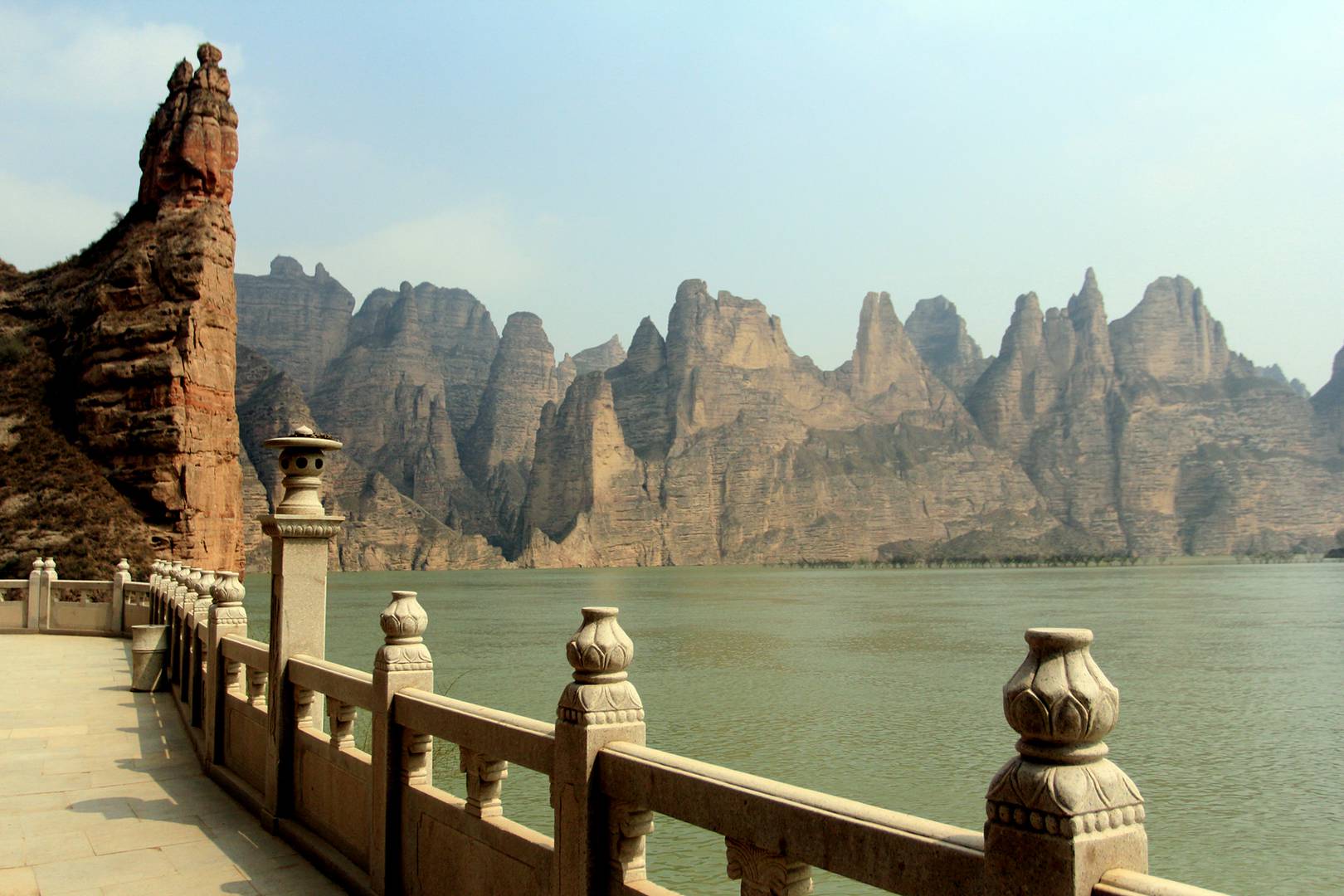
Dag 8 åker du buss till Linxia med ett stopp för en båttur till de vackra Bingling-grottorna längs vägen. Landskapet här är karstformat och hem åt flera etniska minoriteter. Linxia är ett av Kinas viktigaste muslimska centrum med flera moskéer och en tydlig islamisk kulturprägel. Här bor främst Hui-muslimer, men även andra muslimska grupper. Promenera i de muslimska kvarteren, besök någon av stadens många tehus och prova den kryddiga muslimska specialiteten la mian-nudlar som gjort Linxia känt i hela Kina.
Dag 9-11 Labrangklostret och tibetansk kultur
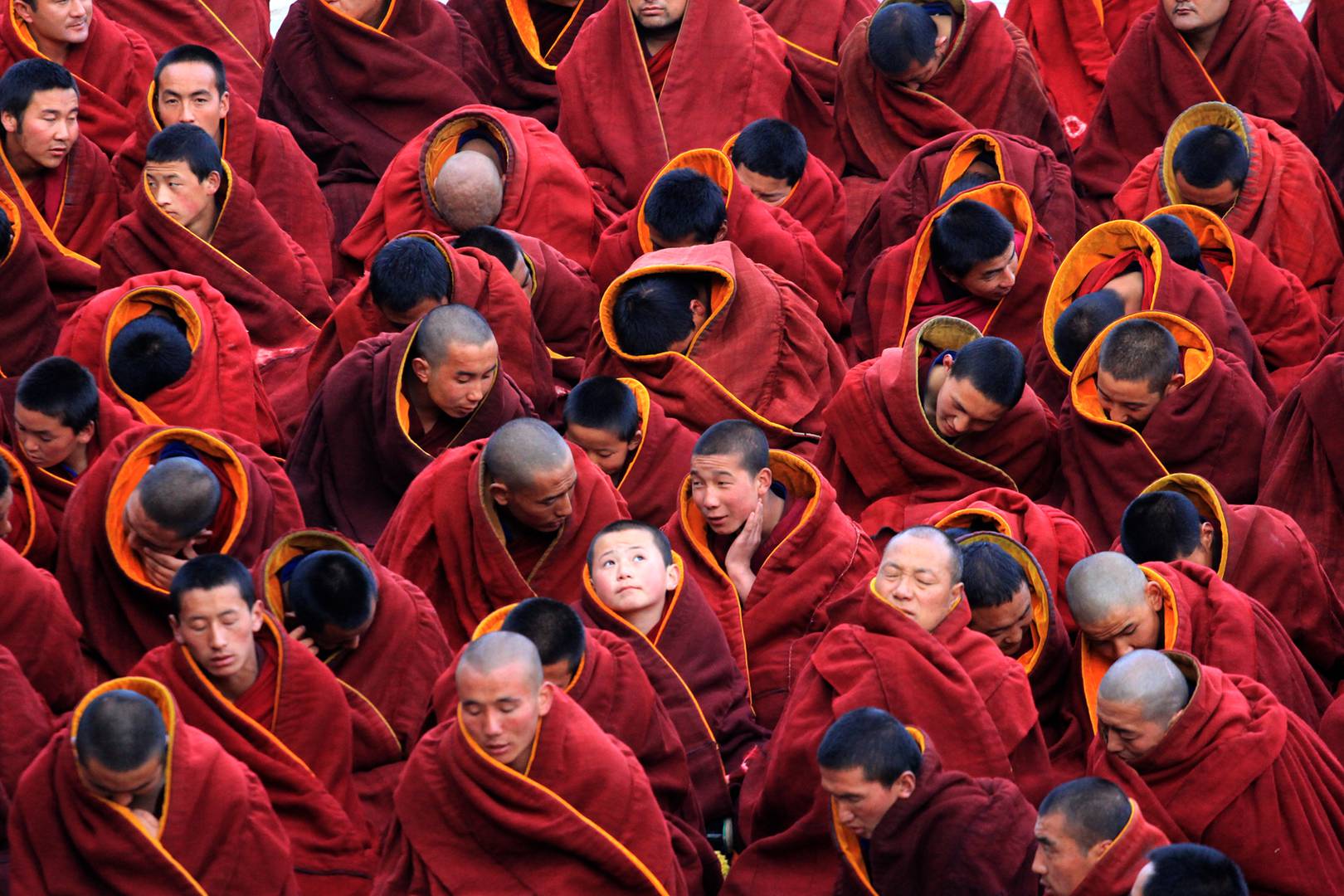
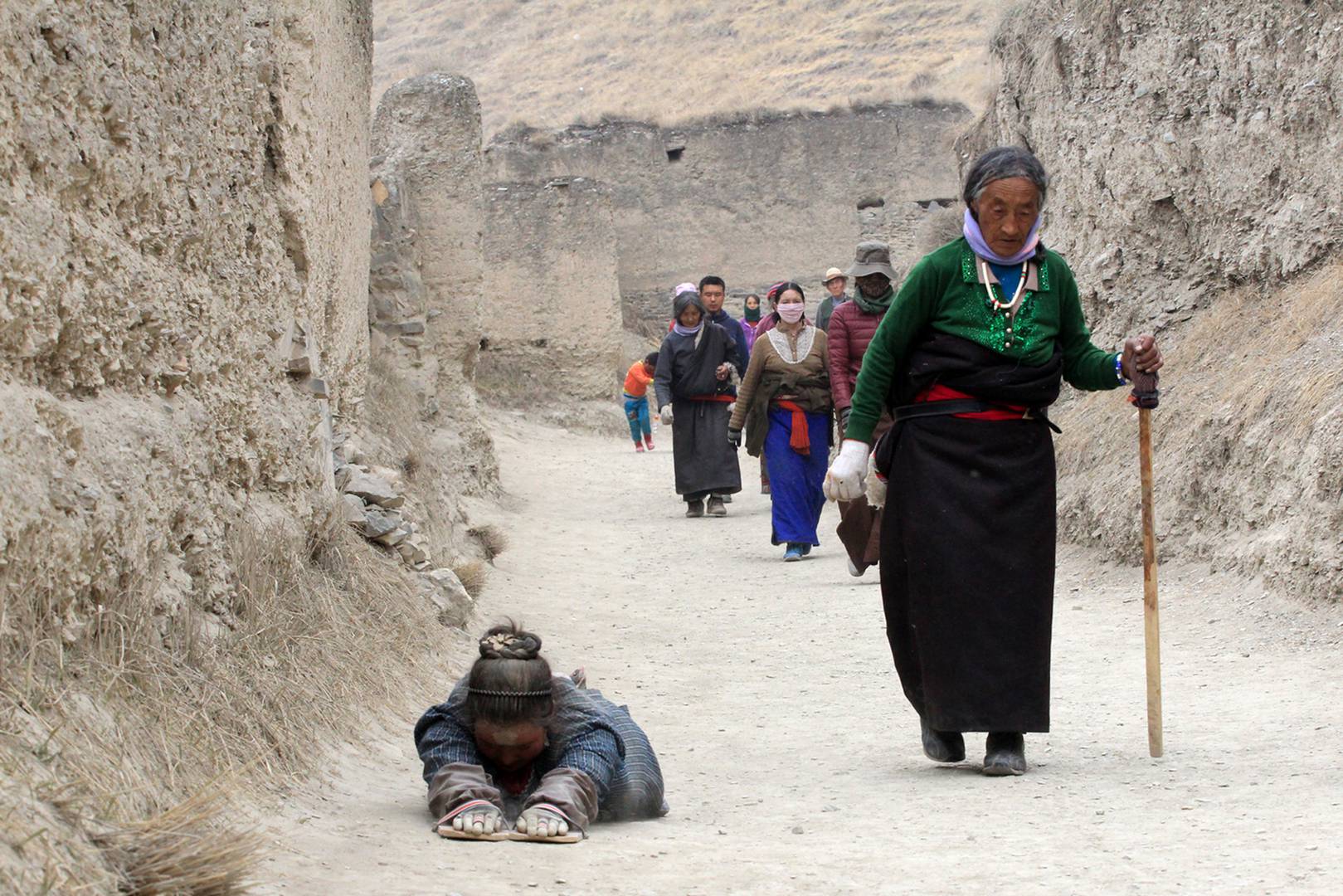
Morgonbuss till Xiahe i den tibetanska provinsen Amdo. Området tillhör det etniska och historiska Tibet. Här besöker du Labrang, ett mycket betydelsefullt tibetanskt kloster. Här bor runt 500 munkar, och staden sjuder av liv med vackert klädda pilgrimer, bönehjul, små tempel och meditativa platser. Du möter både munkar och nunnor och andra nyfikna tibetaner. I ett fantastiskt landskap kan du cykla över vida grässlätter, rida, samtala med pilgrimer eller vandra i bergen. Möten med lokalbefolkningen ger ofta minnesvärda inblickar i kulturen – kanske blir du till och med inbjuden att övernatta i ett tibetanskt hem.
Dag 12-13 Kinesiska muren i Jiayuguan
Tidigt på morgonen tar du buss tillbaka till Lanzhou. På kvällen fortsätter resan västerut med nattåg genom Gobiöknen mot Jiayuguan, dit du anländer tidigt nästa morgon.
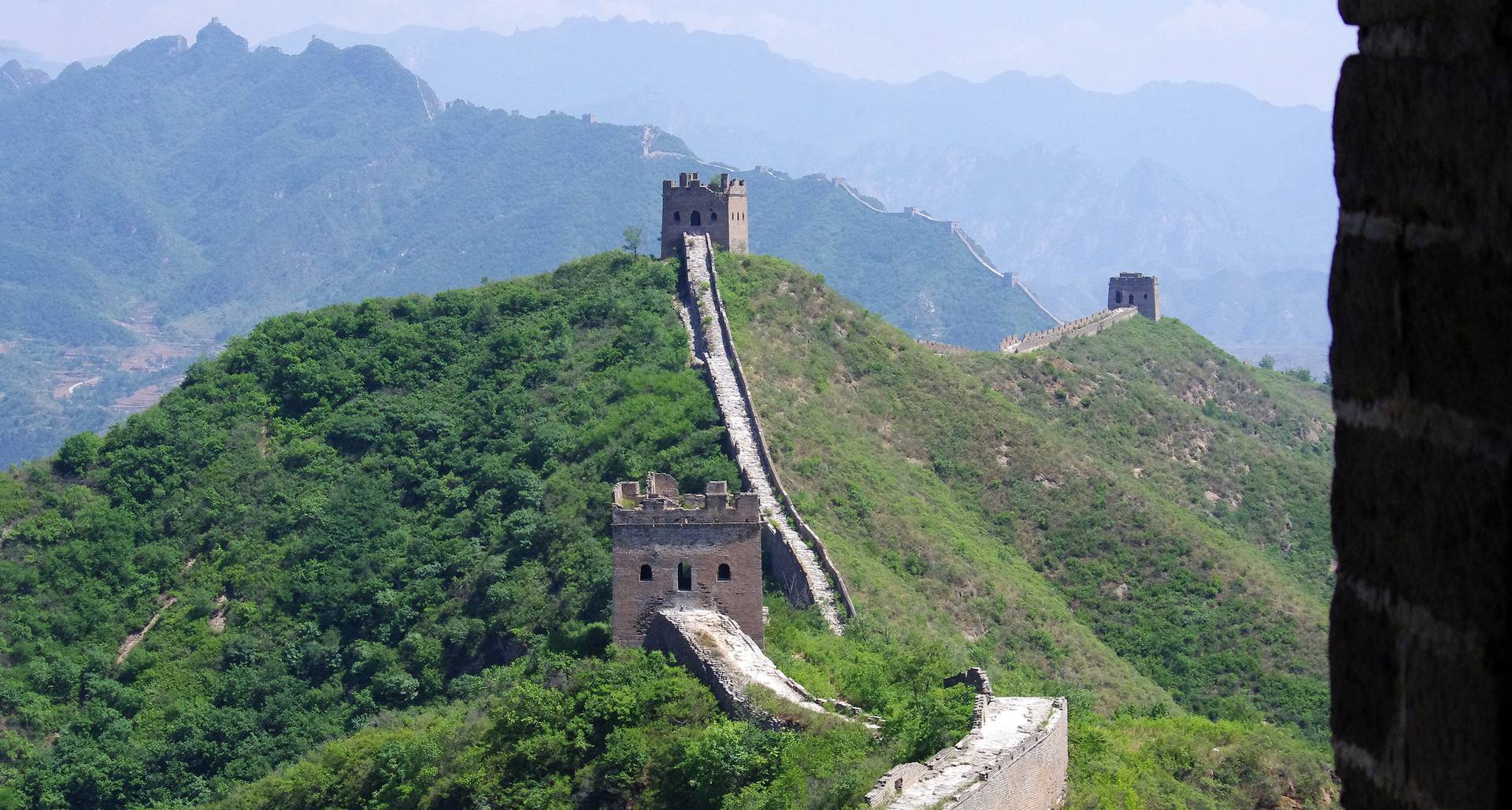
Jiayuguan är känt som Kinesiska murens västligaste punkt, en gammal gränsstad som en gång markerade övergången mellan det kinesiska riket och de ”barbariska västra regionerna”. Här väntar ett av resans mest imponerande besöksmål: Jiayuguanfortet, en mäktig fästning som utgör den västligaste punkten på Kinesiska muren, dramatiskt beläget mellan Qilianbergens snötäckta toppar i söder och Mazongbergens svarta kullar i norr. Här får du tid att utforska fortet, besöka stadens museum om muren samt se de unika gravkammare med färgstarka muralmålningar från 200‑talet vid Xincheng Weiji öster om staden.
Dag 14-16 Världsarvet Dunhuang
Med buss till den lilla staden Dunhuang. Denna oas i Gobiöknen var en av Sidenvägens viktigaste knutpunkter. Under 200-talet var staden en av de största på handelsrutten med 76 000 invånare – i dag bor här cirka 14 000.
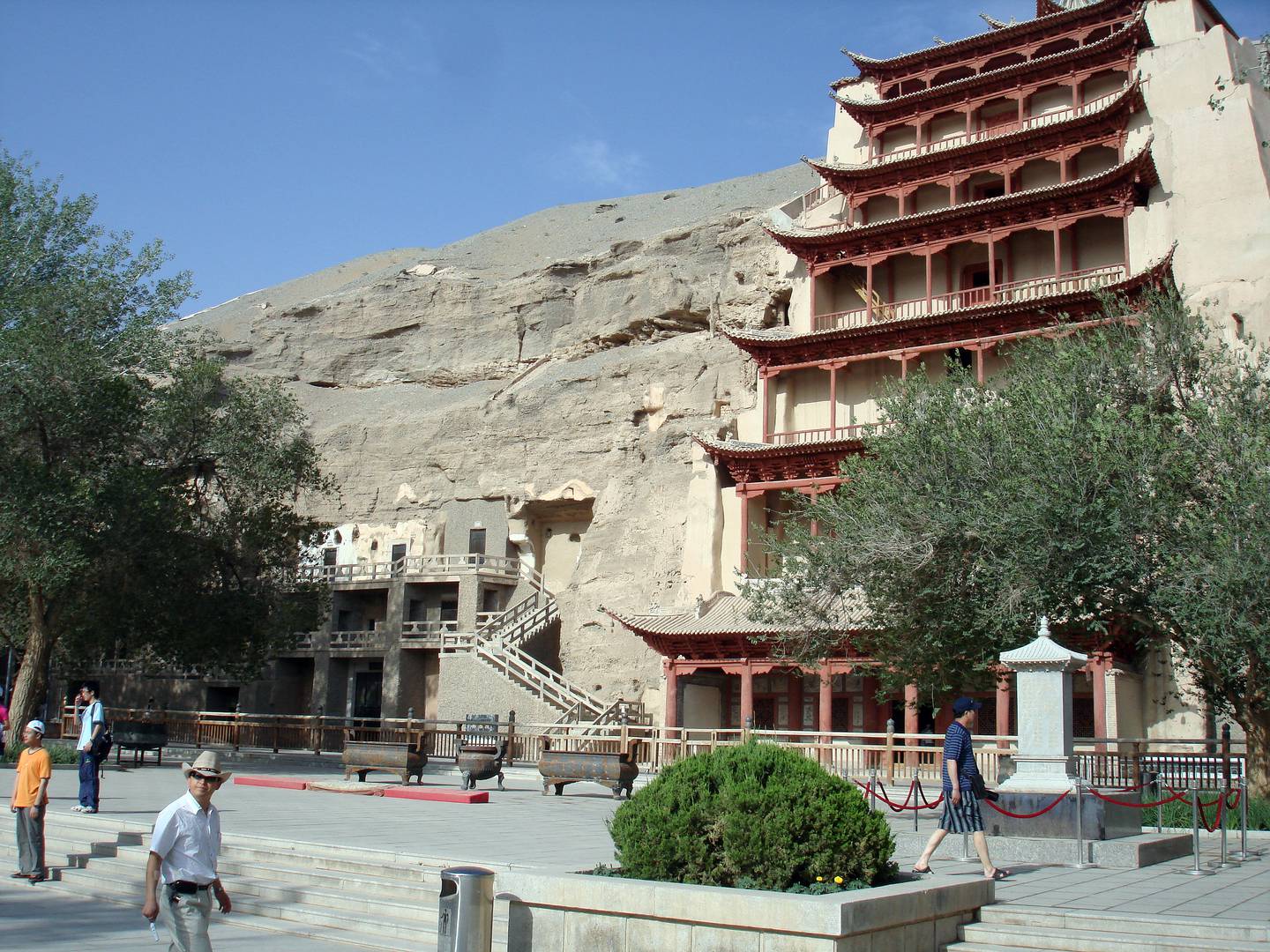
Huvudattraktionen är de världsberömda Mogao-grottorna, en av de rikaste skattkamrarna av buddhistisk konst i världen. Grottorna, som låg gömda i sanddynerna i över 600 år, innehåller omkring 2 000 skulpturer och 45 000 m² färgstarka väggmålningar från år 200–1200, starkt influerade av kulturer som Persien, Indien, Tibet och Kina. Här finns också 50 000 manuskript på 17 olika språk, varav några tidigare okända. Under vårt besök får vi se ett urval av grottorna och uppleva den unika atmosfären med ficklampans sken mot de fantasifulla målningarna.
Dunhuang har även mer att erbjuda: cykla ut till Mingsha-sanddynerna, besök någon av de gamla passen vid Kinesiska muren eller titta in på det lilla museet i staden.
Dag 17-18 Turpan - uigurisk kultur
Resan går med snabbtåg till Turpan. Turpan ligger i Turpan-sänkan, som med 154 meter under havsnivån är Kinas lägsta och världens näst lägsta punkt. Området är mycket torrt och varmt, och här har lokalbefolkningen utvecklat ett unikt bevattningssystem, karez, med underjordiska kanaler som kopplar samman brunnar för att motverka torka och hetta.
Xinjiangprovinsen i Centralasien är historiskt uigurernas land och kallades tidigare Östturkestan. Här är den uiguriska kulturen och historien närvarande. Här besöker du bland annat Emin-minareten, Kinas högsta minaret, byggd 1777 till minne av general Emin Khoja.
Ungefär 45 km öster om Turpan ligger Bezeklik Grottorna, ett kluster av över 50 buddhistiska grottor med väggmålningar från olika dynastier. Trots att många grottor och konstverk skadats eller förstörts är de bevarade delarna ett värdefullt vittnesmål om områdets rika religiösa historia.
Dag 19-20 Urumqi och Himmelska sjön
Buss till provinshuvudstaden Urumqi - en modern och mångkulturell storstad i västra Kina. Här lever uigurer, han-kineser, kazaker, kyrgyz, mongoler och hui-muslimer sida vid sida. Mandarin är mestadels språkbruket, men i vissa områden dominerar uiguriska. Engelska är ovanligt. Den uighuriska lokalbefolkningen använder sin egen tidzon (-2 tim) som inte sanktionerats av Beijing.
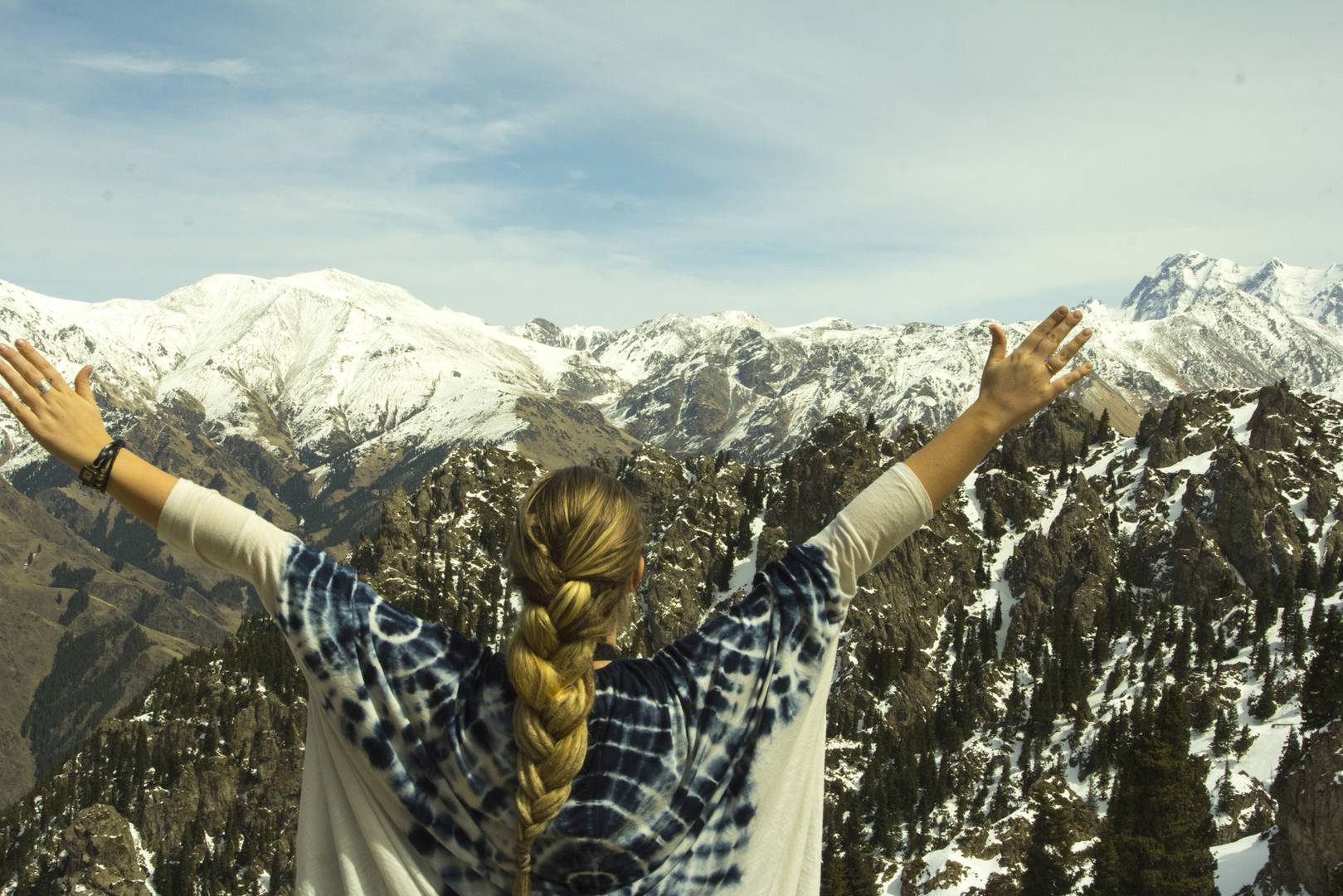
Stadsdelen Grand Bazaar är en populär sevärdhet, men det verkliga hjärtat för uigurerna finns i de omkringliggande områdena. En avstickare till den exotiska Himlasjön (Tianchi) är ett uppskattat dagsutflyktsmål utanför staden.
Dag 21-22 Beijing
Morgonflyg till Beijing och ytterligare en dag i Kinas huvudstad. Här avslutas resan.
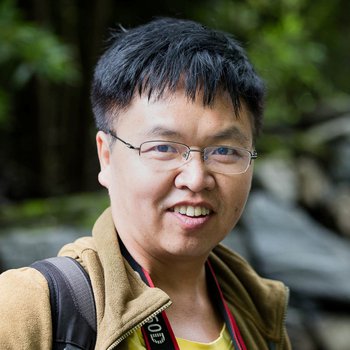
Född 1965. Började som tolk 2000 och blev reseledare 2004. Bor i Kaili i Guizhou-provinsen med fru och två barn. Examen från lärarhögskola. Lee tillhör miaofolket och modersmålet är miao, men han talar även dong och naturligtvis kinesiska och engelska. Spelar xiao som han påstår är en perfekt kombination med stränginstrumentet Qin.
Flyg
För den här resan ska du boka en flygbiljett tur och retur Beijing.
Liknande resor
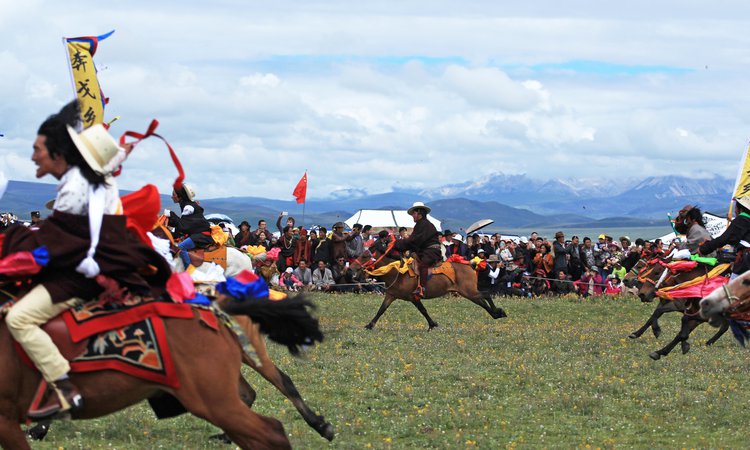
Östra Tibet - med Litang hästfestival
Östra Tibet - med Litang hästfestival
Juli
En resa i Yunnan och Sichuan
20 dagar Resa med viss fysisk aktivitet
