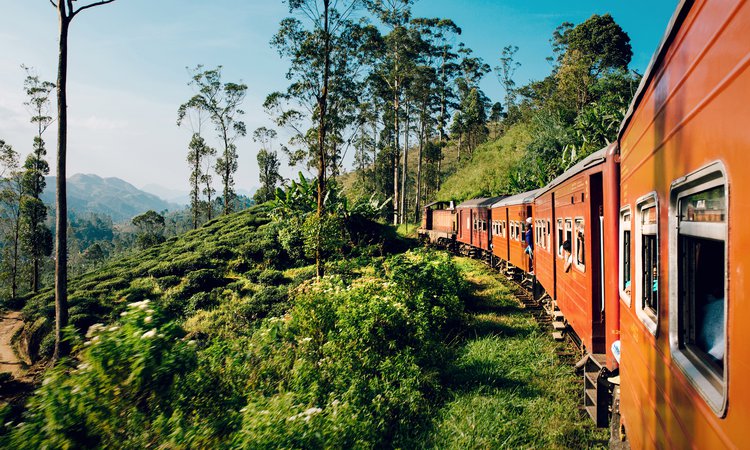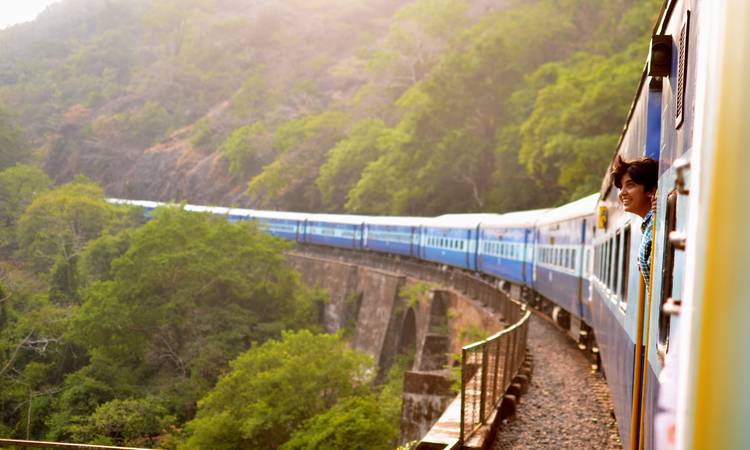

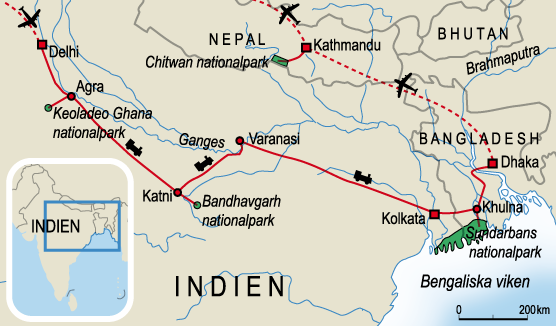
Den ultimata resan för dig som är intresserad av djur och natur. Du besöker fyra nationalparker i Indien, Bangladesh och Nepal, alla med olika naturtyper. Djurlivet på den indiska subkontinenten är fantastiskt och du får se mycket ur Djungelbokens värld. I Bangladesh åker du båt i Sunderban, Ganges delta, och i Nepal får du vandra fritt i nationalparken Chitwan. I Indien utforskar du två fantastiska nationalparker samt besöker Taj Mahal. Dessutom besöker du kulturellt intressanta platser som Varanasi, Kolkata, Dhaka, och Kathmandu.
Resedetaljer
| Dag | Program |
|---|---|
| 1 | Samling i Delhi |
| 2-3 | Kanske världens finaste fågelreservat |
| 4 | Taj Mahal |
| 5-7 | Tigerchans i Bandhavgarh |
| 8-11 | Heliga Varanasi och Calcutta |
| 12 | Kryssning i Sundarban, Ganges delta |
| 13-15 | Längs smala flodarmar, Bengaliska bukten |
| 16 | Buss till Dhaka |
| 17 | Dhaka - folkliv och moskéer |
| 18-19 | Flyg till Kathmandu |
| 20-22 | Nationalparken Chitwan |
| 23-24 | Bhaktapur |
- Kvalificerad reseledning
- Informationspaket med utvald litteratur och karta
- Samtliga transporter under resan
- Inrikes flygplatsskatt och samtliga obligatoriska avgifter
- Del i dubbelrum eller annan inkvartering under resan (fyra nätter bor du på en båt i Sundarbans)
- Mat under båtfärden i Sundarbans (4 dagar)
- Inträde till Nationalparkerna (Bandhavgarh, Chitwan, Sundarban, Kheoladeo Ghana)
- Samtliga utflykter, inträden och aktiviteter enligt resplan (Taj Mahal, Bhaktapur mfl)
- Lokala guider och tolkar enligt resplan (Bandhavgarh, Chitwan, Sundarban, Kheoladeo Ghana mm)
- Samtliga formella tillstånd
- Dricks till lokala guider, tolkar och chaufförer vid aktiviteter enligt resplan
- Visum Bangladesh
- Jeepsafaris i Bandhavgarh, vandring, kanotfärd och safari i Chitwan
- Avgift för stillbildsfotografering (OBS! ej videokamera)
- Internationellt flyg till/från resmålet
- Måltider som ej nämns ovan
- Utflykter och aktiviteter utanför resplanen
- E-visum ordnar du själv innan resan
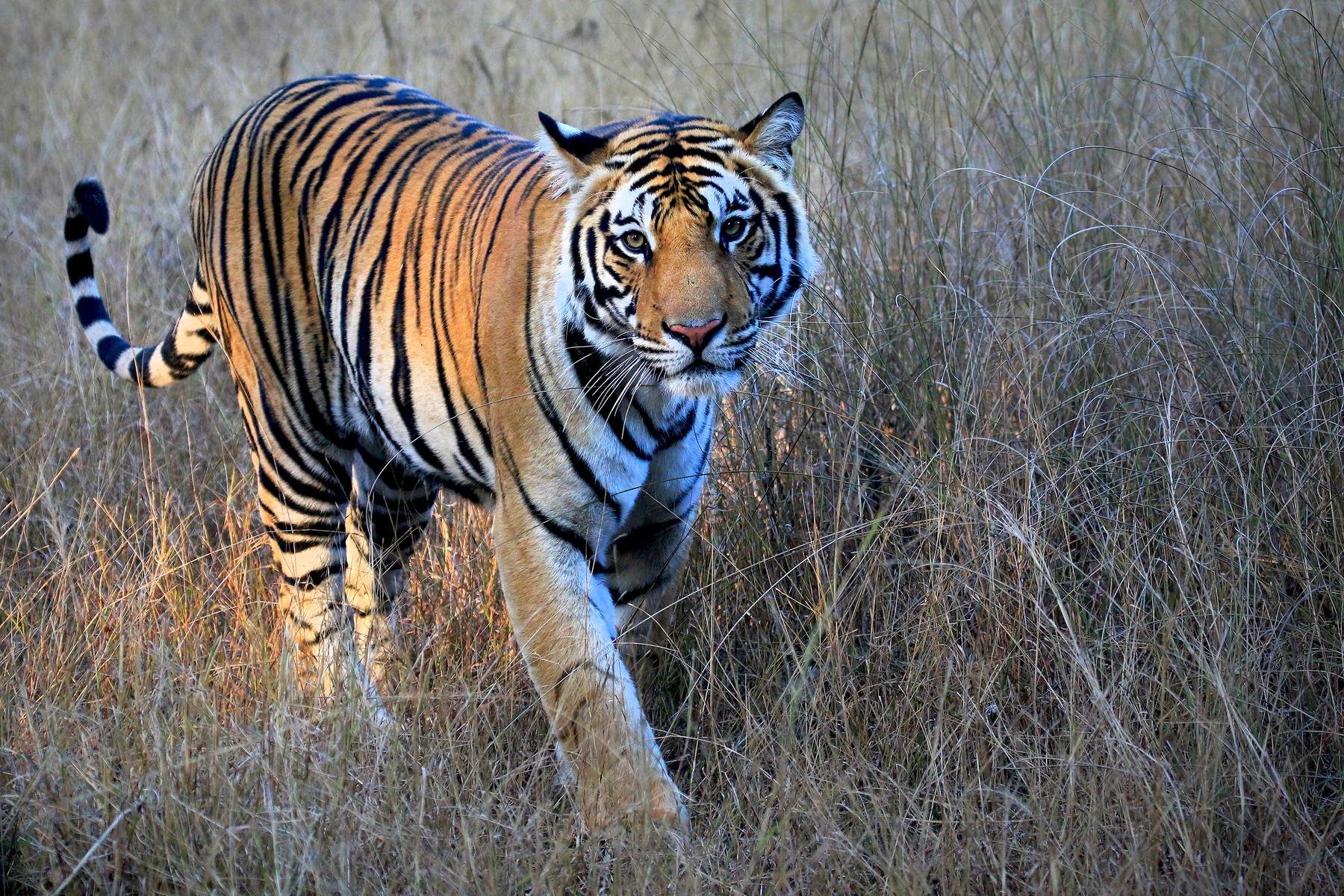
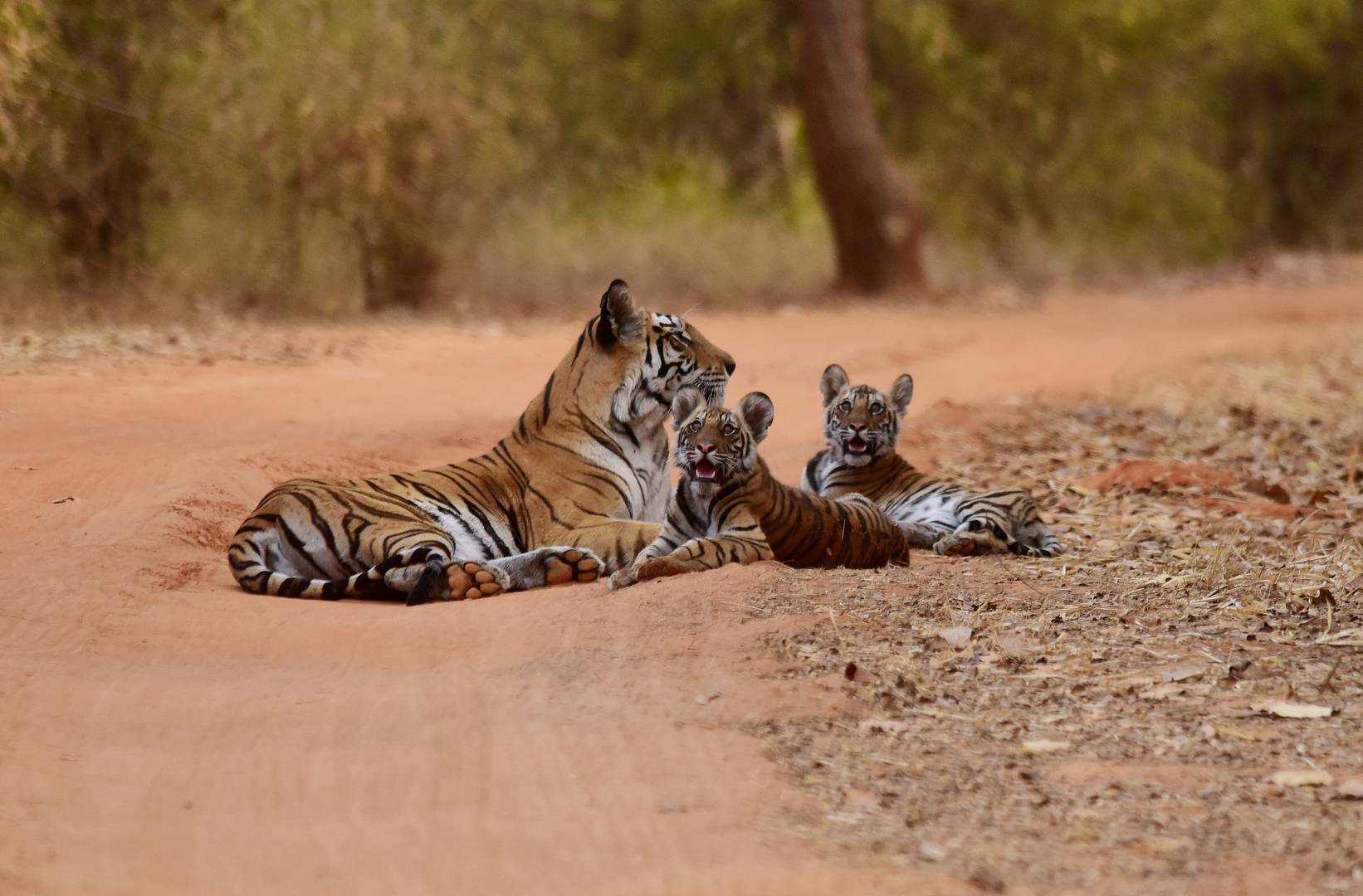
Räkna med att se tiger i Bandhavgarh
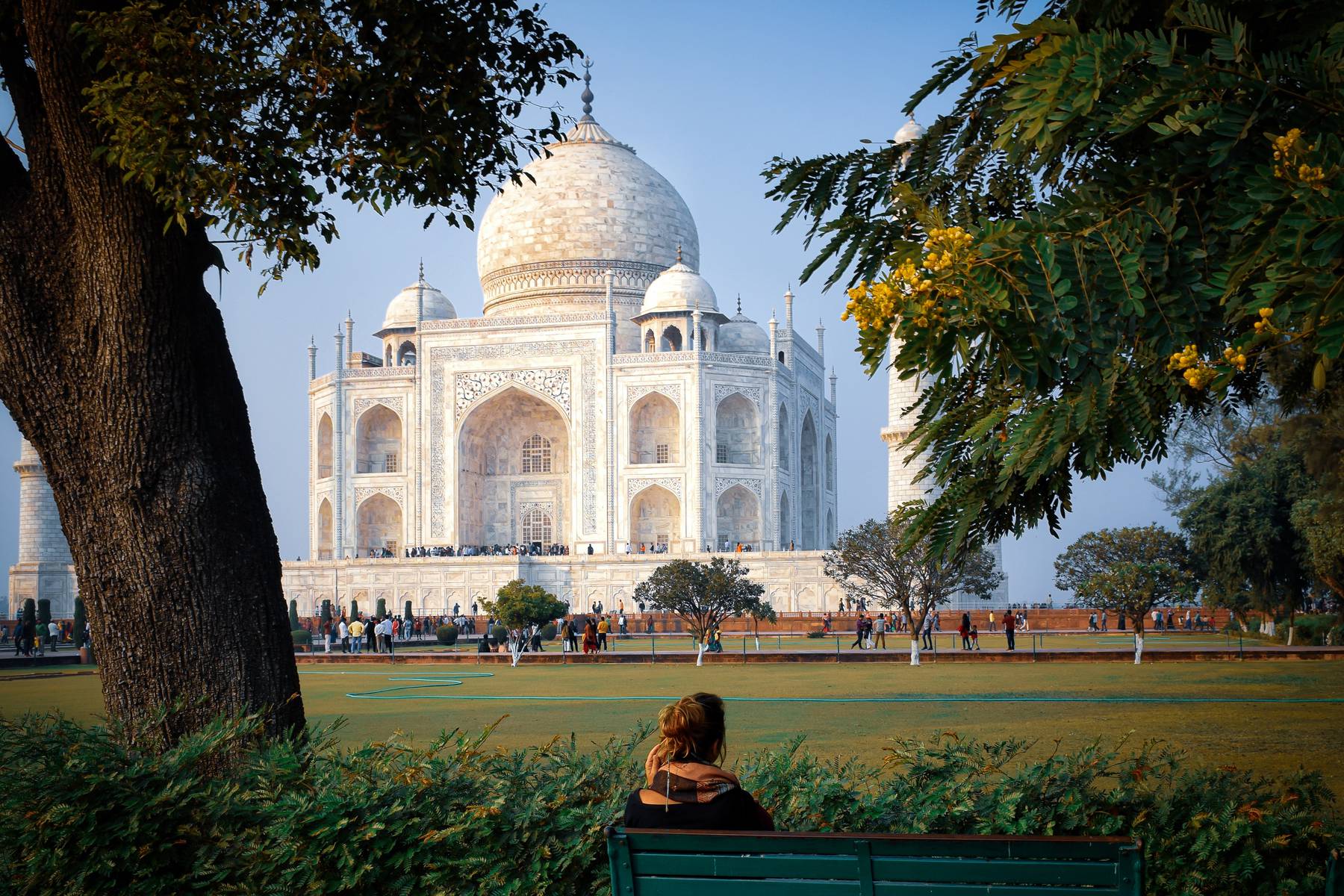
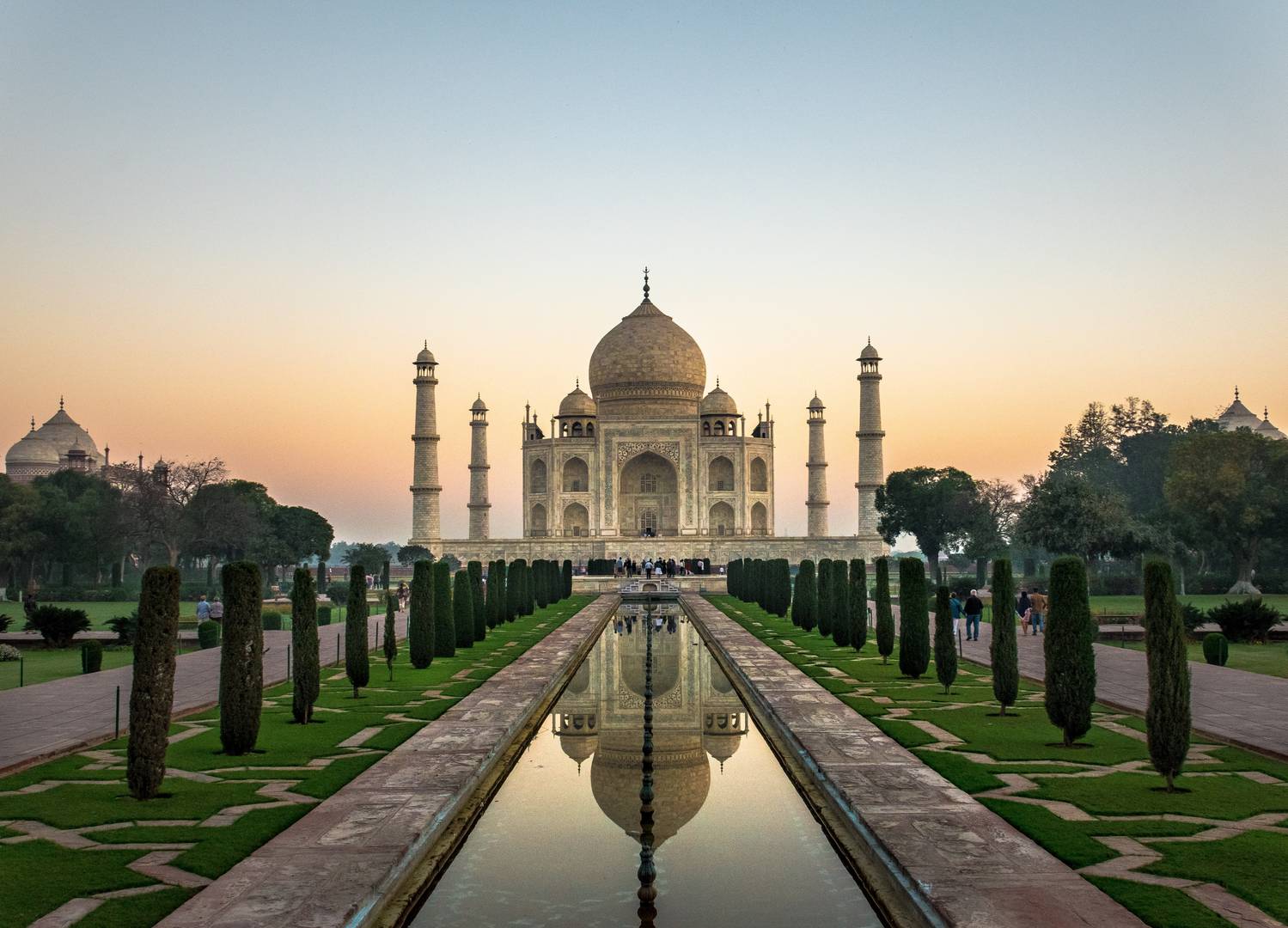
Under resan genom Indien besöker du mäktiga Taj Mahal
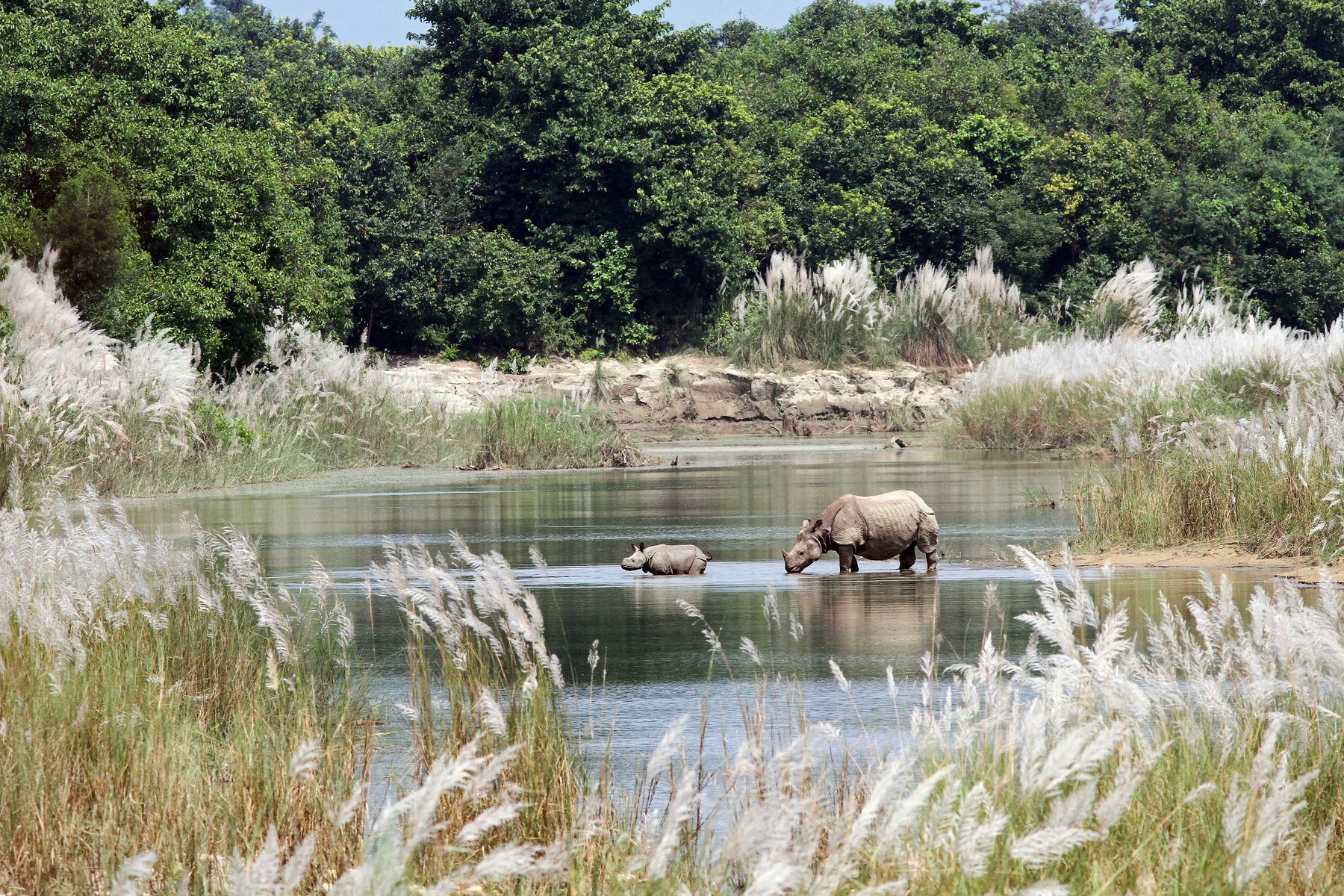
Det lönar sig att vänta och sitta still
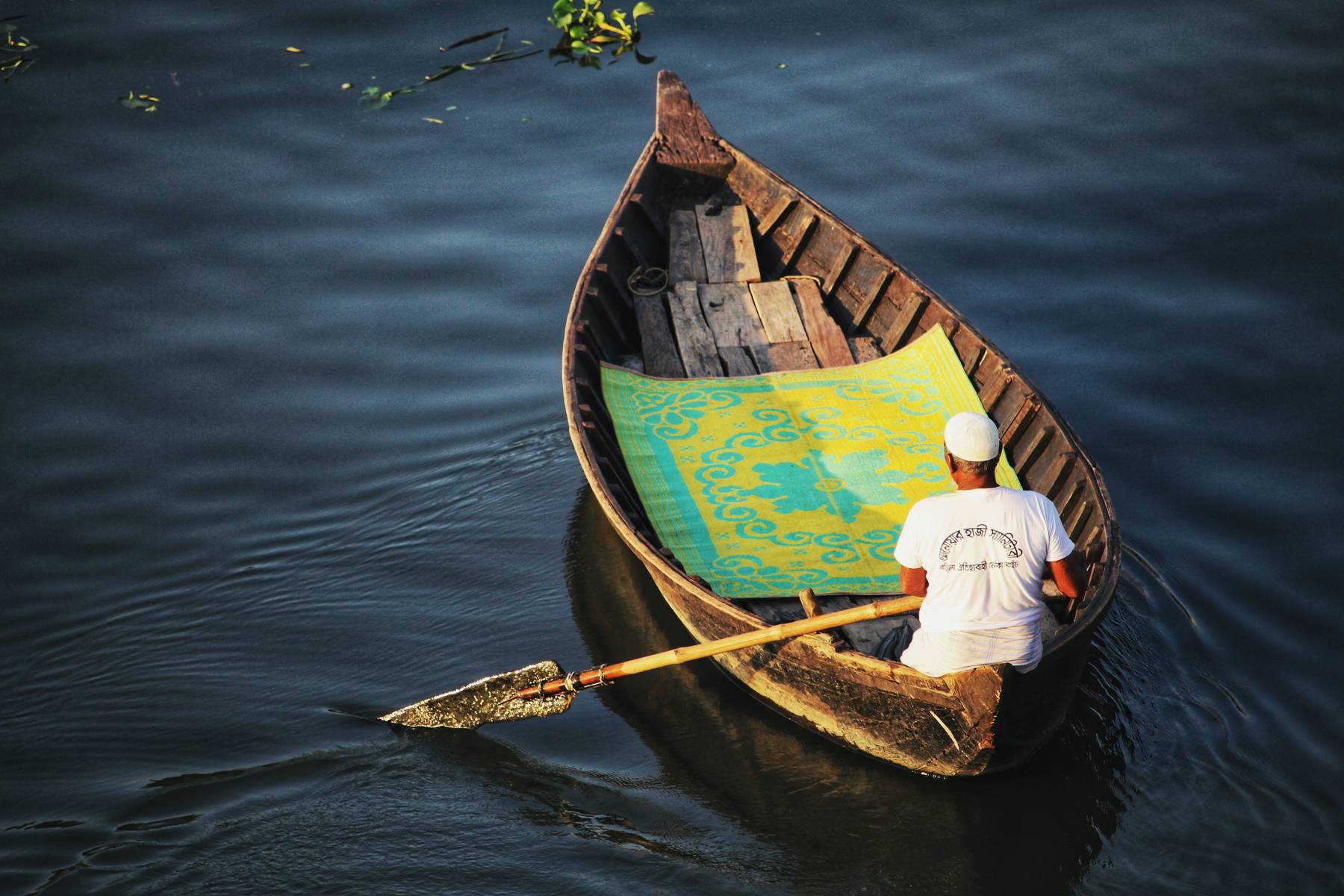
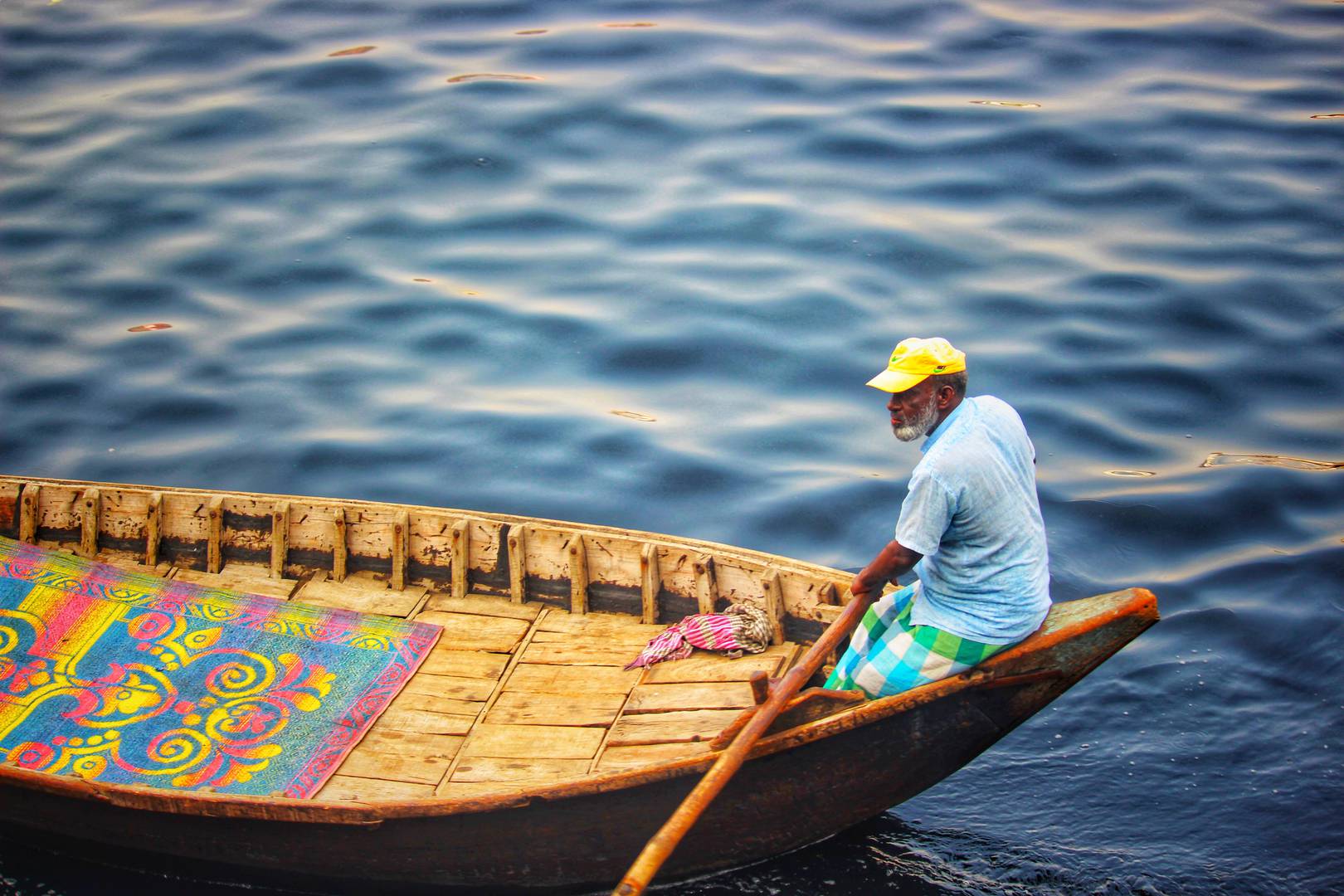
Båtar vid Dhaka i Bangladesh
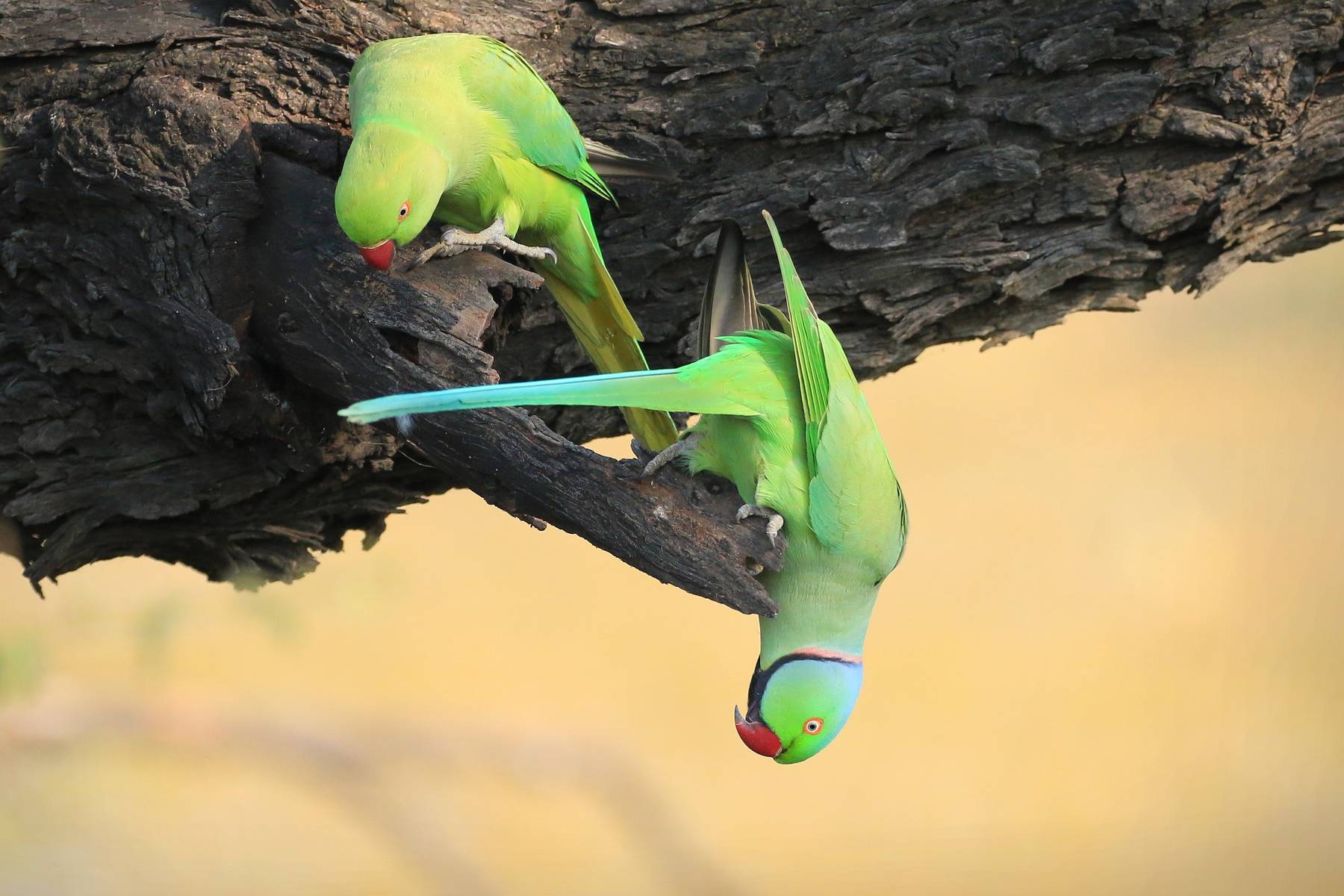
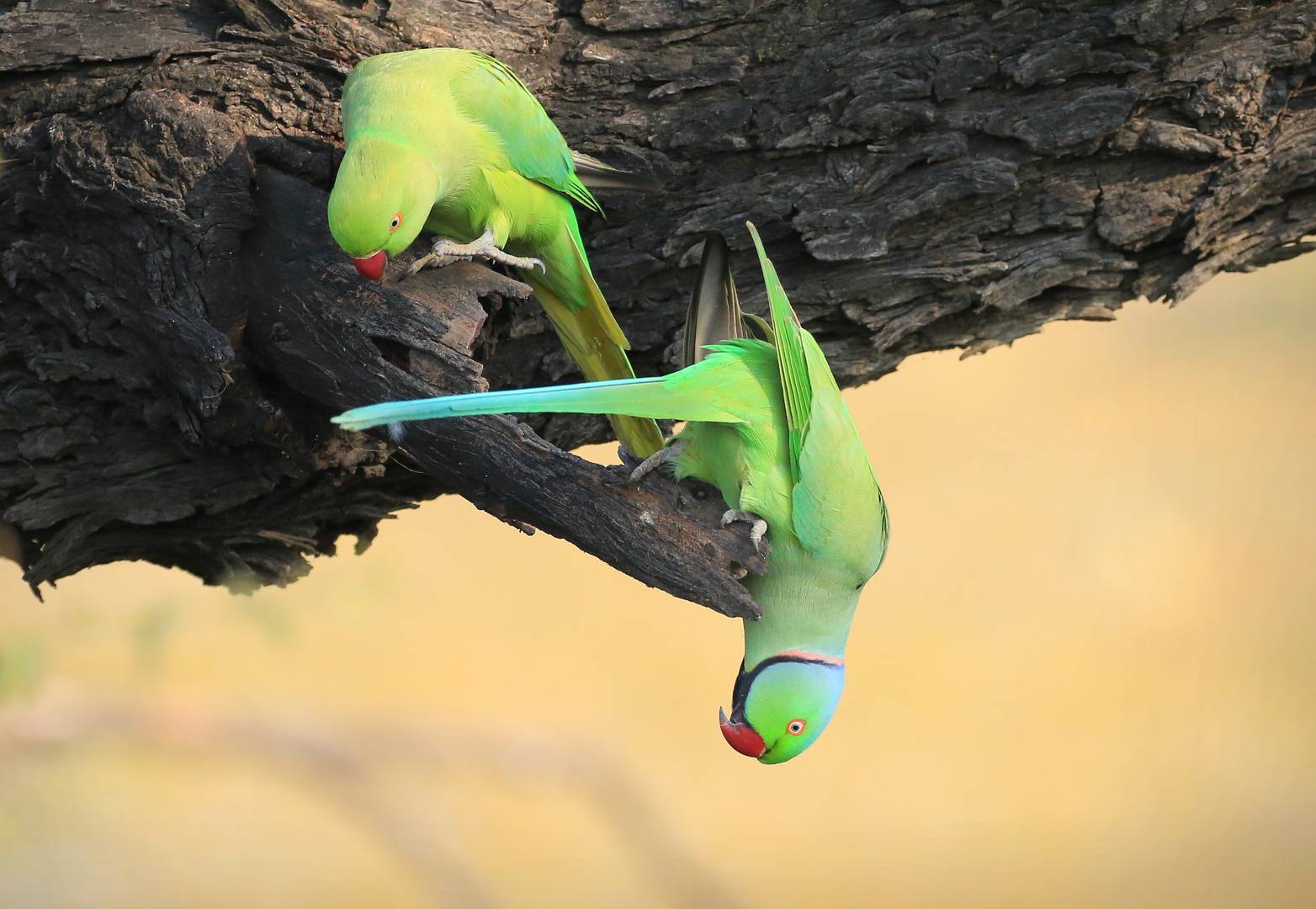
Fantastiskt vackra halsbandsparakiter i nationalparken Keoladeo
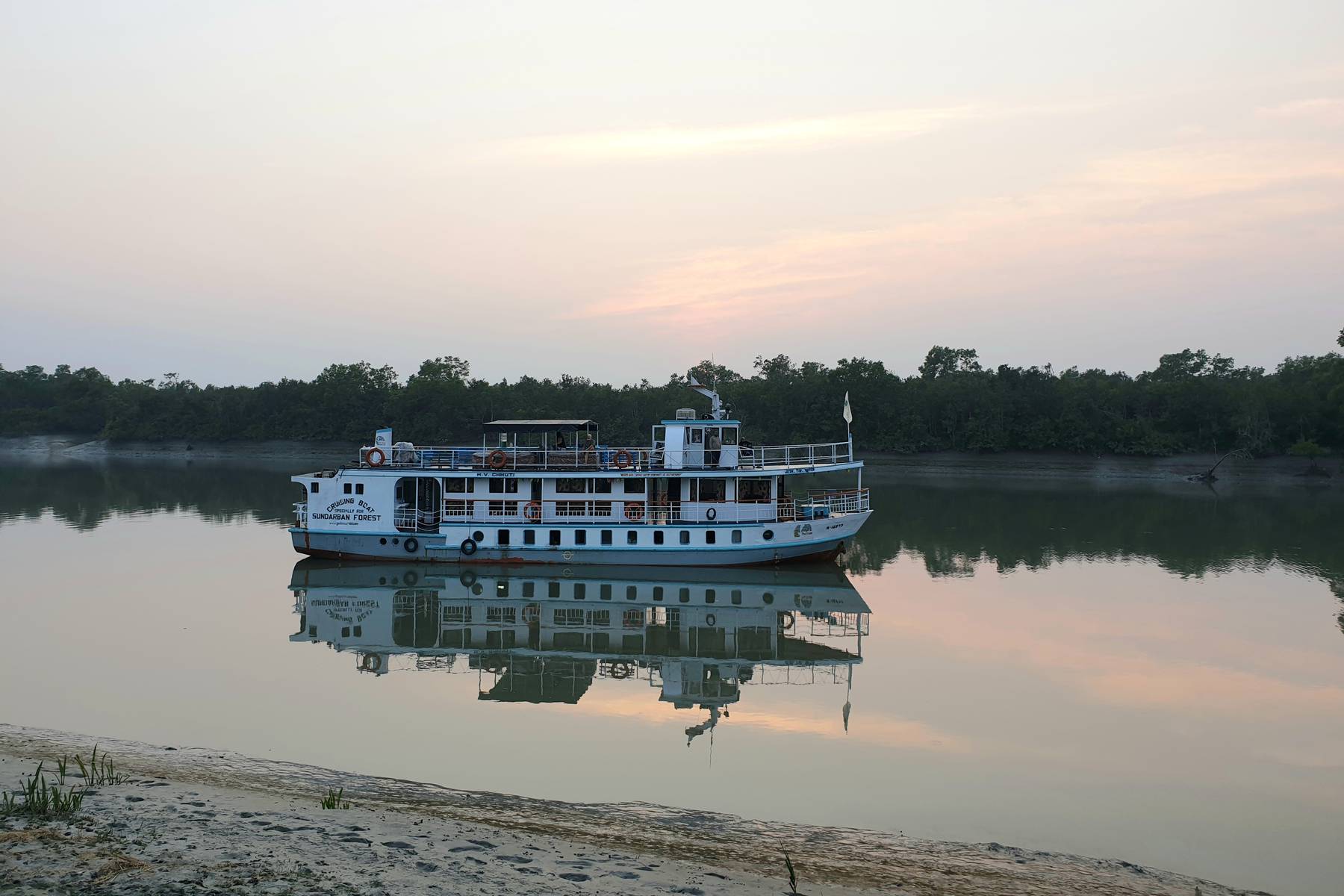
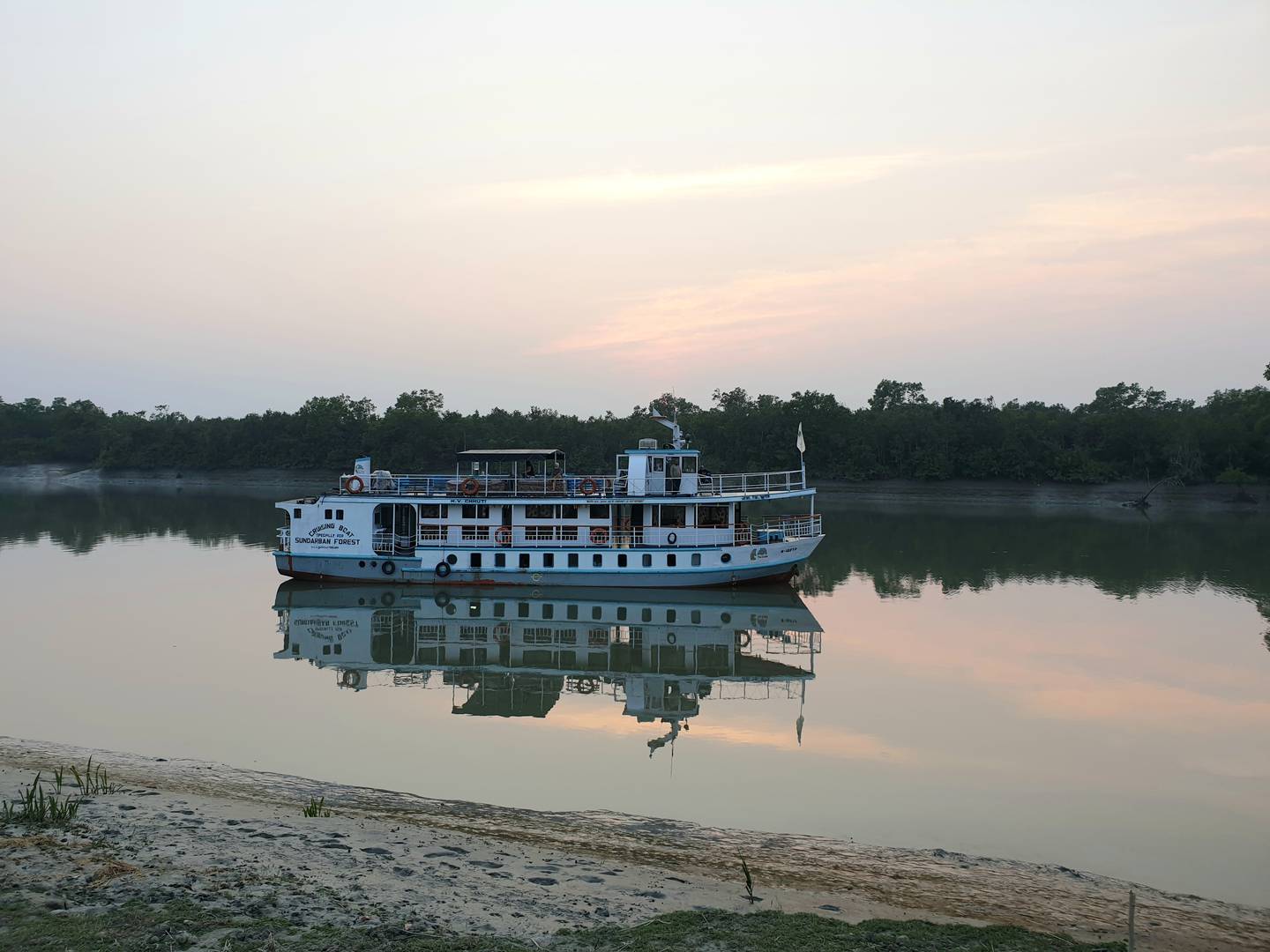
Båten som du bor på när gruppen färdas genom Sundarban i Bangladesh
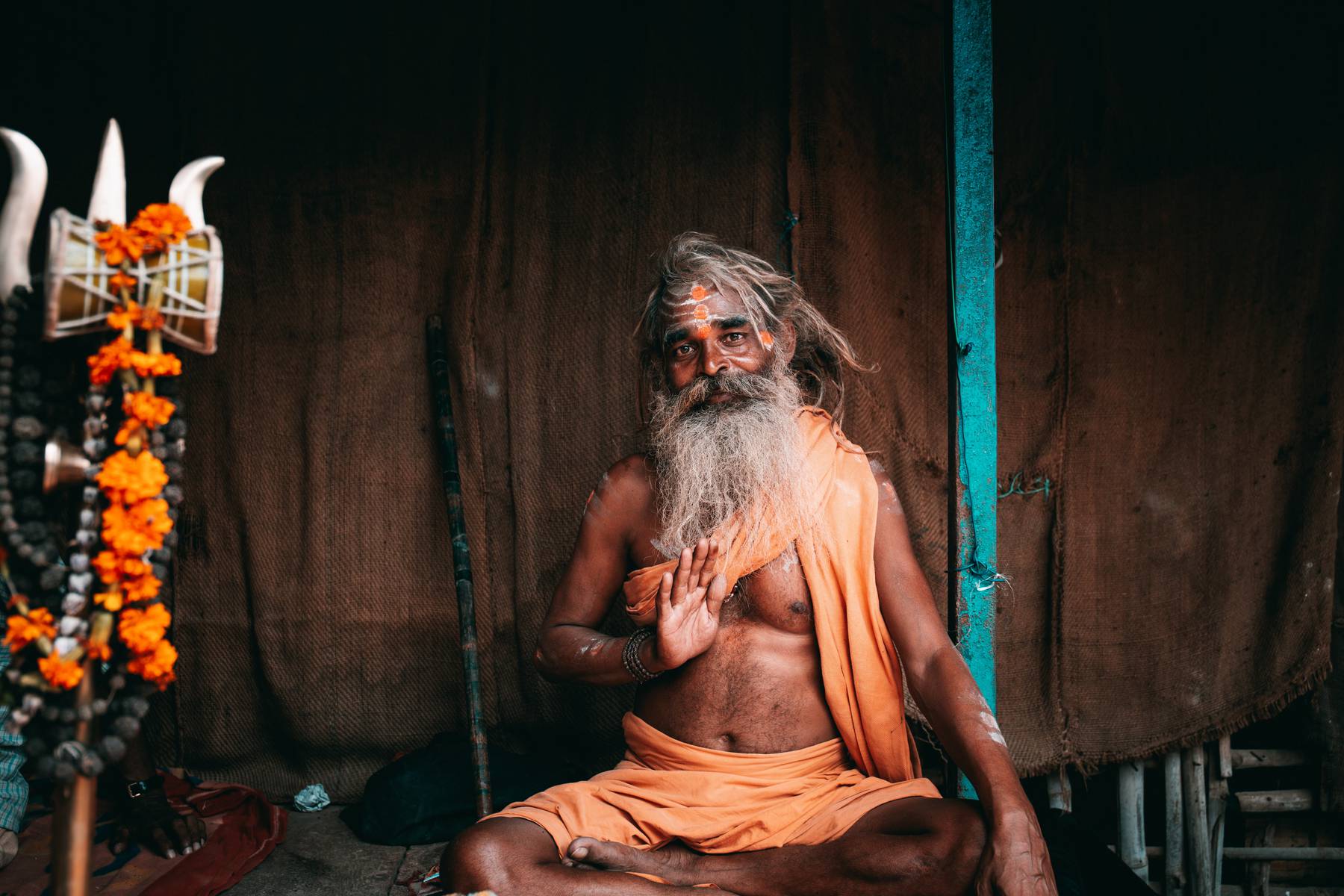
Under besöket i Varanasi träffar du på Sadhus, heliga män.
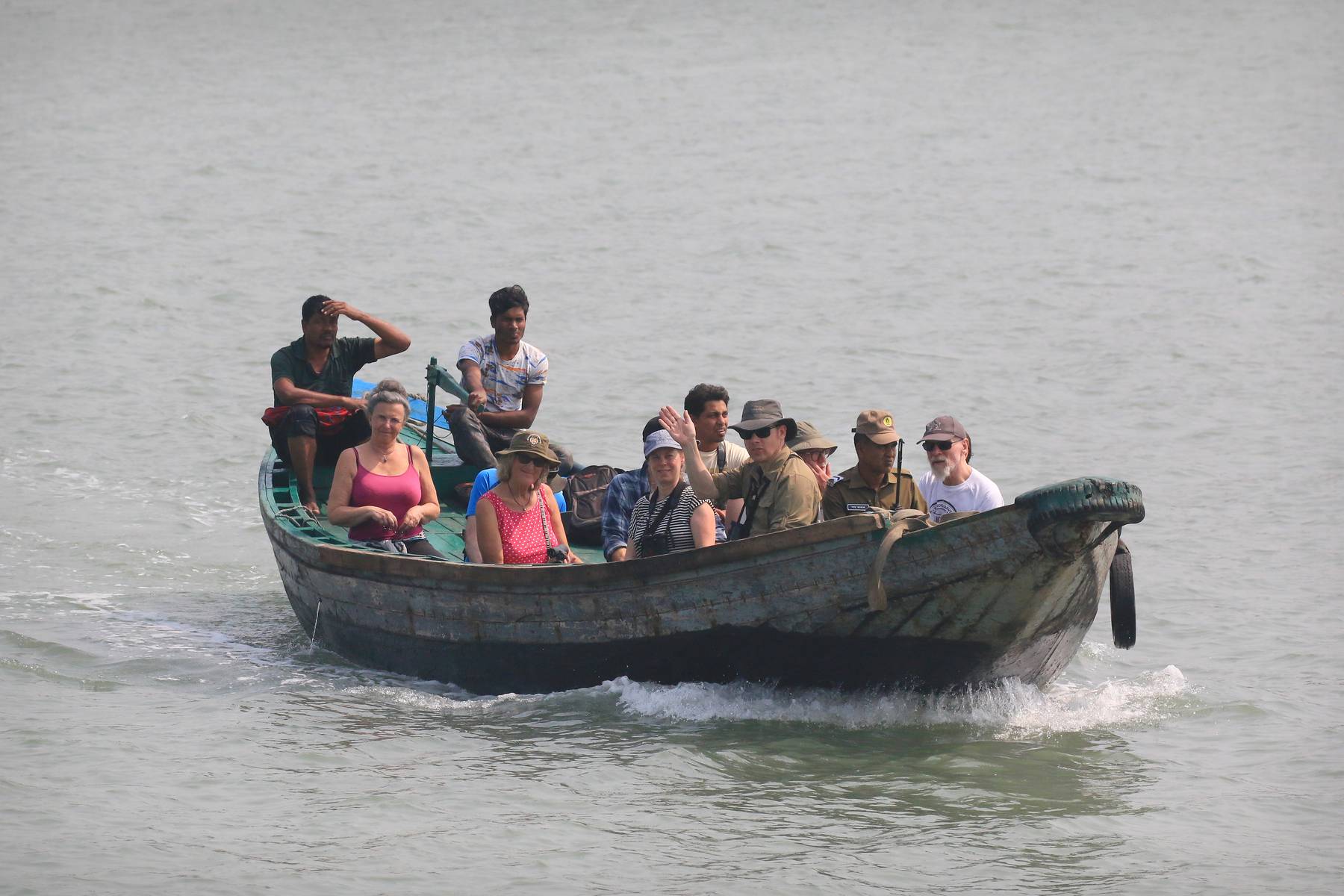
Äventyr i Sundarban, Bangladesh
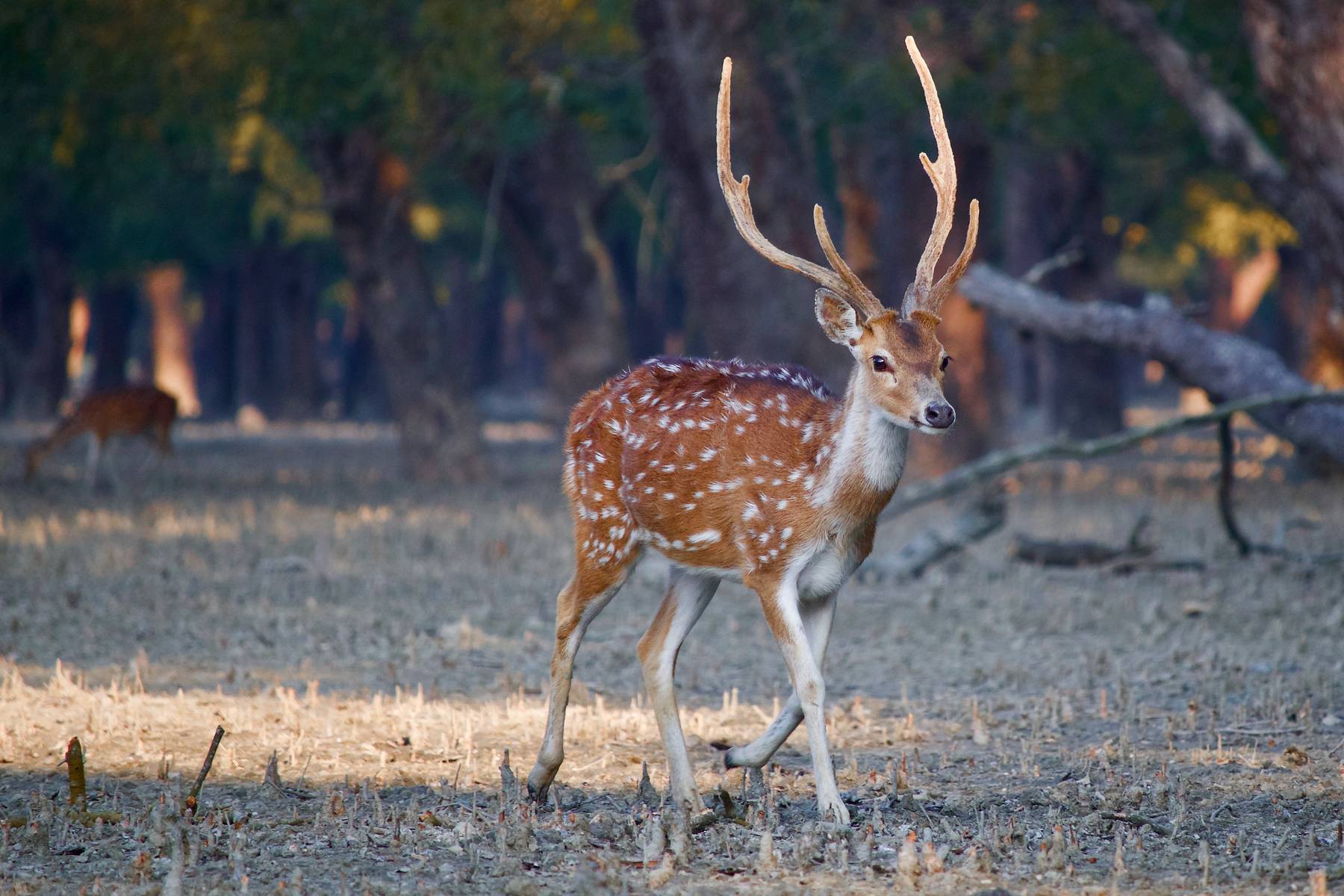
Beundra djurlivet under båtresan genom Sundarban
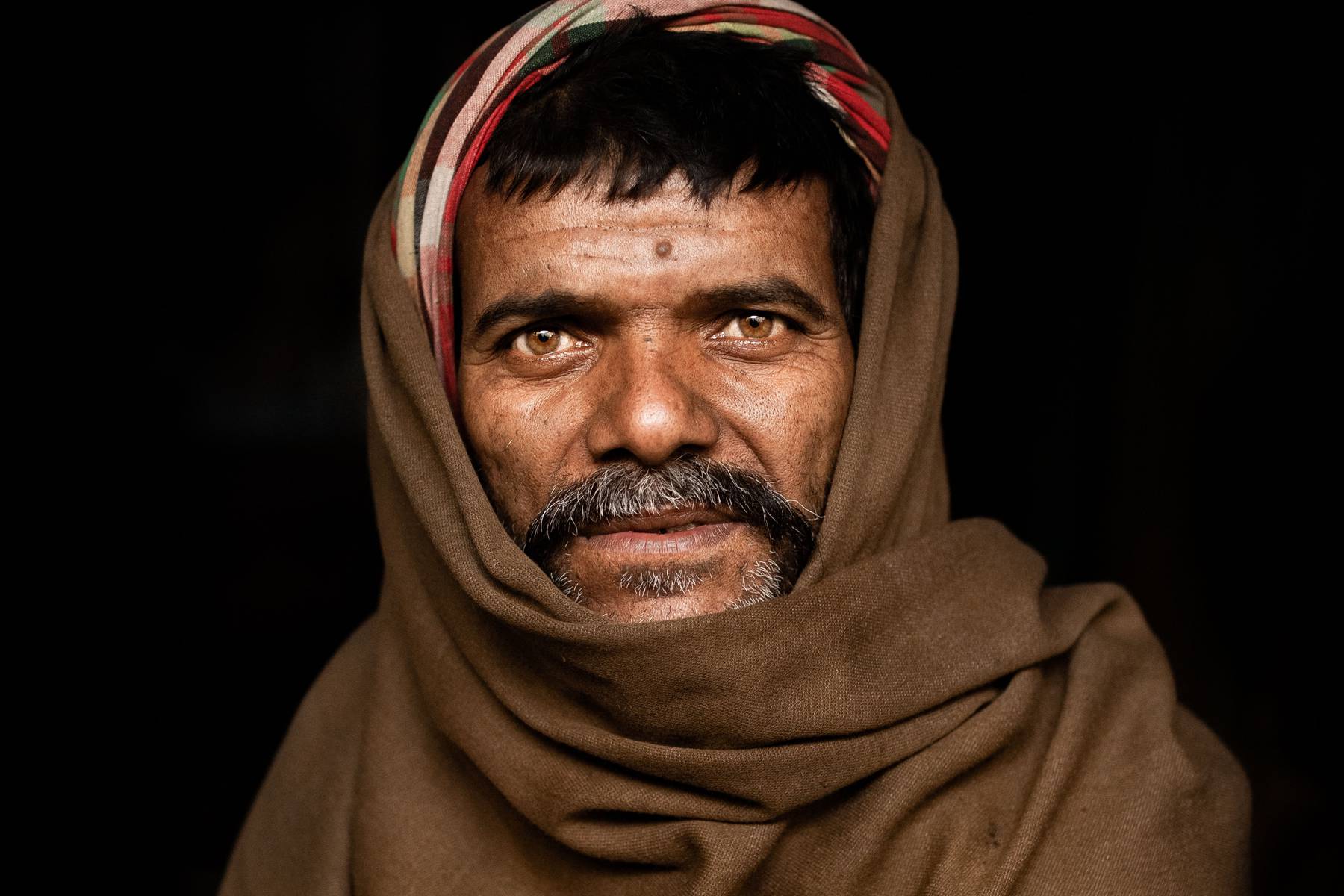
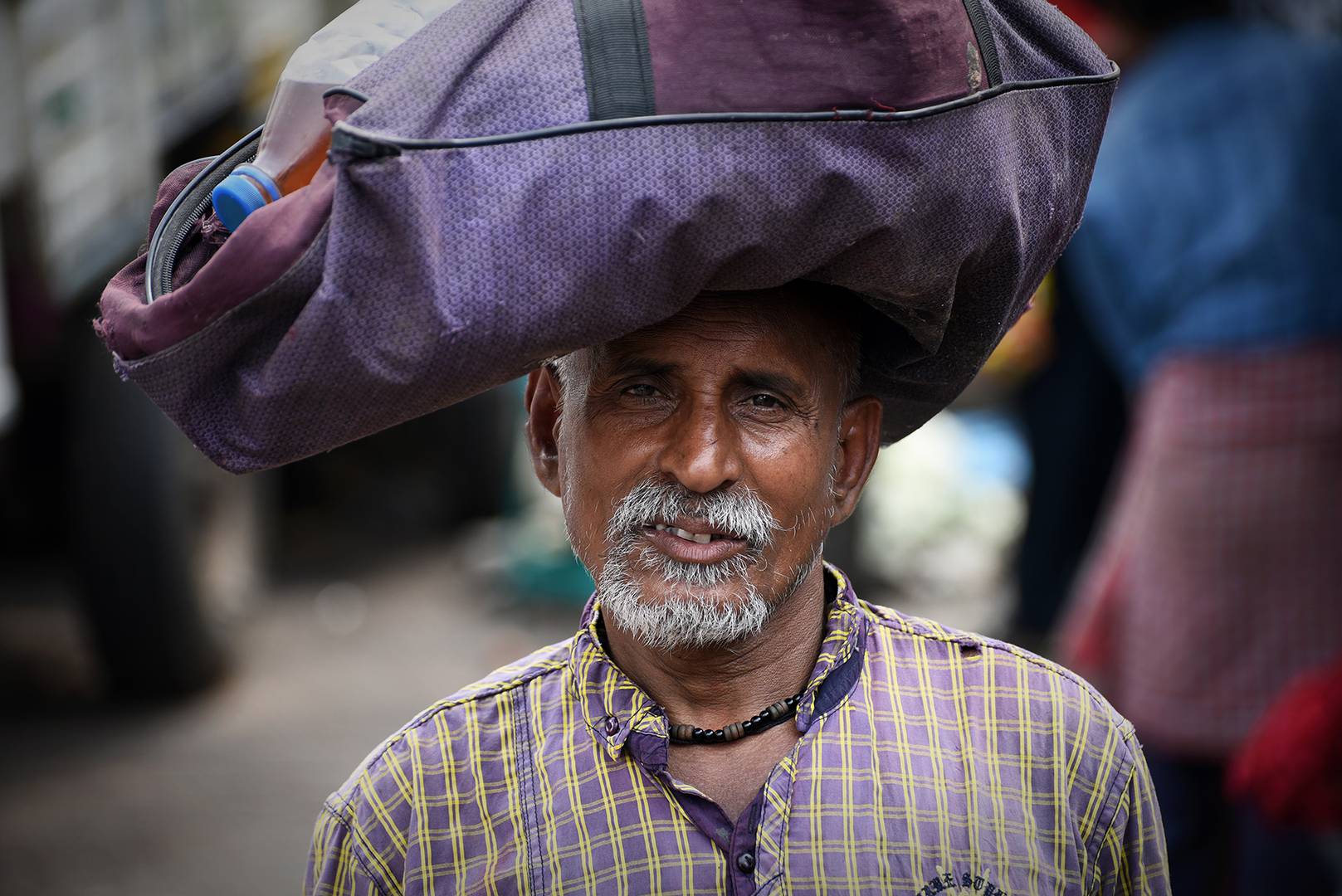
Möte under vistelsen i Calcutta
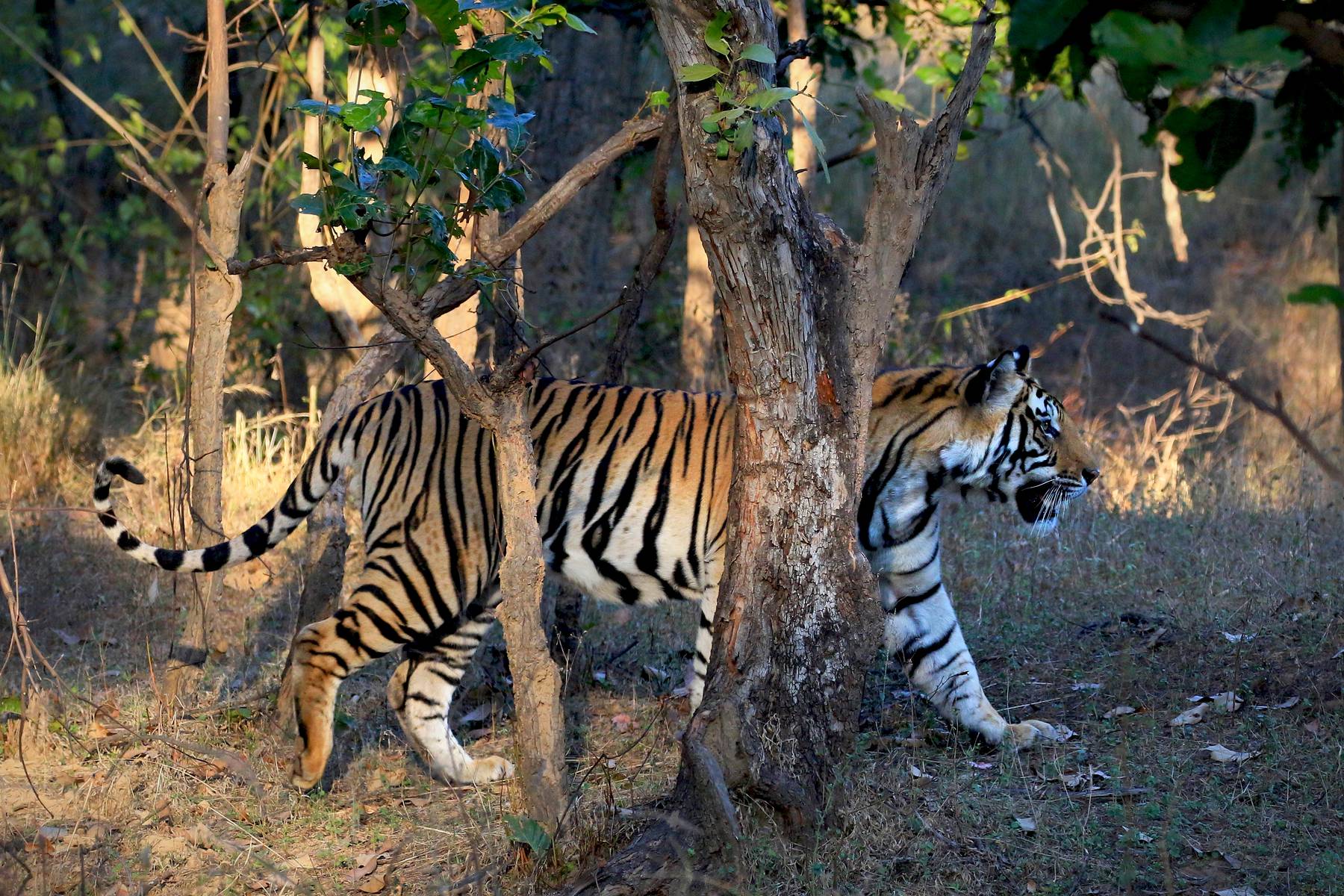
Väldigt stor chans att se tiger i Bandhavgarh
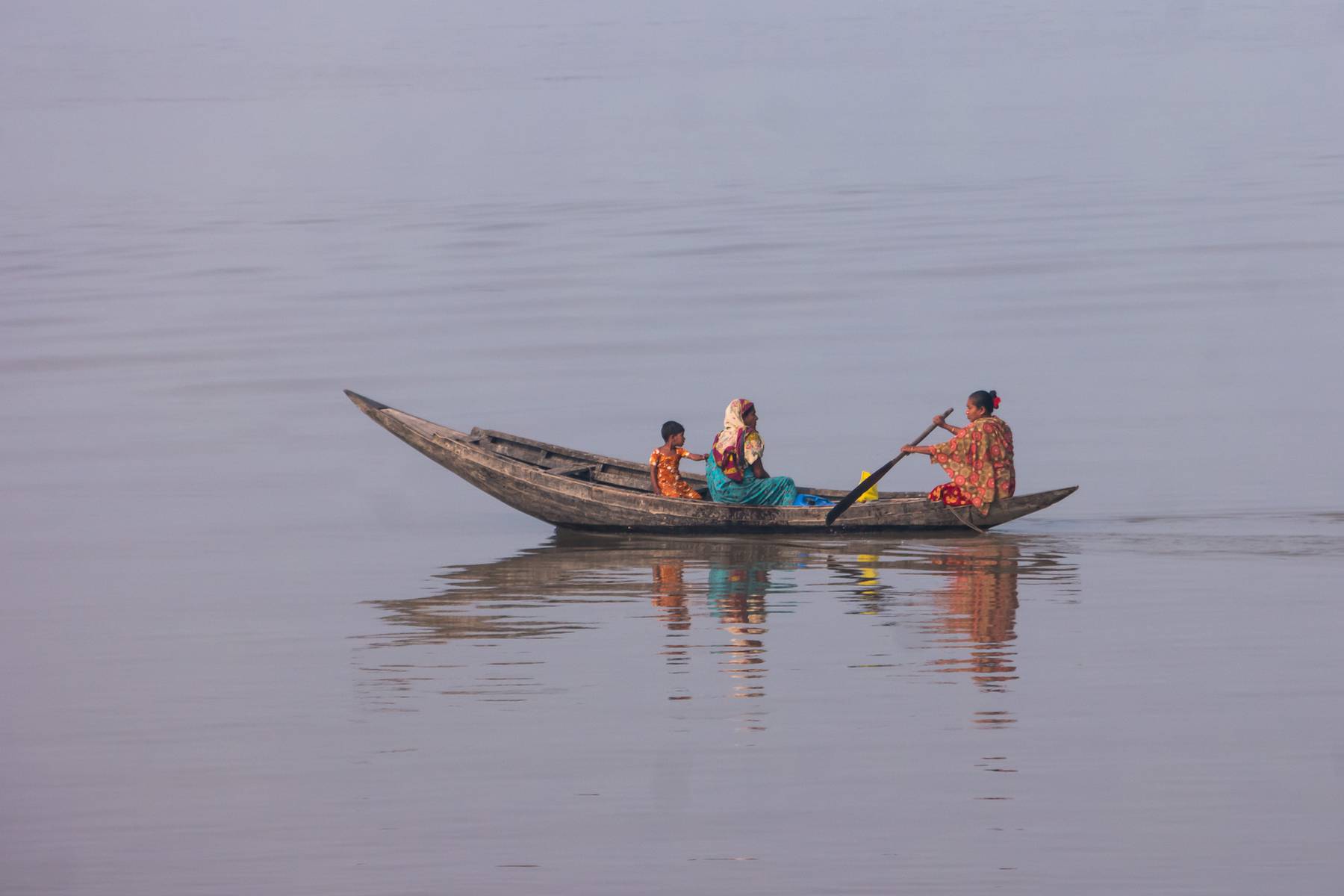
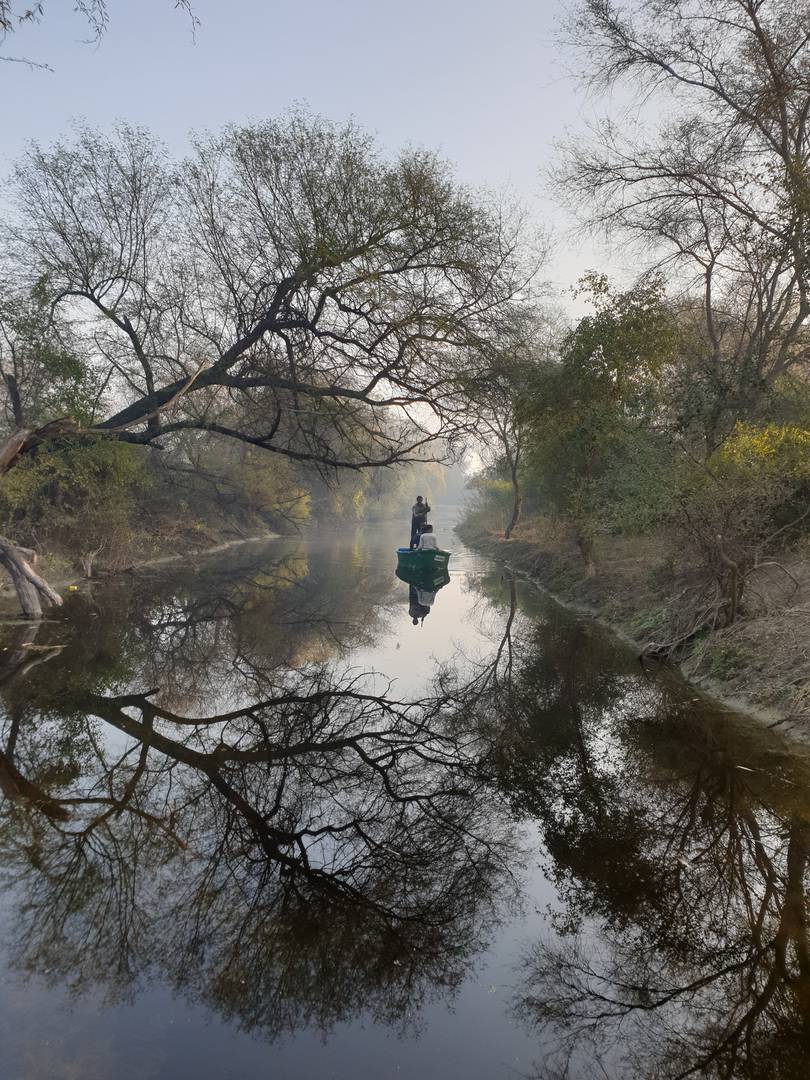
En ensam båt under färden i Sundarban, Bangladesh
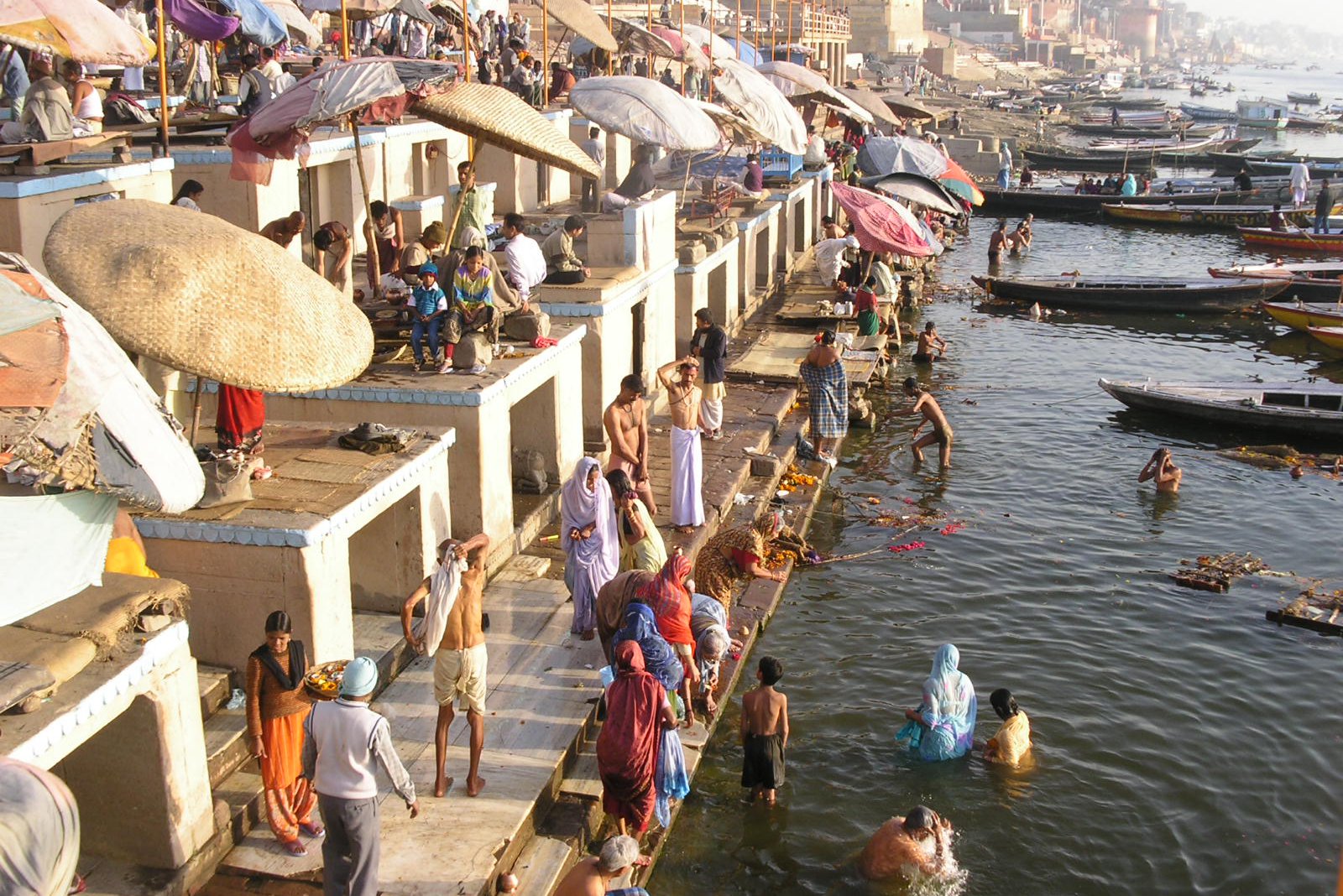
Den heliga staden Varanasi
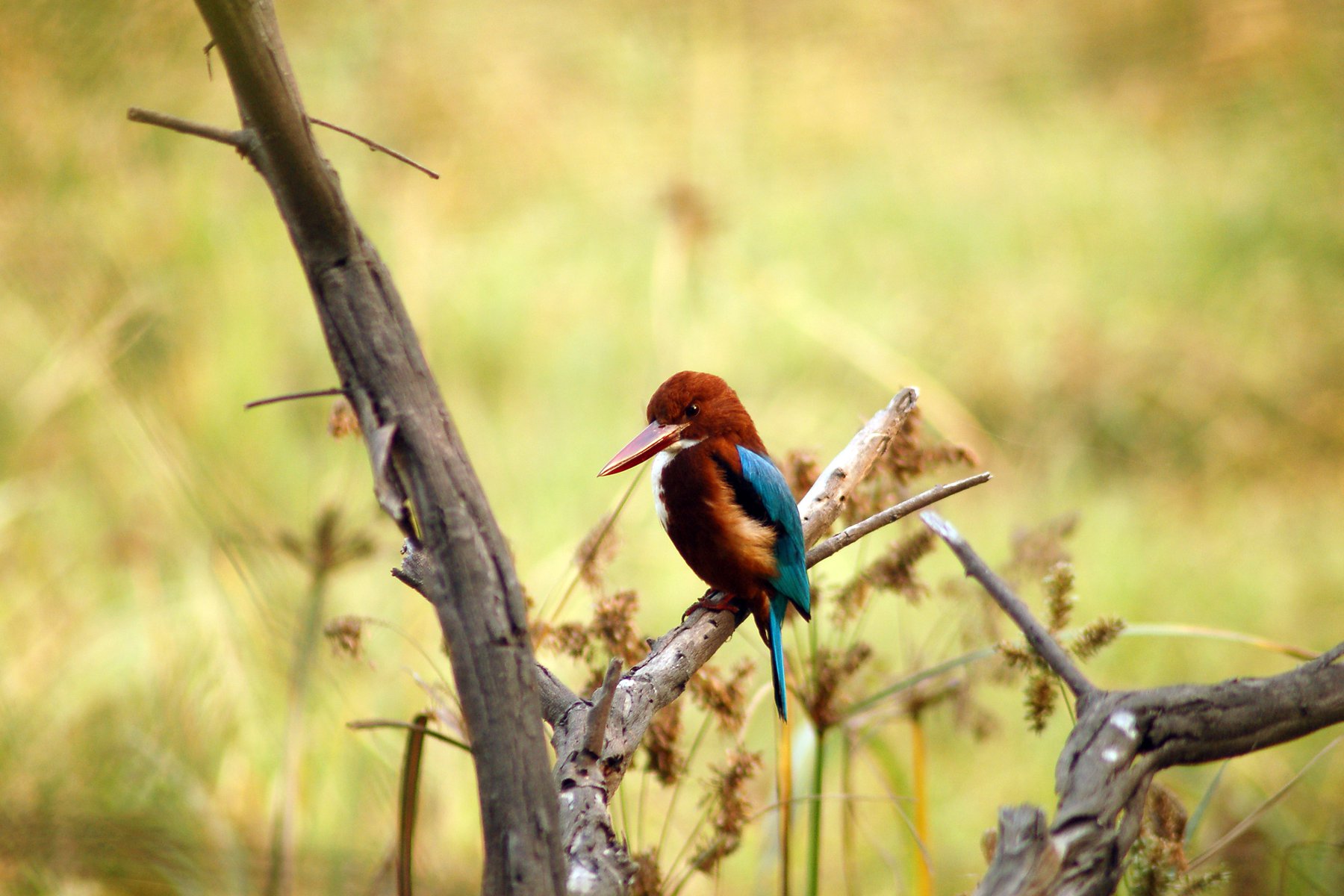
Keoladeo Ghana, ett av världens bästa fågelreservat
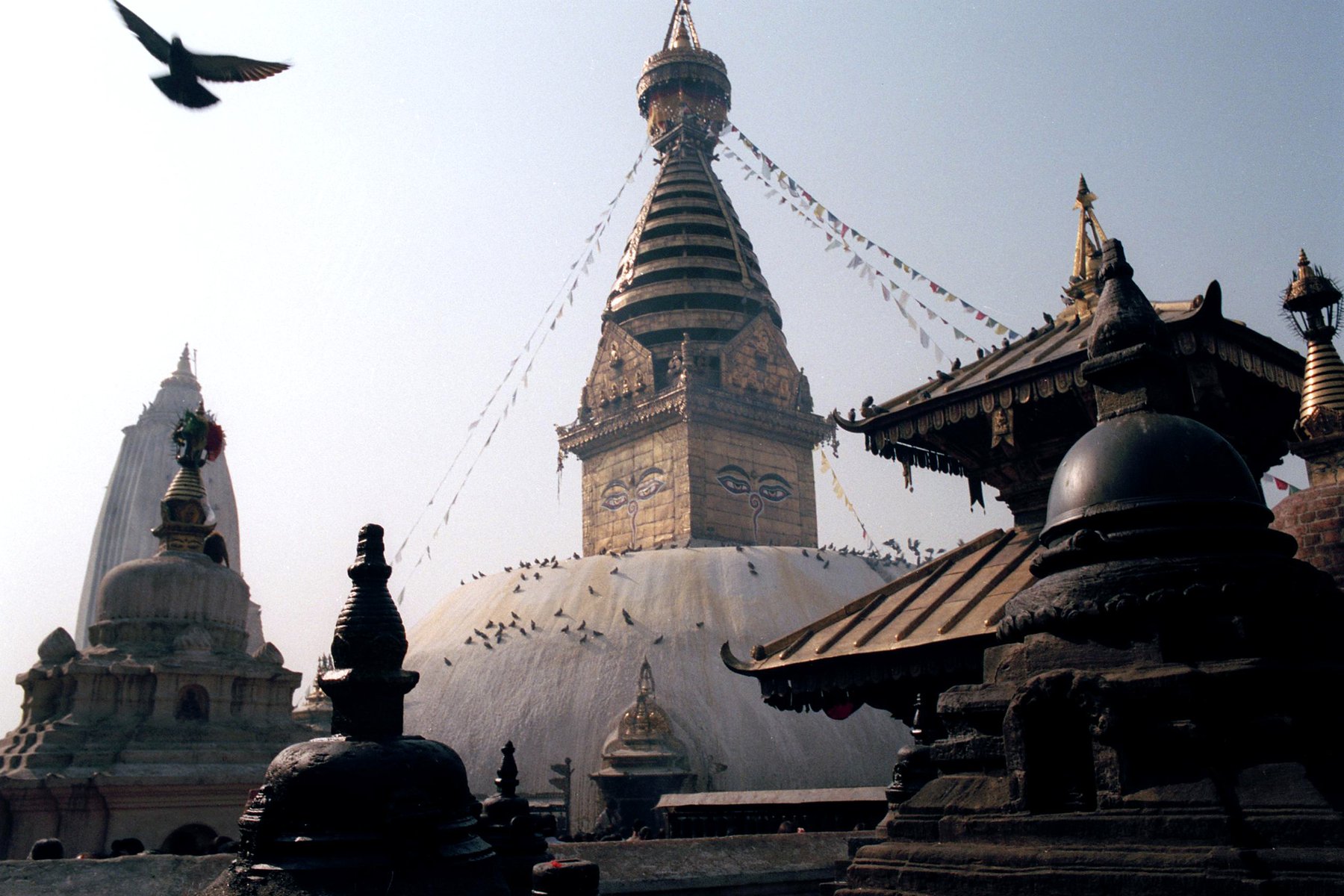
Magnifika Swayambhunath i Kathmandu
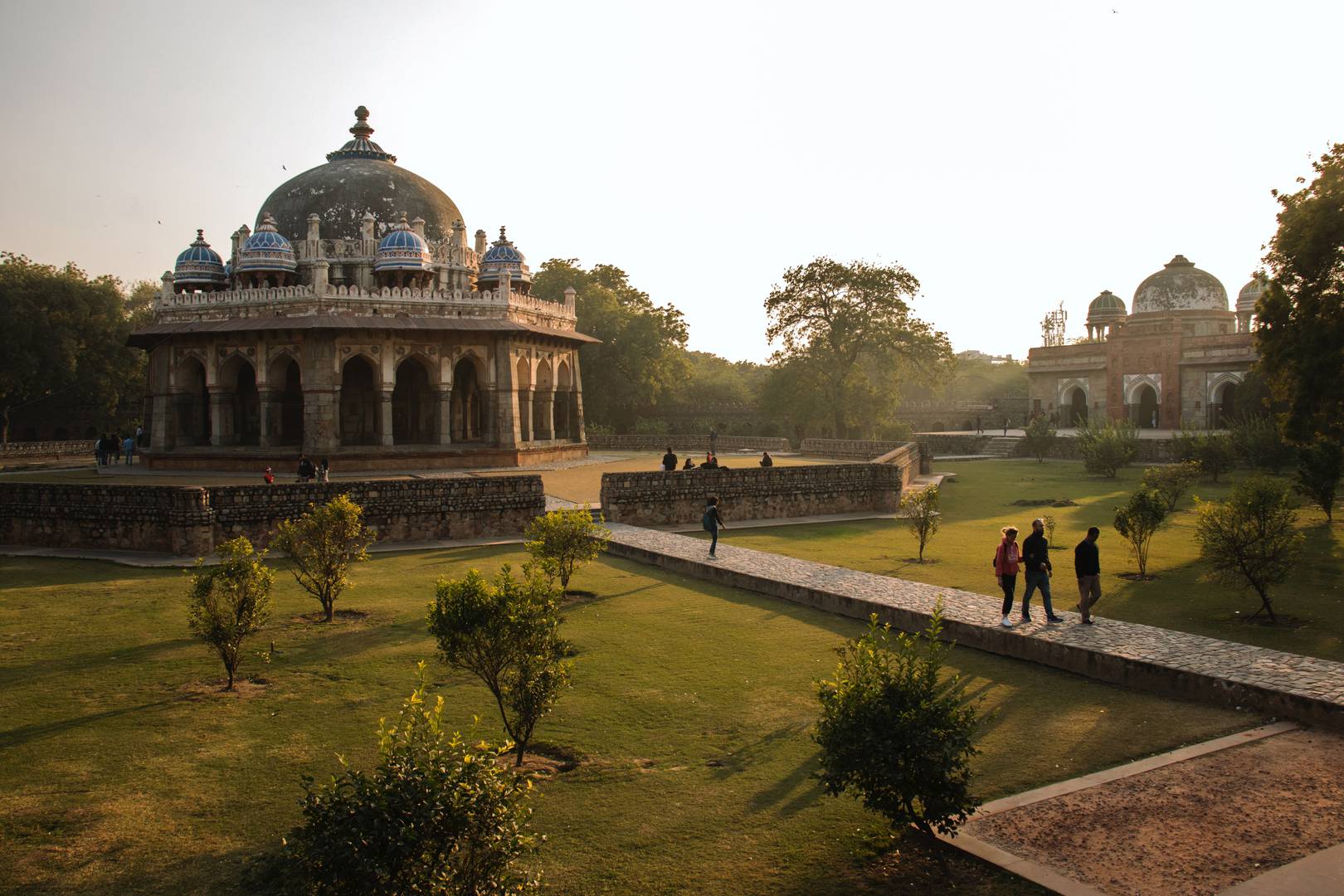
Dag 1 Samling i Delhi
Samling på vårt hotell i Delhi.
Dag 2-3 Kanske världens finaste fågelreservat
Tåg till Bharatpur och nationalparken Keoladeo Ghana, ett av världens finaste fågelreservat. Här finns nära 400 fågelarter och är en favorit bland ornitologer. December är häckningsperiod och i januari har antalet fåglar dubblerats. Här finns flera hjortarter, utter och pytonorm. Du kan cykla eller vandra fritt i parken.
Dag 4 Taj Mahal
Tillbringa morgonen i parken. Buss till Agra där du besöker det vackra mausoleet Taj Mahal och det färgstarka Agra Fort. På kvällen nattåg till Katni.
Dag 5-7 Tigerchans i Bandhavgarh
Buss till nationalparken Bandhavgarh. Landskapet är kuperat med grässlätter och monsunskog. Här kan vi nästan garantera att du får se tiger och mycket annat av Indiens storslagna fauna.
Dag 8-11 Heliga Varanasi och Calcutta
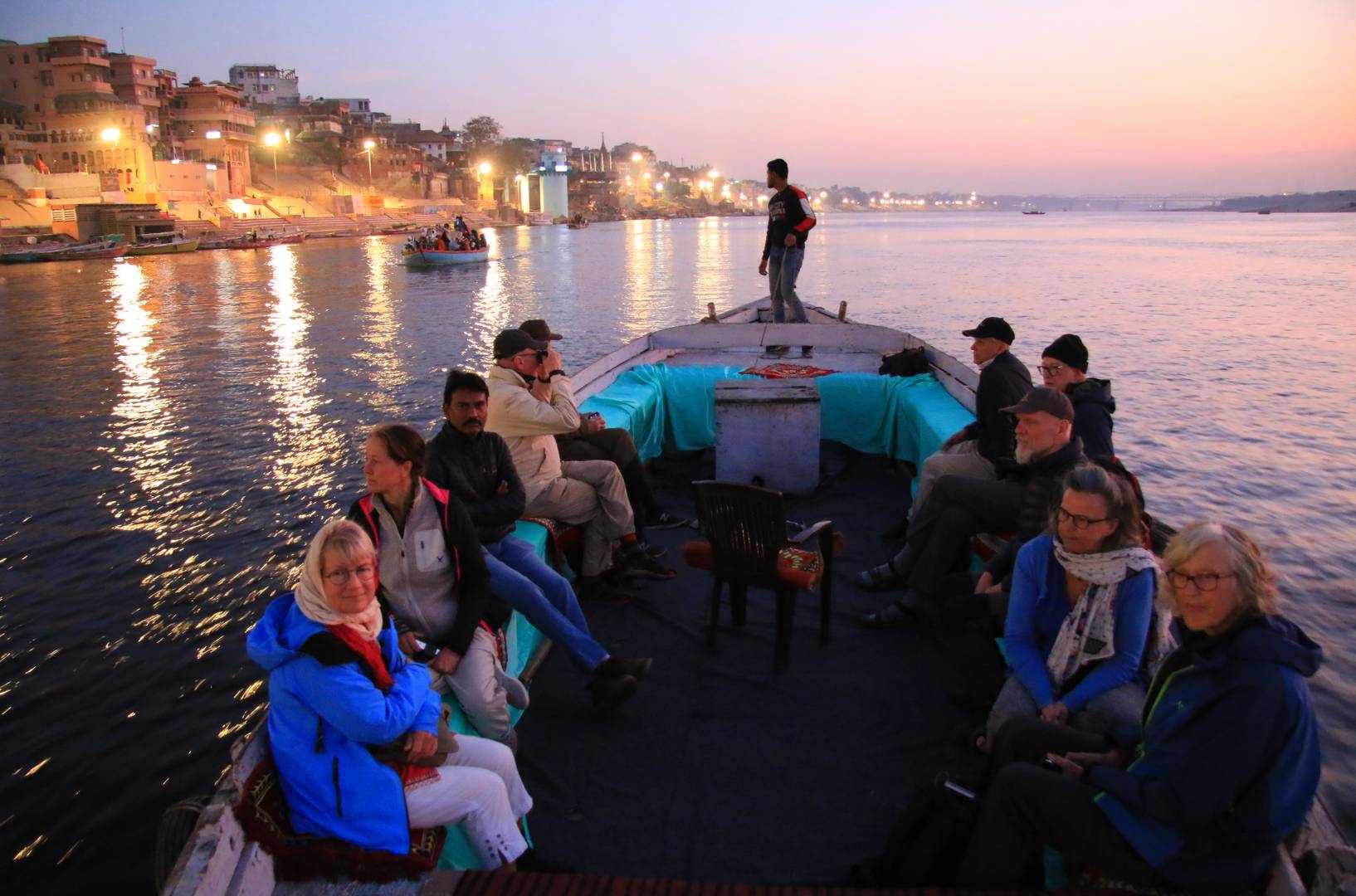
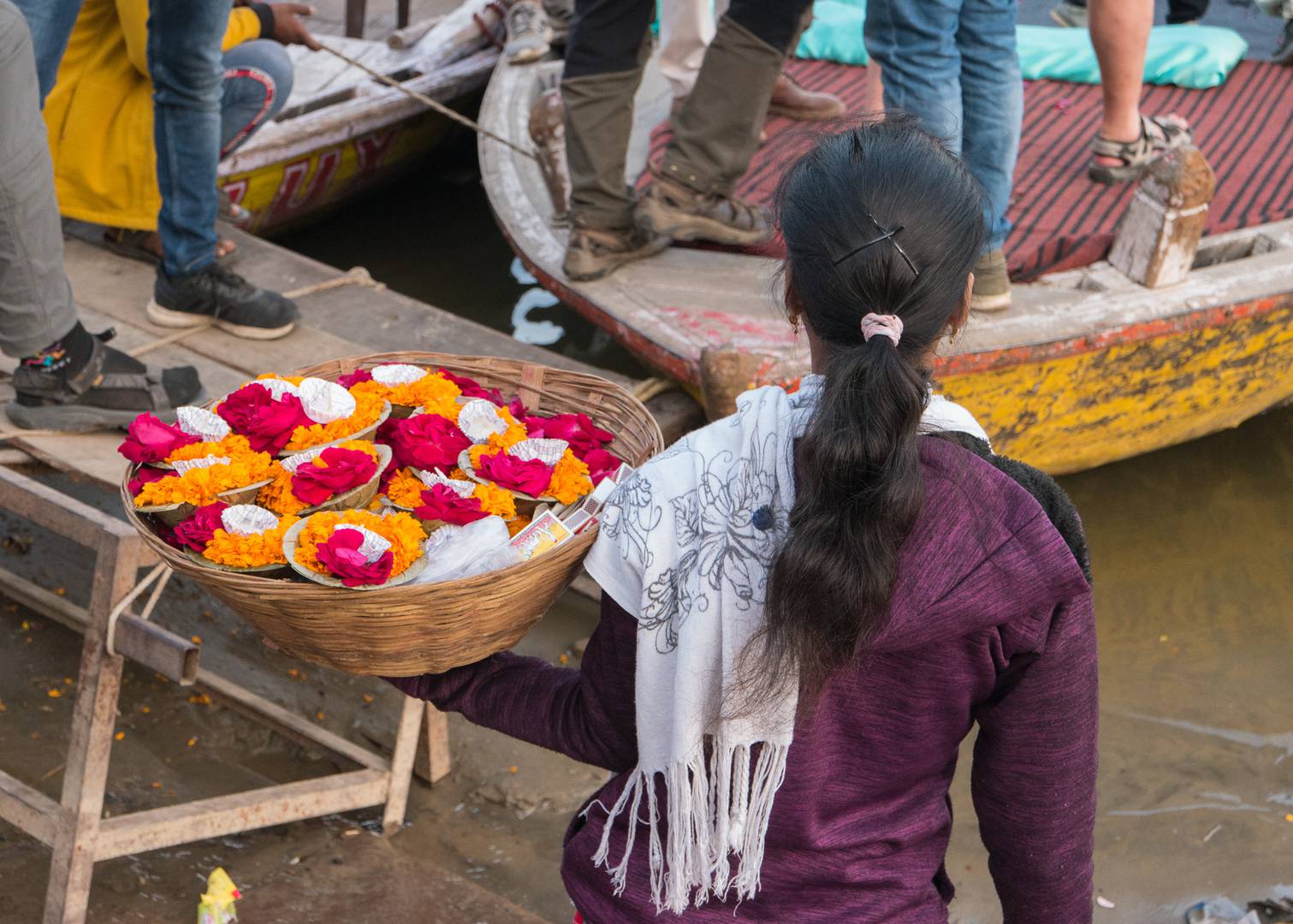
Morgontåg till spännande Varanasi, den heliga staden för både hinduer och buddhister samt centrum för nordindisk kultur. Hit söker sig tiotusentals pilgrimer för att ta del av gudomligheten i den heliga floden Ganges. Dag 10 nattåg till Calcutta, staden som under senare år har genomgått en omfattande modernisering. Här finns ett livligt kulturliv och en rik historia.
Dag 12 Kryssning i Sundarban, Ganges delta
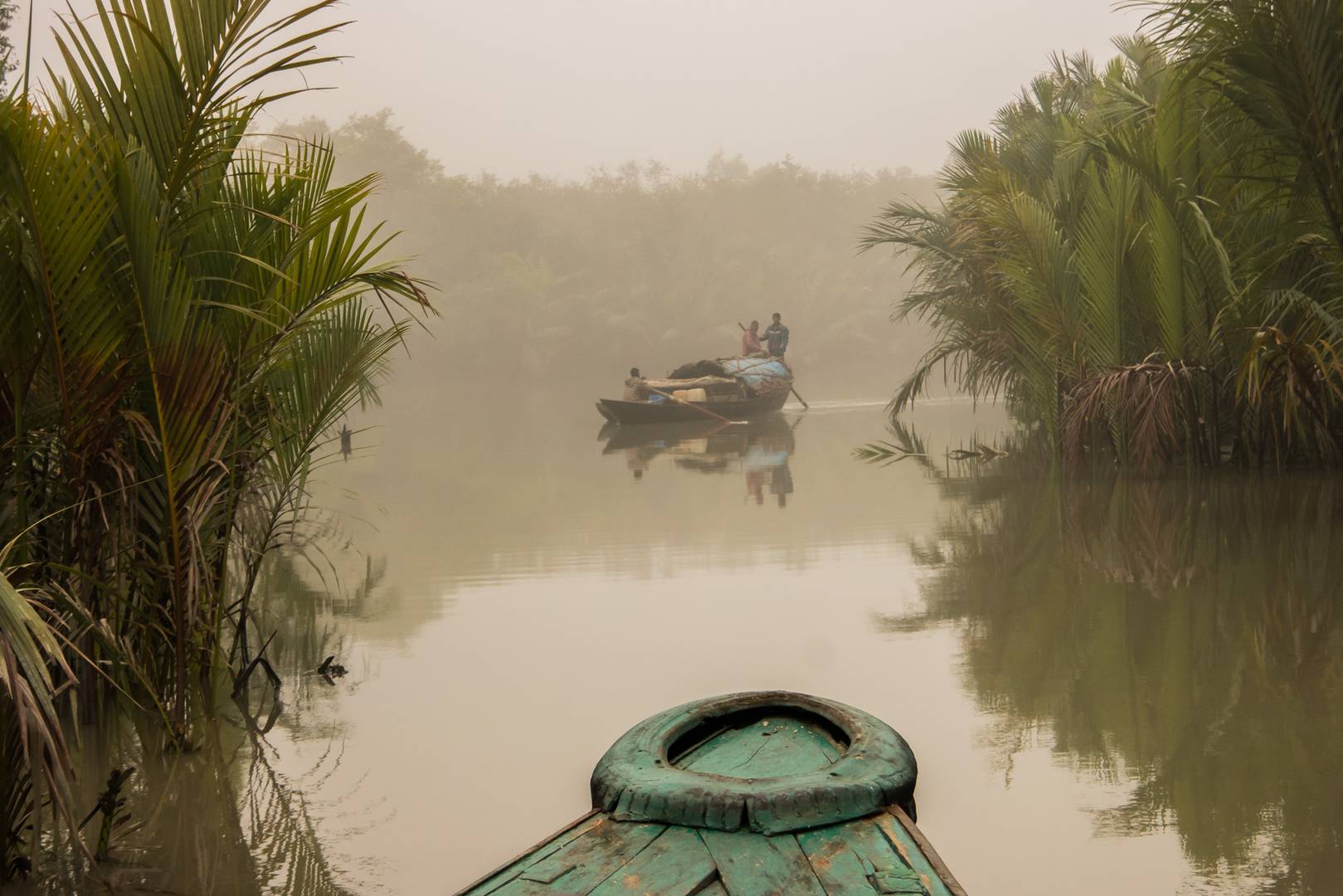
Buss till gränsen mot Bangladesh. Båten MV Chhuti blir ditt hem i fyra dagar. Du äter ombord och maten ingår i resans pris. En exklusiv kryssning och en unik möjlighet att se mangroveskogen i Sundarban, världens i särklass främsta tigerhabitat med ca 400 tigrar. Chansen att se tiger finns, spåren ser du överallt. Hit kommer ytterst få utlänningar. Första dagen kommer du antagligen få se det märkliga fisket med tama uttrar.
Dag 13-15 Längs smala flodarmar, Bengaliska bukten
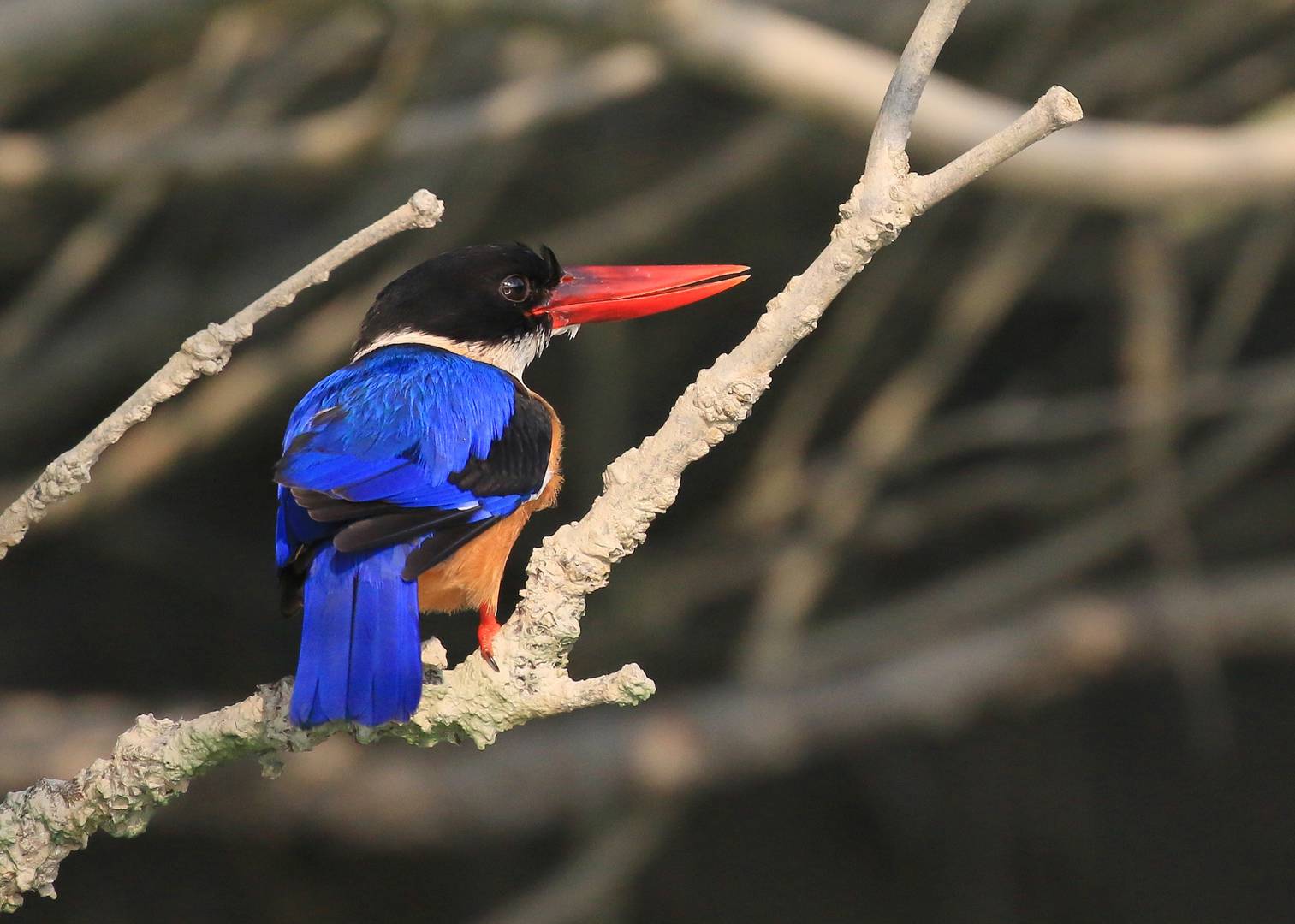
Många utflykter med dinggy, en mindre paddlad båt, både på morgnar och vid solnedgången. Du får se kungsfiskare, biätare, hägrar, stora varaner, vildsvin och kanske krokodil. Överallt ser du vackra chitalhjortar. Du vandrar över vida strandängar som får en gyllene färg i solnedgången. Ta gärna ett dopp i Bengaliska viken. Vid Kotka skogsstation kan du sitta still och vänta på att det dyker upp djur. Du blir inte besviken! Sista dagen går båten på kvällen tillbaka till Khulna.
Dag 16 Buss till Dhaka
Buss till Dhaka. Resan går över den långa bron över Brahmaputra, som här kallas Jumna.
Dag 17 Dhaka - folkliv och moskéer
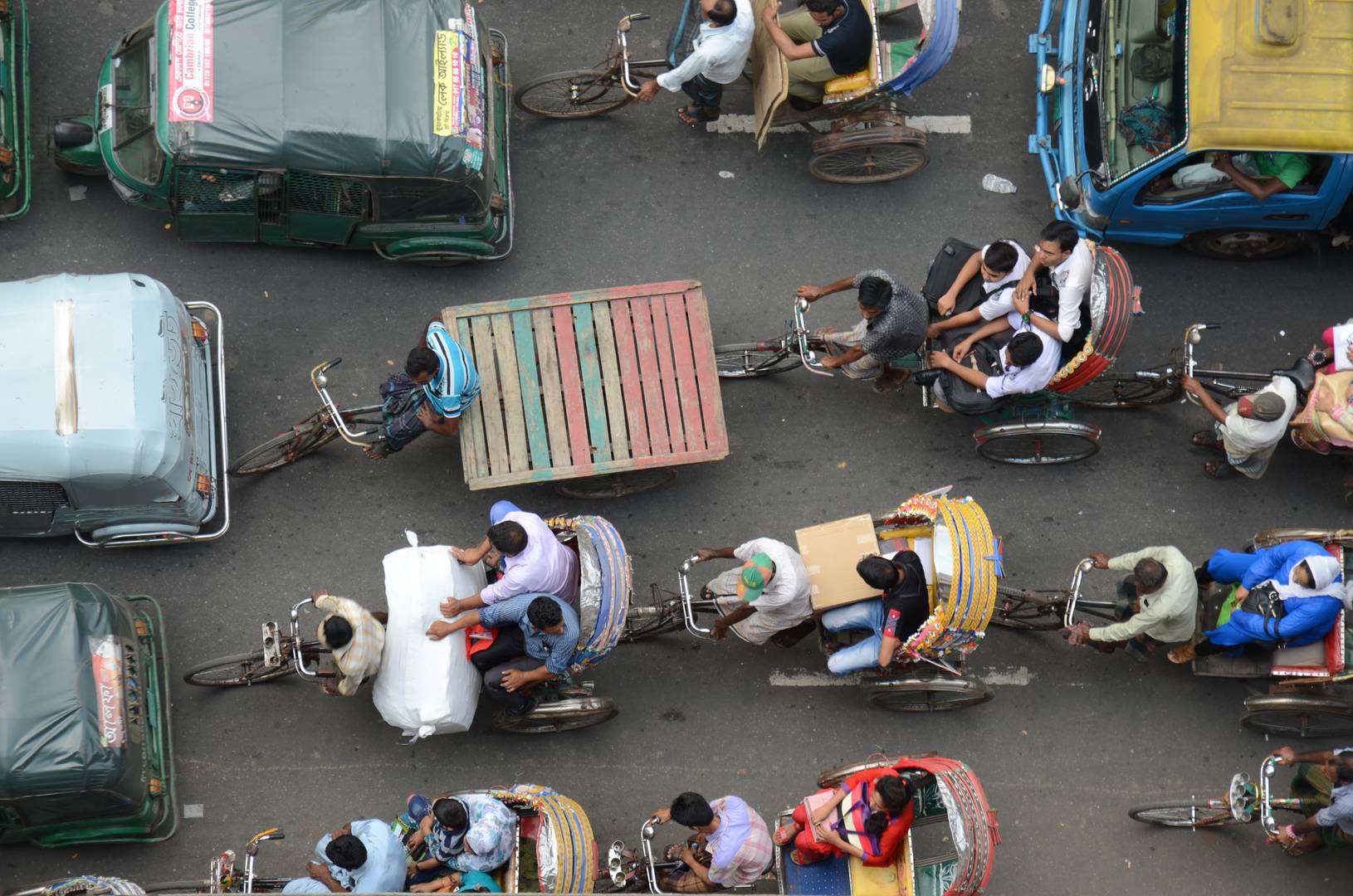
Organiserad rundtur i Dhaka. Trafiken kan vara kaotisk och trängseln i de gamla delarna vid flodhamnen Sadar Ghat är överväldigande. Men vilket folkliv! Du ser även den stora moskéen Al Baitum Mukarram. Vid järnvägsstationen i Kamalpur kan du se när överlastade tåg kommer in.
Dag 18-19 Flyg till Kathmandu
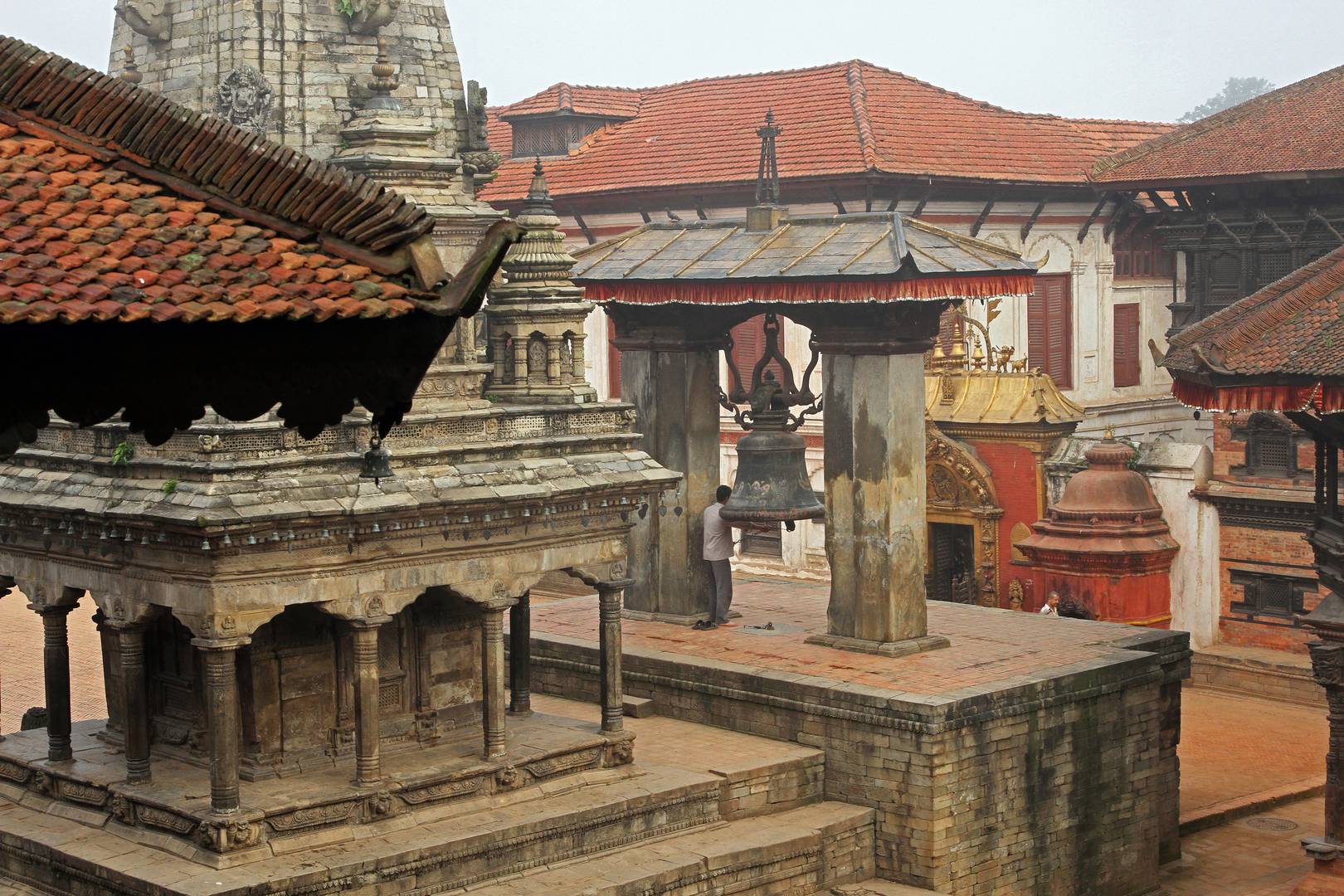
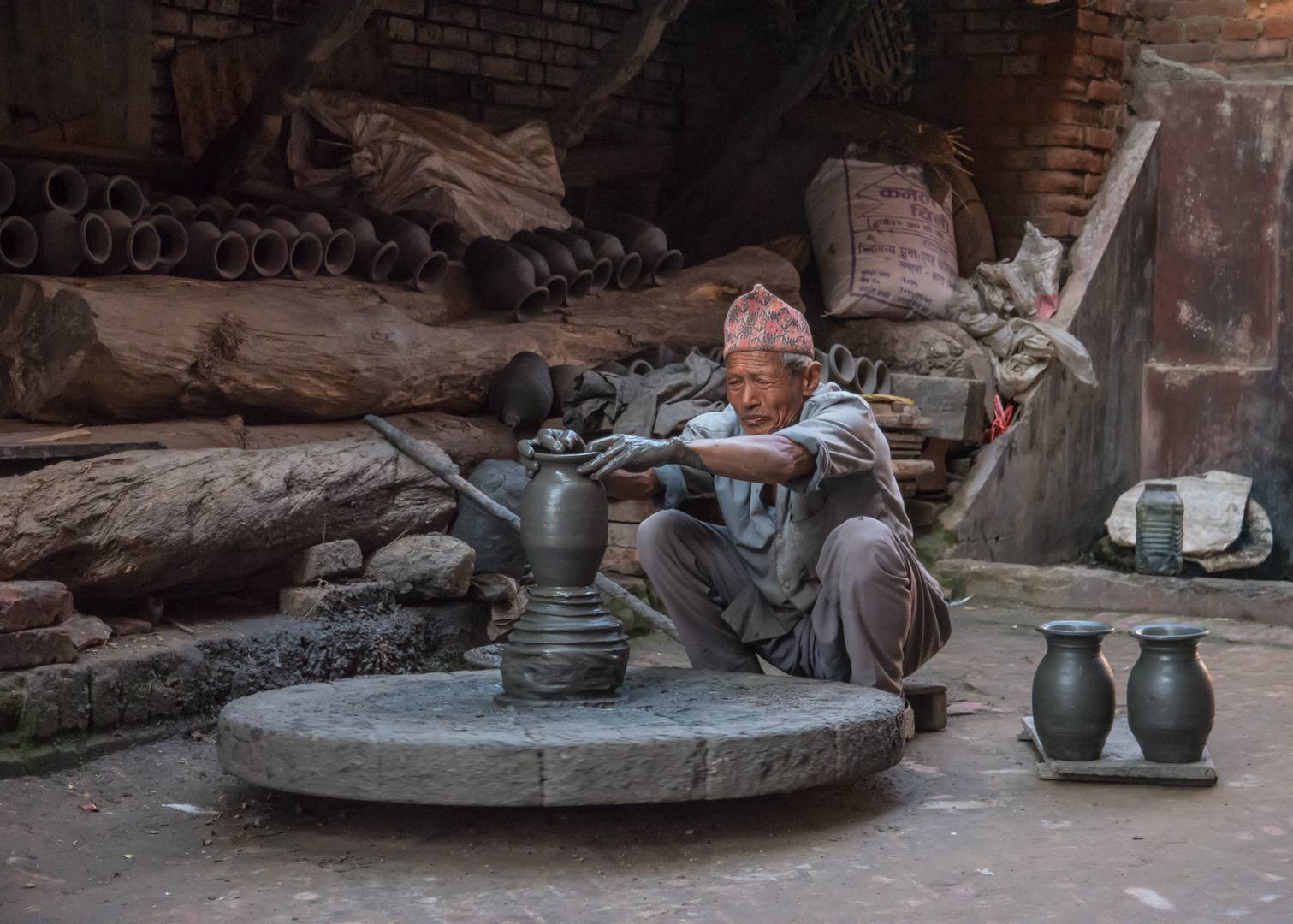
Flyg till Kathmandu. På flygplatsen möts du av din nepalesiske reseledare. Du bor i Bhaktapur strax utanför Kathmandu. Kungliga palatset ligger utanför hotellfönstret. Hela staden är ett världsarv och det är en stark upplevelse att själv vandra i de slingrande gränderna en tidig morgon.
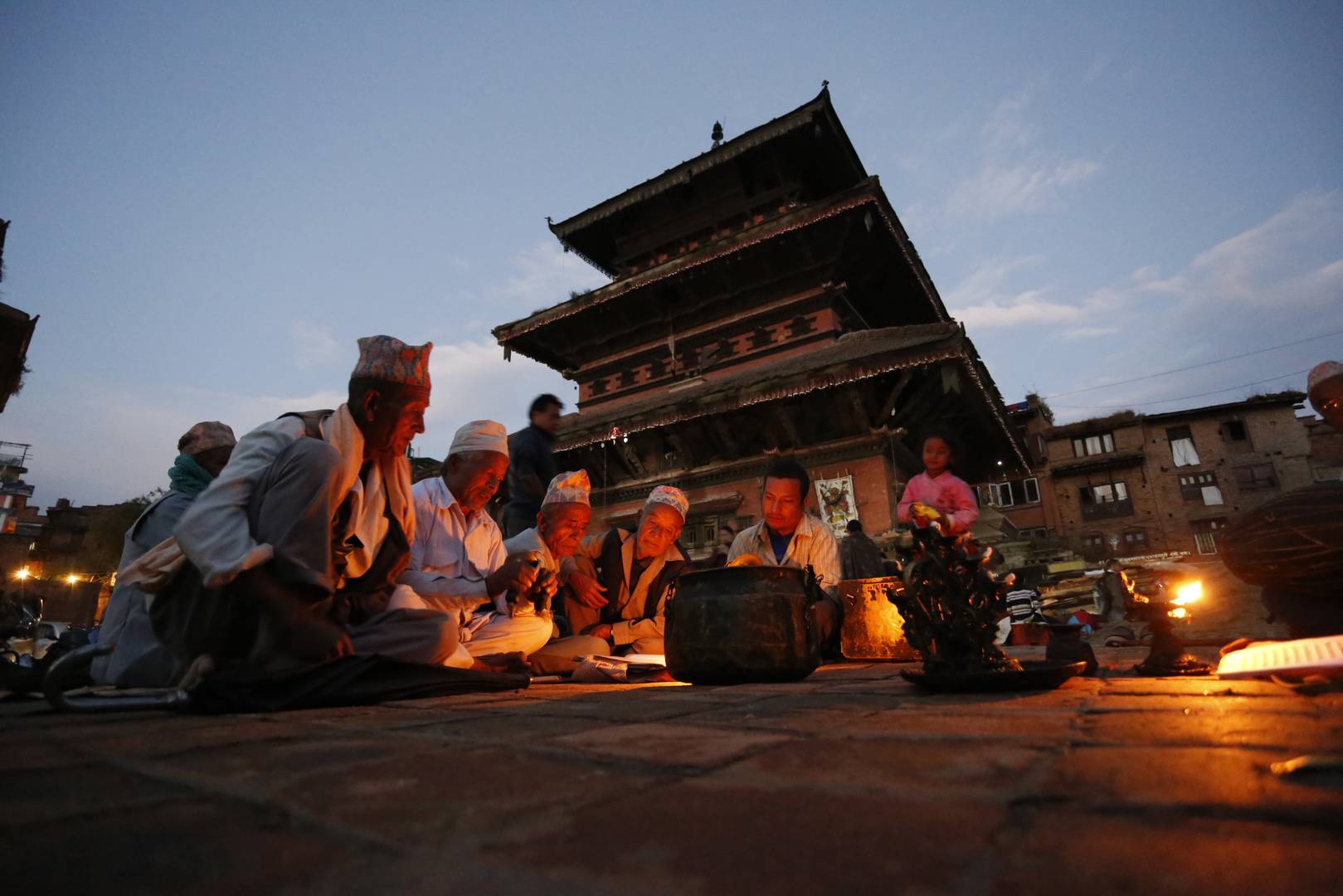
Dag 20-22 Nationalparken Chitwan
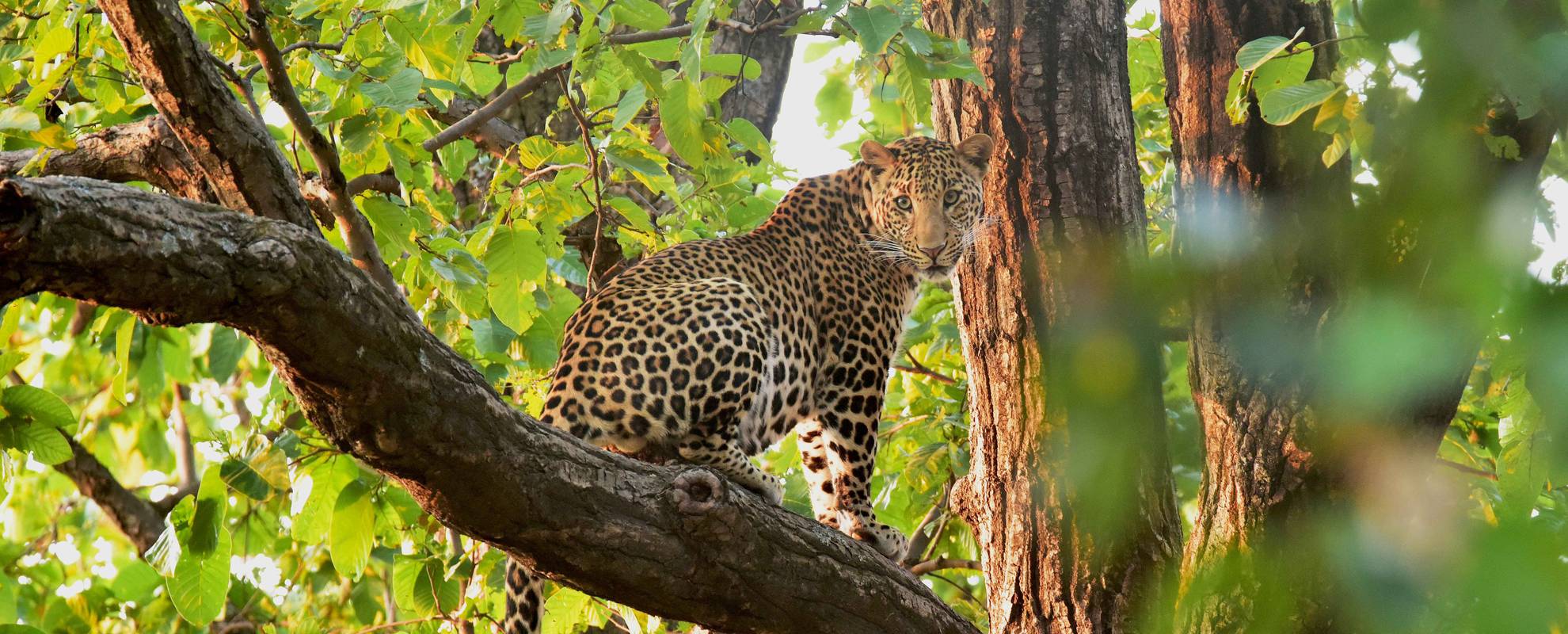
Buss till Chitwan nationalpark i södra Nepal, en av Sydasiens bästa nationalparker. Här finns noshörning i stort antal, hjortar, krokodil, flockar med apor, björn, tiger, leopard och många fågelarter. Vandra eller paddla kanot. Djurlivet upplever du bäst under vandringarna i reservatet.
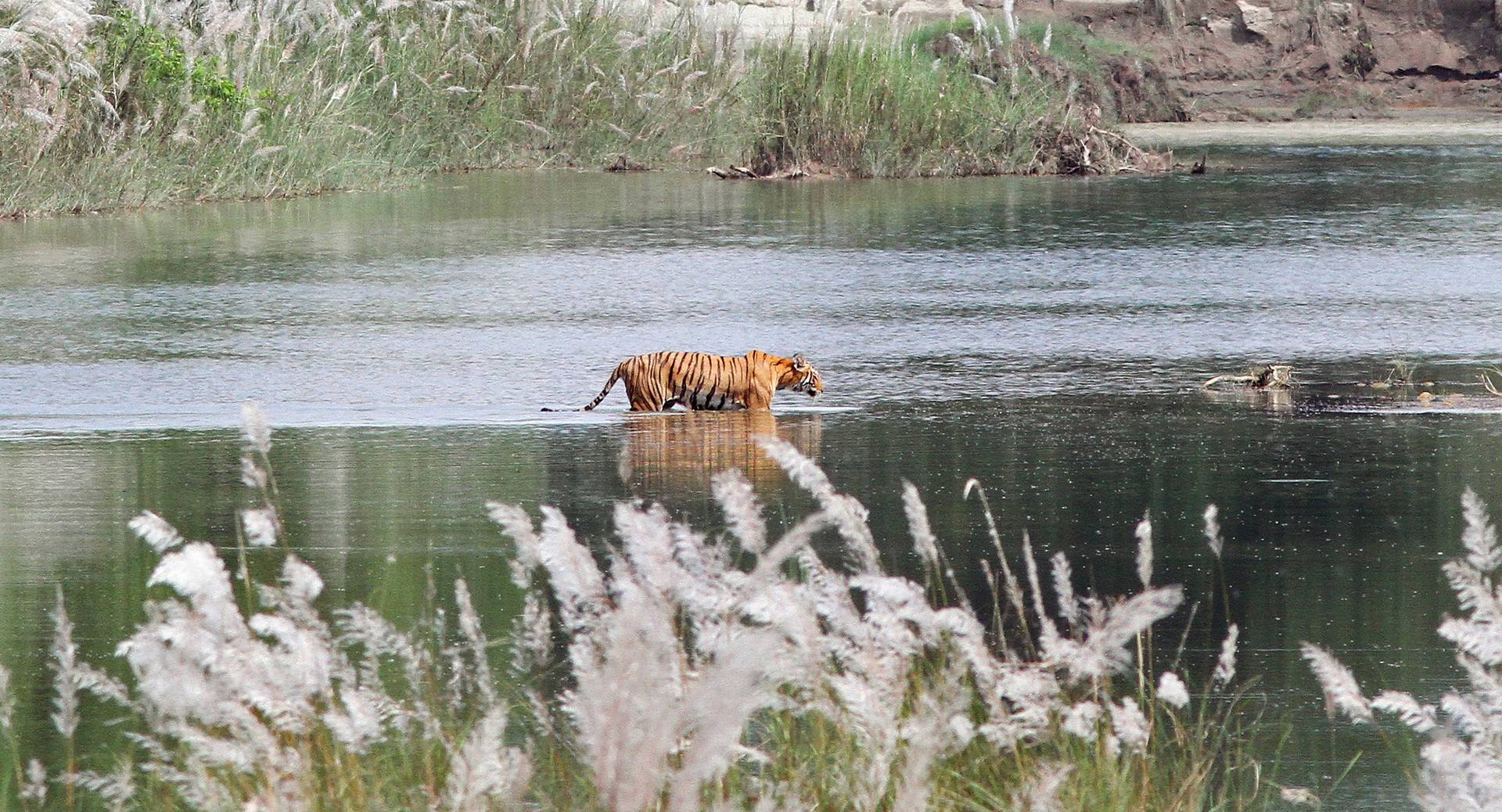
Dag 23-24 Bhaktapur
Tillbaka till Kathmandudalen för en sista kväll med gruppen. Här avslutas resan dag 24.
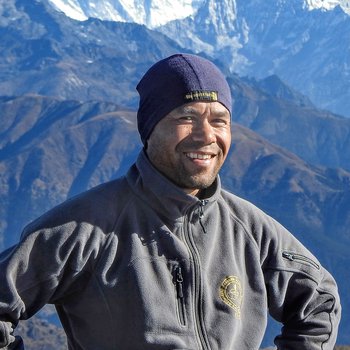
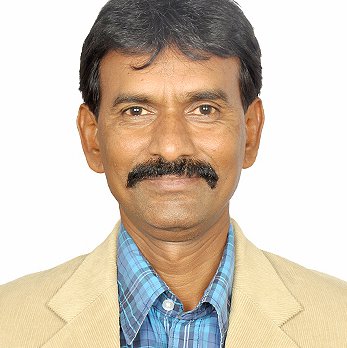
Född 1967. Uppvuxen i Udaipur men nu flyttat till Delhi. Gift och har två barn. Läser mycket inom historia, kultur, religion. Bra på matlagning och praktiserar yoga. Håller gärna improviserade kurser i dessa ämnen.
Flyg
På den här resan ska du boka en flygbiljett till Delhi och hem från Kathmandu. Flyg kostar från 5 500 kr tur och retur.
Boende
Det är inte tillåtet att tillbringa natten inne i nationalparken. Däremot kan du bo i intilliggande skog som förvaltas av en by. Här bor du i en machan: en hydda på pålar med veranda, ca sex meter över marken. Du har då en guide med dig. Han ser, luktar, lyssnar, känner när det kommer djur. Och det gör det! Ett äventyr! Det finns enbart 3 sådana machans
och du måste tidigt tala om för reseledaren att du vill bo där så att han kan avboka ditt hotell. Vi kan således inte garantera att du får plats. I hyddan finns några dubbelrum med sängar.
Utrustning
Utrustningslistan ovan är en generell lista som är anpassad för att gälla de flesta av våra resor. För den här resan behöver du generellt inte regnkläder. Du bör packa i ryggsäck, eftersom det är lättare att packa på bussar. En mindre ryggsäck ska du ha med för dagsvandringar i natur eller stad. Som kvinna måste du tänka på att inte visa ben och axlar, alltså inga linnen eller shorts. För vidare information om hur man bör klä sig i dessa länder, se rubriken "Ta seden dit man kommer". På denna resa behöver du också:
- vindtät jacka gärna med kapuschong
- långkalsonger eller underställ, sockor, mössa och vantar inför kalla nätter i Kathmandudalen
- varm tröja / fleecejacka
- 4 passfoton (2 för visumet till Nepal samt 2 för inträdeskortet till Bhaktapur)
- kikare
- plastpåse eller annan vattentät påse av god kvalitet för att skydda kameran
I december råder vinter även i Sydasien. Upplevelsen av kyla blir större under resan än vi normalt är vana vid, eftersom ingen uppvärmning förekommer inomhus. Du behöver ingen sovsäck men ha med varma kläder för kalla golv och kyliga kvällar.
För vistelsen i parkerna behöver du tänka på att inte bära ljusa eller alltför färgstarka kläder. För att gruppen skall kunna komma nära djurlivet är det därför bättre med mörka/dova kläder.

Våra bästa boktips i höst
Världen är snart redo att utforska igen. Men under tiden får vi passa på att resa i sinnet. Vi på Läs & Res delar här med oss av sex favoritböcker som kan stilla ressuget nu när hösten är på ingående.
Läs vidare